10 Nebraska Towns Where Rising Housing Costs Are Starting To Push Residents Out
A town can feel affordable right up until the monthly payment says otherwise.
Home prices climb. Rent follows. Property taxes and insurance add their own pressure.
People who expected to stay for years start wondering whether moving somewhere cheaper is the only realistic option left.
The tension is becoming harder to ignore in parts of Nebraska, where housing costs have risen faster than many longtime residents expected.
Look past the sale signs and the story gets more complicated.
A growing town may still feel welcoming while quietly becoming tougher for teachers, retirees, young families, and workers earning local wages.
New construction can help, but it does not always arrive fast enough or at prices everyone can manage.
These 10 Nebraska towns show how quickly “affordable” can become relative.
1. Chadron, Pine Ridge Charm With A Price Tag
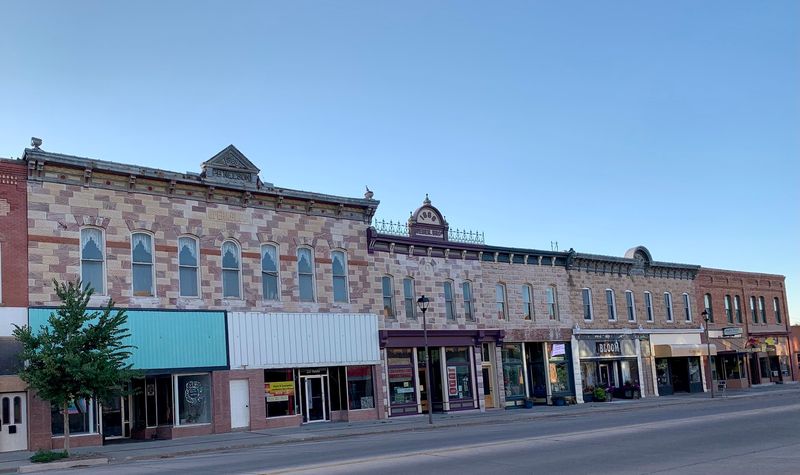
Against the Pine Ridge in Nebraska’s northwest corner, Chadron looks like the kind of place where a young family could buy a first house without losing sleep. The population tells a different story.
Estimates put the town near 5,160 people, down roughly 4.4% since 2020 and slipping another 0.9% in just the past year.
Housing here still costs about 23% less than the national average on paper. Yet Chadron’s overall cost of living now sits about 1% above the U.S. average, pushed up by climbing home prices, expensive fuel, and pricier groceries.
Median gross rent runs around $881 a month. Zillow pegs the average home value at roughly $203,982, a 6% jump in a single year, even though listing prices bounced downward over the same stretch.
College towns often have tight rental markets, and Chadron State College students compete for the same modest supply of apartments that hourly workers need.
When a two-bedroom rental disappears in a weekend, someone gets left out.
If you are house hunting here, talk to local lenders early and ask about Nebraska Investment Finance Authority programs.
Small-town banks frequently know about homes changing hands before they ever hit a listing site, and that inside track can matter more than any online search.
2. North Platte, Railroad Jobs And Not Enough Roofs
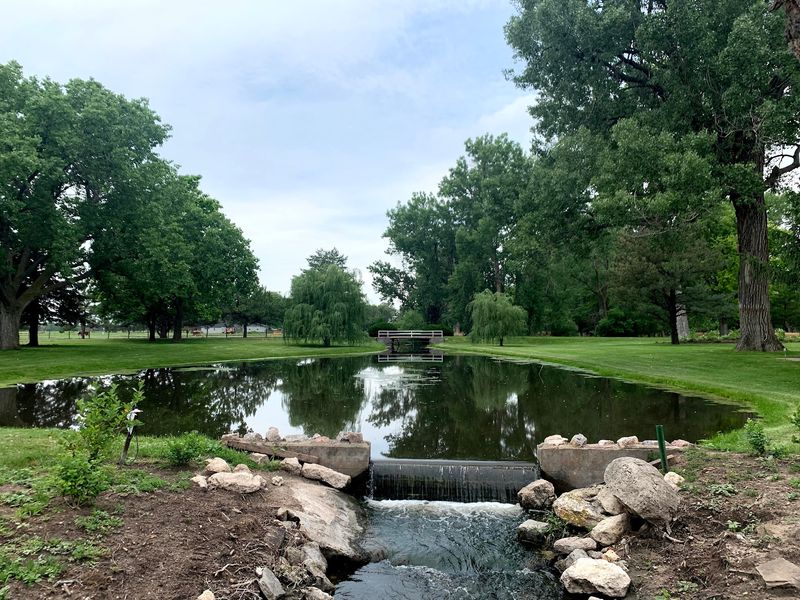
Here is the strange squeeze North Platte finds itself in: employers are hiring, but there is nowhere for new workers to live.
The city lost 5.4% of its residents between 2010 and 2020, and estimates show another dip of roughly 3.8% since then.
Local leaders have pointed to slow housing development as a big reason people leave. Building simply has not kept pace with the jobs created by rail work and newer industrial projects arriving in Lincoln County.
The market has turned competitive as a result. Over the three months ending June 2026, the median sale price hit $205,000, an 8.8% climb from the year before.
Housing expenses still measure about 2.1% below national figures, yet when you stack rent, utilities, transportation, and food together, monthly totals in North Platte rank surprisingly high for a Nebraska city of its size.
Renters feel it first. A modest apartment that went for a few hundred dollars a decade ago now eats a much larger slice of a service-industry paycheck.
One practical move for anyone staying put: watch for city infill lot programs and rehab grants.
North Platte has actively encouraged new construction, and buyers willing to fix up an older home near downtown sometimes find the best remaining deals.
3. Fairbury, Wild Price Swings In Jefferson County
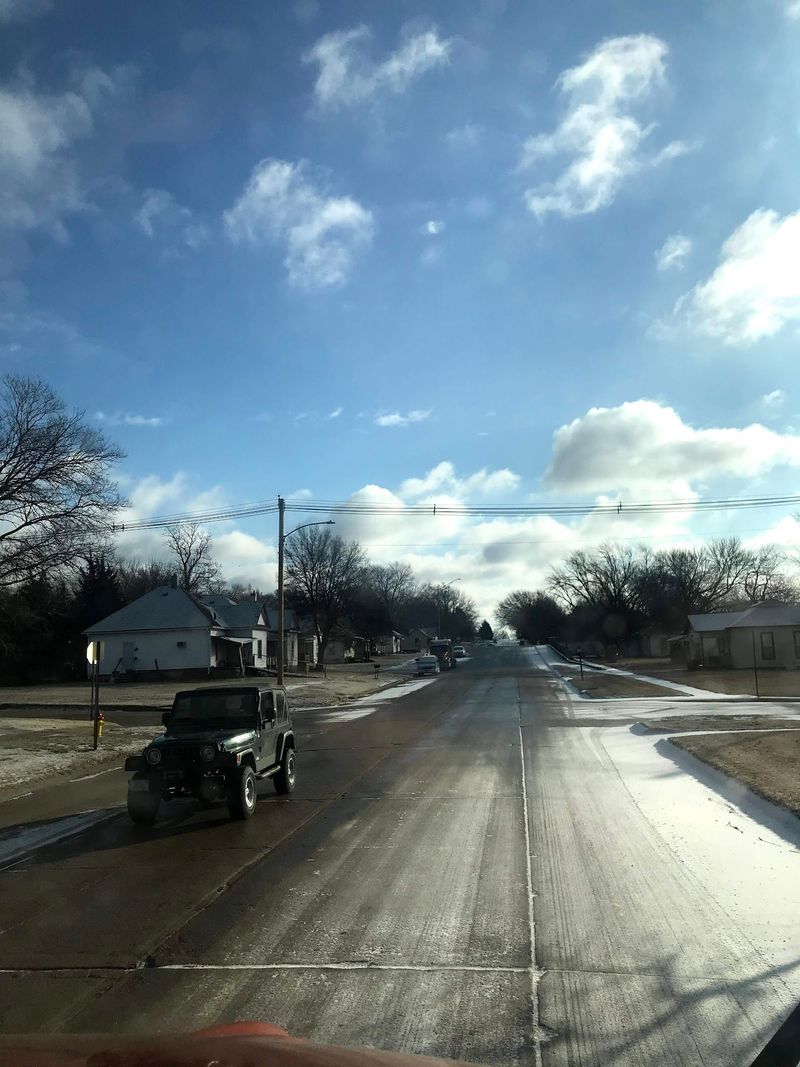
Few Nebraska towns have seen home prices bounce around like Fairbury’s.
Redfin recorded an average sale near $110,000 in one recent month, a 33% drop from the year before, while the three-month median through June 2026 landed at $144,000, up 7.1%.
Numbers that jumpy make planning tough for anyone trying to buy or sell.
Population sits around 3,888, roughly 3.8% lower than in 2020 and still drifting down about 0.4% a year.
On the surface, Fairbury looks like a bargain. Median monthly housing costs of $808 and median gross rent of $676 fall well under national averages, and overall living expenses run cheaper than most of the country.
The catch is supply and condition. Many of the cheapest houses are old, need serious repairs, and struggle to pass inspection, which pushes buyers toward the handful of updated homes where bidding gets competitive fast.
Rentals are scarce too, so a family that sells or gets priced out often has to leave the county entirely rather than move across town.
Anyone considering Fairbury should budget for renovation from day one. Get a contractor estimate before closing, look into rural rehab loan options, and remember that a low sticker price rarely tells the whole story out here.
4. McCook, Twenty Houses On The Market, Tops
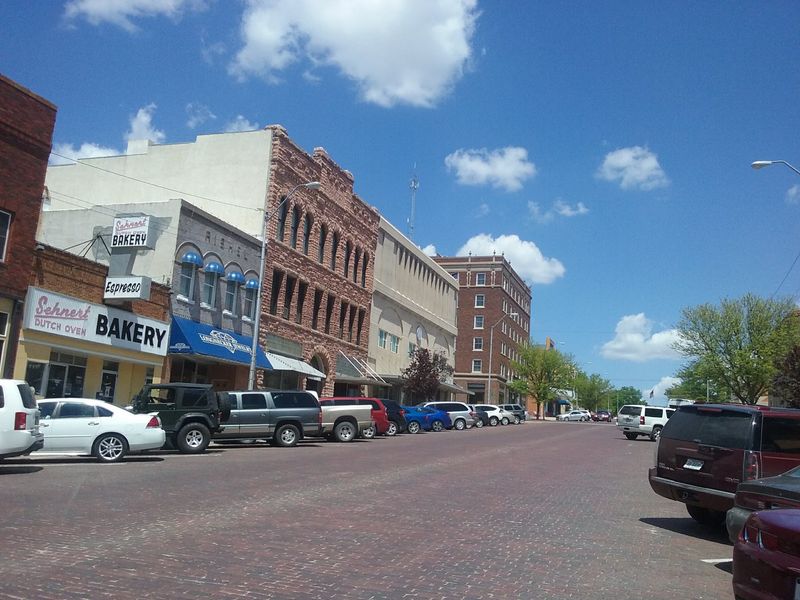
A 2022 housing study in McCook uncovered a number that stuck with local officials: at any given time, only about twenty houses sit on the market in the whole community.
With demand that far ahead of supply, prices had nowhere to go but up.
The median property value climbed 12.3% in a single year, from $137,400 in 2023 to $154,300 in 2024. By June 2026 the median listing price reached $189,000, and average home values hovered near $184,144.
Meanwhile the population, estimated at 7,314, has slid about 3.6% since 2020. Renters face the tightest pinch.
That same study flagged a real shortage of three-bedroom rentals, exactly what growing families need, with median gross rent already around $823 and monthly housing costs near $846.
Employers in Red Willow County have openly worried about recruiting nurses, teachers, and tradespeople who cannot find a place to live after accepting a job offer.
Practical tip for house hunters here: get pre-approved before you start looking, and let a local agent know exactly what you want.
In a market this thin, being ready to make an offer within a day or two often decides who gets the house and who keeps renting another year.
5. Falls City, A Rental Market With Almost Nothing Listed
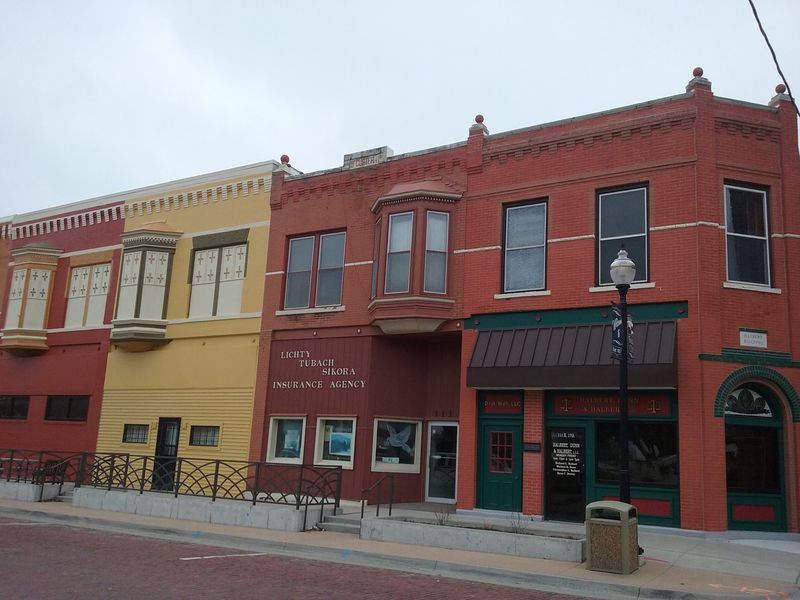
Imagine searching for an apartment in your hometown and finding zero listings. That has been the reality in Falls City, where recent checks turned up no active rentals at all.
Population estimates for 2026 sit near 3,957, about 3.6% to 4.2% below 2020 counts. Southeast Nebraska’s Richardson County has been losing young adults for years, and housing scarcity keeps the trend rolling.
Sale prices tell a confusing tale.
The median property value dipped slightly from $91,900 in 2023 to $89,800 in 2024, and one three-month stretch showed a $50,000 median sale price.
Yet Realtor.com listed a median asking price of $152,000 in June 2026, up nearly 11% year over year.
That gap between what sells cheap and what sellers ask reflects condition. Bargain properties tend to need roofs, wiring, or foundation work, while move-in-ready homes command far more.
Without rentals, people who lose housing have almost no local backup plan. They commute from Auburn, cross into Kansas or Missouri, or leave for good.
If you have equity and patience, Falls City can still work. Just line up financing that covers repairs, and consider whether a duplex conversion might serve both your budget and neighbors hunting for a place to rent.
6. Ogallala, Lake Country Prices Meet Local Paychecks
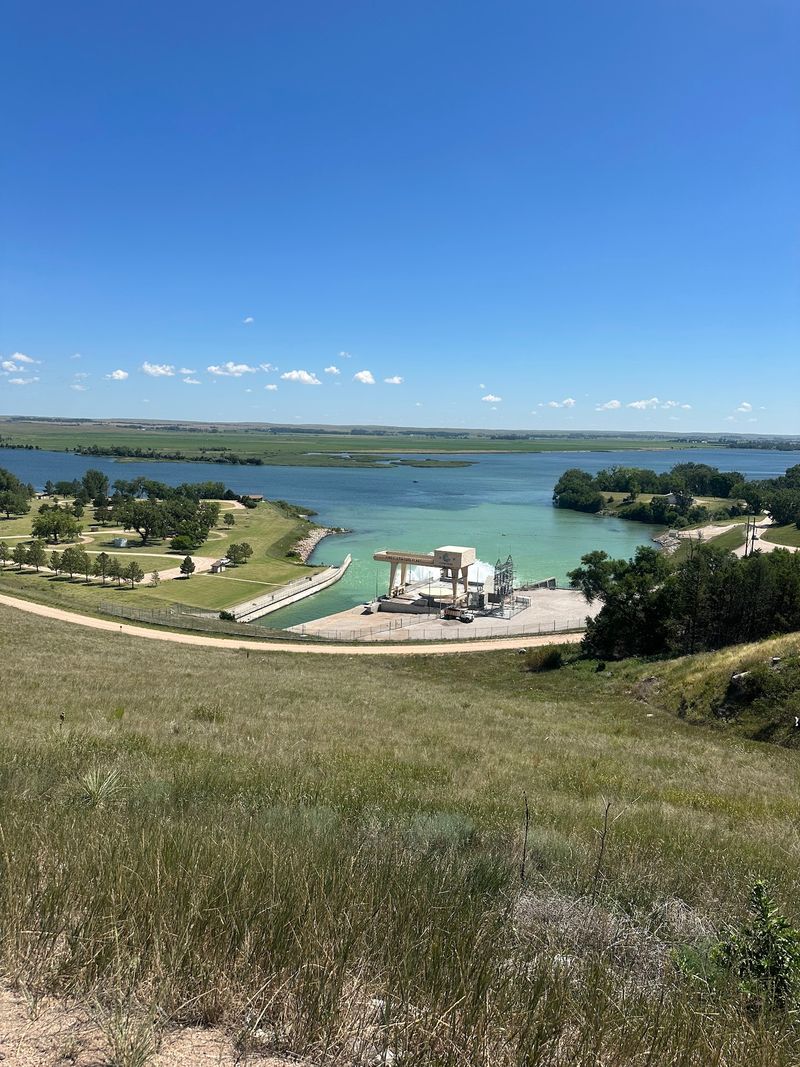
Lake McConaughy brings boats, tourists, and vacation-home buyers to Ogallala every summer, and that outside money leaves a mark on the local housing market.
Roughly 4,835 people live here, down about 3.6% since 2020.
Some sources still describe the median home value near $133,200, comfortably below national figures, which sounds reassuring until you look at what is actually for sale.
Realtor.com showed a median listing price of $282,000 in June 2026, while Zillow pegged average home values at $231,608, up 9% in a year.
Those are not numbers a person earning a Keith County service wage can easily reach. Total living costs add to the strain.
Once housing, driving distances, and grocery prices are combined, Ogallala shows up on lists of America’s more expensive places to live, an odd label for a town of fewer than 5,000.
Seasonal rentals complicate things further. Property owners can earn more from summer visitors than year-round tenants, shrinking the pool of long-term housing.
Anyone looking to stay should ask about homes a few blocks from the highway rather than near the water, and check whether workforce housing projects are in the pipeline.
Location within town makes a bigger price difference here than in most Nebraska communities.
7. Alliance, Box Butte County Feels The Statewide Pinch
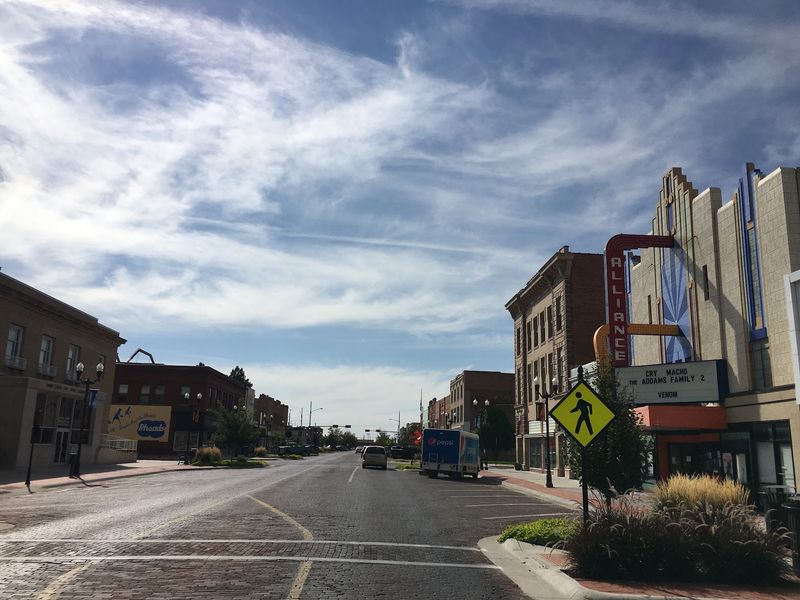
Alliance sits far out in the Panhandle, famous for Carhenge and its busy rail yard, and it has quietly lost about 3.1% of its residents since 2020.
Specific local housing data is thinner here than in bigger towns, but the statewide pattern applies.
Nebraska added households faster than it added homes, and construction costs rose sharply after 2019, hitting remote communities hardest because contractors and materials must travel long distances.
When a builder charges the same to frame a house in Alliance as in Omaha, but the finished home appraises for far less, new construction stalls.
That leaves an aging housing stock competing for buyers and renters.
Local employers, including the railroad, the hospital, and area schools, need workers who can find somewhere decent to live. Housing shortages quietly become hiring shortages.
One bright spot: towns this size often qualify for rural development grants and low-interest loan pools that larger cities cannot access.
Residents who show up to city council or housing authority meetings sometimes learn about down payment help nobody advertises.
For anyone eyeing Alliance, walk the older neighborhoods near downtown. Solid brick homes from the mid-1900s still trade at prices that would seem impossible in eastern Nebraska, and they hold value when kept up.
8. Scottsbluff, Competitive Bidding In The Panhandle
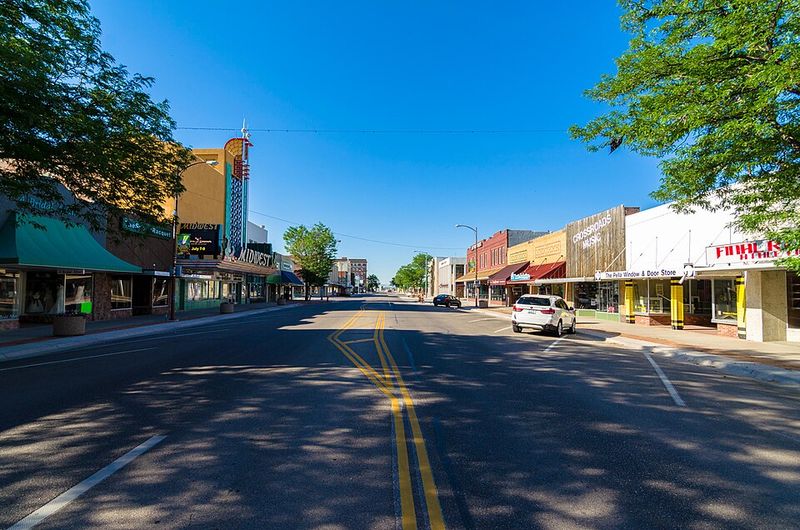
Real estate watchers now describe Scottsbluff as a very competitive market, which surprises people who still picture the Panhandle as cheap country.
The median sale price over the three months ending June 2026 reached $222,000, a 17.2% jump in one year. Zillow’s average home value of about $190,140 rose 4.2% over the same stretch.
Around 14,376 people live in Scottsbluff, a 1.3% drop since 2020, with projections pointing toward 14,061 by 2030.
Monthly costs matter as much as sale prices. Median housing costs sit near $943 and median gross rent near $966, meaning a renter earning regional wages can spend a third or more of income before touching utilities or fuel.
Older data suggesting a median home value near $131,400 helps explain why longtime residents feel whiplash.
Prices moved fast enough that the town’s affordable reputation no longer matches what appears on listing sites.
Twin-city living offers one workaround. Comparing Scottsbluff with neighboring Gering and nearby Terrytown can reveal meaningful price gaps within a few miles.
Buyers should also ask sellers about irrigation, older wiring, and heating systems in homes built before 1970. Panhandle winters punish weak furnaces, and that repair bill arrives whether or not you budgeted for it.
9. Gering, Small Losses, Real Pressure Next Door
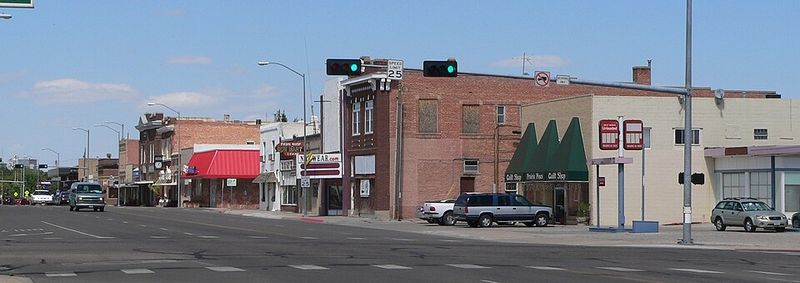
Gering has slipped only about 1% in population since 2020, the mildest decline on this list, yet living in the shadow of a hot market brings its own headaches.
Because Gering and Scottsbluff share the same job base, schools, and shopping, buyers priced out of one town immediately start hunting in the other.
That spillover keeps demand steady and quietly lifts what sellers can ask.
Detailed Gering-specific housing figures are harder to pin down than its neighbor’s, but statewide conditions leave little doubt about direction.
Home values rose about 20% across Nebraska between 2020 and 2024 while median household income crept up just 0.2%.
Do the math and the gap becomes obvious. A family whose paycheck stayed flat now needs thousands more for a down payment and hundreds more each month for a mortgage.
Gering’s appeal is genuine, with the Scotts Bluff National Monument practically in the backyard and a small-town school system families like. Popularity and affordability rarely stay friends for long.
Renters here should ask landlords about longer leases to lock in current rates.
Buyers might explore the older sections along the north side of town, where modest ranch homes occasionally list below what similar houses fetch across the river in Scottsbluff.
10. Gretna, Boomtown Prices Near Omaha
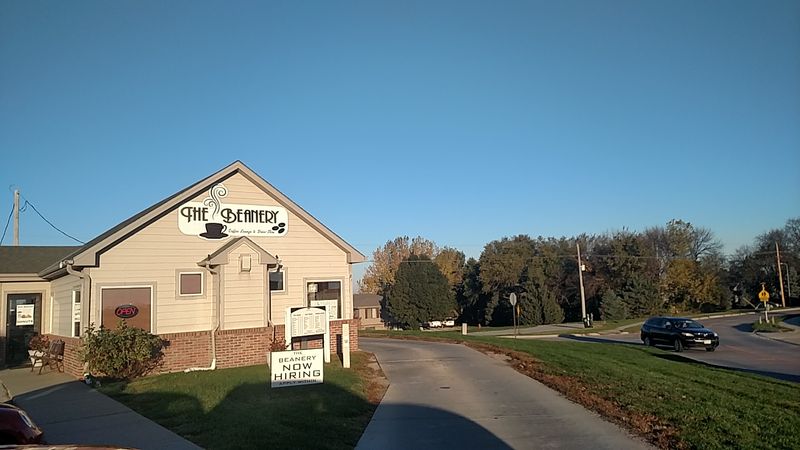
Gretna belongs on this list for the opposite reason from the others. Growth, not decline, drives the affordability squeeze in this Sarpy County community of roughly 9,117 residents.
Home prices here have rocketed. The median sale price hit $402,000 over the three months ending June 2026, up 14.8% year over year, while median listing prices reached about $575,000.
Median property value climbed from $326,000 in 2023 to $341,600 in 2024.
A median household income near $118,765 explains part of that. Well-paid commuters working in Omaha can afford those payments, and new subdivisions keep filling with families moving in rather than out.
The estimated 0.5% population dip since the census base looks tiny next to that construction boom, and evidence points to people still arriving.
Where does the pressure land? On anyone already living nearby without a big salary.
Service workers, retirees on fixed incomes, and young renters increasingly cannot compete for housing in a market built around six-figure households.
Watching Gretna offers a useful lesson for the rest of Nebraska. Prosperity can price out neighbors just as effectively as decline can.
Shoppers here should compare Gretna with Springfield, Ashland, or Louisville, where similar commutes sometimes come with noticeably smaller price tags.