This Hidden California Cafe Feels Like A Little Slice Of Bosnia, With Flaky Burek, Turkish Coffee, And A Breezy Patio
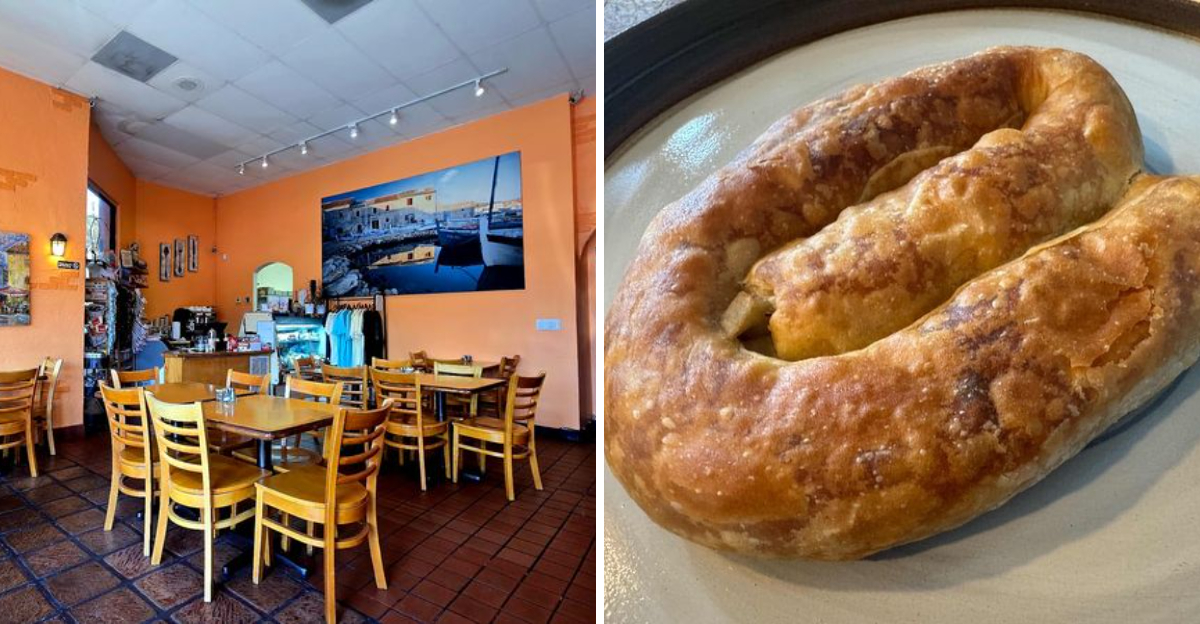
Start with the burek, because restraint is not helping you here.
The pastry arrives crisp at the edges and layered enough to make the first cut satisfyingly messy. Pair it with a tiny cup of strong Turkish coffee, then step outside and let the patio slow the whole afternoon down.
A small cafe brings a taste of Bosnia and Herzegovina to California without making the experience feel overly staged or touristy. That is what makes it so easy to settle in.
You might hear conversations drifting between tables while plates keep appearing from the kitchen, each one giving you another reason to rethink what you planned to order.
Go savory first. Save something sweet for later. Let the coffee do its job.
The setting feels relaxed enough for a long lunch and intimate enough to make you forget how busy the city is just beyond the patio.
For an hour or two, Los Angeles feels unexpectedly far from Los Angeles.
Two Decades Of Bosnian Cooking On Overland Avenue
Few restaurants in a city this restless make it past a couple of years, which makes a 2004 opening date genuinely notable.
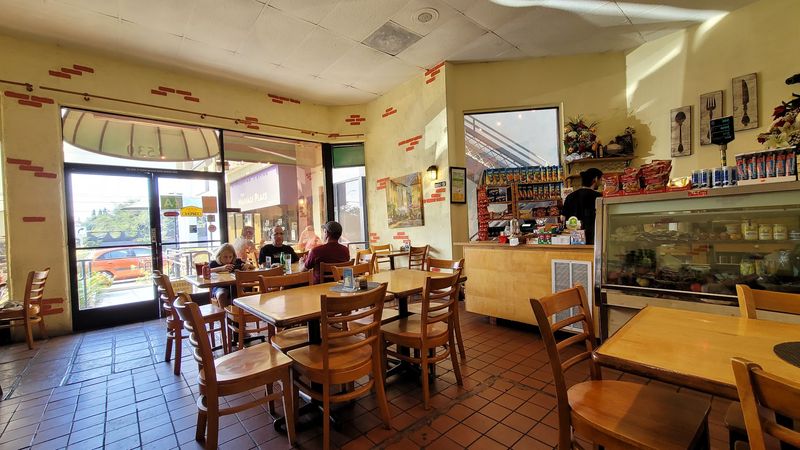
Aroma Cafe sits at 2530 Overland Ave, Los Angeles, CA 90064, in a low-key strip mall setting rather than a polished restaurant row.
The cafe was started by a wife and husband who wanted a place where Bosnian and broader Mediterranean cooking could live side by side.
More than twenty years later, the kitchen still turns out made-to-order plates instead of pre-built trays.
Hours currently run from 11 AM to 10 PM every day of the week, which leaves room for a late lunch or an unhurried dinner.
Longevity here shows up in small ways, like regulars who order without opening the menu and dishes that have stayed consistent for years.
Anyone visiting for the first time should know the space is modest in size, so a large group may want to call ahead at 310-836-2919.
A Home Kitchen Came First
Long before a storefront existed, the cooking happened at home for people who missed the flavors of the former Yugoslavia.
The family obtained permits and served food out of their own kitchen for roughly seven years, slowly building a following among Southern California communities with roots across the Balkans.
Word traveled by phone calls and gatherings rather than social media, which is how many immigrant food businesses have always grown.
By the time the restaurant opened in 2004, there was already a built-in group of customers who knew exactly what they wanted.
That history explains a lot about how the food tastes today. Recipes were not developed for a menu concept, they were developed to feed a family and then shared outward.
Diners often notice the difference in small details, like bread that comes out warm and dishes that arrive when they are ready rather than on a strict clock.
For anyone who appreciates food with a traceable origin story, the home-kitchen beginning is worth knowing before the first bite.
It also helps set expectations, since made-to-order cooking can mean waiting a few extra minutes during busy stretches.
From Banja Luka To West Los Angeles
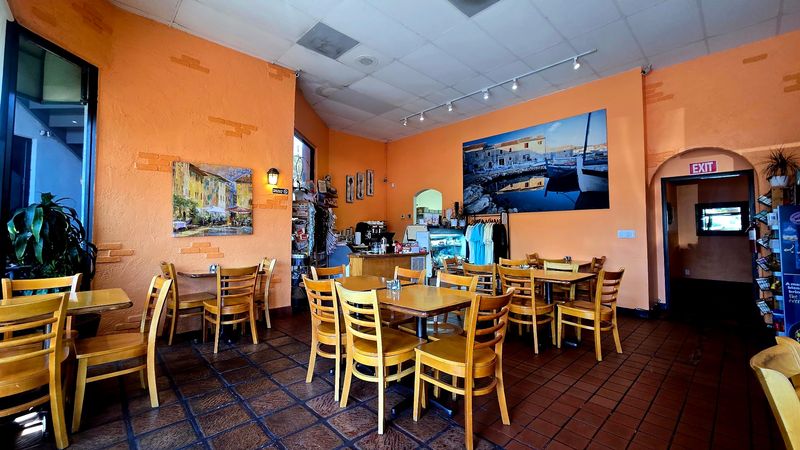
Behind the menu is a journey that began with displacement rather than ambition.
The founding family left Banja Luka during the war, spent years moving through Europe, and arrived in Los Angeles in 1996.
Cooking became both a livelihood and a way to hold onto something familiar in a city that felt nothing like home. What eventually became a restaurant grew directly out of dishes already made at home for family meals.
Knowing that background changes how a plate of sarma or a piece of burek registers on the table. These are recipes carried across borders.
The cafe now functions as a landmark for people from across Southeastern Europe living in and passing through Los Angeles.
Visitors who are new to Balkan food often find the staff willing to explain what a dish is and how it is typically eaten. Asking questions is welcome, and it can make a first visit far more rewarding.
Flaky Burek In Four Different Fillings
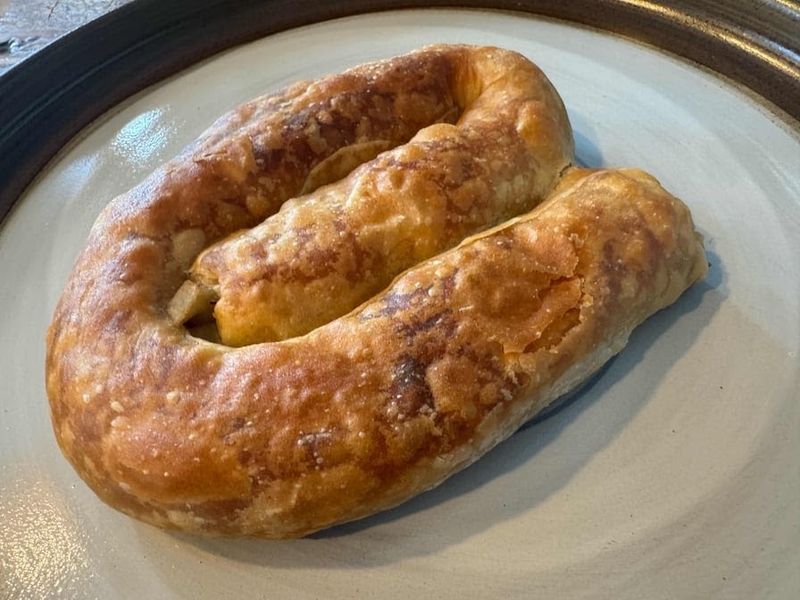
Layered pastry gets a whole section of the menu here, not a single obligatory listing.
The pita and burek offerings include ground beef alongside feta cheese, spinach, and potato versions, which gives both meat eaters and vegetarians a real choice.
Each one relies on thin dough that bakes into crisp, flaky layers around a soft filling. The texture contrast is the whole point, and it comes through best when the pastry is fresh from the oven.
For a first order, the ground beef version is the traditional benchmark, while the spinach one tends to feel lighter. Cheese burek leans salty and rich, and the potato version is the most comforting of the group.
Portions are generally substantial enough that one piece works as a light meal, especially with coffee.
Sharing a couple across the table is a smart move for two people who want to compare fillings. Burek also travels reasonably well, so ordering an extra to take home is common.
Turkish Coffee Brewed Fresh In Small Brass Pots
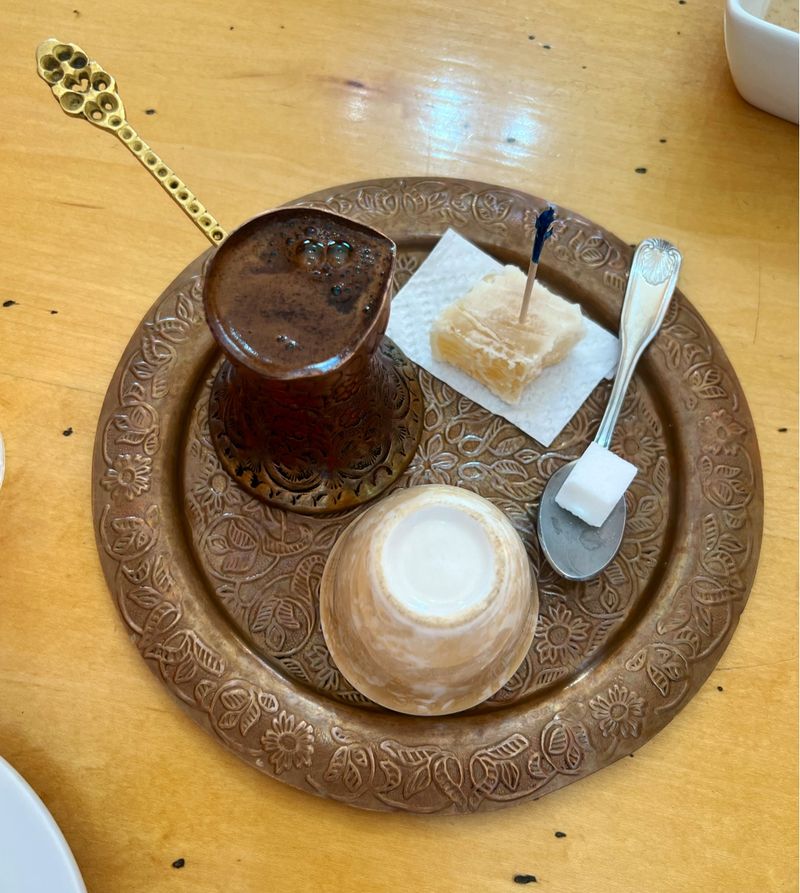
A cup of Turkish coffee is less a caffeine delivery system and more a reason to sit still for twenty minutes.
Here the coffee is brewed fresh to order rather than made in advance, and it has been described arriving in small brass cezve pots.
Grounds settle at the bottom, so the last sip is best left alone. Pouring slowly into the tiny cup helps keep the sediment where it belongs.
The flavor runs strong and slightly thick, which surprises people expecting a standard drip coffee. Sugar is usually added during brewing rather than stirred in later, so it helps to mention a preference when ordering.
Pairing it with a piece of baklava is a common approach and balances the intensity nicely.
Espresso-style drinks and other cafe beverages are also available for anyone who wants something more familiar. The made-to-order approach applies across the board, which is part of why the atmosphere feels unhurried.
Afternoons between the lunch and dinner rushes tend to be the calmest window for lingering over a cup.
Grabbing a small table, ordering coffee, and letting the conversation stretch out is exactly how the space seems built to be used.
Cevapi, The Dish Most People Come For
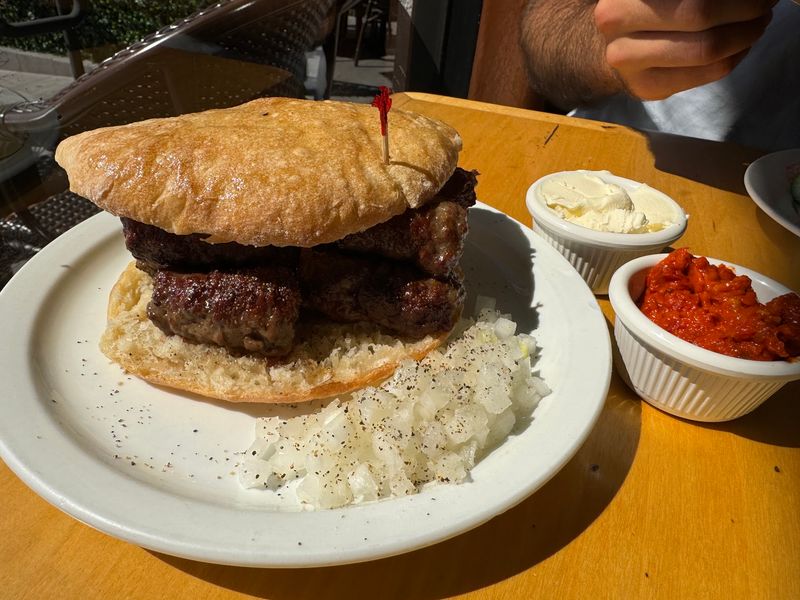
Small grilled rolls of ground beef are the single most talked-about item on this menu.
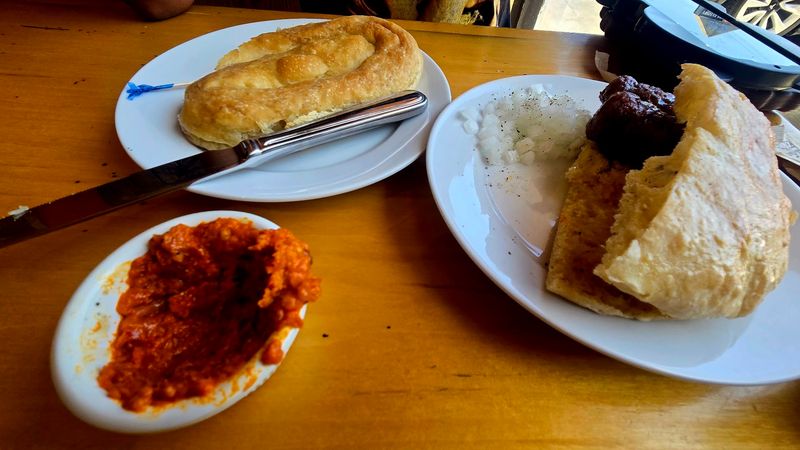
Cevapi is widely recognized as the national dish of Bosnia and Herzegovina, and it is served here inside the cafe’s homemade pita bread.
The meat is charcoal-grilled, which gives the outside a light char while the inside stays tender. Chopped raw onion usually comes alongside and cuts through the richness.
Portion options vary, and combination plates let diners mix cevapi with other grilled items. Larger orders exist for anyone planning to share across a table.
Adding kaymak and ajvar is the traditional route, though those sides carry an extra charge.
Slovenians may know the dish as cevapcici, and Croatians and Serbians have their own spellings, which speaks to how widely shared it is across the region.
For a first visit, ordering cevapi with bread and a side of ajvar covers the essentials and gives a clear sense of what the kitchen does best.
Hand-Rolled Sarma In Two Versions
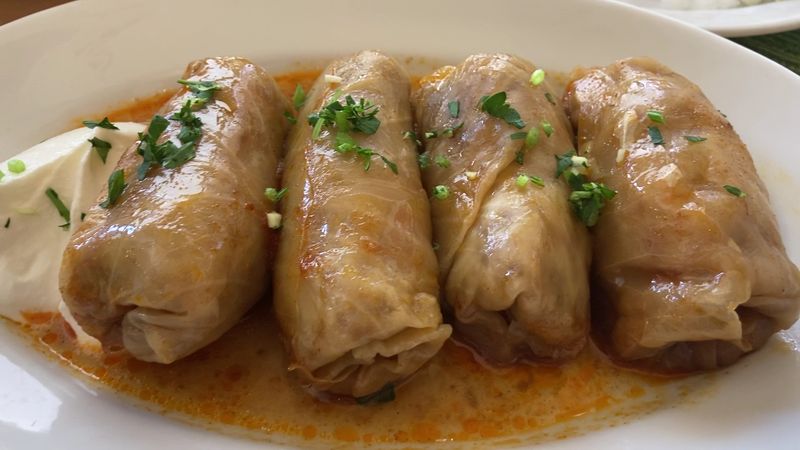
Stuffed cabbage rolls take patience to make, and here they are rolled by hand.
The menu offers sour cabbage sarma filled with ground beef and rice, plus a grape leaf version for anyone who prefers a lighter wrap.
Sour cabbage brings a tangy edge that balances the richness of the filling. Grape leaves are milder and slightly firmer in texture.
Slow cooking is what makes the dish work, letting the flavors settle into the rice and meat. The result is soft, warm, and comforting rather than showy.
Regular customers frequently name sarma as their second favorite order after cevapi.
Anyone who grew up eating stuffed cabbage in Eastern or Central Europe will recognize the format immediately, even though the seasoning differs by country.
Ordering it alongside a side of fresh bread rounds out the plate nicely. Because the dish is prepared in batches, availability may vary during especially busy periods.
Tufahiya And Other Sweets That Stay Traditional
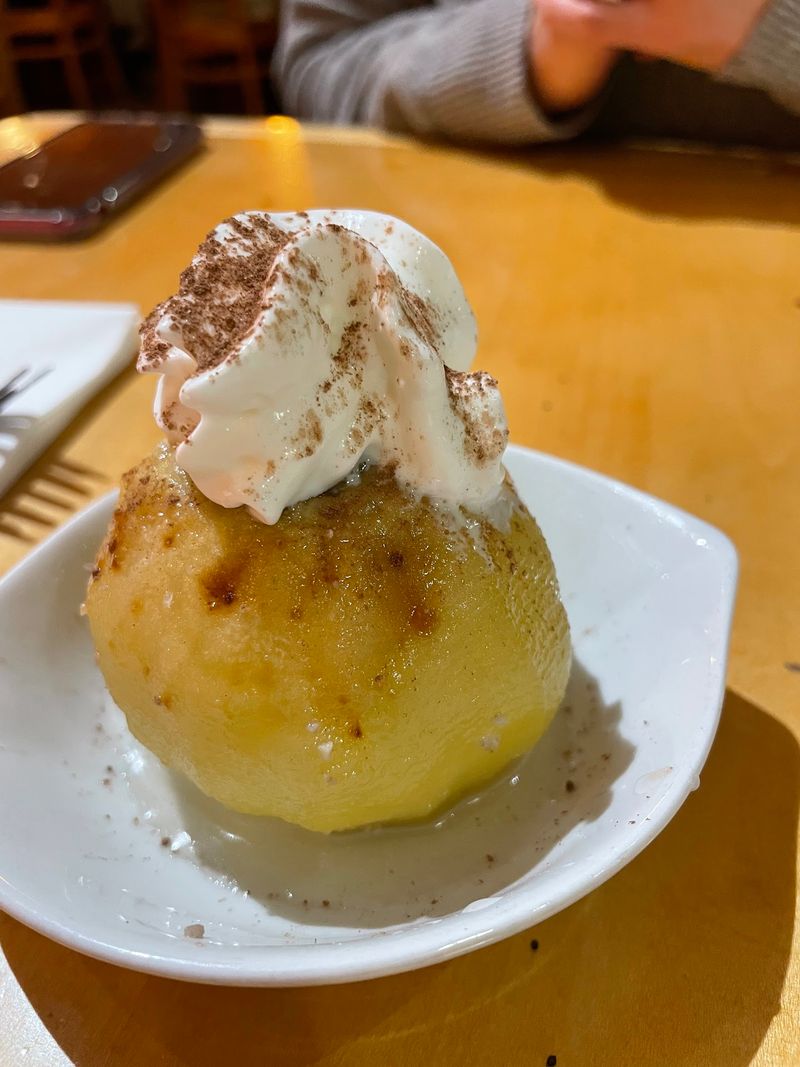
Dessert here does not detour into generic cafe cake, which is refreshing.
Tufahiya is a poached apple filled with walnut cream, and it shares the menu with hurmasice and baklava.
The apple arrives peeled and soft, sitting in a light syrup with a nutty filling tucked inside.
Diners often mention it is less sweet than expected, especially the walnut paste.
Baklava brings the flaky, honey-soaked contrast that many people already recognize. Hurmasice are small syrup-soaked cookies with a dense, tender crumb.
Pairing any of these with Turkish coffee is the classic move and helps balance the sugar.
Splitting one dessert across a table works well since portions are generally satisfying after a full meal of grilled meat and bread.
Tufahiya is also the most visually interesting of the three, which makes it a fun choice for anyone trying Balkan sweets for the first time.
Ordering dessert right when the main plates arrive is not necessary, since the kitchen prepares things to order and the pace stays unhurried.
The Patio That Makes You Forget The Street
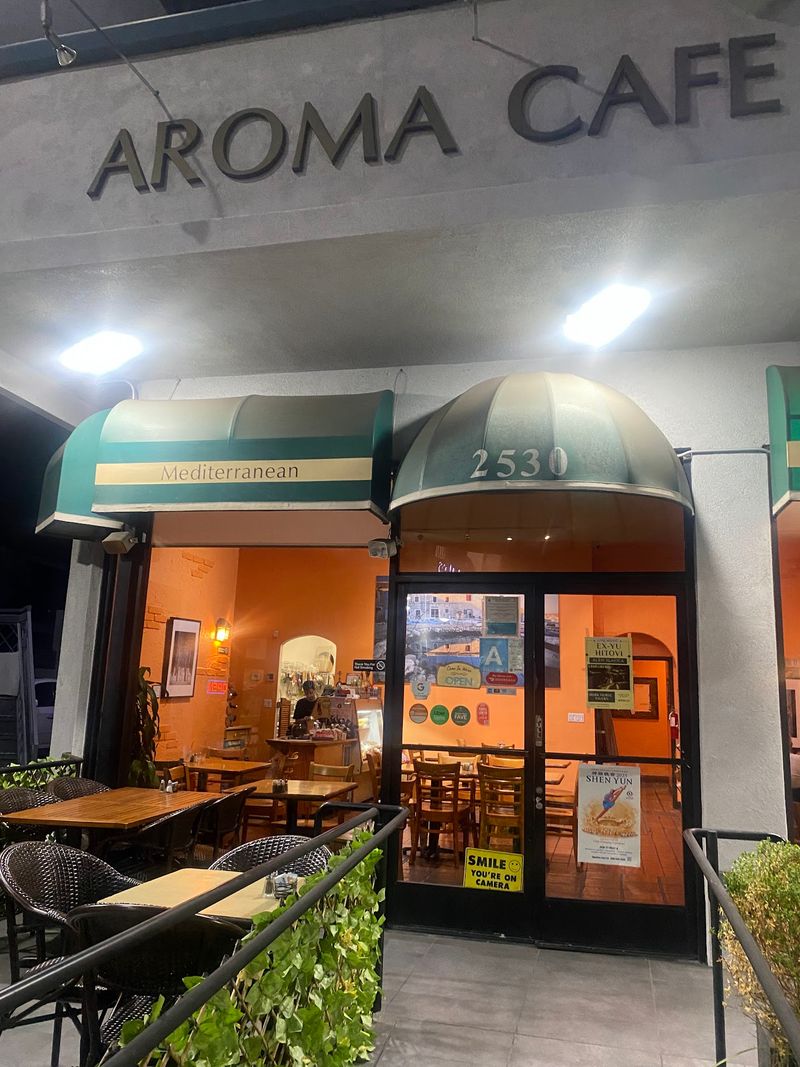
Outdoor seating changes the whole rhythm of a meal, and there is a small patio out front here.
Guests describe the terrace as relaxed enough for slow coffee, long conversations, or even a drawn-out chess game.
Shade and open air make it comfortable through much of the year, given how mild the local climate usually is. The setting is simple rather than designed, with tables close enough that neighbors sometimes strike up conversation.
Noise levels stay moderate, so talking across the table rarely requires raised voices. Traffic on Overland is audible but not overwhelming, and the effect leans more neighborhood cafe than busy boulevard.
Seating is limited, so patio tables can fill up quickly during peak lunch and dinner hours.
Arriving slightly early or late in the meal window improves the odds of getting one. Indoor seating is available too, and it stays available fairly reliably according to regular visitors.
For anyone bringing a small group, calling ahead helps set expectations since the space is not large.
Shelves Of Balkan Groceries Right Inside
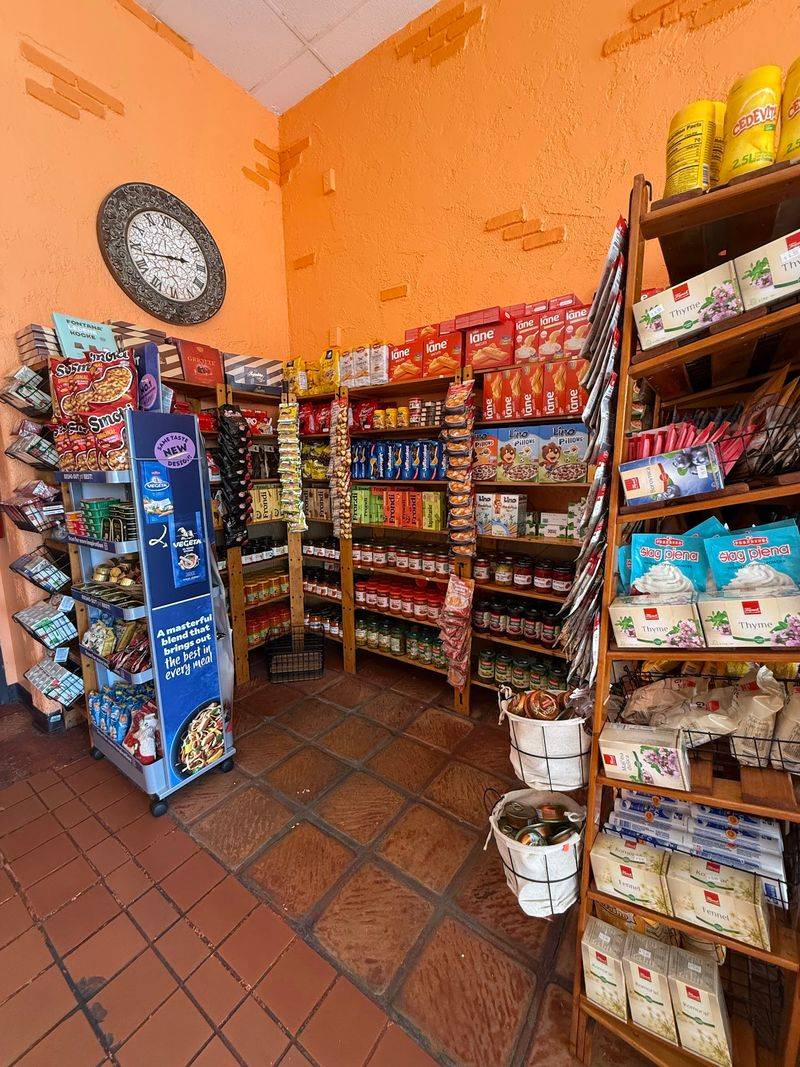
Part restaurant, part corner shop, the interior includes a small market section that catches most first-timers by surprise.
Shelves hold imported Balkan groceries including cured meats, cheeses, pate, wafer sheets, breads, dips, and packaged sweets.
For people from the region, it functions as a place to pick up items that are hard to find elsewhere in the city. For everyone else, it is a chance to take a piece of the meal home.
Wafer sheets are especially useful for anyone who wants to attempt Balkan desserts in their own kitchen. Jars of ajvar make an easy souvenir that actually gets used.
Prices on imported goods run higher than domestic equivalents, which is typical for specialty items shipped from overseas.
Checking labels and comparing before buying is a reasonable habit here as anywhere. Staff can usually point out what a particular product is used for if the packaging is unfamiliar.
Browsing while waiting for food is a natural way to pass a few minutes, since orders are made fresh.