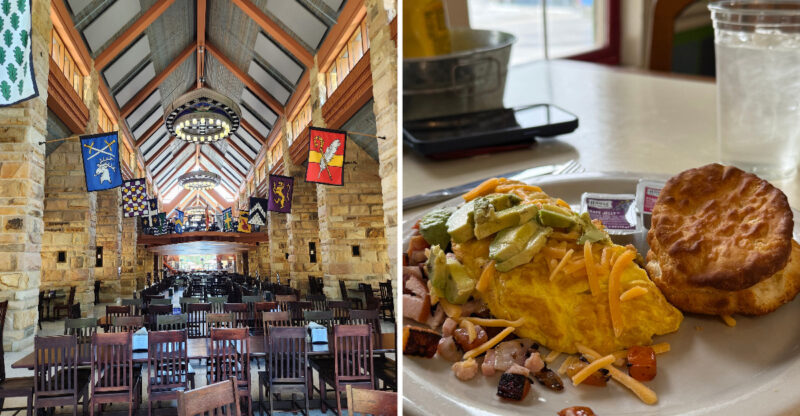
This Tennessee Horseback Adventure Takes You Deep Into The Smoky Mountains
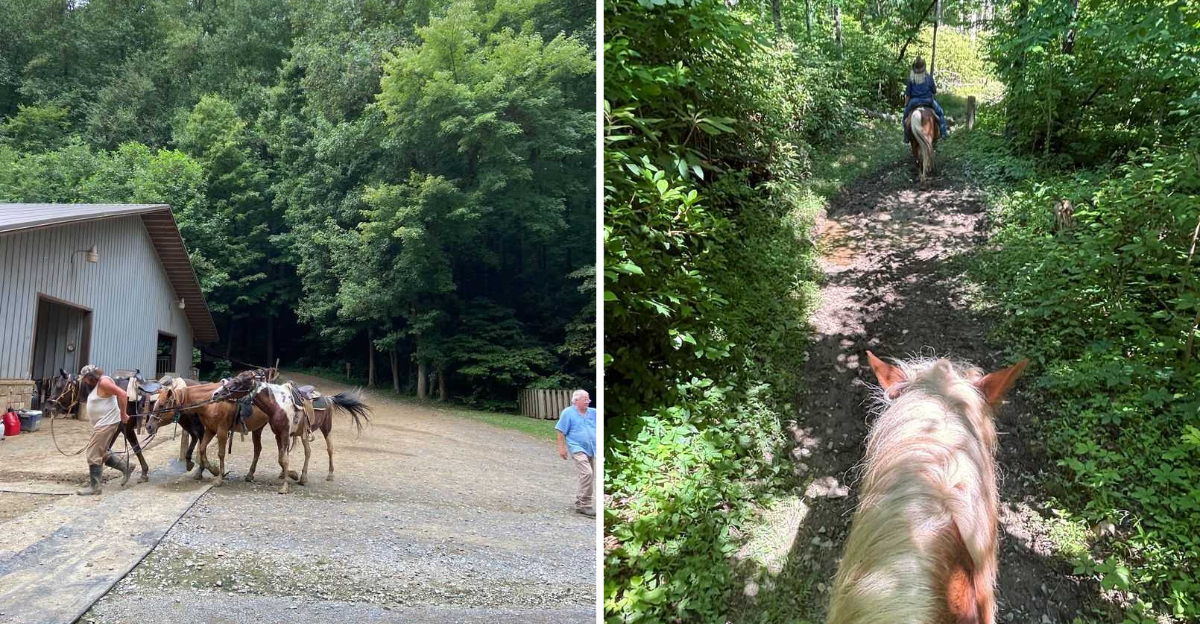
Saddle up, because this mountain outing comes with a pretty spectacular payoff.
Tennessee turns a simple trail ride into a horseback adventure through the unforgettable landscape of the Smokies.
Guided rides follow mountain trails, cross streams, and gradually climb toward sweeping ridgeline views.
Riders are paired with suitable horses, helping the journey feel comfortable and enjoyable along the route.
Wildlife sightings, creek crossings, and quiet forest scenery make the ride itself the main event. The journey becomes just as memorable as any single destination.
Pull on closed-toe shoes and get ready to ride. This could easily become the mountain adventure everyone keeps talking about afterward.
Where The Trailhead Begins
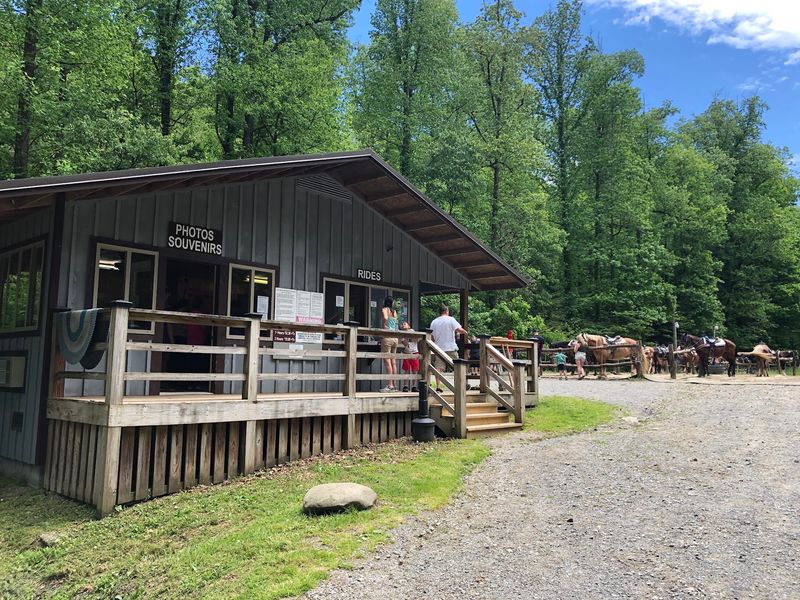
Pulling off US Highway 441 south of Gatlinburg, I nearly missed the turn because the forest swallows everything. Then the corral appeared, horses swishing tails under tall trees.
Sugarlands Riding Stables sits minutes from downtown Gatlinburg, yet the traffic noise vanishes almost instantly. The Sugarlands Visitor Center sits nearby, which makes the whole area easy to find on a first visit.
What surprised me most was the location itself. The property marks the entrance into Great Smoky Mountains National Park, so your ride starts inside protected wilderness rather than a roadside pasture.
Parking is straightforward, and the check-in building is small and friendly. Staff greeted me before I even reached the counter, which set a relaxed tone for the morning.
Tennessee has plenty of places to sit on a horse, but few put you directly on national park land. That access comes from the stables holding an authorized concessionaire agreement with the National Park Service.
Elevation climbs quickly once you leave the barn area. Within minutes, pavement feels like a distant memory and the forest closes in around you.
You can find the whole operation at 1409 Parkway, Gatlinburg, right where the mountains take over from the shops.
Picking Your Ride Length
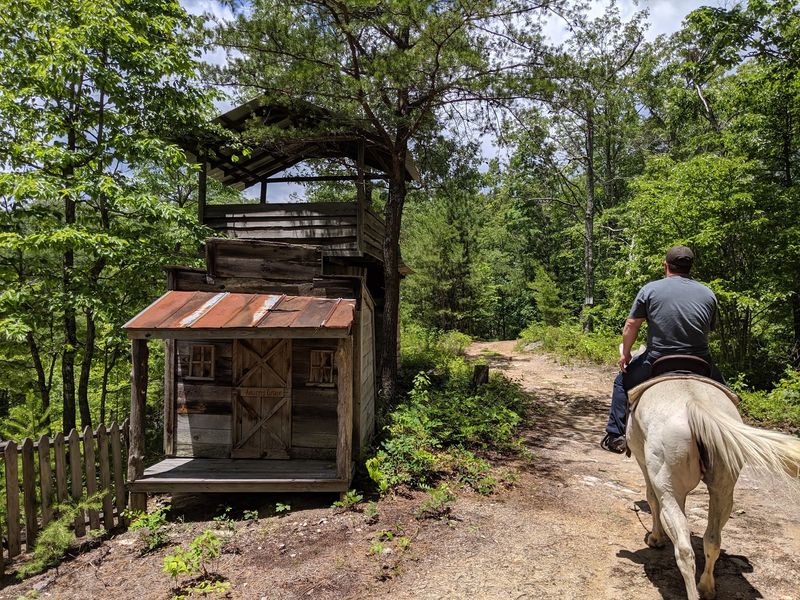
Choosing a ride length felt like the biggest decision of my day. Three options exist, and each one changes how deep you travel into the forest.
The one-hour ride covers roughly four miles of wooded trail and mountain streams. It suits families, first-timers, and anyone squeezing a ride between other Gatlinburg plans.
Stretch to the hour-and-a-half option and you cover about six miles. The scenery shifts as you gain elevation, with more creek crossings and longer stretches of quiet.
Then there is the two-hour excursion, running up to eight miles. Staff recommend it for riders with real experience, since more saddle time means more stamina required.
I went with the middle option and thought the pacing was ideal. Long enough to feel remote, short enough that my legs still worked afterward.
Most of the riding happens at a walk, which keeps things manageable for mixed-skill groups. Nobody gets left behind, and nervous riders relax faster than expected.
My advice for Tennessee visitors is simple. Match the ride to your least confident rider, not your most eager one.
Creeks, Climbs And Ridgeline Views
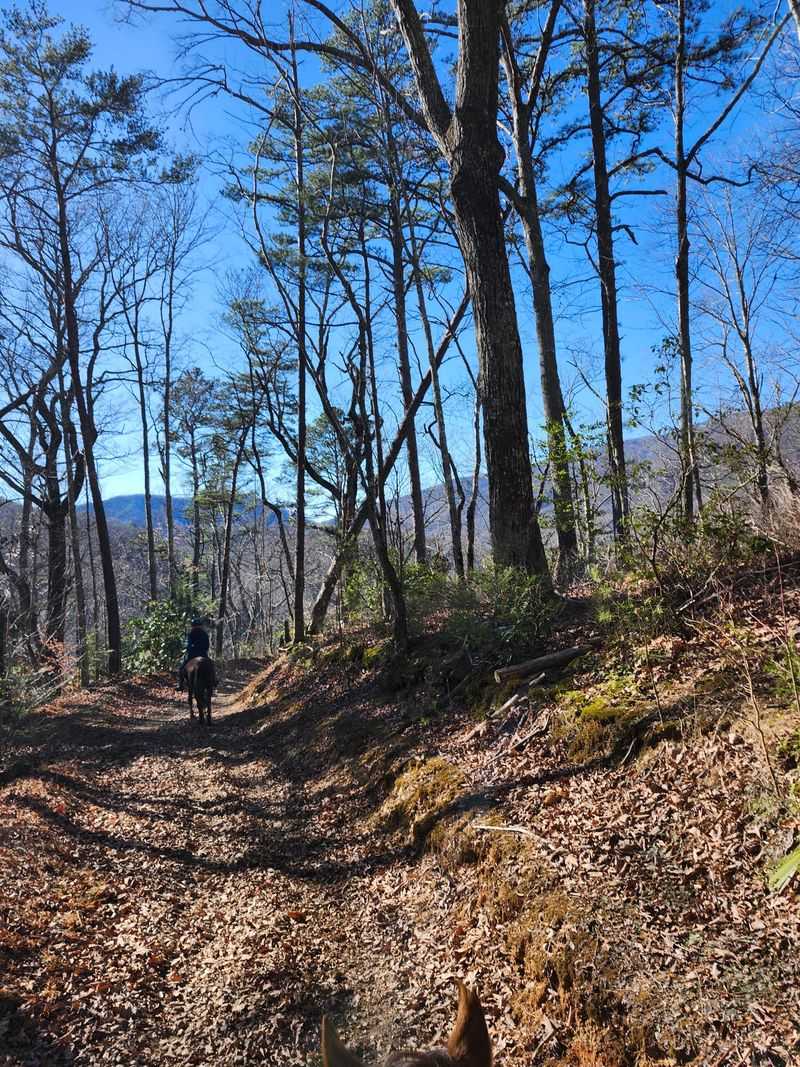
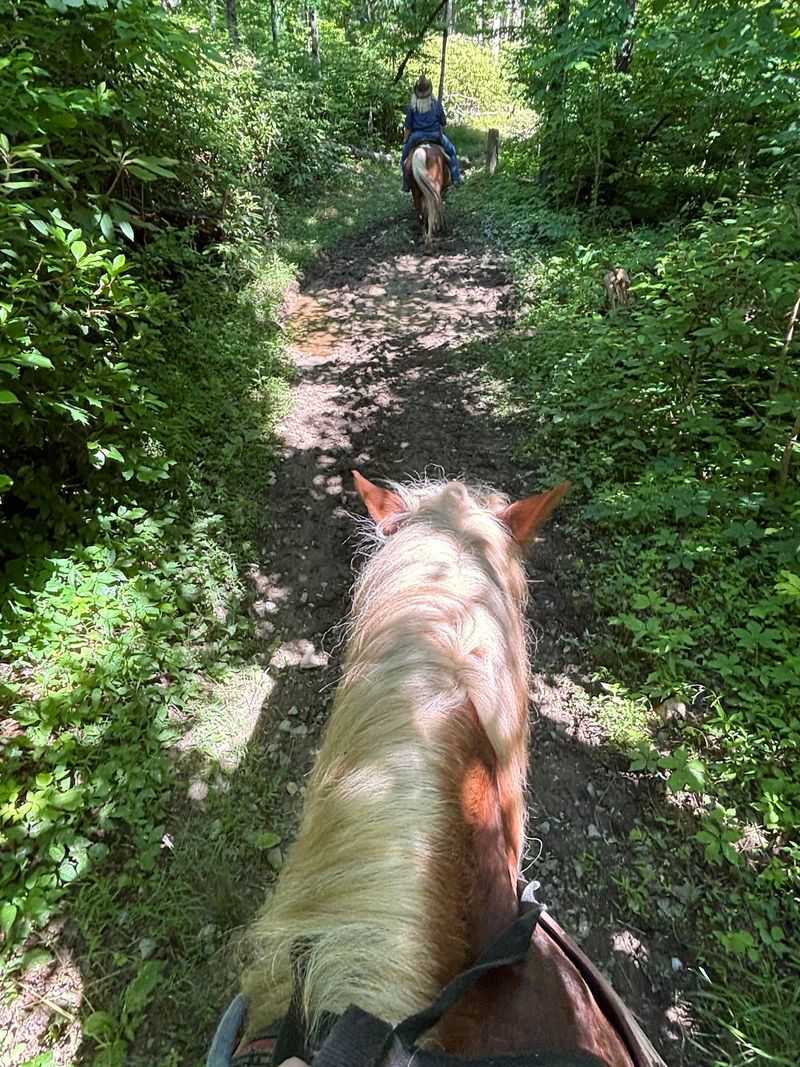
Water shows up sooner than you expect. My horse splashed through the first creek about ten minutes in, hooves clacking on smooth stones.
The trail winds through dense woods, then opens onto rolling mountain slopes. Sunlight filters down in patches, which makes the whole ride feel dappled and cool even in summer.
Climbing is part of the deal. Riders gain up to a thousand feet of elevation, moving into remote wilderness where hills stack up in every direction.
Those higher stretches deliver the views people talk about. Layers of forested ridges fade into that famous smoky haze, especially after morning rain.
Several creek crossings break up the climb, and the sound of moving water follows you for long stretches. Birds, wind, and hoofbeats provide the rest of the soundtrack.
Footing varies with the weather. Muddy patches are common after storms, though the horses handle slick ground far better than most hikers do.
What struck me was the silence. No engines, no crowds, just deep woods that belong to Tennessee in the best possible way.
Horses Matched To You
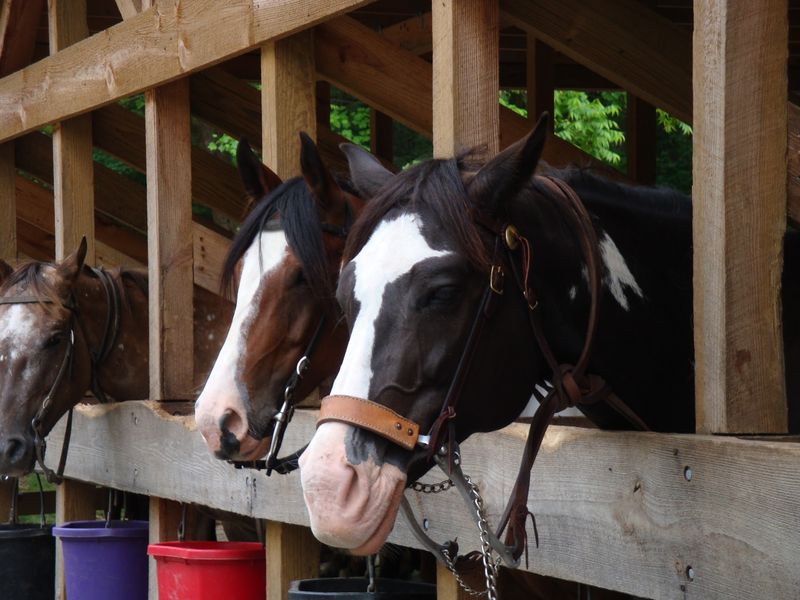
My horse had opinions about roadside grass, and honestly, I respected that. Staff warned me ahead of time and showed me how to gently pull the reins.
Every rider gets paired based on skill level, height, and comfort. Beginners receive the steadiest animals, while experienced riders may get something with a bit more spark.
The herd is trained for mountain work, meaning sure feet on rocky ground and calm nerves around water. That surefootedness matters when trails narrow and tilt.
Before mounting, the crew shared details about individual horses, including quirks and preferences. Learning that my horse loved snacks made the whole ride feel personal.
Group sizes stay small, usually capped around nine riders per guide. Fewer horses in line means less bunching and more space to actually look around.
I appreciated how unrushed the process felt. Nobody hurried through mounting or adjusting stirrups, and questions were welcomed without judgment.
For anyone who has not ridden in years, that patience makes a difference. Sugarlands Riding Stables clearly leans on horses that forgive rusty hands.
Guides Who Know The Woods
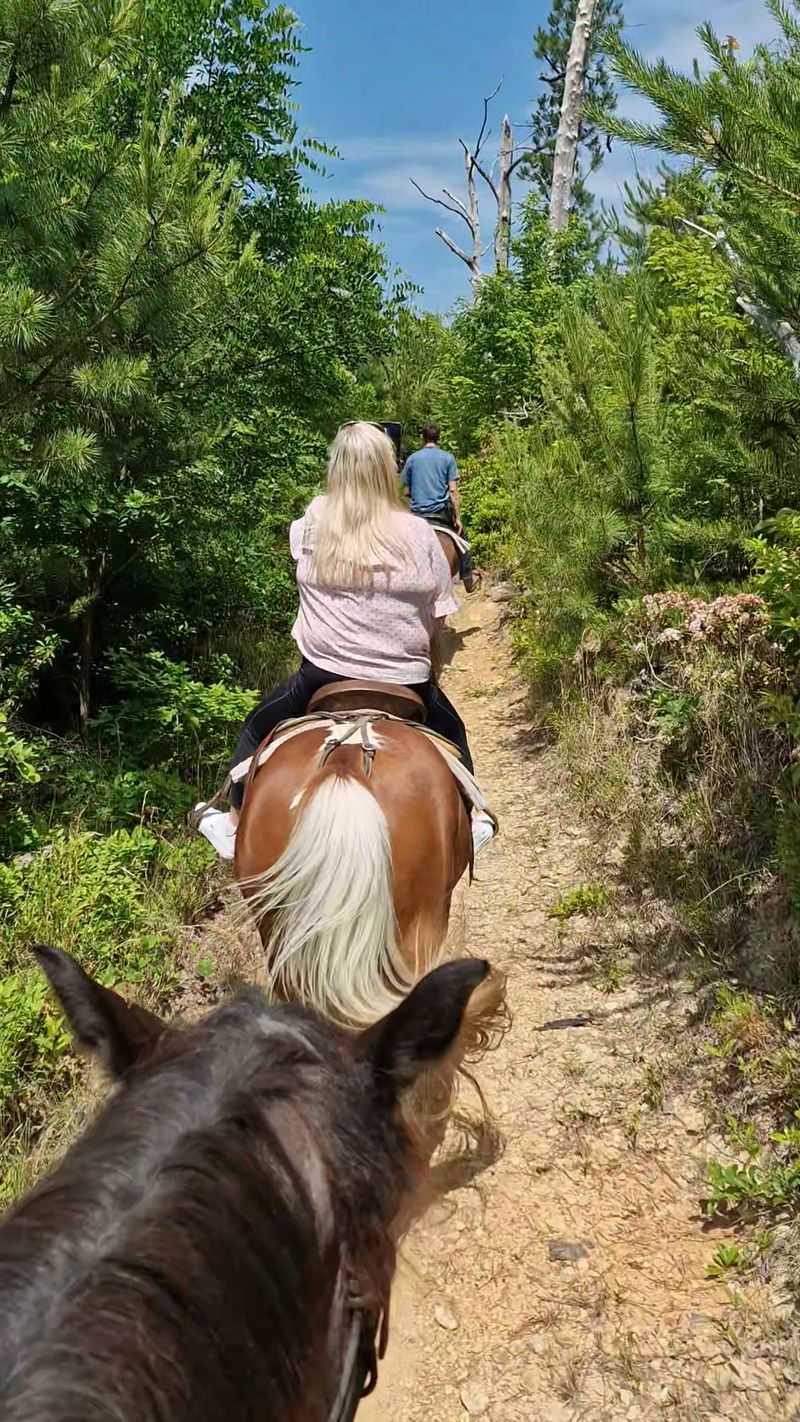
Good guides turn a trail ride into a story, and mine talked the entire way. Local knowledge poured out between switchbacks.
Guides here grew up around these mountains, so their commentary covers wildlife habits, plant life, and regional history. Questions get answered with real detail, not rehearsed scripts.
Safety instructions come first, delivered clearly and without drama. Once everyone understands rein control and spacing, the mood loosens considerably.
My guide pointed out a creek bend where bears sometimes wander through. That single comment kept our whole group scanning the treeline for the next twenty minutes.
Weather can shift fast in Tennessee, and guides handle it calmly. Rain arrived during part of my ride, and the instructions kept everyone steady and dry-ish.
Humor plays a big role too. Dad jokes bounced down the line, which loosened up the nervous riders faster than any pep talk could.
Because groups stay small, conversation flows easily. You are never shouting questions over fifteen other horses.
Some guides even offer to snap photos from the saddle, which saves you from fumbling with a phone on a slope.
Rules Before You Saddle Up
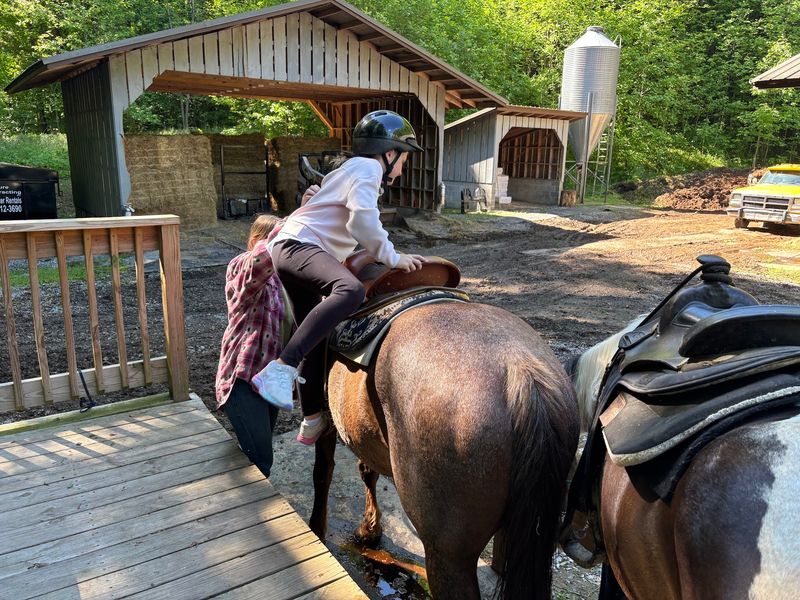
Reading the rules ahead of time saved my group a headache, so here they are plainly. A few requirements are non-negotiable.
Riders must be at least six years old and stand a minimum of four feet tall. Height matters more than age when it comes to reaching stirrups safely.
There is a weight limit of 250 pounds, with limited availability above that. Calling ahead helps clarify options before you drive out.
Closed-toe shoes are required for everyone. Long pants are strongly recommended, since saddles and bare legs make an uncomfortable combination on a six-mile trail.
Children under fifteen must wear safety helmets. The stables provide helmets free of charge to any rider who wants one, regardless of age.
Personal items stay behind. Backpacks, purses, video cameras, food, and drinks are not allowed on the trail, mostly for safety and balance reasons.
I stashed my bag in the car and only brought my phone in a zipped pocket. That worked fine and kept my hands free.
Booking, Timing And Arrival
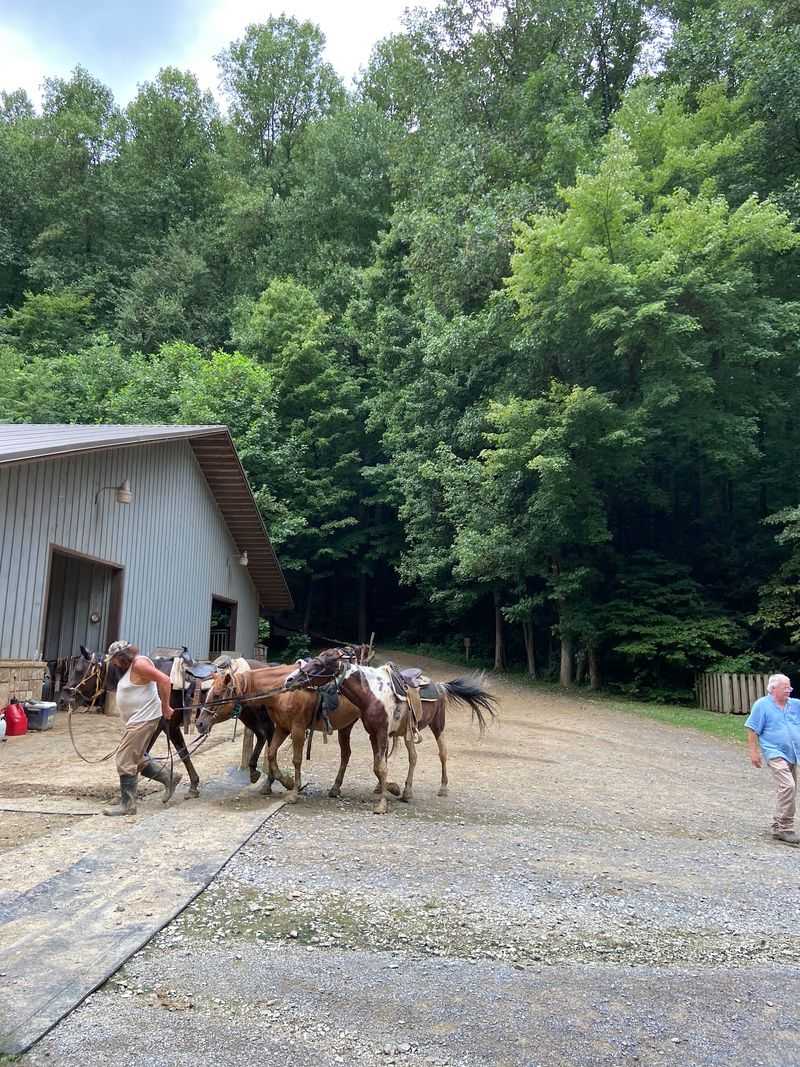
Showing up early is the single best trick I learned. Plan to arrive roughly forty-five minutes before your scheduled ride time.
That window covers check-in, orientation, and horse assignment. Rushing through those steps helps nobody, especially first-time riders sorting out stirrup length.
Booking online or calling ahead is strongly encouraged. Walk-ins sometimes work, but reserved slots protect you from long waits during peak weeks.
Operating hours run from 9:00 AM to 4:30 PM, seven days a week. The season typically stretches from the first week of March through January 4th.
Morning rides were my favorite by a wide margin. Cooler air, lighter crowds, and mist still clinging to the ridges make everything feel fresher.
Afternoon storms are common in summer, so earlier slots reduce your odds of riding through a downpour. Then again, rain adds its own drama.
Occasional delays happen, whether from hay deliveries or weather. Staff work to get groups out quickly, but patience helps on busy days.
Sugarlands Riding Stables also handles rescheduling when conditions turn rough, so ask rather than cancel outright.
Making The Day Memorable
Something about mountain air makes people bolder. Couples celebrate anniversaries here, and at least one proposal has happened mid-trail with a horse photobombing the moment.
Staff will work with special requests when possible, including private arrangements for small groups. Asking politely at booking goes a long way.
Multi-generational groups seem to thrive on these rides. Grandparents, parents, and kids all ride the same trail at the same relaxed pace.
I noticed how patient the crew was with young or anxious riders. One guide stayed beside a nervous child for the entire loop, checking in constantly.
Fall brings color to the ridges, while spring delivers wildflowers and rushing creeks. Both seasons make the Tennessee scenery feel completely different.
Cash tips for guides are appreciated, and I wished I had brought more. They earn it through hours in the saddle and steady attention.
Sugarlands Riding Stables recently changed ownership, though the trail riding tradition continues unchanged. That continuity matters to repeat visitors who return year after year.