Meet Your New Favorite 22,000-Square-Foot Connecticut Antique Market
Twenty-two thousand square feet is a dangerous amount of space for anyone who enjoys saying, “I’ll just look around.”
This Connecticut antique market turns that innocent plan into a full-on treasure hunt before you know what happened.
Rows of booths keep the browsing unpredictable. One corner might stop you cold with something beautifully preserved.
A few steps later, an odd little object can suddenly become the thing you cannot leave behind. That is the charm here.
You are not following a neat shopping list. You are poking around and letting curiosity make the decisions.
The size gives the whole visit room to breathe, so there is always another aisle waiting when you think you have seen enough. Hours can disappear suspiciously fast.
You may arrive hoping to find one specific piece. More likely, you leave wondering how that completely unplanned purchase ended up feeling so necessary.
1. Twenty-Two Thousand Square Feet Of Vintage Finds
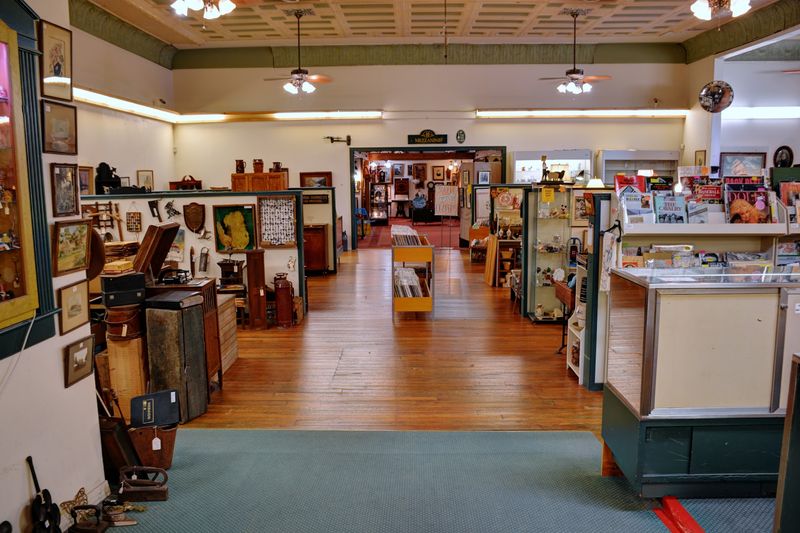
Think you can pop in for ten minutes and leave? Good luck with that.
Antiques Marketplace has a habit of turning a quick browse into a full treasure hunt before you even notice the time.
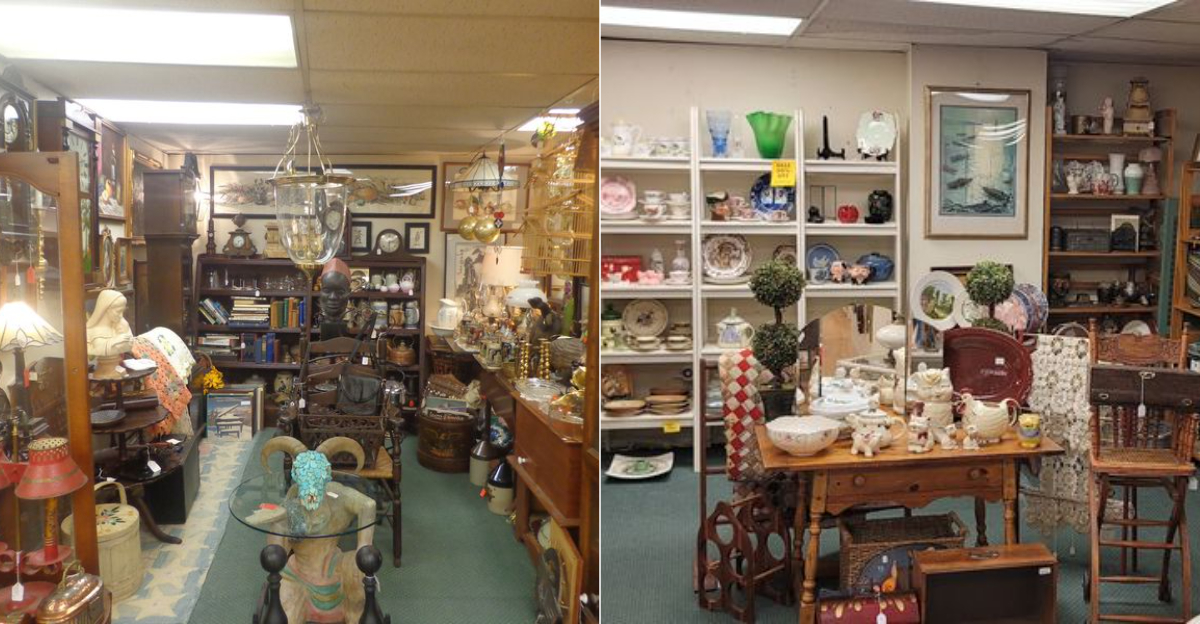
The scale is the first surprise. Roughly 22,000 square feet hold hundreds of dealer spaces filled with furniture, artwork, glassware, jewelry, vintage fashion, and collectibles from several eras.
The Connecticut Office of Tourism lists around 130 dealers across 325 spaces, making this one of the state’s longtime antique mega-malls.
Shopping here works best when you resist grabbing the first interesting object you spot. Make an initial loop, notice which displays pull you back, and then return for a closer look.
It beats realizing later that your favorite discovery was several aisles behind you.
The huge selection can feel almost museum-like, except the pieces catching your eye are available to take home. Small shelves and densely packed dealer spaces can easily steal more time than expected.
Comfortable shoes help a lot.
Come prepared to browse slowly, because 22,000 square feet can turn “just looking” into an afternoon plan surprisingly quickly.
2. Right In The Middle Of Downtown Putnam
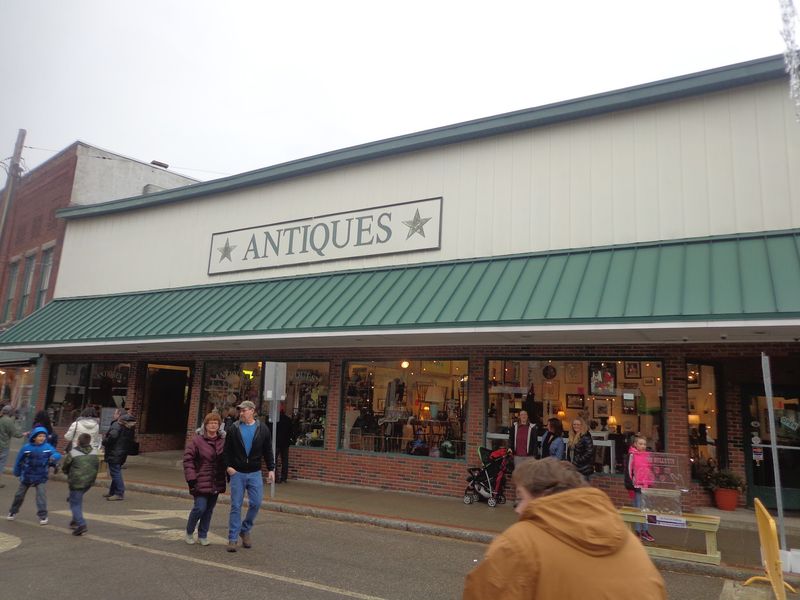
Downtown Putnam was made for wandering. Shops and restaurants sit close enough to explore on foot.
Antiques Marketplace sits right in the thick of it at 109 Main Street, Putnam, CT 06260, which makes it an easy anchor for the rest of the day. Parking is available nearby, including municipal lots a short walk away.
The town has built a reputation as a destination for antiques, and the marketplace is the biggest reason many people make the drive. Because the downtown is walkable, you can break up a long browse with lunch and come back for the floors you missed.
Quiet weekday mornings tend to feel unhurried, while weekends bring a livelier hum of shoppers comparing finds.
Winter weather can occasionally affect plans in this part of New England, so calling ahead during a storm is a reasonable habit.
Otherwise, the setting does a lot of the work for you: a New England main street, a big brick building full of history, and enough nearby options that nobody in your group gets bored.
Plan on arriving earlier than you think you need to, since the doors close at 5 PM.
3. Booths Packed With Things You Did Not Expect To Find
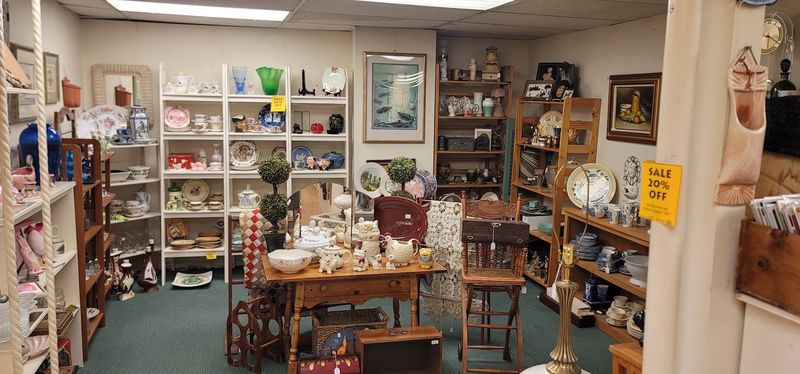
What happens when you come hunting for one antique and spot something far stranger two booths later? That is half the fun here.
Every aisle seems ready to change the plan.
The marketplace is divided among hundreds of dealer spaces, so the selection shifts as individual sellers refresh their booths. Longtime descriptions put the property at roughly 22,000 square feet, with around 130 dealers occupying hundreds of individual spaces.
That variety keeps the hunt unpredictable. Vintage toys can appear near old records, while glass cases hold jewelry, coins, or other small collectibles.
Furniture and decorative pieces take over larger corners, so browsing never settles into one category for very long.
The best strategy is to slow down and let curiosity do the steering. A booth that seems easy to pass may hide the piece you remember later, and another visit can feel completely different once dealers bring in fresh inventory.
Locked cases add another layer to the hunt. Staff can help when you want a closer look at something protected behind glass, while larger purchases can be set aside instead of carried through the building.
Come with a wish list if you want. Just do not be surprised if the real prize is something you never planned to find.
4. Furniture, Collectibles, And One-Of-A-Kind Pieces
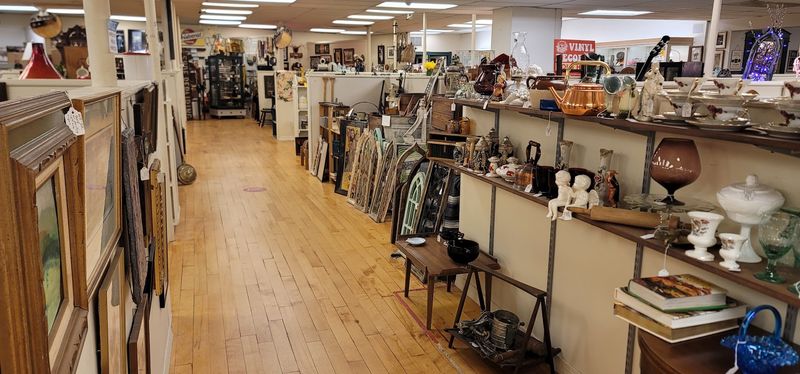
Merchandise spanning the 18th through 20th centuries covers a lot of ground, and the range here reflects that. Solid wood furniture shares floor space with vintage clothing, fine art, and framed paintings that have clearly hung in more than one home.
The list of categories reads long because it is: glassware, pottery, jewelry, toys, coins, porcelain, lamps, picture frames, dishes, sterling silver, rugs, kitchen collectibles, and sports memorabilia.
Add primitives, old advertising signs, mid-century modern furnishings, comics, and records, and you begin to understand why one visit rarely feels like enough.
Prices tend to reflect the individual dealer rather than a single house standard. Shoppers frequently describe the pricing as reasonable and approachable, with modest finds sitting near more serious collector pieces.
That mix works well if you are shopping with a set budget or hunting for one specific upgrade.
A practical tip for furniture lovers: measure your space before you go, and think about how a piece will travel home. Smaller decorative items get wrapped carefully at checkout, which is a relief when you are carrying glassware.
For larger pieces, ask about handling and pickup options while you are still standing in front of the item. Tape measure in the bag, phone photos of your room, and you are set.
5. Hidden Corners Worth Taking Your Time With
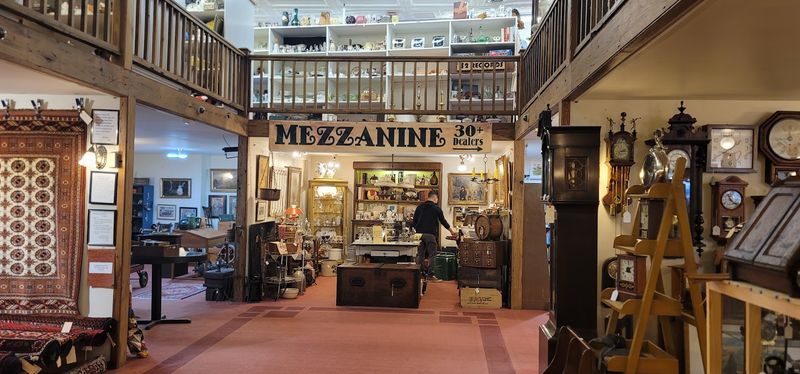
Some of the best moments happen in the small rooms, the ones off to the side that a hurried shopper walks straight past. The building is divided into countless nooks, showcases, and partitioned spaces, and each turn changes what is in front of you.
Slow down and the details start showing up. Handwritten tags, tiny labels placed under a saucer, a maker’s mark on the base of a lamp.
Looking at the bottom of things is half the skill of antique hunting, and there is room here to do it without feeling rushed.
Upper floors reward patience in particular. Foot traffic thins the higher you go, and the atmosphere gets quieter, almost library-like, with creaking floorboards marking your progress.
Displays are neatly kept, and visitors regularly note how clean and well-organized the whole building feels, which matters when you are examining fragile things.
A simple strategy helps: pick two or three corners per visit and give them real attention instead of skimming everything. Sit with a piece, ask questions, compare it with something similar two rooms over.
The discoveries that stick with people are usually the ones they almost missed.
Bring a little patience and the building rewards it, floor after floor. That is the real trick.
6. The Kind Of Place You Can Browse For Hours
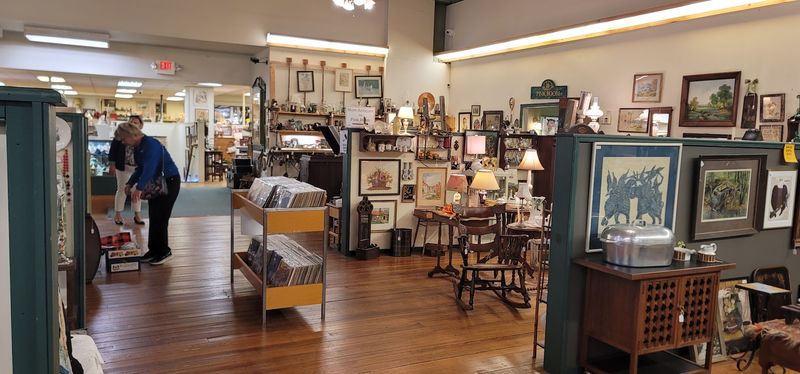
Two hours is the minimum most people mention. Three is common, and plenty of shoppers admit they still did not see everything before closing.
Treat it as a half-day outing rather than a quick stop and the visit gets far more enjoyable.
Hours run Wednesday through Monday from 10 AM to 5 PM, with Tuesdays closed. The market also closes for Easter, Thanksgiving, and December 25.
Arriving in the late morning gives you a full stretch of browsing time with lunch as a natural halfway break.
Comfort makes a difference over that many hours. There are stairs between levels, so wear shoes you can stand in and pace yourself.
Checkout moves briskly, and purchases are wrapped with care, so you are not stuck at the counter at the end of a long browse.
Collectors with a specific interest often plan differently, heading straight for the dealers who specialize in coins, sports cards, lighting, or militaria, then wandering afterward. Casual browsers do the opposite and let curiosity lead.
Either approach works, though the second one tends to eat the clock faster than expected.
One more thing worth knowing: a phone call ahead is smart if you are driving a long distance, since a single trip can easily fill an afternoon.
7. A Longtime Favorite For Putnam Antique Hunting
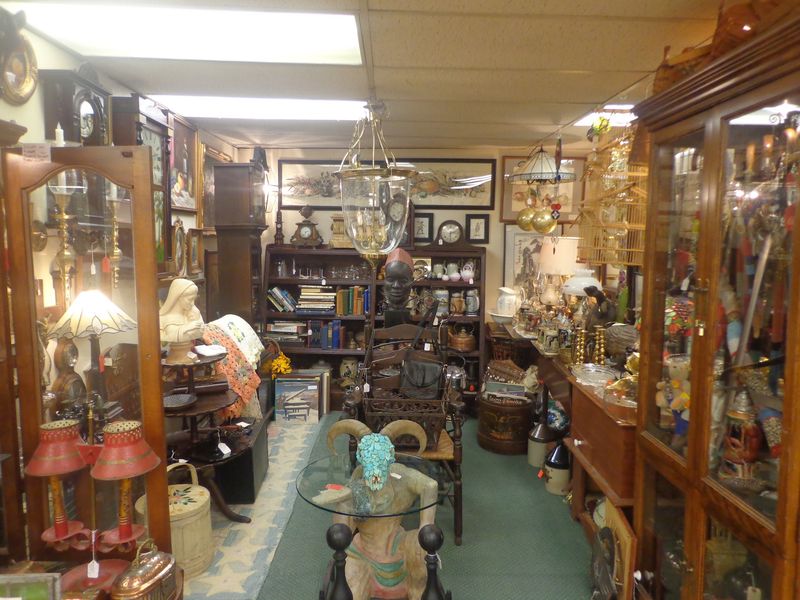
Open since 1991, the marketplace has had decades to earn its reputation, and it shows in the crowd it attracts. Shoppers come from across Connecticut and neighboring states, some making the trip an annual tradition.
Longevity in this business is not an accident. A mall only stays full if dealers keep renting space and customers keep buying, and both have held steady here for more than three decades.
Along the way, the building has become one of the reasons Putnam is known for antiques at all.
What people praise most often is the combination of size, variety, and fair pricing, along with a friendly and welcoming atmosphere. Staff willingness to talk about the history behind a piece comes up again and again.
So does the sense that the place feels bright and tidy rather than musty.
For a first visit, go in with an open mind and a rough budget. Bring a list of the measurements, patterns, or missing pieces you have been chasing, because with this much inventory there is a real chance something matches.
Then let the rest of the afternoon go where it wants to go.
Most people who visit once find a reason to return, often with an empty car trunk and a plan.