This Tiny Idaho City Has Tap Water So Good It Was Just Named The Best In The State
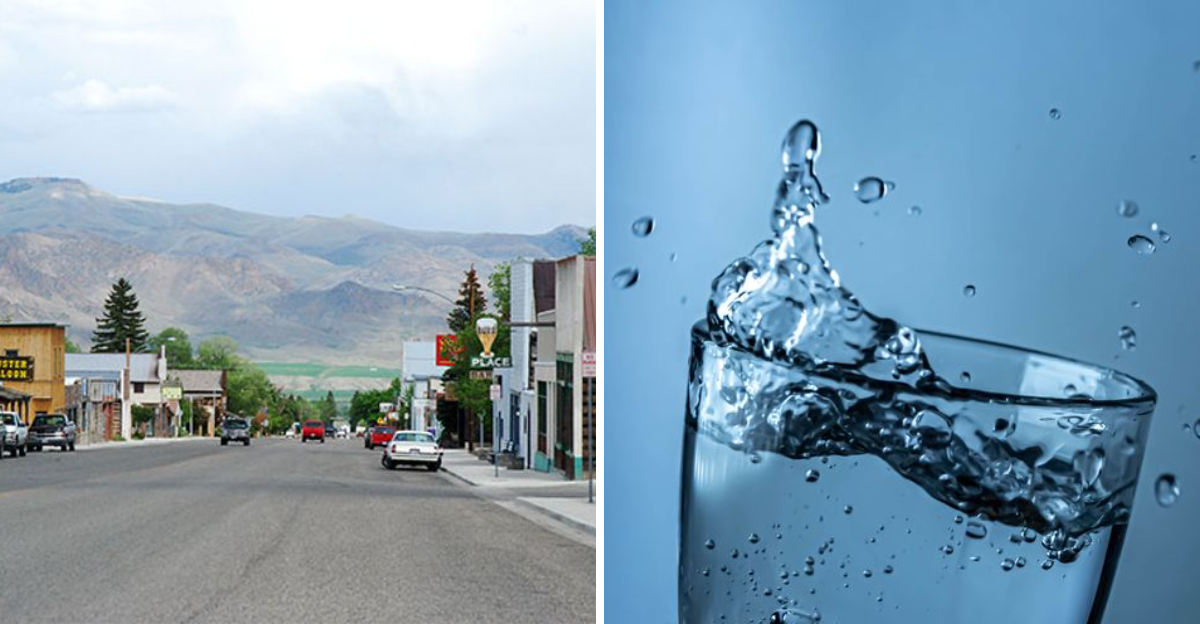
Most bragging rights require a trophy case. This Idaho city just needs a kitchen faucet.
In 2026, its tap water beat the rest of the state in a tasting competition, which is a pretty impressive achievement for something residents can pour while standing in their pajamas.
Judges were looking closely at what came out of the glass, and apparently this mountain community had the winning sip.
That gives visitors an unusual reason to skip the bottled stuff altogether.
No reservation is required. No fancy tasting room waits downtown.
Nobody is going to swirl the glass and ask what notes you detect. Just turn the handle.
For a tiny place better known for rugged country and outdoor scenery, becoming Idaho’s tap-water champion is an unexpectedly wholesome flex.
And unlike most award-winning things, the sample is free.
Pour A Glass And Taste The Water That Just Took Idaho’s Top Prize
Fill a glass straight from the kitchen faucet in this mountain town, and you are sipping something judges ranked above every other entry in the 2026 contest.
The City of Challis claimed the title of best tasting drinking water at the Idaho Rural Water Association Spring Conference on April 2, 2026.
Cold, clean, and slightly sweet on the tongue, the water arrives without the metallic edge or chemical hint some travelers expect from small-town taps.
Visitors driving through Custer County can experience the winner for free. Ask for tap water at a cafe counter, refill a bottle at a park spigot, or pour a glass at your motel sink.
Water rarely gets a trophy, which makes the moment fun. A resource most people ignore suddenly becomes a reason to slow down, take a long drink, and pay attention to what a place tastes like.
The award also says something about the setting. Snowmelt, mountain creeks, and deep wells feed a system that serves roughly 900 people, and that small scale shows up in the glass.
You Can Thank A Small Local Utility For Beating Systems From Across The State
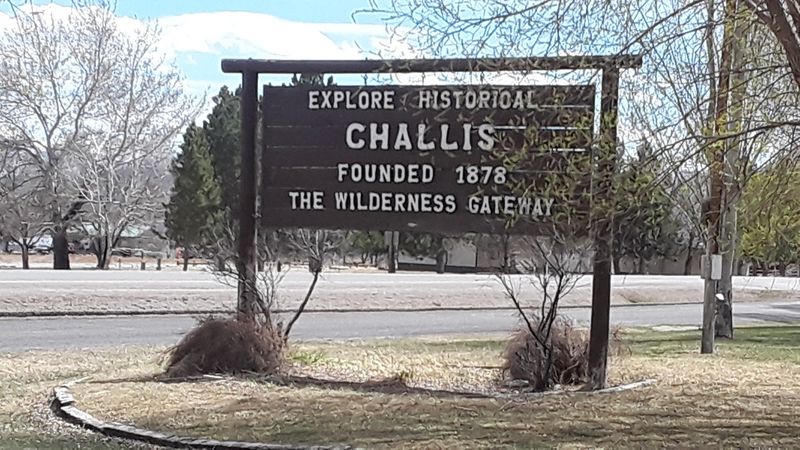
Roughly 900 residents call this county seat home, which means the crew responsible for the winning water serves a community smaller than many high school student bodies. That utility outperformed entries from cities with far bigger budgets and staff.
The IRWA supports nearly 400 water and wastewater systems statewide, most of them serving fewer than 10,000 people.
Questions about service, billing, or hookups run through the City Clerk and Treasurer’s office, which handles utility billing for both water and sewer. The office sits inside Challis City Hall along Main Avenue, a building that held its grand opening on October 1, 2017.
Stopping in feels less like visiting a government office and more like chatting with neighbors. Staff know the pipes, the wells, and the winter freeze patterns by heart.
Small size turns out to be an advantage here. Fewer miles of pipe and fewer connections mean problems get spotted quickly, and quality never becomes a numbers game.
The result is a trophy sitting in a town where the mountains still outnumber the traffic lights by a wide margin.
See What Judges Looked For Beyond Just Taste
Flavor gets the headlines, but a water competition works more like a careful inspection than a quick sip test. Expert panels at the rural water association’s events score each sample on clarity, bouquet, which simply means odor, and overall taste.
Samples are usually poured into identical clear cups and labeled with numbers so no one knows which town they are judging. Judges swirl, look, smell, then taste, moving slowly between samples.
Larger contests push the analysis further. At the Berkeley Springs International Water Tasting, mouthfeel and aftertaste also count, since good water should feel smooth going down and leave nothing lingering behind.
Home cooks can borrow the method. Pour tap water into a clean glass, let it sit a few minutes to warm slightly, then check whether it smells like anything at all before you taste it.
Scoring across several categories keeps the outcome fair.
A sample that tastes pleasant but carries a faint smell will slip behind one that is spotless in every category, which is exactly how a town of fewer than a thousand people can win outright.
Learn Why Clarity And Odor Matter In The Competition
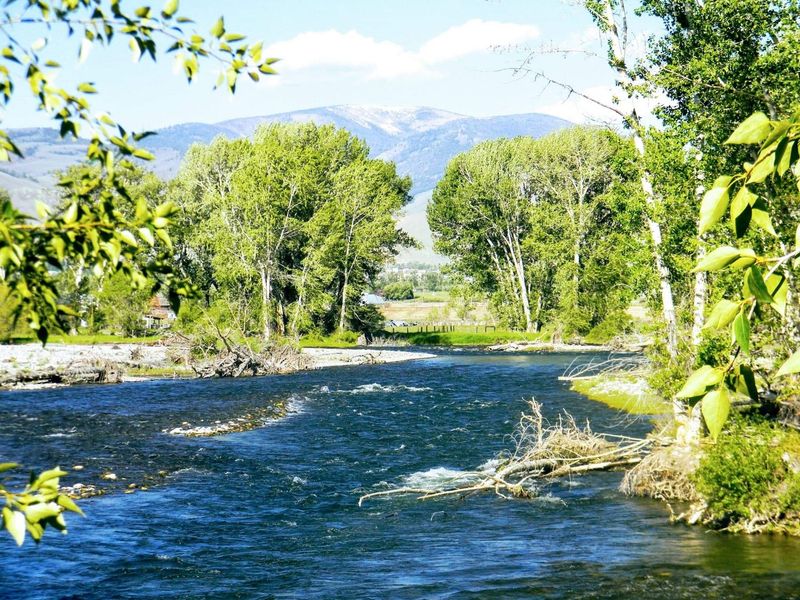
Sight comes first at the judging table. Water should look completely clear, with no floating specks, cloudiness, or faint tint, because your eyes decide whether a glass looks refreshing before your mouth gets involved.
Smell carries surprising weight in the scoring. Truly excellent drinking water has no detectable scent at all, so judges lean in close and sniff for anything unusual.
Two off-odors show up most often. Hydrogen sulfide creates that rotten egg smell people notice in some wells, while heavy disinfection can leave a swimming pool note that masks the natural character of the source.
Bacterial growth inside a system, aging pipes, or plumbing troubles inside a single building can all introduce odors too.
That is why a clean nose test says so much about how well a system is maintained from the source to the faucet.
Try it at home the next time you travel: a quick look and a slow sniff tell you plenty about the water in any town you visit. Challis passes both checks with room to spare, which is part of why its glass stood out.
Find Out How This Tiny City Ended Up With Serious Bragging Rights
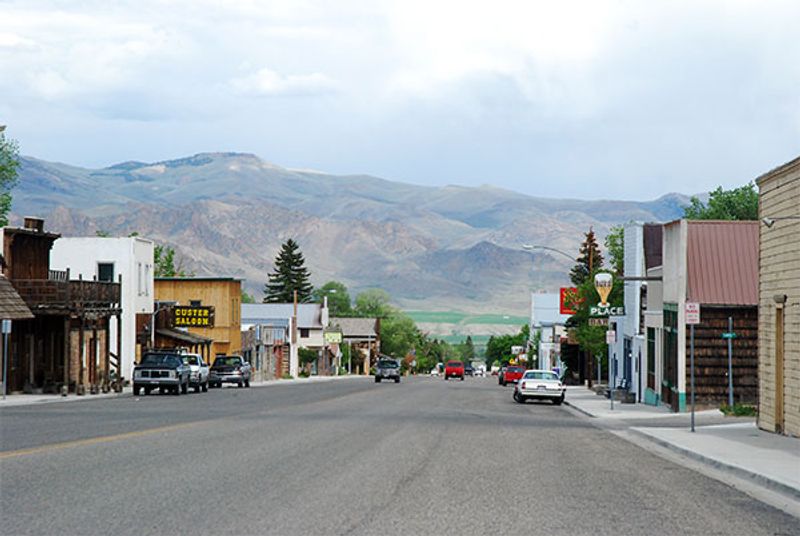
Geography deserves much of the credit. The city draws its drinking water from Garden Creek and rounds out the supply with three groundwater wells known as E. Well #1, W. Well #1, and W. Well #2.
Mixing creek water with well water creates a balance that judges clearly enjoyed. Mountain runoff brings a crisp, light quality, while the wells contribute steady mineral content that keeps the flavor from tasting flat.
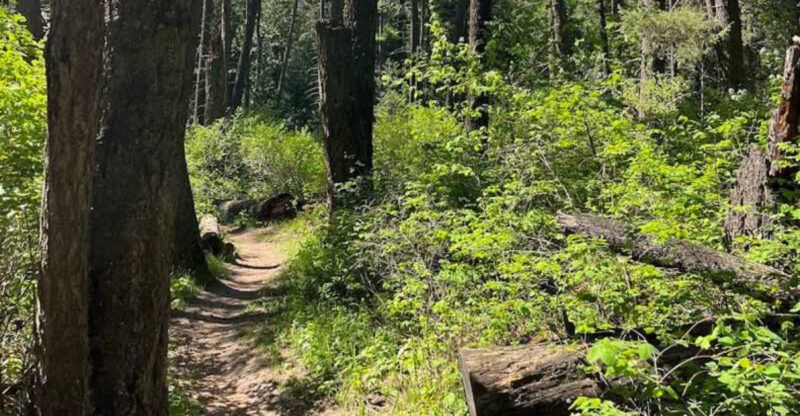
Elevation and surroundings help as well. Challis sits in a high valley of central Idaho, ringed by rugged peaks and sagebrush hills, with far more open country than industry upstream.
Serving roughly 900 people also means the system can be watched closely, day after day. Federal safety standards are the floor, not the goal, and the natural purity of the sources does the rest.
Bragging rights like these do not come from marketing. They come from a good watershed, careful upkeep, and a glass that speaks for itself.
Winter mornings here show the source at its plainest, with the creek running clear and cold beneath a rim of ice.
Take A Closer Look At The People Keeping The Water System Running
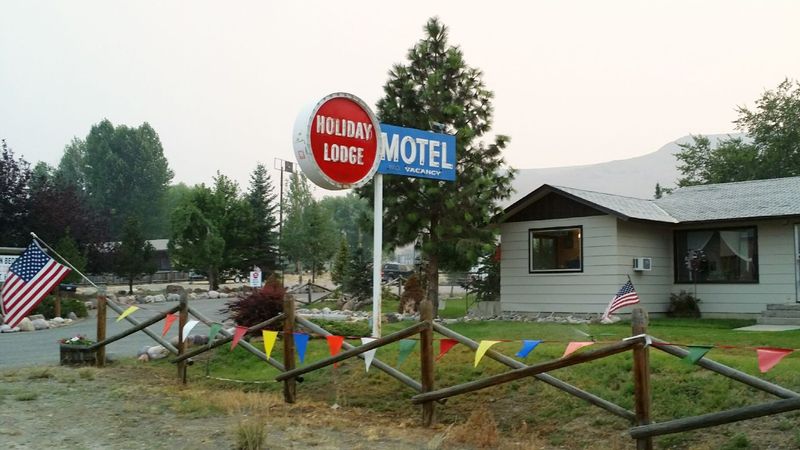
Long before sunrise, someone is checking pressure readings, pulling samples, and driving out to a wellhead in the cold. The Water and Sewer Department for the City of Challis handles daily operations, routine maintenance, repairs, and compliance with environmental rules.
Work shifts with the seasons in a mountain valley. Spring runoff changes what arrives at the intake, summer brings heavy irrigation demand, and deep winter means guarding lines against freezing.
Training keeps those skills sharp. The Idaho Rural Water Association provides technical assistance and coursework covering leak detection, treatment, disinfection practices, and operator licensure, so small-town operators have the same knowledge base as big-city staff.
Licensed operators study for exams, log continuing education hours, and troubleshoot equipment that has to run every single hour of the year. None of it is glamorous work.
Records, reports, and lab paperwork fill the rest of the week.
Next time a faucet fills a glass here without a hint of anything odd, remember there is a short list of names behind that result, along with years of quiet, steady effort.
Compare The 2026 Winner With Idaho’s Past Champions
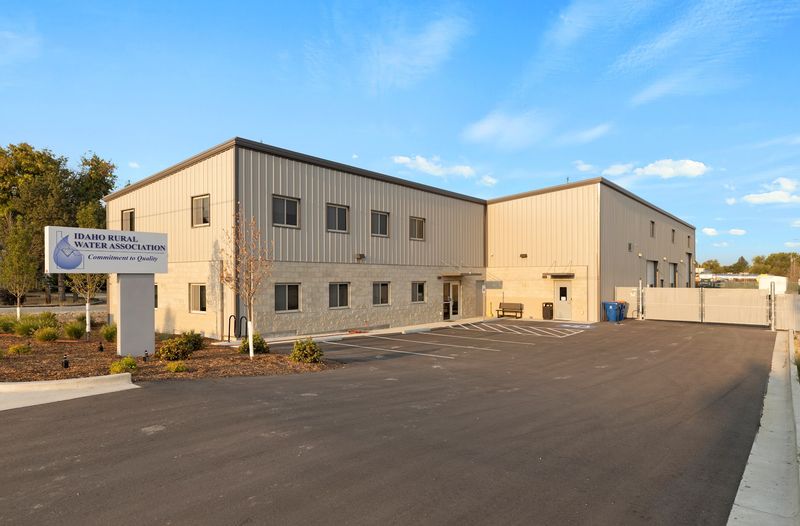
Winning towns rotate around the map, and the 2026 honor for the City of Challis adds a new name to a long roster. The rural water association has run its best tasting water contest for years, spotlighting communities that treat their supply with real care.
The City of Castleford took the top prize in 2025. Rogerson Water District won in 2022, a repeat performance after first claiming the title back in 2014.
Look a little further back and the list stretches on. The City of American Falls earned the honor in 2021, and Salmon, another mountain community up the river corridor, was a past champion in 2019.
Neighbors in Salmon and Challis now share bragging rights along the same stretch of high country, roughly an hour apart by highway. Small systems clearly hold their own in this competition.
Tracing the winners makes a fun road trip theme: pack a few clean glasses, follow the map, and compare the flavor from town to town. Each stop tastes a little different, shaped by its own creeks, wells, and rock.
Leave Knowing This Small Mountain City Has One Very Unexpected Claim To Fame
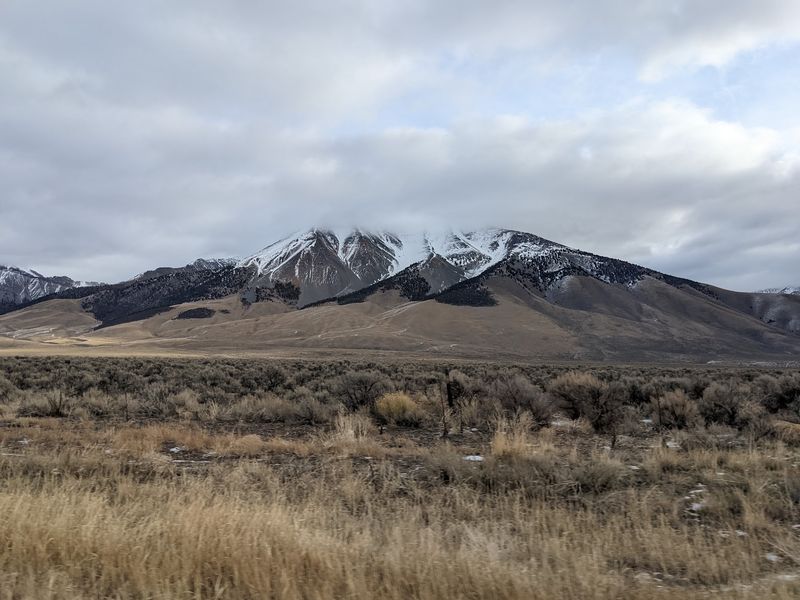
Custer County is better known for jagged skylines, the Salmon River, hot springs, and old mining history than for anything served in a glass.
Challis, the county seat with about 900 residents, sits along Highway 93 in the 83226 zip code, framed by the Lost River Range and miles of open sagebrush.
Hikers, anglers, and road trippers pass through all summer, stopping for fuel, pie, and directions to a trailhead. Few expect the water fountain to be the memorable part.
Yet that is the souvenir you can take with no luggage space required. Fill a bottle before heading into the backcountry and taste the best-rated tap water in Idaho while the peaks turn gold at sunset.
Claims to fame come in all sizes. Here it arrives cold, clear, and free, straight from a faucet in a town most travelers only meant to drive through.
Stay a night and the rhythm gets clearer. Mornings smell like sage and cottonwood, afternoon light hits the ridgelines hard, and the tap keeps pouring the same quiet award winner.