12 Hidden Nebraska Places Even Lifelong Residents May Have Never Visited
Knowing a state well can make its surprises even better.
You think you have seen the usual landmarks, driven the familiar highways, and heard every local recommendation worth hearing. Then somebody mentions a place you cannot picture at all.
That is where this list begins.
Nebraska has corners that rarely show up in everyday conversations, from strange little attractions and overlooked natural areas to quiet historic sites sitting far beyond the obvious road-trip circuit.
Treat these 12 places like clues rather than destinations you already understand.
Pick one you have never heard of. Look it up. Take the detour. Let the drive get quieter and the directions feel slightly questionable before you decide whether turning around is smarter.
Chances are, it is not. Even lifelong residents can still find places that make the state feel unexpectedly new again.
1. Agate Fossil Beds National Monument, near Harrison
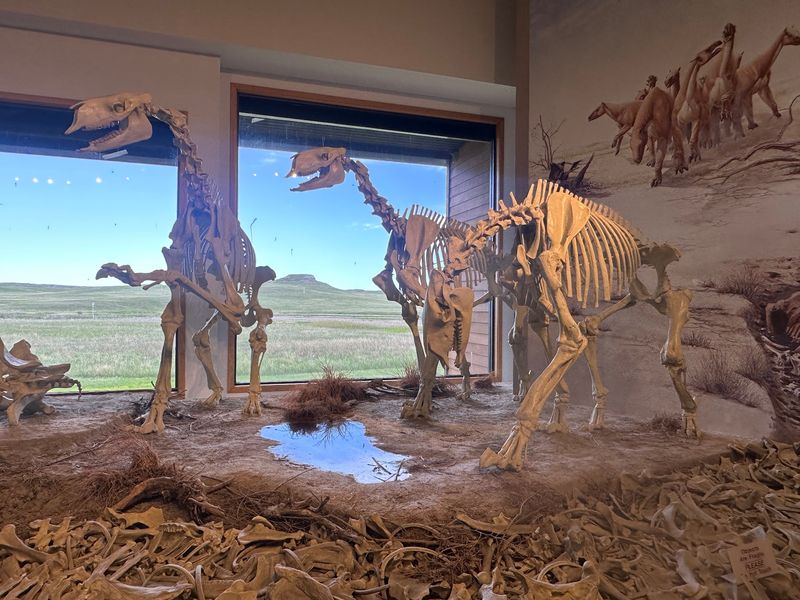
Around the turn of the 1900s, scientists digging in two grassy hills near Harrison pulled out something remarkable: whole skeletons of Miocene mammals that had only been known from scattered bone fragments.
That discovery turned a quiet ranch corner of the Panhandle into one of paleontology’s landmark sites.
The Fossil Hills Trail carries walkers right past the historic quarry spots where those digs happened, with panels explaining what came out of the ground and why it mattered so much.
Inside the visitor center, exhibits pair fossil casts with the Cook Collection, a set of Lakota artifacts given as gifts of friendship to rancher James Cook by Chief Red Cloud and others.
Few museums anywhere hold a collection with that kind of personal story attached.
Trails stay open dawn to dusk all year, while the visitor center runs on seasonal hours, generally 8 a.m. to 4 p.m. through the colder months and longer stretches in summer. Calling ahead saves disappointment.
Wind sweeps hard across the Niobrara River valley here, so a jacket helps even in June. The Daemonelix Trail nearby shows spiral burrows left by ancient beavers, corkscrewed into the rock.
Cell service gets patchy, so download directions before you leave Harrison or Mitchell.
2. Toadstool Geologic Park, near Crawford
Picture the moon with a few sprigs of prairie grass poking through, and you have a rough idea of what waits northwest of Crawford.
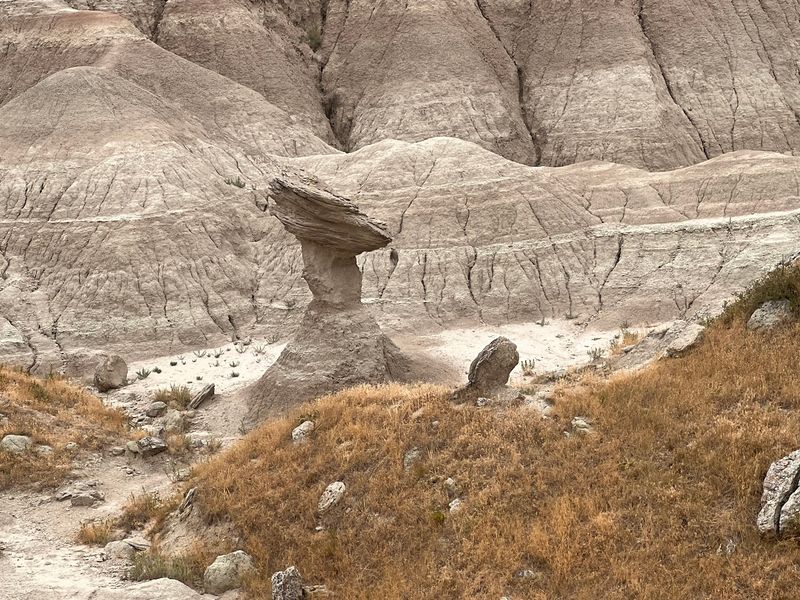
Wind and water have carved the soft clay and sandstone here into knobs, spires and mushroom-shaped pillars that look nothing like the rest of the state.
The name comes from those formations, where a hard cap of rock balances on a skinny stem of softer material. Erosion keeps rearranging the place, which means the view you see is temporary in geologic terms.
A short interpretive loop trail winds through the heart of the badlands, and signs point out fossil tracks left by rhinos, camels and other ancient animals that once wandered this ground.
Longer trails connect toward Hudson-Meng, a bison bonebed site, for anyone with time and water to spare.
Speaking of water, bring plenty. Shade is almost nonexistent, and summer afternoons out here can feel brutal even when the temperature back home seems reasonable.
A small primitive campground sits near the parking area, and the night skies are genuinely dark, which makes stargazing a real draw. Wear shoes with grip, since the clay turns slick and sticky after rain.
Drive the last stretch of gravel slowly, and give yourself two hours minimum to wander.
3. Rock Creek Station State Historical Park, near Fairbury
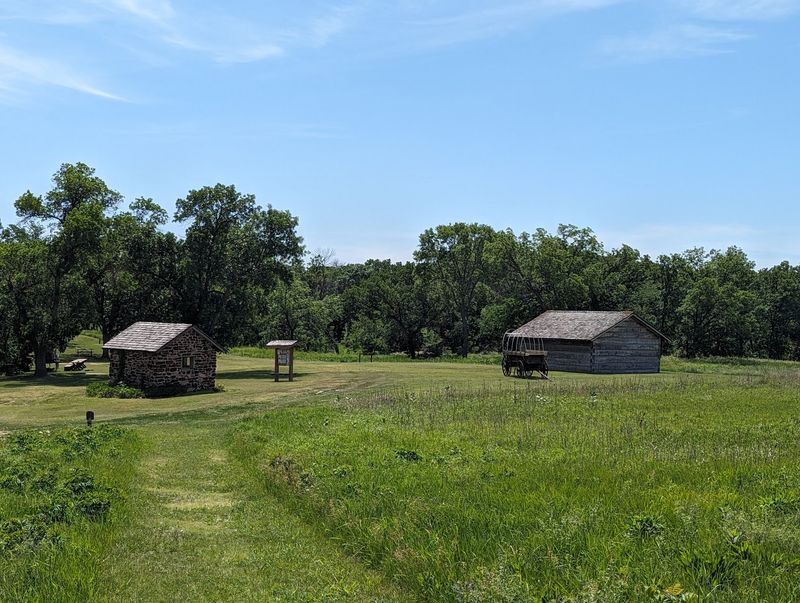
Real wagon ruts. Not a sign explaining where wagons went, but actual grooves worn into the prairie by thousands of wheels rolling west on the Oregon and California trails.
Those swales are the main reason to visit this quiet 350-acre park near Fairbury, and standing in them tends to shrink the distance between now and 1860 in a hurry.
Rock Creek Station served stagecoaches and the Pony Express, and it earned lasting notoriety as the place where a young James Butler Hickok killed David McCanles in 1861.
That incident helped launch the Wild Bill legend, and the visitor center exhibits sort the facts from the tall tales.
Reconstructed log buildings show what the station looked like, and living history events bring costumed interpreters, blacksmithing and wagon rides during summer weekends.
Hiking trails wander through restored prairie where wildflowers bloom in waves through the season. A campground with electrical sites makes an overnight stay simple.
Grounds stay open year-round, with the visitor center on seasonal hours. A park entry permit is required.
Combine the trip with nearby Fairbury for lunch, or with Steele City for a look at a nearly forgotten village. Early evening light makes the ruts stand out best for photos.
4. Petrified Wood and Art Gallery, Ogallala
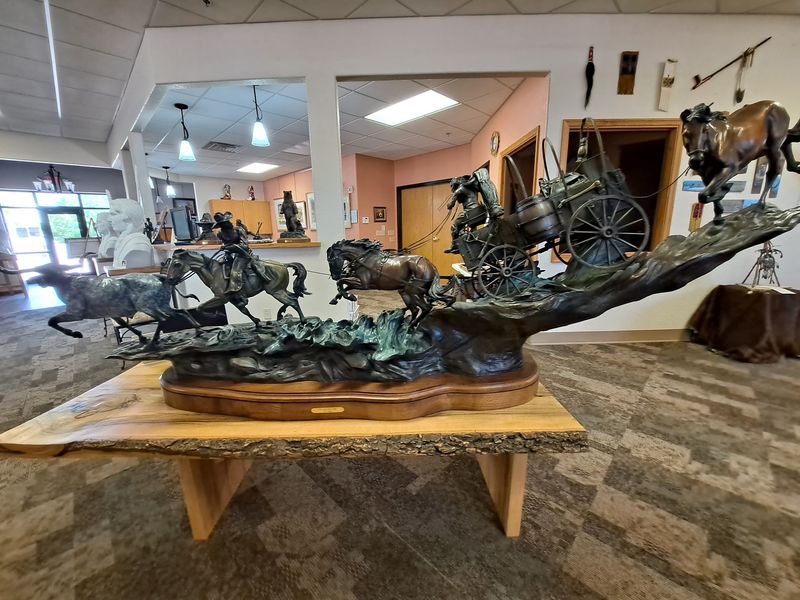
Twin brothers with a shared obsession built this one.
Harvey and Howard Kenfield spent decades collecting petrified wood, arrowheads, minerals and fossils, then turned their hoard into a gallery in downtown Ogallala that stops first-time visitors in their tracks.
Room after room holds polished cross-sections of ancient trees, some glowing with reds and golds you would not expect from stone.
Case after case of arrowheads and stone tools line the walls, arranged with the fussy care of people who genuinely loved the work.
The strangest pieces are the ones the brothers made themselves, including tiny sculptures and intricate assemblages built from bits of rock and shell.
There is a wire and stone artistry here that feels closer to folk art than to a natural history museum.
Local artists also show paintings and crafts in the gallery, so the mix keeps shifting. Admission stays modest, and volunteers on duty love to explain how a log becomes solid quartz.
Plan roughly an hour, longer if you like reading every label. Lake McConaughy sits just north, which makes this a smart stop when the wind picks up and swimming loses its appeal.
Hours are listed as year-round, though a quick phone call before a long drive never hurts.
5. Champion Mill, Champion
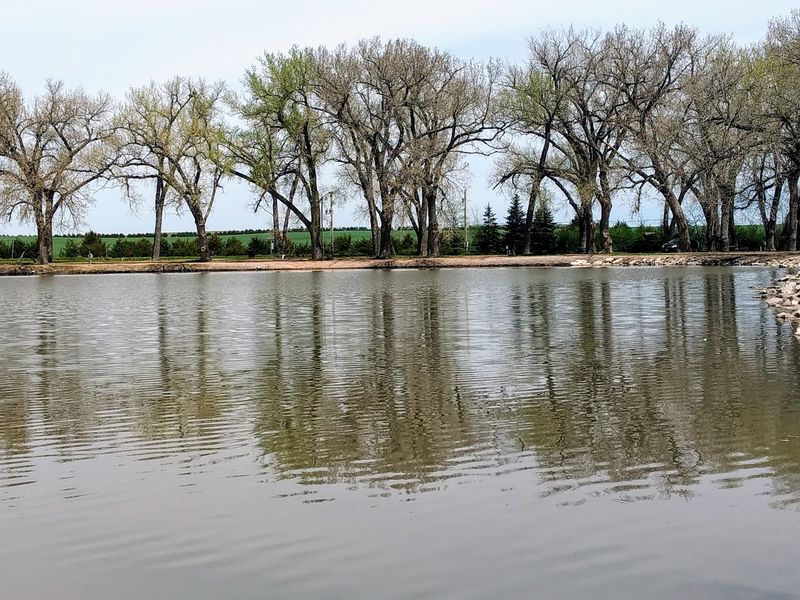
Nebraska’s last working water-powered mill sits in a village so small you could miss it while adjusting the radio. Champion Mill was built in 1888, burned, and came back in 1892 to grind flour and feed until 1968.
Inside, the belts, gears and grinding equipment remain, and guided tours explain how falling water once turned wheat into flour for farmers across Chase County.
The mill pond out front is the real charm. Cottonwoods lean over still water, ducks paddle around, and a shaded picnic area makes a fine lunch spot after a morning of driving southwest Nebraska backroads.
Chase County now operates the site as a museum and park. The pond and grounds stay open all year, while tours of the mill building follow seasonal hours, so timing matters if you want to see the machinery up close.
The mill, its headrace and dam joined the National Register of Historic Places in 1988, which helped save the structure from quiet collapse.
Fishing is allowed in the pond, and kids usually end up chasing frogs along the bank. Champion sits a short hop from Imperial, making it an easy add-on to a trip toward Enders Reservoir.
Photographers should aim for early morning, when the water goes glassy.
6. Kregel Windmill Factory Museum, Nebraska City
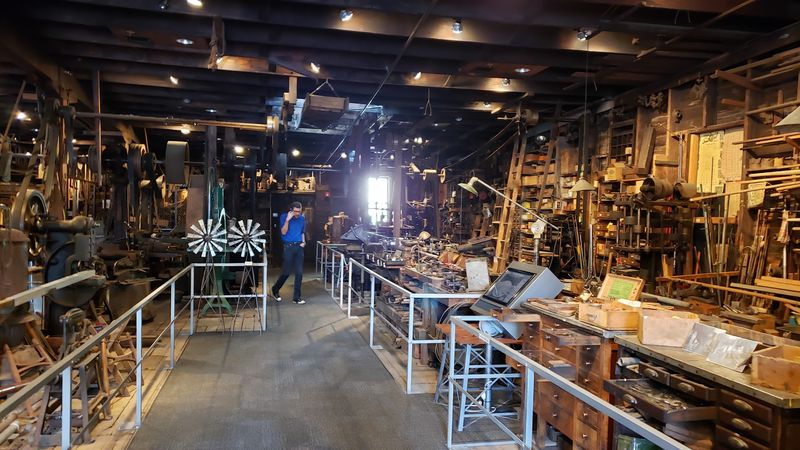
Some museums recreate the past. This one simply never changed.
The Kregel Windmill Factory in Nebraska City sat mostly untouched for decades, and now visitors walk into a workshop that looks like the crew stepped out for lunch in 1939 and never came back.
George F. Kregel ran the operation, built in 1902, turning out ELI brand windmills that pumped water on farms across the region.
Windmill production wound down in the 1940s, but pump repair work continued in the building until 1991.
Original wooden patterns, belt-driven machinery, hand tools and shelves of parts remain right where they were used.
That level of untouched preservation is what specialists find remarkable, since most factories were stripped or modernized long ago.
In 2024 the National Park Service designated the factory a National Historic Landmark, making it Nebraska’s 23rd. Not a bad honor for a modest brick shop on a side street.
Guides explain how the pieces came together, and hearing an assembled ELI mill creak in the wind outside adds a nice finish to the tour.
Hours are seasonal, so confirm before visiting. Nebraska City offers orchards, Arbor Lodge and plenty of food nearby, which makes this an easy piece of a full day trip.
7. Victoria Springs State Recreation Area, near Anselmo
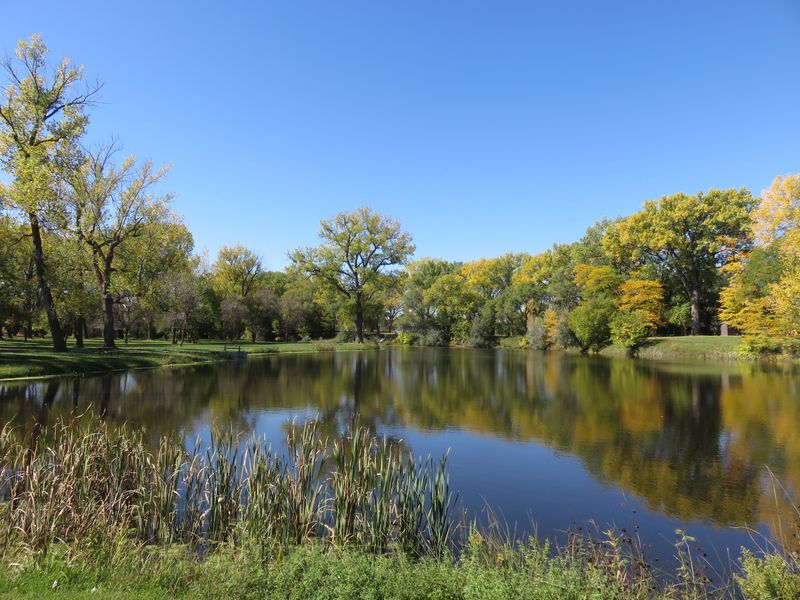
Long before bottled water filled grocery aisles, people paid money for water from a spring near Anselmo. Promoters claimed the mineral water here had healing power, bottled it, and shipped it around the country.
What remains is a shady 60-acre pocket park tucked into the Sandhills, established in 1925 and still feeling like a well-kept secret.
Big trees, a small pond and the springs themselves make it a cool retreat in a region famous for open grass and sun.
Two log cabins from 1874 still stand on the property. Judge C.E.
Mathews built them, using one as his home and the other as the first post office in Custer County, which gives the little clearing a real frontier feel.
Camping is available with electrical and primitive sites, and paddle boats often float on the pond during warm months.
Cabins and shower facilities typically open around Memorial Day weekend and close in mid-November, while the park itself stays open year-round.
Anglers fish the pond for bass and bluegill, and the trails are short enough for young kids to handle.
8. Ashfall Fossil Beds State Historical Park, near Royal
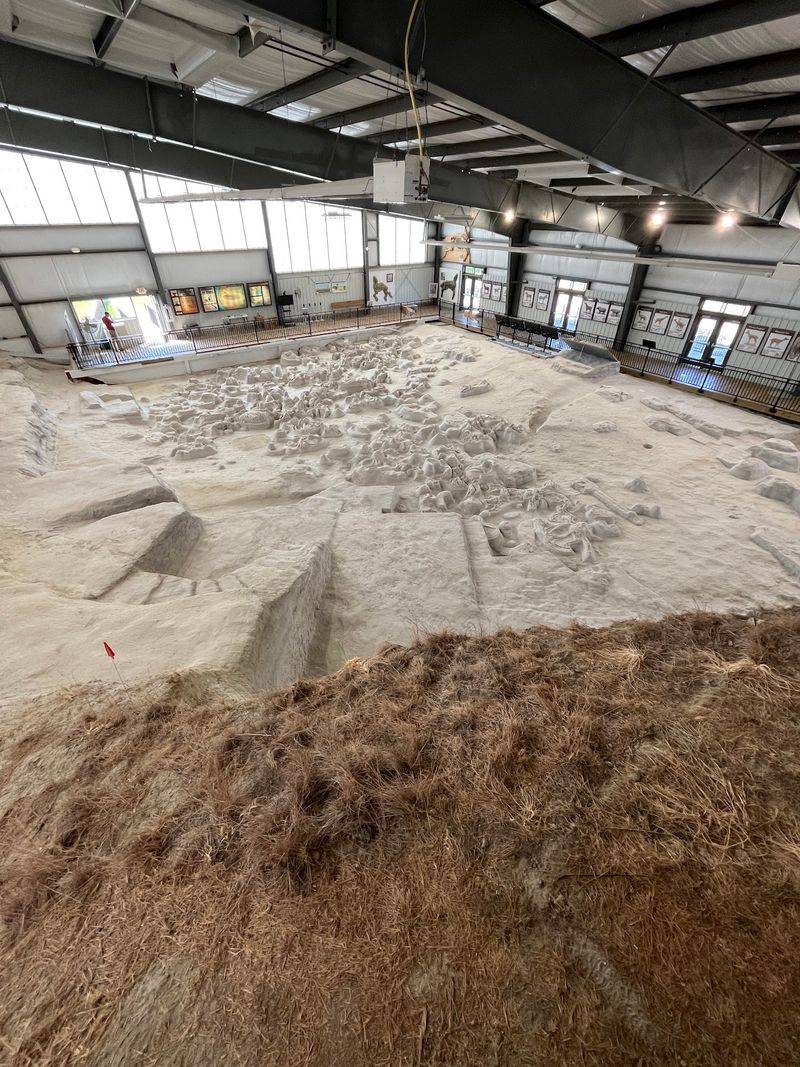
Twelve million years ago, a volcano hundreds of miles away in Idaho blew ash across the plains. Animals gathered at a Nebraska waterhole breathed it in, passed, and were buried where they fell.
The result is one of the most extraordinary fossil sites in the world, and visitors can walk into the Hubbard Rhino Barn and look straight down at skeletons still lying in the ash.
More than 200 complete skeletons have been uncovered on these 360 acres, including barrel-bodied rhinos, three-toed horses and camels.
Nothing is hauled off to a distant lab and reassembled behind glass. Fossils stay in place, exactly as they were found, which is what makes the experience hit so hard.
During the season, paleontologists often work right in front of the walkways, brushing dirt away and answering questions. Watching real science happen a few feet from your shoes beats any diorama.
The park opens seasonally, typically beginning May 1, so check dates before making the drive out toward Royal in northeast Nebraska. Admission requires a park entry permit plus a site fee.
Outdoor trails link the barn to a smaller visitor center and picnic area. Allow at least two hours, and bring curious kids, because the guides genuinely enjoy their questions.
9. Schramm Park State Recreation Area, near Gretna
When Nebraska Game and Parks labels one of its own parks a hidden gem, that says something.
Sitting on the north side of the Platte River near Gretna, Schramm packs an odd amount of variety into a compact space just minutes from Omaha and Lincoln.
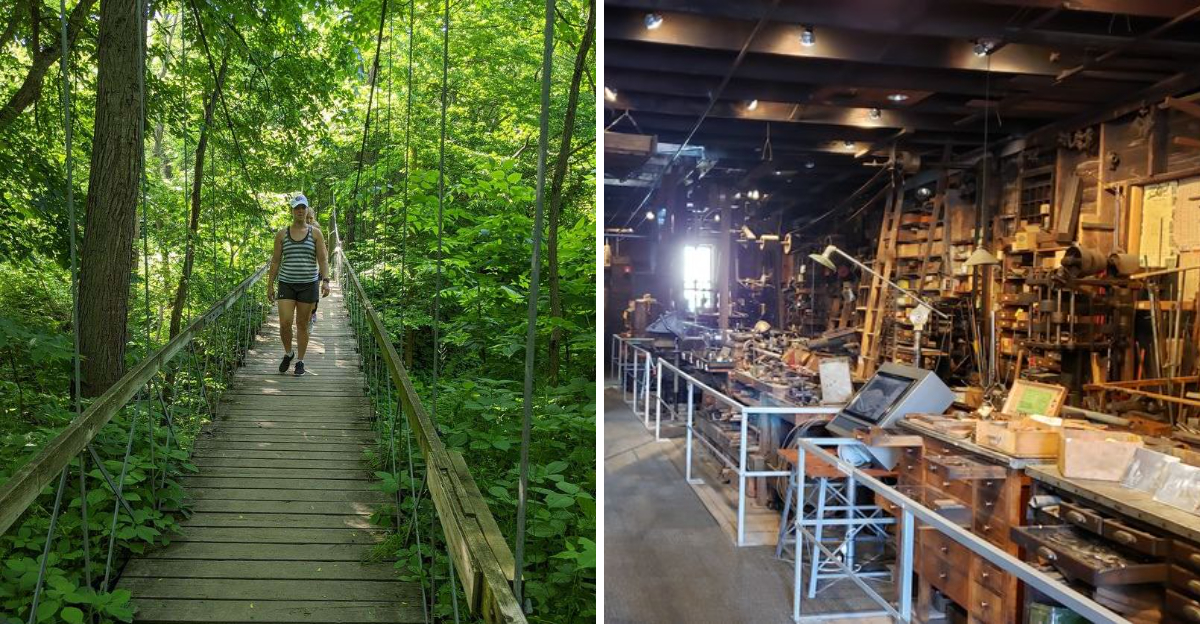
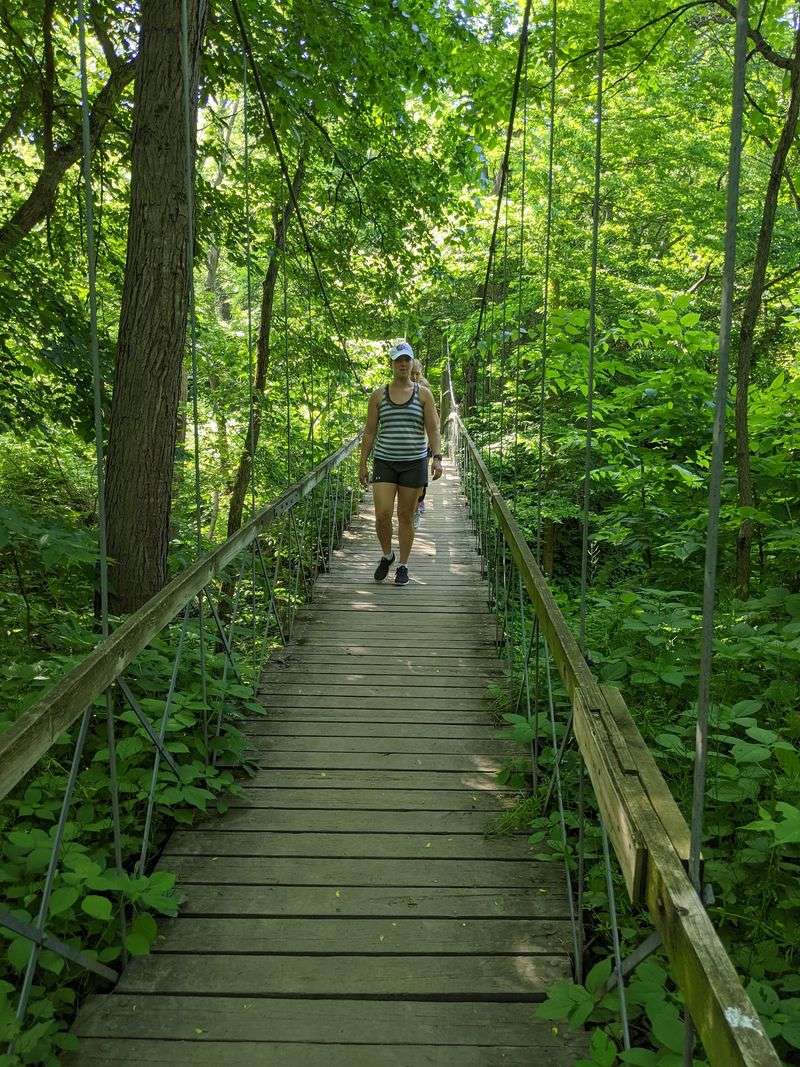
More than three miles of wooded trails climb through ravines and along bluffs, and a suspension bridge crossing gives kids a highlight to talk about all the way home. Fall color here is genuinely good.
The grounds hold the oldest fish hatchery in the state, established in 1882, now preserved as a museum with the old rearing ponds still visible.
Fossil hunting areas draw rock hounds looking for ancient shells in the exposed layers.
The Schramm Education Center anchors the park with aquariums, interactive exhibits about Nebraska ecosystems, and recent additions including a two-story treehouse classroom and an indoor stream feature.
A park entry permit is required, and the education center charges a small separate fee. Trails can get muddy after rain, so pick footwear accordingly.
Pack a picnic, since tables sit under mature trees near the trailheads. Weekday mornings are quietest, and birdwatching along the river edge can be excellent in spring.
10. Happy Jack Peak and Chalk Mine, Scotia
Nebraska Tourism itself has called this spot one of the state’s best-kept secrets, which is unusual honesty from a tourism office.
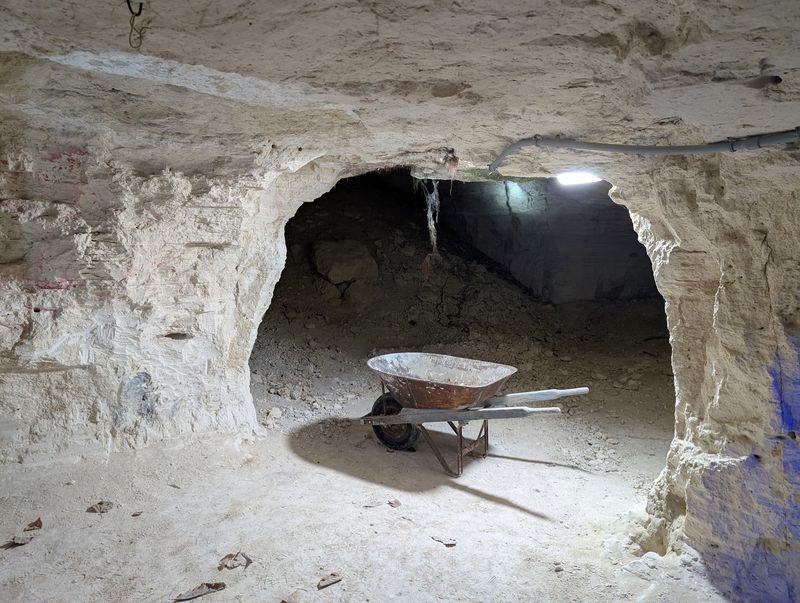
Beneath a grassy hill outside Scotia lie more than 6,000 feet of honeycombed passages, the only publicly accessible room-and-pillar chalk mine in North America.
Miners worked the deposit from 1877 into the mid-1900s, cutting blocks used for building material and other products.
The white rock is technically calcareous diatomite rather than true chalk, made from the shells of microscopic algae.
Guided tours lead visitors through cool corridors where you can still see tool marks in the walls. The temperature underground stays chilly, so a sweatshirt makes the trip a lot more comfortable in August.
Above ground, climb Happy Jack Peak for a sweeping look over the North Loup River Valley. The view rewards the short uphill effort, especially near sunset.
Tours generally run between Memorial Day and Labor Day, with the grounds open dawn to dusk. Occasional closures happen for weather or power problems, so a phone call before driving out is wise.
The site is named for a local character nicknamed Happy Jack. Wear closed shoes, since the floor is uneven and dusty in spots.
11. Neligh Mill State Historic Site, Neligh
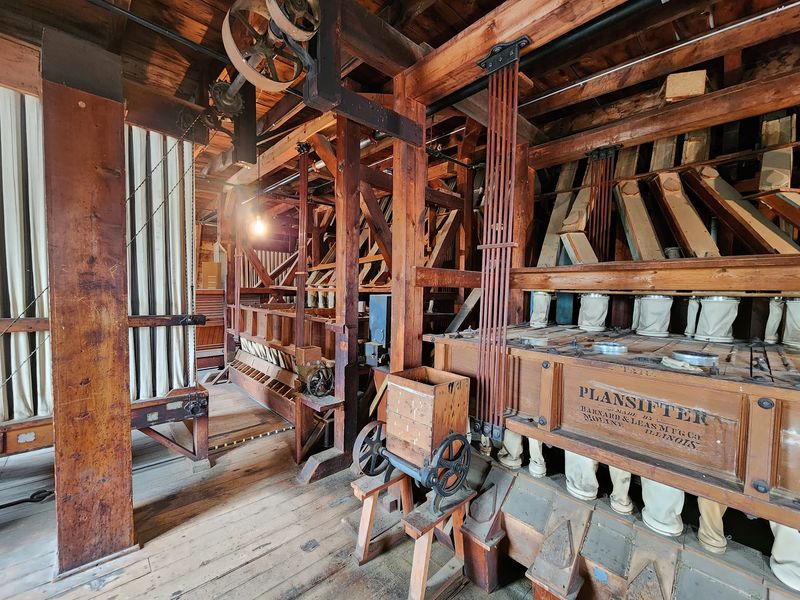
Flour mills once anchored nearly every Nebraska town with a decent stream, and almost all of them are gone.
The one standing in Neligh survived with an astonishing amount of its original 1880s equipment still bolted in place.
Walking the wooden floors, you see roller mills, belts, chutes and sifting machines arranged the way workers left them.
Interpretive displays explain how wheat traveled through the building, level by level, before coming out as flour bagged for local families.
The brick structure sits along the Elkhorn River, and the water power that once drove it shaped the whole town’s early economy. History Nebraska maintains the site today.
Admission has been free, which makes an unplanned detour off Highway 275 an easy yes. Hours vary by season, so check current listings before arriving.
Photographers love the light coming through the tall windows onto old machinery, and history buffs tend to linger over the office space with its ledgers and equipment.
Neligh also makes a decent lunch stop, with a walkable downtown and a park near the river.
Give yourself 45 minutes to an hour inside. Anyone with a grandparent who farmed will probably walk out with a story to tell.
12. Smith Falls State Park, near Valentine
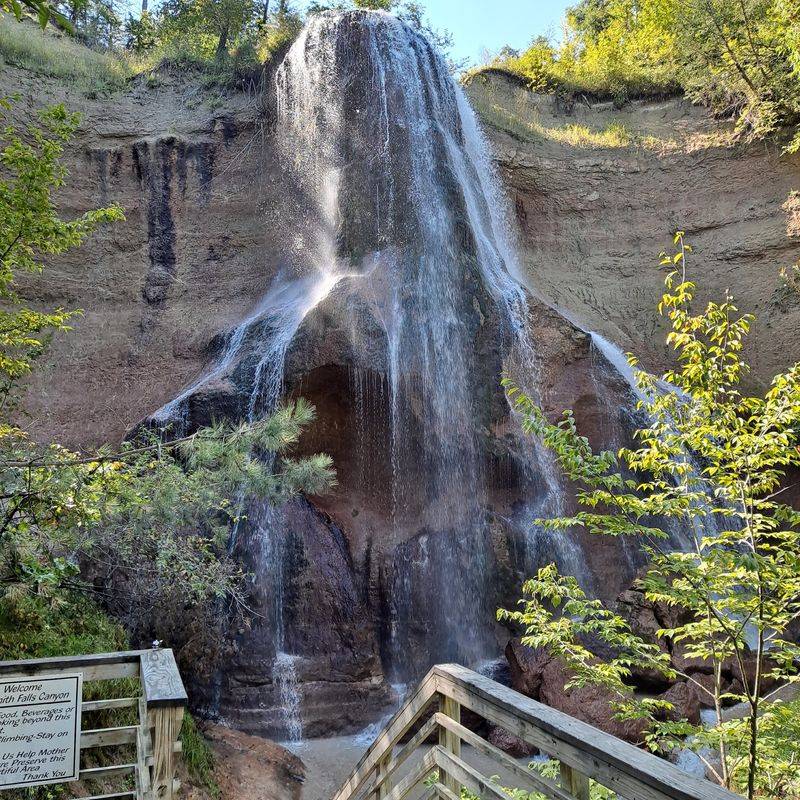
Nebraska’s tallest waterfall drops close to 70 feet down a mossy rock face, and the surrounding canyon looks like somebody transplanted a chunk of forest into the Great Plains.
Ferns, birch trees and cool air greet hikers who make the walk from the parking area.
Getting there means crossing the Niobrara River, a National Scenic River, on a bridgeway that has recently been rebuilt and reopened. The short trail from the bridge to the falls is easy, with a viewing platform at the end.
Summer weekends turn the river into a parade of tubes, kayaks and canoes, and many floaters pull off at the park to hike up and cool down. Outfitters in Valentine rent gear and handle shuttles.
Camping is available near the river, and a picnic pavilion plus a visitor center round out the facilities. Trails generally run dawn to dusk.
Yes, this park shows up on more lists than some others here, yet plenty of Nebraskans have still never made the four-hour-plus drive north. Go on a weekday if you can.
M