This Florida Aquarium Becomes An Underwater Escape After Sunset
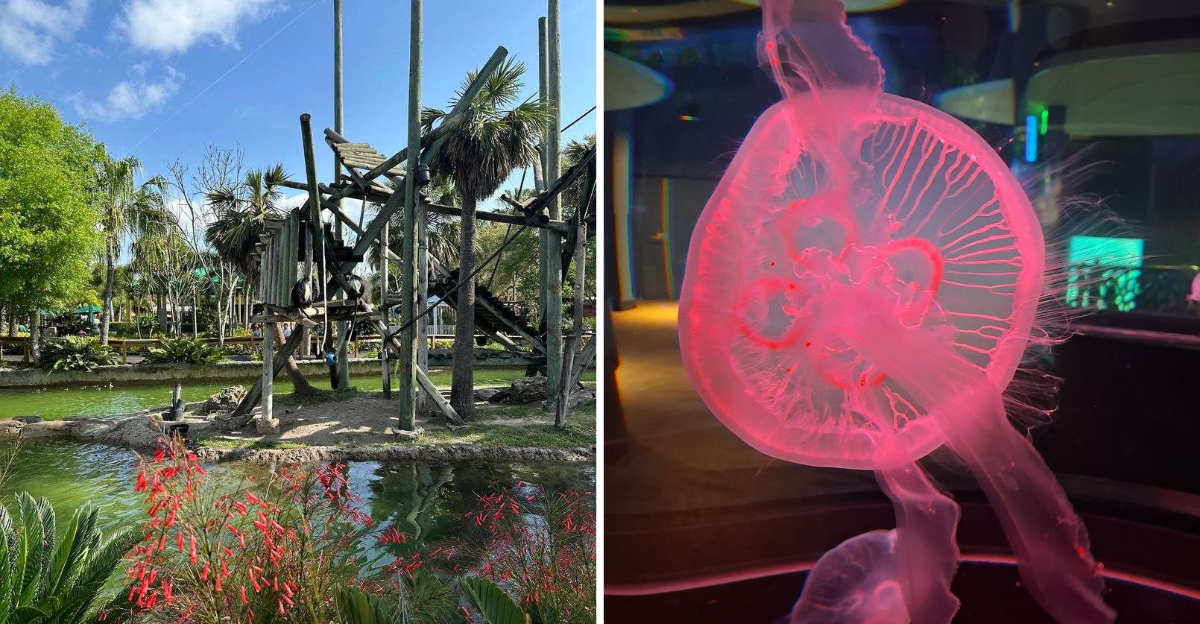
Just when you think the animal adventure is winding down, the evening changes everything.
Manatees, jellies, and fascinating aquatic exhibits already give visitors plenty to explore during regular hours.
Then Florida turns up the fun with special after-dark events that give the experience a completely different energy.
Entertainment, lights, and additional activities can extend selected visits well beyond the usual daytime outing. That makes checking the event calendar especially worthwhile before choosing a date.
Spend the afternoon meeting animals, then stick around as the atmosphere shifts.
Why rush home after dinner? On the right evening, staying late could become the part everyone remembers most.
Manatees Behind Glass Windows
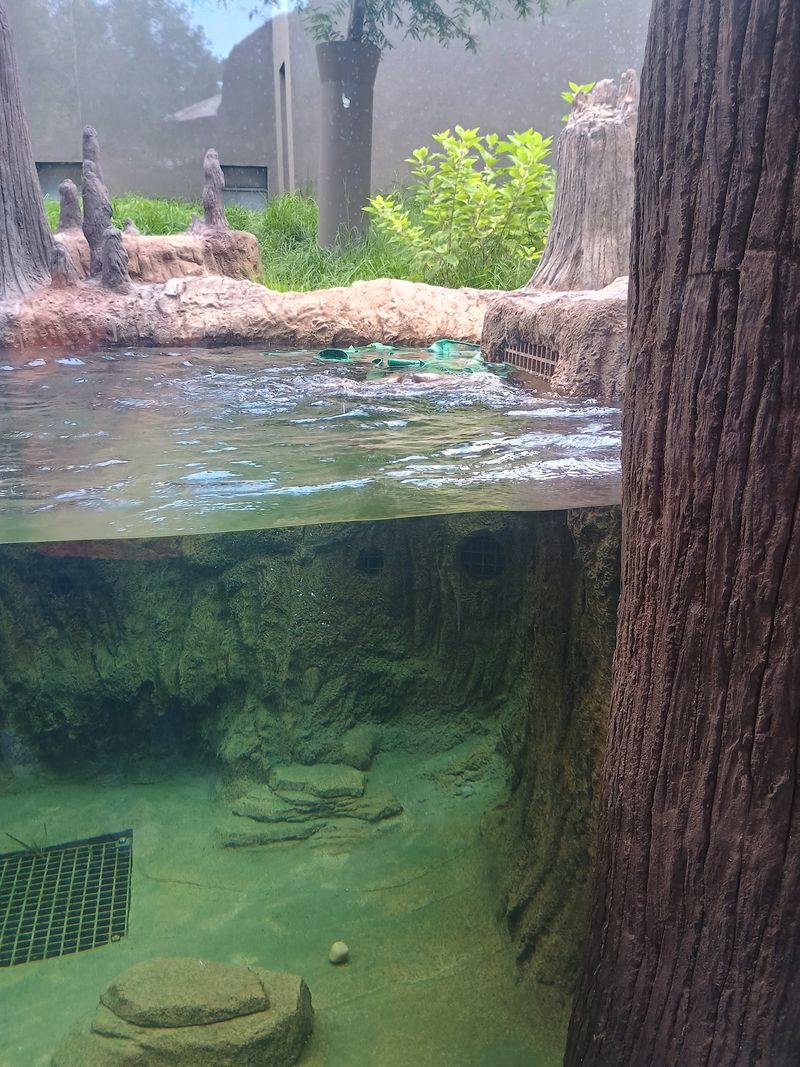
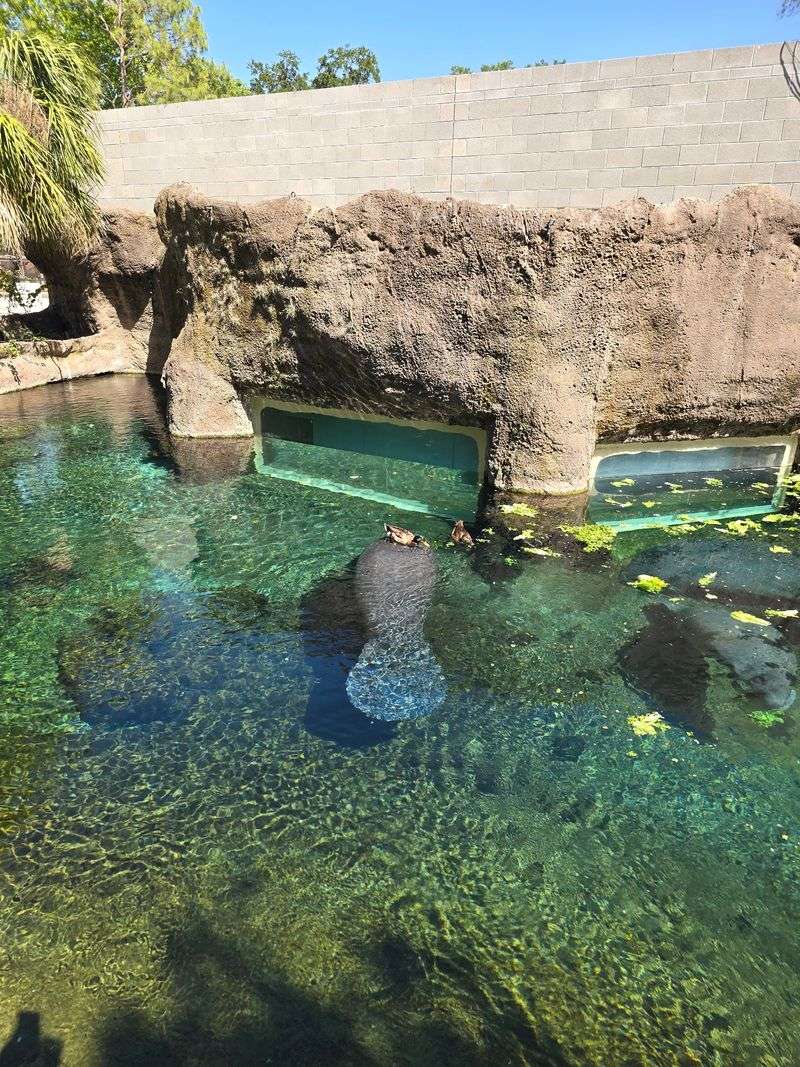
My first look at a manatee came from below, not above. Standing at the eye-level glass, I watched a rescued sea cow chew lettuce with unhurried joy.
The David A. Straz, Jr. Manatee Critical Care Center anchors this whole experience. It ranks as the largest nonprofit manatee hospital in the United States.
Staff here rescue, treat, and release sick, injured, and orphaned animals. Last year alone, 26 rehabilitated manatees returned to Florida waters, the highest count in the facility’s history.
Some patients stay nearly a year before they are ready. Others arrive one week and leave stronger the next.
Watching that work unfold felt oddly moving. These are not animals collected for display, they are guests in recovery.
The Florida Waters expansion, opening in Spring 2026, widens the whole aquatic section. Expect deeper underwater viewing and naturalistic tanks holding drifting jellies.
Light filtering through the water late in the day gives the space a hushed, dreamlike mood. Crowds thin, voices drop, and the glass becomes a window into another world.
You will find the entrance to it all at 1101 W Sligh Ave, Tampa. Give yourself twenty unhurried minutes here, minimum.
Jellies Drifting In Slow Motion
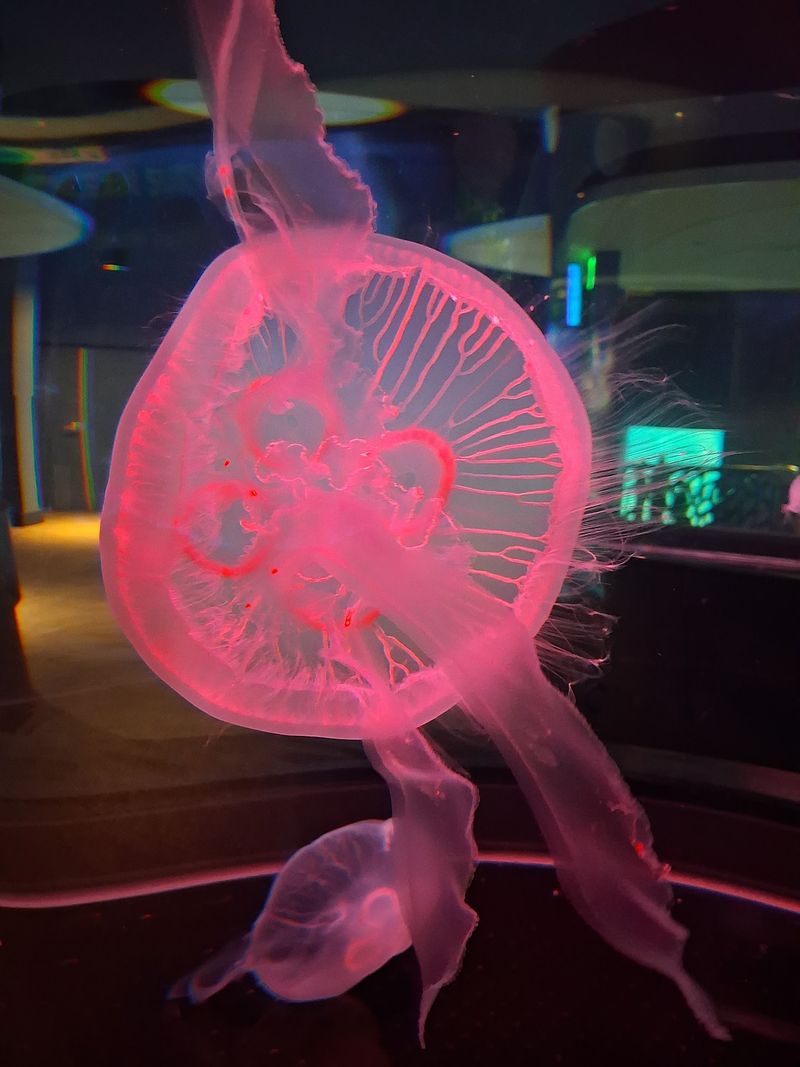
Something about jellies rewires your sense of time. They pulse, pause, then drift sideways with zero urgency, and suddenly you are standing there far longer than expected.
The jellies displays inside the aquatic realm sit in naturalistic tanks with soft backlighting. Translucent bells glow against dark water, catching every color change.
Kids press their palms to the acrylic and go quiet, which almost never happens elsewhere in the park. Adults do the same thing, just less obviously.
Fun fact worth carrying home: jellies have no brain, no heart, and no bones. They have been floating through oceans for hundreds of millions of years.
Photography here takes patience. Turn off your flash, brace your elbows, and wait for a jelly to drift into the brightest patch of light.
Late afternoon works best in my experience. Sunlight outside has faded, indoor lighting takes over, and the tanks look their most theatrical.
Florida gets brutally warm midday, so these shaded indoor spaces double as a cooling break. Air conditioning plus glowing sea creatures is a fair trade.
Stingrays You Can Actually Touch
Touching a stingray surprised me. The skin feels smooth and slightly rubbery, cool under warm Florida air, and the ray glides away like nothing happened.
The shallow touch habitat draws steady crowds, especially with families. Rays circle the edges, curious about hands hovering just below the surface.
Keepers hover nearby with tips on how to hold your fingers flat. Two fingers, gentle contact, no grabbing, and everyone leaves happy.
For anyone wanting more, the Stingray In-water Experience takes it further. You join a care team member inside the habitat for a feeding and enrichment session.
That upgrade costs extra and requires booking ahead. I would call it the single best add-on for anyone drawn to the aquatic side of things.
Learning why rays swim the way they do changed how I watched them afterward. Those wing-like fins move in a rippling wave rather than a flap.
Timing tip: arrive shortly after the 9:30 AM opening or wait until the late afternoon lull. Midday brings the longest queues.
Bring hand sanitizer, since washing stations get busy. Also skip the sunscreen on your hands right before, for the animals’ sake.
Native Wildlife Of The Sunshine State
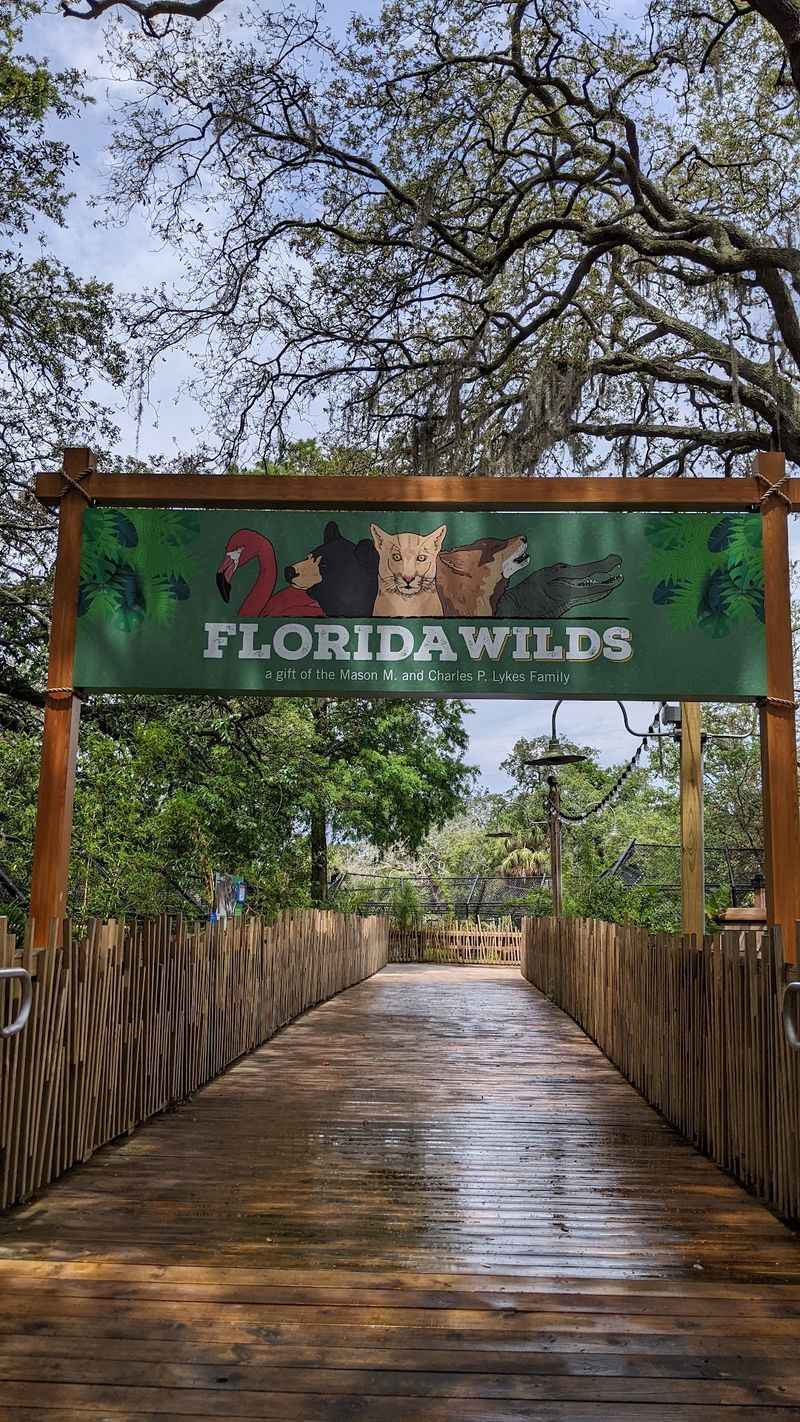
Panthers, bears, and otters live in the same neighborhood here, and that neighborhood is Florida. The native section proves you do not need a passport for remarkable animals.
Spotting the Florida panther takes patience. Mine was stretched flat on a shaded log, tail flicking, entirely uninterested in an audience.
Black bears occupy a wooded habitat with climbing structures and water features. River otters, meanwhile, never stop moving, spiraling through their pool like they are being paid by the lap.
Shoebill storks earn their fan club too. That enormous bill and unblinking stare make them one of the most photographed residents in the whole park.
What ties this area together is the rescue story behind many animals. Several arrived unable to survive in the wild and now serve as ambassadors for their species.
Interpretive signs explain habitat loss, roadway dangers, and water quality issues facing Florida wildlife. Heavy topics, handled in a way kids can follow.
Shade covers most of this loop, which matters in a humid Tampa summer. Benches appear regularly, and misting fans sit along the paths.
Continents Packed Into One Park
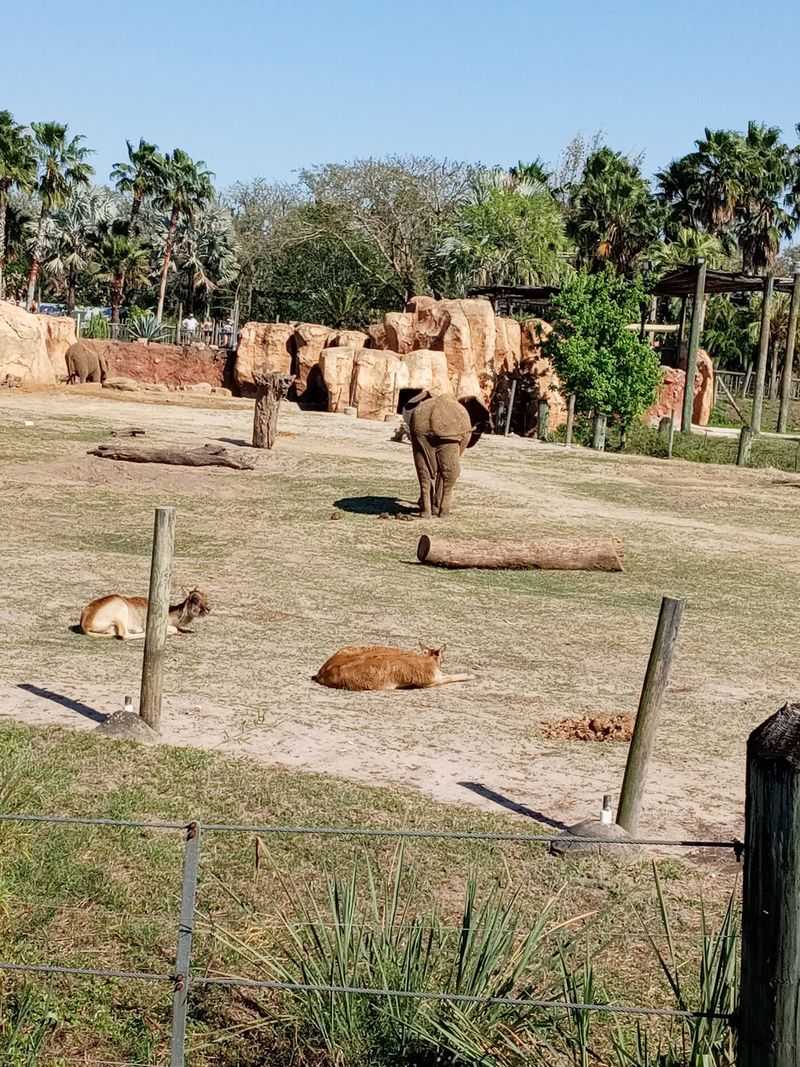
Africa, Asia, and Australia sit within a fifteen-minute stroll of each other. That compression is part of the charm.
Safari Africa holds elephants, zebras, white rhinos, and giraffes you can feed by hand. Standing beside a rhino, I understood the word massive properly for the first time.
The included safari ride carries guests through the savanna area with a guide narrating along the way. Wheelchair access works through a lift on the vehicle, which impressed me.
Asian Gardens shifts the mood entirely. Malayan tigers, Komodo dragons, and Indian rhinos live among pagoda-style structures and thick greenery.
Then comes Wallaroo Station, where koalas doze in eucalyptus and yellow-footed rock wallabies bounce around their rocks. Australian singing dogs add an unusual soundtrack.
Lorikeet Landing turns visitors into perches. Hundreds of colorful birds swoop through a free-flight aviary, and a nectar cup makes you instantly popular.
Budgie walkthrough areas work the same way, with smaller birds landing on shoulders and hats. Children lose their minds, in the best sense.
Behind-the-scenes tours like the African Giants Tour and the Southern White Rhino Encounter open doors most guests never pass through.
Splash Rides And Cooling Off
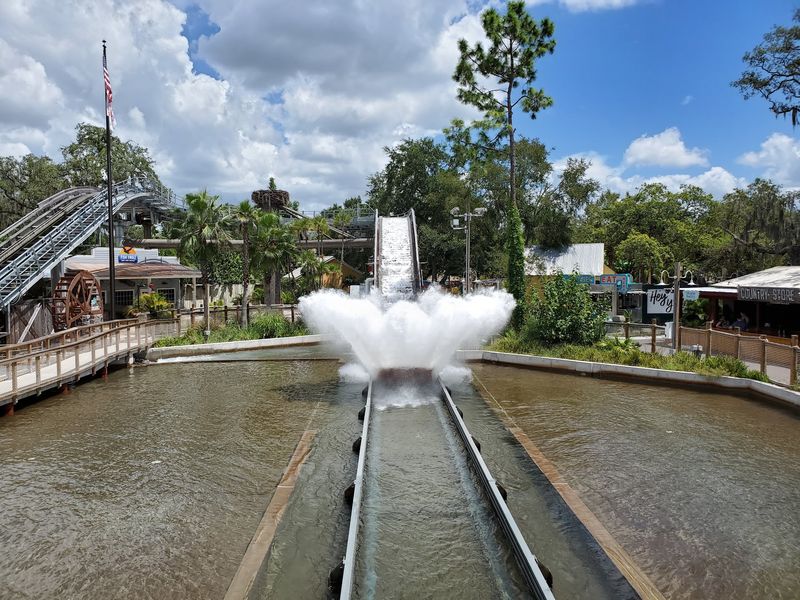
Nobody warned me how thoroughly Roaring Springs would soak my shoes. The boat glides along calm water, climbs, then drops three stories into a wave that reaches everyone.
Riding it twice in the same afternoon felt entirely reasonable given the heat. Best part: the ride comes included with admission.
The Tasmanian Tiger Family Coaster offers a gentler thrill for mixed-age groups. Smaller kids gravitate to Boomer’s Flyin’ Bananas and the Overland Express train.
Water play areas do the heavy lifting on scorching days. The Billabong in Wallaroo Station and the Manatee Fountains near the entrance keep children busy for ages.
Misting fans line the walkways, and shaded seating appears often. Indoor air-conditioned exhibits give adults their own cool-down strategy.
Practical packing advice from my own soggy experience: bring a change of clothes, a towel, and a refillable water bottle. Outside water bottles are permitted.
Shows add another layer, including the Macaw Flyover, where birds sweep low over the crowd. Carnival-style games sit nearby for anyone wanting a break from walking.
Families with toddlers should consider a wagon, since paths cover plenty of ground. Florida sun rewards preparation.
From 1930s Beginnings To Now
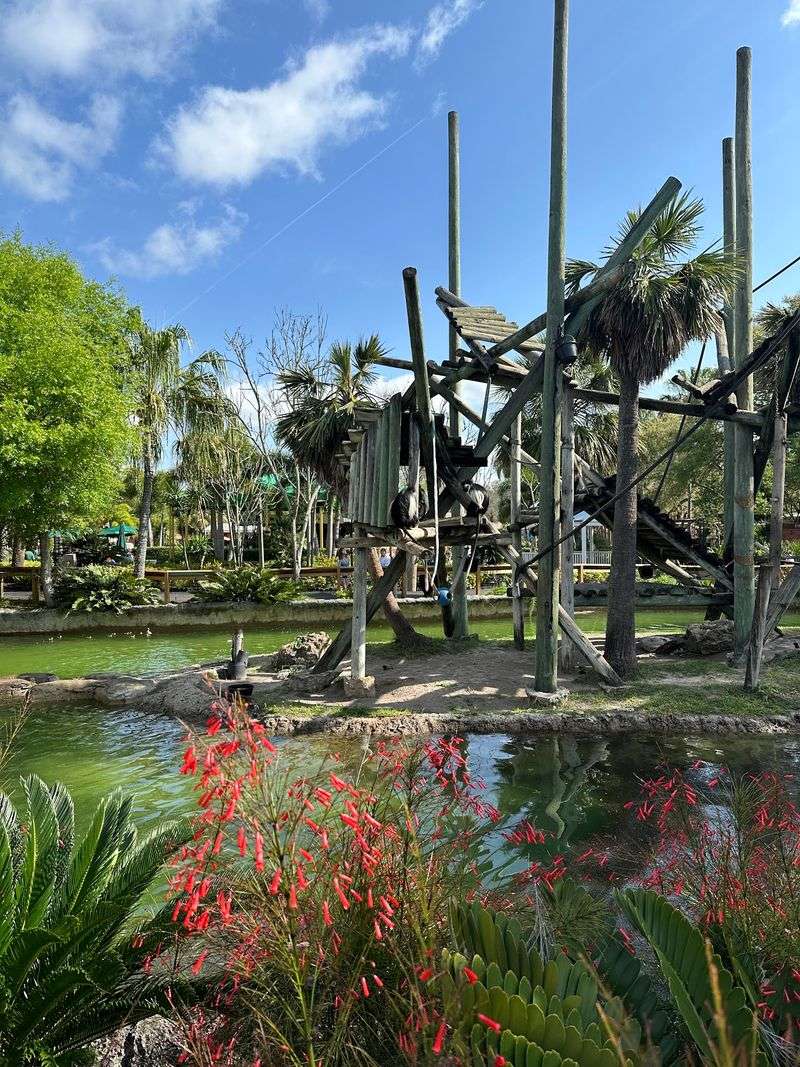
Small beginnings, big finish. What is now a 63-acre park started in the 1930s as a modest animal exhibit on the grounds of the University of Tampa.
By 1957 the collection outgrew that spot and moved to Tampa’s Seminole Heights neighborhood. Rides and small attractions trickled in over the following decades.
The 1980s brought a reckoning. Enclosures had aged badly, and community leaders pushed for a complete rebuild rather than patchwork fixes.
Fundraising and a public-private partnership funded a total redesign. The reimagined 24-acre facility reopened across 1987 and 1988, a genuine fresh start.
Expansion never really stopped after that. In 2018, another renovation brought the name ZooTampa at Lowry Park, signaling a sharper focus on conservation and immersive habitats.
Today the park cares for more than 1,300 animals and welcomes close to a million guests each year. The Lowry Park Zoological Society runs it as a nonprofit.
Accreditation from the Association of Zoos and Aquariums backs up the animal care standards. Participation in 95 Species Survival Plan projects supports vulnerable species worldwide.
Global partners include the Bornean Orangutan Survival Foundation and the Macaw Recovery Network.
When Evening Changes Everything
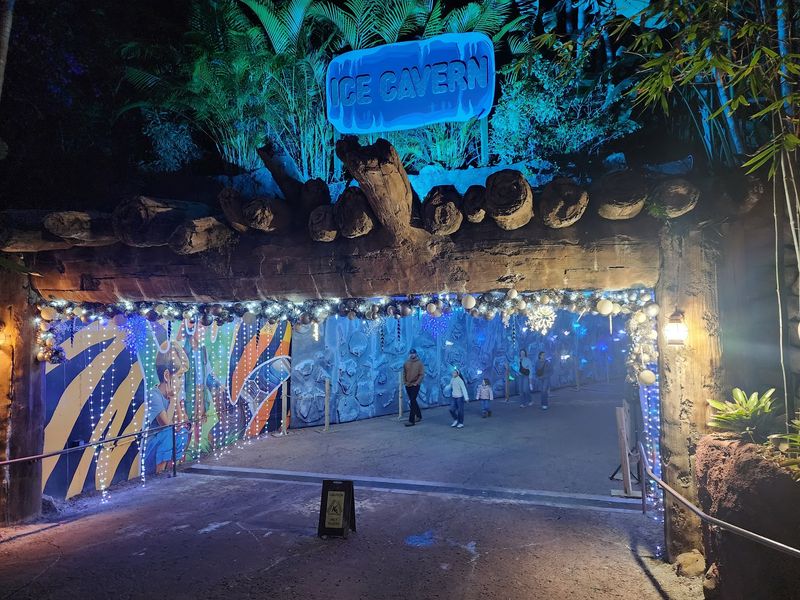
Sunset is when the character of the place flips. Aquatic viewing areas glow softly, footsteps echo differently, and the whole park feels like a private tour.
Regular hours run 9:30 AM to 5 PM daily, so evenings belong to special events. Booking those in advance is essential.
Every October brings Creatures of the Night, a family-friendly Halloween celebration running until 10:00 PM on select dates. Costumed characters mix with animal encounters and themed decor.
December shifts to Christmas in the Wild, with one of the Tampa Bay area’s largest light displays. Thousands of bulbs turn familiar pathways into glowing tunnels.
ZooBrews caters to adults with live music, entertainment, and wildlife connections stretching into the night. VIP entry starts earlier for a quieter start.
My tip for any evening visit: arrive early, park once, and start with the aquatic areas before crowds build. Parking runs cheaper when purchased online.
Bring a light layer, since Florida evenings can turn breezy in winter months. Comfortable shoes matter even more after dark.
Daylight shows you the animals. Evening at ZooTampa shows you a completely different park, and honestly, that version lingers longest in memory.