12 Small California Towns Where Late Summer Temperatures Barely Reach 75 Degrees
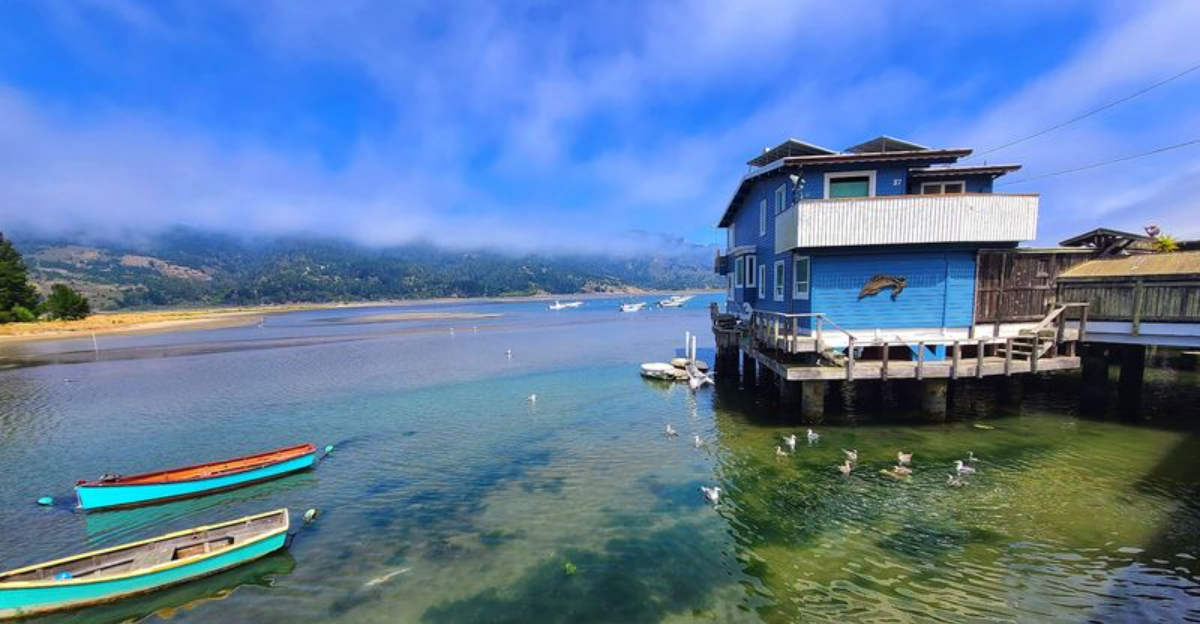
Late summer feels very different when you are not spending the afternoon looking for the nearest air conditioner.
In these towns, mornings can start cool, ocean breezes or elevation keep the heat in check, and a light layer may still make sense after sunset.
California has small communities where late-summer highs often hover around the low to mid-70s instead of climbing into serious heat.
Use that to your advantage. Walk downtown at noon without regretting it. Take the longer trail. Sit outside for lunch. Keep the windows open instead of immediately reaching for the AC.
These 12 towns offer the kind of weather that makes squeezing in one more summer getaway much easier.
1. Crescent City, Del Norte County
In California’s far northwest corner, this harbor town of about 6,686 residents may be the coolest summer address in the whole state.
Typical August highs sit near 64 to 65 degrees, and September only nudges up to about 66.
Cold water pushing down from the north keeps the air chilly year-round. Locals joke that summer arrives for roughly nine days in October, then leaves again.
Pack layers if you visit, because a sunny morning can turn into a damp, breezy afternoon in minutes. A windbreaker and closed-toe shoes will serve you far better than shorts and sandals.
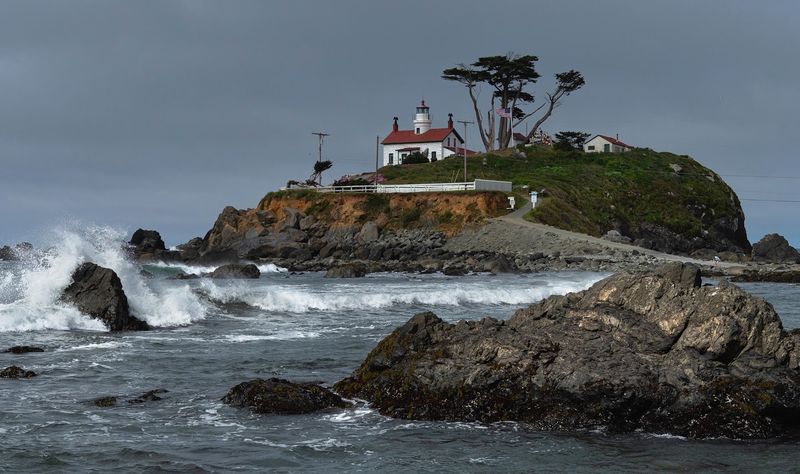
What you trade in warmth, you gain in scenery. Battery Point Lighthouse sits on a tiny island you can walk to at low tide, and Jedediah Smith Redwoods State Park is a short drive inland where some of the tallest trees on earth grow.
Tide pools along Enderts Beach fill with sea stars and anemones, and the cool weather means you can hike for hours without overheating.
Fun bit of history: a tsunami reshaped the downtown in 1964, and the town rebuilt with the ocean firmly in mind.
Today the harbor is a working fishing port, so fresh Dungeness crab and rockfish are easy to find at reasonable prices.
2. Trinidad, Humboldt County
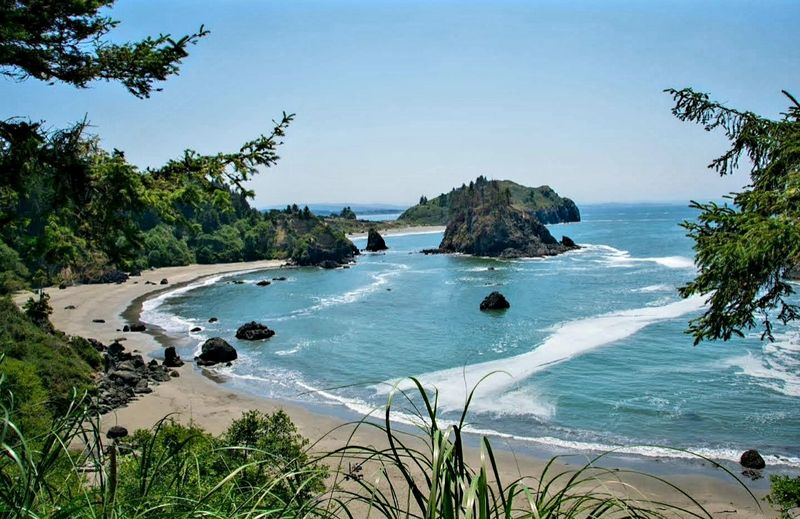
With just 323 people, Trinidad might be the smallest incorporated city on this list, and it wears its tiny size proudly.
Average highs in August and September hover around 67 degrees, with a few sources putting August closer to 69.
Sea stacks rise out of the water like giant stepping stones, and a small pier still serves local crab boats. The whole town can be walked in under half an hour.
Visitors who come expecting beach weather are often surprised. Instead of sunbathing, people here go tide pooling, whale watching, or hiking the loop trail around Trinidad Head, where the wind carries the smell of salt.
Practical tip: bring binoculars. Gray whales, sea lions, and puffin-like seabirds show up regularly, and the cool air keeps the viewing comfortable.
The Trinidad Head Light has guided ships since 1871, and a replica sits right in town where anyone can see it up close.
Nearby Patrick’s Point, now called Sue-meg State Park, holds a reconstructed Yurok village worth a slow, respectful visit.
Because lodging is limited, book early for late summer weekends. Many travelers stay in Arcata or McKinleyville and drive up, which works fine since the highway hugs the coast the whole way.
3. Shelter Cove, Humboldt County
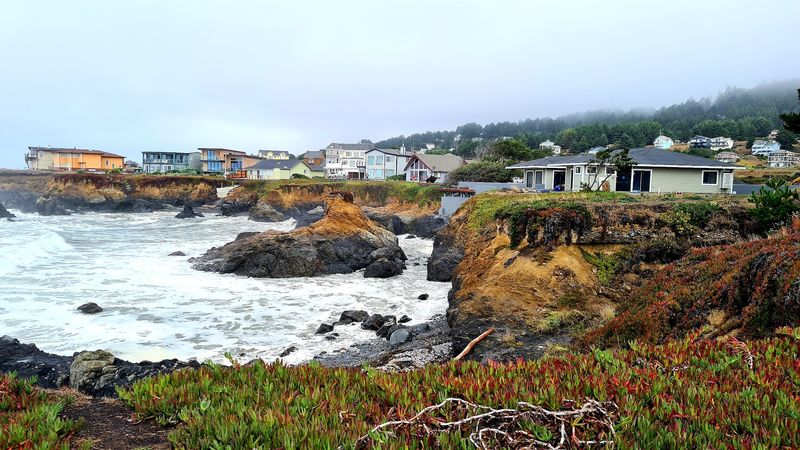
Getting to Shelter Cove takes a winding mountain drive that feels like it will never end, and that is exactly why only about 759 people call it home. Late-summer highs run roughly 69 to 71 degrees in both August and September.
The town sits at the edge of the Lost Coast, a stretch so rugged that engineers gave up trying to build Highway 1 through it.
Black sand beaches stretch north and south, and the King Range rises straight out of the surf to more than 4,000 feet.
That wall of mountains traps marine air against the shore, which is a big reason temperatures stay so mild.
Hikers use Shelter Cove as the finish line for the famous Lost Coast Trail, arriving salty, tired, and grinning.
Come prepared.
There is one small store, limited cell service, and gas costs more than you expect, so fill the tank in Garberville first.
The payoff is quiet you can actually hear. Evening fog rolls in, the lighthouse at Mal Coombs Park glows, and tide pools open up at low water.
Odd detail worth knowing: the town has its own paved airstrip, and small planes land right beside the golf course, which locals treat as completely normal.
4. Fort Bragg, Mendocino County
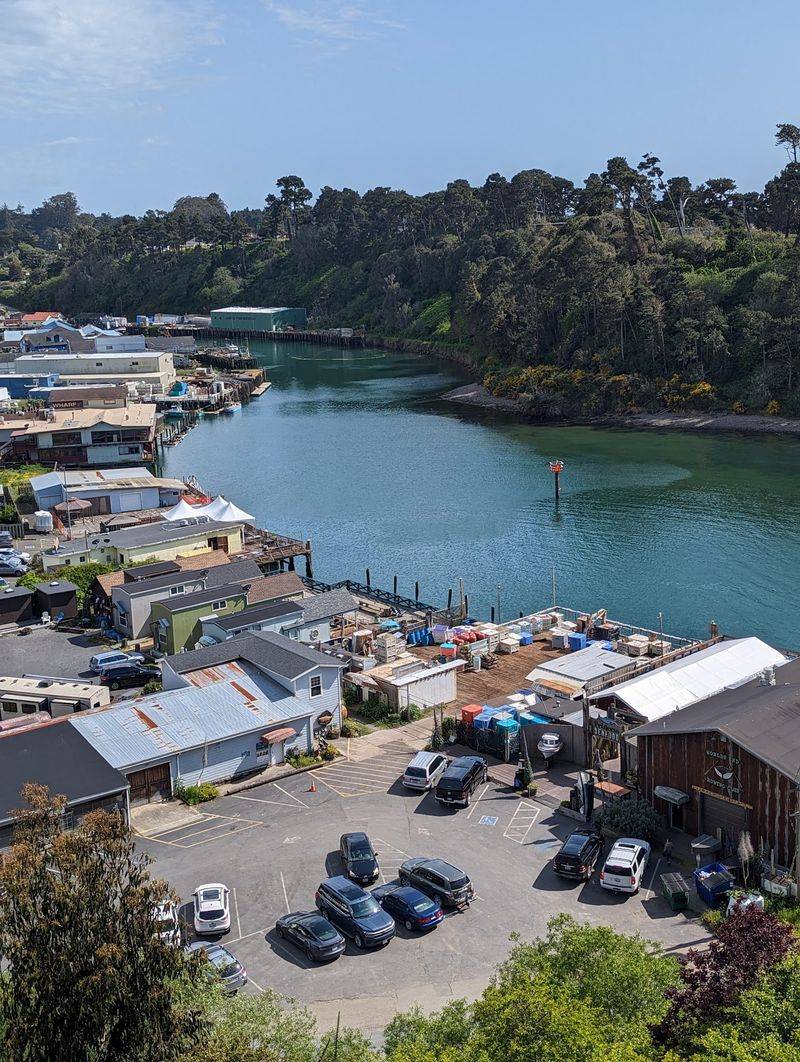
Roughly 7,032 people live in Fort Bragg, making it the biggest town on this cool-weather list while still feeling small and unhurried. August averages about 71 to 72 degrees, and September settles around 70 to 71.
Old lumber money built the place, and you can still trace that history along the working waterfront at Noyo Harbor.
Glass Beach is the headline attraction, where decades of discarded bottles were tumbled smooth by waves into shimmering pebbles. Collecting is not allowed anymore, but photographing the sparkle costs nothing.
The Coastal Trail runs for several miles along the bluffs, flat enough for strollers and wheelchairs, with whale spouts often visible offshore.
Families love the Skunk Train, a restored railcar that chugs inland through redwood canyons. Interestingly, the temperature can jump fifteen degrees in the first ten minutes of that ride, which shows just how powerful ocean air is here.
For food, look to the harbor for fish and chips or crab rolls served without fuss.
Mendocino Coast Botanical Gardens sits just south of downtown and blooms hard in late summer, since plants love the mist as much as sweater-wearing tourists do.
Bring a warm layer for evenings, when fog often swallows the streetlights whole.
5. Mendocino, Mendocino County
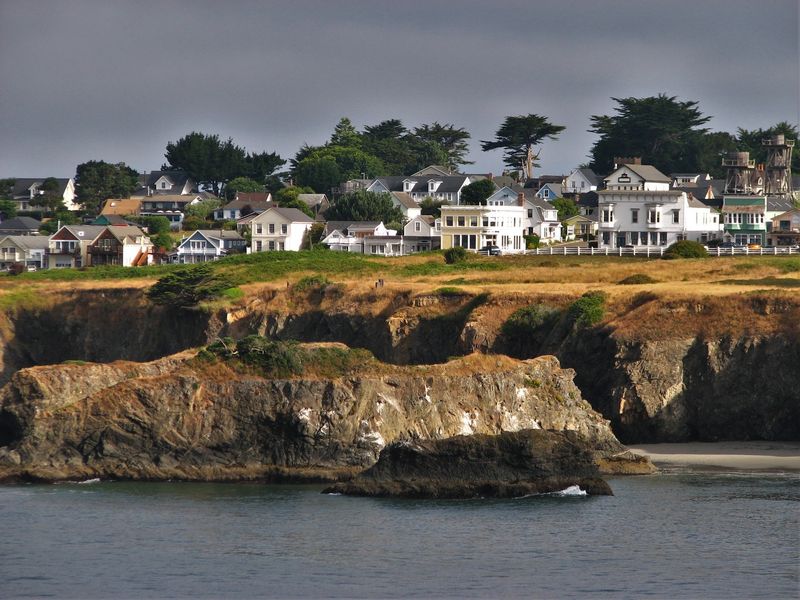
Picture a New England fishing village that somehow drifted to the Pacific, and you have Mendocino. Around 932 people were counted in 2020, and recent estimates run lower, closer to 574.
Typical August highs land near 70 degrees, with September holding right around the same mark. Some local readings dip considerably lower on foggy stretches.
Wooden water towers stand above the rooftops, left over from the 1800s when the village needed pressure for firefighting. Many now serve as quirky guest rooms and art studios.
Mendocino Headlands State Park wraps the town in bluff trails, and you can walk from a coffee shop to a sea arch in about five minutes.
The mild air makes this a wonderful place for slow days. Browse galleries, poke through bookstores, then watch the sunset from a bench without ever breaking a sweat.
Film buffs may recognize the streets from the old television series Murder, She Wrote, which used Mendocino as a stand-in for coastal Maine.
Reservations matter here, especially in September when weather often turns clearer and warmer than August. Inns fill up fast, and there are no chain hotels to fall back on, which is precisely how residents want to keep things.
6. Gualala, Mendocino County
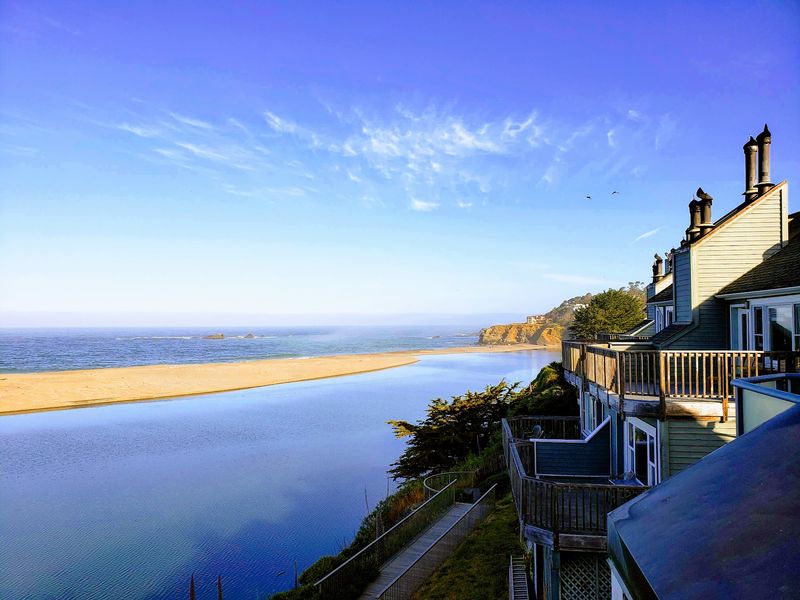
Say it GWA-la-la and locals will nod approvingly. Perched where the Gualala River meets the sea, this small town averages roughly 71 degrees in August, and September stays noticeably mild too.
The name comes from a Kashaya Pomo word, and the river has shaped life here for thousands of years.
Redwoods grow almost to the shoreline, so a single afternoon can include forest shade and crashing surf.
Gualala Point Regional Park has a bluff trail plus a sandy spit where the river pools before breaking through to the ocean.
Kayakers paddle that calm water in summer, and river otters occasionally join them uninvited.
Because the town sits along Highway 1 roughly halfway between San Francisco and Mendocino, it makes a smart overnight stop on a road trip. There are grocery stores, a hardware store, and a surprisingly good arts center for a place this size.
Weather advice: mornings often start socked in, then clear by early afternoon, so plan photography for later in the day.
Birdwatchers should bring a checklist, because the river mouth attracts osprey, herons, and migrating shorebirds in late summer.
Evenings cool quickly once the sun drops, and a fire pit or wool sweater becomes the best entertainment around.
7. The Sea Ranch, Sonoma County
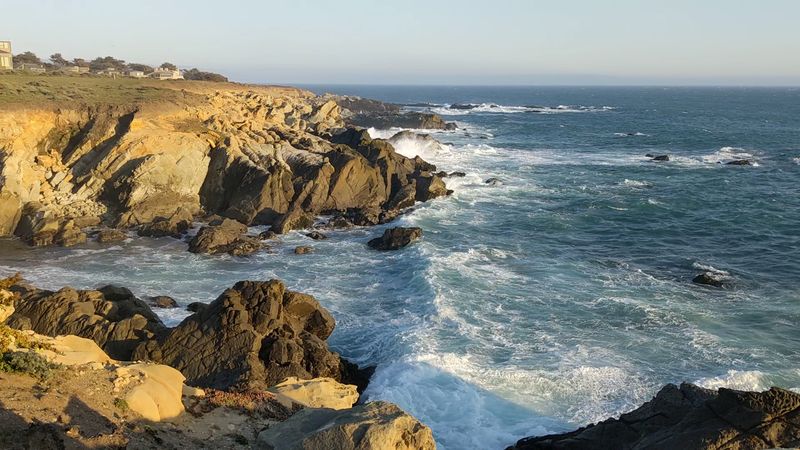
Architecture fans make pilgrimages to The Sea Ranch, a planned community of about 1,169 residents where every building wears unpainted wood siding and low slanted roofs.
August, one of the warmest stretches, still tops out near 72 to 74 degrees, and September runs about 72 to 73.
Designers in the 1960s had one rule: live lightly on the land.
Meadows of grass roll right to the cliff edge, and sheep once grazed the same bluffs. Public access trails let anyone walk the shoreline, though parking is limited to marked lots, so read the signs carefully.
The tiny Sea Ranch Chapel, with its swooping shingled roof, looks like something a wave sculpted and takes about two minutes to visit and years to forget.
Wind is the main weather story. Even on clear days, a steady breeze crosses the bluffs, so a windproof jacket beats a fleece.
Most lodging comes from privately owned rental homes with big windows facing the water, and many include hot tubs, which feel fantastic in 60-degree evening air.
Stargazing is excellent because outdoor lighting is deliberately kept dim. Bring groceries with you, since dining options are few and the nearest full market sits up the road in Gualala.
8. Bodega Bay, Sonoma County
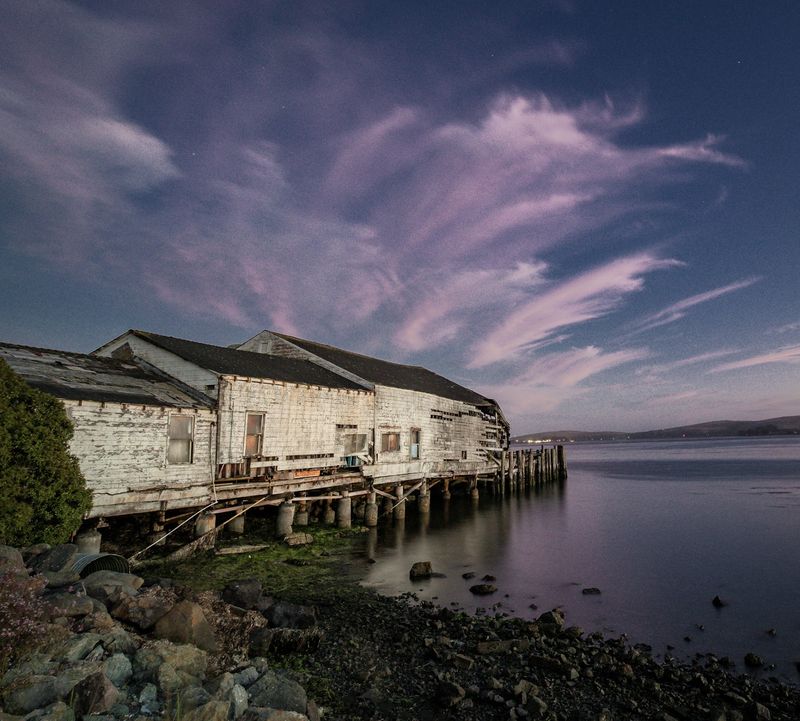
Alfred Hitchcock filmed The Birds around here, and honestly the moody summer weather helped set the tone.
About 1,139 people live in this fishing village, where August highs range from roughly 68 to 74 degrees and September lands near 72 to 74.
That puts the town right at the edge of the 75-degree line without usually crossing it.
Crab boats and salmon trollers work out of the harbor, and dockside markets sell whatever came in that morning. Ordering clam chowder while watching pelicans dive is basically the local pastime.
Bodega Head offers a short walk to a high point where gray whales pass in spring and fog banks stack up in summer.
Kite flying at Doran Beach works almost every single day thanks to reliable wind. Families should note that the surf here is cold and powerful, so wading beats swimming unless you own a wetsuit.
Only about ninety minutes from San Francisco, the town gets busy on weekends, yet weekday mornings stay peaceful.
Cyclists love the rolling roads inland toward Valley Ford, where temperatures rise quickly once you leave the shore. That contrast is a neat lesson in how narrow California’s cool coastal band really is.
9. Bolinas, Marin County
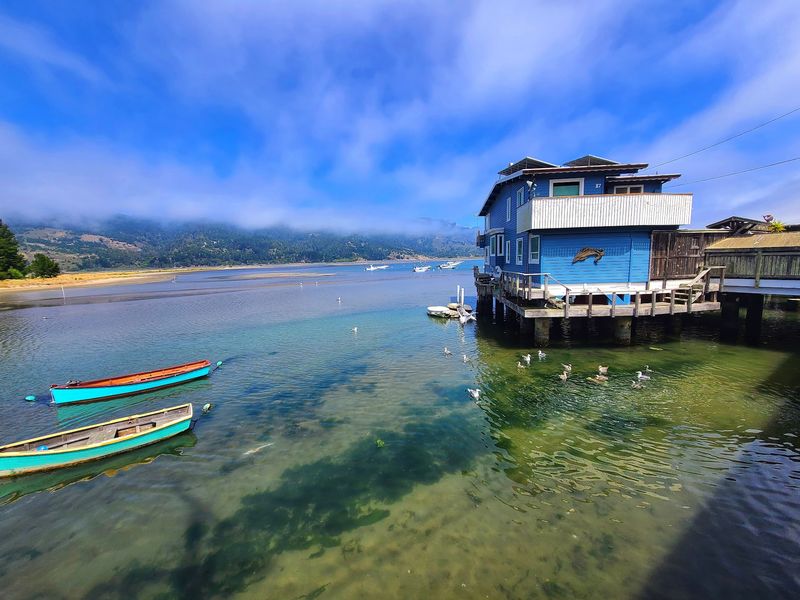
Residents of Bolinas famously kept tearing down the highway sign pointing to their town, hoping tourists would simply give up.
Average highs run about 71 degrees in August and 72 in September, so nobody is coming for a heat wave anyway.
Reaching it means a long detour around Bolinas Lagoon on a road you might miss twice.
Surfers show up early for the mellow break at the Patch, and the water stays cold enough that hoods and booties are common in August. An artsy main street holds a general store, a saloon, and a museum staffed by volunteers.
Bird lovers should visit the lagoon at low tide, when mudflats fill with willets, egrets, and curlews.
Point Reyes National Seashore sits just north, and the Palomarin Trailhead leads to Alamere Falls, a rare waterfall that spills straight onto the beach. Cool air makes that eight-mile round trip much friendlier than it sounds.
Parking is tight, so arrive early and treat the neighborhood with respect since this is a real community, not a theme park.
Bring cash for the small shops, and expect fog to linger past noon most days in August, burning off later in September.
10. Pescadero, San Mateo County
Farms, goats, and one very famous loaf of artichoke garlic bread define Pescadero.
Typical August days sit in the upper 60s, and September averages hover near 70 degrees, thanks to the marine layer that drifts inland over the fields.
The town is barely more than a couple of intersections, yet people drive from all over the Bay Area to eat here.
Coastal fog acts like free irrigation for local crops, which is why artichokes, Brussels sprouts, and pumpkins thrive in soil just a mile or two from the surf.
Harley Farms makes goat cheese you can watch being produced, and the goats will absolutely try to eat your sleeve.
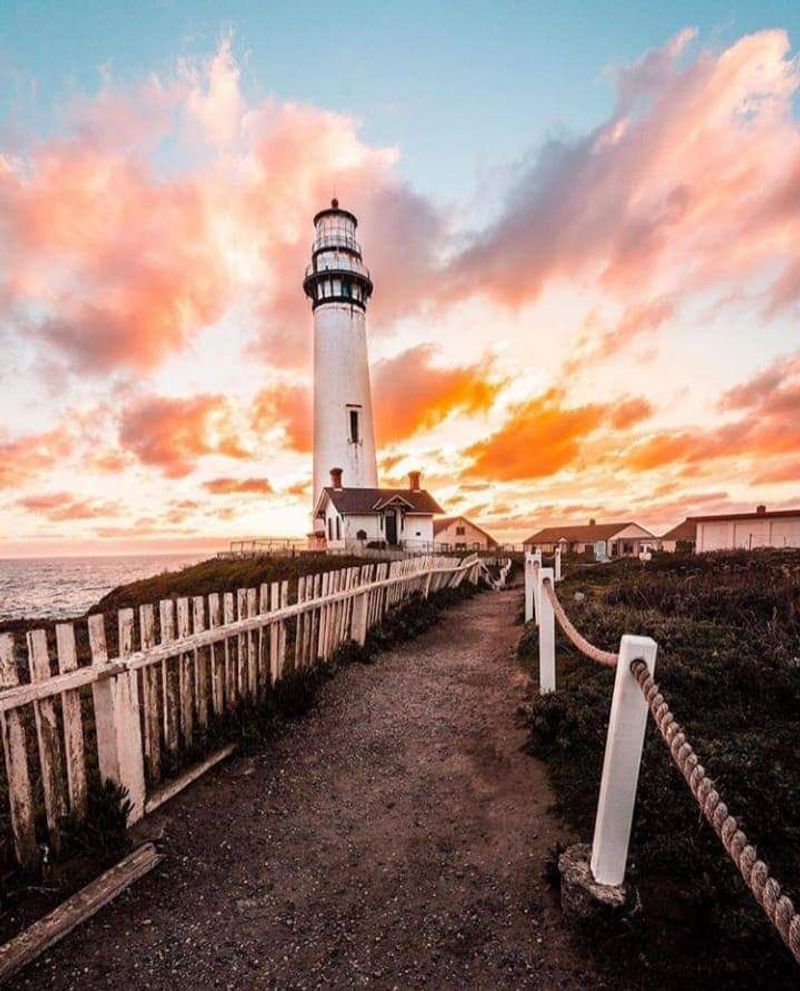
Pigeon Point Lighthouse stands south of town, one of the tallest lighthouses in the country, with a hostel where you can sleep beside the beam.
Nature offers plenty too. Pescadero Marsh Natural Preserve shelters herons and egrets, while Butano State Park hides redwood trails only minutes away.
Elephant seals haul out at Año Nuevo a short drive down the coast, though the big breeding show comes in winter.
11. Half Moon Bay, San Mateo County
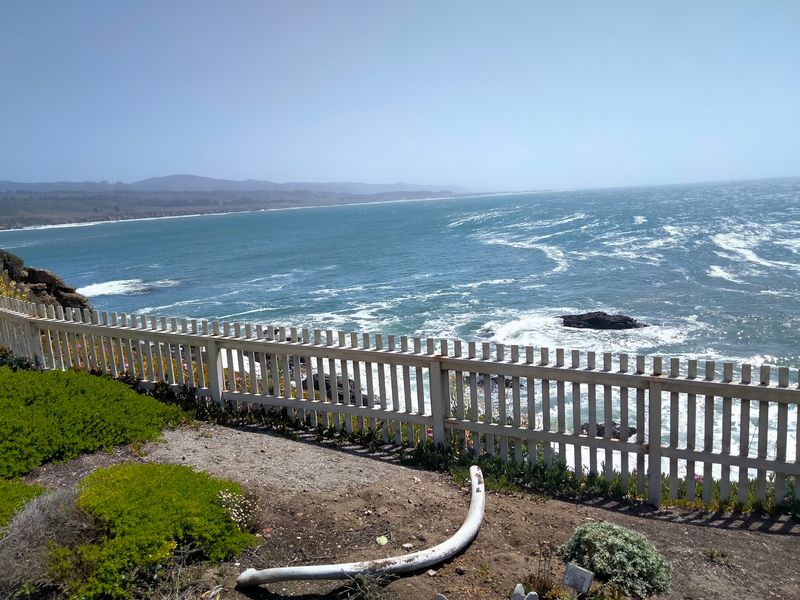
Just over the hills from Silicon Valley, Half Moon Bay stays stubbornly chilly while tech campuses swelter.
The 2020 census counted 11,795 residents, and late-summer highs are remarkably cool at roughly 66 to 67 degrees in August and 67 to 70 in September.
Sunshine here often shows up around 2 p.m., then vanishes again by five.
A paved Coastside Trail runs several miles along the bluffs, linking beaches with names like Dunes, Venice, and Francis. Renting a bike is an easy way to cover ground, and the flat route works for beginners.
Pillar Point Harbor to the north shelters fishing boats and, in winter, the legendary big-wave spot Mavericks.
Pumpkin farms line Highway 92, and by September the fields already blaze orange ahead of October’s famous Art and Pumpkin Festival. Kids can pick a gourd while wearing a hoodie, which sums up the local climate nicely.
Horseback riding on the beach is available, and tide pools appear at Fitzgerald Marine Reserve in nearby Moss Beach.
Traffic on Highway 92 backs up badly on weekend afternoons, so head home early or linger for dinner. Either way, the ocean breeze means you will want long sleeves before sunset.
12. Morro Bay, San Luis Obispo County
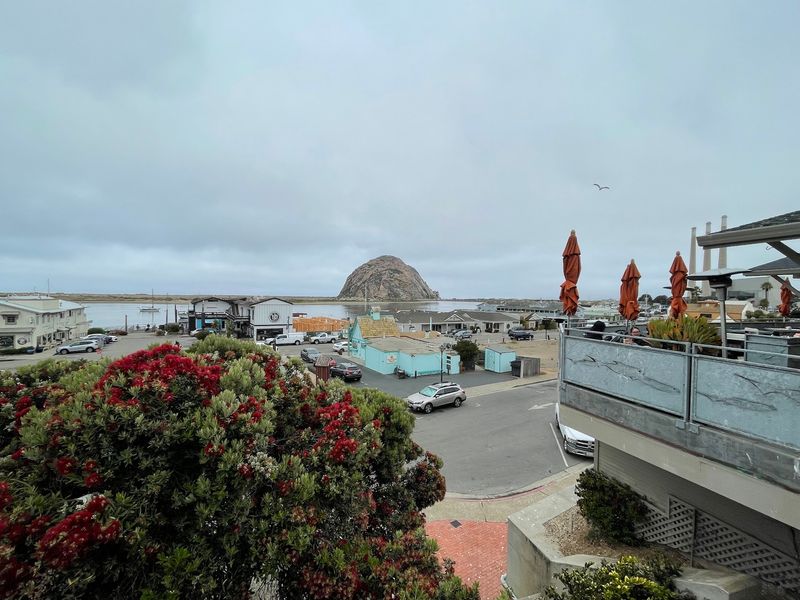
A 576-foot volcanic plug called Morro Rock guards the harbor entrance, and it is impossible to take a bad photo of it.
Typical August and September highs land around 74 degrees, with the immediate shoreline keeping summer unusually mild.
Three tall smokestacks from a retired power plant share the skyline, an odd but beloved local landmark.
Kayaking the estuary ranks among the best activities, since calm water lets paddlers glide past harbor seals, sea otters, and dozens of bird species. Rentals along the Embarcadero make it simple for first-timers.
Peregrine falcons nest on Morro Rock itself, which is why climbing the rock is off limits.
The Embarcadero serves fresh oysters and fish tacos, and a giant chessboard in nearby Centennial Park uses waist-high pieces anyone can move.
Weather pattern to expect: heavy morning fog, clearing skies by early afternoon, then a brisk wind that picks up around four o’clock.
Since the town has around 10,000 residents, it offers enough restaurants and hotels for a comfortable stay while still feeling like a genuine fishing village rather than a resort strip.