The Beloved Idaho Lake Community Where A Major Development Plan Has Locals Fighting Back
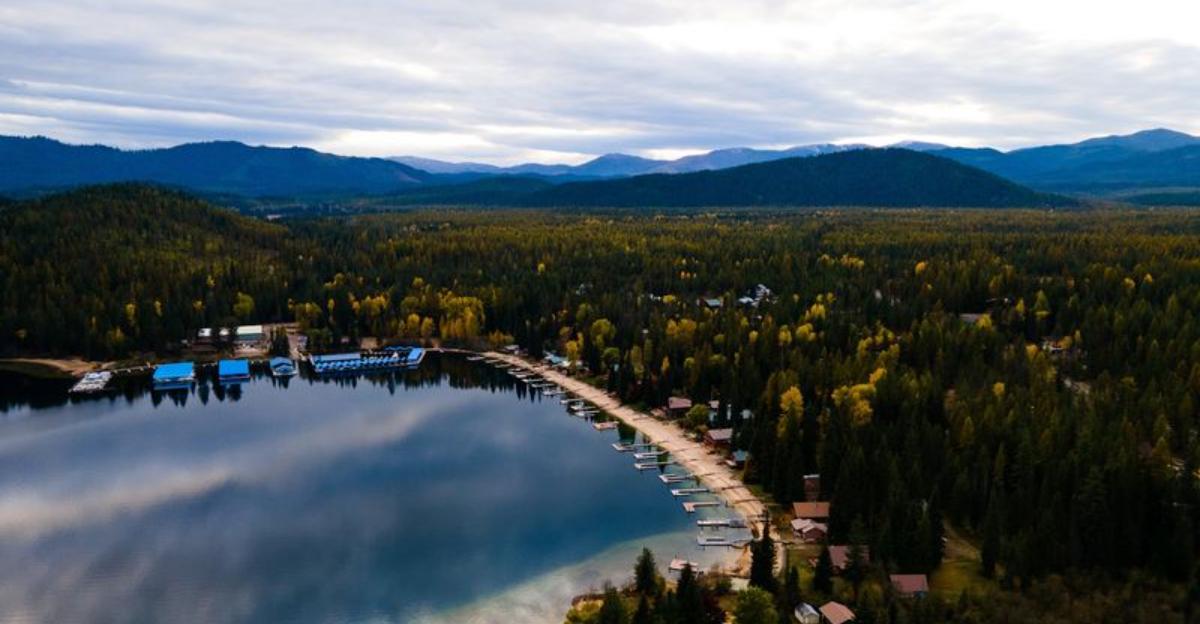
A town of roughly 138 people does not expect to become the center of a development debate.
Yet that is exactly what is happening beside one of northern Idaho’s clearest lakes.
Two housing proposals have put this tiny community under a much bigger spotlight. For longtime residents, the concern is not simply that new homes could appear.
It is how quickly a quiet shoreline can change once construction starts gaining momentum.
Wetlands are part of the discussion, too, which has brought conservation groups into the conversation.
Suddenly, maps that once looked like empty stretches of land carry a lot more weight.
Growth may be coming to this little corner of Idaho. The argument now is over how much belongs here without changing the place people were trying to reach in the first place.
See Why A Proposed Development Near The Lake Is Drawing So Much Attention
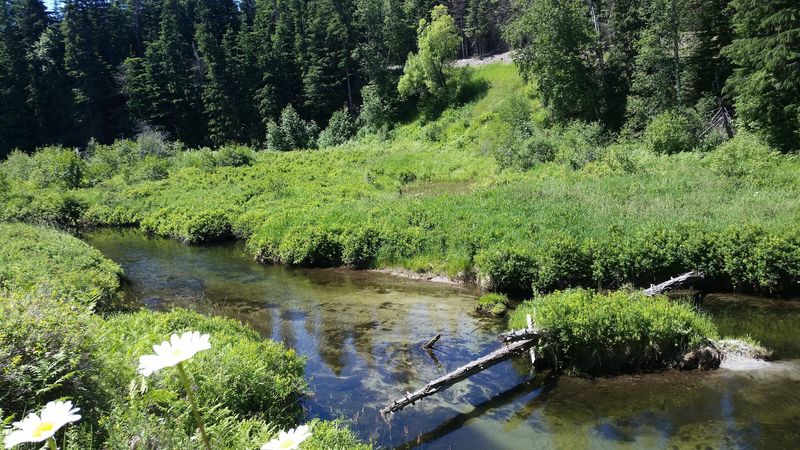
Numbers explain a lot of the alarm. Tricore Investment, LLC, an Idaho-based company led by Coeur d’Alene developer Cliff Mort, has proposed as many as 35 lots spread across 60 acres in the Coolin-Chase Lake Wetland Complex at the southern tip of Priest Lake.
Those lots would stretch along nearly 3,000 lineal feet of shoreline and reach into soggy ground that has never been built on. For a community where the loudest summer sound is usually a screen door and a boat motor, that is an enormous shift.
A second plan, the Yoman Bluffs subdivision, would add 23 single-family homes on roughly 38 acres near Sherwood Beach Drive in Coolin.
Tricore Investment, LLC acquired three tracts along Priest Lake that were later divided into 35 parcels, including 26 lakefront lots. The remaining land divisions became the subject of a long-running legal challenge over Bonner County’s review process.
A separate proposal nearby, Yoman Bluffs, has since been revised from 23 residential lots to 12 lots and one open-space tract on about 38 acres off Sherwood Beach Road.
Residents and conservation groups have responded with petitions, packed hearings, and detailed comment letters. The attention comes from scale, placement, and timing all landing at once on a shoreline people consider irreplaceable.
You Can Understand The Concern Once You See How Close The Wetlands Sit
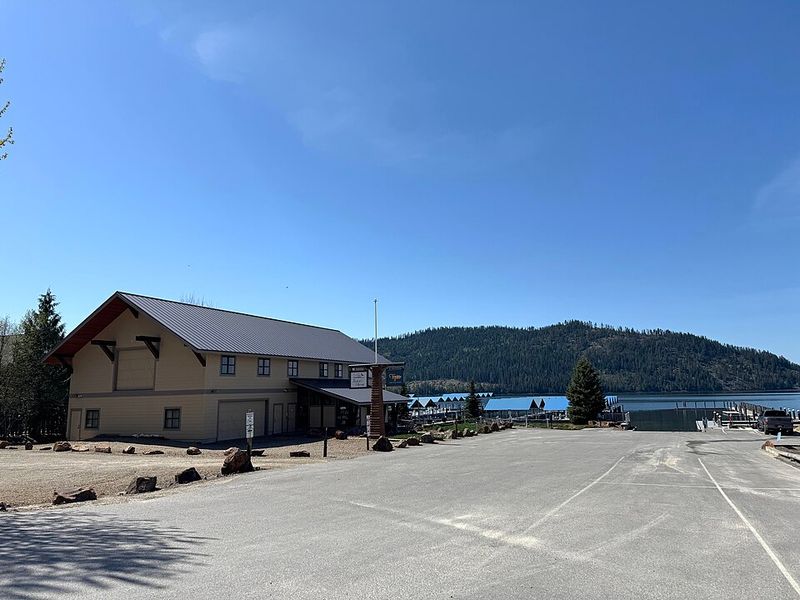
Walk the edge of the Coolin-Chase Lake Wetland Complex and the ground gives slightly underfoot, spongy with moss and centuries of slowly built peat.
Scientists classify it as a Class 1 peat bog and fen system, one of the few near-pristine examples left in North Idaho.
Wetlands like these work quietly and constantly. They hold spring runoff, strain out pollutants, and release cold, clean groundwater into Priest Lake through the hottest weeks of summer.
The Tricore proposal sits directly inside that complex, which is why even small changes to drainage or soil worry hydrologists. Peat that took thousands of years to form cannot simply be rebuilt after it dries out.
Conservation groups and their attorneys have alleged that excavation and channel work occurred without the required federal authorization on several parcels.
The developer has also sought to strip the tract of federal Clean Water Act protections, and in July the Idaho Supreme Court ruled unanimously against earlier attempts to skip public review.
Look At Why Water Quality Has Become Part Of The Debate
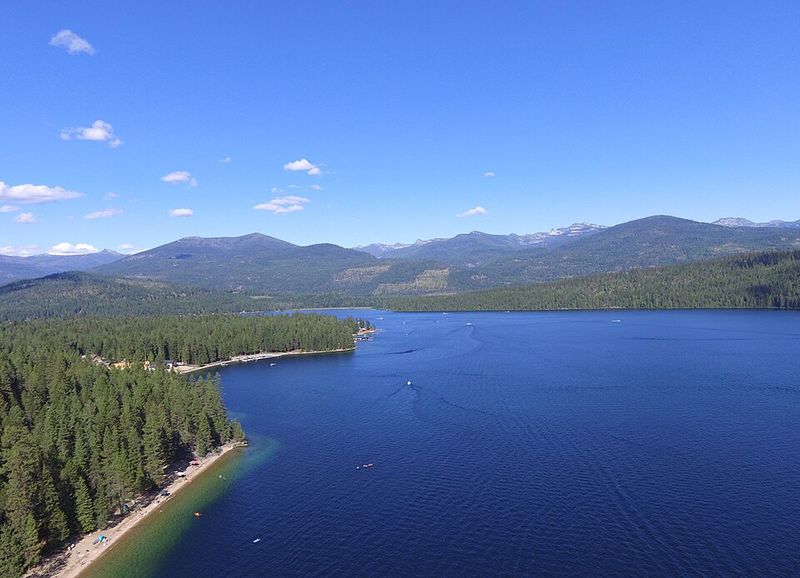
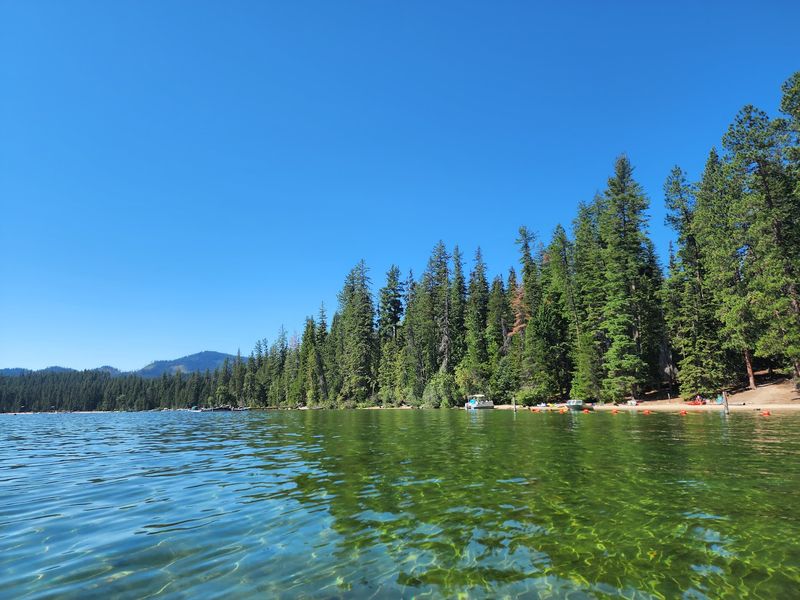
Clarity is the first thing visitors notice at Priest Lake. Swimmers can see their toes in chest-deep water, and that transparency is exactly what people fear losing.
Construction in and near wetlands tends to wash sediment downhill into open water. New homes can add nutrients too, through septic seepage or runoff carrying lawn fertilizer and weed treatments.
The Coolin wetlands act as a natural filter and recharge zone for the Priest River Aquifer, so protecting them protects drinking water as well as swimming water.
Timing complicates matters further. The Coolin Sewer District is currently under a moratorium, meaning new sewer connections are paused, pushing new construction toward individual septic systems that carry greater risk for groundwater and the lake itself.
Follow The Pushback Over New Homes Near A Sensitive Shoreline
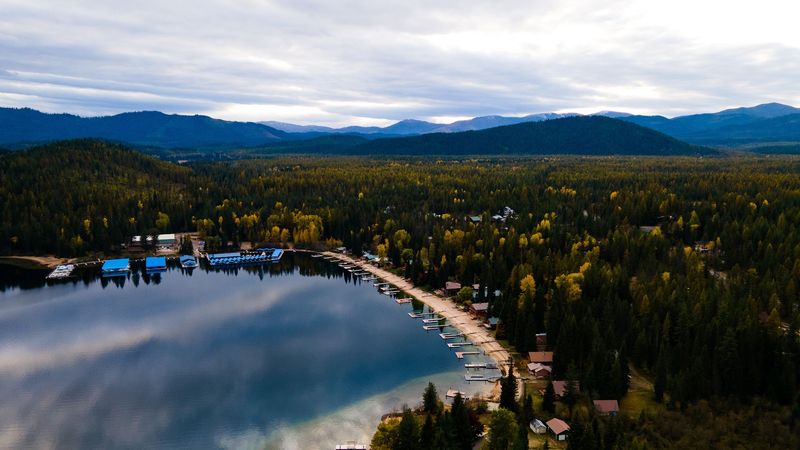
Community organizing here looks like folding chairs, printed maps, and neighbors comparing notes after work.
The plan for 35 lots along about 2,900 feet of Priest Lake shoreline, plus 12 homes at Yoman Bluffs, gave that effort a sharp focus.
Shoreline and wetland acres are considered the lake’s most valuable natural assets. They hold banks in place, keep water clean, shelter fish and nesting birds, and preserve the wild look that draws people back summer after summer.
Three organizations have led much of the response: the Idaho Conservation League, the Selkirk Conservation Alliance, and Preserve Priest Lake.
Their work includes technical comments, legal filings, and plain-language explanations for families who have never read a subdivision application before.
What ties the effort together is a belief that damage to a Class 1 wetland cannot be undone later with landscaping or good intentions.
Public comment periods and county hearings remain the main tools residents use to keep decisions out in the open.
Notice How Growth Could Change The Quiet Character Of The Area
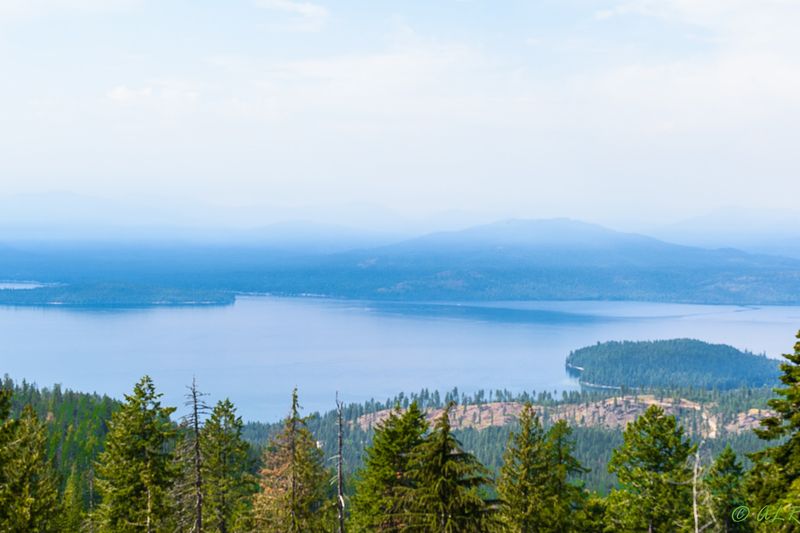
Off-season Coolin has a particular hush. Vacation cabins sit shuttered, the road past the general store carries a handful of trucks an hour, and the loudest thing on a September afternoon may be geese heading south.
With roughly 138 year-round residents counted in the 2020 census, this is a place where people recognize each other’s vehicles. That familiarity is part of the appeal for families who have summered here across three or four generations.
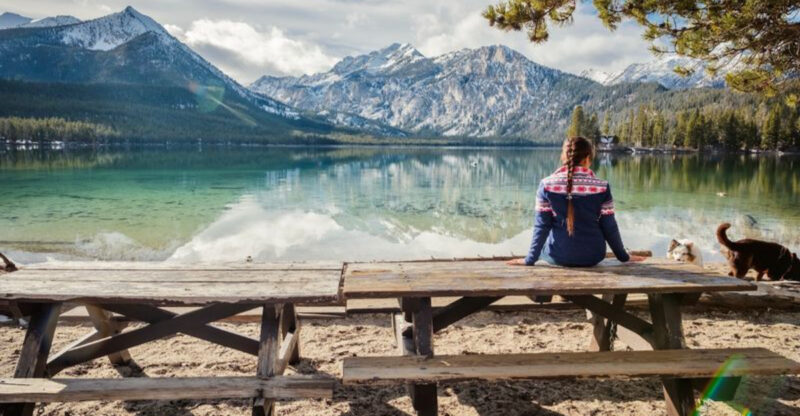
Priest Lake itself supplies the rest of the charm: glassy morning water, huckleberry slopes, osprey overhead, and forests that come right down to the sand.
Additional subdivisions would bring more cars on narrow lakeside roads, more docks, more outdoor lighting, and more pressure on a very small service base.
Longtime residents describe the worry plainly. Without careful planning and real community input, the peace and privacy that define this stretch of northern Idaho could fade faster than anyone expects.
Compare The Need For Housing With The Pressure To Protect Open Land
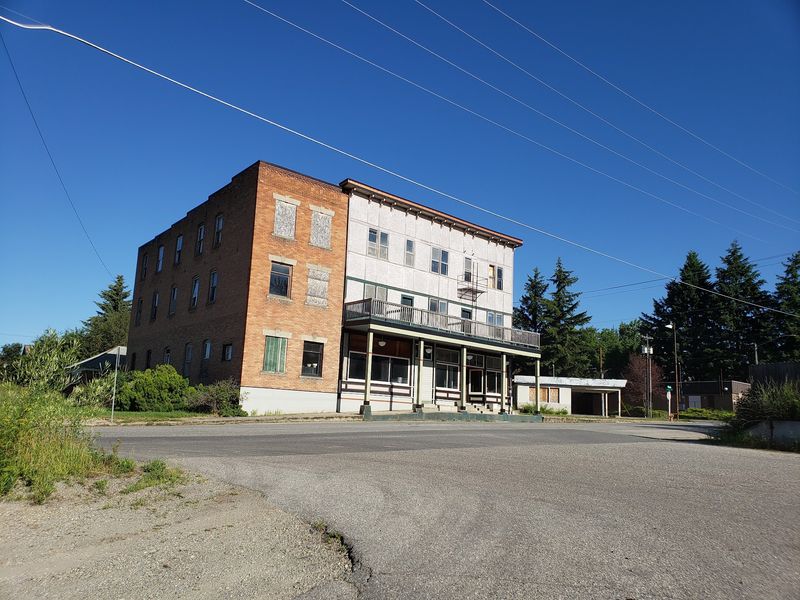
Two honest needs sit on the same table. Bonner County has grown steadily, with new construction spreading across hills, valleys, and lake frontage over the past decade.
Some business leaders welcome that momentum, arguing new homes support local jobs, contractors, and year-round services.
Priest River, the nearest larger service center, is described as growing modestly while dealing with a thin housing supply.
Against that, conservationists and residents point to how rare the surrounding open land really is. The Coolin wetlands carry a Class 1 designation because they filter water, absorb floodwater, store carbon, and shelter plants and animals, including species that are rare or in decline.
Their argument is not that no one should build, but that a fen system cannot be relocated to a more convenient parcel.
Balancing both goals means asking where growth belongs and where it clearly does not. Clean water, healthy forest, wildlife habitat, and small-town character remain the priorities most neighbors name first.
See Why Longtime Residents Are Watching Every New Proposal Closely
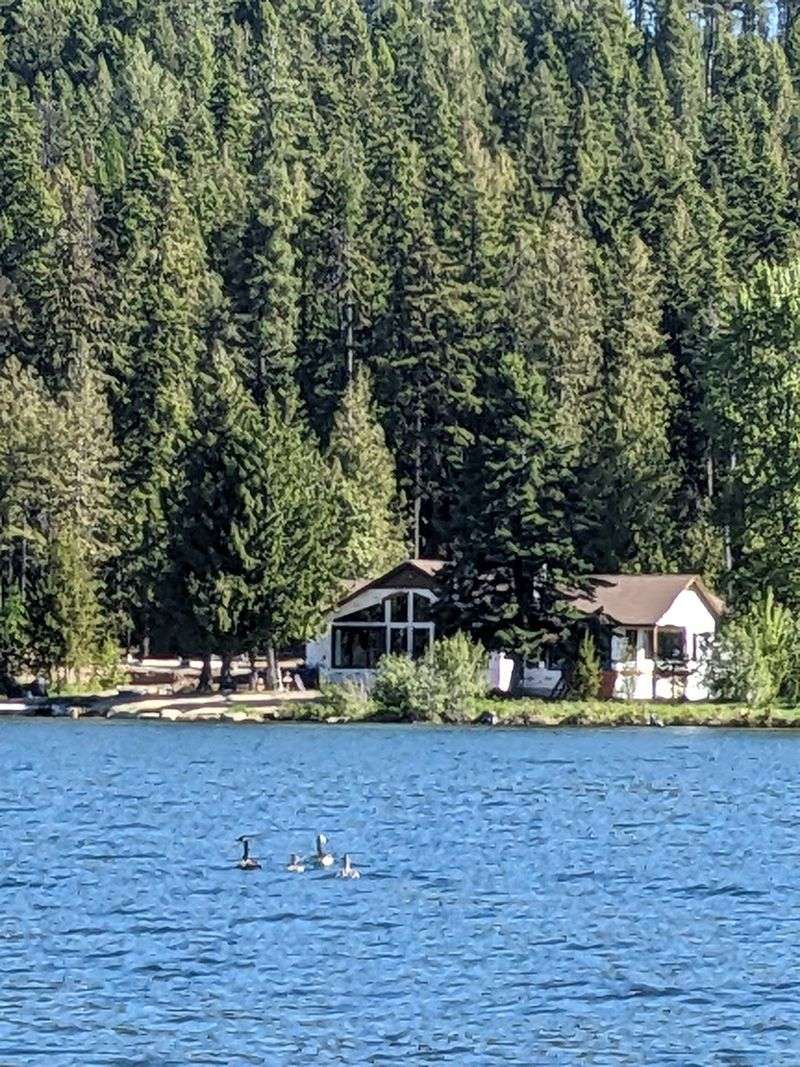
Family history runs deep along this shoreline. Cabins get handed down, kids learn to swim off the same dock their grandparents used, and people remember which summer the water sat lowest.
That attachment explains the careful attention now given to every application filed with the county. Residents track lot counts, septic plans, road access, and setback requests line by line.
Water quality tops their list of worries, especially with sewer capacity limited and new homes likely depending on individual septic systems.
Priest Lake is an oligotrophic system, meaning it is naturally cold and nutrient-poor, and that condition is easy to lose and nearly impossible to restore.
Trust also plays a role. Decisions by Bonner County officials in 2016 reportedly made it simpler for developers to create smaller parcels and subdivisions with less community input, which sharpened local vigilance.
The recent Idaho Supreme Court ruling confirming that developers cannot bypass public review gave that long advocacy a genuine boost.
Find Out What The Next Decision Could Mean For This Famous North Idaho Lake
July 2026 marked a turning point. The Idaho Supreme Court ruled unanimously that Tricore Investment, LLC must complete full public review of its subdivision plan under the Local Land Use Planning Act, setting aside earlier administrative shortcuts.
The victory did not settle everything. Within days of the decision, construction equipment was reported digging in the wetlands, which suggests the dispute is far from finished.
Yoman Bluffs continues moving through the Bonner County planning process, with a public hearing held in June 2026. Separately, the U.S.
Army Corps of Engineers is reviewing Clean Water Act authorizations along with the request to remove federal protections from the wetland tract.
Each of those steps carries weight.
The next steps remain unsettled. The Idaho Supreme Court case has returned to district court for further proceedings, federal wetland questions remain under review, and Yoman Bluffs now heads to a Bonner County Commissioners hearing on August 20 with a revised 12-lot plan.
Those separate decisions will shape how much additional residential development moves forward around Coolin and under what conditions.
For anyone who has watched morning mist rise off this famous North Idaho lake, the stakes feel simple: clear water, quiet shoreline, and a community worth keeping recognizable.
Disclaimer: This article covers an ongoing development and land-use dispute near Coolin and Priest Lake.
Project details, lot counts, hearing dates, permit requirements, court proceedings, and agency decisions may change as the proposals move through review.
References to possible environmental, water-quality, traffic, septic, or community impacts reflect concerns raised by residents, conservation groups, and other participants and should not be read as guaranteed outcomes.
Any claims involving unauthorized work, regulatory compliance, or wetland protections remain subject to official findings and legal review.
Terms such as “fighting back” are editorial descriptions of organized local opposition, not allegations of wrongdoing. Readers should consult current Bonner County records, court filings, and relevant agencies for the latest information.