This 103-Year-Old California Bakery Uses 40,000-Pound Brick Ovens To Make Its Famous Bread
Forty thousand pounds is an absurd amount of oven for a loaf of bread. That is precisely why this bakery’s story gets interesting.
Behind the pastries and familiar neighborhood-bakery atmosphere sits equipment with roots stretching back more than a century.
Those enormous brick ovens have survived generations of changing tastes while bread continues to emerge from them day after day.
In California’s Sonoma County, this longtime bakery has turned an old-fashioned piece of baking history into something customers can actually taste.
You do not need the entire backstory before ordering.
Start with the bread. Add whichever pastry ruins your plan to buy only bread. Grab a table if you have time, then look around and consider just how many mornings this place has already seen.
Plenty of bakeries can recreate an old-world feeling. It is considerably harder to recreate 40,000 pounds of history.
More Than A Century Of Baking History
Bread has been coming out of ovens on this stretch of Healdsburg Avenue since 1923, when the French American Bakery opened right beside the spot the bakery occupies today.
Counting forward from that founding year, the local baking tradition reaches 103 years in 2026. Very few food businesses in Sonoma County can point to a timeline that long without a break.
The story picked up a French accent in 1973 when a couple from Reims purchased the operation and gave it the Costeaux name.
Ownership shifted again in 1981, and the bakery has carried both the original recipes and the newer additions forward ever since.
What makes the history feel real is that it is not stored away in a scrapbook. Regulars who grew up buying loaves here still walk in with grandchildren, and the same street corner anchors the routine.
Understanding the age of the place changes how a first visit feels. The bread in the case is not a trendy revival of old methods, it is simply the continuation of a process that never stopped.
For anyone planning a trip through wine country, arriving with that context makes the ordinary act of buying a baguette feel connected to something much older than the morning itself.
See The Massive Brick Ovens Behind The Bread
Weighing in at more than 40,000 pounds, the hand-constructed Italian brick ovens here are the heaviest pieces of equipment in the building by a wide margin.
Brick behaves differently than metal. Once heated, the masonry holds a steady temperature and pushes warmth toward the dough from several directions at once, which helps a crust set evenly.
The ovens are gas-fired and fitted with steam injection.
That burst of steam early in the bake keeps the outer surface soft just long enough for the loaf to expand, then the surface dries and hardens into the crackly shell that makes a good crust worth the wait.
Home bakers sometimes copy the idea by tossing ice cubes into a hot pan or covering dough with a lid. The principle is identical, only the scale differs.
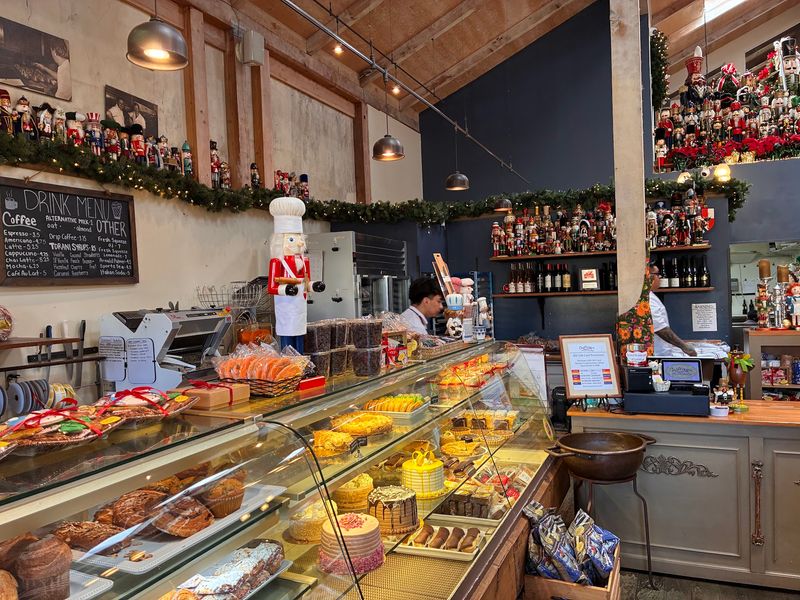
Standing in the cafe, the ovens are not the centerpiece of the dining room, but the results sit right there in the bread case.
Anyone curious about why a crust shatters slightly when squeezed can trace the answer straight back to all that heated brick and a well-timed shot of steam.
An Astonishing Amount Of Flour Moves Through The Building
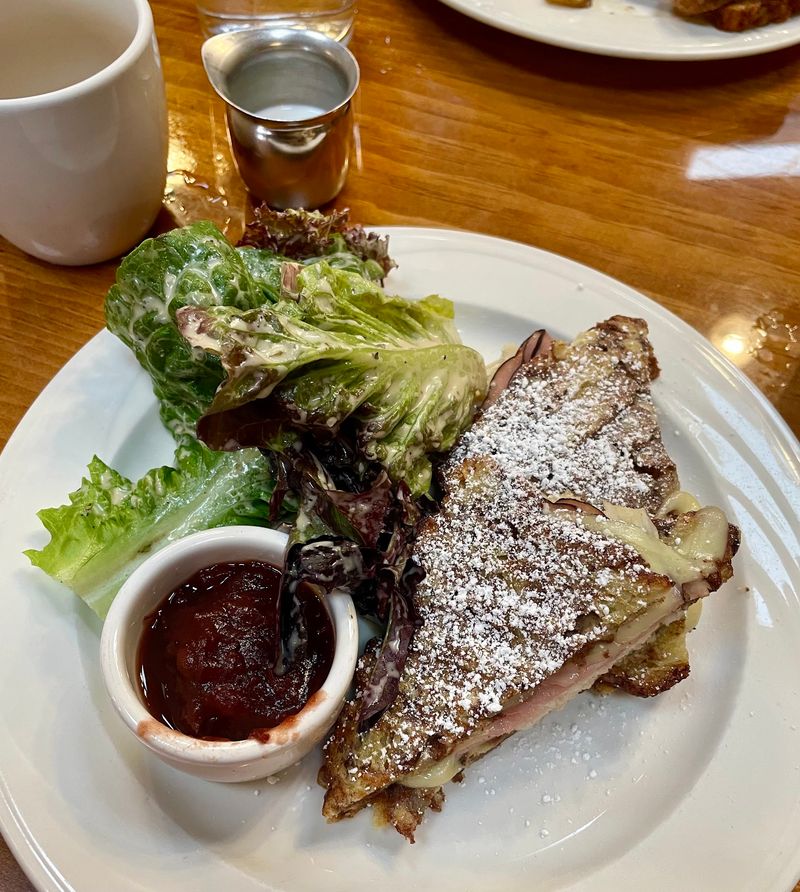
Here is a number that stops most people mid-sentence: more than 100,000 pounds of flour pass through the operation every single month.
Fifty tons of flour in thirty days works out to a staggering amount of dough, and it explains why the bread case can stay stocked through a busy weekend without emptying out by mid-morning.
Flour volume also says something about consistency.
Buying and storing that much means the bakery works with steady supply relationships rather than swapping ingredients around, which helps keep a sourdough tasting the same in March as it did in October.
For a small town, the scale is unusual. Healdsburg is walkable in about fifteen minutes end to end, yet the bakery inside it produces at a level closer to a regional wholesale operation.
Costeaux supplies restaurants and markets beyond its own counter, so much of that flour leaves the building as bread destined for other tables.
Knowing the figure makes the morning rush easier to appreciate. Every croissant, batard, and sandwich roll traces back to sacks stacked in a storeroom, measured out batch by batch, day after day.
Loaves Are Still Shaped By Hand
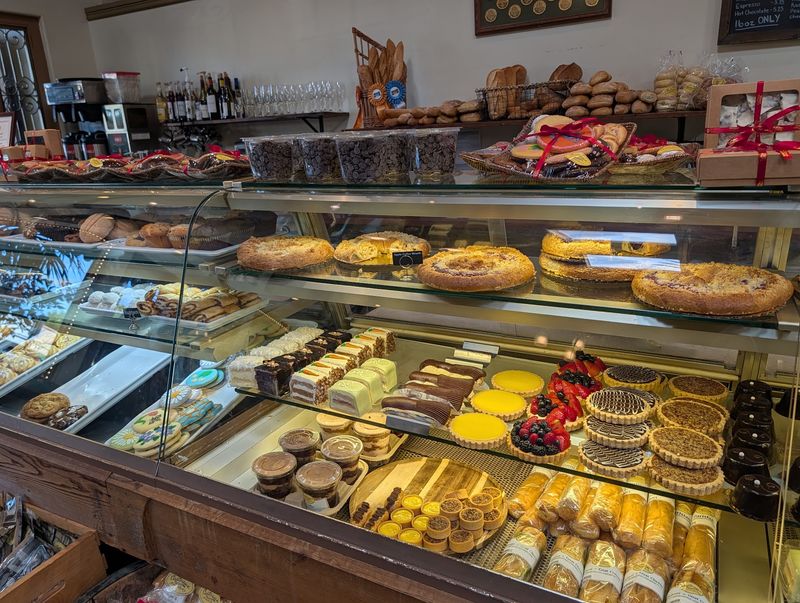
Fifty tons of flour a month usually points toward conveyor belts and automated dividers, which makes the reality here a bit of a surprise.
Breads are made in small batches and shaped by hand rather than pushed through a fully industrial system. Someone physically folds, tightens, and rounds each piece of dough before it heads to proof.
Hand shaping matters more than it sounds. The tension a baker builds into the surface of a loaf controls how it rises in the oven and how the interior crumb opens up.
Machines can be fast, but they compress dough in ways that flatten those air pockets. The difference shows up in the first slice.
The process is not rushed, and that patience is part of why the bakery has kept older methods rather than trading them for speed.
Watching a loaf get torn open at the table, the irregular holes and slightly uneven shape are the giveaways. Perfectly identical bread often means a machine did the work.
For anyone who bakes at home, the takeaway is simple. Time and hands do most of the heavy lifting, and no gadget fully replaces either one.
The Cinnamon Walnut Bread Deserves Its Reputation
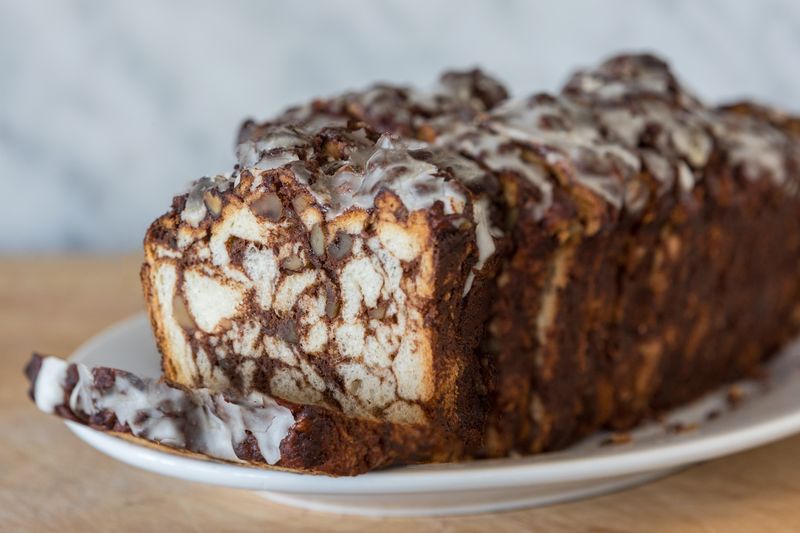
Ask around town about which loaf to take home and the cinnamon walnut bread comes up again and again.
Made in small batches, the dough is hand-rolled with fresh eggs, cinnamon, walnuts, and sugar, then finished after baking with a drizzle of sweet icing.
The result is dense, rich, and closer to a dessert bread than a sandwich loaf.
Toasting a slice and adding butter is the move most regulars swear by. The icing softens, the cinnamon warms up, and the walnuts turn slightly crisp along the edges.
It also works well in French toast or as part of a savory sandwich, where the sweetness plays against ham or turkey in an unexpected way.
Demand stretches well past Sonoma County. The bakery ships this particular loaf around the country, and holiday season orders make up a large share of that.
Anyone visiting during November or December may find it moving quickly off the shelf, so an early arrival helps.
For a single item that captures what the bakery does, this one is hard to beat. Simple ingredients, slow handwork, and a finish that makes it feel like a small occasion.
Much More Than Baguettes Fills The Bread Case
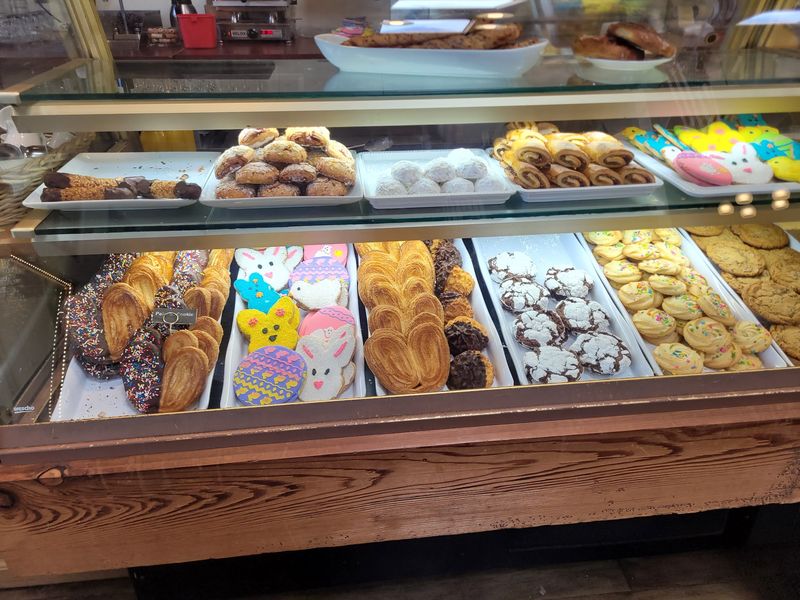
Anyone expecting a French bakery to be all baguettes will find the bread case a lot more interesting than that.
Current offerings run through sourdough, seeded sourdough, multigrain, ciabatta, brioche, and a cranberry-walnut batard, alongside other specialty breads that rotate through the shelves.
Each style suits a different purpose. Ciabatta with its open, airy crumb handles pressed sandwiches well, while brioche brings a soft, buttery texture better suited to breakfast or something sweet.
The cranberry-walnut batard leans toward cheese boards and holiday tables, and multigrain gives a heartier chew for everyday toast.
Seeded sourdough adds crunch from the outside in, which makes it a good pick for anyone who finds plain sourdough a little one-note.
Choosing can take a minute, and staff behind the counter are generally happy to explain how each loaf behaves once sliced.
A practical tip for travelers: whole loaves keep better than pre-sliced ones, especially in a car during a warm afternoon.
Buying two different styles is a reasonable way to compare methods, since the same brick ovens and the same slow fermentation produce noticeably different results depending on the dough.
A Giant Piece Of Pumpkin-Pie History Sits On Display
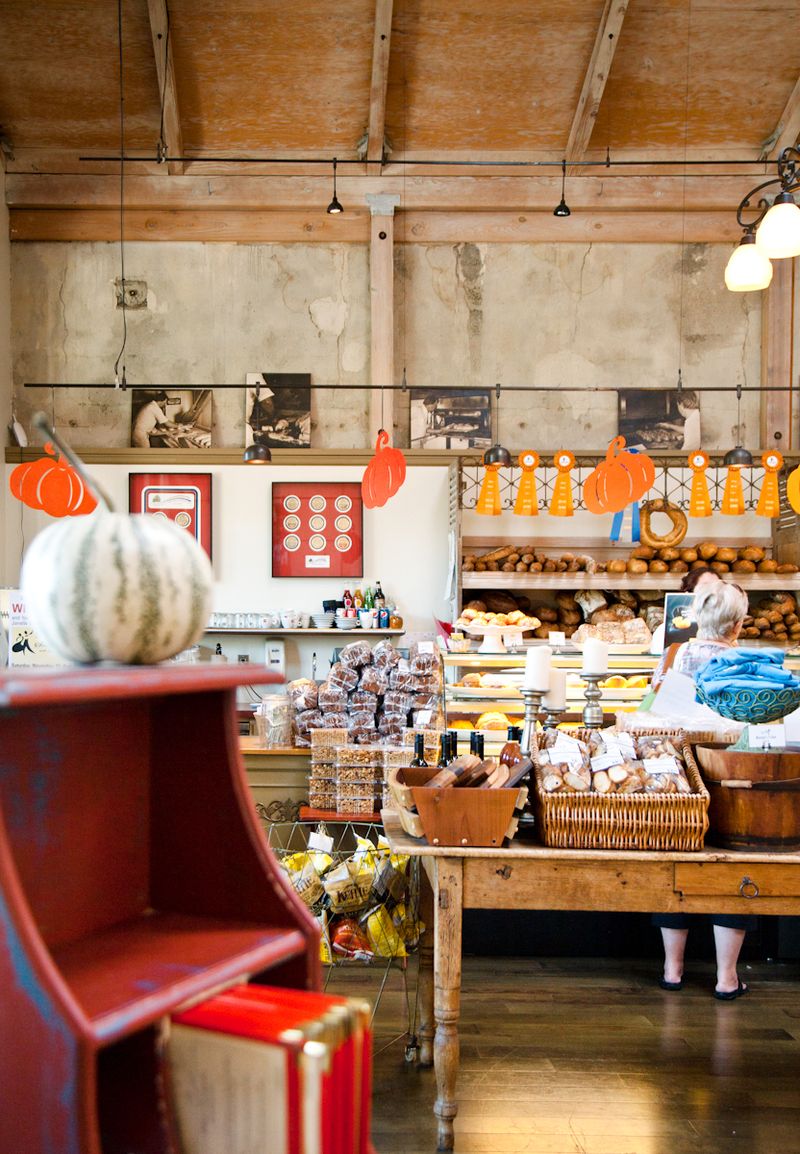
Back in 2004, a pumpkin pie weighing more than 418 pounds came together through a partnership with the Windsor Certified Farmers Market and the Windsor High School culinary arts program.
The pie earned an official Guinness World Record at the time, and roughly 3,000 people gathered to eat their way through it.
Baking something that large is an engineering problem as much as a cooking one. Heat has to reach the center without burning the edges, and the crust needs enough structure to support hundreds of pounds of filling.
The record has since been surpassed elsewhere, which is how these things usually go. The story stayed local anyway.
What remains is the pie tin itself, kept on display at the bakery year-round. It is genuinely enormous, and spotting it is a small treat for anyone who did not know the backstory.
Kids tend to react to it first, since the scale is easy to grasp without any explanation.
Community projects like that one say a lot about how the bakery fits into the area. A record attempt involving a farmers market and a high school program is less about publicity and more about a town doing something together.
Stay For A Full Breakfast Or Lunch Instead Of Just Pastries
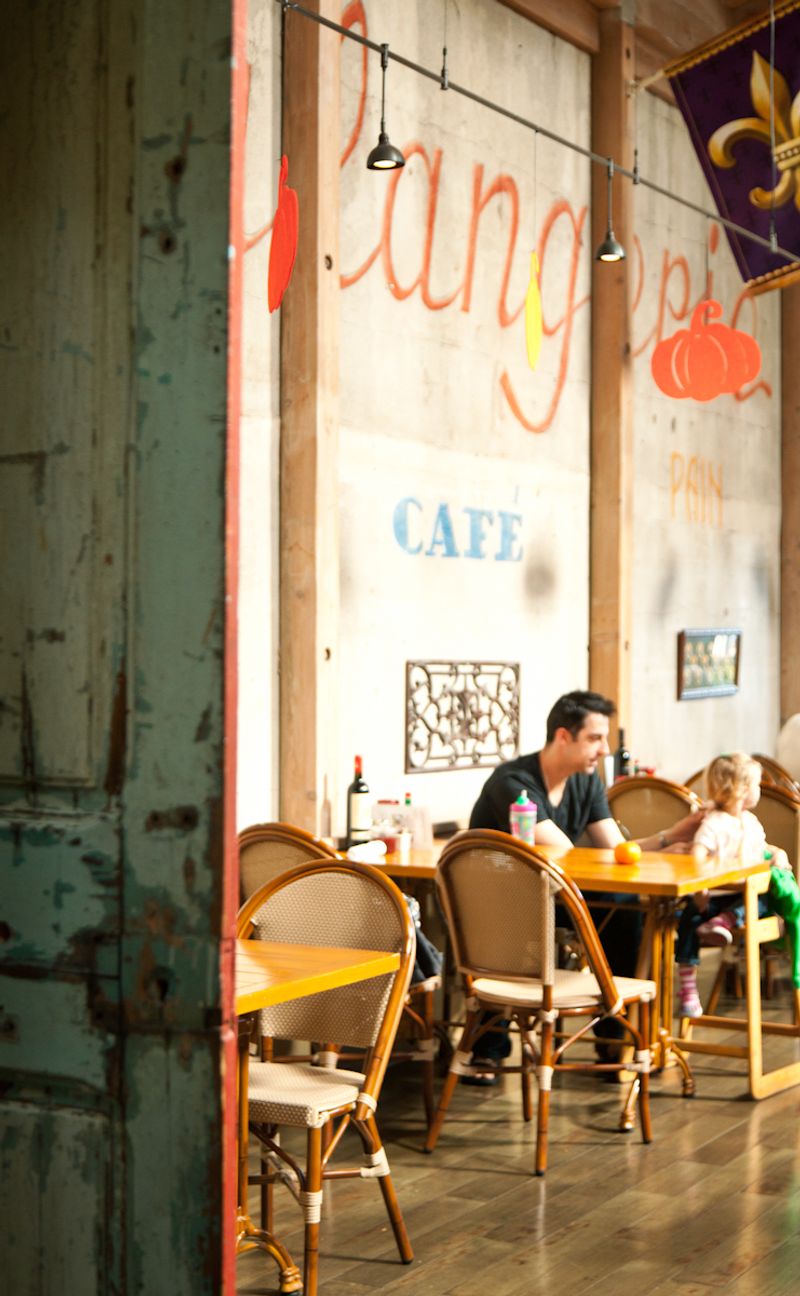
Plenty of people walk in for a croissant and end up staying for a full sit-down meal, which the cafe menu is built to handle.
The deep-dish quiche arrives with a caramelized top and is filled with black forest ham, applewood smoked bacon, mushrooms, onions, zucchini, spinach, Jarlsberg, and cheddar, served alongside seasonal fresh fruit.
A croissant breakfast pairs a butter croissant with egg, bacon, avocado, and cheddar cheese, also served with fruit on the side. Bread with house-made jam appears on the menu as well.
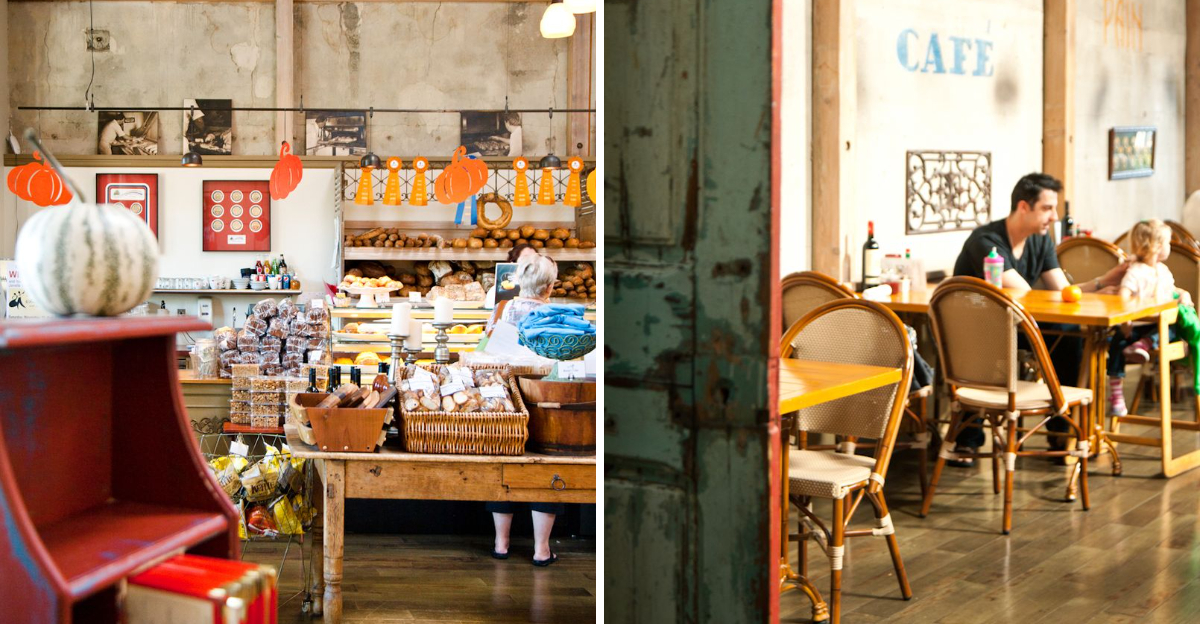
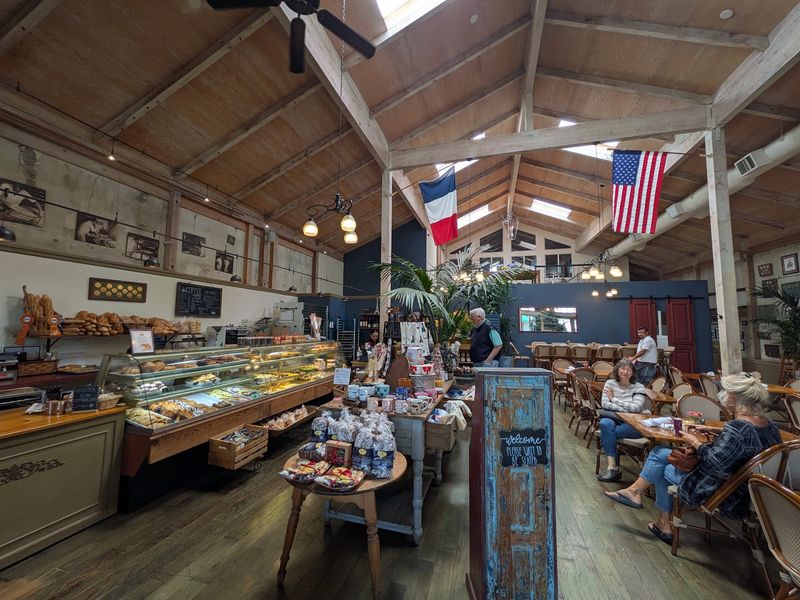
The dining room feels large and airy, with indoor seating plus an outdoor patio that gets used heavily on mild mornings. Noise levels rise during the weekend rush and settle noticeably on weekday mornings.
Ordering works differently depending on what someone wants. Counter service handles coffee and pastries quickly, while table service covers the full breakfast and lunch menu.
Vegetarian options appear on the menu, and gluten-conscious visitors will find some choices as well, though asking directly is always the safest approach.
Arriving before 9 a.m. on a weekend generally means a shorter wait, since the room fills as the morning goes on.
Know Where To Find The Original Healdsburg Cafe
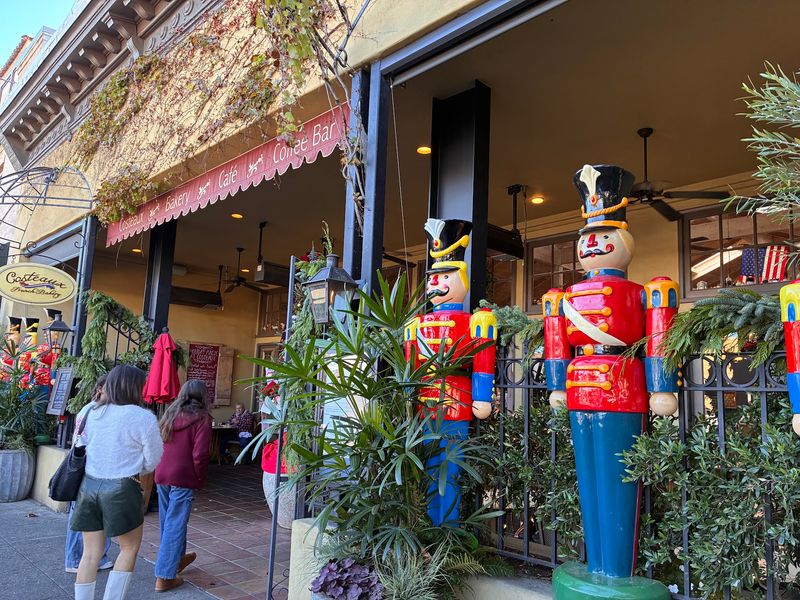
Finding the flagship takes almost no effort once someone is downtown, since it sits a short walk from the central plaza.
Costeaux French Bakery is located at 417 Healdsburg Ave, Healdsburg, CA 95448, with the phone line reachable at 707-433-1913.
Posted cafe hours run 7:30 a.m. to 3 p.m. Sunday through Tuesday and 7:30 a.m. to 8 p.m.
Wednesday through Saturday. Hours can shift around holidays, so a quick call before a long drive is sensible.
Opening at 7:30 a.m. puts the bakery ahead of many nearby spots, which is useful for anyone starting an early day of touring around the county.
Street parking near the plaza fills up as the morning progresses, and walking a block or two is often faster than circling.
The surrounding sidewalks are flat and easy to navigate, making it a reasonable stop for visitors with strollers or anyone who prefers not to walk far.
Bread sells through as the day goes on, so travelers hoping to take a specific loaf home will have better luck earlier rather than late in the afternoon.