This Tiny North Carolina Mountain Town Was Just Voted The Best In The State
And the winner is… Not so fast.
A tiny North Carolina town just pulled off the kind of upset that makes much bigger destinations stare at the results and ask for a recount.
Readers voted, the numbers came in, and this little place walked away with the top spot for best mountain town in the state.
That is a lot of bragging rights for somewhere with only a few thousand residents.
The funny part is how little effort it seems to spend showing off. People arrive for a weekend, settle into the slower pace, and somehow start discussing when they can come back before the first trip is even over.
So which pint-sized town just stole the crown?
The answer is hiding in a place small enough to miss if you are driving too fast.
See What Helped This Tiny Mountain Town Beat Asheville
Votes rolled in from two of the state’s biggest metro readerships, and the winner was a village of just a few thousand residents. In June 2026, readers of Axios Charlotte and Axios Raleigh crowned Blowing Rock the Best Mountain Town in NC.
Southern Living readers followed by placing it among the South’s Best Small Towns for 2026.
So what tipped the scales against Asheville, a city with far more restaurants and hotels? Scale, mostly.
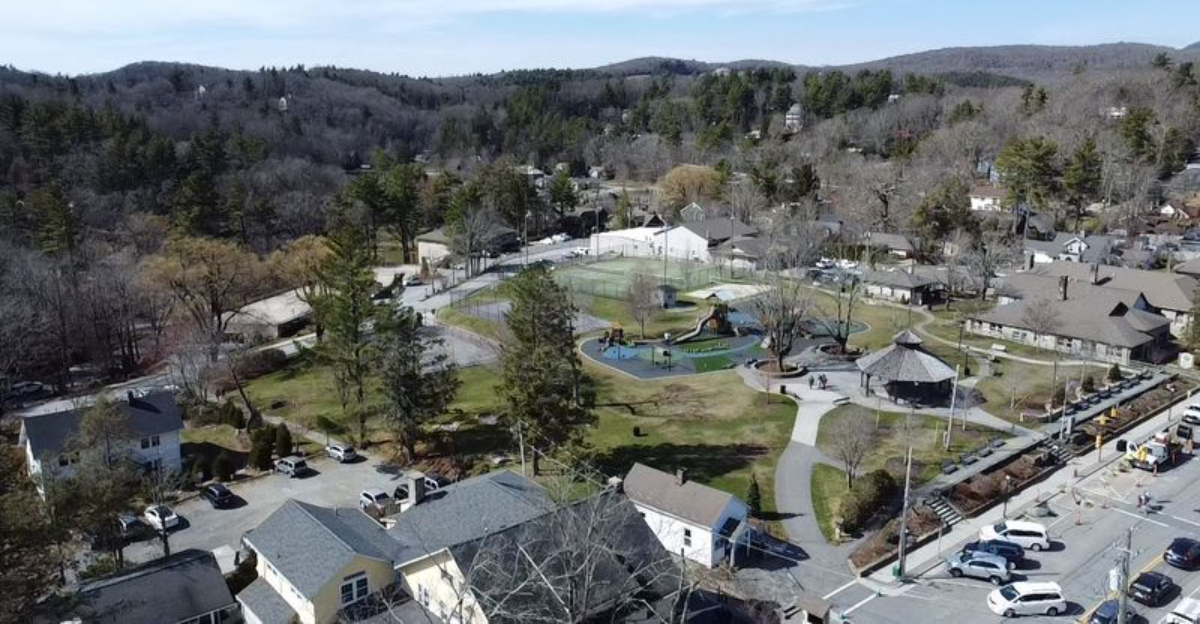
Everything here sits within a few blocks: family-run boutiques, art galleries, bakeries, and a public park with a playground.
Parking is easier, sidewalks are shorter, and the mountains begin right where the shops end. Historic preservation rules keep the storefronts low and neighborly, so the village still looks like the mountain resort it became in the late 1800s.
Add a cool summer climate at roughly 3,500 feet above sea level, and the appeal of this corner of North Carolina becomes easy to understand.
Visitors keep returning for the same reason: the whole village can be walked before lunch and still feels new the next morning.
You Can Walk From Main Street Shops Straight Into Blue Ridge Scenery
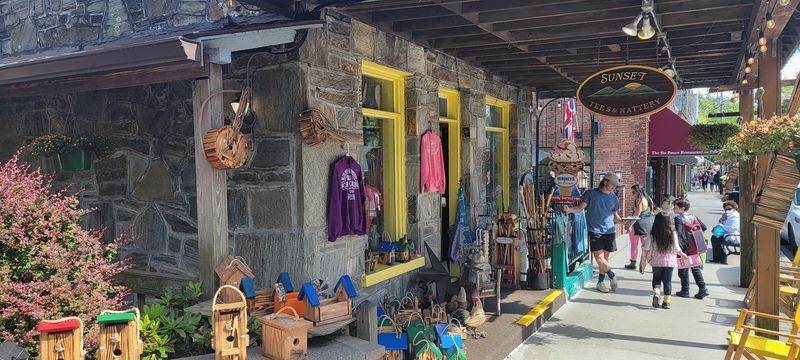
Sidewalks here do double duty. One minute you are examining hand-thrown pottery or a shelf of local honey, and the next you are looking at ridgelines stacked to the horizon.
Main Street runs about three walkable blocks, so nothing feels far.
Storefronts lean toward the independent: gift shops, galleries showing regional landscapes, and a few places selling wool blankets and mountain jams.
Memorial Park anchors the middle of it all with open lawn, benches, shade trees, and a playground where children burn off energy while parents finish their coffee.
Summer concerts and craft fairs fill the grass on many weekends.
Cross the street and follow the path toward Annie Cannon Gardens, where a trail drops into the forest toward Glen Burney and Glen Marie waterfalls. The sound of traffic fades within minutes, replaced by rushing water and birdsong.
Since the village sits on the crest of the Blue Ridge, that shift from shopping to wilderness takes almost no effort at all. Wear shoes with grip, because the descent gets steep and rocky near the lower falls.
Follow The Parkway To Some Of The High Country’s Best Views
Mileposts become landmarks once you turn onto the Blue Ridge Parkway. Grandview Overlook at milepost 281.4 opens onto layered mountains that look best at sunrise, when fog pools in the valleys and slowly burns off.
Raven Rocks Overlook, milepost 289.5, faces west, and a rock cliff there lifts you above the treetops for evening color. Thunder Hill Overlook at milepost 290.4 catches panoramic sunrises across the Piedmont, with a farm framed in the foreground.
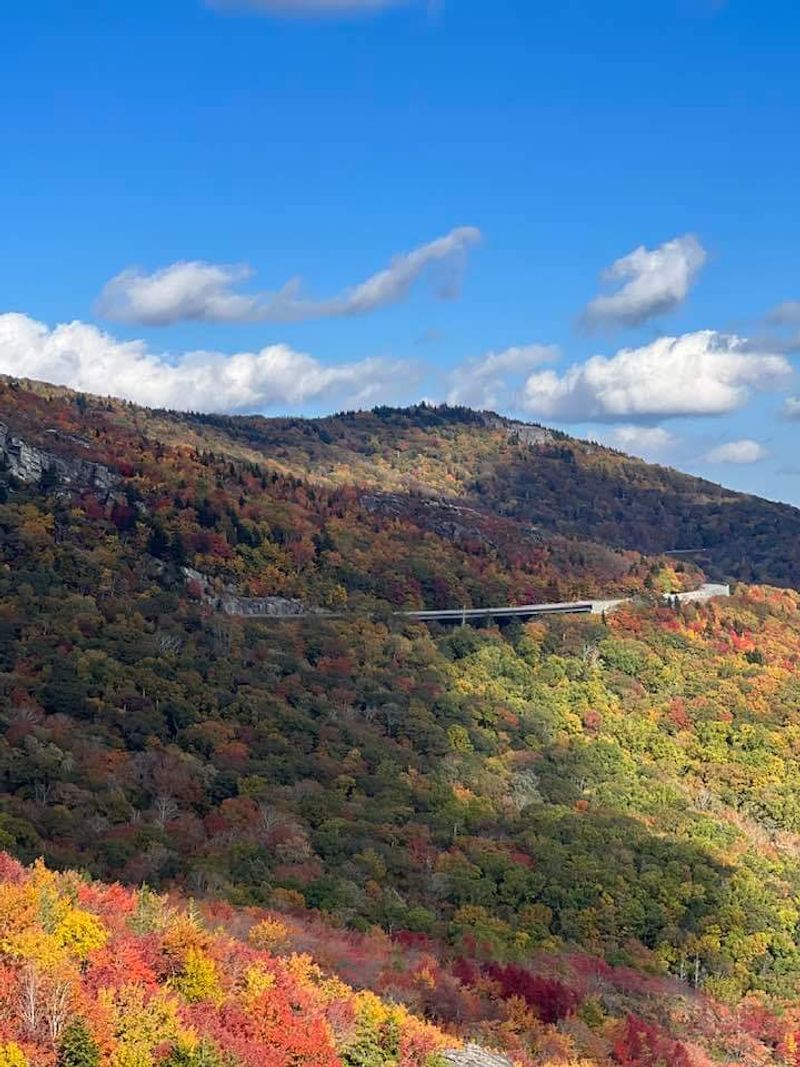
Photographers usually keep driving to Yonahlossee Overlook at milepost 303.9, the classic vantage point for the curving Linn Cove Viaduct as it wraps around Grandfather Mountain.
Pull-offs are small and fill quickly during October leaf season, so arrive early or aim for a weekday.
Bring a jacket even in July, since wind at these elevations has a bite. Sections of the Parkway close during winter storms, so check conditions before you head out for a sunrise.
Each overlook has room to park, and most require only a few steps from the car, which makes the whole route friendly for families and grandparents alike.
Spend An Afternoon Around Moses Cone Without Going Far
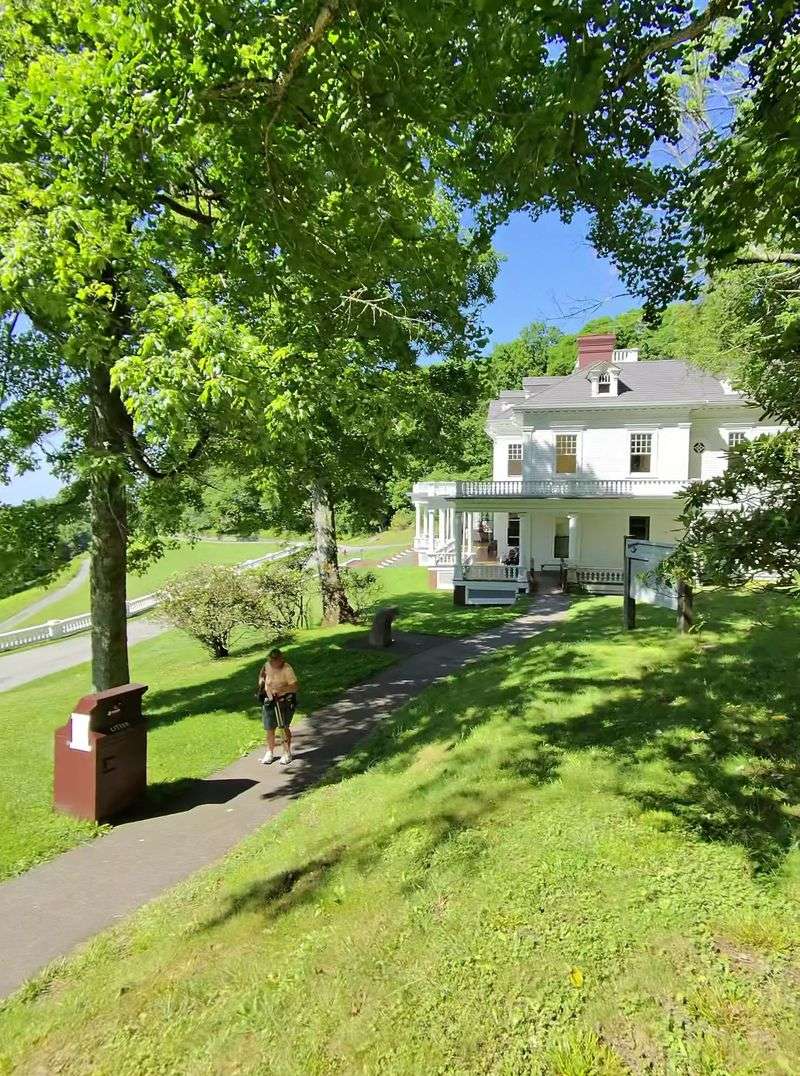
Roughly 2.5 miles from downtown, a former country estate spreads across more than 3,500 acres of meadow and forest. Flat Top Manor, the white 1901 mansion at its center, looks out from a hilltop with a long porch and a view that stretches for miles.
Carriage trails, built for horse-drawn buggies, wind gently through the property, which makes them unusually forgiving for casual walkers.
The Bass Lake loop is flat, shaded, and about a mile around, popular with families pushing strollers.
Around 25 miles of these paths thread the estate, climbing toward Flat Top Mountain and the family cemetery for anyone wanting more distance.
Craft traditions live on here too. The Southern Highland Craft Guild has long operated a shop at the manor, showcasing Appalachian weaving, woodwork, pottery, and jewelry made by regional artisans.
Autumn turns the orchards and maples gold, and few places in North Carolina show leaf season better. Spring brings rhododendron along the trail edges.
Pack water and a snack, because no restaurants operate inside the park, and allow two hours for an unhurried loop.
Browse Downtown Before The Weekend Crowds Really Build
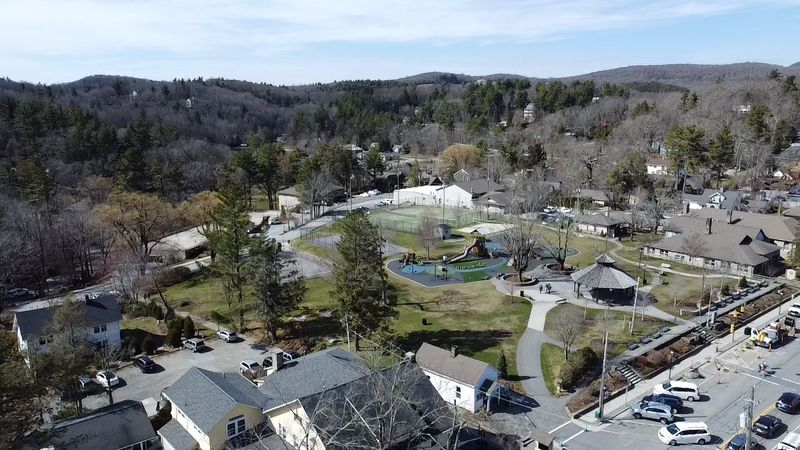
Weekday mornings belong to the locals, and that is the best time to see the village at its most relaxed. Shopkeepers sweep sidewalks, coffee steam drifts out of open doors, and there is space to browse without turning sideways.
McCoy Minerals sits on north Main Street with cases of gemstones and fossils that glitter under the lights, many of them cut by the owners themselves. Children tend to press their noses to the glass over the amethyst geodes.
A few steps away, across from Memorial Park, The Spice & Tea Exchange fills the air with cinnamon, cardamom, and citrus peel. Staff pour hot tea for a warm-up on chilly mornings, and the blends make easy souvenirs to carry home.
The Blowing Rock Art & History Museum adds regional paintings and rotating exhibits to a rainy afternoon. Boutiques, home decor shops, and galleries fill the blocks between, and most owners are happy to talk about where their goods were made.
By noon on summer and October Saturdays, parking grows scarce, so arriving before ten pays off. Bring a tote bag.
Make Time For The Famous Cliff That Gave The Town Its Name
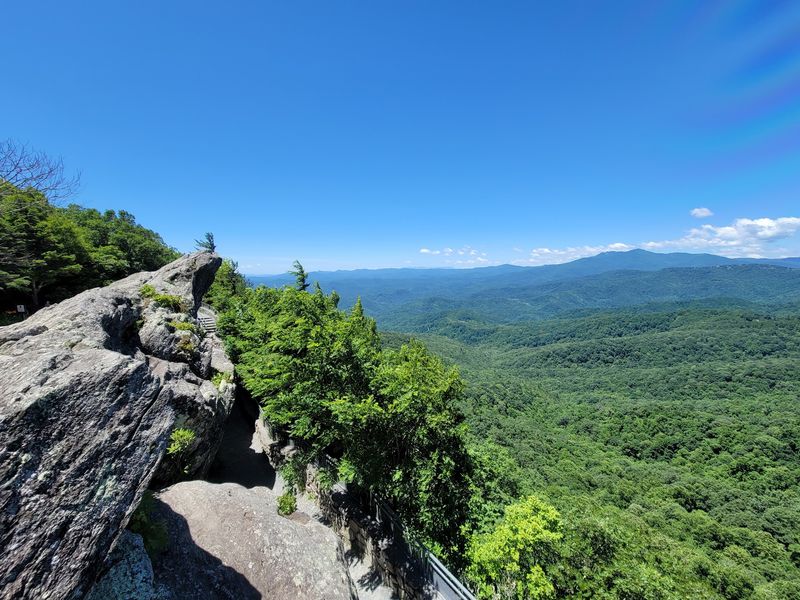
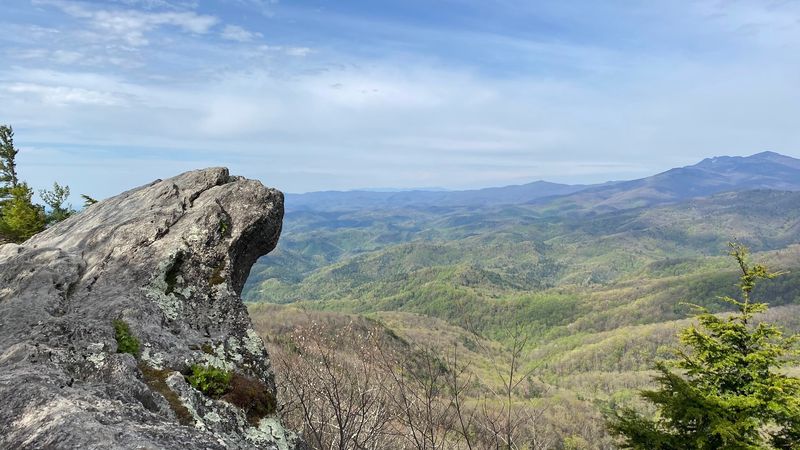
Wind does something strange at the edge of this cliff. Rock walls of the Johns River Gorge funnel air upward, and light objects tossed over the rim sometimes drift back to the sender.
You will find the site at 432 The Rock Rd, Blowing Rock, NC 28605, a short drive south of downtown.
The outcrop stands about 4,000 feet above sea level, with Grandfather Mountain, Table Rock, and Hawksbill visible on clear days.
Opened to visitors in the 1930s, it holds the title of North Carolina’s oldest continuous travel attraction.
Paths lead through small gardens and past an observation tower, all paved or graveled and manageable for most walkers. Interpretive signs share the Cherokee legend behind the name, a love story tied to those upward-rushing gusts.
Photographers gather at the railing where the rock juts out over the gorge, framing the valley and the river far below.
An admission fee applies, and hours shift with the seasons, so check before you drive over. Allow about an hour.
Sunset visits reward patience with gold light spilling across the gorge.
Stay For Dinner And See Why The Small Downtown Punches Above Its Size
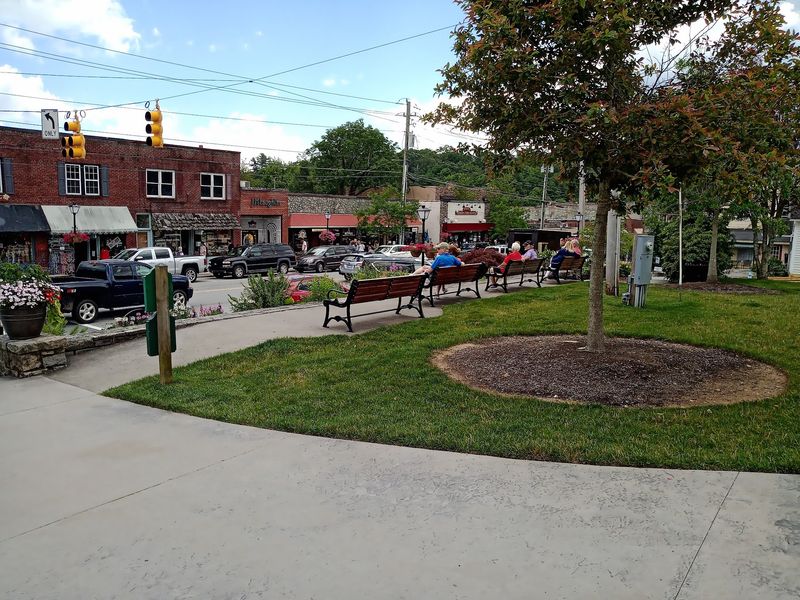
Dinner reservations in a village this size fill faster than newcomers expect. Calling ahead on a Friday in October is not overthinking it, it is simply how the village works.
Storie Street Grille pairs a hometown dining room with plates built on fresh, locally sourced ingredients, the kind of menu that shifts as the growing season does.
The Speckled Trout leans hard into Appalachian cooking, using seasonal and local provisions so each dish says something about the mountains around it.
Think trout, root vegetables, cornmeal, and preserves put up while the fruit was ripe.
After the plates are cleared, dessert is a walk away. Kilwins on Main Street pulls fudge on a marble slab in the window and scoops ice cream into waffle cones that perfume the whole block.
Bakeries and coffee roasters cover the morning shift with scones, biscuits, and fresh-roasted beans.
Evening air at this elevation cools quickly, so a light sweater makes patio seating comfortable even in July. Streetlights flick on, shop windows glow, and the sidewalks stay busy long after many small towns have gone quiet.
Leave Understanding Why Readers Put It At Number One
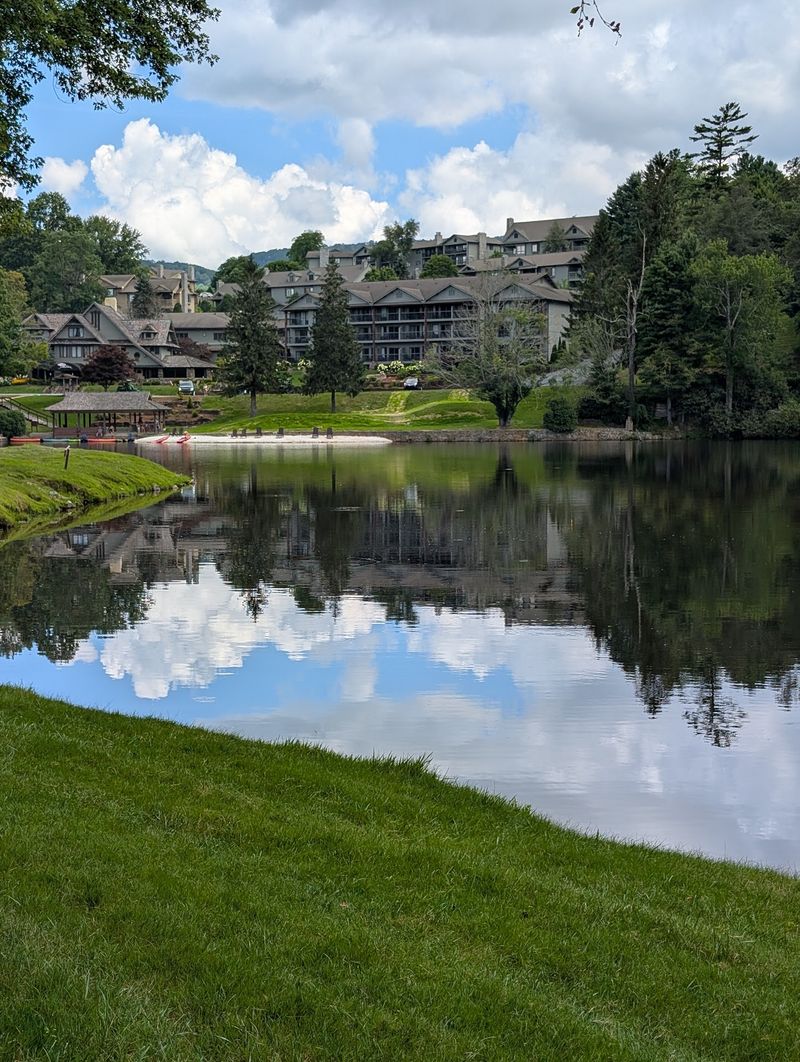
Driving out along Highway 321, most visitors run through the same mental list. A morning spent among galleries, an afternoon on carriage trails, a sunset from a Parkway overlook, and dinner within walking distance of where they parked.
The town has a way of shrinking a trip’s logistics down to almost nothing.
That compact rhythm is the whole argument. Boone sits about eight miles north for a change of pace, while Charlotte is roughly two hours away, close enough for a spontaneous weekend.
Each season rewrites the scene: rhododendron in June, cool green shade in August, blazing color through October, and quiet snow-dusted streets in winter. Locals will tell you the shoulder weeks of early May and mid-September bring the calmest sidewalks and the easiest parking.
Recognition from Axios readers and Southern Living grew out of those ordinary, repeatable pleasures rather than anything flashy.
Small-town warmth, careful preservation, and mountains at the end of every street explain why this North Carolina village keeps landing at the top.
Take home a jar of local jam, and the trip lingers a little longer.