10 Quiet Kentucky Mountain Towns That Haven’t Been Ruined By Tourists Yet
Every state has mountain towns that got famous. You know the type.
Parking costs money, the fudge shop has a line, and someone is selling you a candle shaped like a bear. Kentucky has mountains too, and almost nobody has bothered them.
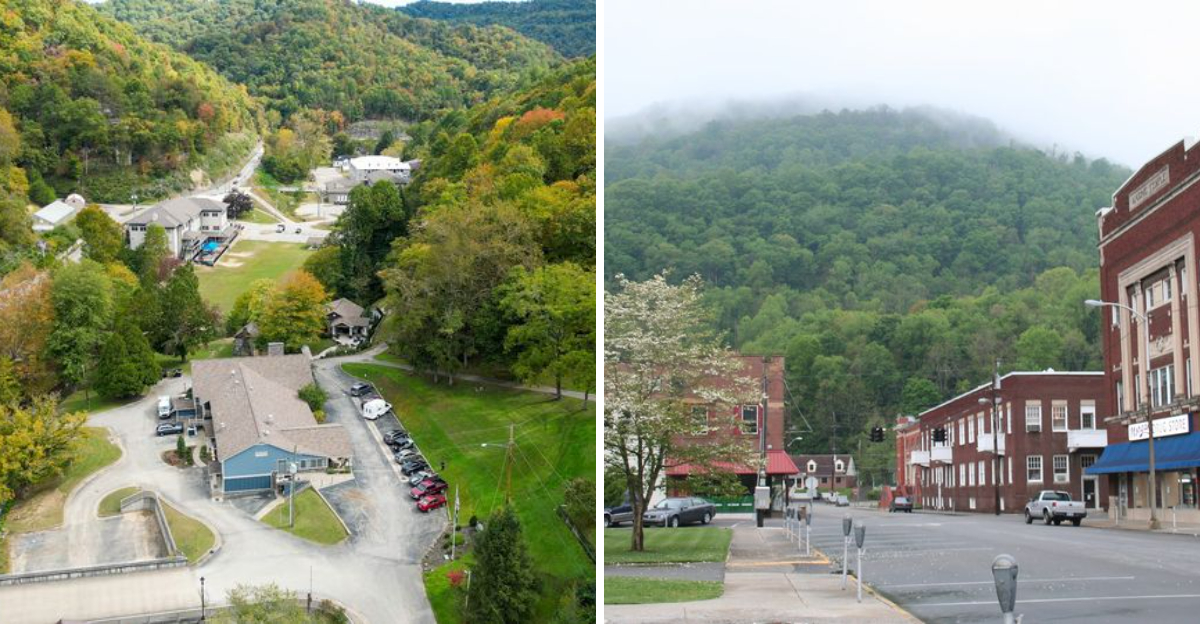
The southeastern corner of the state is full of small towns sitting in narrow valleys with ridges rising on both sides. These places were built for coal, not for visitors.
That means no crowds, no gift shop economy, and no one charging you eight dollars to look at a waterfall. You will find a diner where the regulars glance up when the door opens.
You will find roads that curve for the fun of it. Some of these towns have a few hundred people and views worth far more than that.
Go now, while the only traffic is a coal truck. These ten are worth the drive.
1. Lynch
At the foot of Kentucky’s highest mountain sits a town most maps barely acknowledge. Lynch was built in 1917 by U.S.
Steel as a company town for coal miners.
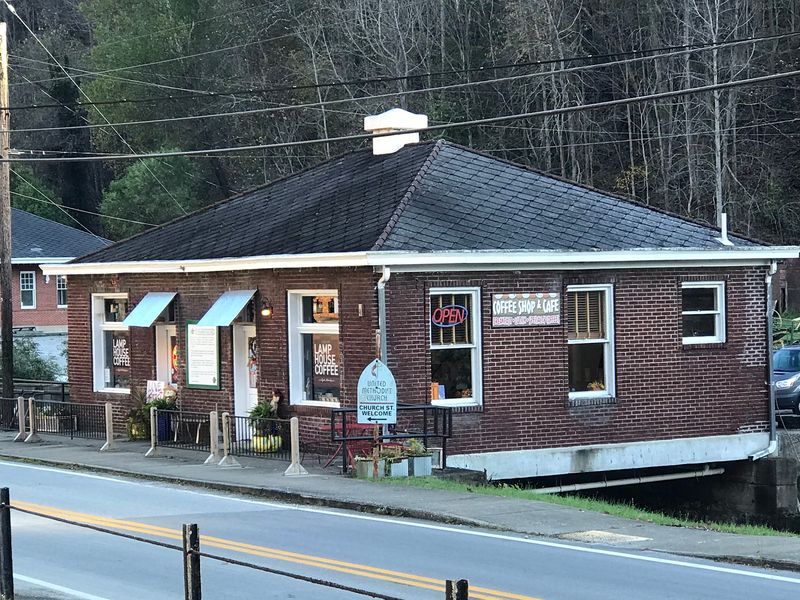
The stone buildings still stand along the main road, thick-walled and stubborn. Look for the old commissary and the stonework that once served thousands of residents.
Black Mountain rises just above town, topping out at 4,145 feet. The drive up is narrow and winding, and the view from near the summit stretches into Virginia.
Portal 31 in nearby Lynch is Kentucky’s first exhibition coal mine. Visitors ride a rail car into the mountain while recorded voices explain how the work was done.
The population today is measured in the low hundreds. That means quiet roads, easy parking, and locals who will actually talk to you at the gas station.
Cell service gets patchy fast in these hollows. Download your maps before you leave Cumberland or you will be guessing at turns.
Bring layers even in summer. Elevation up here changes the temperature more than the calendar does.
What sticks with me about Lynch is the scale. Enormous mountains, tiny town, and almost nobody around to share the view with you.
2. Benham
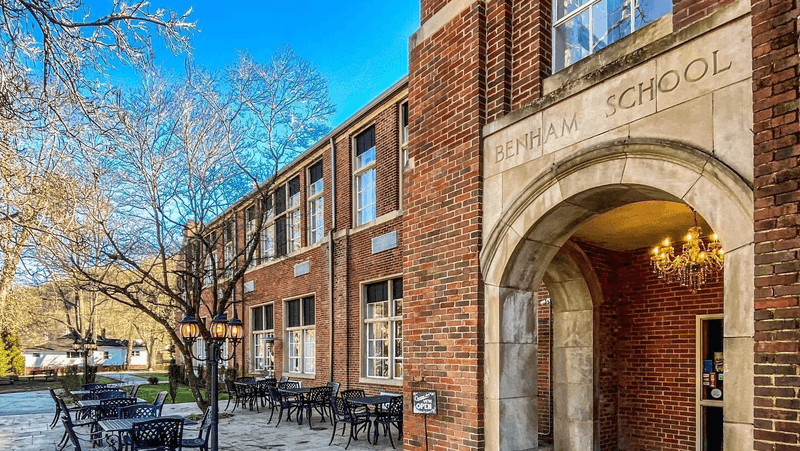
A town where you can sleep in a former high school? That is Benham’s whole pitch, and it works.
The Benham School House Inn occupies the old 1926 school building. Rooms sit along the hallways where students once walked, and the lockers are part of the decor.
Benham was built by International Harvester as a coal camp. The layout still reflects that planning, orderly and compact against the hillside.
The Kentucky Coal Museum fills the old company commissary across the street. Four floors cover mining tools, camp life, and a well-known Loretta Lynn exhibit.
Everything sits within walking distance. You can park once and cover the museum, the inn, and the little post office without moving your car.
Fall is the smart season here. The surrounding ridges turn gold and rust, and the Little Shepherd Trail is a short drive away.
Weekday visits feel almost private. I have walked the museum with only the staff for company, which meant plenty of time for questions.
Benham, Lynch, and Cumberland sit within a few miles of each other. Treat them as one trip and you get a full weekend out of a very small map.
3. Cumberland
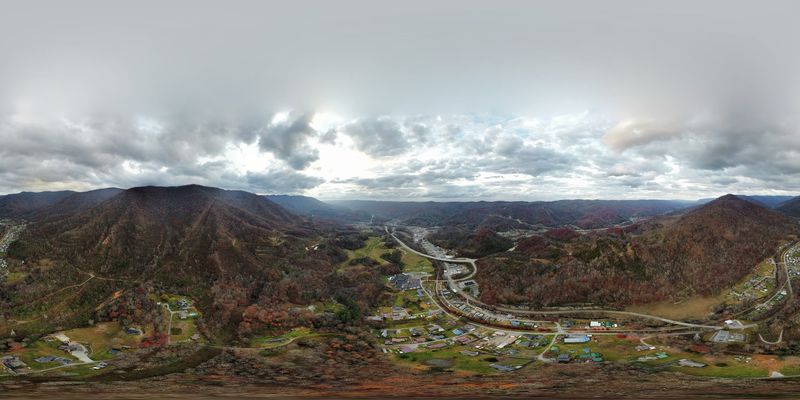
Every cluster of small towns needs a hub, and Cumberland plays that role in Harlan County. It has the groceries, the pharmacy, and the gas you will want before heading deeper.
Southeast Kentucky Community and Technical College keeps a campus here. That brings a steady, everyday energy you do not always find in coal-camp towns.
Kingdom Come State Park sits on the ridge above town. It is Kentucky’s highest state park, with Raven Rock as its signature feature, a huge slab of sandstone tilted toward the sky.
The park is small enough to hike in a morning. Log Rock and the lake trail are easy walks with big payoffs.
Black bears live in these mountains. Keep food packed away and give any bear you spot a very wide berth.
Main street has practical businesses rather than souvenir shops. That is precisely why the town still feels like itself.
Ask about the annual Poke Sallet Festival if you visit in summer. It is one of the region’s oldest community celebrations.
Use Cumberland as your base. From here, Benham and Lynch are minutes away and the mountain roads open up in every direction.
4. Harlan
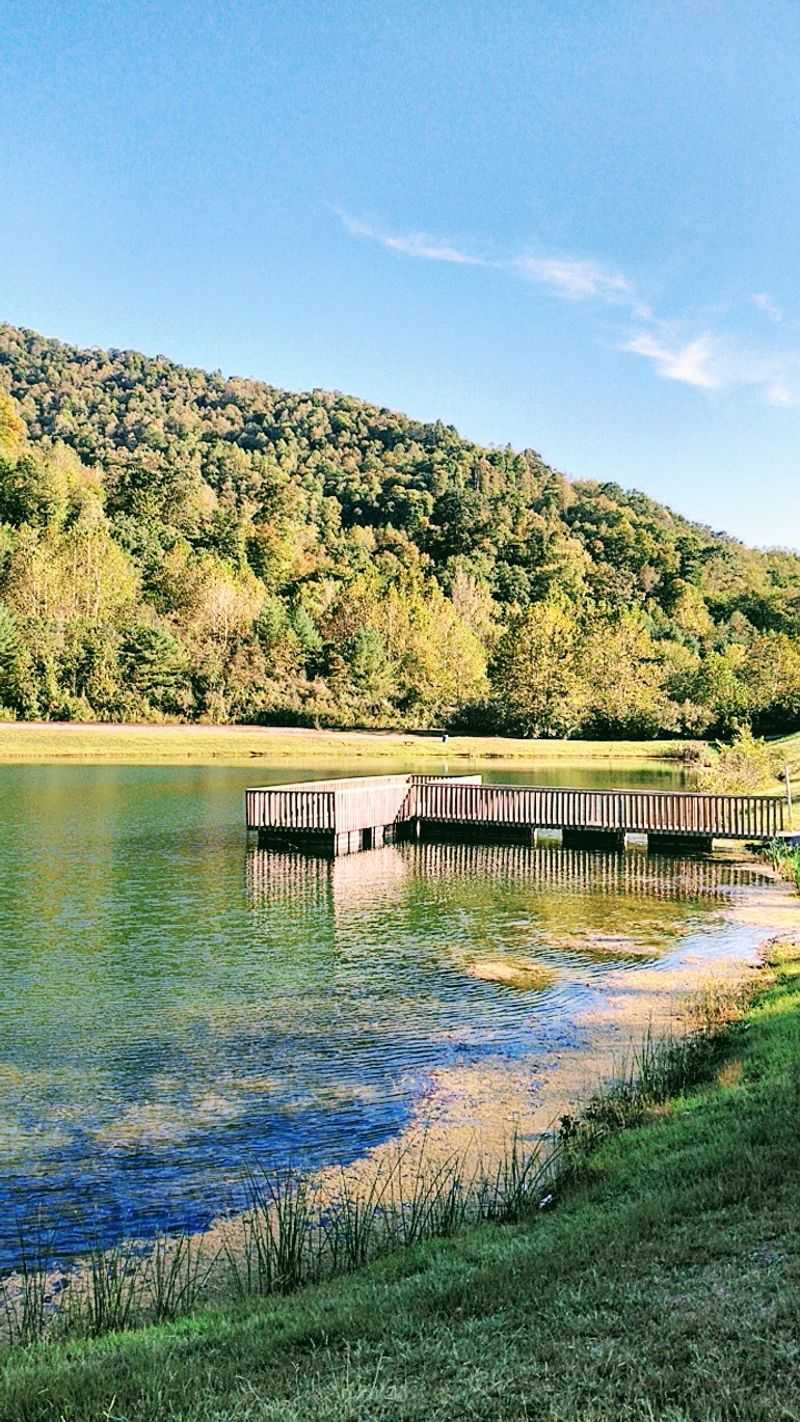
The name carries more weight than the town does. Harlan shows up in songs and TV shows, then turns out to be a quiet county seat in a green valley.
The courthouse anchors downtown, surrounded by brick storefronts on a compact grid. You can loop the whole business district on foot in twenty minutes.
Harlan County is famous for the Black Mountain Off-Road Adventure Area. Hundreds of miles of trails bring in riders, though the town itself stays calm.
Little Shepherd Trail runs along the ridge between Harlan and Whitesburg. It is a slow, narrow, gorgeous drive with pull-offs worth stopping for.
The Portal 31 mine tour and the Coal Miners Memorial are within easy reach. Both explain the county’s history without dressing it up.
Local diners serve breakfast early and close early. Plan meals before you head into the mountains for the day.
Music runs deep here. Ask around about local pickers and you may end up at a small performance you never planned for.
Harlan surprised me by how normal it feels. Big reputation, small friendly town, and mountains crowding in on every side.
5. Jenkins
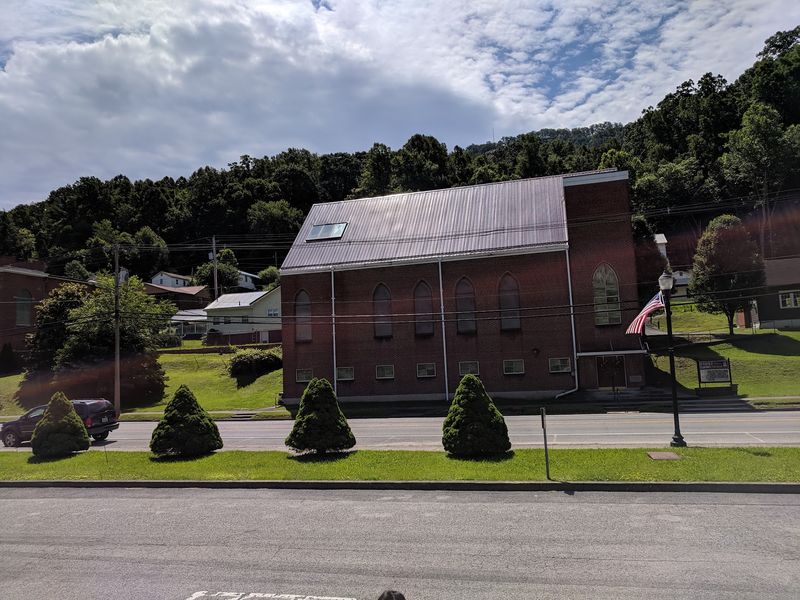
A lake in the middle of a coal town is not what most people expect. Jenkins has one, and it changes the whole feel of the place.
Elkhorn Lake sits right beside town, built when Consolidation Coal Company developed the area starting in 1911. Locals fish it, walk beside it, and generally treat it as the town’s front yard.
Jenkins was named for George C. Jenkins, a company director.
The original layout followed a plan, with distinct neighborhoods spread along the valley.
Pine Mountain rises just to the south. Pine Mountain Trail sections nearby offer serious hiking with almost no crowds.
The David A. Zegeer Coal and Railroad Museum in town keeps local mining history on display.
Hours can be limited, so call ahead.
US 23 passes close by, making Jenkins an easy stop between Pikeville and Whitesburg. Most drivers blow past the exit entirely.
Spring here is loud with birds and green in a way photos never quite capture. Bring bug spray and decent shoes.
I stopped in Jenkins for gas once and stayed two hours. The lake reflection at golden hour is the reason.
6. Whitesburg
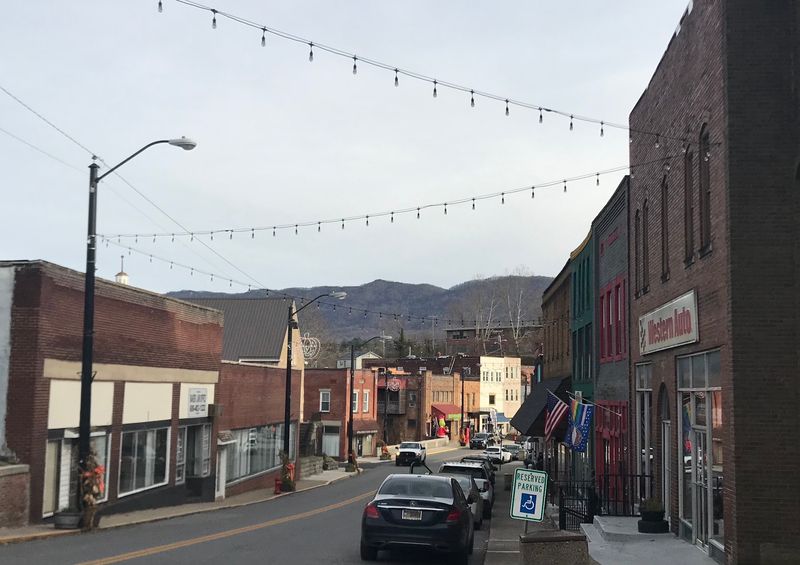
Small town, serious creative streak. Whitesburg punches far above its population when it comes to arts and film.
Appalshop has operated here since 1969, producing documentaries, radio, and theater about the region. Its building on Madison Avenue is the cultural center of the town.
WMMT radio broadcasts from the same organization. Tune in while driving the surrounding roads for mountain music you will not hear anywhere else.
Downtown sits along the North Fork of the Kentucky River. Storefronts hold a bookstore, coffee, and places to eat within a couple of blocks.
Bad Branch State Nature Preserve is a short drive south. The trail leads to a waterfall dropping through a rocky, mossy gorge.
Pine Mountain looms over everything nearby. The Little Shepherd Trail entrance is close and worth a slow afternoon drive.
Whitesburg hosts the Seedtime on the Cumberland festival in summer. Music, crafts, and food fill the streets for a weekend.
What makes it work is the mix. Coal-country roots and an arts scene sharing the same three blocks, with nobody treating either as a novelty.
Come hungry and curious. The town rewards both.
7. Hindman
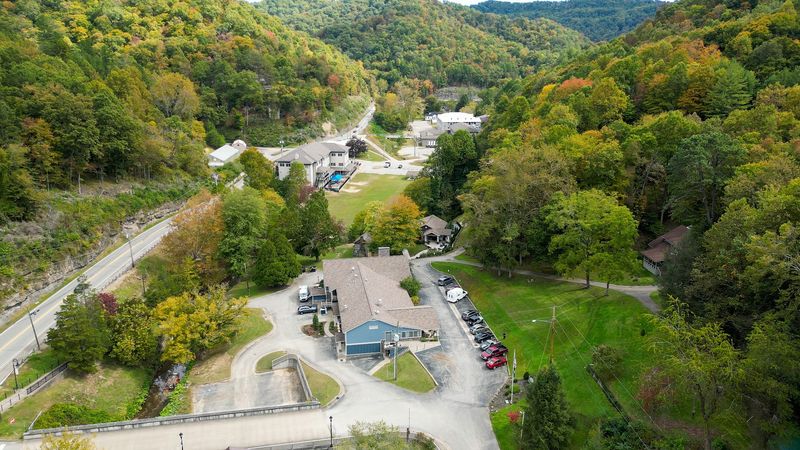
For a town of a few hundred people, Hindman has an outsized literary reputation. Writers have been coming here for decades.
The Hindman Settlement School opened in 1902 as the first rural settlement school in America. Its campus of older buildings still sits along Troublesome Creek.
The school hosts the Appalachian Writers’ Workshop each summer. Poets and novelists fill the small campus for a week of classes and readings.
Hindman is also the seat of Knott County. The courthouse and a handful of businesses make up the compact downtown.
Troublesome Creek gave the area its nickname and its stories. The name alone tells you something about early travel here.
Traditional crafts matter in this town. Dulcimer making and other handwork have long been taught and practiced locally.
Roads in and out twist hard through narrow valleys. Give yourself extra time and enjoy the drive rather than fighting it.
Knott County Sportsplex nearby has an indoor pool and recreation facilities, useful on a rainy afternoon.
My favorite thing about Hindman is how unhurried it feels. Books, creek water, and hills that hold the fog until midmorning.
8. Hyden
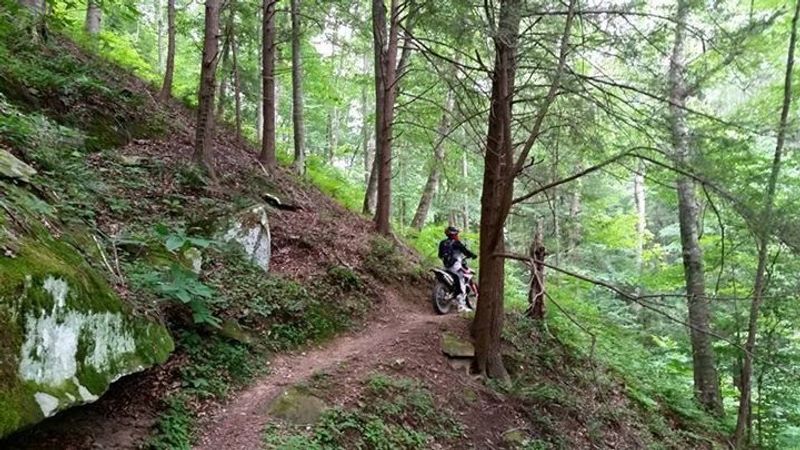
Nursing history and mountain roads make an odd pair, but Hyden holds both.
The Frontier Nursing Service was founded in this area in 1925 by Mary Breckinridge. Nurses once traveled these hollows on horseback to reach patients.
Frontier Nursing University still operates nearby in Leslie County. The Wendover historic property connects directly to that founding story.
Hyden sits along the Middle Fork of the Kentucky River. The valley is tight, with houses stacked up the hillsides above the water.
Buckhorn Lake State Resort Park is a reasonable drive away. Boating, fishing, and a lodge with lake views make it a good overnight anchor.
Redbird Crest Trail draws off-road riders into the Daniel Boone National Forest nearby. Trails are rugged and clearly marked for the right vehicles.
Services in town are limited. Fill your tank and grab supplies before heading up the ridge roads.
Wild turkeys and deer are common sights at dusk here. Drive slowly on the curves and watch the shoulders.
Hyden earns its place on this list quietly. History that actually changed lives, wrapped in scenery nobody is charging admission for.
9. Pineville
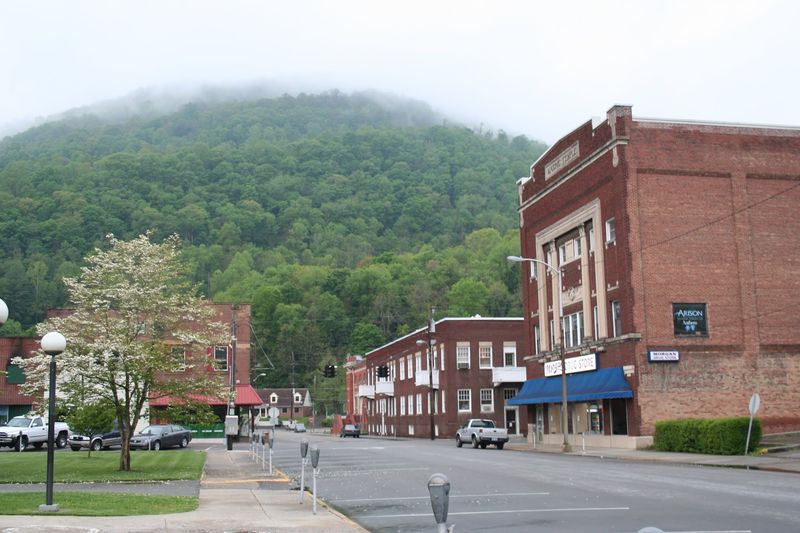
Geography did the marketing for this one. Pineville sits at the Narrows, where the Cumberland River cuts straight through Pine Mountain.
Pine Mountain State Resort Park opened in 1924 as Kentucky’s first state park. Chained Rock is its most talked-about feature, a boulder linked to the mountain by a heavy chain.
Legend says the chain was installed to reassure children the rock would not roll onto town. The truth is it was a 1933 promotional project, and it worked beautifully.
The hike to Chained Rock is short and the overlook is genuinely dramatic. Town spreads out directly below you.
Pineville hosts the Kentucky Mountain Laurel Festival each spring. The event dates to 1931 and fills the park with visitors for a weekend.
Downtown has a courthouse square and old brick buildings along narrow streets. Parking is never a problem.
Cumberland Gap National Historical Park is about twenty minutes south. Combine the two for a full day.
Bring a jacket for the overlooks. Wind funnels through the Narrows and it gets brisk fast.
Pineville feels like a town built inside a postcard nobody mailed.
10. Elkhorn City
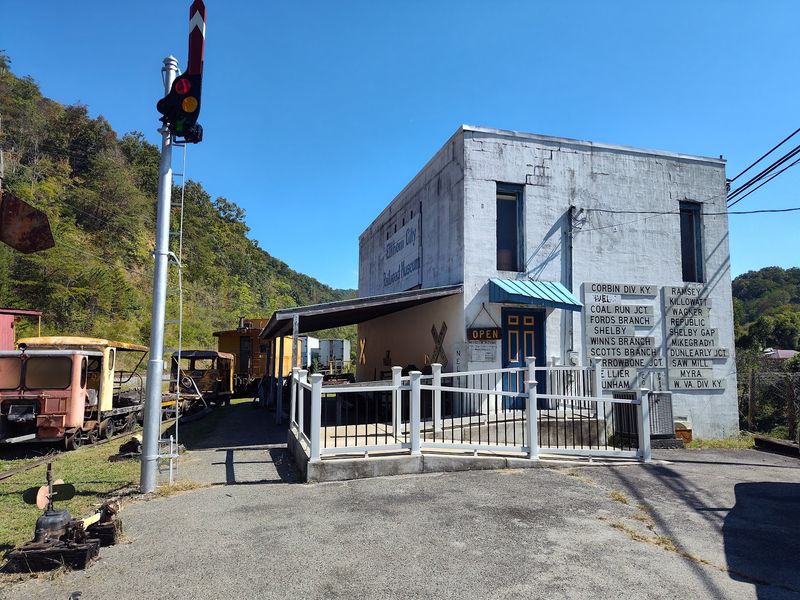
Whitewater in Kentucky sounds like a rumor until you see the Russell Fork.
Elkhorn City sits at the mouth of the Breaks Interstate Park gorge, sometimes called the Grand Canyon of the South. The canyon drops around 1,600 feet.
The Russell Fork River runs rapids that draw serious paddlers each October during scheduled water releases. Watching from the overlooks is free and honestly thrilling.
Breaks Interstate Park straddles the Kentucky and Virginia line. Trails, overlooks, and a lake sit within its boundaries.
Downtown Elkhorn City is small and practical, with a railroad running right through it. The Elkhorn City Railroad Museum covers that history.
Fishing and tubing are popular in calmer stretches of the river. Locals know which access points work best, so ask.
Autumn is peak season for both color and water. Book lodging early if you want October dates.
Roads here are steep and curvy near the gorge. Take them slowly and use the pull-offs.
I came for the canyon and stayed for the river sound at night. Elkhorn City ends this list on the loudest, prettiest note possible.