10 Scenic Mountain Towns In Colorado That Are Perfect For Wallet-Friendly Escapes
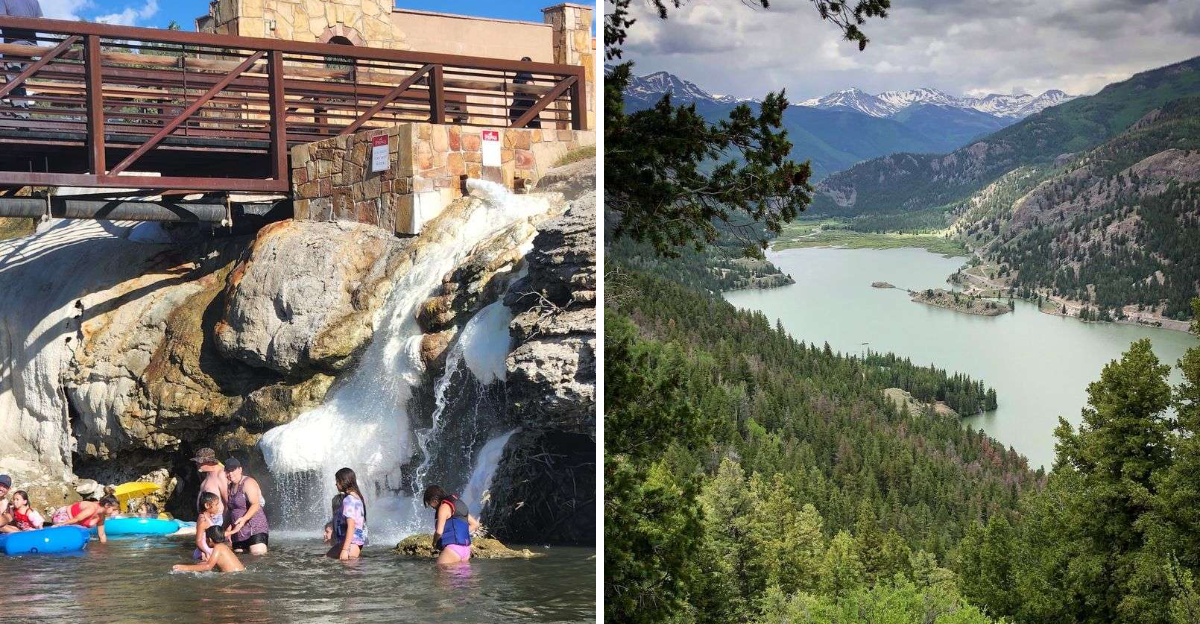
You looked up a Colorado hotel rate once and quietly closed the laptop. The mountains felt like a members only club with a very intimidating price list.
That reputation is only half deserved.
Colorado has plenty of mountain towns that never got the luxury resort treatment. They have the same jagged peaks and the same absurdly blue skies.
They just skipped the part where a sandwich costs as much as a tank of gas.
These are the places where old mining buildings still line the main street. Coffee shops know their regulars by name.
Trailheads start a few blocks from where you parked, and parking is usually free.
You do not need a ski season budget to sleep under those mountains. You just need to know which exits are worth taking.
Here are ten towns that will make your bank account far less nervous about the whole idea.
1. Salida
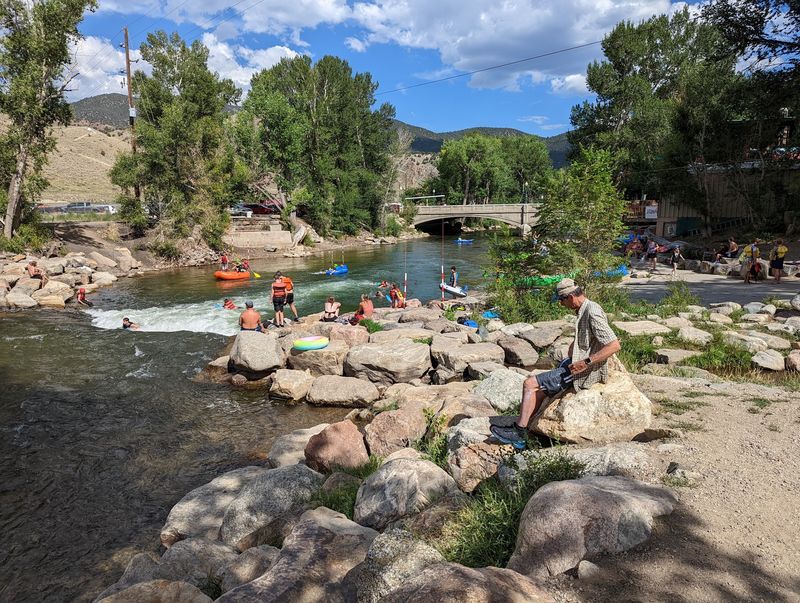
The Arkansas River runs right through downtown, and locals float it like a backyard pool. Salida sits in the Upper Arkansas Valley, ringed by the Sawatch Range.
Its historic district is one of the largest in Colorado, with over a hundred listed buildings. Wandering those blocks costs nothing, which is my favorite price.
Tenderfoot Mountain rises behind town, and the trail to the top takes about an hour. From up there you can see the Collegiate Peaks lined up like teeth.
The Salida Hot Springs Aquatic Center pipes in water from Poncha Springs, five miles away. Day passes stay cheap compared with resort spas.
FIBArk, held each June, is the oldest whitewater festival in the country. Most of the riverside events are free to watch from the grass.
Lodging drops in price during spring and late fall, when the crowds thin out. Camping along the river is even cheaper if you bring a tent.
Monarch Mountain sits about twenty miles west and charges less than the big-name resorts. Skiers here trade fancy lodges for shorter lift lines.
Coffee shops and bakeries line F Street, and breakfast rarely dents the wallet. I always leave with a pastry for the drive over Poncha Pass.
2. Buena Vista
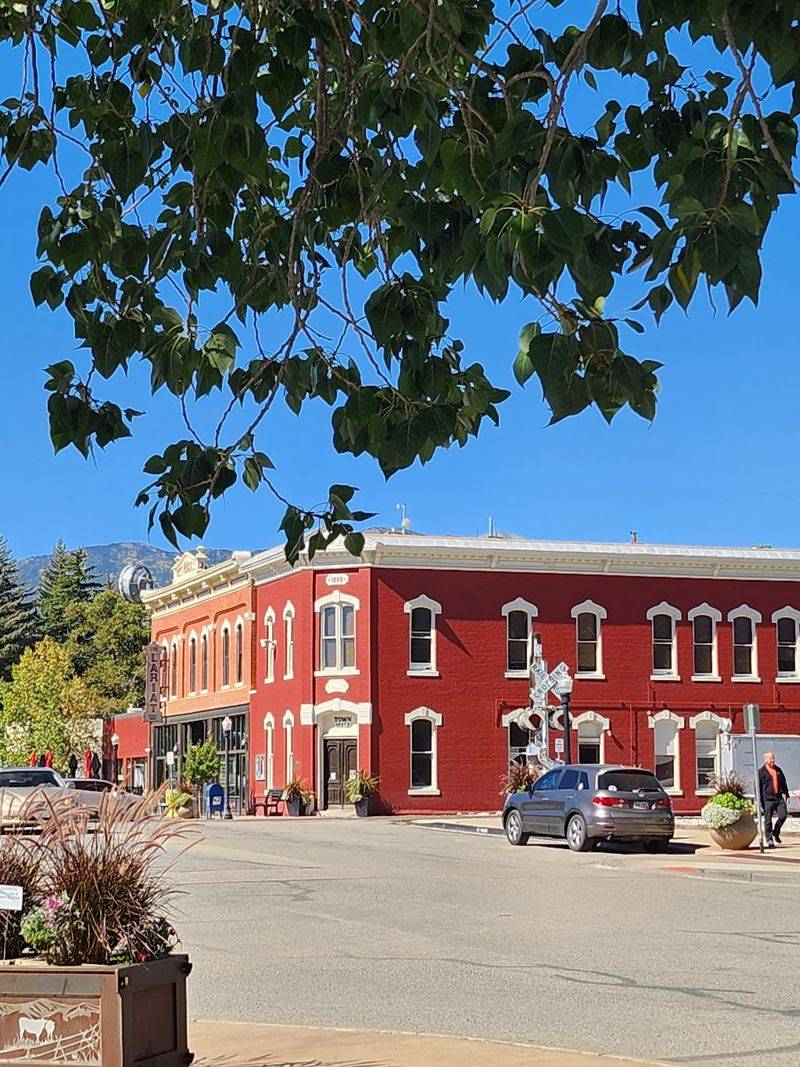
Fourteeners crowd the skyline here, and their names sound like an Ivy League tour. Harvard, Yale, Princeton, and Columbia all stand within view of town.
Buena Vista sits along the Arkansas River, about twenty-five miles north of Salida. Rafting companies fill the summer, but the riverside path is free.
The South Main district was built in recent decades with an old-town look. Its river park has waves shaped for kayakers and swimmers.
Midland Hill and the Whipple Trail give quick climbs with big payoffs. You can hike before breakfast and still make it back for eggs.
Cottonwood Hot Springs and Mount Princeton both offer soaking pools nearby. Weekday afternoons cost less and feel far quieter.
Dispersed camping in the San Isabel National Forest keeps overnight costs near zero. Bring water, since most sites have none.
The old railroad depot and courthouse show off the town’s mining-era roots. Walking tours are self-guided and cost nothing but time.
Grocery stores beat restaurant prices, and picnic spots line the river. A sandwich tastes better with a fourteener in front of you.
Late September brings golden aspens along Cottonwood Pass and thinner traffic. That is when I book, every time.
3. Leadville
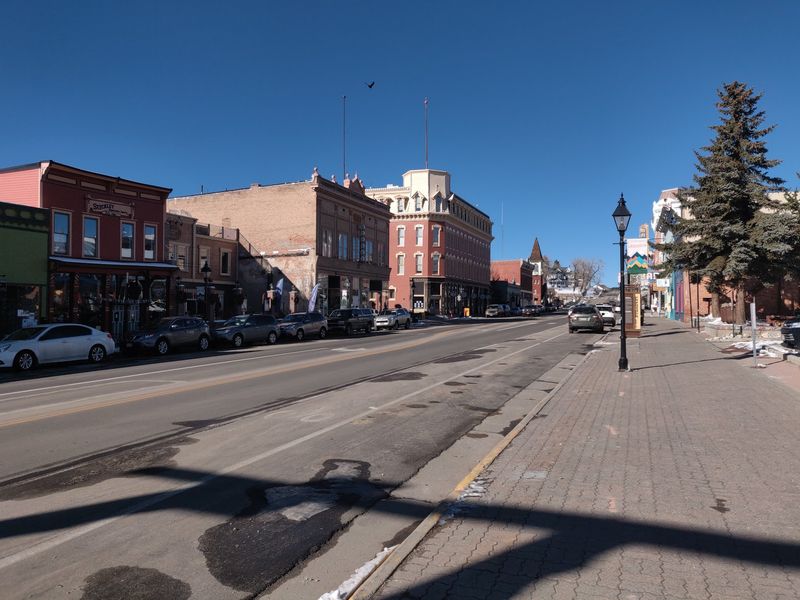
At 10,152 feet, Leadville is the highest incorporated city in North America. The air is thin, and so is the pressure on your wallet.
Silver built this place in the 1870s, and the brick main street still shows it. Harrison Avenue looks much like it did a century ago.
The National Mining Hall of Fame and Museum sits in an old schoolhouse. Admission runs a few dollars and fills a rainy afternoon.
Turquoise Lake is minutes away, with campgrounds, a shoreline trail, and no entry fee. Sunrise there is worth the early alarm.
Mount Elbert, the state’s tallest peak, starts from trailheads just south of town. Climbing it costs only parking and patience.
The Leadville Colorado and Southern Railroad runs scenic rides along old mining routes. Tickets cost less than most resort lift passes.
Rooms here often price below Breckenridge, which sits just over Fremont Pass. Many skiers stay in Leadville and drive in each morning.
Take the altitude seriously and drink more water than feels normal. Sleep lower the first night if your plans allow.
Winter runs long, and snow lingers on high trails into June. Pack layers even in July, since evenings drop fast.
4. Idaho Springs
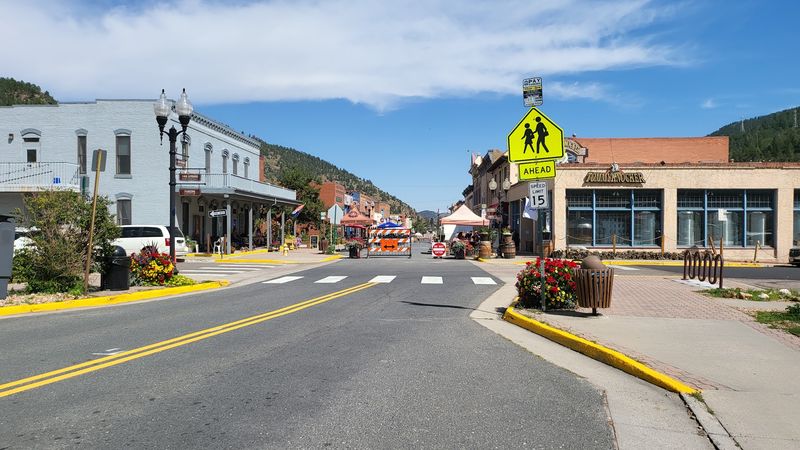
Thirty minutes west of Denver, the highway drops into a narrow canyon town. Gold was found here in 1859, and the town never really moved on.
The Argo Mill and Tunnel looms above Miner Street in rust-colored glory. Tours run daily and include a look at the old mill works.
Idaho Springs has natural hot water, and Indian Hot Springs has used it for generations. Soaking here costs a fraction of a resort spa visit.
Miner Street is short, walkable, and full of old brick fronts. The pizza places here draw people from across the Front Range.
Mount Blue Sky Scenic Byway climbs from town toward one of the highest paved roads in North America. Reservations are required in season, so plan ahead.
Bridal Veil Falls and the Charlie Tayler Water Wheel sit right in town. Both are free, and both take five minutes to reach.
Because Denver is close, you can day trip and skip a hotel entirely. That single move saves most of the budget.
Traffic on I-70 peaks on weekend afternoons, so head home early. Or stay for dinner and let the rush pass.
Winter brings quiet streets and cheap soaking, my favorite version of the town. Snow on the canyon walls makes the drive feel bigger.
5. Georgetown
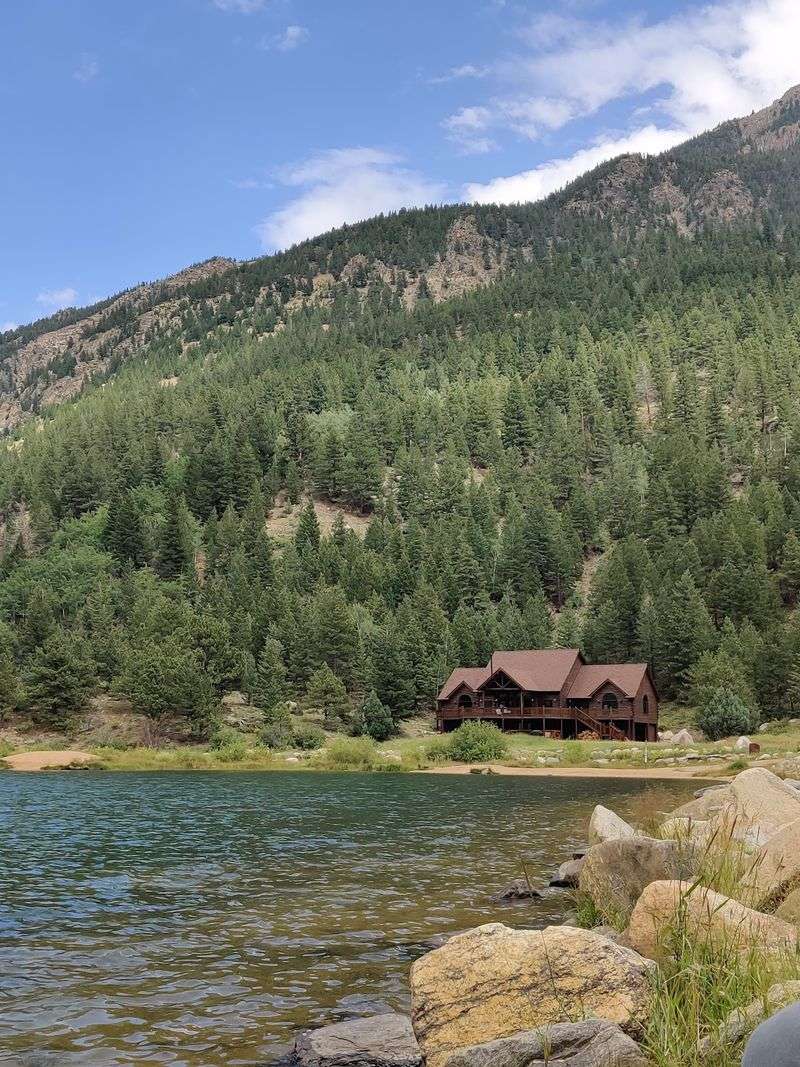
Victorian houses in pastel colors line the streets, and most are original. Georgetown avoided major fires, so its 1800s buildings survived.
The Georgetown Loop Railroad crosses the Devil’s Gate High Bridge on a narrow-gauge track. The ride is short, scenic, and priced for families.
Bighorn sheep gather near the interstate viewing site during winter months. Free spotting scopes point toward the cliffs where they climb.
Hotel de Paris, built in 1875, is now a museum with original furnishings. Admission is modest, and the guides know every story.
Georgetown Lake sits at the edge of town with a path along part of it. Ducks, geese, and quiet mornings come standard.
Guanella Pass climbs south toward alpine views and the Mount Bierstadt trailhead. The drive alone earns back the gas money.
Because the town sits right off I-70, you can visit without a long haul. Parking downtown is easy and usually free.
Shops here lean toward candy, books, and antiques rather than luxury labels. Browsing costs nothing, which suits me fine.
December brings a market on the main square with lights and music. Arrive early if you want a good spot.
Snowshoe routes and sled hills sit minutes away for winter fun. Bring your own gear and skip the rental fees.
6. Creede
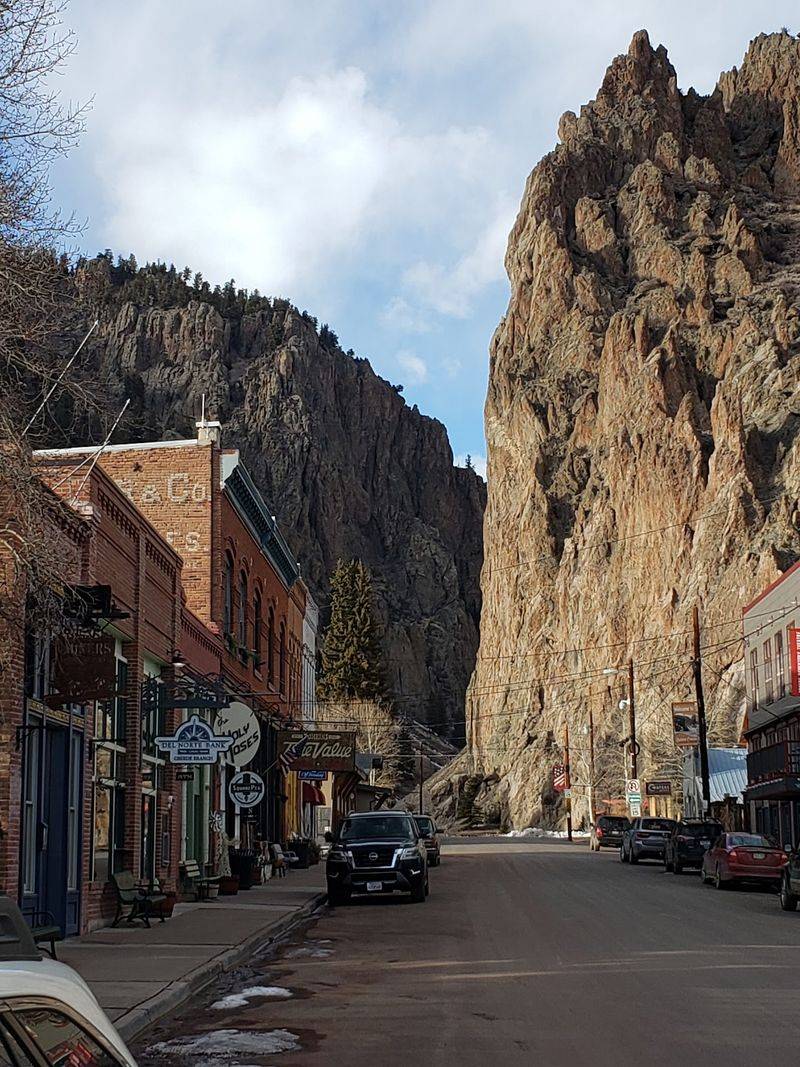
A canyon wall rises straight behind main street, and the buildings sit right below it. Creede was Colorado’s last big silver boomtown, born in the 1890s.
The Bachelor Loop is a seventeen-mile gravel drive past old mines and headframes. A brochure from the visitor center guides you for free.
Creede Repertory Theatre has staged plays here since 1966. Tickets cost less than most city theaters, and shows often sell out.
The Underground Mining Museum sits inside rock blasted by local miners. Guided tours run in summer and cost only a few dollars.
The Rio Grande begins nearby, and the fishing water is well known. Public access points keep a day here inexpensive.
North Clear Creek Falls, about thirty minutes away, drops more than one hundred feet. Parking is free and the overlook takes two minutes.
Lodging is limited, so book early or camp in the national forest. Nights turn cold even in July at this elevation.
Cell service fades outside town, which I count as a feature. Download your maps before you leave the pavement.
Summer weekends bring art walks and small festivals on the short main street. Most of it is free to wander.
Winter shrinks the town to a handful of open doors. Come in September for color and calm.
7. Lake City
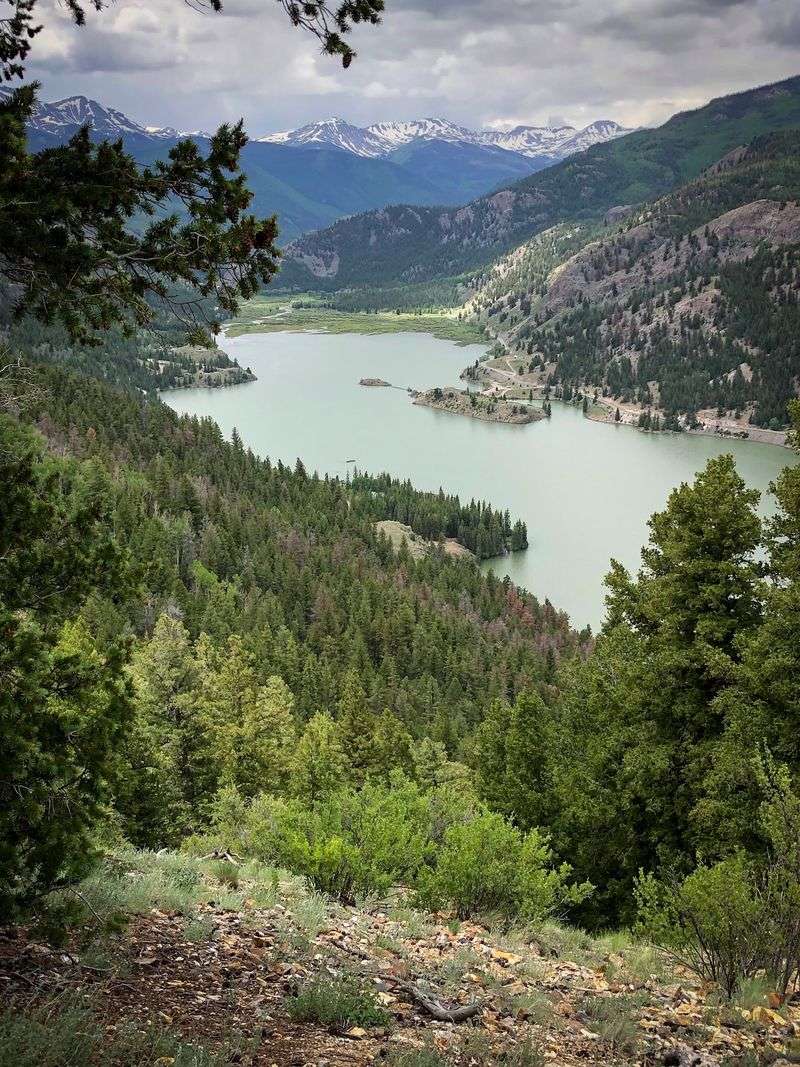
Fewer than five hundred people live here year-round, and the quiet is real. Lake City sits deep in the San Juan Mountains at 8,671 feet.
Lake San Cristobal, just south of town, is the second largest natural lake in Colorado. The Slumgullion Earthflow, a huge landslide, created it centuries ago.
The Alpine Loop Scenic Byway starts here and climbs toward old mining camps. Four-wheel drive helps, though the lower sections are gentler.
Uncompahgre Peak, the sixth highest in Colorado, rises northwest of town. Its trailhead draws hikers all summer long.
The historic district covers dozens of 1870s buildings on quiet streets. Self-guided walking maps are free at the visitor center.
Camping and simple cabins keep costs low, since there are no resorts. Groceries are limited, so stock up before you arrive.
Henson Creek and the Lake Fork offer easy fishing spots close to the road. Bring a state license and a folding chair.
Fall color peaks in late September along the byway. Traffic stays light compared with more famous routes.
Nights get dark in the best way, with almost no light pollution. Bring a blanket and look up.
High passes close in winter, so plan summer or early fall. The town stays open, just smaller.
8. Ouray
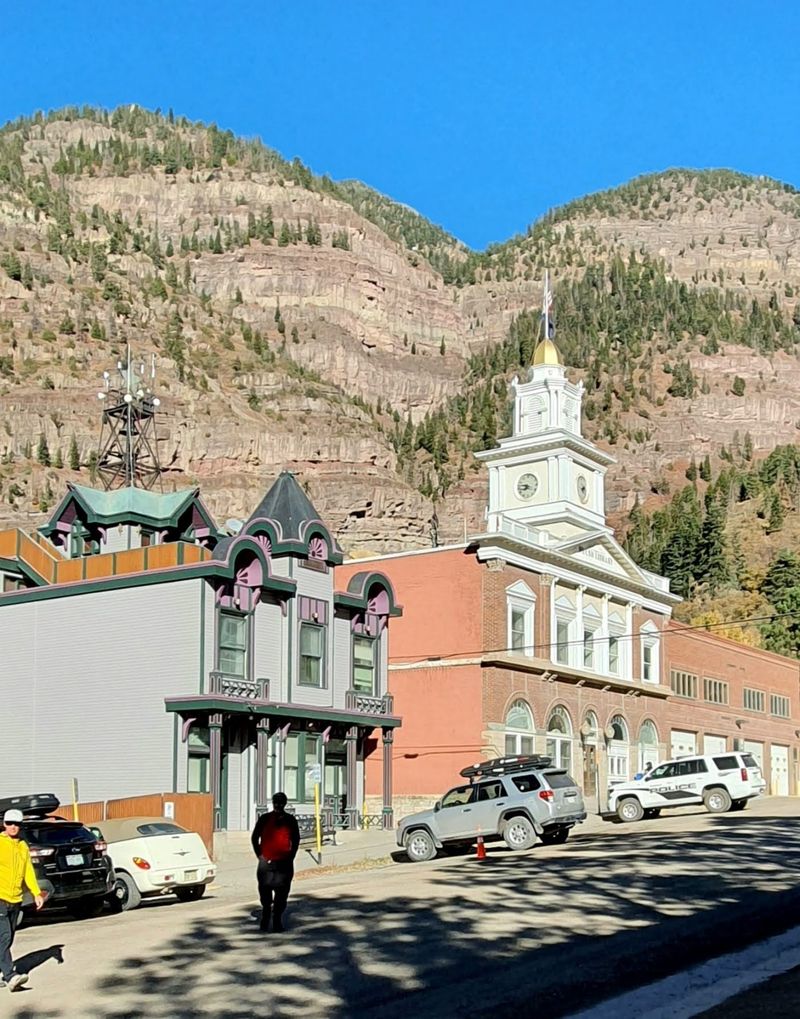
Cliffs wrap around Ouray on three sides, which earned it a nickname: Switzerland of America. The entire town fits inside a narrow box canyon.
The Perimeter Trail circles the town in about six miles of ups and downs. It passes waterfalls, bridges, and overlooks, all for free.
Box Canyon Falls rushes through a slot in the rock near downtown. A small fee gets you onto the walkways above the water.
Ouray Hot Springs Pool uses natural mineral water and has several temperature sections. Afternoon passes are reasonable, especially midweek.
The Ouray Ice Park is free to enter and draws climbers each winter. Watching from the bridge costs nothing at all.
The Million Dollar Highway heads south toward Silverton with switchbacks and steep drop-offs. Drive it in daylight and take your time.
Summer rooms book fast, so spring and late fall bring better rates. Some places close in shoulder season, so call ahead.
Cascade Falls sits a short walk from a residential street. I once hiked it in flip-flops, which I do not recommend.
Jeep tours cost money, but county roads reward patient drivers with similar views. A sturdy vehicle opens up Yankee Boy Basin.
9. Pagosa Springs
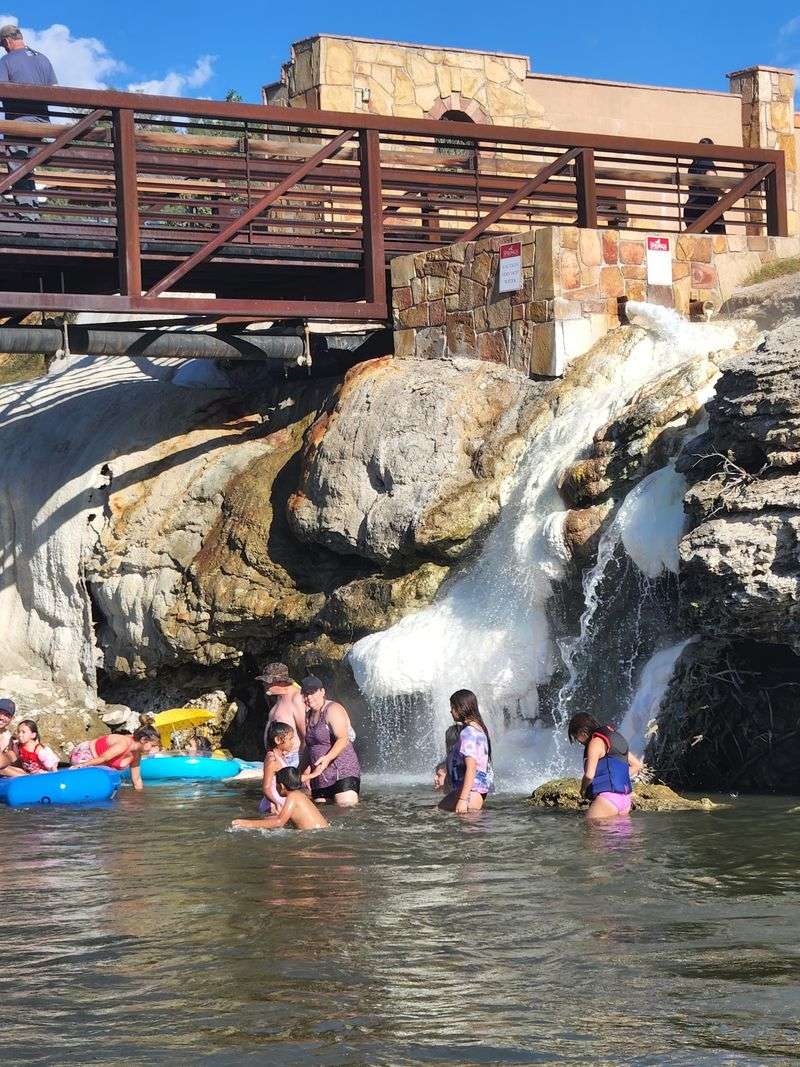
The Mother Spring here is recognized as the deepest geothermal hot spring measured. Guinness World Records lists it, and the rising steam is hard to miss.
The San Juan River runs through the middle of town with a free Riverwalk beside it. Benches and footbridges make it an easy evening stroll.
Some springs feed free public soaking spots along the riverbank. Locals know exactly where they are, and the price is unbeatable.
Chimney Rock National Monument sits about twenty miles west with ancient Puebloan ruins. Guided walks explain the site’s link to lunar cycles.
Wolf Creek Pass receives some of the heaviest snowfall in Colorado. The ski area there charges less than the I-70 resorts.
Treasure Falls drops more than one hundred feet just off Highway 160. The parking lot is free and the trail is short.
Lodging spreads out here, so rates vary widely block to block. Booking a few weeks ahead usually saves real money.
Summer afternoons bring quick thunderstorms across the San Juans. Hike early and you will stay dry.
The town is far from Denver, roughly two hundred sixty miles. Pair it with Durango and the drive earns its keep.
Fall brings bugling elk and empty forest trails. That season is my pick.
10. Estes Park
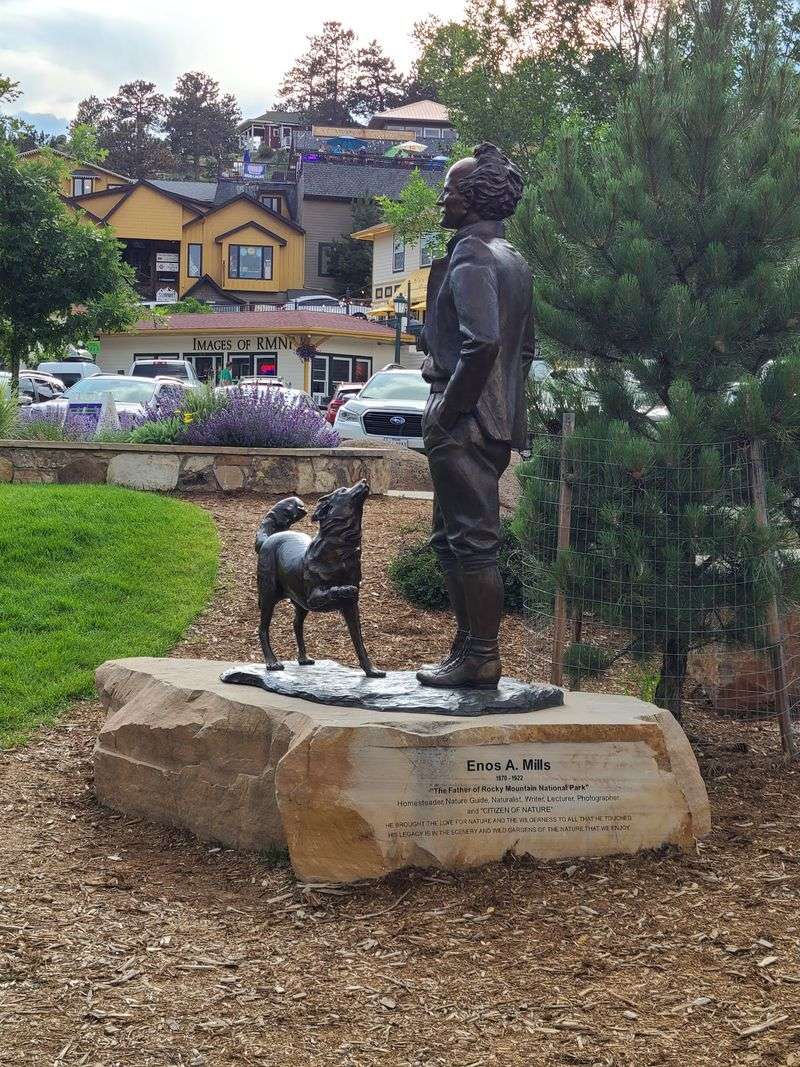
Elk walk down the main street here as if they pay rent. Estes Park is the eastern gateway to Rocky Mountain National Park.
Park entry costs money, but the town itself is free to enjoy. The Riverwalk along the Big Thompson River is my favorite lap.
Lake Estes has a paved trail of about four miles around the water. Bikes, strollers, and slow walkers all fit fine.
The Stanley Hotel opened in 1909 and sits on a hill above town. You can visit the grounds without booking a room.
Timed entry permits apply inside the park during busy months. Check the rules before you drive up to the gate.
Trail Ridge Road climbs above eleven thousand feet with pullouts every few miles. It closes in winter, so summer is the window.
Rooms cost less in May and October than in July. Weekdays help even more if your schedule allows.
Bring binoculars for elk season in fall, when bulls gather in the meadows. Keep your distance and stay in the car when asked.
Picnic supplies from the grocery store stretch a budget further than sit-down meals. Plenty of pullouts have tables and big views.
Snowshoeing turns the park quiet and cheap in winter. Lower trailheads stay open when the high road does not.