This Charming New York Bakery Is Hidden Inside A Beautiful Historic Building
Some of the best food I have ever eaten came from a doorway I almost walked past without a second glance. Sweet, buttery air hit me first, the kind that makes your feet stop before your brain catches up.
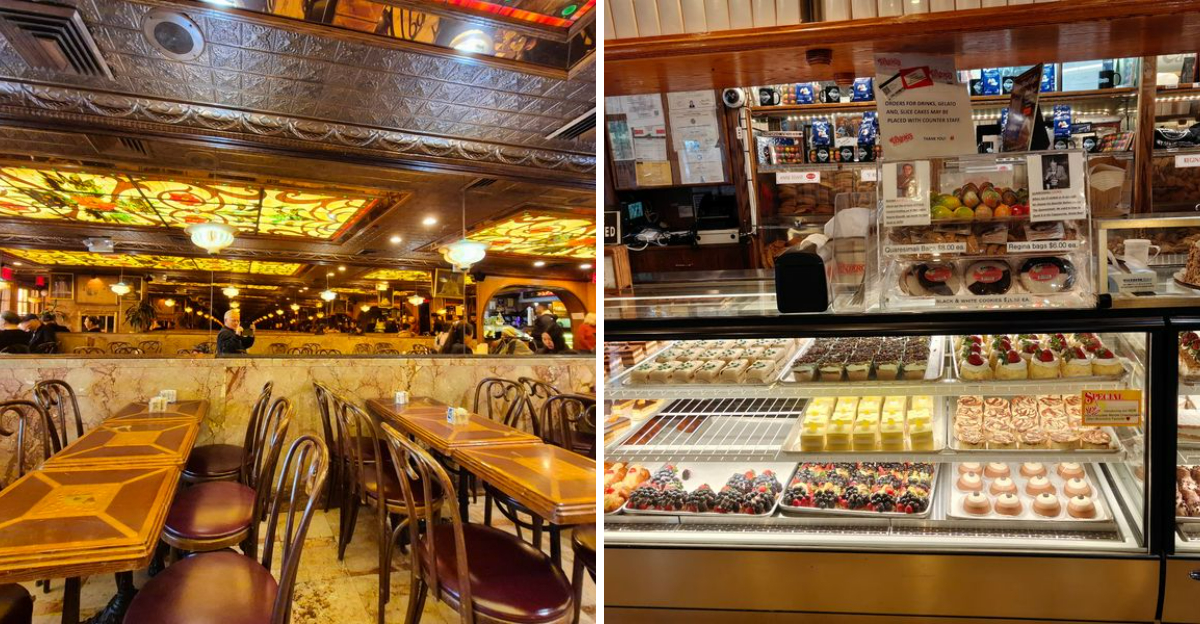
I pushed open an old door and found a room that looked older than my grandparents, with stamped metal ceilings and a glass case packed with cannoli. New York keeps surprises like this behind ordinary storefronts, the kind you would never notice unless your nose led you there.
I expected a quick snack and stayed for an hour instead. New York does this to me constantly, turning a five minute errand into an afternoon I did not plan for.
I have been thinking about that bakery ever since, and I am already planning my next excuse to go back.
A Sweet Shop That Opened Back In 1894
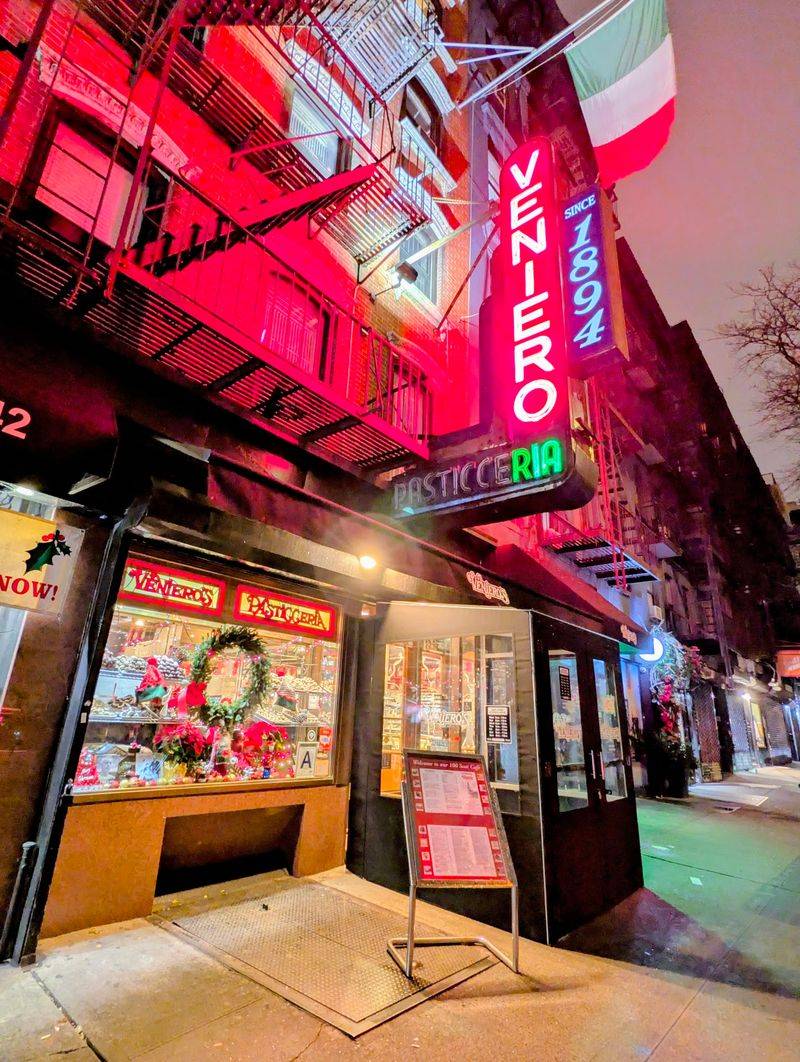
Very few businesses in Manhattan can claim a birthday in the 1800s. This one can, and it still bakes every day.
The story starts with Antonio Veniero, a young immigrant from Sorrento, Italy. He opened a pool emporium and caffè, where he served baked goods to customers.
Pastry turned out to be his real gift. The candy counter slowly gave way to cream fillings, layered dough, and coffee served in proper cups.
What strikes me most is the continuity. The same trade has been practiced in the same room for more than 130 years, through every change the city has thrown at it.
New York rewrites itself constantly. Storefronts flip, blocks change character, and old favorites quietly vanish from memory.
Surviving that long takes more than luck. It takes recipes people keep asking for, generation after generation.
You feel that history the moment the door closes behind you. The noise drops, the sugar smell rises, and the year suddenly feels flexible.
If you want to see it for yourself, the address is 342 East 11th Street, and the shop is Veniero’s Pasticceria and Caffe.
The Old Tenement Building That Holds It All
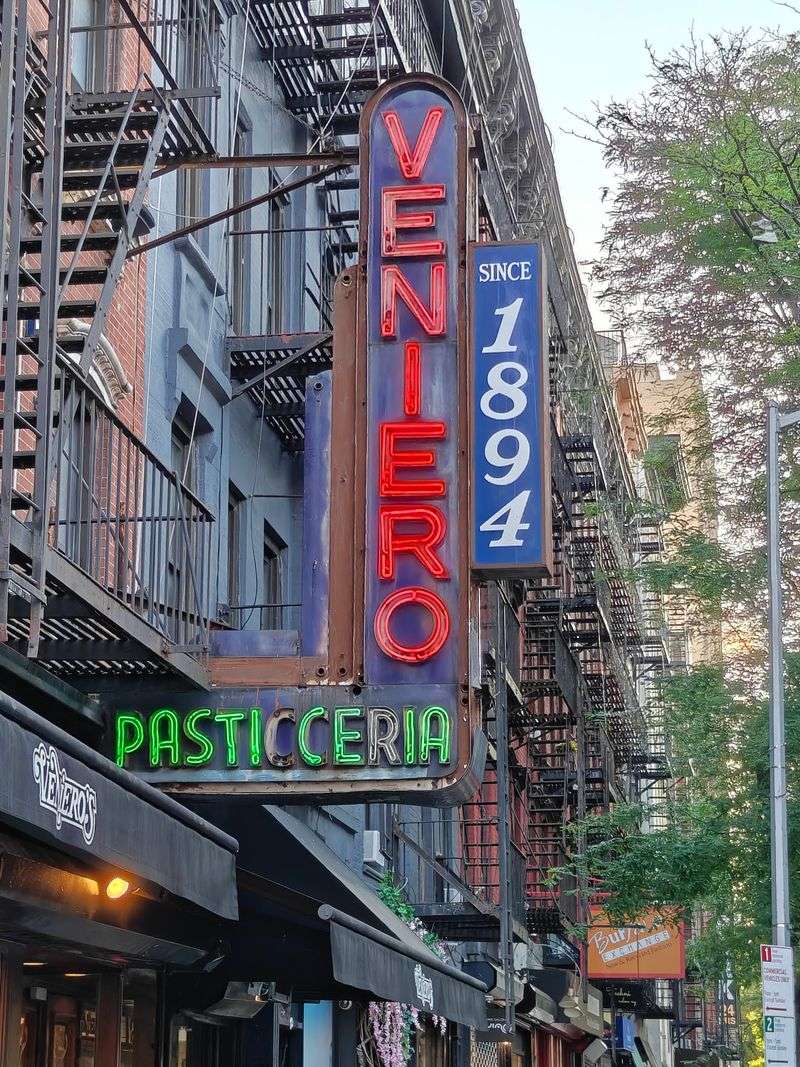
Old buildings have a way of standing quietly while everything around them shifts. The one on this block was built in 1865 and 1866.
It is what preservationists call a pre-old-law tenement. Simply put, it went up before New York wrote strict rules about light, air, and layout in apartment houses.
That makes the structure itself a piece of city history. The bakery just happens to live inside it.
The location sits between First and Second Avenues, on a stretch that stays busy without feeling overwhelming. You can walk past three times and still not notice the details above the doorway.
I looked up on my second visit and finally saw the brickwork. It reminded me that buildings tell stories if you slow down enough to read them.
Pairing a pastry counter with a 160-year-old shell feels right. Both were built to last, and both still work.
Bring a little patience for the sidewalk crowds outside. The front windows draw people in, and honestly, they should.
Consider it two attractions for one stop, dessert and architecture, served together.
Details Worth Slowing Down For
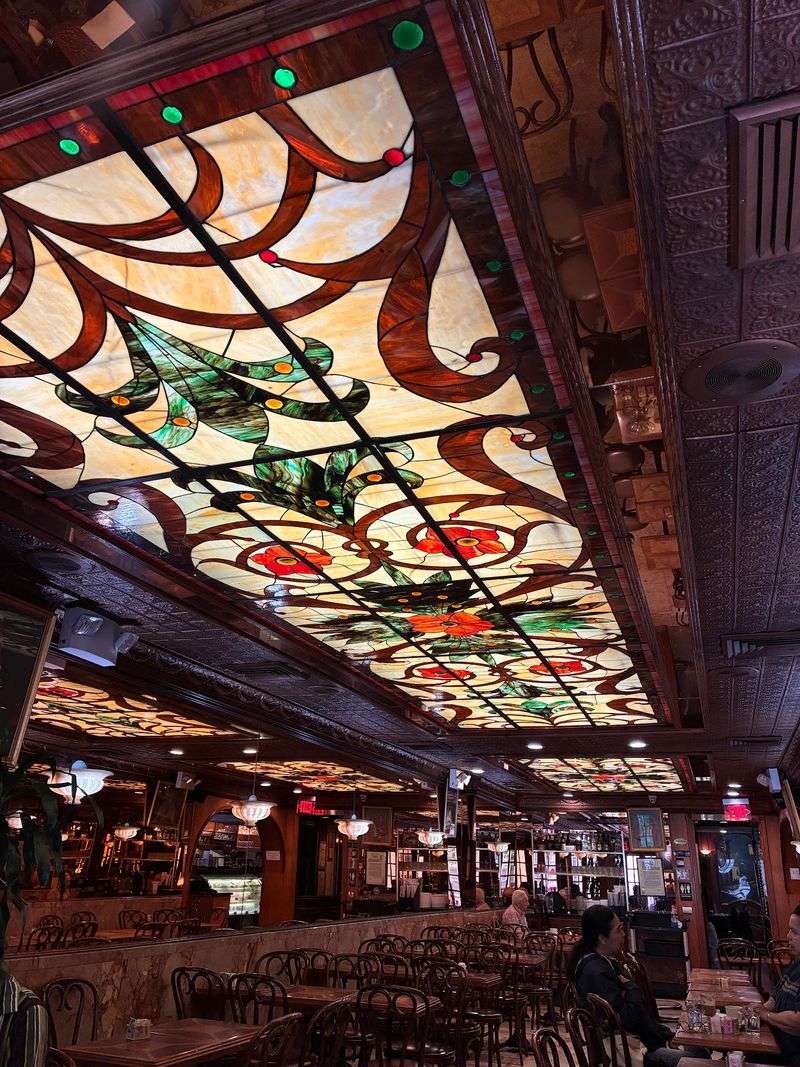
Most bakeries want you looking down at the case. Here, your eyes keep drifting upward.
Hand-stamped metal ceilings run overhead, preserved through generations of repairs and repainting. In the back room, a stained glass ceiling filters the light into soft colors.
The floors deserve credit too. Marble laid in intricate patterns has been worn smooth by more than a century of customers deciding what to order.
Etched glass doors and polished wood mirrors finish the picture. It reads like an old-world Italian salon rather than a modern coffee shop.
Sitting under those panels with a cappuccino changed the whole visit for me. The room slows you down in the best way.
Photographers will find plenty here, though the front area gets tight during rush periods. Morning hours give you more space to look around.
Nothing feels staged or freshly manufactured for effect. These details were installed because that was simply how shops were built then.
Take thirty seconds before ordering to actually look up. It costs nothing and makes the pastry taste better somehow.
Cannoli That People Cross Boroughs For
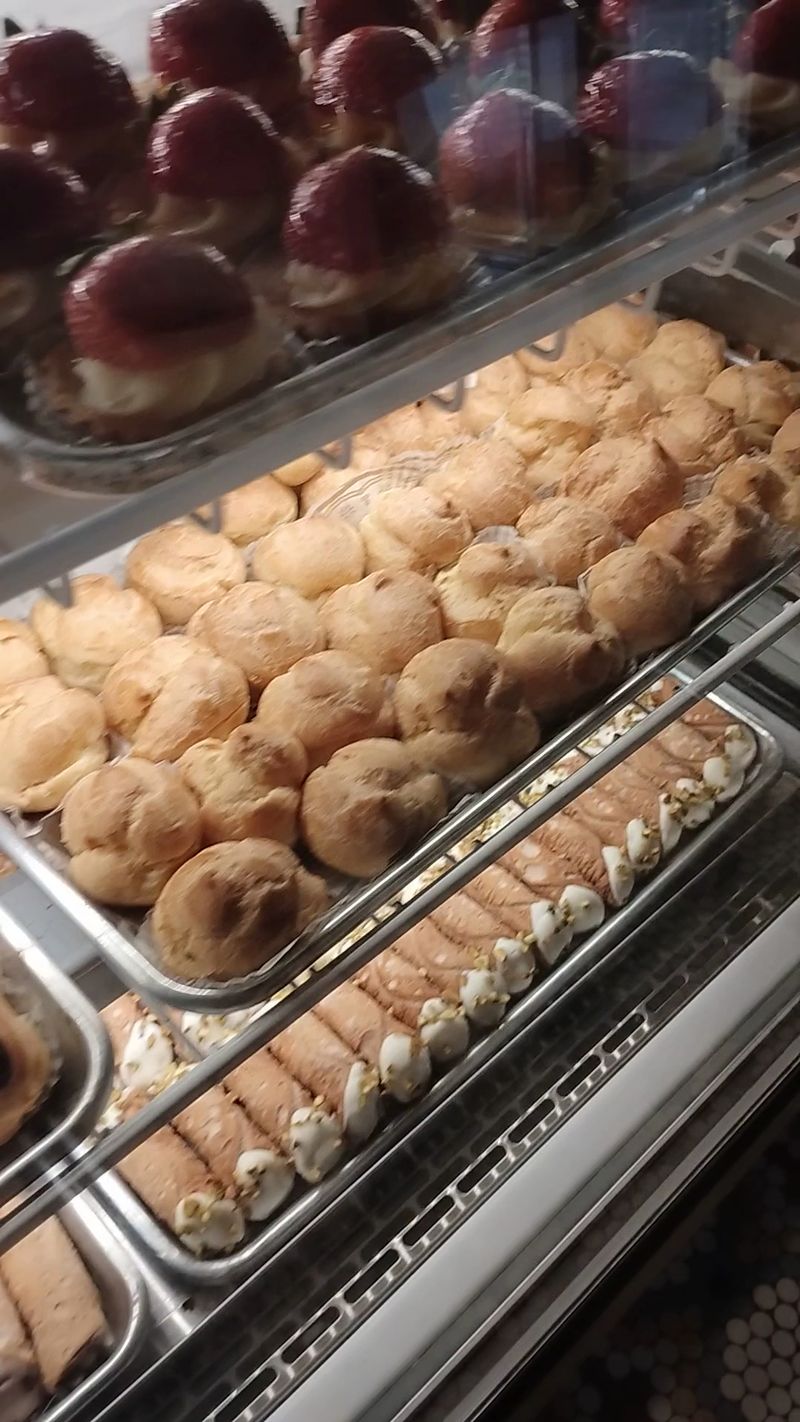
Ask around about this place and one word comes up again and again. Cannoli.
The shell arrives crisp, not chewy, which only happens when filling goes in shortly before serving. That single detail separates good cannoli from forgettable cannoli.
Inside, the ricotta stays smooth and only lightly sweet. Little chocolate chips sit at each end like bookends.
Pistachio versions get plenty of attention as well. The nutty flavor cuts the richness in a way plain cream cannot.
Mini sizes exist, which solves an obvious problem. You can taste several things without committing to full portions.
My advice is to order cannoli last, right before you leave the counter. Freshness fades fast once you get home.
Prices vary depending on the pastry, so check the current menu before ordering.
Pair one with an espresso and stand near the case for a minute. Watching the staff fill shells on demand is half the fun.
Buy extras. Whatever you plan to save for tomorrow probably will not survive the night.
Cheesecake In More Versions Than You Expect
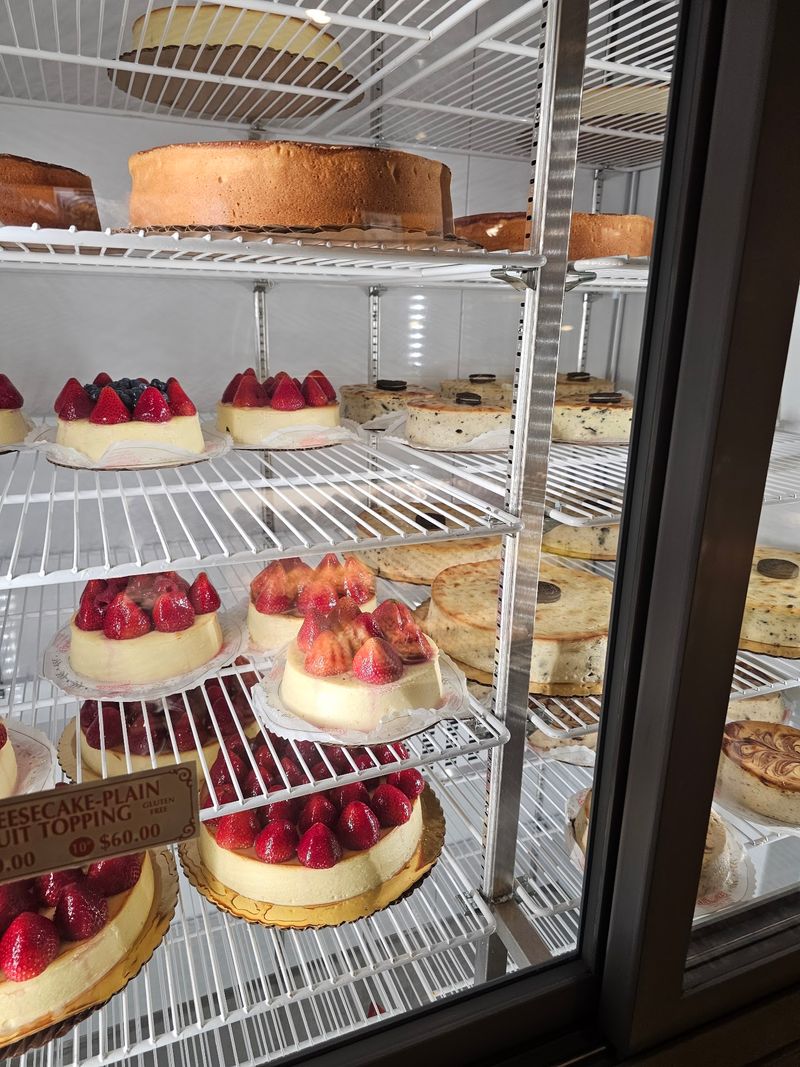
Cheesecake here is not a single item. It is a whole category with several serious contenders.
The New York style comes dense and smooth, with a clean dairy flavor and a thin crumb base. It holds together cleanly when your fork goes through.
Italian ricotta cheesecake sits nearby, lighter and less sweet. Fans of the two styles rarely agree on a winner.
Modern flavors join the lineup as well. Oreo and red velvet versions pull in people who want something playful.
Raspberry swirl mini cheesecakes work perfectly for sharing. Small portions mean you can try two styles in one sitting.
There are thoughtful options too, including carb-free cheesecake and sugar-free cookies. That flexibility matters when a group has different needs.
Prices vary by flavor and portion, so checking the current menu is helpful. Whole cakes are available if you are feeding a crowd.
My honest recommendation is the ricotta version first. It tastes like something made in a home kitchen, not a factory.
Where Sfogliatelle And Lobster Tails Shine
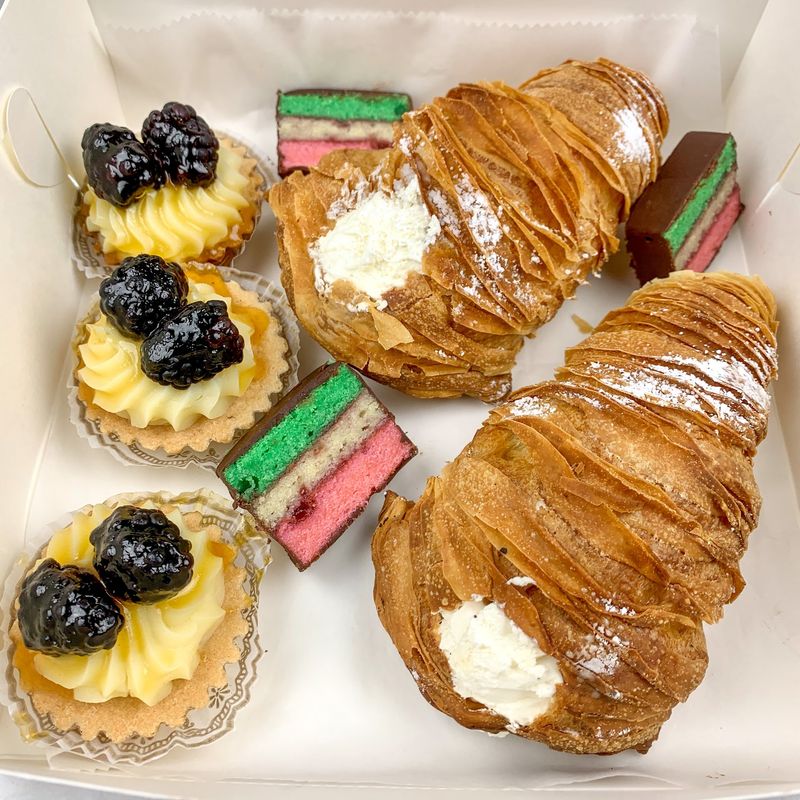
Some pastries are hard to walk past because of their shape alone. Sfogliatella is one of them.
Layer after layer of thin dough forms a ridged shell that looks almost like a seashell. Crack it open and warm citrusy ricotta waits inside.
Getting those layers right takes real skill. The dough must be stretched thin, then rolled and shaped by hand.
Lobster tails belong in the same family. Same flaky construction, but filled with cream that makes them dangerously easy to finish.
Sfogliatella traces its roots to Campania, while lobster tails are an Italian-American adaptation. Tradition traveled here and never left.
Eat sfogliatella on the spot if you can. The shattering texture is best in the first hour.
Bring napkins. Flakes will land on your shirt, and that is simply part of the experience.
If you are new to Italian pastry, start here rather than with cake. Nothing else in the case explains the craft quite as clearly.
Over 150 Desserts In One Glass Case
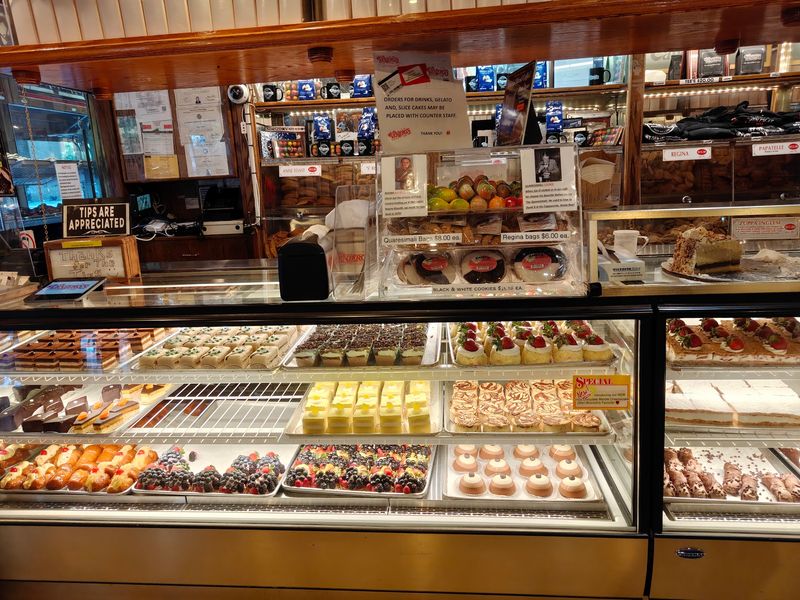
Decision paralysis is real, and this counter causes it. Veniero’s offers more than 150 desserts across its extensive selection.
The case stretches nearly the full length of the front room. Trays of tarts, eclairs, cream puffs, napoleons, and rainbow cookies compete for attention.
Cookies alone could fill a separate trip. Handmade biscotti come in more than nine kinds, plus pignoli cookies that disappear quickly at home.
Fruit tarts add color to any box you assemble. Traditional Italian specialties provide plenty of additional choices.
Here is a practical tip worth using. Look at the menu online before arriving so you have a short list ready.
Mini pastries make sampling easy and affordable. Six of them often run somewhere near eighteen dollars.
Staff move fast, and the line usually clears in five to ten minutes. Still, deciding while you wait keeps everyone happy.
Bring friends and split everything. That way you taste eight things instead of two, and nobody leaves with regrets.
A Cafe Room Built For Lingering
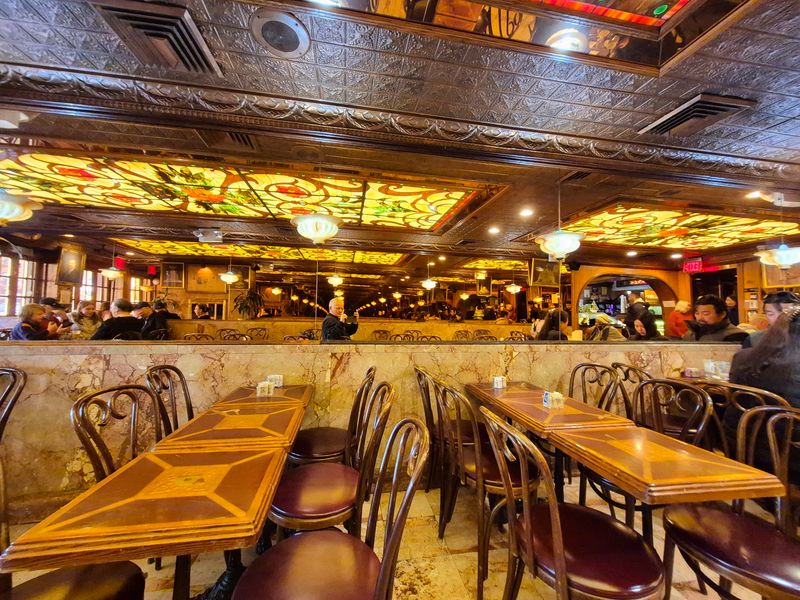
Grabbing a box to go is easy. Sitting down turns the visit into an afternoon.
The cafe section expanded in 1984, adding seating for guests who wanted to stay. That decision changed how people use the place.
Cappuccinos arrive in wide cups with thick foam. Paired with tiramisu, it becomes a proper coffee date rather than a quick stop.
Table service means you order from the cafe menu once seated. Knowing that ahead of time saves confusion at the door.
Space is snug, so weekends can feel crowded. Early hours or weekday afternoons give you a calmer room.
Doors open at 8 AM daily, with closing at 10 PM most nights and 11 PM on Fridays and Saturdays. Late dessert is genuinely an option here.
Street parking can be difficult, so taking the subway or a bus may be easier. That is standard advice for this part of Manhattan.
Sit under the colored glass with something warm. There are worse ways to spend thirty minutes.
Celebration Cakes And A Long List Of Honors
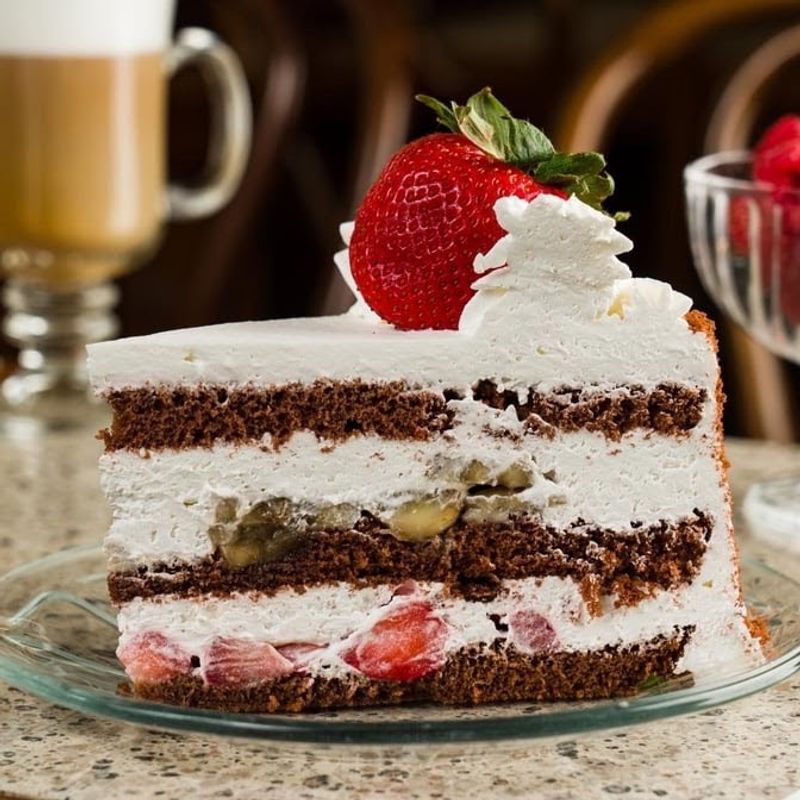
Birthdays, weddings, holidays. This is the counter families keep returning to for the big ones.
Strawberry shortcake earns constant praise, with spongy layers, homemade whipped cream, and fresh berries. It is the kind of cake that vanishes at parties.
Custom orders are handled in a small office space inside the shop. Staff walk you through layers, colors, and lettering.
Wedding cakes are also available, with pricing based on the size and design. Personalized writing adds a nice touch for family celebrations.
Tiramisu, fruit supreme cake, and apple pie round out the lineup. Chocolate covered strawberries make an easy gift.
Recognition has followed over the decades. The shop has appeared on television, including Food Network’s Road Tasted.
Come hungry, leave with a box. That is the whole tradition.