The World’s Largest Tiffany Glass Collection Is Waiting In This Florida Museum With Free Evenings
I would have expected a few famous lamps, admired them politely, and called it an afternoon. Then I learned what is actually inside.
Florida has an extraordinary Tiffany collection where one beautiful room keeps leading to another, and another, and another.
Glass windows and lamps are only part of it. Jewelry, pottery, paintings, architectural pieces, and an elaborate chapel broaden the story considerably.
That chapel alone would get me through the door, but the sheer variety makes lingering tempting.
Certain evenings also offer free admission during the museum’s seasonal programming.
Even people who rarely plan trips around decorative art might find this one surprisingly difficult to rush.
A Quiet Facade Hiding Fireworks
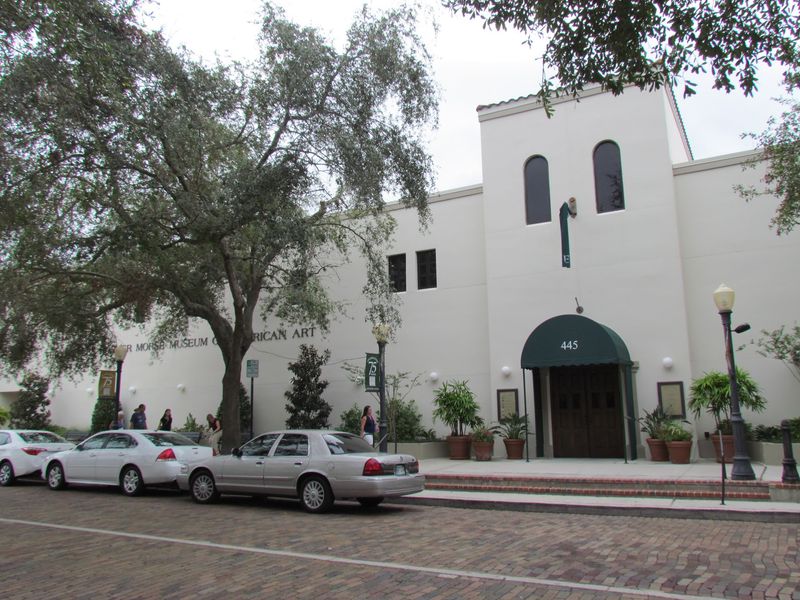
My first impression was almost too calm. From the sidewalk, the building looks polite and low-key, tucked among oaks on North Park Avenue.
Then the doors open, and color takes over. The lobby is bright and roomy, with staff who explain the layout before you wander off.
I visited The Charles Hosmer Morse Museum of American Art on a warm weekday, expecting an hour and staying nearly three. The galleries spread out in a loop, so you never feel crowded or funneled.
Ceilings are high, floors are quiet, and lighting is dialed in to make glass glow rather than glare. There are benches scattered around, which matters when you want to sit and stare.
A small garden courtyard offers fresh air halfway through, and the shop near the entrance stocks postcards, books, and gift sets. Restrooms and drinking fountains are easy to find, which parents will appreciate.
Florida museums often lean toward beaches and rockets, so a temple of decorative arts feels refreshingly unexpected here. You will find this one at 445 N Park Ave, Winter Park, right in the heart of town.
How Two Collectors Built This
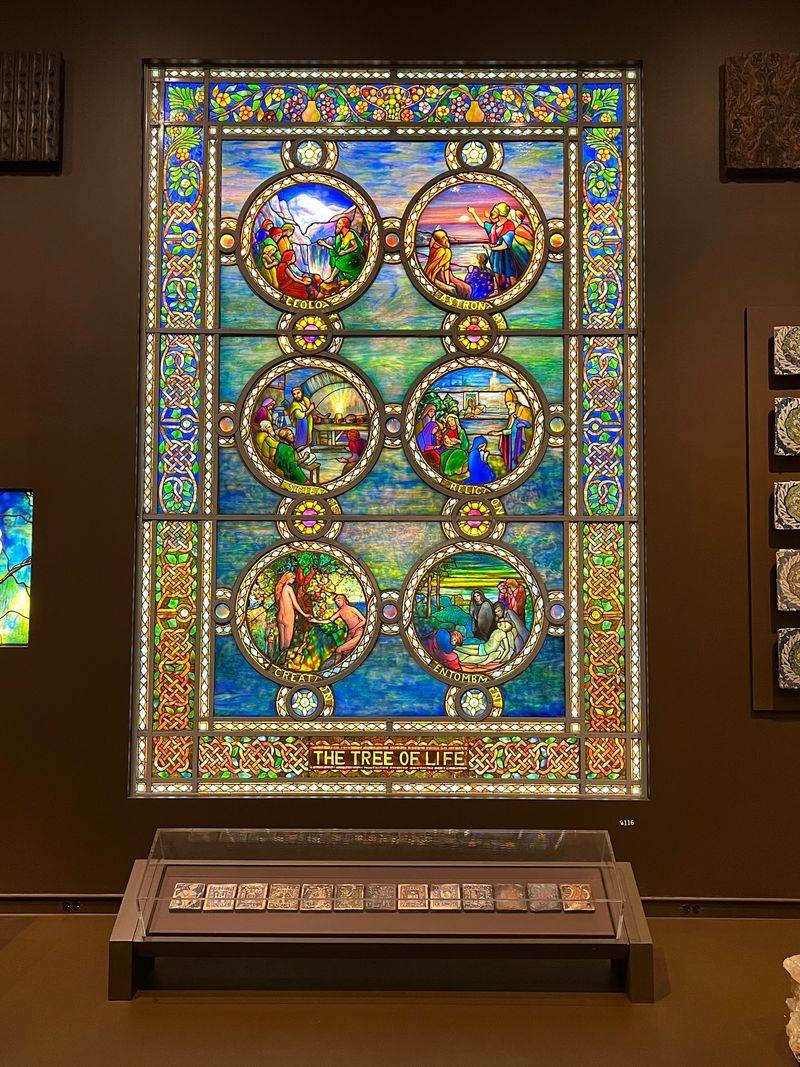
Behind every great collection sits somebody stubborn enough to chase it. The story here begins in 1942, when Jeannette Genius McKean founded the museum and named it for her grandfather.
Charles Hosmer Morse was a Chicago industrialist who became a major benefactor in this Florida town. His name stayed on the door while his granddaughter did the collecting.
She and her husband, Hugh F. McKean, spent roughly half a century gathering objects. He served as director for decades, and his eye shaped nearly every room.
What impressed me most was the patience involved. Tiffany glass was deeply unfashionable for a stretch of the twentieth century, and much of it was discarded.
The McKeans bought when few others cared, rescuing panels, lamps, and architectural fragments that might otherwise have vanished.
Two short documentary films inside explain the family history and Tiffany’s career. I recommend watching one before you start walking, because the context changes how you look at everything.
The 1893 Chapel Interior
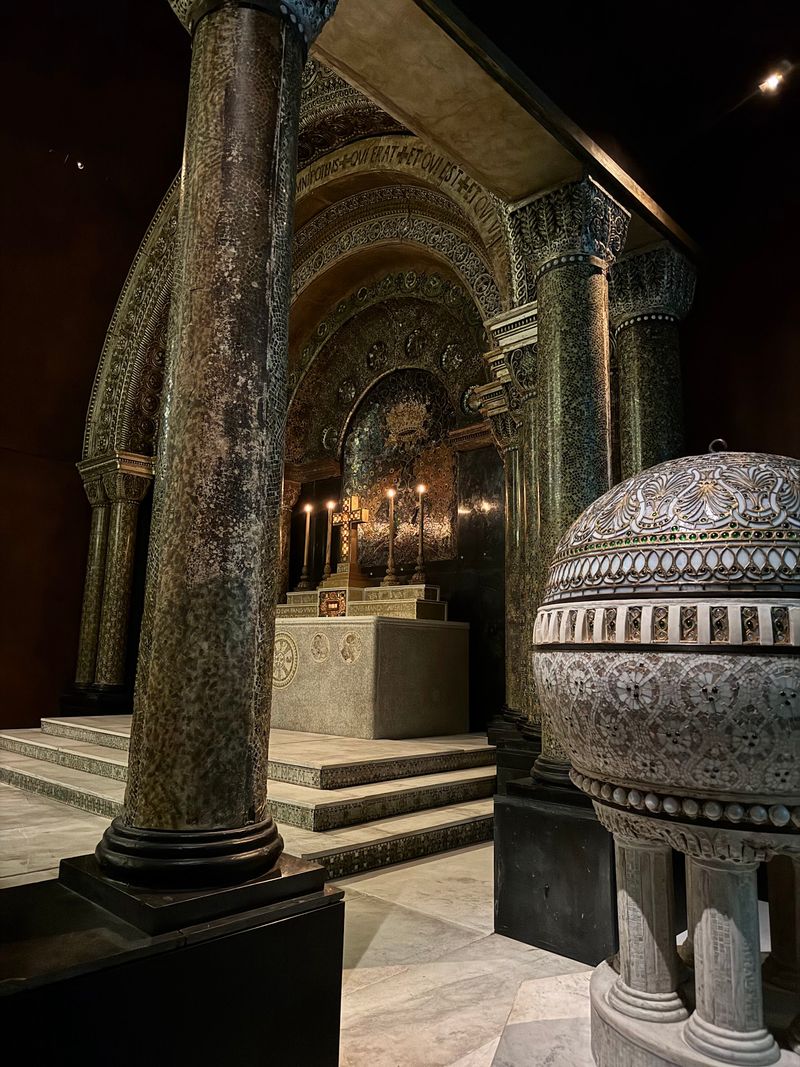
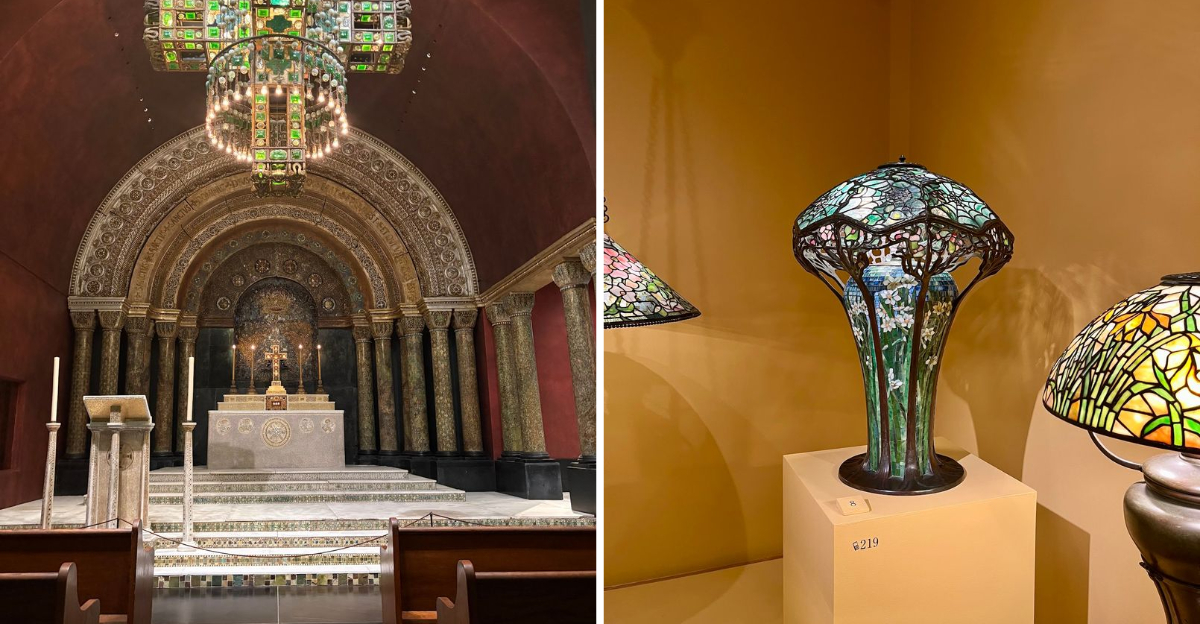
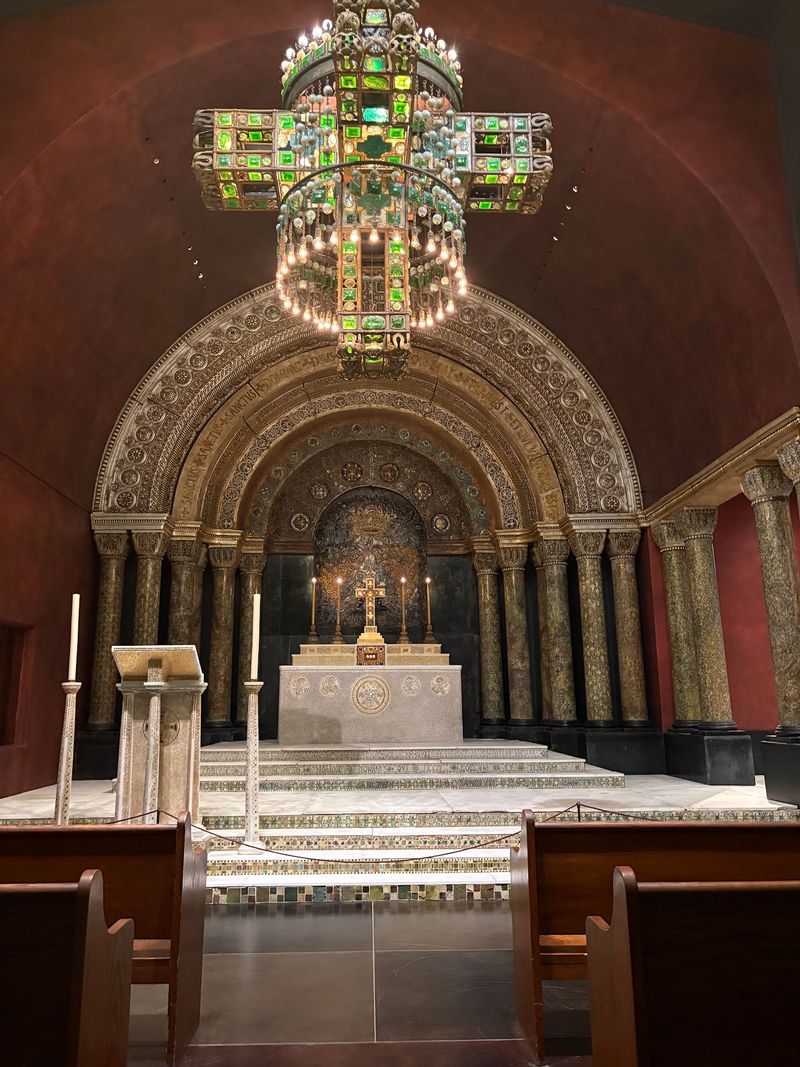
Nothing prepared me for the chapel. Built for the 1893 World’s Columbian Exposition in Chicago, the interior was designed and made by Tiffany’s studios.
After the fair closed, it traveled, was installed elsewhere, then fell into neglect for decades. The McKeans salvaged the pieces and eventually saw them restored and reassembled.
Today it occupies its own darkened gallery, and the effect is instant hush. Mosaic columns catch the light, and the electrified chandelier hangs like a crown above the altar.
Glass tiles cover surfaces in greens, golds, and deep blues, each tiny piece set by hand. Leaded windows glow along the walls, and a peacock mosaic anchors the composition.
I sat on a bench and let my eyes adjust, which I strongly suggest. Details keep appearing the longer you stay, especially in the ceiling and the arches.
Photography is allowed in most areas, though your camera will struggle with the contrast. Honestly, the room deserves your eyes more than your lens.
Visitors mention the chapel more than any other feature, and after twenty minutes inside I understood exactly why.
Lamps, Windows And Iridescent Glass
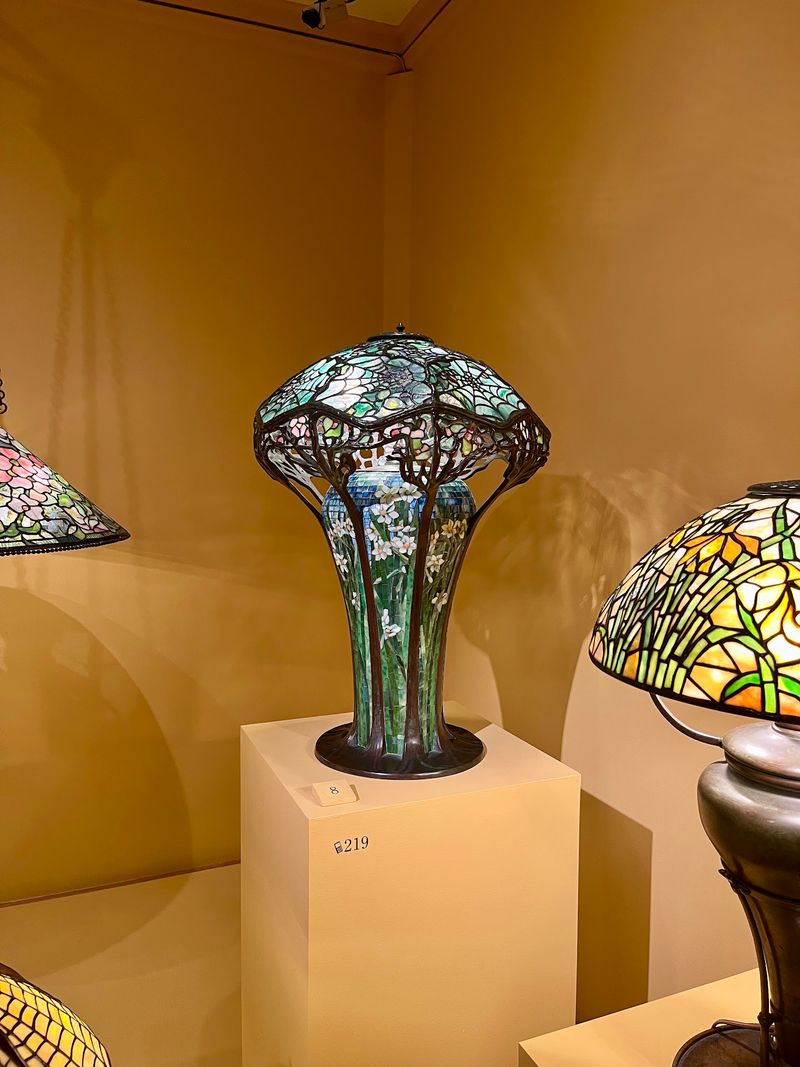
Lampshades shaped like wisteria, dragonflies, and poppies filled one gallery I nearly refused to leave. Each shade holds hundreds of glass pieces, cut and soldered by hand in Tiffany’s workshops.
The bases are bronze, sometimes shaped like tree trunks or lily pads. Seeing them switched on, rather than photographed, changes everything about the color.
Nearby cases hold blown glass with a surface sheen that shifts as you move. Tiffany called this iridescent line Favrile, and the vases look almost wet under gallery lights.
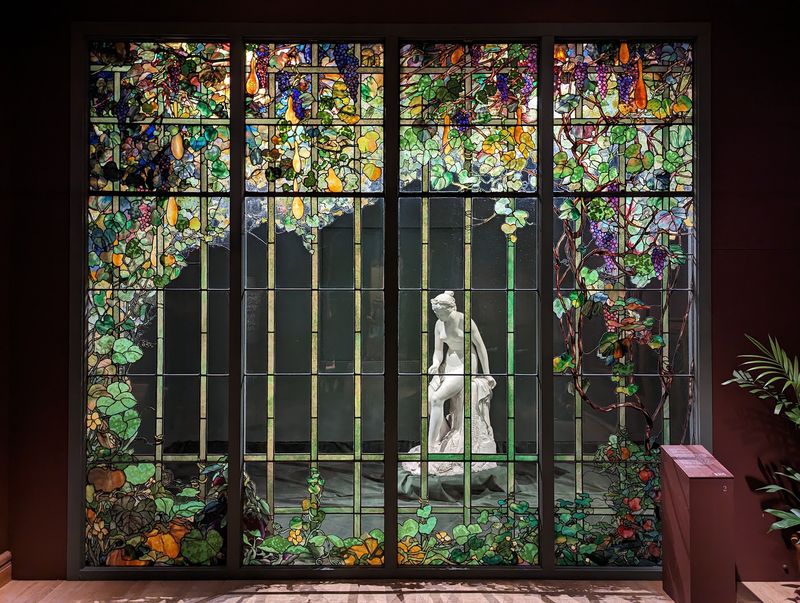
Leaded-glass windows hang in other rooms, backlit so landscapes and magnolias read clearly. Some panels came from private homes and churches, saved during renovations and demolitions.
I also lingered over jewelry and small enameled objects, which show the same obsession at a tiny scale. Tiffany was the son of the founder of the famous jewelry firm, and that pedigree shows.
Every room offers printed booklets, and numbered labels connect to a free phone audio guide. Bring headphones, since the galleries stay genuinely quiet.
By the third room I stopped counting lamps and started noticing how differently each one handles light, which felt like the real lesson.
Rooms Rescued From Laurelton Hall
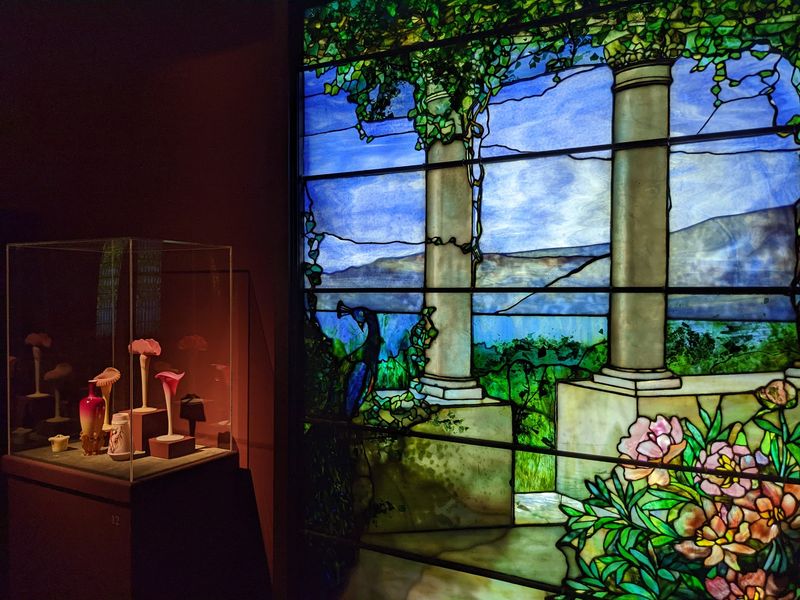
Some of the most remarkable objects here were once part of a house. Laurelton Hall was Tiffany’s own estate on Long Island, finished around 1905 and packed with his designs.
Fire damaged it badly in 1957, and the McKeans traveled north to gather what survived. Their rescue mission explains why chunks of a New York mansion now live in Florida.
One wing displays the Daffodil Terrace, with columns crowned by glass daffodil capitals. Standing beneath it, I could almost feel the sea breeze the architecture was designed to catch.
The reconstructed living room area includes a fountain, tiles, and enormous windows. Wisteria and magnolia panels stretch wide enough to fill a wall.
Furniture, ceramics, and light fixtures round out the installation, showing how Tiffany treated an entire home as one artwork. He controlled everything from doorknobs to garden layout.
Museum staff describe these galleries as the heart of the collection, and I would agree. They turn an artist’s biography into something you can physically walk through.
Wandering these salvaged spaces gave me a strange sense of visiting somebody’s home a century after the party ended.
American Pottery, Paintings, Prints
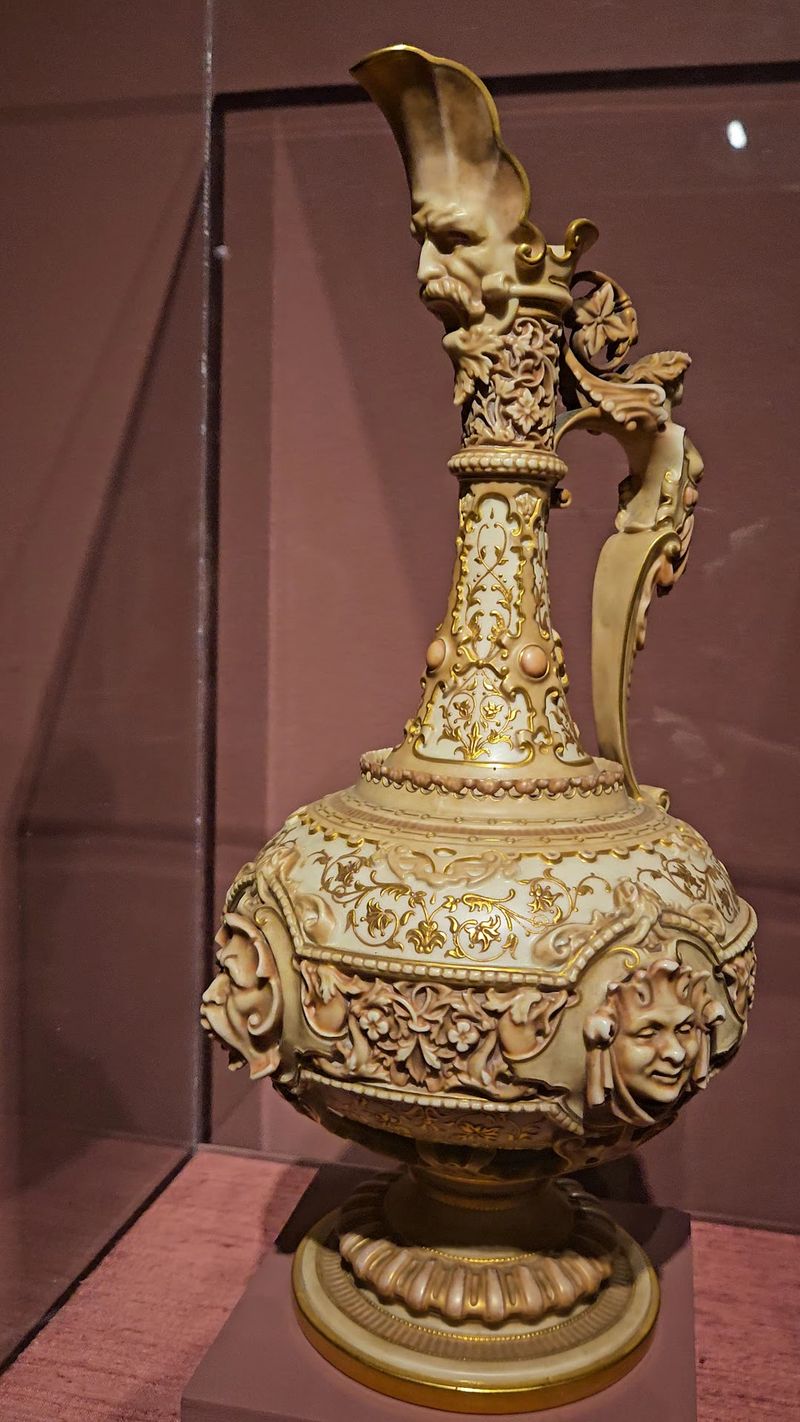
Tiffany hogs the spotlight, yet the supporting cast deserves attention. Whole galleries hold American art pottery, with matte glazes and shapes drawn from plants and animals.
Studios represented include names that shaped the American arts and crafts movement. Their vases sit at eye level in well-lit cases, easy to study up close.
Paintings and graphics fill other walls, mostly from the late nineteenth and early twentieth centuries. Landscapes, portraits, and quiet interiors give you a break from the intensity of glass.
I found the furniture displays surprisingly gripping, especially inlaid cabinets and carved chairs. Metalwork, ceramics, and decorative objects round out the picture of a whole design era.
Rotating special exhibitions appear throughout the year, so repeat visitors rarely see the exact same museum twice. Checking the website before you drive over helps you plan around them.
The Charles Hosmer Morse Museum of American Art is not a one-trick building, though the trick it performs best involves colored glass. Its broader American holdings explain the second half of its name.
Free Friday Evenings And Tickets
Here is the practical part that makes this trip easy on your wallet. Admission is modest year-round, with reduced rates for seniors, students, and free entry for young children.
Tickets can be reserved online in advance, which speeds up your arrival. Check-in at the desk took me about two minutes.
From November through April, Friday evenings bring free admission during a set window after four in the afternoon. Those hours are popular, so arriving early in the window helps.
Special open-house events also waive admission, often around holidays and the annual sidewalk art festival in town. Watching the calendar can turn a great outing into a free one.
Regular hours run Tuesday through Saturday from 9:30 in the morning until 4 in the afternoon, with Sunday afternoons only. Mondays are closed, so plan accordingly. Timing my visit around one of the free evenings felt like a small victory worth bragging about later.
Smart Tips For Your Visit
Allow more time than you think you need. Thirty-plus rooms sound manageable until you realize each one slows you down.
Two hours felt comfortable, and three felt luxurious. An hour would mean skipping things you would regret missing.
Load the complimentary phone audio guide when you arrive, and pack headphones. Numbered labels replace long wall plaques, so the audio and room booklets carry most of the explanation.
Watch a documentary film first if one is playing. The background makes the chapel and the Laurelton Hall galleries land much harder.
Morning visits tend to be quietest, especially midweek. Sunday afternoons compress everything into three hours, so weekdays give you room to breathe.
The shop near the exit stocks postcards, magnets, books, and glass-inspired gifts across many price ranges. I grabbed postcards because they travel flat and cost little.
Staff are happy to point out highlights, and I picked up photography tips from one of them. Asking questions genuinely improves the visit.