The Nebraska Town Where Summer Never Seems Quite As Hot
By August, I am usually willing to negotiate with anyone offering shade and a cooler morning.
Nebraska has a Pine Ridge town where higher elevation, ponderosa pines, and drier air can make summer feel refreshingly different.
That alone caught my attention. Then I found the trails, trout streams, rugged hills, local history, and outdoor recreation surrounding it.
Suddenly this was not simply somewhere to cool down. It looked like a proper summer escape where you could actually spend the day outside instead of planning around the hottest hours.
Pack a light layer for morning and hiking shoes for later.
This corner of the state might completely change your idea of a Nebraska summer.
Where The Heat Backs Off
My first summer afternoon here came with a small shock. The sun was bright, yet the air felt light and dry.
Chadron sits at a higher elevation than most of Nebraska, and that lift matters. Warm days arrive, but the mugginess never shows up. July highs can reach the low 90s, though the daily swing is wide.
Mornings often start cool enough for a hoodie. Evenings drop again, which makes campfires and porch sitting feel wonderful.
The climate here is classified as cold semi-arid. In plain words, summers stay hot but dry, and dry heat is far easier to handle.
I hiked at midday without hunting for shade every ten minutes. My water bottle emptied fast, so bring more than you think you need. Sunscreen matters too, since the thinner air lets the sun work harder. Lip balm is a smart little extra.
What I loved most was the freedom to plan full outdoor days. No wilting, no gasping, no retreating indoors by noon.
Fur Trade Stories Still Standing
History here does not sit quietly behind glass. It stands outside in the grass, rebuilt log by log.
The town takes its name from Louis Chartran, a French-Indian fur trapper who ran a trading post nearby in the 1840s. Spelling shifted over the years, and Chadron stuck.
The Museum of the Fur Trade tells that story better than any book. It occupies the original site of James Bordeaux’s trading post, founded in 1837.
Inside, more than 6,000 original artifacts fill the rooms. It ranks among the most complete fur trade collections anywhere in the world.
I lingered over trade beads, blankets, and old firearms. Each piece connected traders, tribes, and travelers across the northern plains.
Outside, a reconstructed trading post lets you walk the same footprint used generations ago. The garden nearby grows heritage crops once raised by Native farmers.
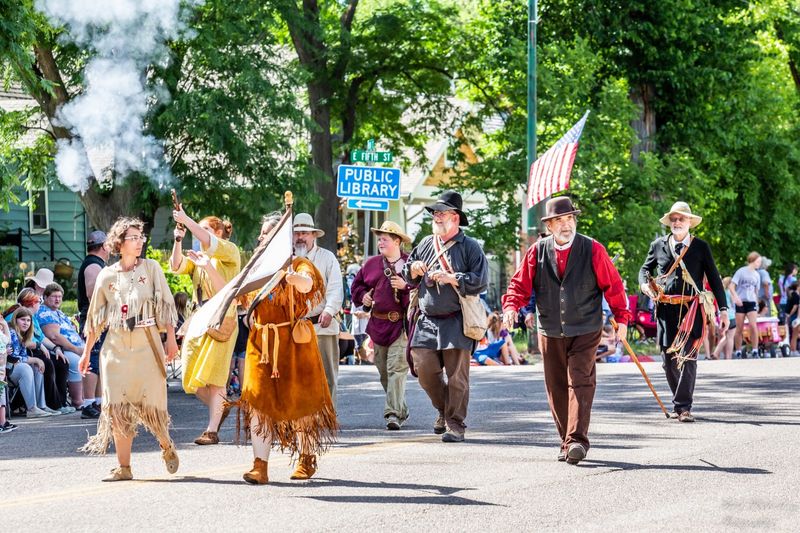
Every July the community throws Fur Trade Days. Parades, reenactments, and craft booths turn the streets into a moving history lesson.
Give yourself two unhurried hours at the museum. The details reward slow looking, and the volunteers love a curious question.
Pine Ridge Buttes And Canyons
Forget the flat prairie postcard. The land north of the Sandhills rises, cracks open, and grows trees.
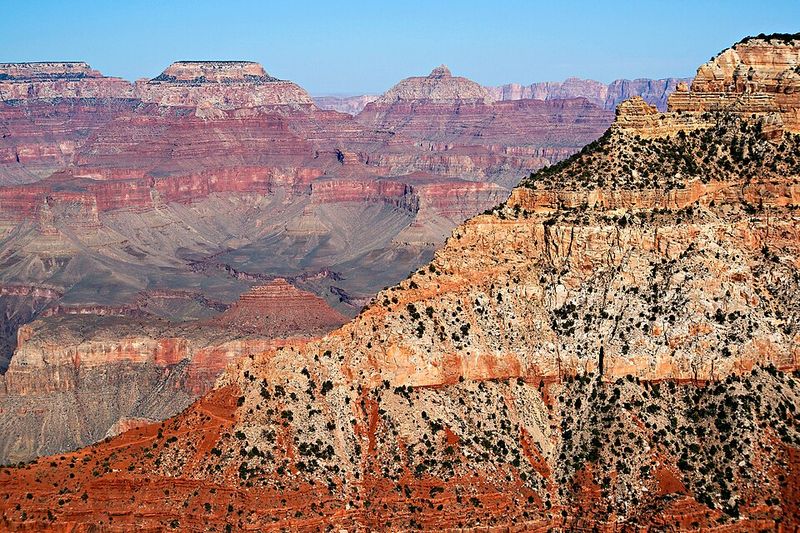
The Pine Ridge escarpment forms the backbone of this landscape. Towering ponderosa pines cling to steep slopes above shadowed canyons.
Buttes and high tablelands were carved from White River Group formations. Sandstone and ancient volcanic ash shaped these bluffs over millions of years.
I stood on an overlook and counted three shades of green below. Wind moved through the pines with a soft, steady hush.
Wildlife thrives in these wooded pockets. Deer slip between trunks, wild turkeys strut the trailsides, and elk bugle later in the year.
Bighorn sheep also roam parts of the wider Pine Ridge country. Binoculars turn a good drive into a great one. The scent surprised me most. Warm pine sap and dry earth followed me the entire hike.
Sunrise and sunset paint the rock faces gold and rose. Photographers should set alarms without complaint.
Nothing about this terrain matches what outsiders expect of Nebraska. Chadron sits right at the foot of it all, which makes access wonderfully easy.
Nebraska’s Oldest State Park
Some parks feel new. This one wears its age like a badge.
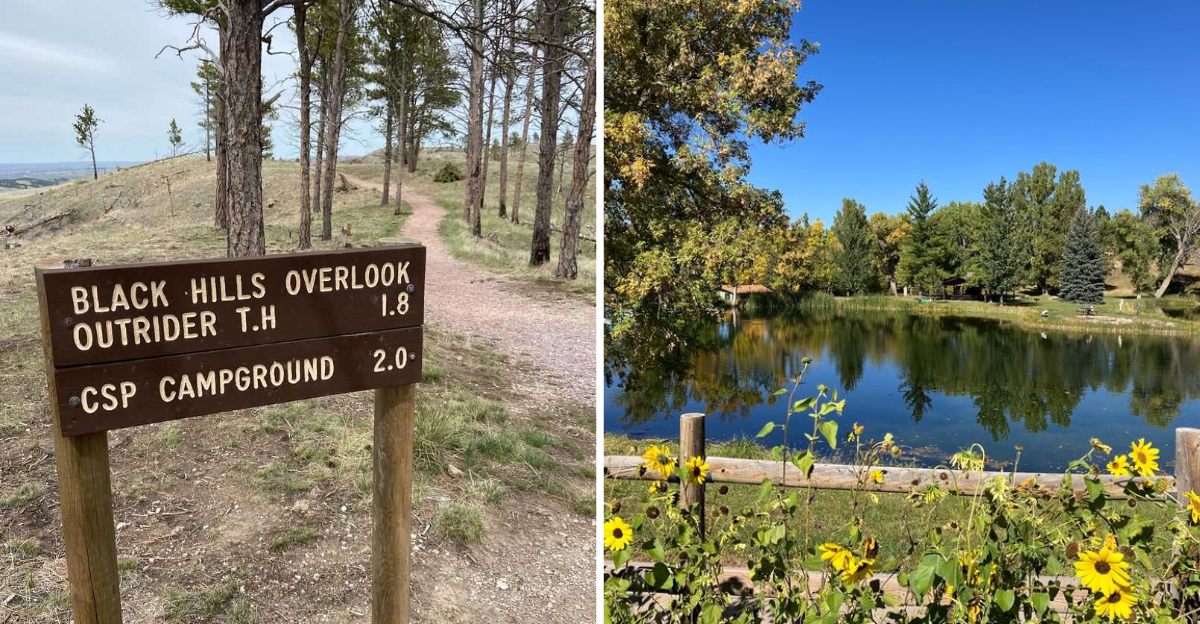
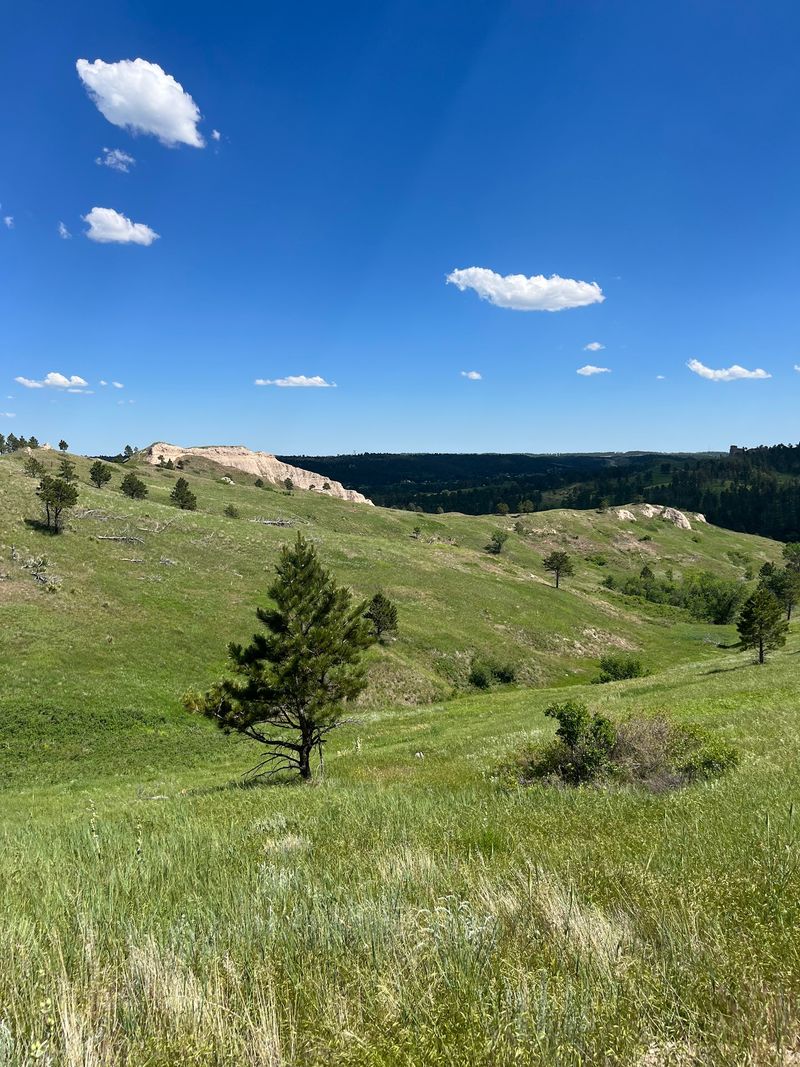
Chadron State Park opened in 1921, making it the oldest state park in the state. Roughly 972 acres of pine-covered hills sit just south of town.
The park rests inside the National Forest boundary. Views stretch toward the Pine Ridge escarpment in every direction.
Semi-furnished cabins are available from mid-April through mid-November. They book up quickly during peak summer weekends.
Campers have options too. Modern campgrounds offer RV hookups, while primitive tent sites keep things simple and quiet.
I woke to birdsong and the smell of pine needles warming in the sun. Coffee tasted better under those branches. A valid State Park entry permit is required for vehicle access. You can pick one up when you arrive.
Picnic shelters, playgrounds, and shaded tables make family days easy. Grandparents and toddlers both find something comfortable here.
Stone and timber structures built decades ago still serve visitors well. Craftsmanship like that deserves a closer look.
Downtown Murals And College Energy
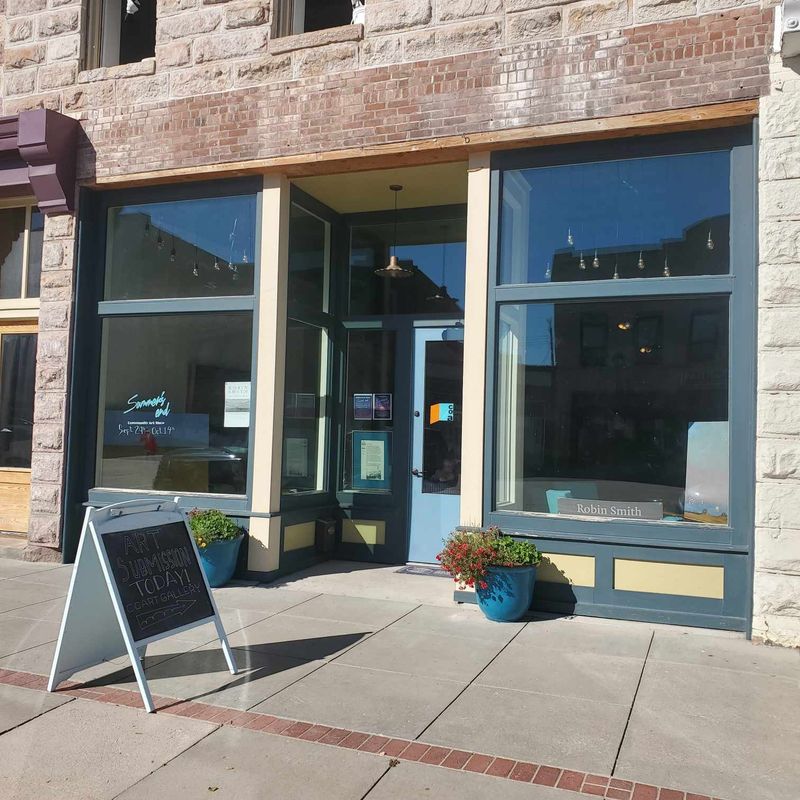
Small towns can feel sleepy. Not this one, thanks to a college campus and a stubbornly creative streak.
Chadron State College keeps youthful energy flowing through the community year-round. The campus also holds an 11-story high-rise, the tallest building in the Nebraska Panhandle.
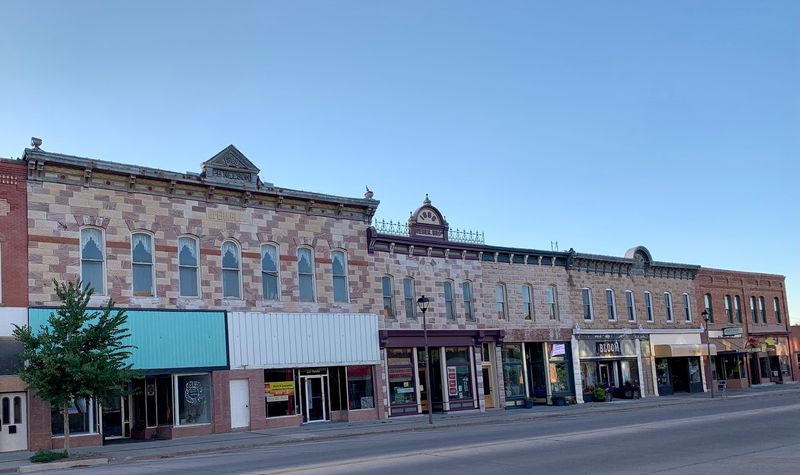
Downtown earned a spot on the National Register of Historic Places in 2007. Brick facades and old cornices reward anyone who looks up.
A self-guided walking tour highlights more than 40 historic sites. I finished mine slowly, coffee cup in hand.
The Chadron Art Alley delivers an unexpected burst of color. Painted panels turn an ordinary passage into an outdoor gallery.
On campus, the Mari Sandoz High Plains Heritage Center honors the celebrated High Plains author. Exhibits explore her writing and the land that shaped it.
Shops along the main streets carry books, gifts, and local goods. Conversations with shopkeepers come free of charge.
Fur Trade Days in July fills the calendar with parades, a trader’s market, and craft fairs. The whole town turns out.
Trails, Trout And Paddleboats
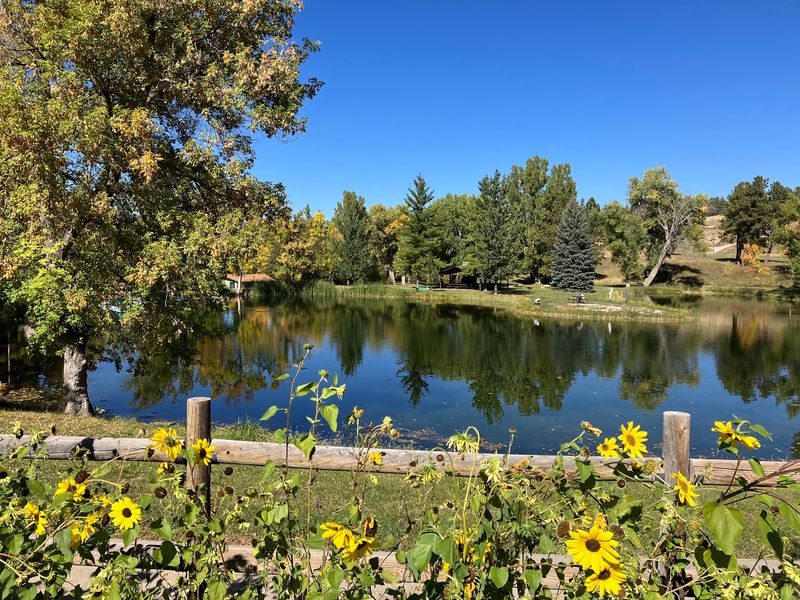
Boredom does not stand a chance around here. My itinerary filled itself before breakfast.
More than 100 miles of twisting trails wind through the state park and neighboring Nebraska National Forest lands. Hikers, mountain bikers, and horseback riders all share the network.
Guided trail rides suit beginners and confident riders alike. Seeing the canyons from the saddle changes the whole perspective.
A regulation-size swimming pool cools everyone off after dusty miles. Kids treat it like the main event.
Paddleboats float lazily on the park pond. Ten minutes in, I stopped pedaling and just drifted.
Anglers do well here. Chadron Creek is stocked with brook, rainbow, and brown trout, while the pond holds smallmouth bass and sunfish.
An archery range gives steadier hands something to aim for. A disc golf course adds friendly competition among the pines.
Volleyball and tennis courts round out the lineup. Nobody needs fancy gear to join in. Mornings are the sweetest window for trails. Cooler air, softer light, and fewer people on the path.
Pack layers, snacks, and bug spray for shaded stretches. Then follow whichever trail looks most tempting. By evening my legs ached in the best possible way.
Day Trips Worth The Drive
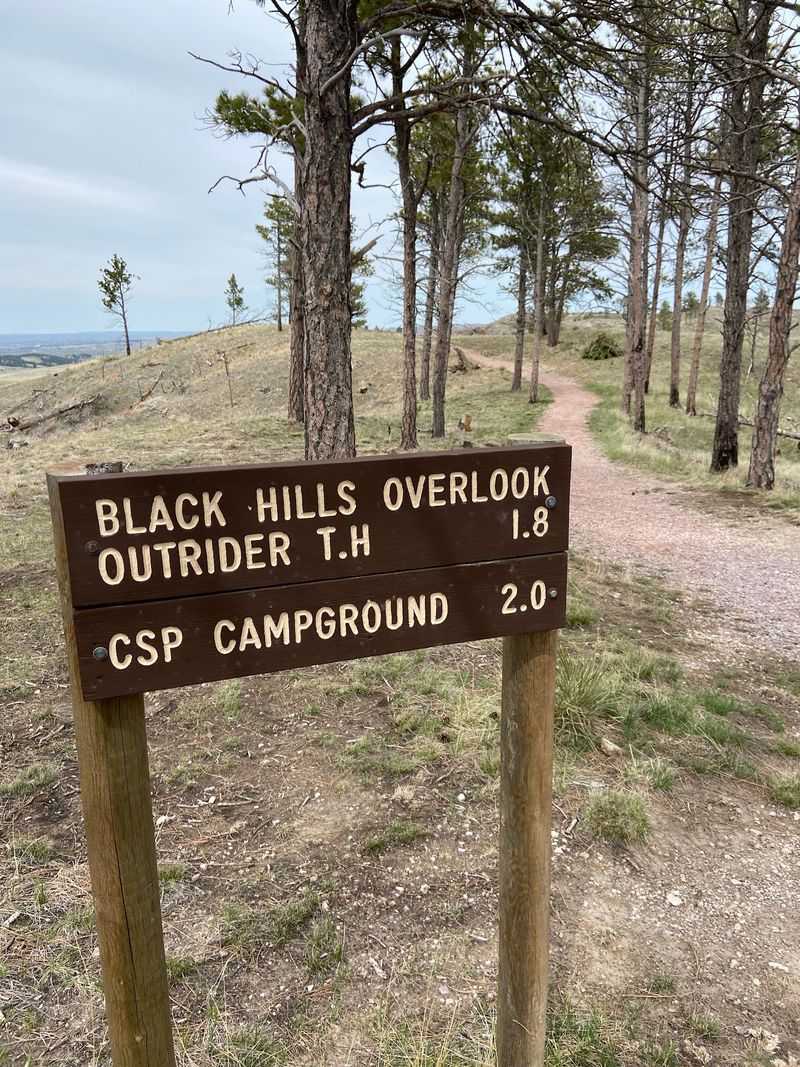
One tank of gas opens up an entire region. I learned that on day three.
Fort Robinson State Park sits a short drive west. Restored fort buildings, interpretive museums, and sweeping Pine Ridge views fill an easy full day.
Trail rides, hiking, and wildlife watching continue there. Military and Native American history sit side by side.
Toadstool Geological Park earns its moonscape nickname honestly. Pale eroded spires and cracked clay stretch across a stark badlands basin.
The loop trail is short but memorable. Footprints of ancient animals are preserved in the rock nearby.
Agate Fossil Beds National Monument lies roughly 50 miles southwest. Miocene-era mammal fossils and a strong Lakota artifact collection anchor the visitor center.
Each destination offers something different. One leans historic, one geological, one prehistoric.
Distances feel long on the map yet pass quickly on quiet highways. Cell service can vanish, so download directions in advance.
Fill your tank before heading out. Services thin out fast in this part of Nebraska. Pack water, hats, and a cooler lunch. Shade is scarce on the badlands trails.
Smart Tips Before You Go
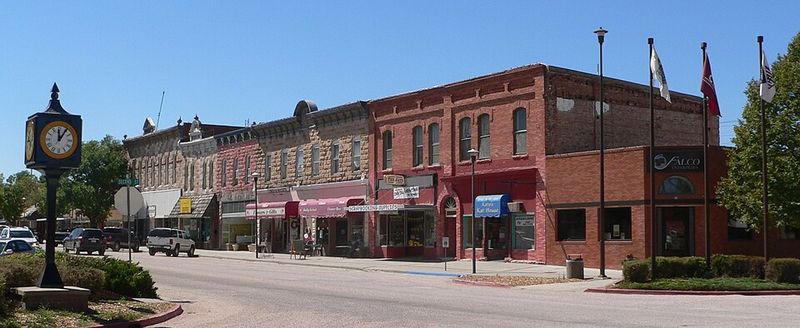
A little planning stretches a good trip into a great one. Here is what I wish I had known sooner.
Mid-June through late August delivers the best warm-weather window. Long daylight hours let you squeeze in evening hikes.
Book cabins and RV sites early, especially for weekends. Summer availability disappears faster than expected.
Remember the Nebraska State Park entry permit for vehicles. It covers state recreation areas as well.
Layers beat heavy clothing every time. Cool mornings and warm afternoons can differ by 30 degrees. Afternoon storms roll through occasionally. Watch the sky and keep a rain shell handy.
Town lodging options exist beyond the park for travelers who prefer a regular bed. Reserve those ahead during festival week too.
Grocery stores and gas stations sit close to the main routes. Stock up before heading into the forest. Trail maps are available at the park office. Paper backups beat a dead phone battery.
Slow down and let this corner of the state set the tempo, because the cooler summer air here is meant for lingering, not rushing.