This California Garden Outlet Is A Secret Goldmine For Bargain Pots And Backyard Finds
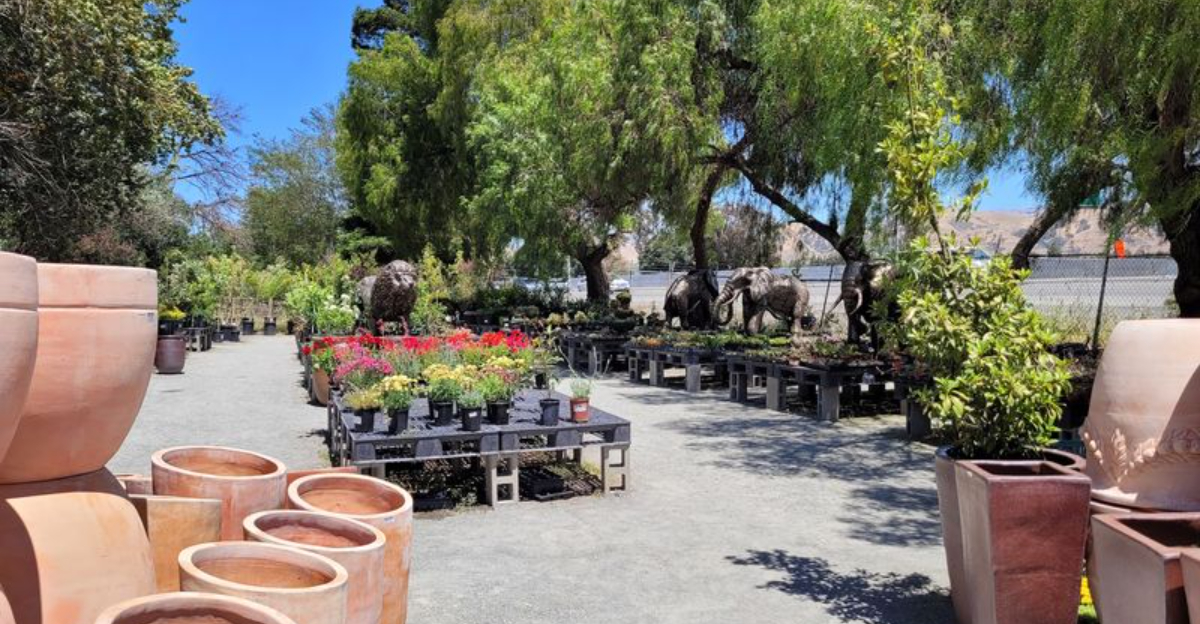
The danger starts when you realize the pot you came for is not even close to the best thing in sight.
One row turns into five. Giant planters sit beside smaller ceramic finds, garden accents sneak into the mix, and you start mentally redesigning a corner of the yard that was perfectly fine yesterday.
This California garden outlet gives bargain hunters a lot more to browse than a standard nursery run.
The smartest approach is to wander first and decide later.
Check the odd sizes. Look for pieces with a little character. Compare prices before committing, because one unexpected find can completely change what you thought you were shopping for.
You may arrive with a single plant in mind and leave thinking about patios, porches, and spaces you had not planned to touch.
That is what makes a place like this so easy to lose an afternoon in.
Pottery Sourced From Seven Countries And Twelve Regions
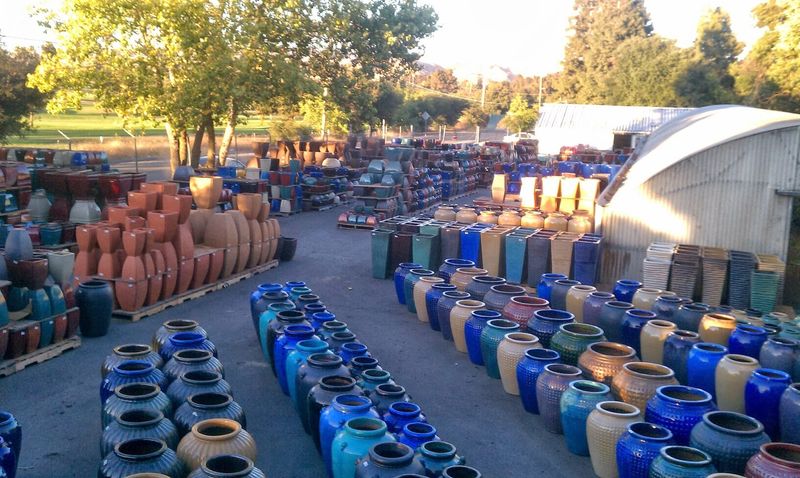
Most nurseries keep a modest pottery shelf near the checkout counter, and that is where the comparison ends here.
The outlet states that its pottery comes from seven countries and twelve different regions, which is unusual for a single garden retailer.
Materials include ceramic, clay and Fibreclay, and the finishes range across painted, glazed, high-fired and unglazed styles.
Walking the rows, the difference between those categories becomes easy to see without any technical knowledge.
High-fired glazed pieces catch the sunlight and show deep color, while unglazed terracotta looks matte and porous with a warmer, earthier surface.
Fibreclay pots weigh noticeably less than solid clay of the same size, which matters when a planter needs to move to a balcony or a second-floor deck.
Shoppers planning a coordinated patio often find several sizes of the same design, so a grouping can share one color family without looking mass-produced.
Because the sourcing spans so many regions, shapes vary widely from tall cylinders to low bowls and wide-mouthed urns. Bringing a photo of the space being planted helps narrow things down quickly.
Inventory shifts over time as new shipments arrive, so a design admired on one trip may not be there on the next. Anyone who spots a piece they truly love should probably take it home that day.
Planters That Start At Two Inches And Reach Forty
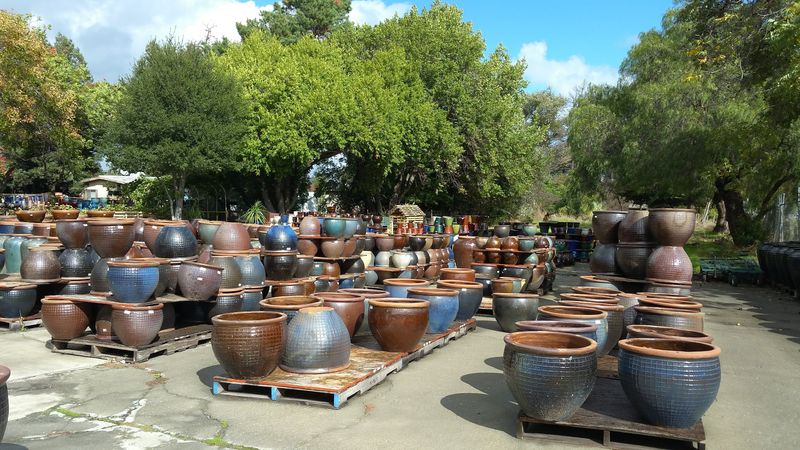
Size range is where the outlet quietly separates itself from a hardware store garden aisle.
Pottery here measures from roughly two inches in diameter up to about forty inches, which covers nearly every household planting need.
The small end suits windowsill succulents, bonsai starts and little cuttings that need a shallow home. At the other extreme sit planters big enough to anchor a patio corner or hold a small tree.
Having both extremes in one location saves the frustration of visiting three stores to complete a single project.
A practical tip for the larger sizes involves weight rather than price. A forty inch glazed pot filled with soil becomes extremely heavy, so deciding on its final position before filling is wise.
Pot feet or a rolling plant stand can make future moves far easier and also help drainage on a wooden deck.
Large carts are available on site for hauling selections around the property, and designated loading areas near the exit make getting heavy pieces into a vehicle more manageable.
Measuring a vehicle trunk or truck bed ahead of time prevents disappointment at the register. Blankets or old towels help protect glazed surfaces during the drive home.
Buying one oversized piece and a couple of small companions often creates a more interesting arrangement than several matching medium pots.
Plants Grown On Site And By Local Growers
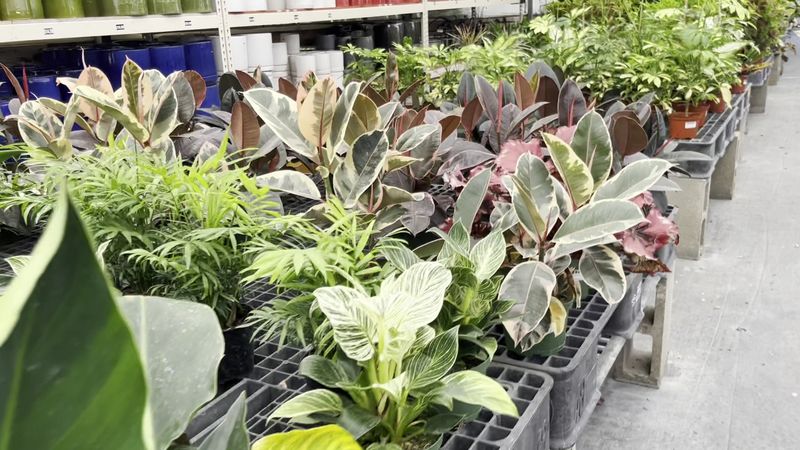
Long-distance shipping is not the backbone of the plant inventory here. The outlet says many of its plants are grown right on the property, with the rest coming from local growers.
Its stated focus centers on plants that perform particularly well in containers. That local angle carries a practical benefit for shoppers.
Plants raised nearby have already spent time in similar light, temperature swings and air conditions, so the adjustment to a Bay Area patio is usually less dramatic.
Fewer days spent on a truck also means less stress before the plant reaches a cart. Container focus matters more than it might sound.
Some species sulk in pots because their roots want room to spread, while others settle in happily with restricted space and regular watering.
Choosing from a selection already leaning toward container performers removes a lot of guesswork for beginners.
Asking staff which varieties handle full sun versus filtered light can prevent a common mistake at home.
Seasonal availability shifts throughout the year, so spring selections differ from what shows up in late summer.
Pairing a locally grown plant with a pot chosen the same day means both pieces arrive home together and can be planted before the roots dry out.
Inside The Tropical Greenhouse
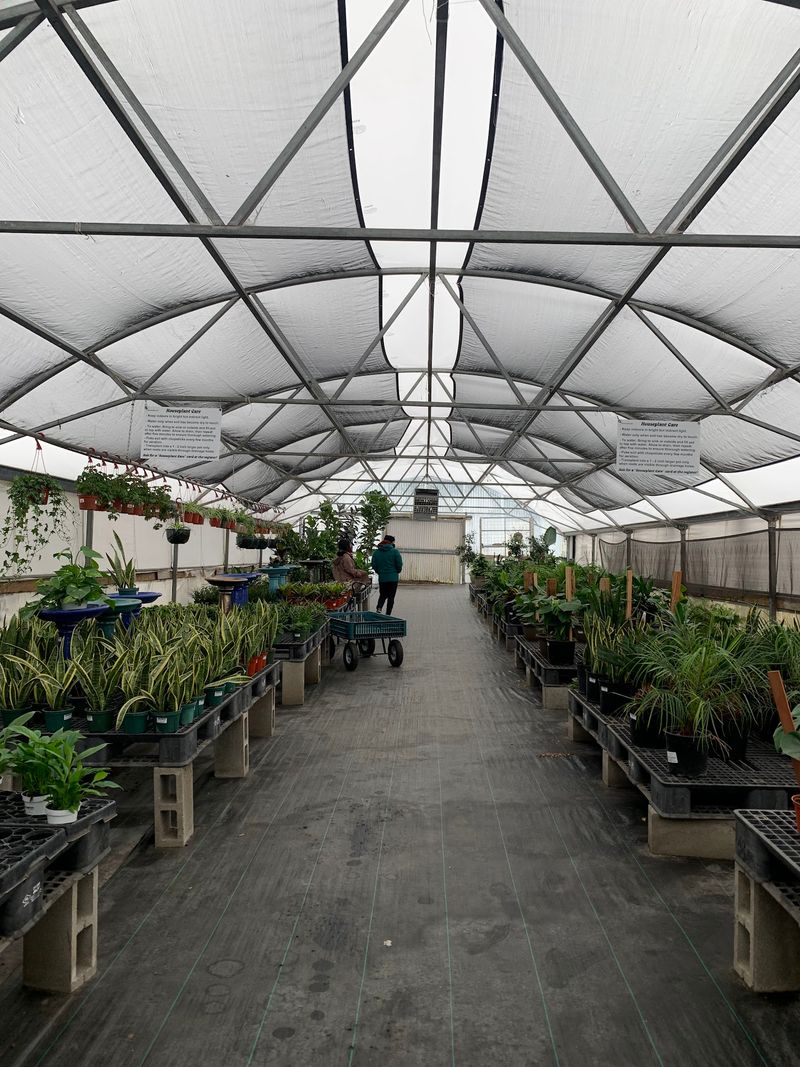
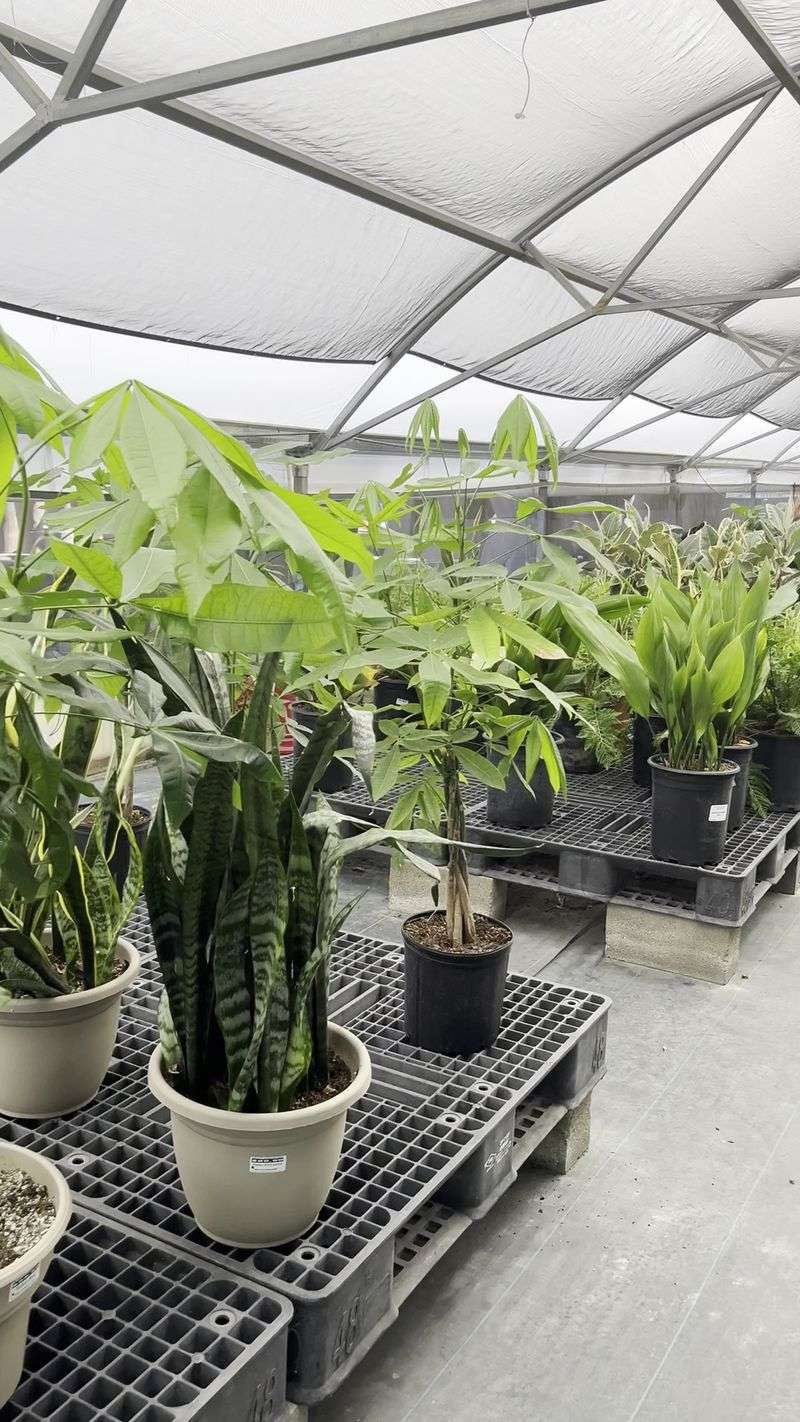
Step through the greenhouse doors and the air changes immediately, warmer and heavier than the open nursery rows outside. Tropical plants stocked here are sourced from California, Hawaii and Florida.
Sizes run from small four inch pots up to tropical specimens standing around ten feet tall. The tall end of that range is what surprises most first-time visitors.
Finding a genuinely large indoor tree is difficult at ordinary retailers, and having several to compare side by side makes choosing much easier.
Smaller four inch plants suit shelves, desks and anyone testing whether a particular species suits their home light.
Humidity inside the greenhouse keeps foliage looking its best, which is worth remembering when judging a plant.
A leafy specimen will likely need a period of adjustment once it moves into drier indoor air at home. Grouping houseplants together or setting them on a pebble tray helps ease that transition.
Measuring ceiling height before falling for a ten foot plant saves an awkward discovery later. Tall plants also need a vehicle that can carry them lying down without snapping the crown.
Since the greenhouse sits apart from the pottery rows, budgeting separate browsing time for it prevents rushing through either section.
Succulents In More Varieties Than Expected
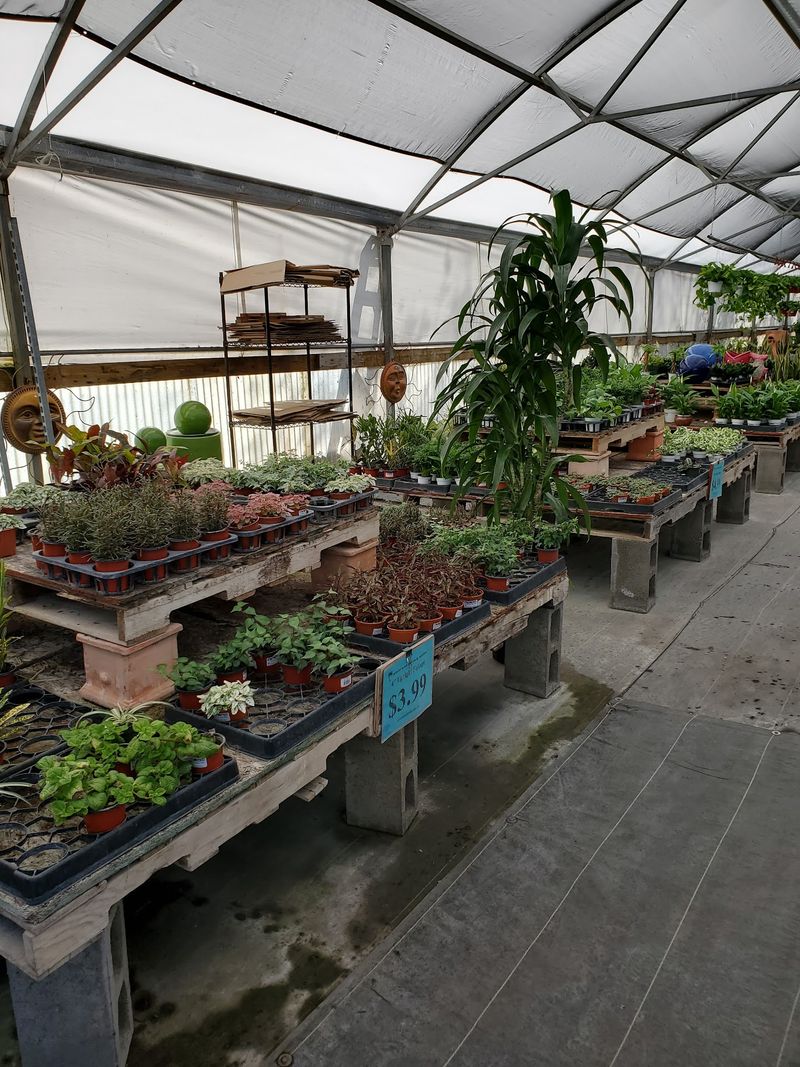
Rosettes, spikes and trailing stems fill entire tables in the succulent area, and browsing it can eat up a good chunk of a visit.
Listed varieties include Echeveria, Aloe, Aeonium, Crassula, Sedum and other drought-tolerant types.
Many of those varieties come in several container sizes, so the same plant can be bought small and cheap or larger and more established.
Starting small makes sense for anyone experimenting with arrangements. Several four inch succulents can be combined into one wide bowl for a layered look that fills in over a season.
Larger specimens work better as a standalone feature where instant presence matters.
Drainage is the single biggest factor in keeping these plants alive.
A pot with a working drainage hole and a gritty mix beats a decorative container that traps water every time.
Unglazed terracotta dries faster than glazed ceramic, which suits succulents well in cooler coastal areas. Light needs vary between varieties despite their similar looks.
Some Aeoniums scorch in relentless afternoon sun while many Aloes handle it comfortably, so asking before buying avoids sunburned leaves.
Because inventory rotates, unusual varieties spotted on one trip may not reappear, which is part of why regulars keep coming back to check.
Outdoor Plants Chosen For California Conditions
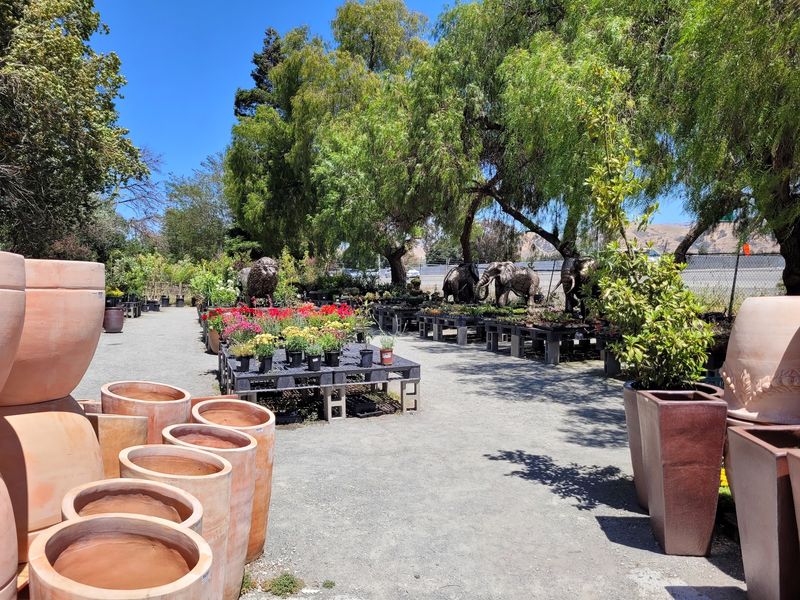
Water-wise gardening is not a marketing angle in this part of the state, it is simply how most yards have to work.
The outdoor nursery leans into that with locally grown, drought-tolerant selections including lavender, New Zealand flax, lemon cypress and dwarf citrus.
Each of those handles container life reasonably well when given the right pot size.
Lavender brings scent and gray-green foliage that holds up through hot afternoons. New Zealand flax offers tall vertical blades that add structure without needing much attention.
Lemon cypress contributes a bright chartreuse column that works well flanking a doorway. Dwarf citrus tends to draw the most interest from patio gardeners.
A small citrus tree in a large pot can produce fruit while staying manageable, though it appreciates consistent watering and protection during cold snaps.
Choosing a container at least a few inches wider than the root ball gives it room to establish.
Drought tolerant does not mean no water during the first year. New plantings need regular moisture until roots settle, after which most of these varieties get by on far less.
Grouping plants with similar water needs in one area makes maintenance simpler and keeps everything looking healthy through a long dry summer.
Small Garden Extras That Fill Up A Cart
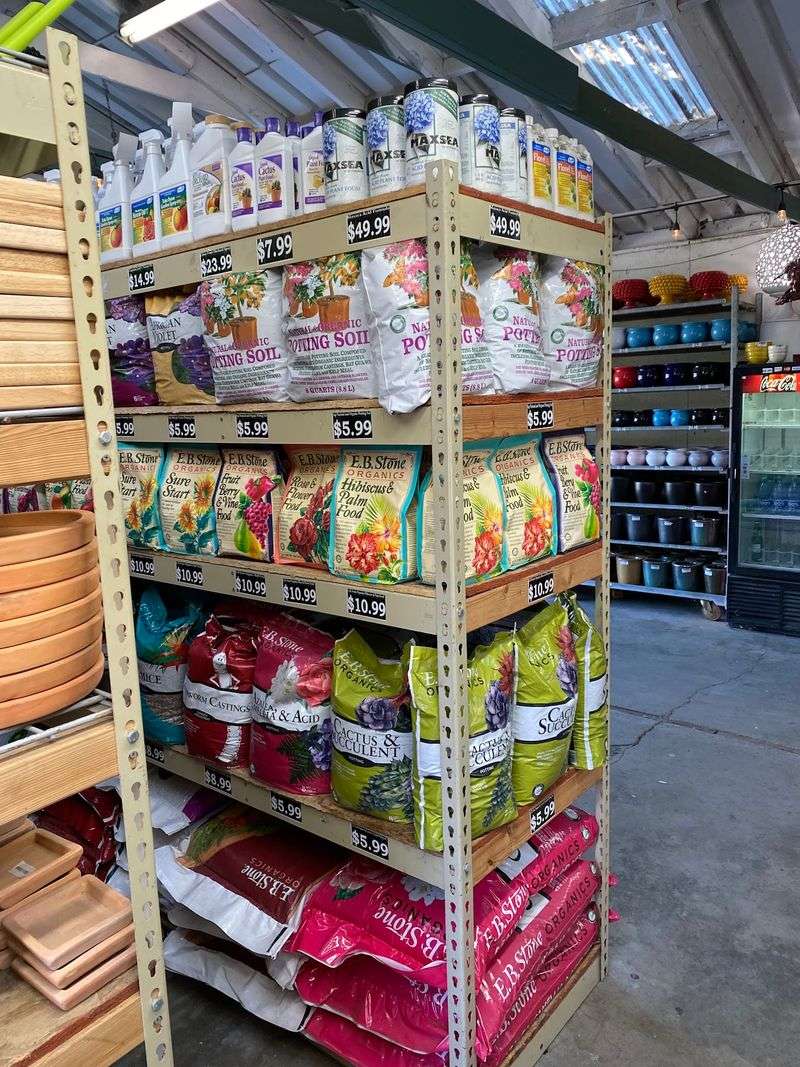
Arriving for one planter and leaving with six other things is a common outcome, and the accessories section deserves the blame.
Stock there includes plant stands, pot feet, soil amendments, landscape supplies, ollas for slow irrigation and even buckets of pottery chips.
Odd little items like those rarely appear all in one place. Ollas are worth a closer look for water-conscious gardeners.
Buried clay vessels release moisture slowly into surrounding soil, which cuts down on evaporation compared with surface watering. The concept is ancient and still practical in a dry California summer.
Pot feet solve a problem many people do not notice until a deck stains.
Lifting a container slightly improves airflow underneath and lets water drain away instead of pooling against wood or concrete.
Saucers keep indoor floors safe, and plant stands raise smaller plants toward better light.
Buckets of pottery chips have creative uses too, from top-dressing a container to filling drainage gaps in a large planter.
Picking up amendments during the same trip means soil, pot and plant all go home together.
Wandering this section slowly usually reveals something useful that never made it onto the shopping list.
Direct Sourcing Keeps Prices Down
Savings here are not the result of a temporary sale event.
The company says it works directly with growers and pottery factories to reduce costs, and describes its goal as offering quality plants and pottery for less than typical big-box pricing.
Cutting out layers between factory and customer is the mechanism behind that claim. Stacking the discount categories is where shoppers see the biggest difference.
Surplus merchandise, imperfect pottery and shop-worn plants each represent a separate path to a lower total, and combining them can stretch a modest budget across several purchases.
A clearance pot paired with a discounted plant costs noticeably less than the same combination bought new elsewhere.
Honesty matters when setting expectations though. Not every item on the property is inexpensive, and large high-fired glazed pieces still carry real prices that reflect their size and craftsmanship.
Value shows up most clearly when comparing similar quality rather than comparing against the cheapest plastic containers available.
Prices change over time with shipping costs and supply, so specific figures quoted anywhere online should be treated as rough guidance.
Walking the property with a budget in mind and checking the discount areas first tends to produce the most satisfying results.
Open Daily Just Off Interstate 680
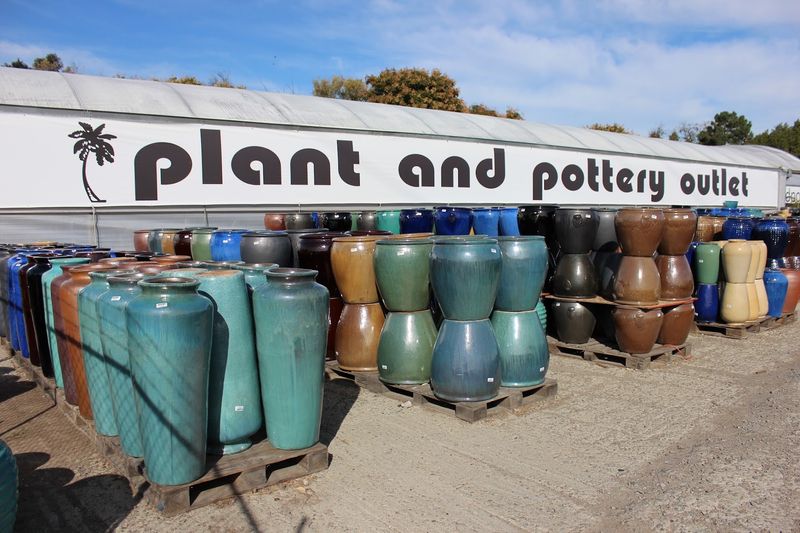
Planning a trip is refreshingly simple since the gates open every day of the week.
Plant & Pottery Outlet is located at 6467 Mission Rd, Sunol, CA 94586, sitting just off Interstate 680 in the East Bay.
Official hours run from 8 a.m. to 6 p.m. daily, though confirming before a long drive is sensible because business hours can change.
Comfort planning helps more than people expect. Nearly everything sits outdoors, so summer afternoons get hot and a hat, sunscreen and water make the visit far more pleasant.
Morning hours generally bring cooler air and a quieter atmosphere than weekend middays.
Footing across the property is mostly gravel and outdoor pathways, which is worth knowing for anyone with mobility considerations or a stroller. Comfortable closed shoes beat sandals here.
Large carts are available for moving heavy purchases toward the exit.
Parking sits close to the entrance and can fill during busy weekend stretches, with designated areas set aside for loading bulky items.
Backing a vehicle into a loading spot makes lifting heavy pots much easier.
Allowing at least an hour, and closer to two for serious browsers, keeps the visit relaxed rather than rushed.