Kentucky Has A Museum Filled With A Thousand Ventriloquist Dummies, And It’s Every Bit As Unsettling As It Sounds
Let us establish something upfront. You are not going to be brave about this.
You will tell yourself you are fine, because they are wooden and their mouths only move when someone tells them to. Then you will turn a corner and find yourself outnumbered by roughly a thousand to one.
Every figure in the collection belonged to a real performer who once made a living pretending it could talk. Some of them are famous, and you would recognize the names of the people who carried them onstage.
Others sit quietly with no story left except the look on their painted faces. The whole Kentucky place exists because one businessman bought a dummy in 1910 and simply never stopped.
It is the only museum of its kind anywhere on earth. You will laugh more than you expect.
You will also check the back seat before driving home.
A Quiet Street Address With A Very Loud Collection

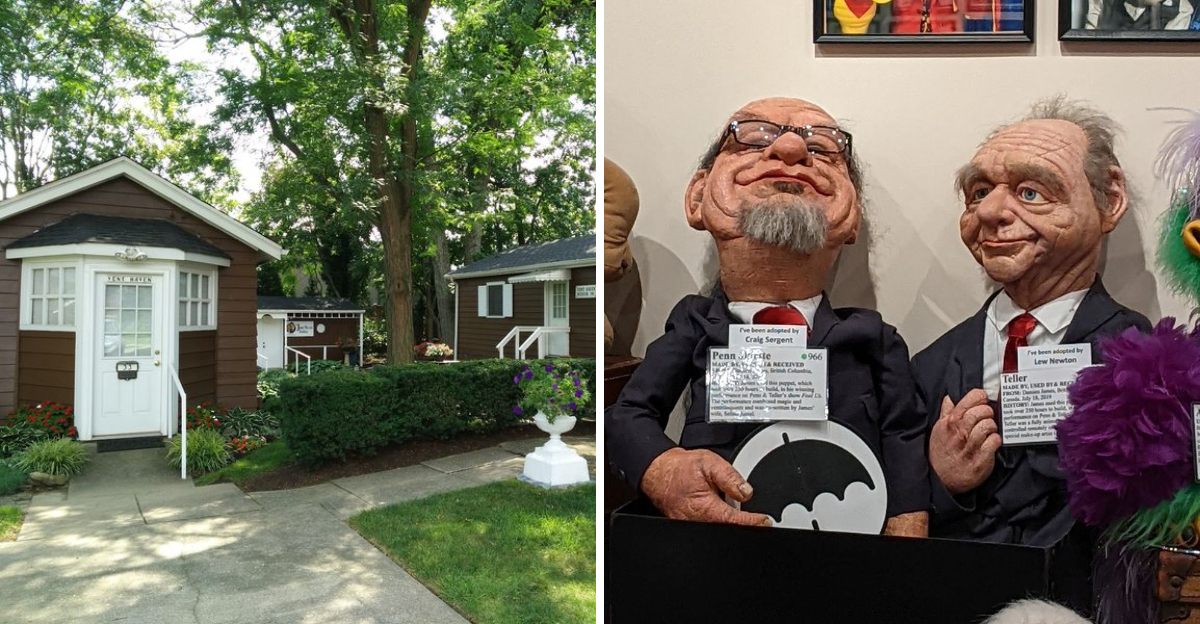
Vent Haven Museum does not announce itself with neon or noise. It sits on a calm suburban street lined with trees and parked cars.
My first thought was that I had the wrong place. Then I saw the sign, and my curiosity kicked into a higher gear.
The collection inside is the largest of its kind anywhere in the world. Roughly a thousand ventriloquist figures live here, arranged row after row.
Every one of them faces forward. Every one of them appears to be waiting for something.
The effect is hard to describe until you stand in it. Hundreds of glass eyes catch the light at once.
Some visitors laugh nervously. Others go completely silent for a full minute.
I did both, in that order. It felt like walking into a very polite audience that never blinks.
What makes the place special is that none of it is staged for scares. There is no fog machine and no spooky soundtrack.
It is simply a serious archive of a performing art. The unsettling part comes free with admission.
You will find it at 33 W Maple Ave, Fort Mitchell, Kentucky, just minutes from Cincinnati.
The Banker Who Started It All
Blame a Cincinnati businessman named William Shakespeare Berger. He bought one figure in the early 1900s and never really stopped.
Berger was not a professional performer at first. He was a businessman who fell hard for the craft.
He joined the ventriloquist community and collected steadily for decades. Figures arrived from performers all over the world.
Eventually his house could not hold them. He built additional buildings in his backyard just for the collection.
That backyard is now the museum campus. The bones of the place are genuinely personal, not corporate.
I love that detail. A hobby got out of hand and became a world record.
Berger also kept letters, photos, and playbills from performers he wrote to. He treated the whole art form as history worth saving.
Because of him, figures that would have been discarded still exist. Some are over a century old.
Standing in a room he built, surrounded by his purchases, feels oddly warm. You sense a person behind the collection.
The unsettling atmosphere is real, but so is the affection. He clearly adored these characters.
Learning his story changed how I looked at every face on the shelves.
Rows Of Wooden Faces Staring Straight At You
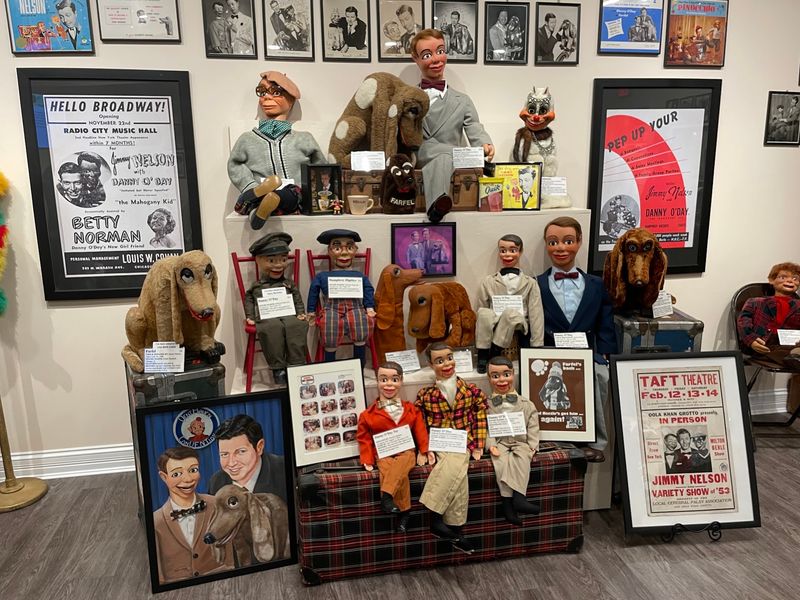
Nothing prepares you for the seating arrangement. The figures sit in tiered rows like a tiny theater audience.
They all face the same direction. You walk in and become the show.
My shoulders tensed within about ten seconds. It is not fear exactly, more like being politely outnumbered.
The eyes are the reason. Glass eyes reflect light from every angle in a room.
Move two steps left and dozens seem to follow. Your brain insists something moved.
Guides know this and enjoy it just enough. They point out the effect with a straight face.
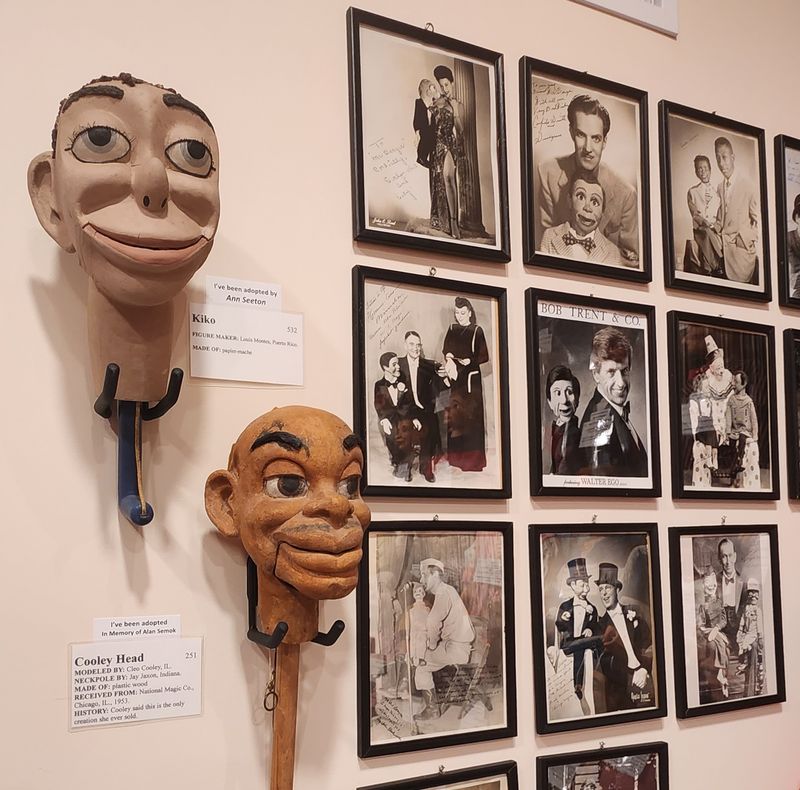
Once you settle, the details take over. Painted freckles, chipped lips, tiny cracked knuckles.
Some figures wear original suits sewn decades ago. Others have hand-lettered name tags at their feet.
Photography rules are strict inside, so ask before lifting your phone. Respecting that keeps the collection protected.
Give yourself permission to slow down. Rushing past a thousand faces defeats the purpose.
I ended up circling the same row twice. New details appeared each time, which is exactly the point.
Guided Tours Are The Only Way In
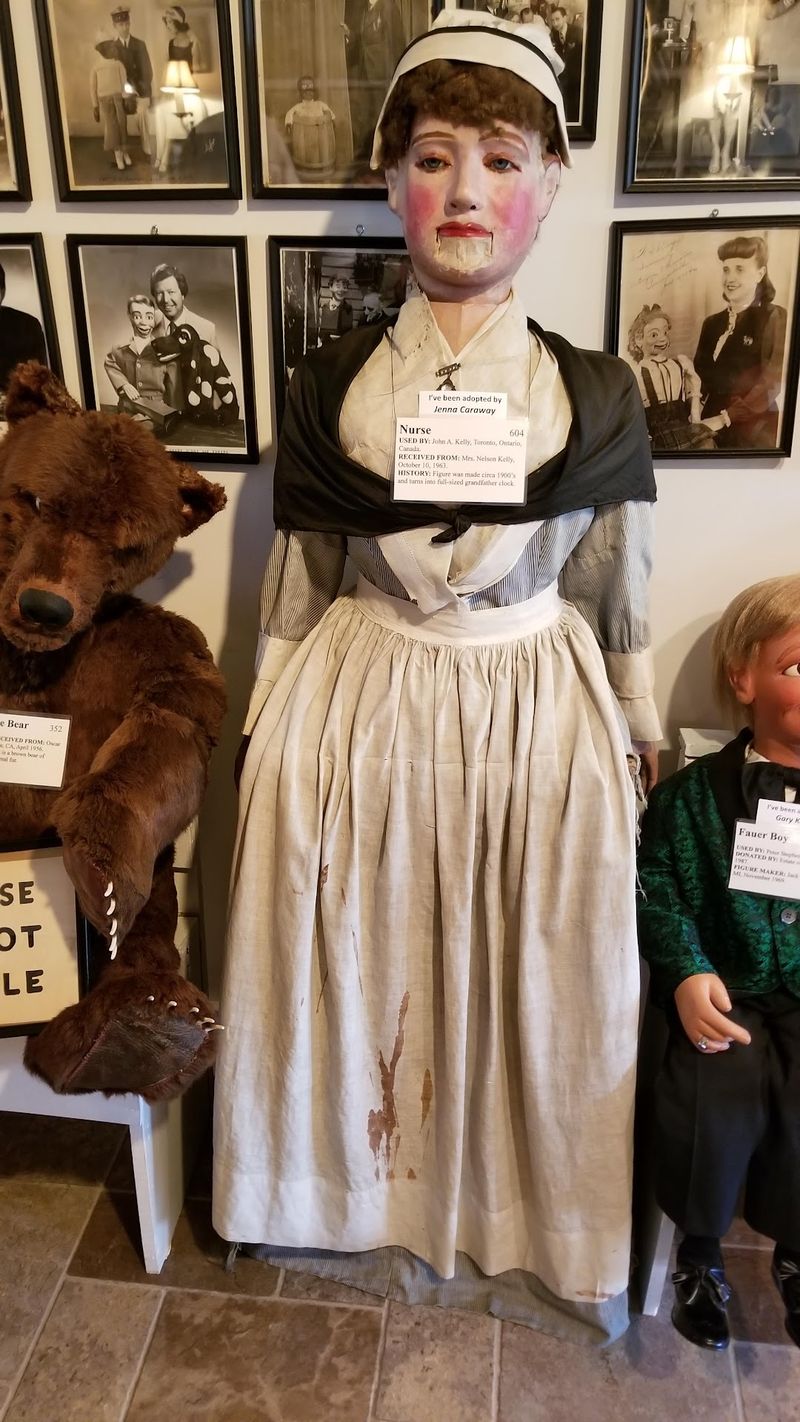
You cannot wander through this place alone. Every visit happens with a guide, by appointment.
Reservations are required, so plan before you drive over. Walk-ups can be turned away.
Honestly, the guided format makes the visit better. Without stories, the figures are just objects on shelves.
Our guide knew names, makers, and career details. Suddenly a plain wooden head had a full biography.
Tours run about an hour, sometimes longer with questions. Ask questions, because the answers are the best part.
Group sizes stay small. That keeps the rooms from feeling crowded and noisy.
Seasonal scheduling matters too. The museum operates during a limited season, generally in the warmer months.
Check the official website before making plans. Hours shift, and special events fill up fast.
Admission is modest compared to big city attractions. You get a rare experience for the price of a movie ticket.
Bring cash or check the payment options ahead of time. Small museums often keep things simple.
My advice is to book the earliest slot available. Morning light through the windows makes the rooms even stranger.
Famous Figures You Might Recognize
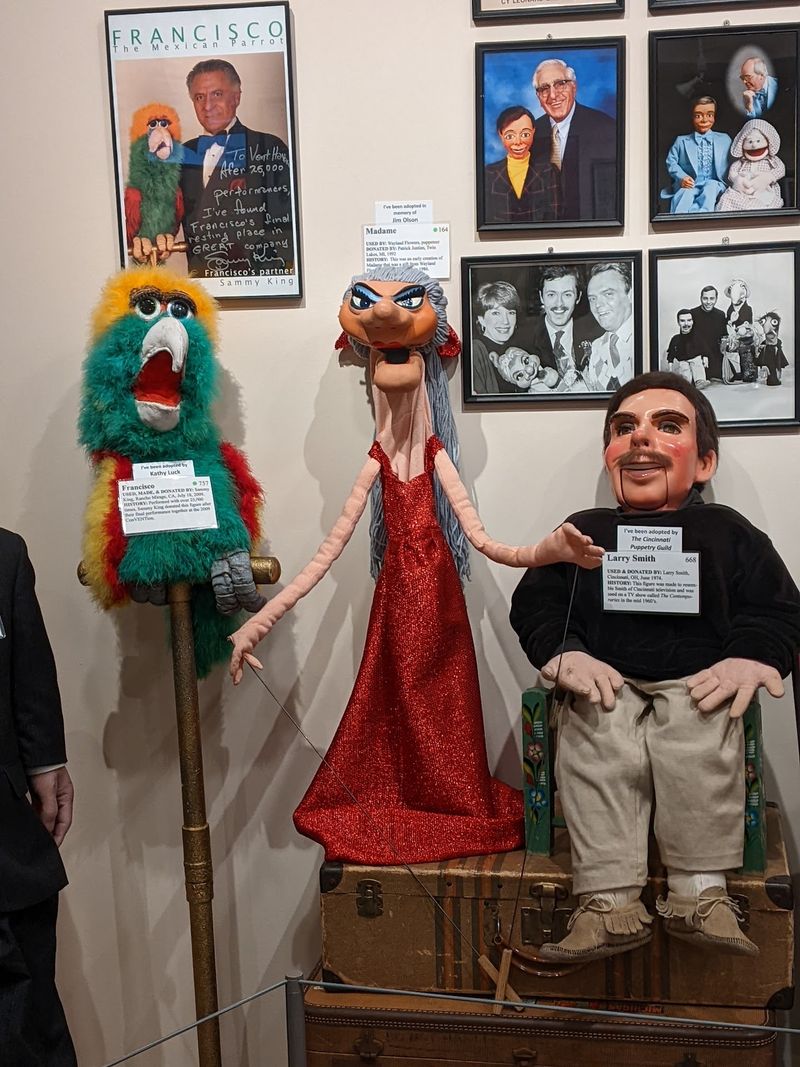
Pop culture fans get a real payoff here. Several figures connected to famous performers are part of the collection.
Names from vaudeville, radio, and early television appear on labels. Some belonged to entertainers your grandparents adored.
Jerry Mahoney and Knucklehead Smiff, associated with Paul Winchell, are among the recognizable characters. Seeing them in person is a small thrill.
Charlie McCarthy connections also draw fans of Edgar Bergen. That era shaped American comedy in a huge way.
I did not expect to feel nostalgic for shows I never watched. The craftsmanship carries that weight on its own.
Radio ventriloquism sounds like a joke premise. It was wildly popular anyway, and the figures still had devoted fans.
The museum explains that history clearly. You leave understanding why these characters mattered to millions.
Look closely at the mechanics too. Levers, strings, and hinges allowed winks, eyebrow lifts, and moving ears.
Some heads have a dozen working controls inside. Building one required carving skill and clockmaker patience.
That combination of comedy and engineering won me over completely.
Craftsmanship Hiding Behind The Creepy Grins

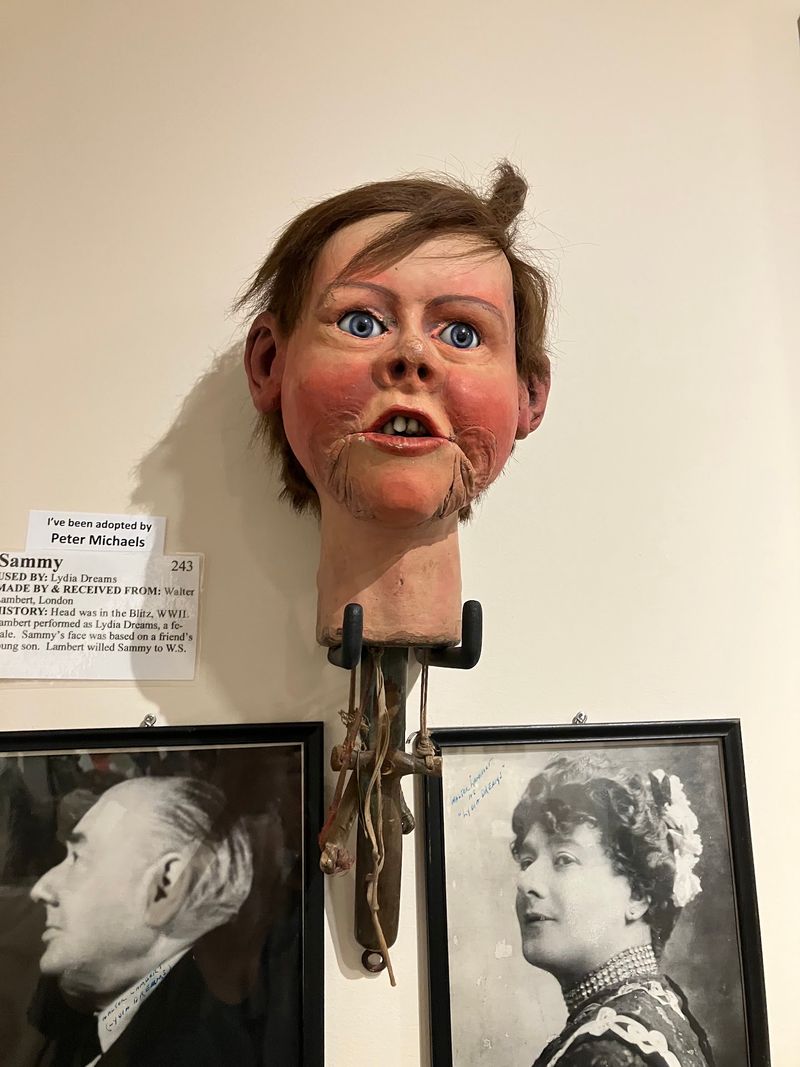
Underneath the spooky reputation sits genuine artistry. These figures were carved, painted, and dressed by hand.
Basswood was a favorite material for heads. It carves cleanly and holds fine detail.
Papier-mache and fiberglass show up in later decades. Each material ages differently, which the museum points out.
Look at the hair. Some figures wear real human hair wigs, others use mohair or synthetic fibers.
Costumes tell their own story. Tiny tailored jackets, miniature shoes, and stitched shirt cuffs.
I got weirdly invested in one figure’s little bow tie. Someone sewed that by hand for a stage act.
Makers signed their work when they could. Collectors still track famous builders the way people track guitar luthiers.
Preservation is an ongoing job here. Wood warps, paint flakes, and fabric fades over decades.
Climate control and careful handling keep the collection stable. Staff treat these figures like the artifacts they are.
That respect is contagious. By the second room I was leaning in to study brushstrokes instead of flinching.
Creepy first impressions fade once you notice the skill involved.
An Annual Gathering That Brings The Art To Life
Once a year, the quiet gets loud. The museum is connected to an annual ventriloquist convention held nearby.
Performers travel from across the country and beyond. Beginners sit next to working professionals in the same workshops.
The event has run for decades. It has become the main gathering point for the ventriloquism community.
Attendees swap technique tips and repair advice. Some bring figures for tune-ups and fresh paint.
Watching a skilled performer work is genuinely impressive. The lips barely move, and the illusion holds.
Kids in the audience lose their minds over it. Adults quietly try to spot the trick and fail.
The convention explains why the museum exists at all. This is a living art, not a dusty relic.
Dates and registration details appear on the museum’s official site. Plan early if you want to attend.
Even outside convention week, staff share stories from past gatherings. You hear about friendships built over shared craft.
That community spirit surprised me most. A room of wooden faces suddenly felt connected to real people.
It reframed the whole visit in the best way.
Planning Your Visit Without Regrets
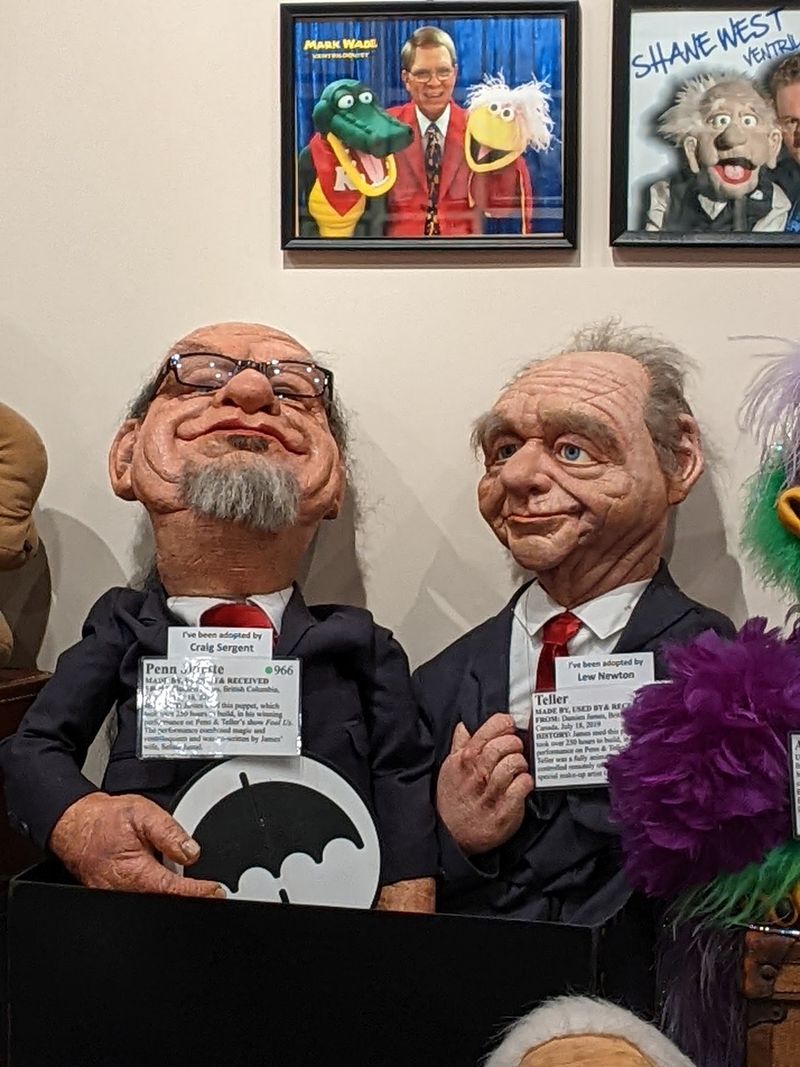
Small museums reward preparation. A little planning turns a quick stop into a memorable afternoon.
Book your tour in advance through the official website. Spots are limited and the season is short.
Wear comfortable shoes. You will stand and shuffle between rooms more than you expect.
Bring your questions. Guides genuinely enjoy digging into odd details about specific figures.
The location works well as part of a bigger day. Fort Mitchell sits just across the river from Cincinnati.
Grab lunch nearby before or after. Northern Kentucky has plenty of casual spots within a short drive.
Kids can enjoy the visit, but know your child. Hundreds of staring faces can be intense for younger ones.
The gift shop offers small souvenirs and books. It is a nice way to support a nonprofit collection.
Allow extra time at the end. Many visitors linger in the last room, still processing.
I left with photos I was allowed to take and a story I keep retelling. That is a strong return on one hour.
Few attractions are this specific, this odd, and this genuinely worth the detour.