These Stunning California National Parks Are Throwing A Massive Stargazing Festival Next Month
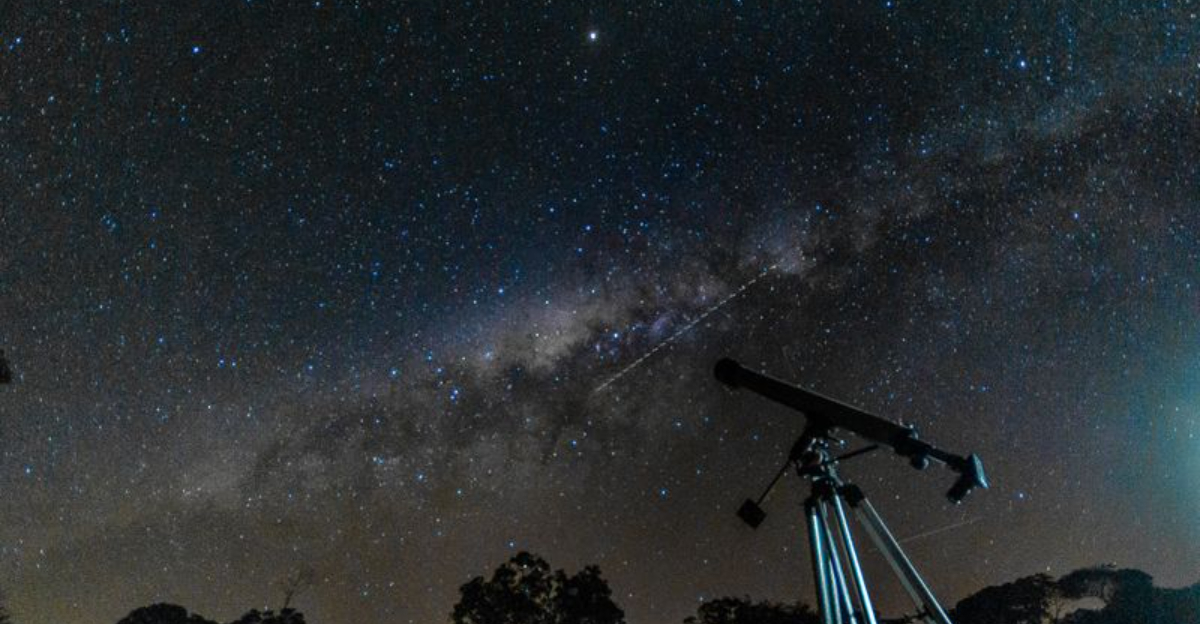
Most festivals ask you to watch a stage. This one asks you to look straight up.
Deep in the mountains, giant trees fade into darkness while the sky takes over.
Stars sharpen. Constellations emerge. The usual noise of a busy park day gives way to something quieter and far more cinematic.
Two of California’s most spectacular national parks are turning that natural darkness into a full celebration of the night sky.
You do not need to be an astronomy expert to get pulled in. Bring curiosity and enough patience to let your eyes adjust. Then look beyond the first bright stars and see what else begins appearing.
There is something wonderfully strange about standing beneath trees that have survived for centuries while staring at light that traveled far longer to reach you.
For a few nights, the mountains are not the main attraction. The universe is.
Three Nights Of Stargazing Under Sierra Skies
Mark September 11 through 13, 2026, on the calendar, because those three nights make up the 13th Annual Dark Sky Festival in Sequoia and Kings Canyon National Parks.
Programming is centered on astronomy, and the schedule spreads across both parks rather than clustering in a single spot.
The Sequoia Parks Conservancy and the National Park Service run the event together, and it has grown steadily over more than a decade.
Three nights gives visitors some breathing room. Weather in the Sierra can shift, and clouds occasionally roll through even in September, so having multiple evenings raises the odds of a clear sky.
Travelers who can only manage one night may want to build in flexibility rather than locking everything down months ahead.
Elevation matters here too. Much of the park sits high above the haze and light of the Central Valley, and thinner mountain air can make stars look sharper than they do at sea level.
Bring layers, since temperatures drop quickly after sunset at higher elevations even during warm daytime hours. A red flashlight helps preserve night vision and keeps the darkness intact for everyone nearby.
Comfortable shoes and a folding chair or blanket round out a simple kit that makes standing outside for a couple of hours far more pleasant.
New Moon Timing Sets Up Darker Skies
Astronomers pay close attention to the moon, and festival planners clearly did the same.
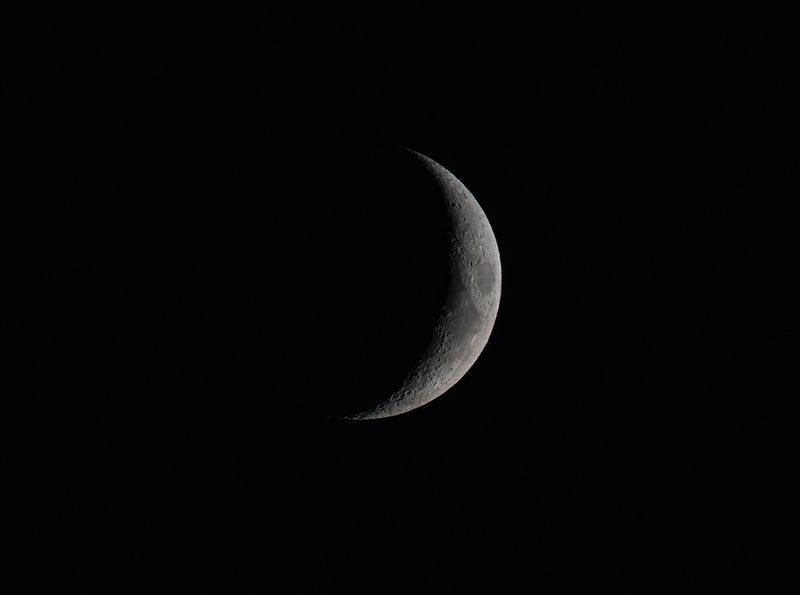
The new moon arrives on September 11, 2026, at 3:27 A.M. Pacific Time, which places the darkest part of the lunar cycle right at the start of the weekend.
A new moon means the moon sits between Earth and the sun, showing its unlit side. Almost no moonlight washes across the sky during those nights, and fainter objects have a much better chance of showing up.
Practically speaking, the difference is easy to notice. Under a bright full moon, only the brightest stars and planets punch through.
With the moon out of the picture, the Milky Way can appear as a soft band of light rather than a vague smudge.
Clear weather still has the final say, and mountain conditions change. Smoke, high clouds, or humidity can soften the view on any given evening, so nobody should treat a dark sky as guaranteed.
Give eyes time to adjust once outside. Full dark adaptation takes roughly twenty to thirty minutes, and glancing at a phone screen resets much of that progress.
Turning the screen brightness all the way down or leaving the phone in a pocket makes a real difference in what becomes visible overhead.
Free Festival Admission With A Small Catch
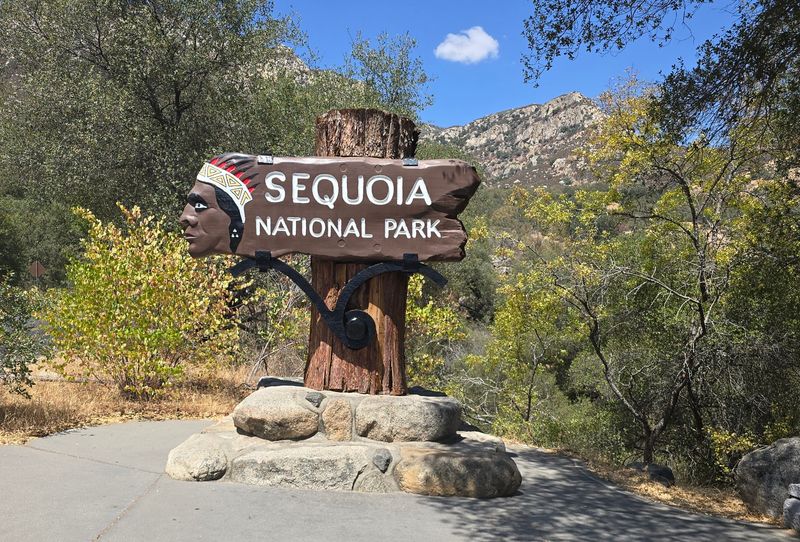
Cost is often the first question with big outdoor events, and the answer here is refreshingly simple. The Sequoia Parks Conservancy lists admission to the Dark Sky Festival as free.
Regular national park entrance fees still apply, though, and those are collected at the park gates the same way they are on any other weekend.
Anyone holding an annual pass or one of the interagency passes should have that ready when arriving.
Free admission changes how families can approach the weekend. Groups can drop in for a talk, wander off to look at trees, and come back after dark without feeling like they need to squeeze value out of a ticket.
Kids who lose interest after twenty minutes at a telescope are not a financial problem.
Some individual programs run by the Field Institute may operate separately from the free festival offerings, so checking details before arriving is worth the few minutes.
Budget planning still deserves attention. Lodging near the parks fills up during popular weekends, and gas, food, and camping fees add up quickly.
Packing snacks, water, and a thermos of something warm cuts costs and saves trips back to the car during evening programs.
Events Spread Across Two Neighboring Parks
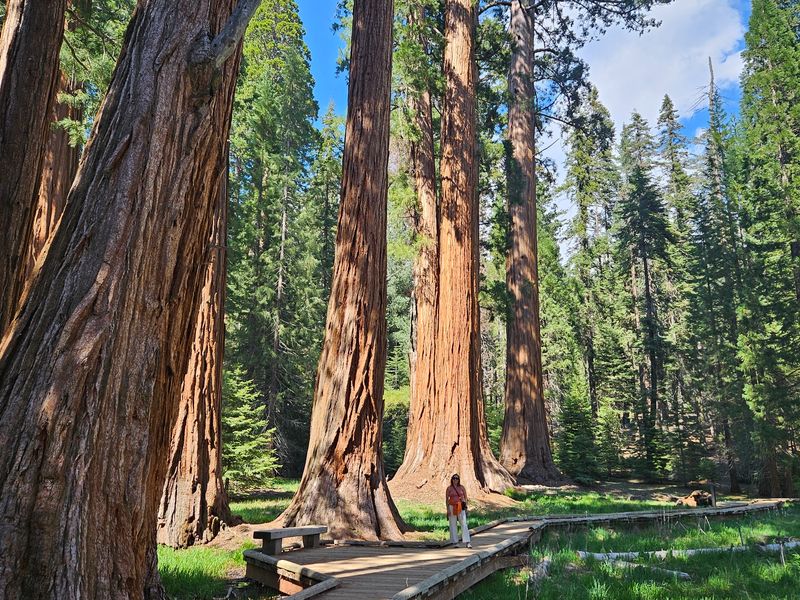
Picturing one field with a row of telescopes would sell this festival short.
Activities are planned throughout Sequoia and Kings Canyon National Parks, including areas such as the Foothills, Giant Forest, Lodgepole, Grant Grove, Mineral King, and Cedar Grove.
Two adjoining parks managed jointly means a lot of ground. Driving between areas takes real time on winding mountain roads, and distances that look short on a map can eat up an hour or more behind the wheel.
Choosing a home base helps. Visitors staying near Grant Grove will find it easier to attend programs on the Kings Canyon side, while those closer to Lodgepole or Giant Forest can reach Sequoia programs with less driving.
Trying to hop between distant locations in a single evening usually leads to frustration.
Road conditions deserve a look before setting out. The route into Mineral King is narrow, slow, and unpaved in stretches, and Cedar Grove sits at the bottom of a long descent into the canyon.
Cell service is limited or absent across much of both parks. Downloading maps ahead of time and picking up a printed park newspaper at the entrance station keeps navigation simple once signals disappear.
Learning From Astronomers, Scientists, And Astronauts
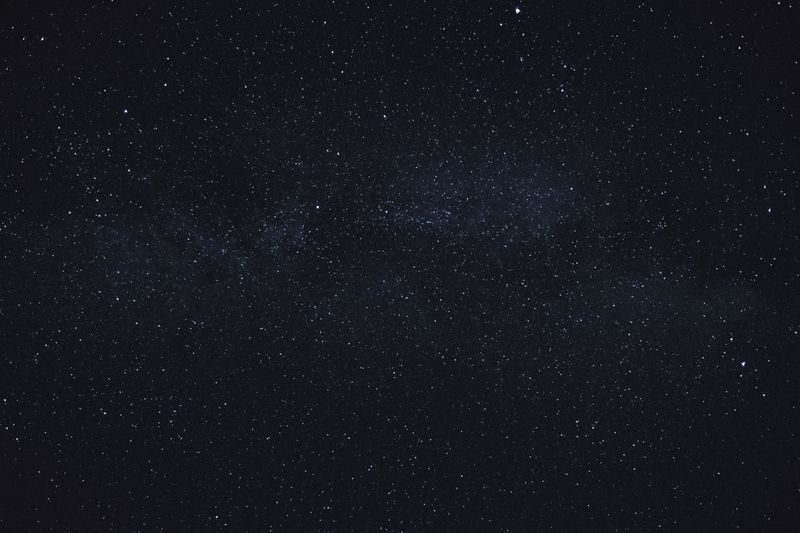
Looking up is only half of what happens during the weekend.
Presentations from astronomers, scientists, and potentially astronauts give visitors context for what they are seeing, which turns a pretty sky into something understandable.
Ranger talks are woven in as well, and those tend to be approachable for all ages. Someone explaining how far away a star sits or why a planet does not twinkle can reshape how the rest of the night feels.
Kids often connect with these sessions faster than adults expect.
Hearing directly from someone who studies space, or who has actually left the planet, makes the subject feel real rather than something confined to a textbook.
Seating at outdoor programs is usually first come, first served, so arriving early is smart if a particular talk sounds appealing. Bringing a cushion for hard benches is a small comfort that pays off over an hour.
The Field Institute also runs programs during the festival, along with community science efforts focused on measuring and reducing light pollution.
Participating in one of those activities gives visitors a small, concrete role in the research rather than just a seat in the audience.
Telescopes Reveal What City Skies Hide
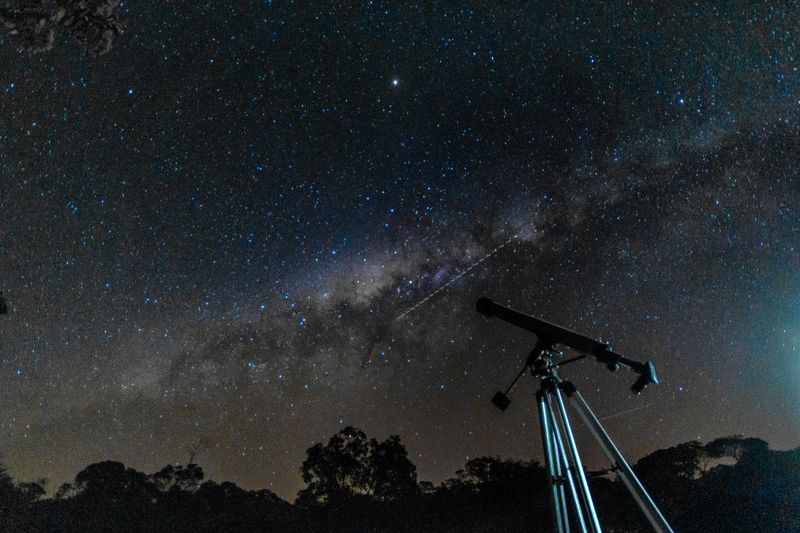
Squinting at a faint smudge with the naked eye is one thing, but seeing it resolve into rings, bands, or clusters through glass is another experience entirely.
Guided telescope viewing is a signature part of the Dark Sky Festival.
Naturally dark mountain skies do the heavy lifting. Objects that vanish completely under streetlights and stadium glow become genuinely visible once the surrounding light drops away.
Volunteers and astronomers typically stand by their equipment to help visitors line up and focus. Asking questions is welcome, and most people running a scope enjoy explaining what sits in the eyepiece.
A few small habits make viewing lines move smoothly. Keeping hair and glasses clear of the eyepiece, avoiding touching the tube, and stepping aside after a look are simple courtesies that let everyone get a turn.
Binoculars are worth packing too. A basic pair reveals far more than most people expect, including star clusters and the moons of Jupiter, and they cost a fraction of a telescope.
Specific telescope times and locations for 2026 have not been published yet, so plans should stay flexible until the official schedule is released by the Sequoia Parks Conservancy.
Giant Sequoias Framing The Milky Way
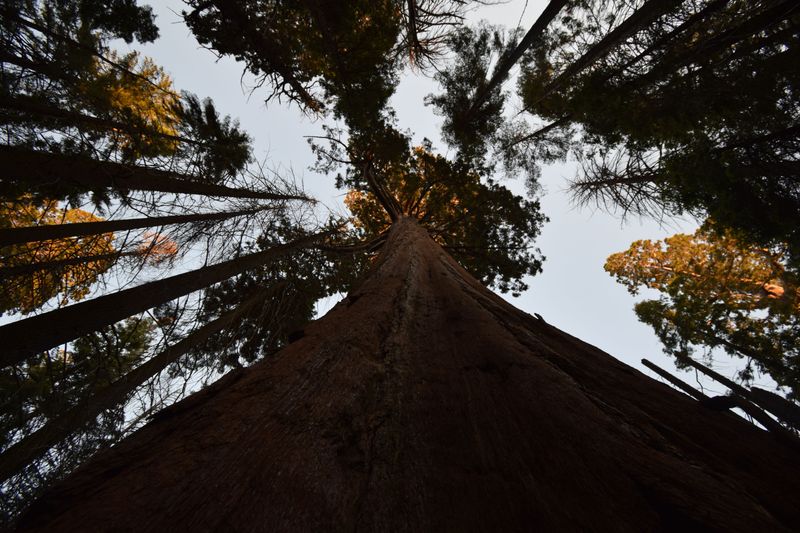
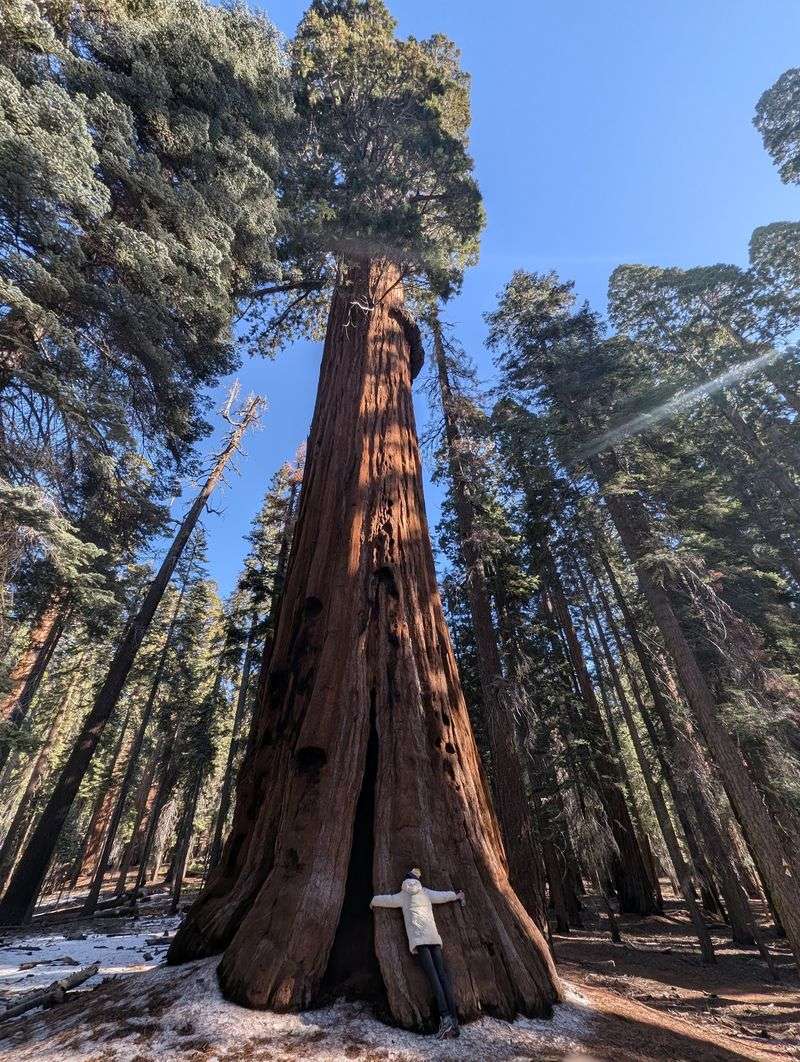
Few backdrops can hold their own against the night sky, but trees that stand over 250 feet tall manage it. Giant sequoias silhouetted below a dense field of stars create a scene that feels almost out of scale.
Sequoia National Park protects the General Sherman Tree, widely recognized as the largest tree on Earth by volume, and the surrounding Giant Forest holds thousands more.
The contrast between something ancient and enormous below and an apparently endless sky above is a big part of what sets this festival apart from a parking lot star party.
Photographers gravitate toward those compositions, though tall trees can also block large portions of the sky. Meadows and open granite areas usually offer wider views for anyone hoping to see horizon to horizon.
Walking among the groves after dark requires care. Roots, uneven ground, and deep shadow make a headlamp with a red setting genuinely useful rather than optional.
Daytime visits to the same groves are worth doing first. Seeing the trees in full light gives a sense of their size that darkness hides, and it makes the nighttime silhouettes far more meaningful.
Planning Around A Schedule Still Taking Shape
As of August 21, 2026, the Sequoia Parks Conservancy still lists the detailed 2026 schedule as coming soon, meaning specific speakers, telescope times, individual programs, and event locations have not been confirmed publicly.
Confirmed details include the dates of September 11 through 13, free festival admission, and the two-park setting. Everything more granular than that should be checked closer to the event.
The Conservancy has recommended following its social media channels and subscribing to its newsletter, since updates are expected to roll out gradually rather than all at once.
Lodging is the piece worth handling early anyway. Campgrounds and in-park lodges book out well ahead during September weekends, and nearby gateway communities are the usual fallback for anyone who waits.
Daytime hours give the weekend broader appeal than a straight astronomy event. Hikes, overlooks, scenic drives, and the groves themselves fill the afternoons easily, and attention shifts upward once the light goes.
Preserving natural darkness is a stated purpose of the festival, both for human enjoyment and for wildlife that depends on real night. Shielding flashlights and keeping voices low supports that goal in a small but real way.