The Georgia Beach Town Locals Say Is Being Changed By Too Much Development
I almost didn’t stop here. A friend told me this Georgia coast had changed so much she barely recognized it anymore, and that warning pulled me in more than any postcard could.
I parked near a row of new construction and old live oaks standing right next to each other, and I felt the tension immediately. Locals sat on porches watching cranes lift steel where marsh grass used to run wild.
One man told me he remembers when you could hear nothing but tide and cicadas. Now trucks rumble past at dawn.
I spent the afternoon walking sand still soft and empty, but I kept thinking about what gets lost when a quiet Georgia town starts trading its silence for growth. I left with more questions than answers.
An Island That Keeps Its Old Bones
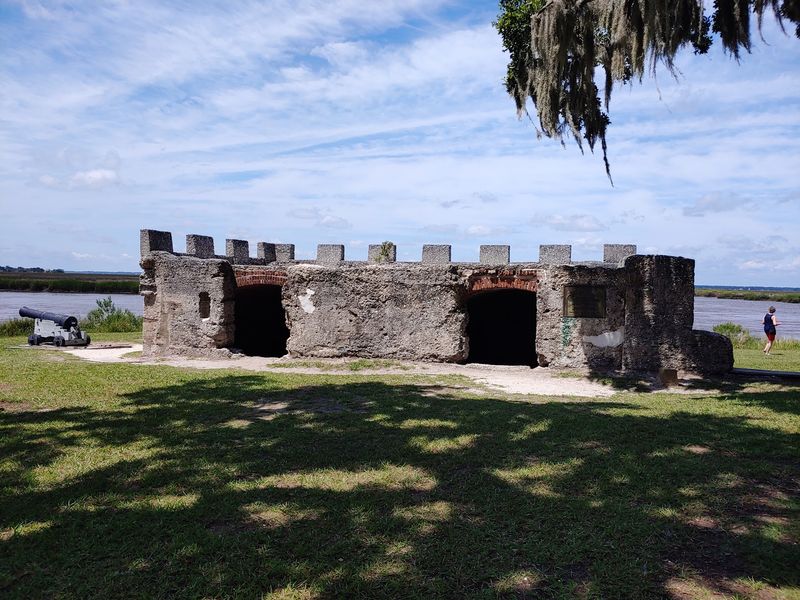
Barrier islands usually feel temporary. Sand shifts, tides argue, and the shoreline redraws itself every year.
Yet this stretch of the Georgia coast holds onto its character with real stubbornness. Salt marshes fan out on the western side, and sandy shores like East Beach stretch along the east.
The island sits off Georgia’s coast, close enough to the mainland for an easy drive. That access is exactly why growth keeps arriving.
Live oaks arch over the roads and filter the light into something soft and green. Spanish moss hangs low, and the shade feels ten degrees cooler than the parking lot.
Change is visible now in fresh rooftops and newly cleared lots. Longtime residents notice every new turn lane and every new sign.
Still, the old bones show through. Marsh grass, tidal creeks, and weathered docks remain the main scenery.
Visitors often expect a generic beach town and find something layered instead. History, wildlife, and everyday island life all share the same few square miles.
Bring comfortable shoes and a slow schedule. Everything worth seeing here rewards patience, especially on St. Simons Island.
The Lighthouse With A Second Life
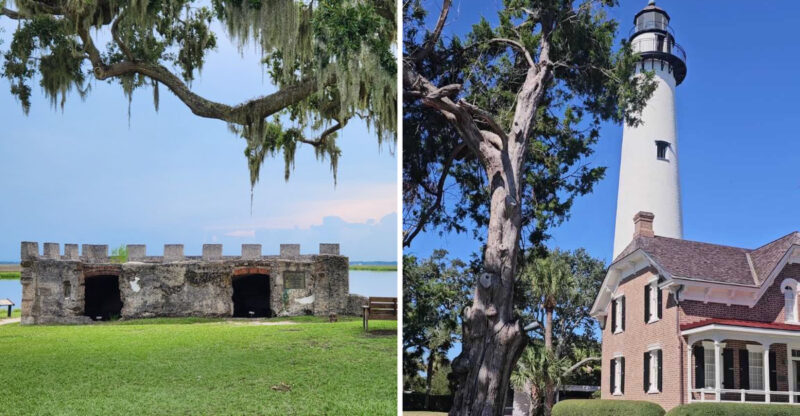
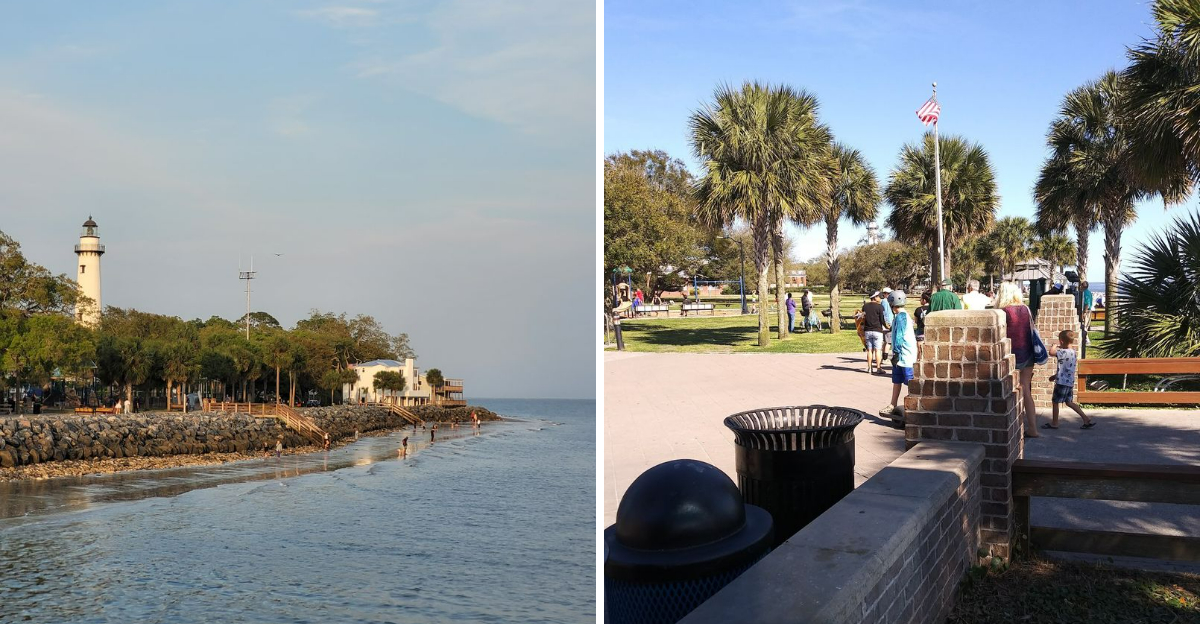
Not every landmark gets a second chance. The St. Simons Lighthouse was destroyed during the Civil War and rebuilt in 1872.
A museum on site traces that history, from the original structure to the tower standing today. Displays cover the keepers, the light, and the shipping traffic it guided.
Climbing the stairs is the part most people remember. The steps wind upward, the air warms, and the payoff arrives at the top.
From the gallery you can see the pier, the water, and rooftops spreading inland. Newer construction is easy to spot from that height.
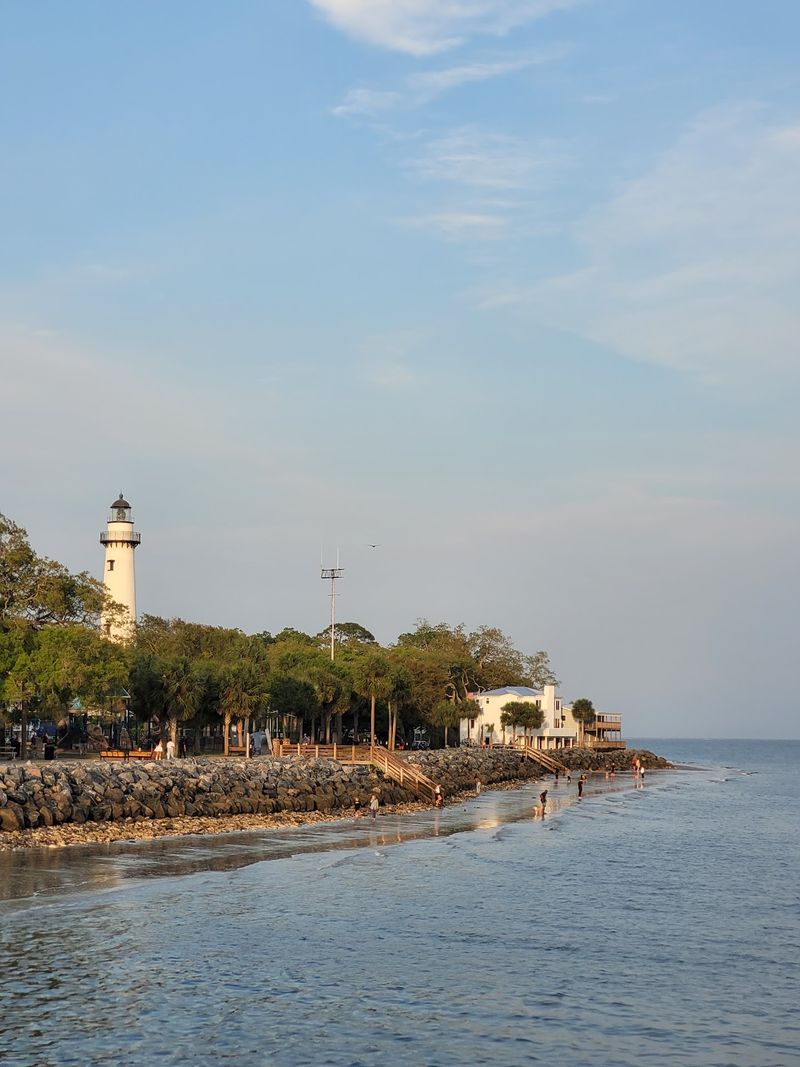
The white tower photographs beautifully in late afternoon. Palms and open lawn give it a clean, uncluttered frame.
Kids tend to race the stairs while adults pause halfway. Nobody judges, and there is usually a breeze waiting at the top.
Plan for a short visit or a long one, depending on your interest in maritime history. The museum rewards readers who slow down.
Wear shoes with grip and skip heavy bags. The narrow staircase does not forgive overpacking.
East Beach And The New Boardwalk
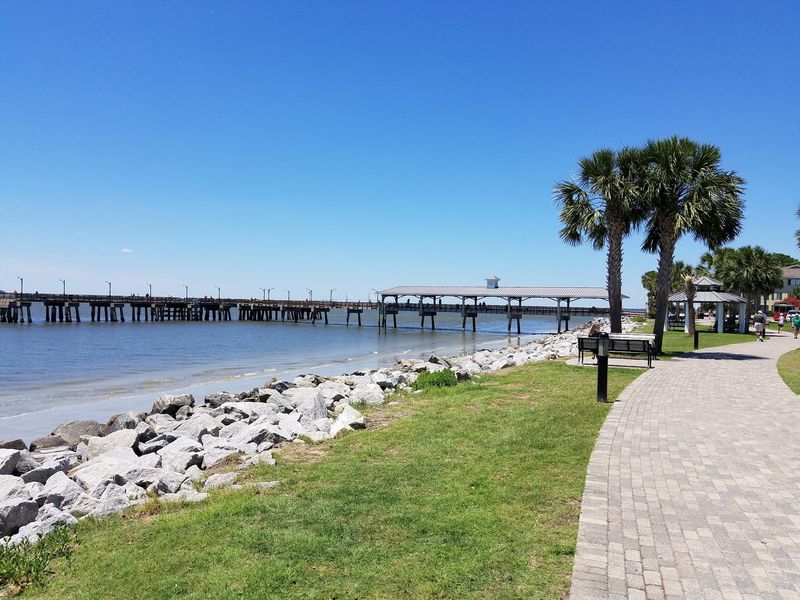
A boardwalk sounds like a small thing until you try crossing hot dunes without one. A new 967-foot boardwalk recently opened at Driftwood Drive.
The structure carries walkers over fragile dune plants instead of through them. That protects sea oats and keeps sand where it belongs.
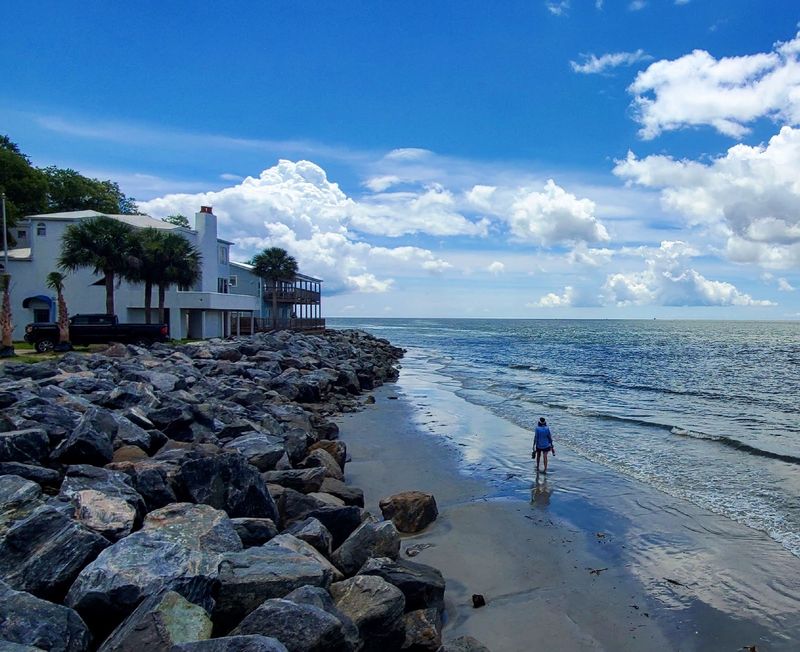
East Beach itself is wide and flat, especially at low tide. Shallow pools form and reflect the sky like scattered mirrors.
Families spread out easily here because the sand goes on and on. Shell hunting is genuinely productive after a strong tide.
Access improvements like this one show how growth can help visitors. More people arrive each year, and the crossings need to handle them.
Longer boardwalks also reduce foot traffic damage in sensitive spots. Nature and convenience occasionally agree.
Morning visits beat afternoon crowds by a wide margin. The light is softer and parking is far less competitive.
Pack water, sun protection, and a bag for shells. Leave the dunes alone and stay on the planks.
Fishing From The Pier With A View
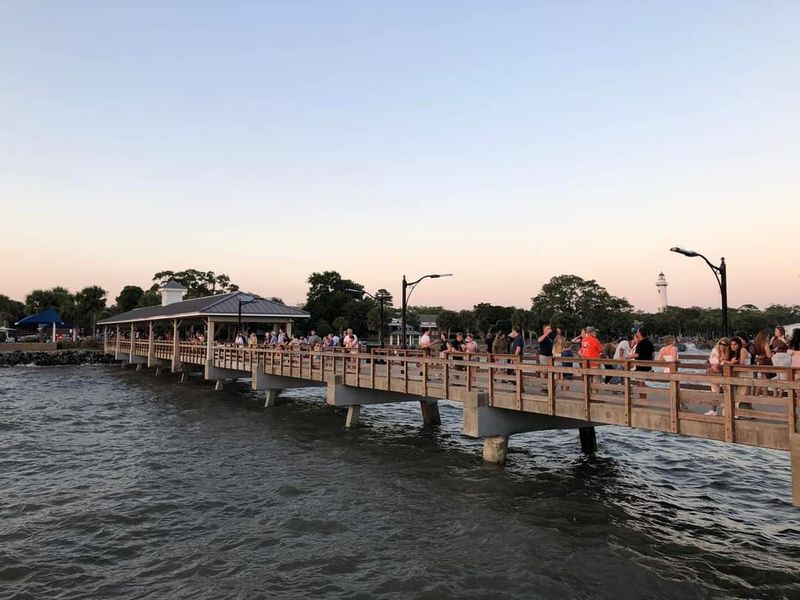
Piers are honest places. Either the fish are biting or they are not, and everyone finds out together.
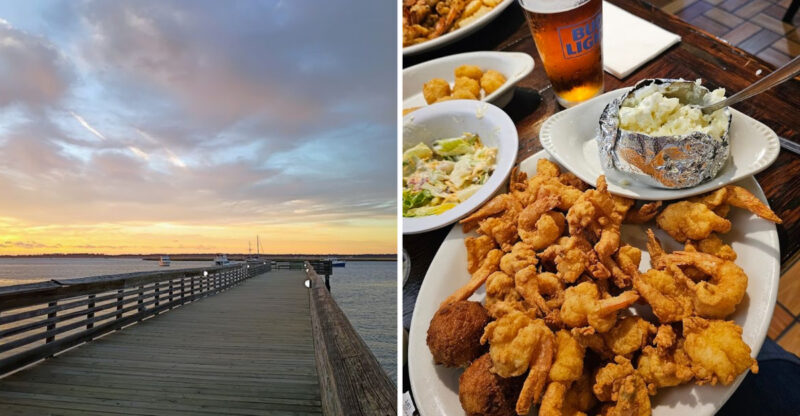
Anglers cast from St. Simons Pier throughout the year, lines dropping into moving water. The rhythm is steady and oddly relaxing to watch.
Views stretch toward Jekyll Island across the water. During migration season, whales pass through these waters offshore.
Right whales travel this part of the Atlantic in winter months. Spotting one takes luck, patience, and a decent pair of binoculars.
The pier also works for people who never touch a rod. Walking the length takes minutes and delivers a full panorama.
Pelicans cruise low, and dolphins occasionally surface nearby. Nobody stays on their phone for long out here.
Sunrise brings the quietest version of this spot. By midday, the boards fill with visitors and rolling coolers.
Check local fishing rules before casting a line. Regulations exist for good reasons and change from season to season.
New Neighborhoods Under Ancient Oaks
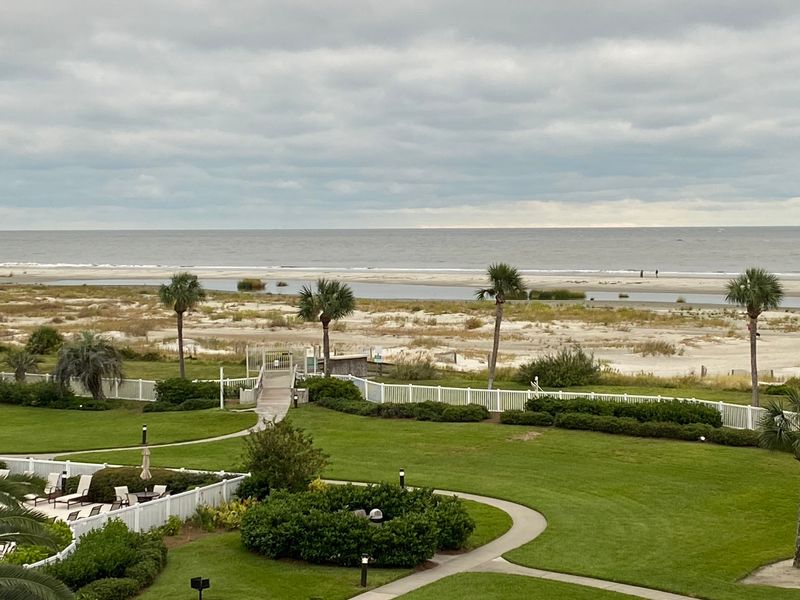
Real estate signs multiply faster than sand fleas around here. New communities are taking shape between old trees and quiet roads.
The Canopy is one example, a new 25-lot development where some properties back up to St. Simons Island Land Trust land. Buyers get privacy and a permanent green border behind them.
Trust land protection matters more than most people realize. It means the view behind the house should stay wooded.
Grand homes now sit along scenic stretches that once held modest cottages. The contrast is noticeable within a single block.
Growth brings tax revenue, jobs, and better services. It also brings traffic, construction noise, and pressure on the tree canopy.
Residents track every rezoning request with real attention. Small islands leave little room for mistakes.
Visitors can see the shift by simply driving the main roads. Fresh pavement and framed houses appear next to weathered older homes.
If you love architecture, this contrast is worth a slow drive. Old cottages and new builds tell two different island stories.
When The Island Roads Start To Back Up
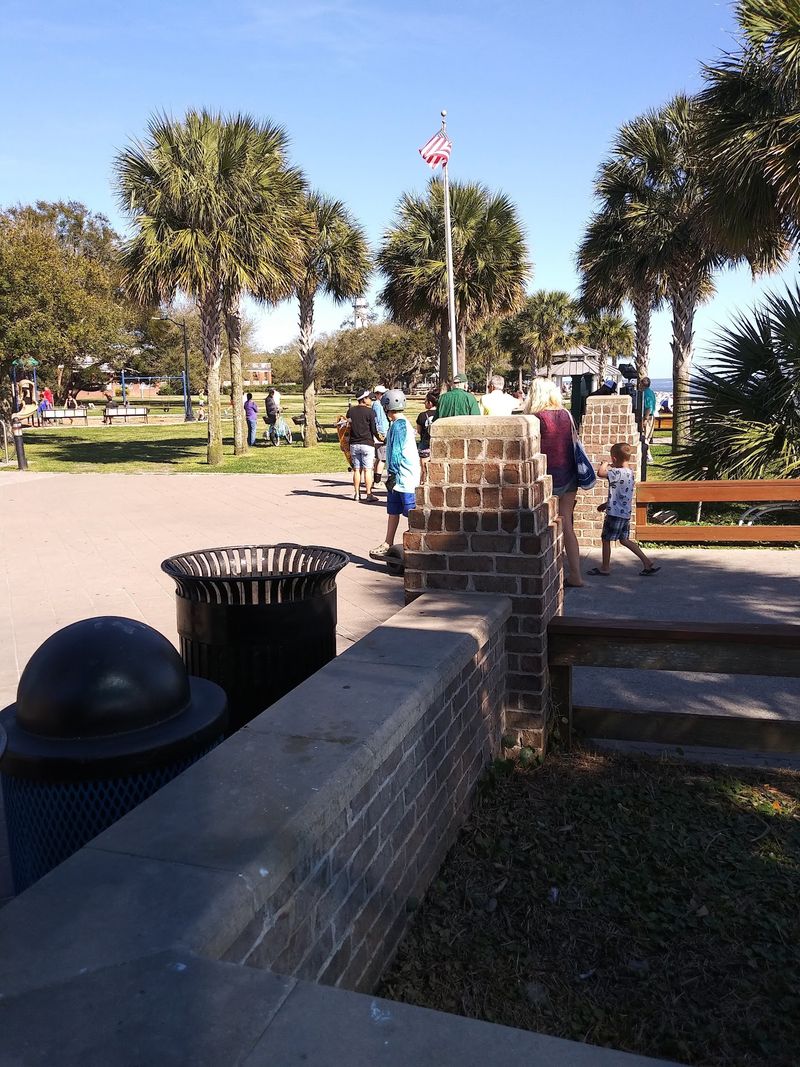
Island rush hour is a real thing, and it surprises first-time visitors. Two-lane roads simply were not built for this many cars.
Glynn County has been working on traffic improvements for the intersection of Sea Island Road and Frederica Road. That junction handles a heavy share of daily island traffic.
Improvement projects like this follow population growth almost automatically. More homes mean more trips to the store and school.
Construction zones can slow your arrival during peak season. Building a little extra time into your plans saves frustration.
Locals adjust by shifting errands to off hours. Mid-morning and early afternoon tend to move smoothly.
Bicycles remain a smart alternative on this flat terrain. Paved paths connect many popular destinations without any traffic lights.
Golf carts are also common sights on neighborhood streets. They keep speeds low and moods calm.
Park once and explore on foot when possible. The island rewards walkers far more than drivers.
Building Rules Try To Catch Up With Growth
Sand dunes look simple and act like armor. They absorb storm surge and protect everything behind them.
Discussions around building setbacks near active dunes highlight a serious local commitment. Setbacks control how close new construction can sit to the dune line.
Active dunes shift and grow, which makes drawing lines tricky. Regulations try to keep pace with a moving landscape.
Sea oats hold the sand together with deep root systems. Walking through them breaks that structure quickly.
Fencing and marked crossings exist for this reason. Following them costs nothing and helps a lot.
Environmental care here is not decoration. Storm protection, wildlife habitat, and beach quality all depend on healthy dunes.
Visitors can support the effort with small choices. Stay on paths, pack out trash, and keep pets leashed where required.
The dunes may be the least flashy attraction on the island. They are also the reason the beaches still exist.
A Boat Ride To Little St. Simons
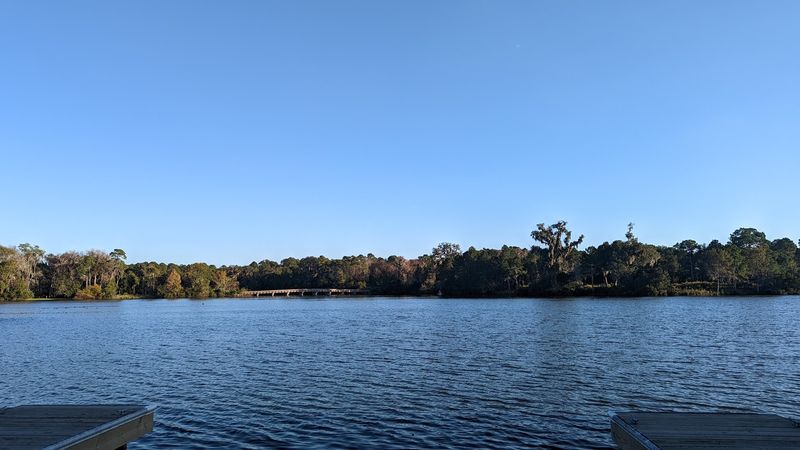
North of the busy roads, the map turns wild again. Boats travel from the north end to Little St. Simons Island.
That neighboring island is home to birds like spoonbills and gannets. Birders arrive with long lenses and serious patience.
Roseate spoonbills look almost unreal in person, pink and gangly. Gannets are pure ocean birds with striking dives.
Access requires a boat, which naturally limits crowds. Fewer visitors means undisturbed nesting and feeding grounds.
The contrast with the developed island is dramatic. One side has traffic projects, the other has tidal creeks and quiet.
Nature lovers should build this trip into their plans early. Space is limited and seasons matter for wildlife viewing.
Bring binoculars, bug protection, and a hat. Marsh sun is stronger than it feels.
The ride over is half the experience. Watching the shoreline shrink behind you resets your whole pace.
Why This Island Keeps Ranking So High
Popularity has consequences, and this place is learning them firsthand. The island continues to earn recognition from travel publications.
Recognition brings visitors, and visitors bring demand for housing and services. That cycle drives much of the current construction.
The appeal is easy to understand once you arrive. Marsh views, historic sites, wide beaches, and shade trees all sit within minutes of each other.
Mail here carries the 31522 zip code in Georgia, a small detail residents mention with pride. It shows up on shirts and stickers around town.
Balancing growth with character is the ongoing challenge. Roads, dunes, and canopy all feel the pressure at once.
Visiting now means seeing a place mid-transition. Old cottages, new builds, and fresh boardwalks share the same shoreline.
Go for the sunset over the marsh at least once. Colors move fast and the water mirrors everything.
Then come back in a few years and compare notes. The story here is still being written.