This Kentucky Town Has An Elementary School With A Waiting List Hundreds Of Families Long
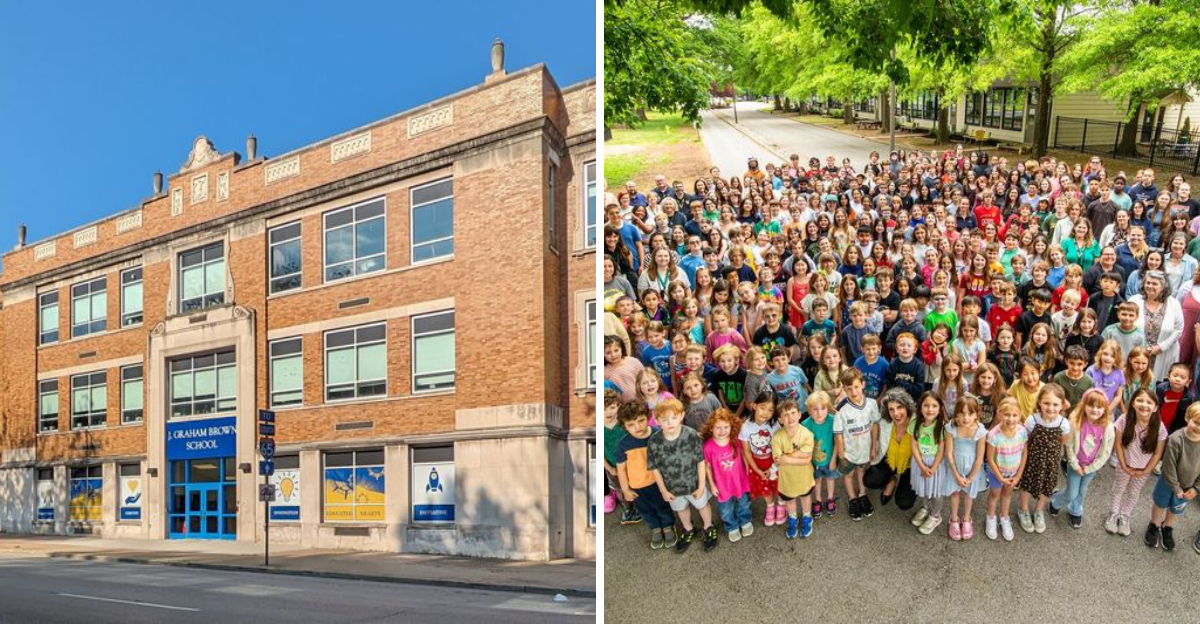
Most schools ask for your address. This one asks your child to write something and then sit for an interview.
That is a fairly bold move for a kindergarten applicant, and it tells you exactly what kind of place this is. It sits in downtown Louisville, Kentucky, in one building, and it keeps the same students from kindergarten all the way through graduation.
Your five year old could walk past a graduating senior in the hallway. The whole model runs on self direction, which means students take real responsibility for their own learning early.
It has worked since 1971 without much fanfare. The school now ranks second in the entire state, and the application window closes long before most families notice it opened.
Getting in is famously difficult. Families apply anyway, year after year, in numbers the building could never hold.
Here is what all of those families are chasing downtown.
The Brick Building Downtown That Families Compete To Enter
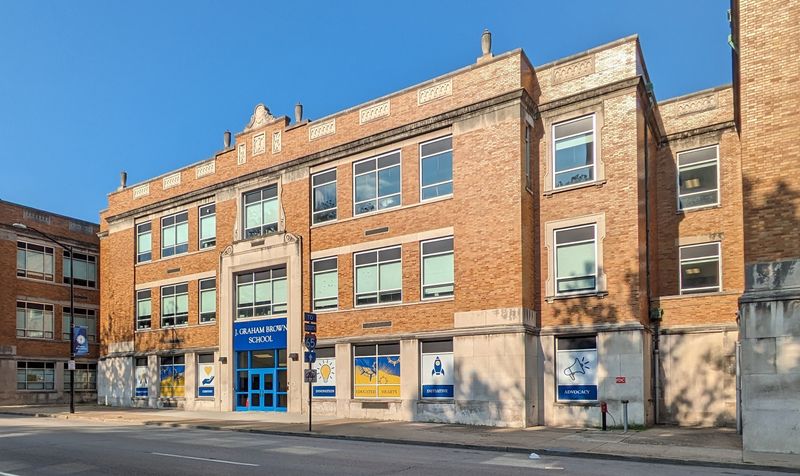
The J. Graham Brown School sits in the middle of downtown Louisville, and it does not shout for attention.
Its brick face blends right in with the offices and parking garages around it.
Inside, though, something unusual happens. Students from kindergarten through twelfth grade share one building, one hallway system, one community.
Most schools separate little kids from teenagers by miles. Here, a first grader and a senior might pass each other on the stairs every morning.
That single detail changes the whole feeling of the place. Older students grow used to being watched, and younger ones grow up around role models.
Admission works through a lottery run by Jefferson County Public Schools. Families apply, wait, and hope their name comes up.
Demand has been strong for years, and open seats are limited. Word travels fast among Louisville parents, and applications pile up.
I stood outside on a weekday morning and watched arrivals. Backpacks of every size streamed toward the same front doors.
It looked less like a commute and more like a neighborhood gathering. You can find it at 546 S 1st St, Louisville, Kentucky.
One Roof, Thirteen Grades, Zero Awkward Transitions
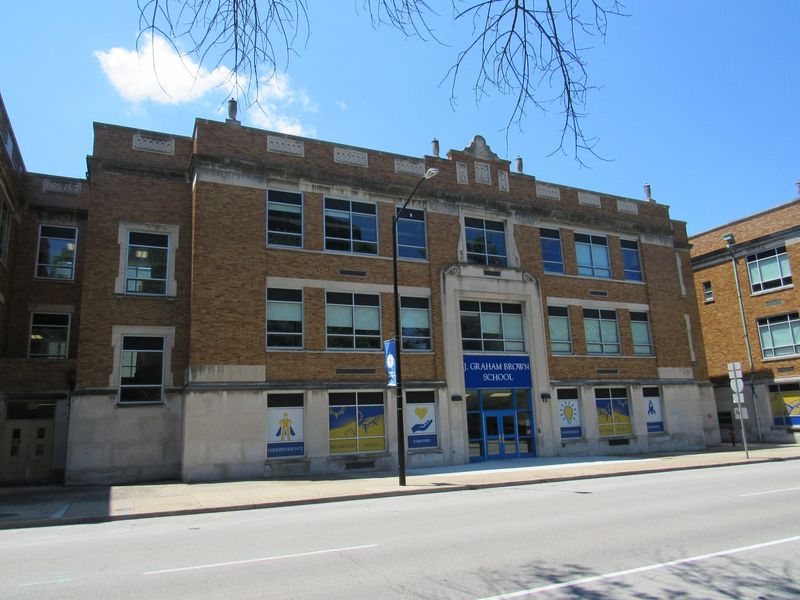
Picture a kindergartner and a high school junior grabbing lunch in the same building. That is a normal Tuesday here.
The K-12 structure removes the nervous jump from elementary to middle to high school. Students simply keep going.
Parents talk about this constantly. No new bus route, no new campus, no starting over with strangers.
Siblings stay together too, which simplifies mornings for a lot of households. One drop-off instead of three.
There is a social benefit that is harder to measure. Younger students see teenagers reading, presenting, and helping out.
Teachers often know a child for many years. That kind of continuity is rare in a large district.
A friend of mine described it as growing up inside one long conversation. The comparison stuck with me.
Older students frequently mentor younger ones through school programs. Reading buddies and helper roles show up throughout the year.
It builds patience in the teens and confidence in the little ones. Both sides seem to benefit.
For families weighing options, the model is the main draw. It explains a good chunk of that long waiting list.
How The Lottery Works For Hopeful Parents
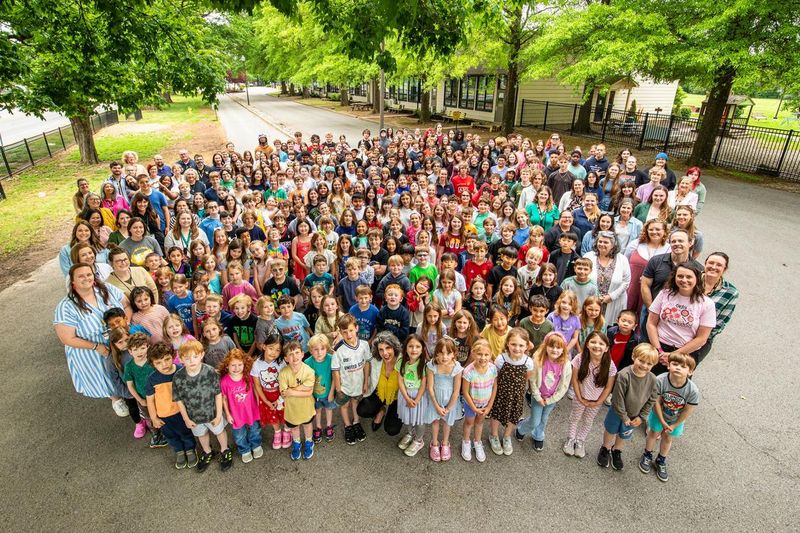
Getting in is not about test scores or auditions. It comes down to an application and a lottery draw.
Jefferson County Public Schools runs a school choice process each year. Families rank their preferences and submit by the deadline.
Kindergarten is the biggest entry point, so competition there is heaviest. Later grades open only when a seat becomes free.
Missing the application window is the most common mistake. Deadlines land months before the school year begins.
I always tell parents to mark the calendar early. A reminder in November beats panic in January.
Siblings of current students often receive priority under district rules. Check the current policy, since guidelines get updated.
Transportation is another practical piece worth researching. Downtown location means routes differ from neighborhood schools.
Some families end up on a waitlist for a full year. Others get a call in August out of nowhere.
Patience matters here more than strategy. There is no secret trick to move up the list.
Attend an information session if one is offered. Seeing the building in person answers questions no brochure covers.
A Downtown Campus That Uses The Whole City
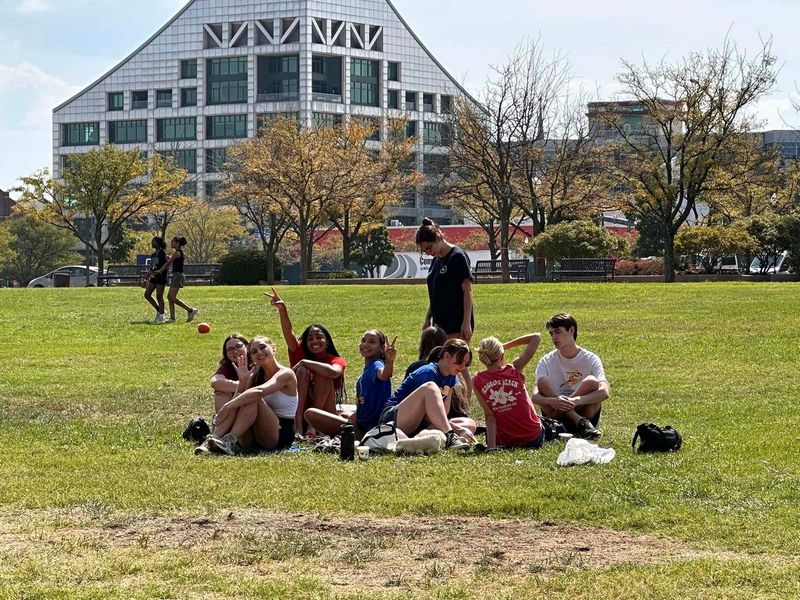
Most schools sit behind a big lawn and a bus loop. Not this one.
The location puts students blocks from museums, libraries, and civic buildings. Downtown becomes an extension of the classroom.
Main Street museums are close by. So is the Louisville Free Public Library main branch.
Field trips can happen on foot instead of by charter bus. That saves time and money.
There is a rhythm to a downtown school day that suburban campuses do not have. Traffic hums, buses hiss, and the city keeps moving.
Students learn to navigate sidewalks and crosswalks early. Independence builds naturally.
I parked nearby once and walked the block to see the setting. Office workers, students, and delivery vans all shared the same corner.
Green space is limited compared to a big suburban lot. The school works with what the city offers.
For some families, that trade is worth it. Access to cultural institutions beats acres of grass.
Parents who work downtown appreciate the proximity too. Drop-off and the office can sit minutes apart.
Small Classes And Teachers Who Remember Your Name
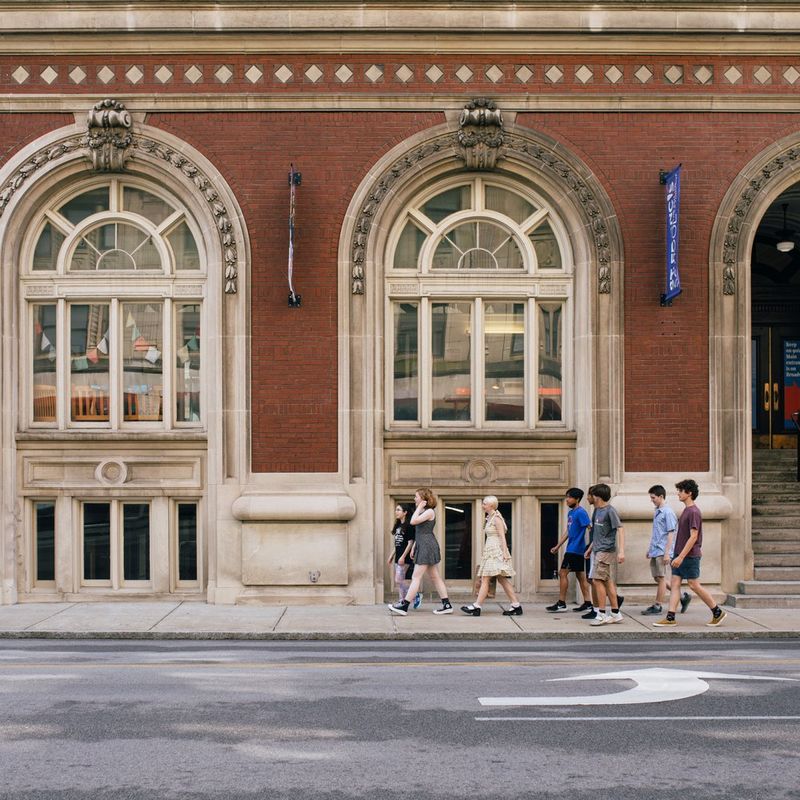
Ask a Brown School parent what sold them, and class size comes up fast. The school is intentionally small for a K-12 program.
Fewer students per grade means teachers learn individual strengths quickly. Nobody blends into the back row.
Enrollment across all thirteen grades stays in the hundreds. Compare that to high schools with two thousand students.
A graduating class here feels more like a large team than a stadium crowd.
Smaller numbers change classroom discussion. Shy kids get pulled in instead of overlooked.
Teachers can adjust pace without abandoning half the room. That flexibility shows up in daily work.
There is a downside to acknowledge honestly. Fewer students means fewer elective sections and smaller athletic rosters.
Families weigh that against the personal attention. Many decide the trade is worth it.
Staff turnover tends to be low at schools where teachers feel connected. Long-tenured educators know entire families.
One teacher may instruct a student in fourth grade and again in tenth. That kind of relationship is unusual and valuable.
Self-Direction Is Taught Like A Subject
The school built its identity around student independence. Learners are expected to manage time and choices early.
Instead of constant hand-holding, students practice planning their own work. Mistakes become teaching moments.
That philosophy shows up in how classrooms operate. Projects, discussion, and responsibility carry real weight.
Some kids thrive immediately. Others need a semester to adjust.
Parents should know this before applying. The approach is not a perfect fit for every learner.
Children who need heavy structure may struggle at first. Children who resent being micromanaged often bloom.
A neighbor told me her son finally stopped dreading homework here. He liked having a say in his projects.
By high school, that habit pays off. Students arrive at college already comfortable managing deadlines.
Teachers still set expectations and standards. Freedom comes with accountability attached.
Think of it as training wheels coming off gradually. Nobody gets pushed downhill on day one.
Named For A Louisville Businessman With Deep Local Roots

The name on the building honors J. Graham Brown, a Louisville businessman and philanthropist.
His foundation has supported causes across the city for decades.
Brown made his fortune in lumber and hotels. He left much of it to charitable work in Kentucky.
The school opened in the early 1970s as an alternative program. Its founding idea was student choice and self-directed learning.
That mission has stayed remarkably consistent. Fifty-plus years later, the core philosophy still holds.
The building itself carries downtown history in its bones. Old brick, tall windows, solid construction.
Walking past, you would guess bank offices before you guessed a school. Signage is modest.
I like that the name is not flashy. It points to a person who put resources back into the community.
Kentucky has plenty of schools named after governors and generals. This one nods to a quieter kind of contribution.
History buffs will appreciate the connection. Local families simply call it Brown School.
The shorthand tells you something. When a place earns a nickname, it belongs to the neighborhood.
What To Do If Your Name Never Gets Called
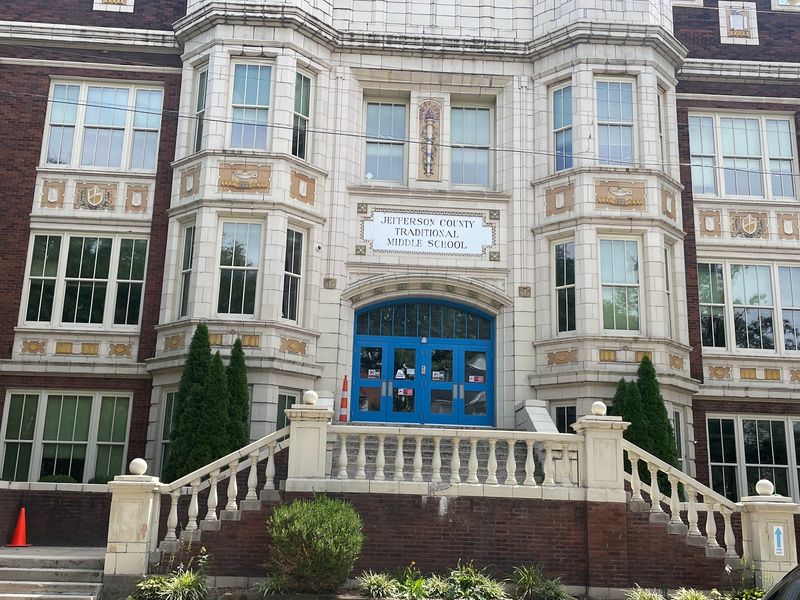
Not every family wins the lottery, and that stings. The good news is Louisville offers other choice programs.
Jefferson County Public Schools runs several magnet and optional programs across the district. Some focus on arts, others on science or language.
Apply to more than one. Ranking multiple options improves your odds considerably.
Keep your neighborhood school on the list as a solid backup. Many are stronger than reputation suggests.
Waitlist movement does happen. Families relocate, plans change, and seats open unexpectedly.
Stay reachable during summer. A missed phone call can cost a spot.
Visit schools before ranking them. A twenty minute walkthrough tells you more than any ranking website.
Talk to current parents at pickup if you can. They give honest, unpolished answers.
Remember the long waiting list means something real. Hundreds of families cannot all be wrong about a place.
Whether you get in or not, that enthusiasm says a lot about Louisville. Parents here care deeply about where their kids learn.