This Kentucky County Has The Lowest Smoking Rate, Lowest Obesity Rate And Longest Lives In The State
Kentucky does not usually win these contests. The state lands near the bottom of most national health rankings, and everyone here knows it, which makes one particular county fairly awkward at parties.
It sits just northeast of Louisville. Its residents smoke less, weigh less, and live longer than anyone else in the Commonwealth.
You would expect a place like that to be insufferable about it. Instead it is mostly horse farms, small downtowns, and people who walk their dogs a lot.
There is no secret spring water and no wellness industry propping this up. What there is happens to be money, good schools, parks, and doctors within reasonable driving distance.
That combination turns out to matter enormously. The numbers here have stayed on top year after year, which is the part that should interest you most.
Oldham County Keeps Winning The Health Rankings
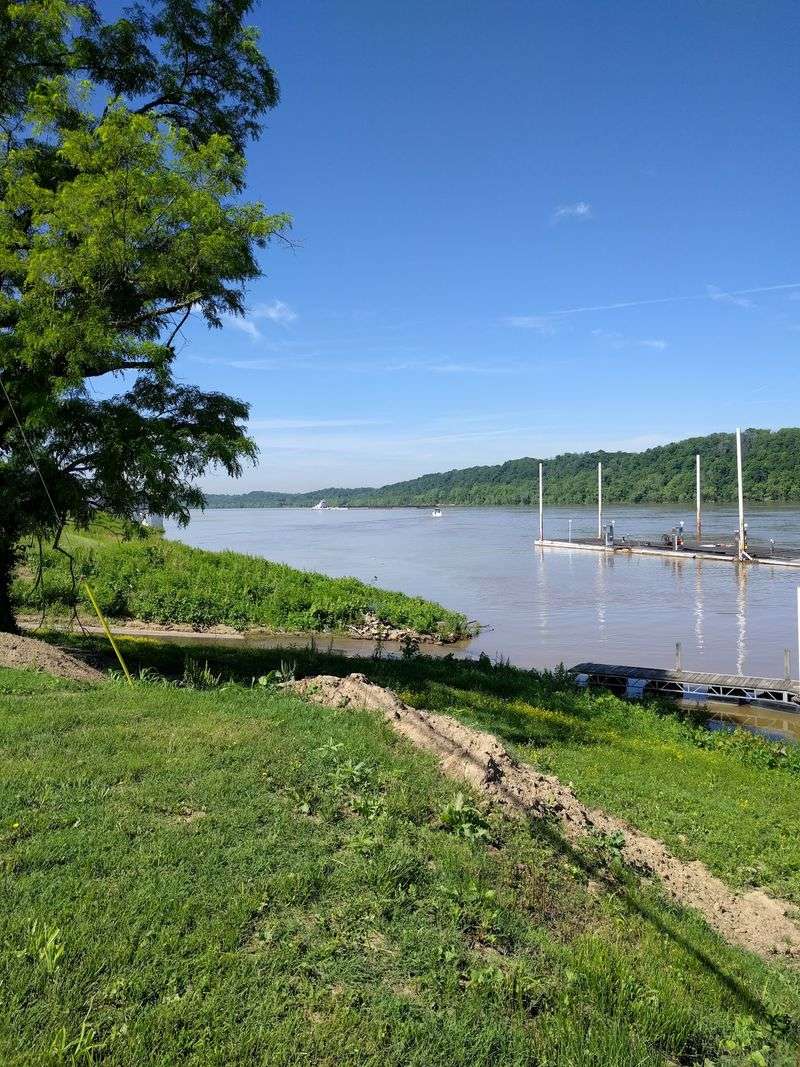
Oldham County sits just northeast of Louisville, and it has quietly become Kentucky’s healthiest county. The County Health Rankings program has placed it at or near the top for years running.
I expected a flashy explanation. Instead I found ordinary streets, busy sidewalks, and people who seemed genuinely unhurried.
The numbers tell a clear story. Oldham County reports the lowest adult smoking rate in the state and one of the lowest obesity rates too.
Life expectancy here runs several years above the Kentucky average. That gap is not small, and it did not happen by accident.
Researchers usually point to a mix of income, education, and access to care. Oldham County scores high on all three, which stacks the deck in its favor.
Still, statistics only go so far. What struck me was how easy healthy choices seemed here, almost by design.
Parks sit close to neighborhoods. Grocery stores stock fresh produce year round.
None of that is magic. It is infrastructure, and it quietly shapes what people do every single day.
The rest of the state watches Oldham County closely. Public health workers study it, hoping to copy what works.
That is the real value here. A county of roughly 68,000 people has become a working example for everyone else.
The Lowest Smoking Rate In Kentucky
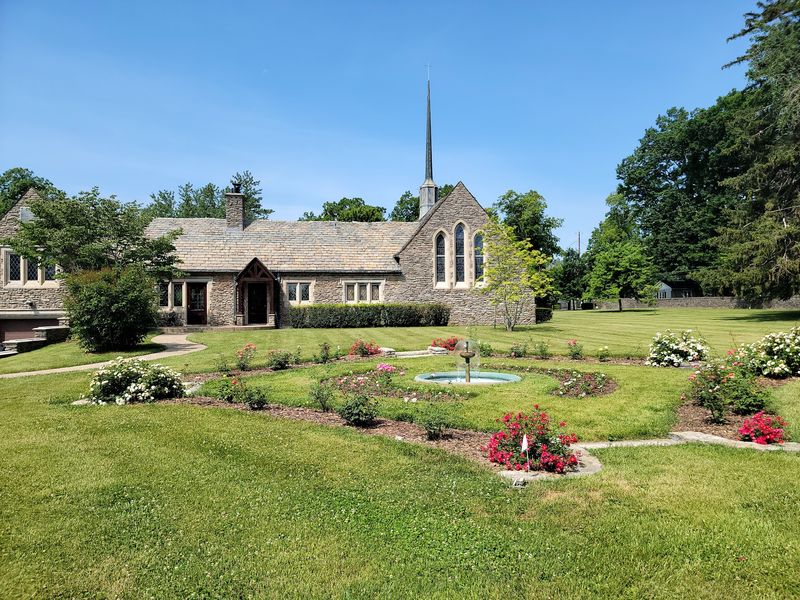
Kentucky has long struggled with high smoking rates statewide. Oldham County broke away from that pattern in a big way.
Adult smoking here hovers well below the state average. In some reporting years the gap has been close to half.
Local policy played a real part. Smoke-free rules in public buildings and workplaces arrived earlier here than in many Kentucky counties.
Schools reinforced the message young. Prevention programs start in middle school and continue through high school.
Health experts say quitting adds years back to a person’s life. Lower rates across a whole county lift the average dramatically.
That single factor explains a chunk of the life expectancy gap. Lungs and hearts both benefit, and the effect compounds over decades.
I talked with a pharmacist who mentioned how few cessation products she sells now. Demand dropped because fewer people ever started.
Higher education levels help too. Studies consistently link college attainment with lower rates statewide.
Oldham County has one of Kentucky’s most educated populations. Roughly forty percent of adults hold a bachelor’s degree or higher.
Culture matters as much as policy. When a habit stops feeling normal, it fades faster than any campaign can push it.
That shift took two decades. The payoff shows up in the rankings.
Fewer Waistline Worries Than Anywhere Else In The State
Obesity affects about one in three adults across Kentucky. In Oldham County the share sits noticeably lower.
That difference is not about willpower. It is about what surrounds people every day.
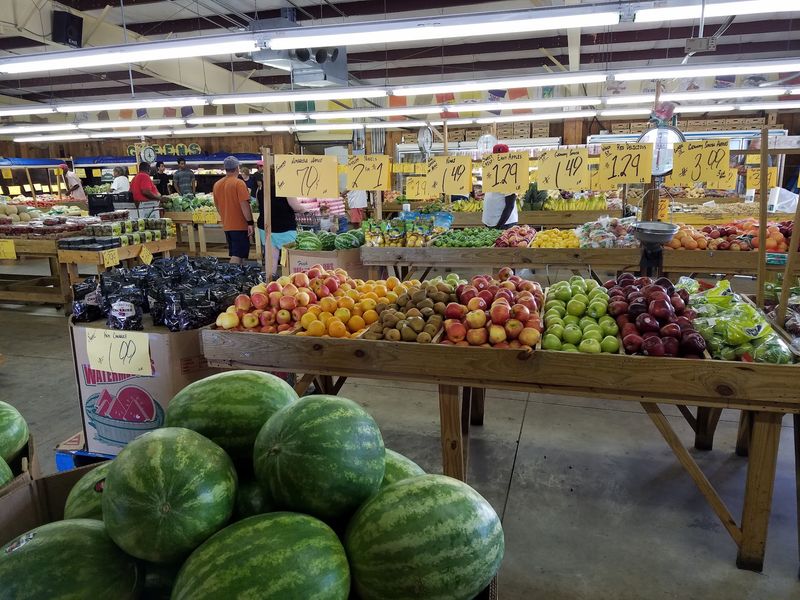
Fresh food is easy to find here. Full-service grocery stores serve nearly every community, and food deserts are rare.
Farmers markets run through the warm months. La Grange and Crestwood both host regular vendor days.
I picked up tomatoes at one stand and chatted with the grower. He drove twelve minutes to get there.
Short supply chains mean fresher produce and better prices. People buy vegetables because buying them is convenient.
Physical activity rates also run high. County data shows a low share of adults reporting no leisure-time exercise.
Sidewalks, trails, and ballfields make movement automatic. Nobody has to plan a special trip to walk.
School lunch programs in the district emphasize fresh options. Kids grow up with those tastes as normal.
Restaurants have followed the demand. Salads and grain bowls show up on menus that once skipped them entirely.
The lesson travels well. When healthy food is nearby and affordable, people choose it without much struggle.
That is the quiet engine behind the numbers.
Living Longer Than The Kentucky Average
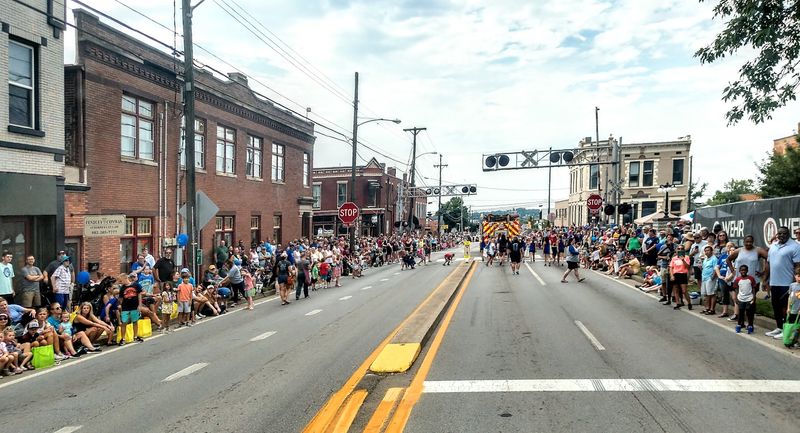
Life expectancy in Oldham County runs around 79 to 80 years. Kentucky’s statewide figure sits closer to 75.
A four or five year gap is enormous in public health terms. It represents thousands of extra healthy years across the county.
Several things stack together to create that number. Low smoking, low obesity, and strong healthcare access all contribute.
Income plays a role too. Oldham County has the highest median household income in Kentucky.
Money buys stability. Stable housing, reliable transportation, and steady insurance all protect health quietly.
I met a retired teacher walking laps at a park near Buckner. She was 74 and moved faster than I did.
She said her walking group meets five mornings a week. Some members have kept it up for over a decade.
Social connection turns out to be a real longevity factor. Researchers rank it alongside diet and exercise.
Oldham County has plenty of it. Church groups, sports leagues, and community centers keep people showing up for each other.
None of this involves expensive technology. It involves neighbors, routines, and places to gather.
The county proves something useful. Longer life often comes from small, repeated choices rather than dramatic interventions.
Trails, Parks, And Places To Move
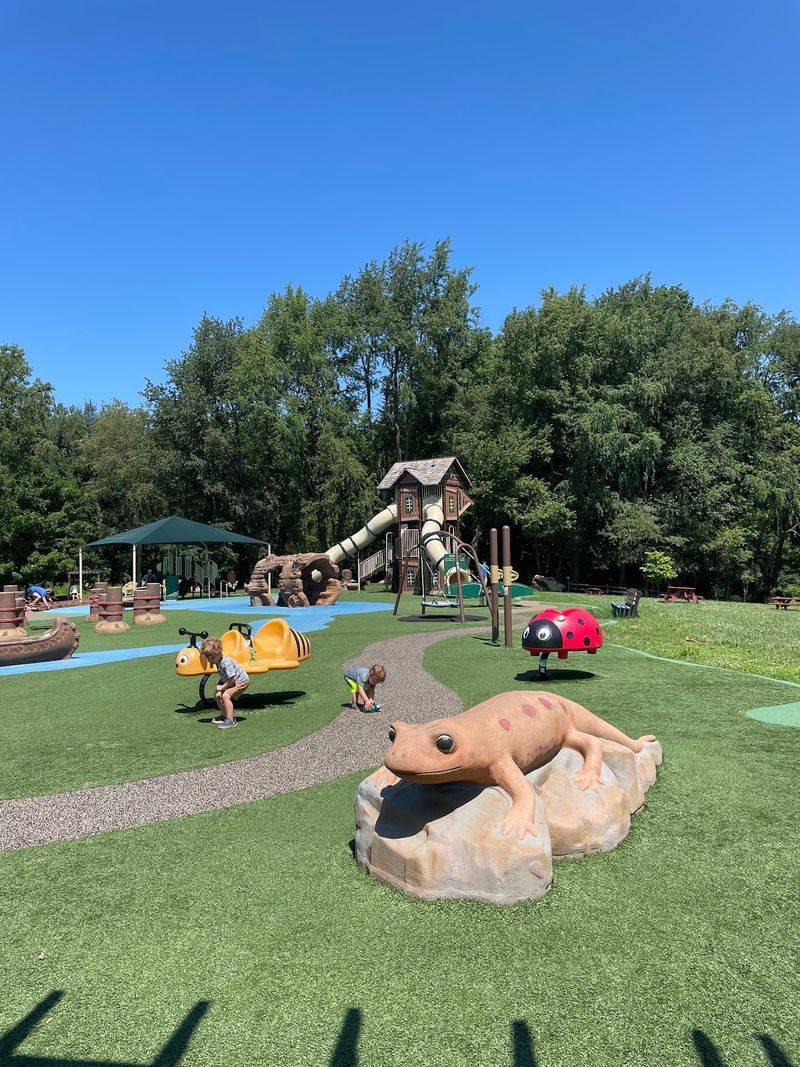
Green space here is not an afterthought. It is woven through the county like a net.
Wendell Moore Park in La Grange offers walking loops, ballfields, and a fishing lake. Families use it constantly.
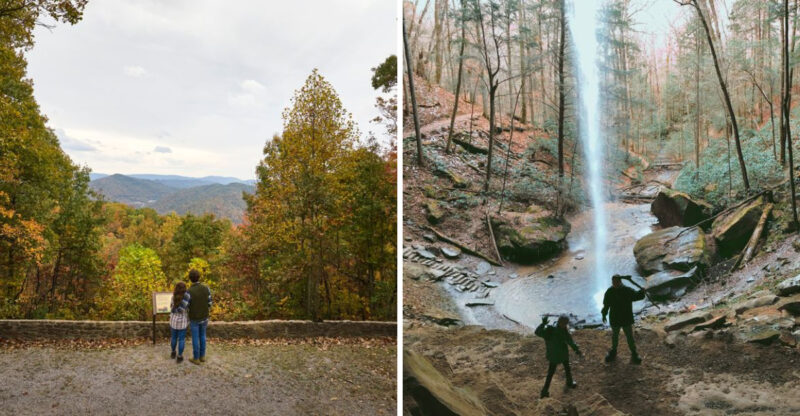
Creasey Mahan Nature Preserve covers about 170 acres near Goshen. Its trails wind through woods and open meadows.
I hiked one loop on a cool October morning. The leaves were loud underfoot and the parking lot was already full.
Taylorsville Lake is a short drive away for bigger outdoor plans. Locals fish, paddle, and camp there year round.
The Ohio River forms the county’s northern edge. River access points draw kayakers through the warmer months.
Neighborhood design matters just as much as parks. Many subdivisions include sidewalks and connecting paths by default.
That single planning decision changes behavior. Kids bike to friends’ houses instead of getting driven everywhere.
Youth sports leagues fill the fields most evenings. Soccer, baseball, and lacrosse all have strong local participation.
Adults keep moving too. Recreational leagues and running clubs meet regularly across the county.
Movement here feels ordinary rather than heroic. Nobody talks about workouts because walking is just what people do.
Doctors Are Close, And People Actually Go
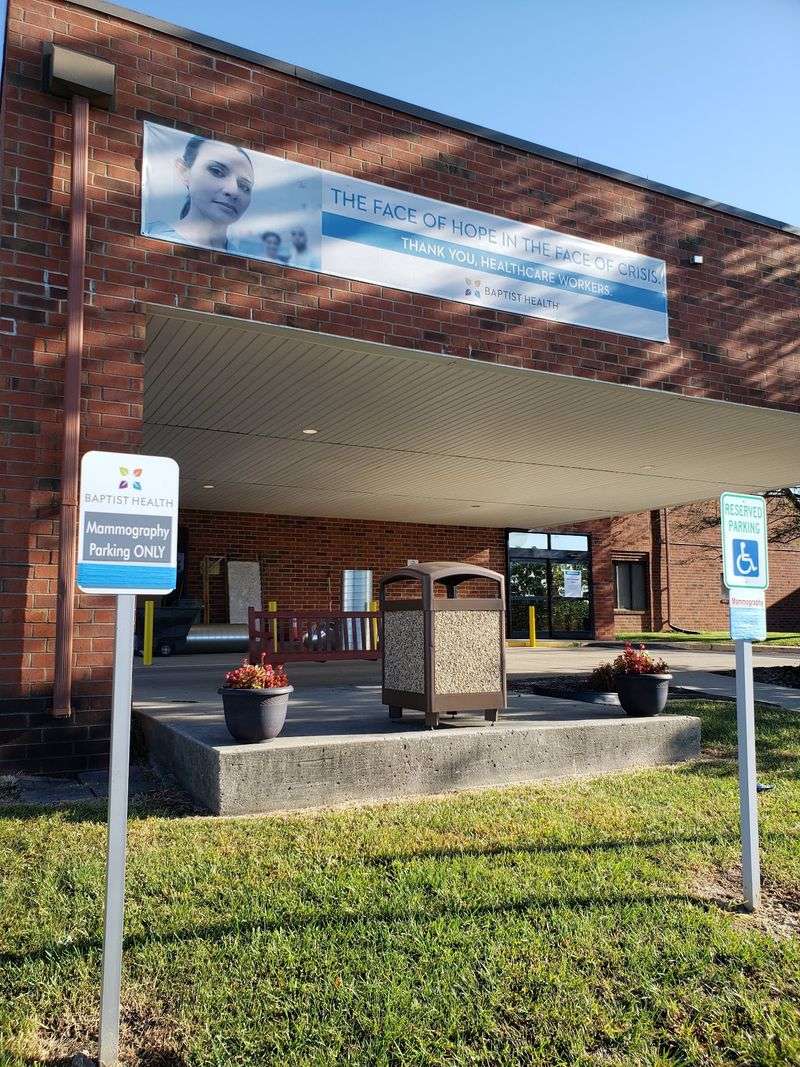
Access to care shows up in every health ranking. Oldham County scores strongly on this measure.
Louisville sits about twenty minutes from much of the county. Major hospitals and specialists are an easy drive.
Local clinics handle everyday needs closer to home. Primary care offices operate in La Grange, Crestwood, and Prospect.
The ratio of residents to primary care doctors here beats the state average. Shorter waits mean people book appointments instead of postponing them.
Insurance coverage is high too. Fewer than five percent of adults under 65 lack coverage in most reporting years.
That matters more than people realize. Preventive screenings catch problems while they are still small and fixable.
A nurse I spoke with mentioned how many patients come in for annual checkups. She said it is the norm, not the exception.
Dental and vision care follow the same pattern. Regular visits are built into family routines.
Mental health resources have expanded in recent years. School counselors and community providers work together more closely now.
None of this is glamorous. Routine care rarely makes headlines.
But routine care is exactly what extends lives. Oldham County shows what happens when it becomes habit.
Schools That Shape Lifelong Habits
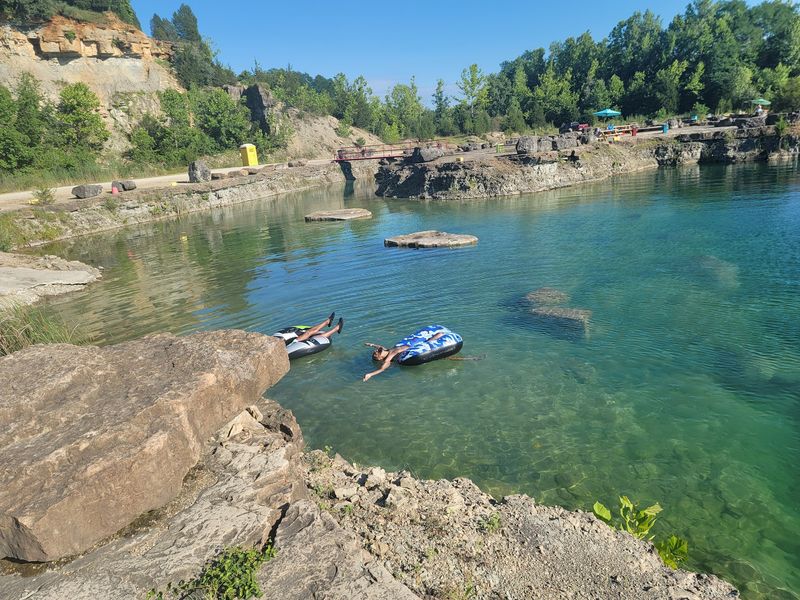
Oldham County Schools rank among the strongest districts in Kentucky. Graduation rates sit near the top statewide.
Education and health travel together. People with more schooling tend to live longer and healthier lives.
The district takes physical education seriously. Elementary students get regular activity time built into the week.
Cafeterias emphasize fresh options and whole grains. Kids grow up expecting vegetables on the tray.
Health classes cover practical topics like nutrition and stress management. Prevention lessons start earlier than in many districts.
Athletic participation runs high across all four public high schools. Teams fill rosters without much recruiting effort.
I watched a middle school cross country practice near Crestwood. Roughly sixty kids were running, and most looked happy about it.
Habits formed at twelve often stick at forty. That is the long game the district is playing.
Parent involvement adds another layer. Booster clubs and volunteer groups keep programs funded and running.
Strong schools also attract families who value health. The effect reinforces itself over generations.
Here is a small fact worth knowing. The county’s first schools opened in the early 1800s, long before consolidation.
That history built a culture that still values learning.
What Other Counties Can Borrow From Here
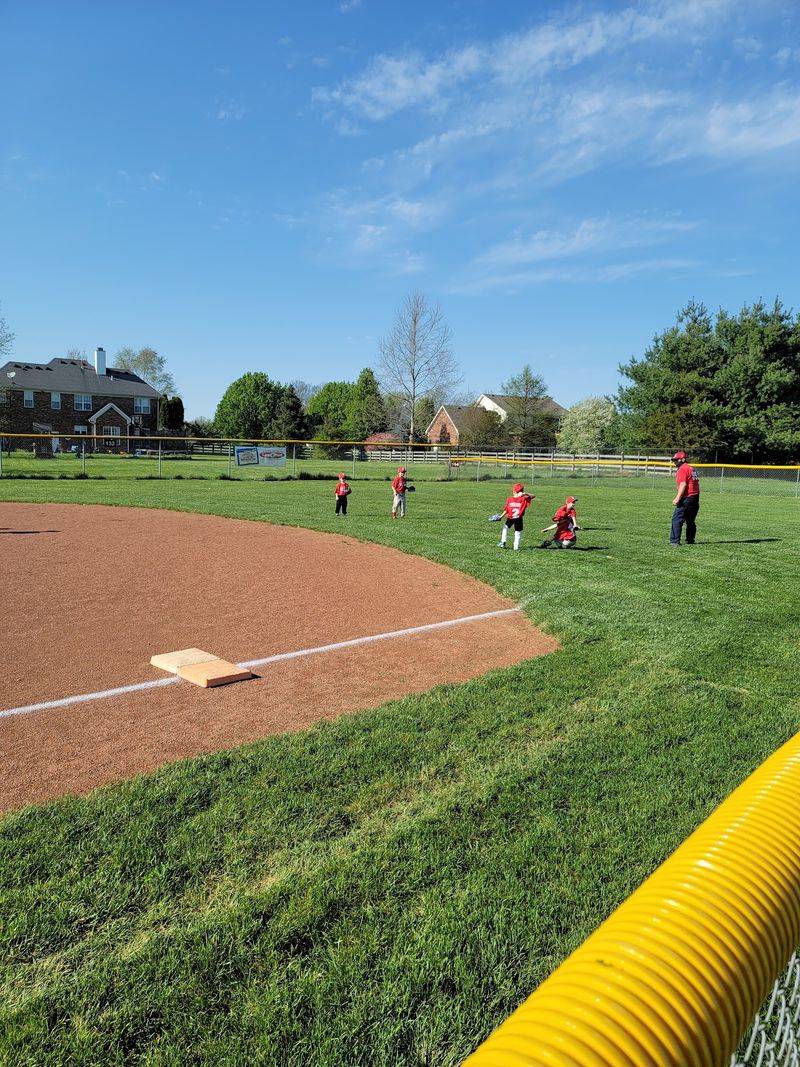
Copying Oldham County exactly is impossible. Income and geography cannot be rewritten overnight.
But plenty here is portable. Sidewalks, trails, and grocery access do not require wealth to prioritize.
Smoke-free policies cost almost nothing to pass. Their health returns arrive within a few years.
School nutrition changes work the same way. Better lunches reach every child regardless of family income.
Walking groups need no budget at all. A few committed people and a safe route are enough.
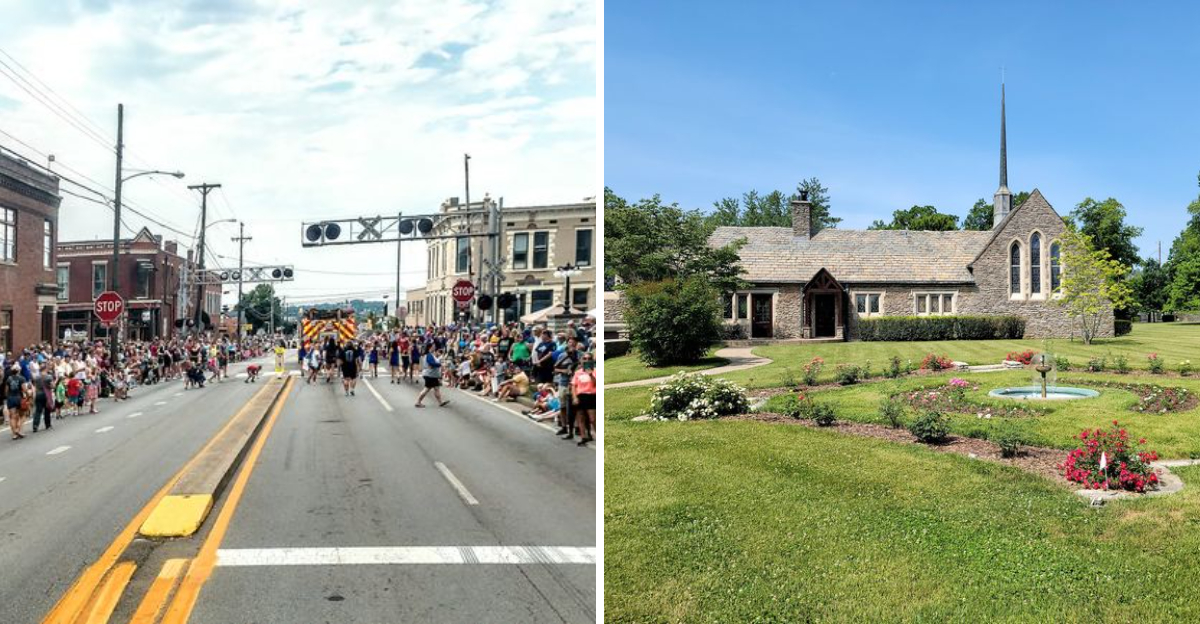
La Grange offers a good example of small-scale planning. Its historic main street has a railroad running straight through the middle.
People walk there because the street was built for walking. That design predates every modern health study.
Rural counties can improve care access through telehealth and mobile clinics. Both have expanded across Kentucky recently.
Community partnerships stretch limited dollars. Churches, libraries, and schools all serve as gathering points.
The broader point is encouraging. Health outcomes respond to environment, not just individual effort.
Oldham County did not stumble into first place. It made steady, unglamorous decisions over many years.
Any county can start that process. The results just take patience to appear.