This Georgia City Has Tap Water So Good It Actually Earned An Award
I laughed out loud the first time someone told me to try the tap water. It sounded like a joke.
Then I filled a glass in the kitchen of a small inn and took a sip without thinking much of it. I stopped halfway through.
It tasted clean and almost sweet, nothing like the flat, chemical taste I grew up expecting from a faucet. I asked the owner if she noticed it too.
She smiled like she got that reaction every week. Turns out this Georgia town has quietly out competed cities twice its size for the title of best tasting water in the state.
I did not believe it until I checked the story myself. Now I fill my bottle straight from the sink every time I visit, and I tell everyone back home about this strange little corner of Georgia.
The Statewide Taste Test Title That Started The Buzz
Bottled water companies spend millions on marketing. A municipal water plant in Georgia just quietly out-tasted the competition instead.
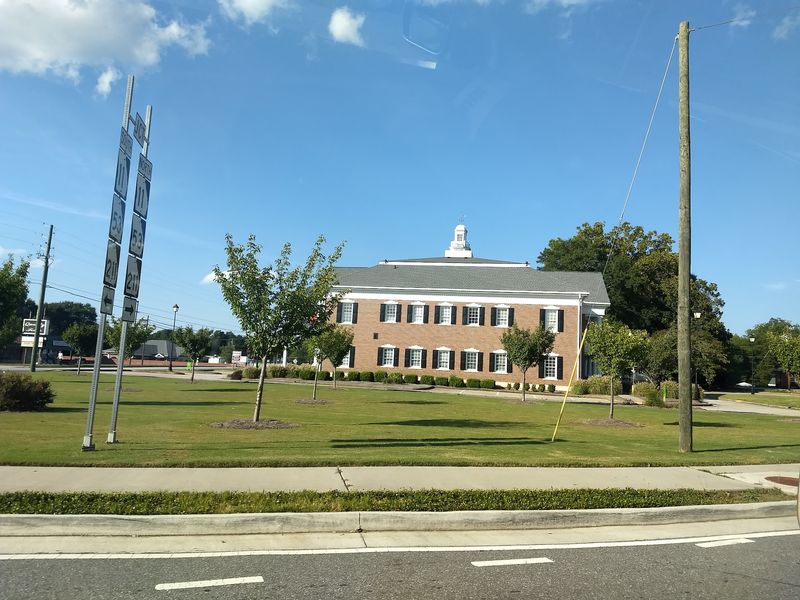
A sample from the Highway 53 Water Treatment Plant beat 16 other utilities to claim the Best Tasting Tap Water in Georgia title in 2025. That was not a fluke either.
The same city took the statewide taste test crown back in 2014.
Judging is not a casual sip-and-shrug affair. The taste tests are run scientifically, with a panel of celebrity judges scoring each sample.
In 2023, the city landed a district championship in the same competition. Momentum clearly built over the years rather than arriving overnight.
What surprised me most was how ordinary the source felt. No fancy glacier, no imported spring, just a treatment plant doing its job extremely well.
Winning also opened a bigger door. The state title sent the sample to the American Water Works Association national competition in Denver, Colorado, in June 2025.
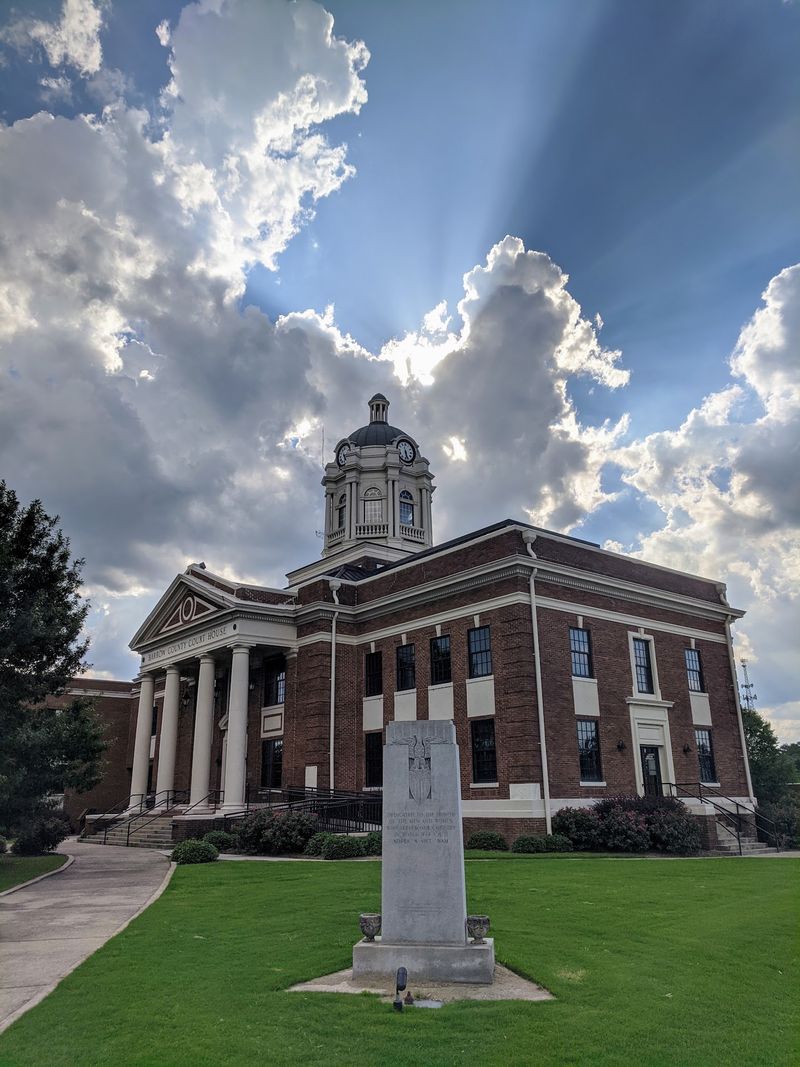
For a place of roughly 18,000 residents, that is a serious stage. And it all happened in Winder, Georgia.
Where The Water Actually Comes From
Great water starts long before it reaches a faucet. Three separate sources feed this system, which is more than many towns can claim.
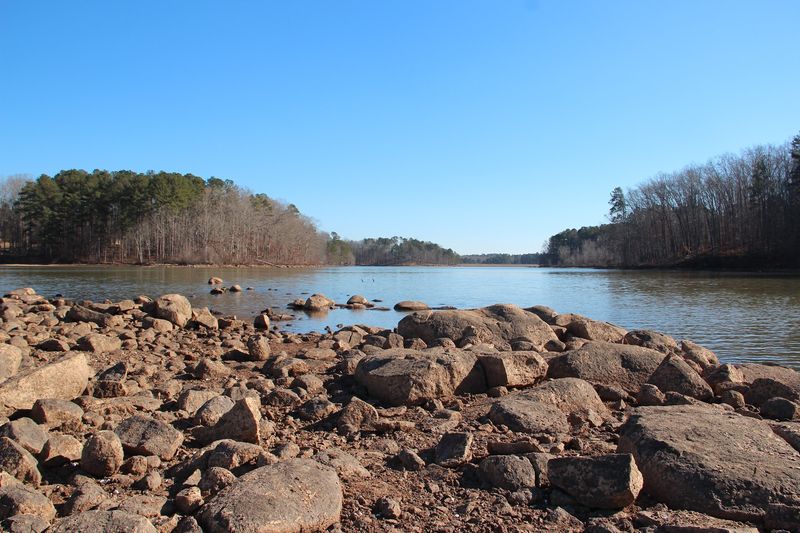
Raw water comes from the Mulberry River and Fort Yargo Lake, with water from the Mulberry River also stored in Laurel Lane Reservoir. That mix gives operators flexibility during dry spells and heavy rain alike.
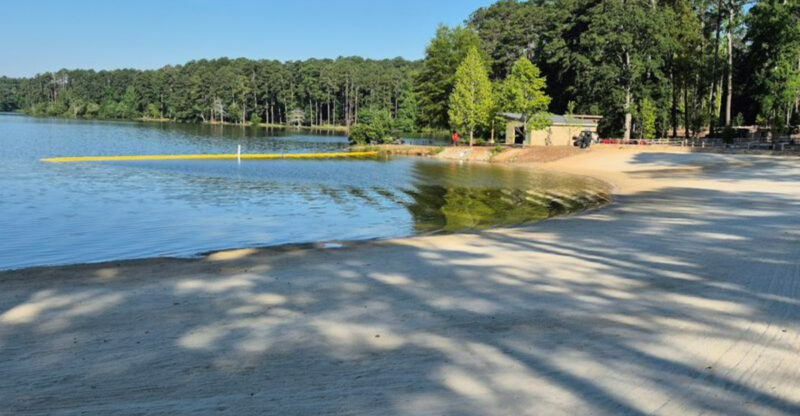
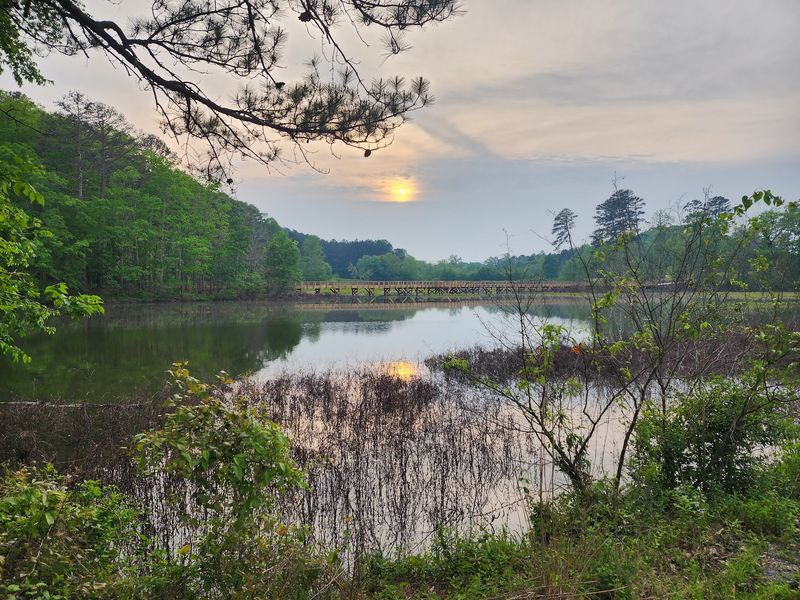
Lake Yargo sits inside a state park, which means the surrounding land stays largely undeveloped. Fewer parking lots and rooftops nearby generally means cleaner runoff heading into the water.
I visited the park on a warm afternoon and watched sunlight bounce off the surface. Knowing that same lake helps supply award-winning drinking water changed how I looked at it.
Multiple sources also protect against single points of failure. If one intake has an issue, the others keep the taps flowing.
The Mulberry River adds a moving-water source to the equation. Reservoirs, by contrast, offer storage and steadier supply.
Blending options like these gives treatment operators room to fine-tune quality. That flexibility shows up later in the glass, in ways most people never think about.
Inside The Highway 53 Treatment Plant
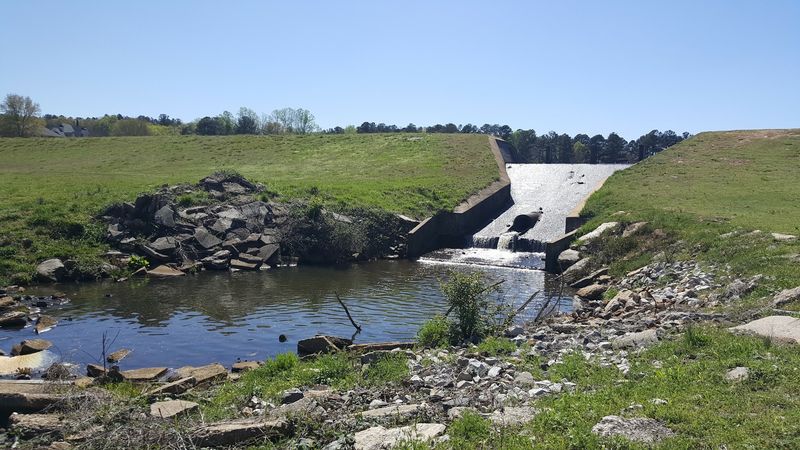
Picture a building where water goes in cloudy and comes out competition-worthy. That is the daily routine at the Highway 53 plant.
The process opens with flash mixing, a fast blending stage that kicks off treatment. Chemistry gets distributed evenly right at the start.
Next comes flocculation inside concrete basins. Organic materials bond together into clumps called floc, which then settle out of the water.
From there, water moves into settling basins. Heavier particles drop to the bottom while the clearer water continues onward.
Filters handle the fine work using anthracite and sand. Those layers trap remaining particulate matter and leftover organic material.
Disinfection follows, with chlorine added to eliminate microorganisms. Fluoride goes in as well, a standard public health step.
What impressed me was how mechanical and unglamorous it all sounds. Yet each stage removes something that would otherwise dull the flavor.
The plant dates back to the early 1970s, though it has seen expansions and modifications since. Old bones, modern performance.
Maximum capacity currently sits at 6.2 million gallons per day. Plans call for increasing output to 9.2 MGD.
Platinum Awards That Never Seem To Stop
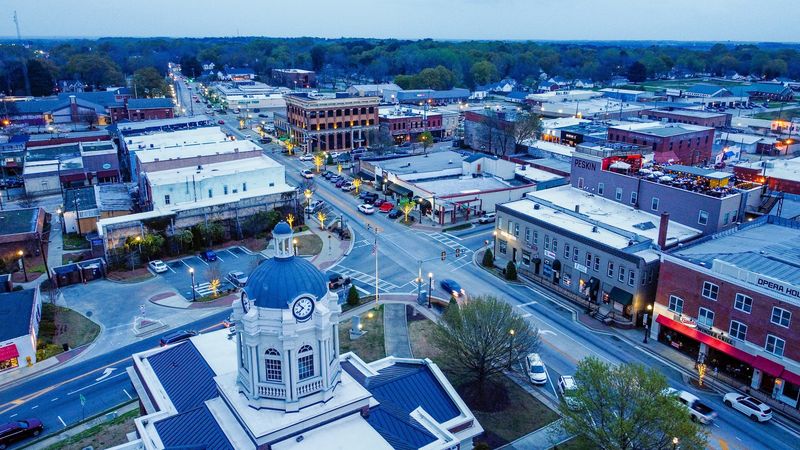
Taste titles grab headlines. The Platinum Award from the Georgia Association of Water Professionals is the one insiders respect most.
Earning it means the facilities recorded no permit violations for maximum contaminant levels during the previous calendar year. It also means no NPDES permit violations.
Qualifying is deliberately difficult. An organization must first collect four consecutive Gold Awards before Platinum is even possible.
In 2025, the city picked up its seventh consecutive Platinum Award. That stretch also marked eleven straight years of either Gold or Platinum recognition.
By July 2026, the count reached an eighth consecutive Platinum. Twelve consecutive years of Gold or Platinum is a genuinely rare run.
Consistency like that says something taste alone cannot. Anyone can have a good week, but a decade of clean records requires discipline.
I find that reassuring in a boring, wonderful way. It means the good taste is not accidental.
Operations partners have shared in the honors too, including ESG Operations and later Inframark. Teamwork between city staff and operators keeps the streak alive.
Serving A Region Bigger Than The City Itself
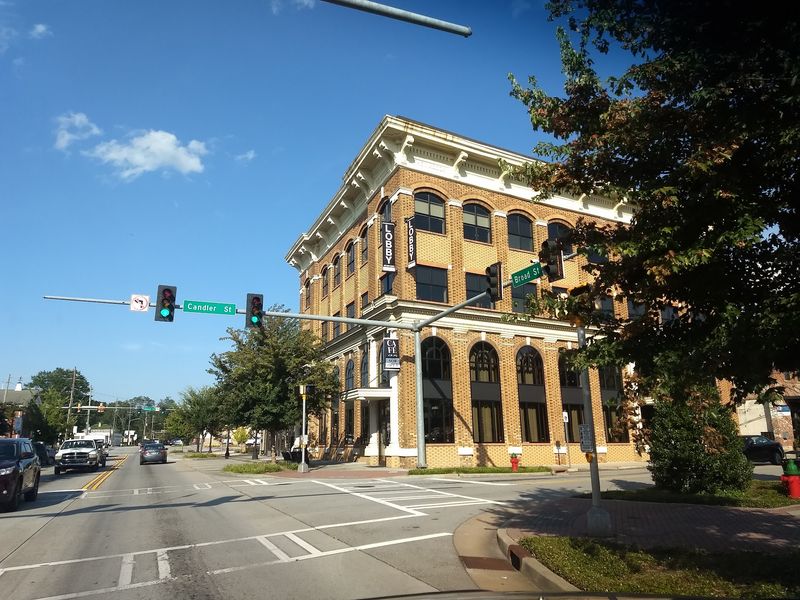
Here is a detail that reframes everything. The service area stretches far beyond city limits.
Water reaches roughly 114 square miles in total. That covers about 67 percent of Barrow County.
Roughly 51,000 people rely on that water supply. The city itself counted 18,338 residents at the 2020 census.
So the utility serves nearly triple its own population. Neighboring communities benefit from the same award-winning treatment.
Scaling like that adds real complexity. Water must travel farther while keeping pressure and quality intact along the way.
Rural stretches are especially tricky. Long pipe runs with fewer customers mean water sits longer before reaching a tap.
Managing that without losing taste takes constant monitoring. It is one reason the taste test wins feel earned rather than lucky.
I like thinking about a farmhouse kitchen twenty minutes out of town. Same faucet, same quality, same quiet achievement.
Regional systems like this also help smaller communities avoid building costly plants of their own.
413 Miles Of Pipe Working Quietly Underground
Under the streets sits a network most residents will never see. It stretches roughly 413 miles of water main.
Pipe sizes range from 6 inches all the way up to 24 inches. Bigger mains move volume across town, while smaller ones handle neighborhood delivery.
Three pump stations help maintain pressure across the water system. Without them, hillier areas would notice weak faucets fast.
Storage matters just as much as movement. Six elevated tanks and two ground-level tanks hold treated water until it is needed.
Combined, those tanks can store 8.25 million gallons. That buffer covers peak morning showers and summer lawn watering surges.
Elevated tanks also do clever work with gravity. Height creates natural pressure, so less pumping energy is required.
I once drove past one of those tanks without a second thought. Now I see it as a giant pressure battery sitting in plain sight.
Good pipes protect flavor too. Well-maintained infrastructure keeps taste from picking up anything unwanted between plant and kitchen.
The Northeast Georgia Crown, Won Again
Regional competitions come before the big statewide showdown. Winning locally is how a sample earns its ticket forward.
In July 2026, the city and Inframark operations claimed Best Tasting Tap Water in Northeast Georgia. The honor came from the Georgia Section of the American Water Works Association.
Northeast Georgia is no small pond, either. Plenty of well-run utilities operate across that stretch of the state.
Repeat regional success also shows the results are reproducible. One great sample could be timing, but several point to process.
Judges evaluate qualities like clarity, odor, and aftertaste. Chlorine flavor, in particular, tends to sink a lot of entries.
Balancing disinfection with taste is genuinely hard. Enough chlorine to keep water safe, not so much that you notice it.
That balance is exactly where skilled operators separate themselves. Precision beats guesswork every time.
What I appreciate is how unglamorous the reward is. No parade, just a plaque and a very drinkable glass of water.
Why Winder’s Award-Winning Tap Water Stands Out
Bottled water costs hundreds of times more per gallon. Tap water here won a state title anyway.
Skipping bottles saves money and cuts plastic waste at the same time. A reusable bottle pays for itself within weeks.
If the taste ever seems off at home, temperature is usually the culprit. Chilling water in the fridge sharpens flavor noticeably.
Letting a glass sit uncovered for a few minutes helps too. Any faint chlorine scent dissipates on its own.
Running the tap briefly after long periods of no use is another simple habit. Fresh water from the main tastes better than water that sat in your pipes.
Household plumbing, not the utility, causes most taste complaints. Old fixtures and neglected filters change flavor more than people realize.
What stuck with me is the bigger lesson here. Excellent public infrastructure is invisible until someone measures it.
Next time you visit east of Atlanta, ask for tap water without hesitation. That glass has already beaten the competition.