10 Charming Small Towns In Alabama’s Appalachian Region That Embrace Rural Mountain Life
The beach can have another weekend. I would point the car toward the mountains and see what happens.
Alabama’s Appalachian corner mixes small-town life with waterfalls, covered bridges, rugged trails, and surprisingly lively local traditions.
Some communities sit near dramatic outdoor scenery, while others make history, festivals, or courthouse-square life part of the reason to linger. That gives every stop its own rhythm.
You might hike before lunch, browse downtown afterward, then stumble onto an event you never knew existed.
This region rewards leaving extra space in the schedule.
Once the roads begin climbing and the towns get smaller, slowing down starts feeling like part of the trip.
1. Mentone, Lookout Mountain
Alabama has a working ski resort. Snow guns fire whenever the thermometer drops below 28 degrees.
Mentone sits high on Lookout Mountain, a village of craft shops and cool mountain air. Cloudmont Ski and Golf Resort has been running since 1970. Two 1000-foot beginner and intermediate slopes climb to an 1800-foot elevation.
Pony lifts carry skiers up a 150-foot vertical rise. It is small, and that is exactly the charm.
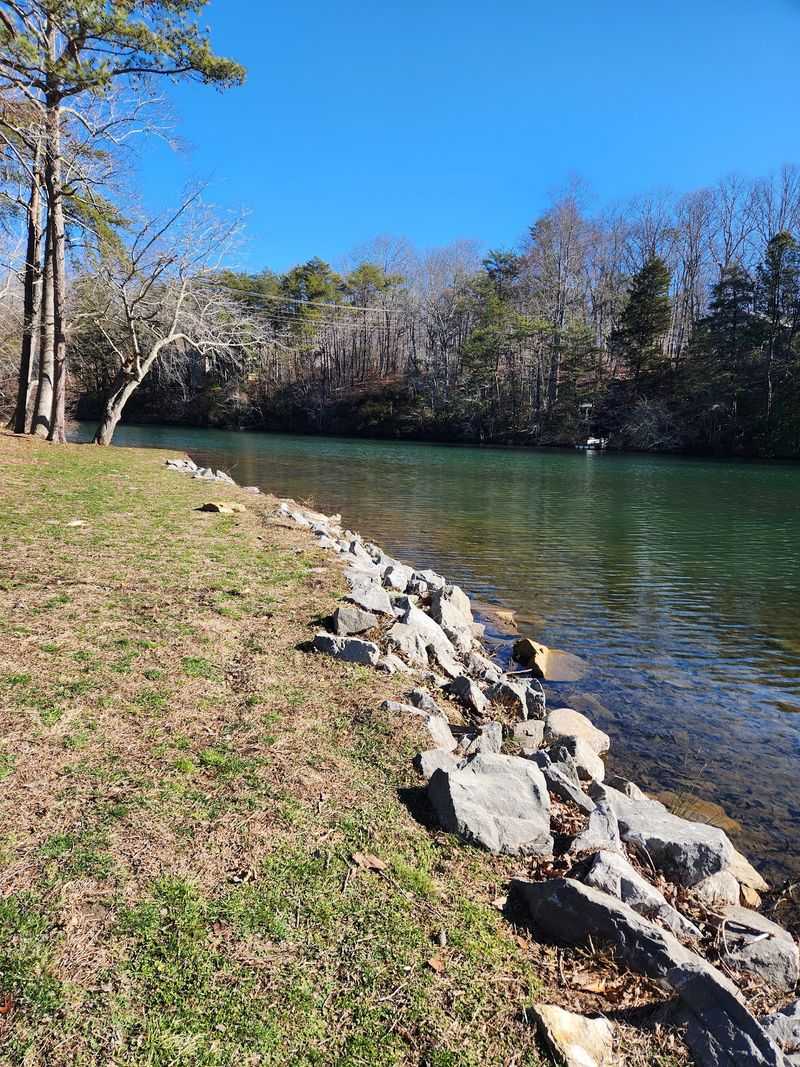
Water lovers head straight for DeSoto Falls instead. The waterfall drops between 104 and 107 feet, ranking among the tallest in the state.
Part of DeSoto State Park, the area includes a picnic area and a boat ramp. The historic A. A.Miller Dam and the upper falls sit close to parking.
Fifty concrete stairs lead down to the lower falls overlook. Trails from the falls trailhead run moderate to strenuous, so wear real shoes.
Winter and spring bring the strongest water flow. Late summer can slow the curtain to a trickle.
The West Fork of the Little River invites swimming, fishing, and easy boating. Bring a towel and stay for the afternoon.
Find the resort at 721 County Road 614, Mentone, AL 35984. Few villages let you ski in the morning and chase waterfalls by lunch.
2. Fort Payne, DeKalb County
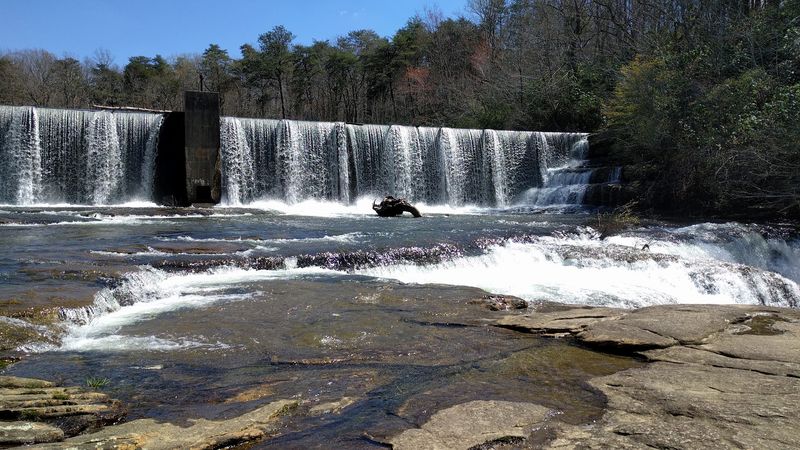
Here is a crazy thought: a river that begins and ends on top of a mountain. That geological oddity flows through Little River Canyon Preserve.
Fort Payne sits in the Appalachian foothills between Sand Mountain and Lookout Mountain. The canyon preserve nearby holds Little River Falls and the seasonal Grace’s High Falls.
Sandstone walls climb as much as 600 feet above the canyon floor. A 23-mile scenic drive traces the rim with pull-offs at the best views.
Hikers and whitewater kayakers both find plenty to do here. DeSoto State Park sits just up the road for camping.
Downtown carries serious history. The Depot Museum occupies an 1891 pink sandstone building filled with railroad memorabilia and Native American artifacts.
The Hosiery Museum tells the story of a town that once clothed the country in socks. The Fort Cabin Historic Site is a Certified Site on the Trail of Tears National Historic Trail.
Music fans know this as the hometown of the country band Alabama. Life-sized statues of the group stand in a downtown park.
The Opry House, built in 1889, still hosts performances today. Autumn paints the canyon rim in orange and gold, making October the sweet spot. Between the gorge and the galleries, one weekend barely scratches the surface.
3. Rainsville, Sand Mountain
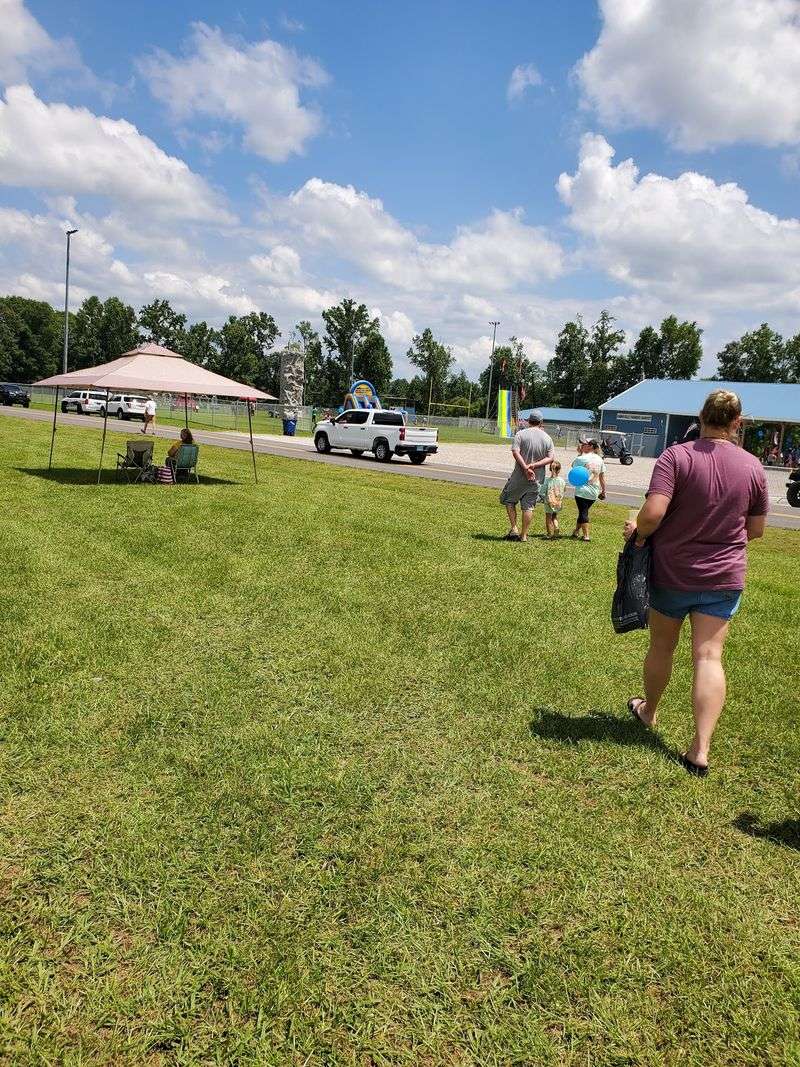
Ever heard a ballpark called the Field of Dreams? Up on Sand Mountain, that nickname is earned.
Rainsville sits atop Sand Mountain, ringed by Appalachian foothills and farm country. The Sports Complex features five state-of-the-art turf fields for baseball, softball, and t-ball.
Disc golf, soccer, and flag football fields round out the grounds. Weekend tournaments fill the parking lot with folding chairs and coolers.
Family time centers on Rainsville City Park. Picnic areas, playgrounds, and walking trails share the space with a pool and tennis courts.
It is shady, simple, and easy to love. The town also carries a reputation as one of the safest communities around.
Community life often runs through the Northeast Alabama Agri-Business Center. Rodeos, fairs, and agricultural shows keep the calendar full year-round.
Each summer the Rainsville Freedom Fest brings free family activities. Pony rides, face painting, and laser tag draw big crowds.
Shoppers browse Old 35 Mercantile for home decor and vintage finds. It is the sort of store where you enter for a candle and leave with a table.
You will find the park at 76 McCurdy Avenue S, Rainsville, AL 35986. Mountaintop living rarely comes this relaxed or this welcoming.
4. Ashland, Clay County

Watermelon Olympics. Yes, that is a real competition, and it happens every summer.
Ashland rests in the Appalachian foothills of east-central Alabama, wrapped in rolling hills and thick forest. The Clay County Yellow-Meated Watermelon Festival lands in late July or early August.
Antique cars line the street while live music plays. The yellow-fleshed melons are the sweet star of the show.
Independence Day brings the Road to Freedom Festival on July 4. A patriotic parade rolls through town, followed by a kids zone.
Historical exhibits and arts and crafts vendors fill out the day. Small-town holidays hit differently here. Nature sits close in every direction. Cheaha State Park, home to Alabama’s highest point, is an easy drive away.
The vast Talladega National Forest opens up hiking and mountain biking routes. Fall foliage on those ridges is worth the tank of gas.
Back on the town square, High Points Coffee and Books makes a fine base camp. Grab a drink, thumb through a paperback, and plan the afternoon.
Mornings are cool and quiet in the foothills, so start hikes early. Ashland proves that a slow square and a wild ridgeline can share a zip code.
5. Geraldine, Sand Mountain
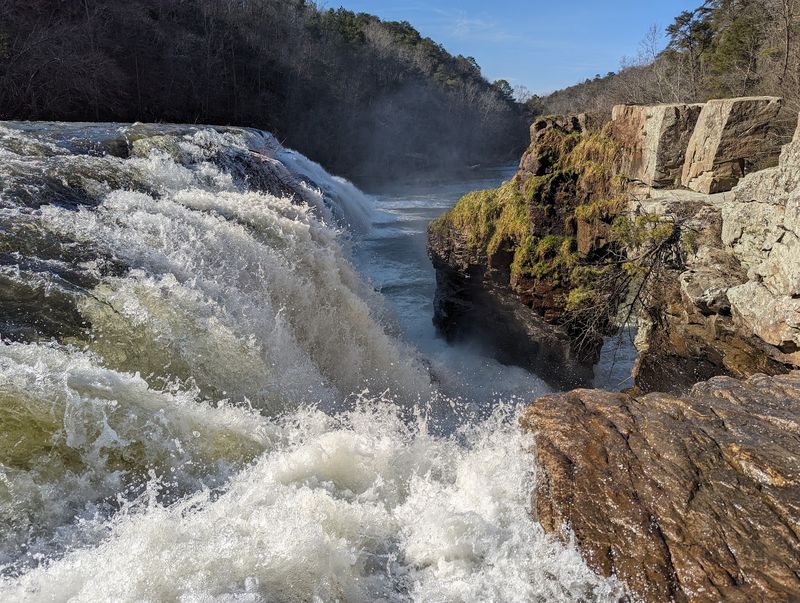
Picture a waterfall that stretches 300 feet wide after heavy rain. Town Creek pulls that off just outside town.
Geraldine perches high on Sand Mountain, quiet and rural in the best way. High Falls Park protects a 35-foot cascade tumbling over broad rock shelves.
Near the base sits a natural bridge formation. That 25-foot rock span was carved out by centuries of moving water.
The Geraldine Farmers Market keeps the community connected. Fresh produce, homemade food items, and live plants fill the tables. Growers here know their tomatoes. Arrive early for the best pick.
Geraldine Town Park packs plenty into one address. A newly built sand volleyball court joins a splash pad, tennis courts, and basketball courts.
Softball and baseball fields, two playgrounds, a walking track, and a pavilion complete the setup. Summer evenings out here are made for lingering.
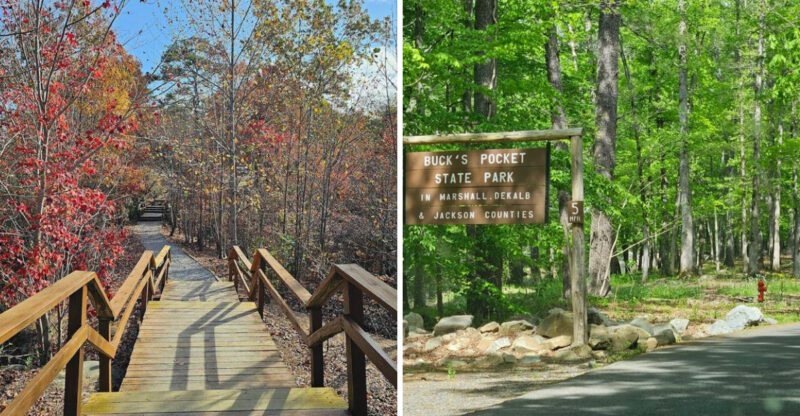
Buck’s Pocket State Park sits roughly 20 minutes away. Camping, fishing, hiking trails, and mountain overlooks reward the short drive.
The park address is 13099 County Road 52, Geraldine, AL 35974. Spring rains make the falls thunder, so time your trip after a wet week and bring a rain jacket.
6. Piedmont, Calhoun County
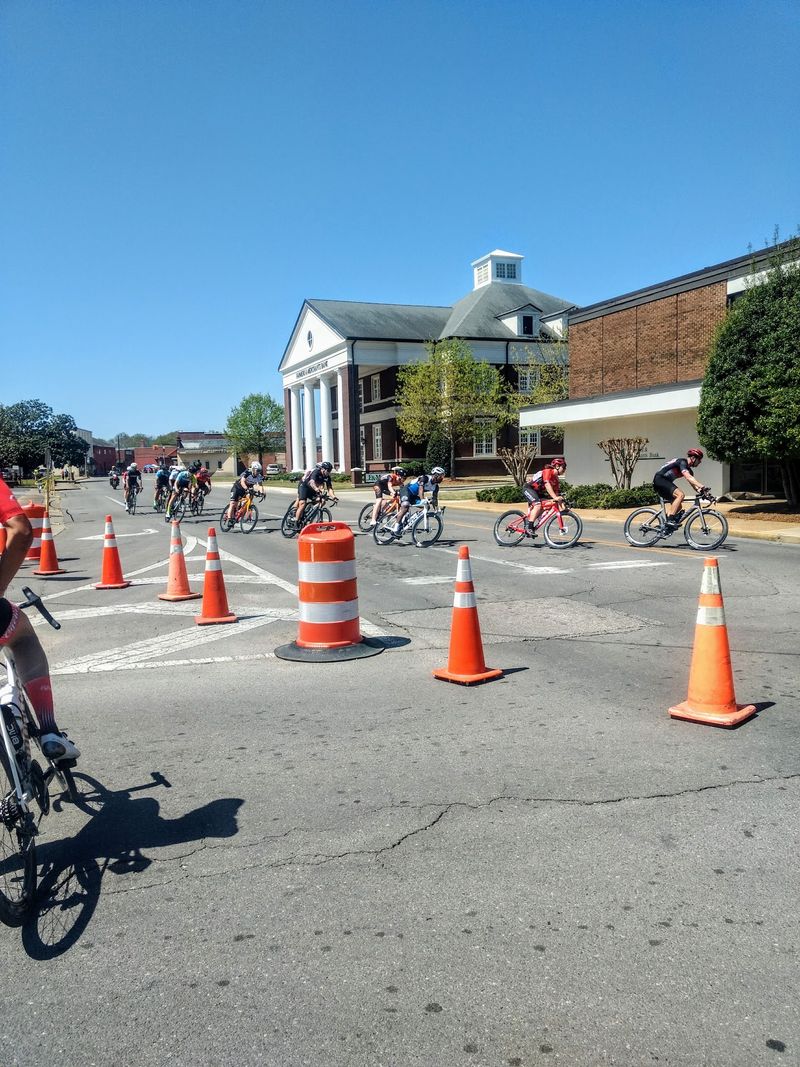
Over 100 miles of paved pathway, no traffic lights required. Cyclists have been grinning about this one for years.
Piedmont sits at the foothills of the Appalachians in Calhoun County, and the Chief Ladiga Trail runs straight through downtown. Alabama’s first extended rails-to-trails project stretches 34 paved miles.
It links up with Georgia’s Silver Comet Trail at the state line. Walkers, inline skaters, and wheelchair users all share the smooth surface.
Outdoor options do not stop at the pavement. Hikers tackle sections of the Pinhoti Trail nearby.
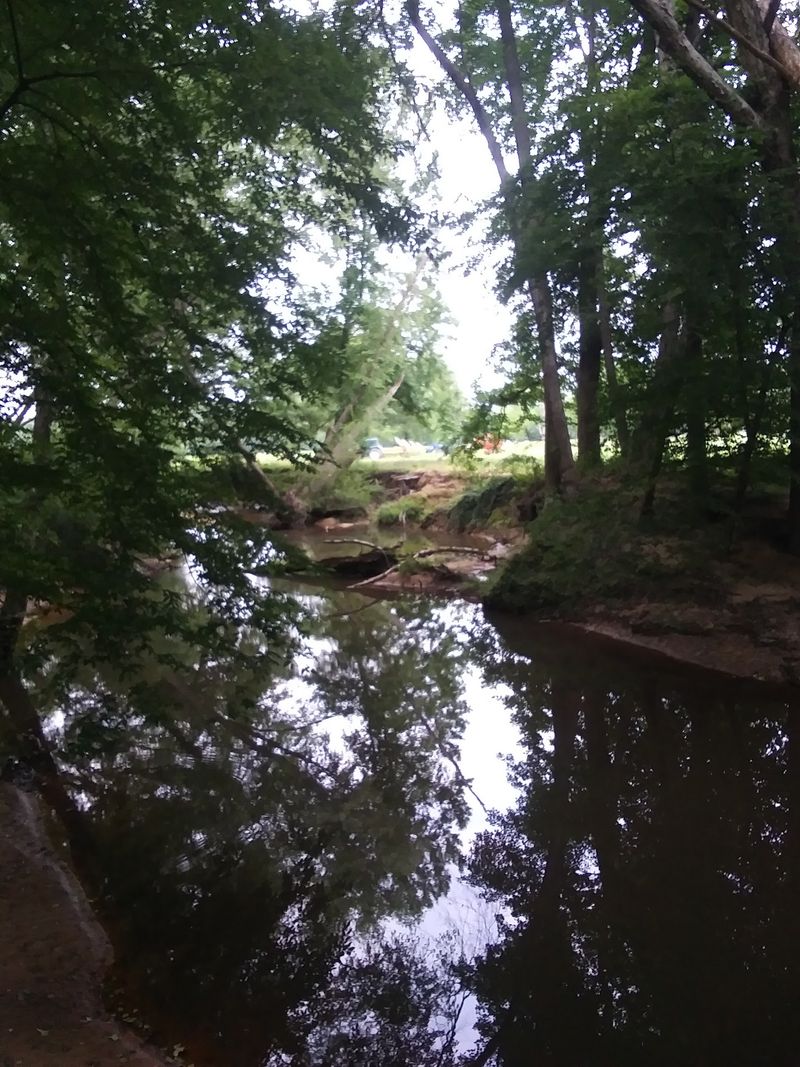
Paddlers float Terrapin Creek on warm afternoons. Talladega National Forest and Dugger Mountain are both within reach.
The historic downtown rewards a slow stroll. Nineteenth-century architecture lines the streets, including the 1885 City Hall.
The Old Calhoun County Courthouse stands as another landmark worth a photo. Brick facades and old storefronts keep their character.
Festivals mark the seasons here. The annual Piedmont Heritage Festival and the Fall Harvest Fair both celebrate regional traditions.
City offices are located at 101 Church Street, Piedmont, AL 36272. Roll in on two wheels, stay for the porch-front history, and leave with tired legs.
7. Oneonta, Blount County
Seventy feet up, a wooden bridge crosses thin air. That is the tallest covered bridge over any waterway in the United States.
Oneonta wears the title of Alabama’s Covered Bridge Capital, and it holds three of them. Horton Mill Covered Bridge, built in 1934 or 1935, spans the Calvert Prong of the Little Warrior River.
The Easley Covered Bridge sits nearby with its own quiet appeal. Photographers love the early light on the weathered timbers.
October brings the annual Covered Bridge Festival to downtown. Arts, crafts, and live music fill the streets. A car cruise-in adds chrome to the mix. Guided tours run out to the historic bridges themselves.
Palisades Park delivers wide vistas from the bluff edge, plus scenic trails. Rock climbers and picnickers share the overlook.
Downtown keeps things creative with an Art Walk of local murals. The Angel Wings Mural is the one everybody photographs.
A monthly City Market showcases handcrafted goods from area makers. Come hungry and bring cash.
Information is available at the Blount-Oneonta Chamber of Commerce, 110 1st Ave E, Oneonta, AL 35121. Three bridges, one bluff, and a mural with wings make a very full Saturday.
8. Lineville, Clay County
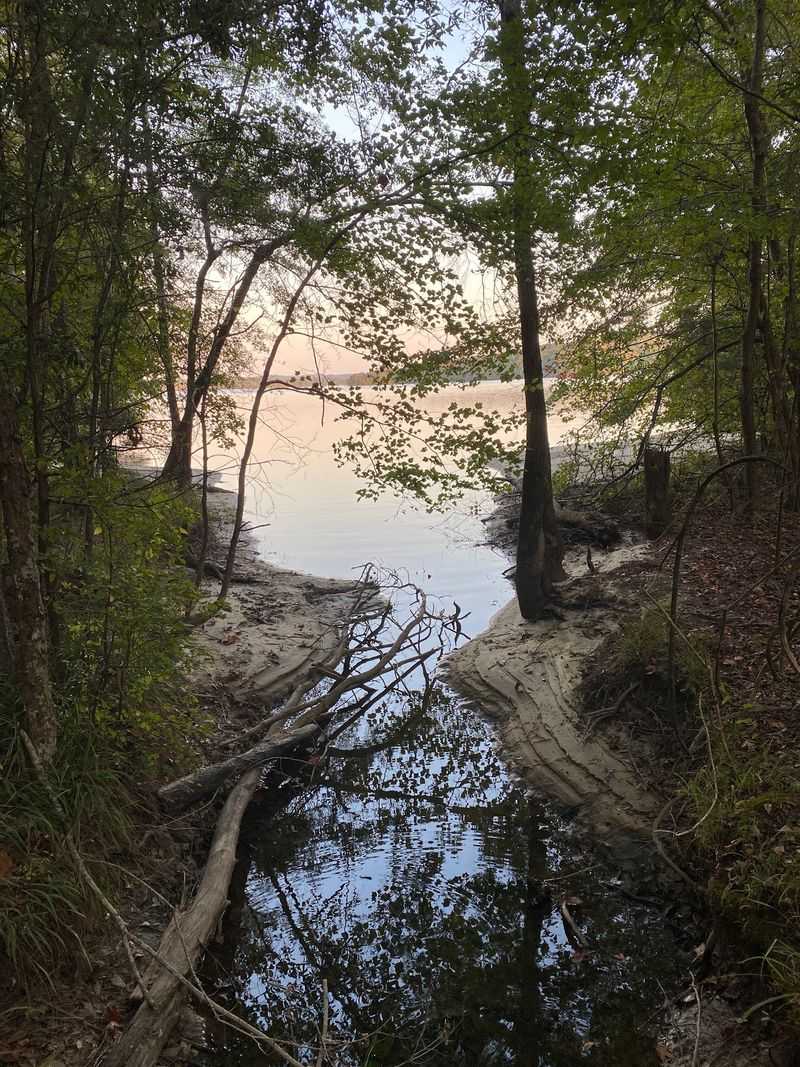
Twenty-nine acres of solid granite make one unusual swimming area. Flat Rock Park has been cooling off locals for generations.
Lineville tucks into Clay County with the Talladega National Forest on its doorstep. The park mixes scenic views with swimming, picnicking, and fishing on that broad stone shelf.
Bring water shoes, because sun-warmed granite gets toasty. Shade is limited, so stake out a tree early.
Cheaha State Park, Alabama’s highest point, sits close enough for a morning trip. The national forest carries the Pinhoti Trail through the ridges.
The High Falls Trail, reached by way of the Odum Scout Trail, opens up views worth the climb. Cooler months make the uphill sections far more pleasant.
Town life leans toward crafts and collectibles. Old School Antiques is stacked with handmade clothing, vintage fabrics, and curiosities.
Jeanette’s Christmas Stores keep the holiday spirit going long past December. Browsing here takes longer than expected.
The annual Heritage Day festival puts local traditions and handmade goods on display. Music, food, and craft booths fill the streets.
Old School Antiques is at 47 Barfield School Drive, Lineville, AL 36266. Quiet roads, granite water holes, and a treasure-hunting afternoon make a solid combination.
9. Tuscumbia, Colbert County
One water pump changed how the world thinks about communication. It still stands in a yard here.
Tuscumbia rests in the Appalachian foothills along the Tennessee River. Historic Ivy Green is Helen Keller’s birthplace, preserved with original furnishings and personal belongings.
The famous pump, where Helen connected words to water with Anne Sullivan, sits outside. The moment is part of American history.
Nature fans head to Cane Creek Canyon Nature Preserve. The 693-acre property opens to the public Friday through Sunday.
Nearly 11 miles of trails wind past a large waterfall and dramatic canyon overlooks. A picnic area waits at the trailhead.
Downtown holds more layers of history. The Railroad Depot, built in 1888, houses interactive exhibits and train memorabilia.
Belle Mont Mansion, constructed in 1828, is a rare Palladian-style home. The Alabama Music Hall of Fame celebrates the state’s deep musical roots.
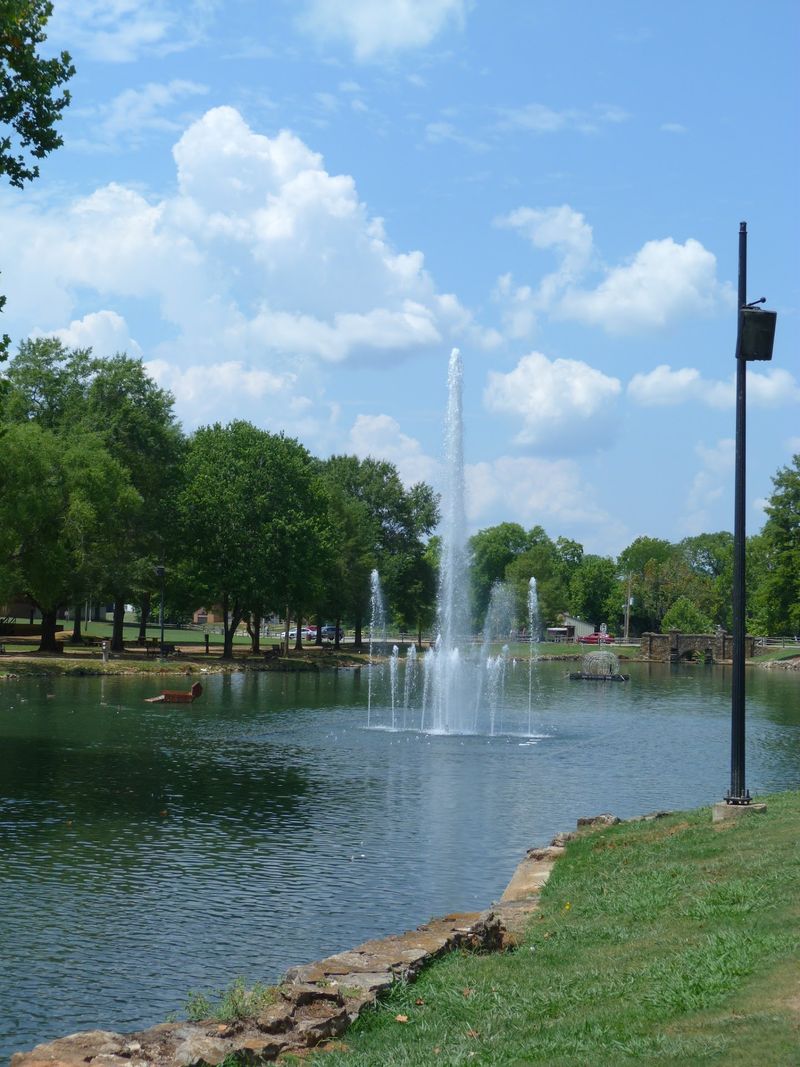
Spring Park handles the fun department. A 51-foot fountain anchors the grounds, joined by a cascading waterfall, miniature train rides, and a splash pad.
The preserve is located at 251 Loop Road, Tuscumbia, AL 35674. Check trail conditions before going, since the canyon route can be slick after rain, and few towns balance history and hiking this well.
10. Winfield, Marion County
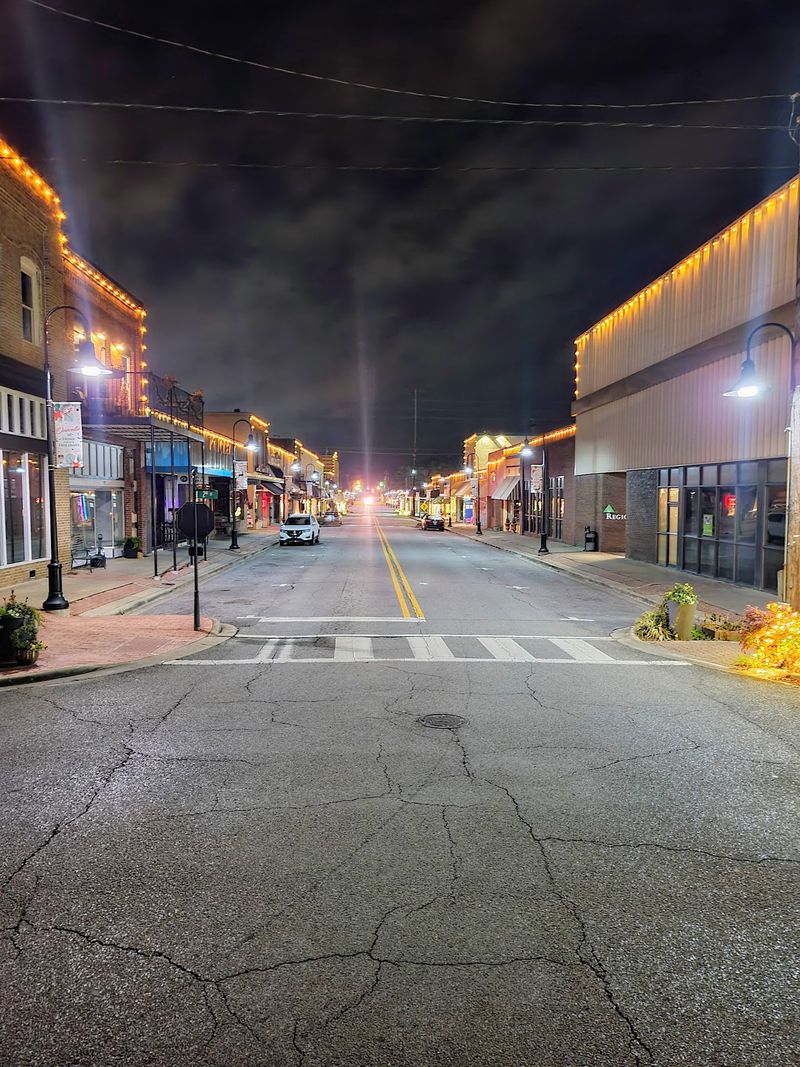
A parade of mules, horses, and jennies rolling down main street. That happens every September, and the whole county turns out.
Winfield ambles along in the Appalachian foothills of Marion County at its own comfortable pace. Mule Day is a two-day festival honoring the animals that once powered rural farms.
Flea market vendors and craft booths line the route. Food stands keep the crowd fueled. The weekend packs in a 5K run and a car show. Antique tractors gleam in rows for anyone who loves old iron.
Live music plays while a kids zone handles the younger crowd. It is loud, friendly, and unapologetically country. Year-round entertainment lives at the Pastime Theatre, built in 1937. The marquee still lights up the street.
Ivan K. Hill Recreation Park covers 60 acres of municipal green space. A disc golf course, walking track, and nature trail keep it busy.
History buffs may enjoy this detail: the city was incorporated in 1891 and named for General Winfield Scott. That name has stuck for well over a century.
Mule Day festivities center at 1032 US HWY 43, Winfield, AL 35594. Come for the mules, stay for a town that never rushes anyone.