This Affordable North Carolina City Is Becoming A Job Seeker Magnet And Living Costs Are Nearly 8% Below Average
A better paycheck sounds great until rent decides it would like one too.
That tradeoff is exactly why one North Carolina city is getting harder for job seekers to ignore. Living costs sit about 7.8% below the national average, with housing providing much of the breathing room.
Meanwhile, the employment outlook is moving in the opposite direction.
Major investment is bringing new attention to the area, including JetZero’s planned aircraft manufacturing operation and the long-term jobs expected to follow. For workers thinking about a move, that combination starts to look unusually practical.
The city is growing without making everyday life feel completely out of reach.
After work, there is still enough room in the budget to actually enjoy living there.
In 2026, that may be the biggest career perk of all.
See How Far Your Paycheck Can Stretch Compared With Bigger Cities
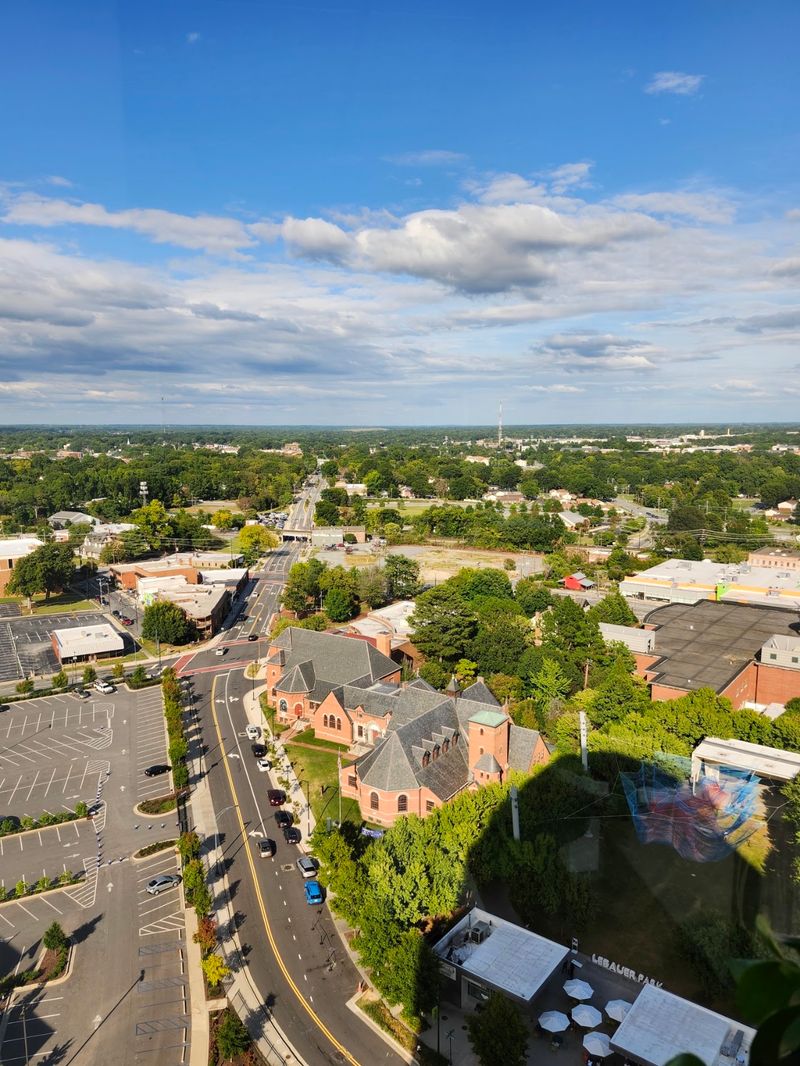
Affordability remains one of Greensboro’s clearest advantages, and the current numbers make the difference easy to see. Overall living expenses run about 7.8% below the national average, while housing costs sit roughly 21.2% lower.
Utilities come in around 5.7% below the national benchmark, transportation about 2% lower, and groceries roughly 1% lower.
Health care moves in the other direction at about 4.1% above average, so the savings are not universal across every category.
Income levels are also more modest than in many larger metros, which makes salary comparisons important when considering a move.
A comfortable lifestyle for one adult without dependents may require roughly $65,000 before taxes based on current estimates. The actual amount can vary considerably depending on housing, transportation, debt, and personal spending.
Lower everyday costs can still create room for things that make a city enjoyable, including free walks through the Bog Garden and miles of public greenways.
You Can Rent For Less Without Giving Up A Full-Sized Job Market
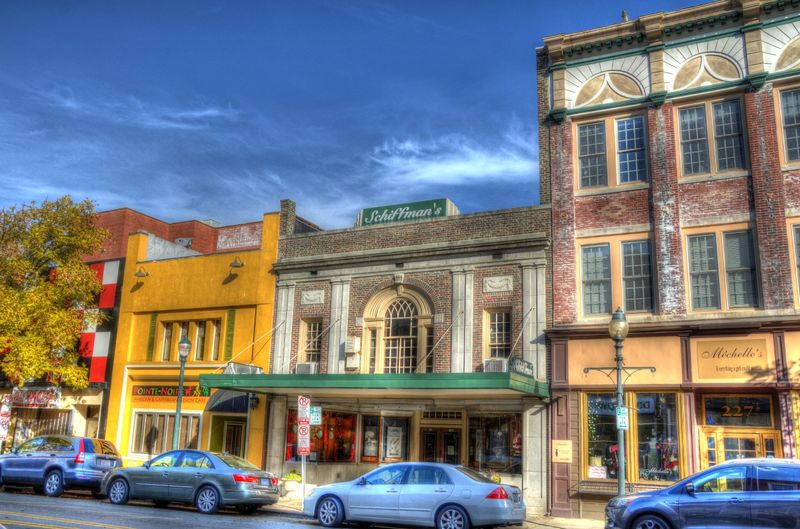
Apartment prices remain one of Greensboro’s strongest selling points for renters. As of August 2026, the average apartment rents for about $1,161 per month, roughly 30% below the national apartment average of around $1,663.
Studios average close to $1,025, one-bedroom units sit near $1,161, two-bedrooms run approximately $1,304, and three-bedroom apartments average about $1,610.
More than four in ten Greensboro households rent rather than own, leaving a substantial rental market spread across downtown districts, established neighborhoods, and newer communities farther from the center.
The lower rent does not come at the expense of a tiny employment base either.
Greensboro-High Point had roughly 366,200 nonfarm jobs in July 2026, with major employment in transportation and trade, health and education services, professional and business services, manufacturing, hospitality, and construction.
The metro’s unemployment rate measured 3.9% in June 2026, giving workers a current snapshot of a labor market that is large enough to offer options beyond a single dominant employer.
Look At The Industries Adding Workers Across The Metro

Greensboro’s employment base is broad, although the fastest growth is not happening evenly across every major industry.
Education and health services employed about 57,300 people across the Greensboro-High Point metro in July 2026 and had grown roughly 4% from a year earlier.
Professional and business services also increased about 4%, reaching approximately 49,500 jobs, while construction rose about 4.7% to roughly 20,200 positions.
Manufacturing remains a major part of the local economy with around 47,400 jobs, although that sector was down about 3.3% from July 2025.
Trade, transportation, and utilities remained the metro’s largest broad employment category at about 82,900 jobs despite a slight yearly decline. Long-term plans could shift those numbers considerably.
JetZero has committed to creating 14,560 Guilford County jobs by 2063 at its planned aircraft manufacturing hub at Piedmont Triad International Airport, backed by more than $4.7 billion in planned investment.
The Greensboro Chamber also projects roughly 23,000 new jobs across the region by 2029.
Compare Housing Costs That Sit More Than 20% Below The National Average
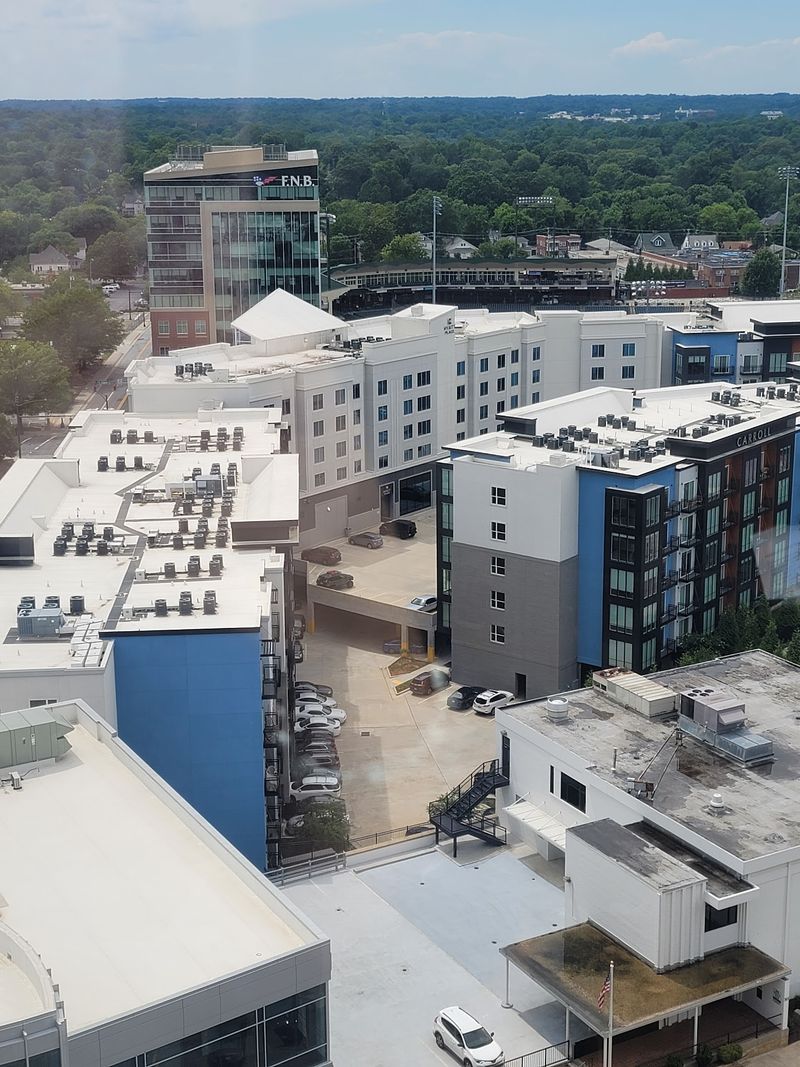
Buying a home in Greensboro still costs less than in many parts of the country, although current prices have moved beyond the much lower figures seen several years ago.
As of June 2026, the city’s median listing price stood around $319,900, while the median sold price was approximately $309,900.
About 1,681 homes were actively listed, and properties spent a median 45 days on the market. Those figures fit with broader cost-of-living estimates showing Greensboro housing expenses about 21.2% below the national average.
The market was considered balanced in early summer 2026 rather than heavily tilted toward either buyers or sellers, and increased inventory gave shoppers more options to compare before making an offer.
Greensboro is also trying to expand its housing supply through the Road to 10,000 initiative.
By August 20, 2026, the city reported 4,071 homes either completed or under construction toward a goal of adding 10,000 homes by 2030, connecting housing growth directly to the region’s broader effort to accommodate new workers and employers.
Find Out Why Health Care And Business Services Are Growing Fast
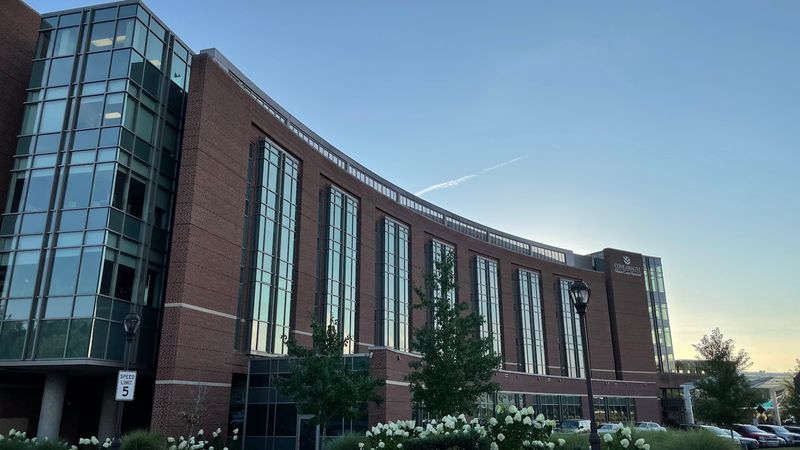
Health care and professional services currently provide some of the clearest evidence of job growth around Greensboro.
Education and health services increased roughly 4% year over year through July 2026, while professional and business services grew at the same rate, both outpacing overall metro employment growth.
Cone Health remains one of the area’s largest individual employers, and the broader health sector includes hospitals, medical offices, specialty practices, laboratories, and support services.
UNC Greensboro and North Carolina A&T State University both contribute graduates to Greensboro’s workforce. Their programs support fields such as health care, business, technology, education, and other professional sectors.
Economic-development groups continue recruiting employers by emphasizing the city’s location in the Piedmont Triad, its interstate access, rail connections, and Piedmont Triad International Airport. For workers considering a move, the important point is variety.
Recent growth is spread across several sectors rather than depending on one company or one narrow part of the economy.
Consider What A Shorter Cost List Could Mean For Your Monthly Budget

Greensboro’s affordability advantage comes from several categories working together rather than one unusually cheap expense.
Overall living costs are about 7.8% below the national average, with housing roughly 21.2% lower, utilities about 5.7% lower, transportation approximately 2% lower, and groceries around 1% lower.
Health care runs about 4.1% above the national benchmark, so anyone with regular medical expenses should factor that into a relocation budget.
The combined general sales-tax rate in Greensboro is 6.75%, another number worth comparing with a current hometown.
Lower rent or mortgage costs can create more breathing room, but the real outcome depends on household circumstances such as commuting distance, insurance, child care, debt, and housing choice.
Even modest differences across several monthly categories can add up over time, and Greensboro’s lower housing costs are where the biggest advantage appears.
That can leave more room for optional spending on places such as the Greensboro Science Center, local markets, restaurants, or weekends along the city’s greenway system.
Explore A City Where Career Growth Does Not Automatically Mean Higher Living Costs
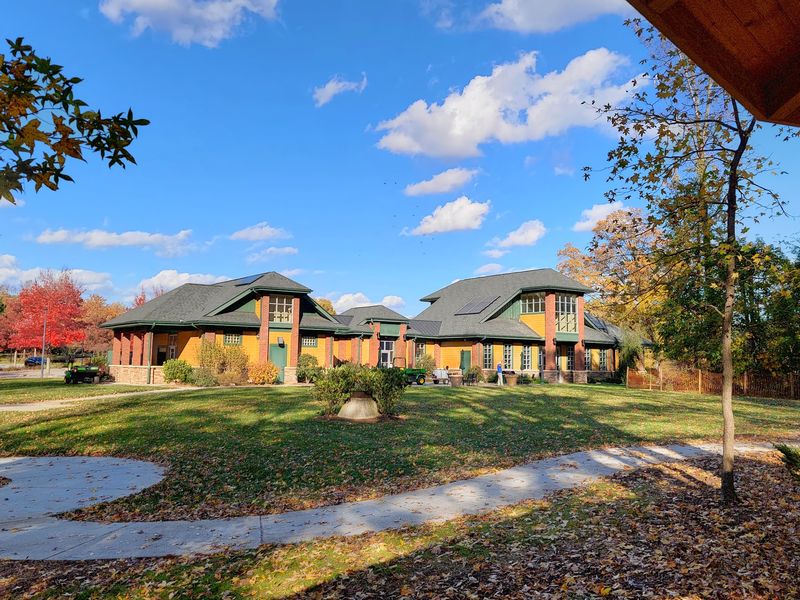
Greensboro has already received national attention for combining affordability with a sizeable metro economy. U.S.
News & World Report placed the city at No. 23 on its Best Places to Live list for 2024-2025, an older ranking but still a useful sign of the city’s recent national profile. The current economic picture adds a more immediate reason to pay attention.
The Greensboro Chamber projects roughly 23,000 additional jobs by 2029, while overall living expenses remain nearly 8% below the national average. Geography helps too.
Interstates 40 and 85 serve the area, Piedmont Triad International Airport anchors a major transportation hub, and Greensboro sits within easy reach of other large North Carolina markets while maintaining a substantial employment base of its own.
The appeal is not that every salary is unusually high or every property qualifies as a bargain.
It is that the city offers access to a large labor market while many basic expenses, especially housing, remain lower than the national norm.
See Why More Job Seekers Are Giving This Piedmont City A Second Look

Greensboro has also put unusual emphasis on workplace conditions beyond salary, becoming the first Family Forward NC Certified Community in the state.
The designation recognizes employers offering family-friendly practices such as paid leave, flexible schedules, wellness benefits, and child care support.
The Greensboro Chamber reports that 82 local employers have earned certification, collectively employing more than 46,000 people in the city.
Millennials and Generation Z make up nearly half of Greensboro’s workforce, giving employers another reason to compete on flexibility and work-life balance as well as pay.
Outside working hours, the city offers greenways, parks, universities, museums, restaurants, performance spaces, and attractions such as the Greensboro Science Center.
Recent employment growth in health care, business services, and construction adds momentum, while major projects planned for the years ahead could reshape the job market further.
With housing supply expanding and overall living costs nearly 8% below the national average, Greensboro offers a combination of affordability and opportunity that deserves a serious look from workers planning their next move.