Take A Historic Connecticut Train Ride For The Ultimate Stress-Free Day Trip
Old-fashioned train rides have an unfair advantage when it comes to making a day feel more exciting than it actually is.
You settle into your seat and suddenly the whole outing starts moving at a calmer pace. No traffic to fight. No parking drama waiting at the other end.
This Connecticut train ride turns a simple day trip into a nostalgic little escape where the journey matters just as much as the destination.
The vintage cars add plenty of personality without making the experience feel staged. Looking out the window becomes part of the entertainment, especially when the scenery starts changing beyond the glass.
It is easy to understand why people make a full day of it.
The ride feels relaxed, but never dull. You are still going somewhere, just without the usual travel headache attached.
When was the last time getting from one place to another was actually the best part of the day?
1. A Classic Day Trip From Historic Essex Station
Here is a day trip that practically plans itself. Park the car, climb aboard, and suddenly someone else is handling the route while you get the good part: the view.
The Essex Steam Train & Riverboat turns an afternoon into one continuous outing rather than a string of stops you have to organize.
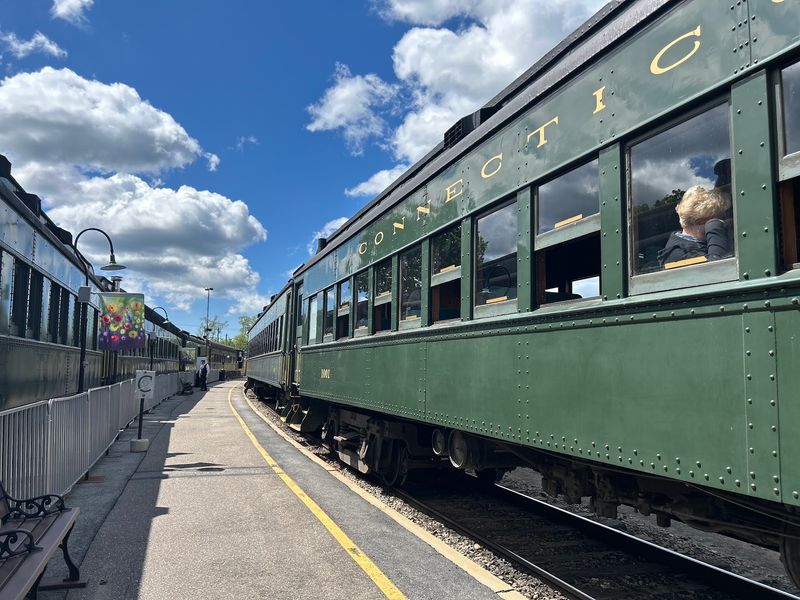
Vintage rail cars carry passengers through the lower Connecticut River Valley before the trip shifts onto the Becky Thatcher riverboat for a cruise along the river.
The Valley Railroad Company has operated passenger excursions here since 1971, keeping historic railroad equipment active rather than treating it like a museum display. That makes the experience feel wonderfully alive.
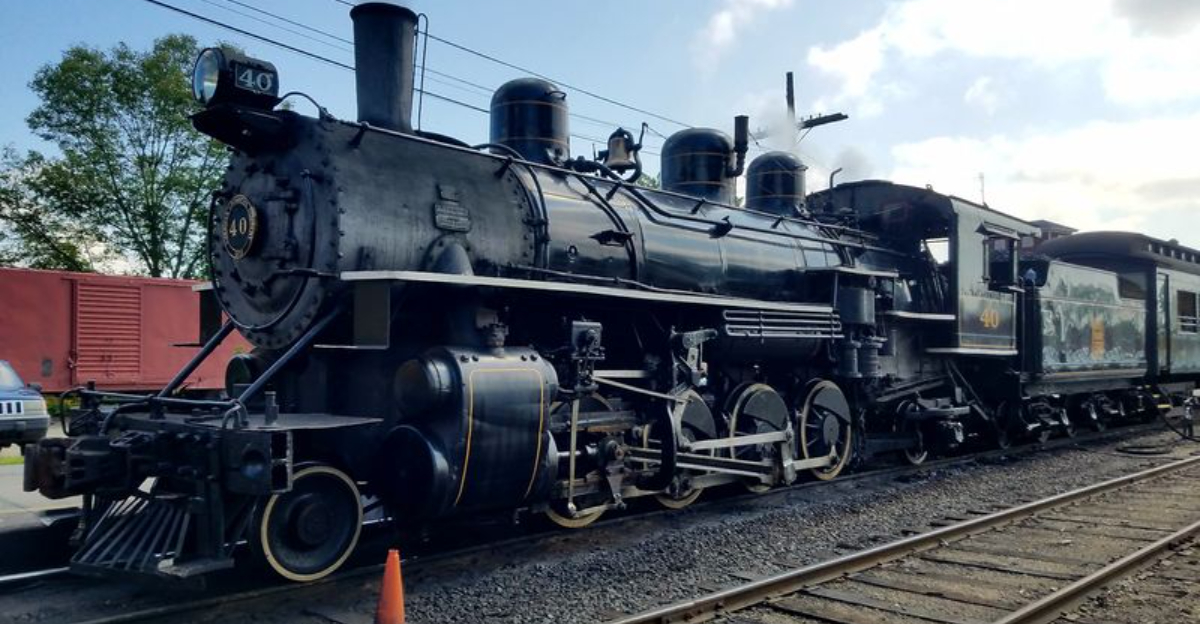
A working steam locomotive brings its own soundtrack, from the whistle overhead to the hiss rolling across the platform.
The trip works just as well for families as it does for travelers looking for an easy afternoon with very little planning. Once departure time arrives, the itinerary is essentially handled for you.
Everything begins and ends at Essex Station, 1 Railroad Ave., Essex, CT 06426. The train-and-riverboat combination typically runs for a little over two hours, depending on the excursion.
Best of all, the only real decision is where to sit.
2. The Journey Starts At An 1892 Railroad Station
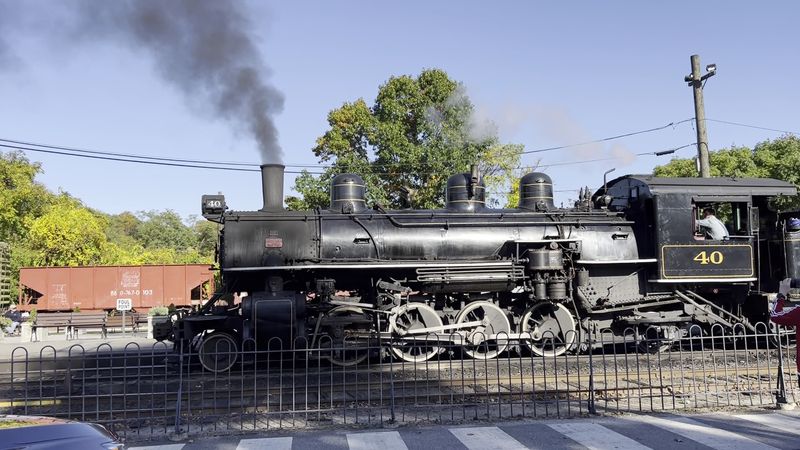
Built in 1892, Essex Station is part of the story rather than just a place to queue.
The original rail line through the Connecticut River Valley was finished back in 1871, and by 1892 the Hartford & Connecticut Valley Railroad had folded into the New Haven system, the same year this depot went up.
Knowing that timeline makes the building feel less like scenery and more like a survivor.
Give yourself a buffer. The recommendation is to arrive roughly thirty minutes before your departure time, which sounds generous until you realize how much there is to poke around.
A gift shop sits on site, and the Trackside Cafe serves drinks and treats with views of the trains coming and going. Kids tend to plant themselves at the windows and refuse to move.
The station also hosts special events throughout the year, so the building does double duty as both departure point and destination.
Practical note worth planning around, boarding the coaches involves climbing four or five fairly steep steps, so travelers with mobility needs should factor that in. The riverboat, by contrast, is entered by walkway onto the second deck, which is considerably easier going.
3. Vintage Coaches And Old-Fashioned Rail Travel
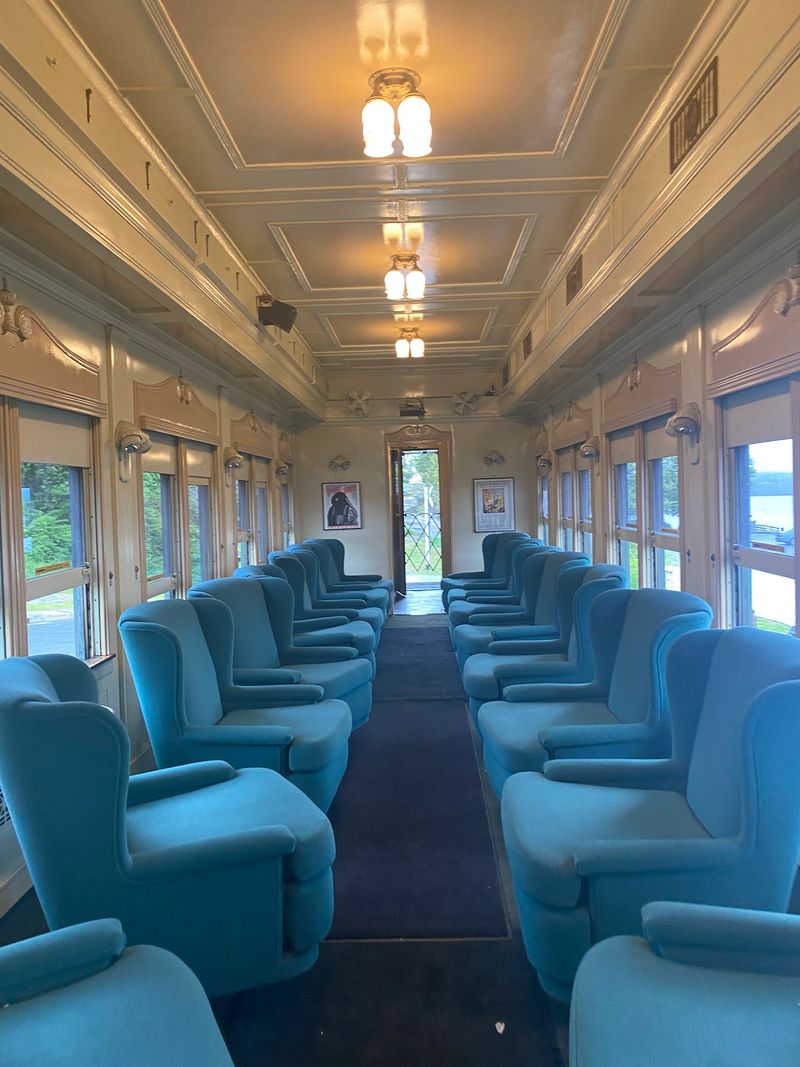
Twenty miles per hour turns out to be the perfect speed for looking at things. That is roughly the pace the steam train keeps, slow enough that you can pick out a heron standing in the marsh grass and still have time to point it out to whoever you brought along.
An authentic steam locomotive does the pulling, and the coaches behind it have been carefully restored to evoke the feel of 1920s rail travel.
Seating comes in a few flavors. Coach gives you flip-back bench seating with padded bottoms and backs, arranged so every passenger gets a window view.
First Class upgrades you to individual plush seats, and travelers who splurge often mention how comfortable those chairs feel as the car gently rocks along. A caboose option exists too, with limited cushioned bench seating and raised viewing seats, though windows there are fewer.
Narration runs throughout the ride, covering regional history and the natural surroundings. Crew members have been known to suggest switching to the opposite side of the car for the return leg so you catch an entirely different view.
It is a small tip that doubles what you see.
4. Twelve Scenic Miles Through The River Valley
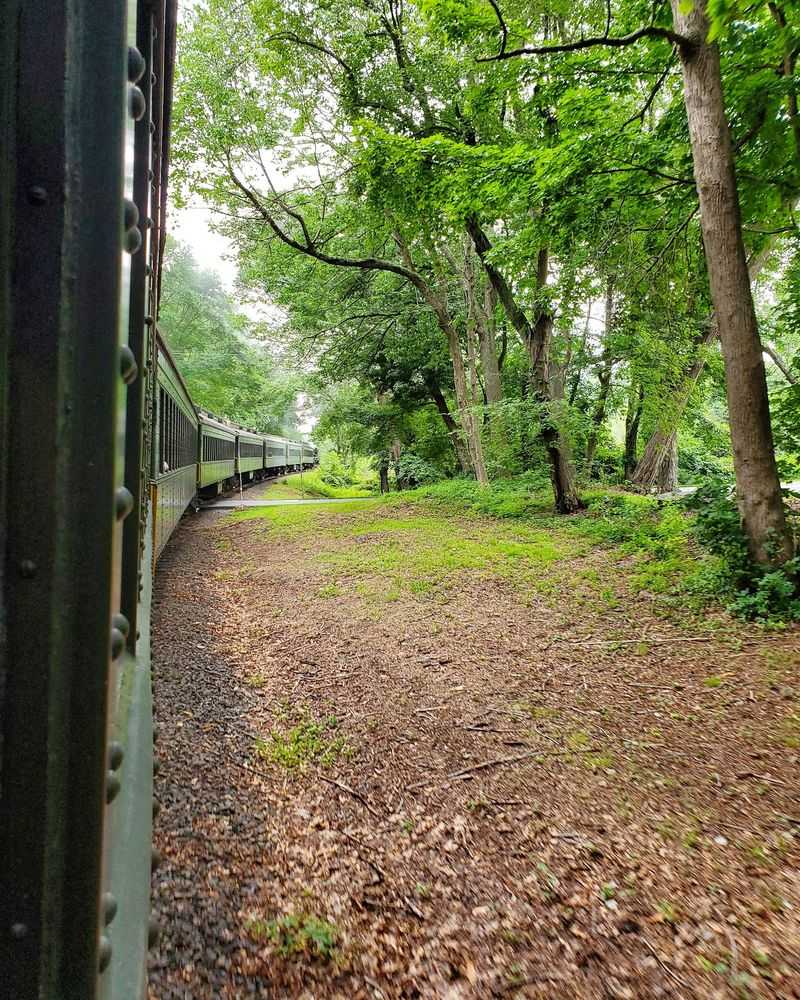
Twelve miles round trip does not sound like much on paper. On the ground it covers tidal wetlands, small New England towns, and stretches of shoreline most people never see from a road.
The route runs through Deep River and Chester, passing the tidal wetlands of Pratt Cove and Chester Creek along the way.
Birdwatchers do well here. Cormorants, ducks, swans, Greenland geese, blue heron, egrets, and red-winged blackbirds all use these marshes, and in February and March bald eagles arrive as they migrate south into the valley.
The train reaches coves and preserves that are difficult to access otherwise, which turns the ride into something closer to an eco-excursion with cushioned seats.
For the best look at the river marshes, aim for the left side of the train heading north. Regulars swear by it.
The Connecticut River itself is New England’s longest waterway at 410 miles, and the surrounding landscape has been recognized by the Nature Conservancy as one of the planet’s last great places thanks to how little it has been developed.
Autumn draws big crowds for the foliage, and the color along this corridor is genuinely worth a drive.
5. Deep River Landing Marks The Change Of Pace
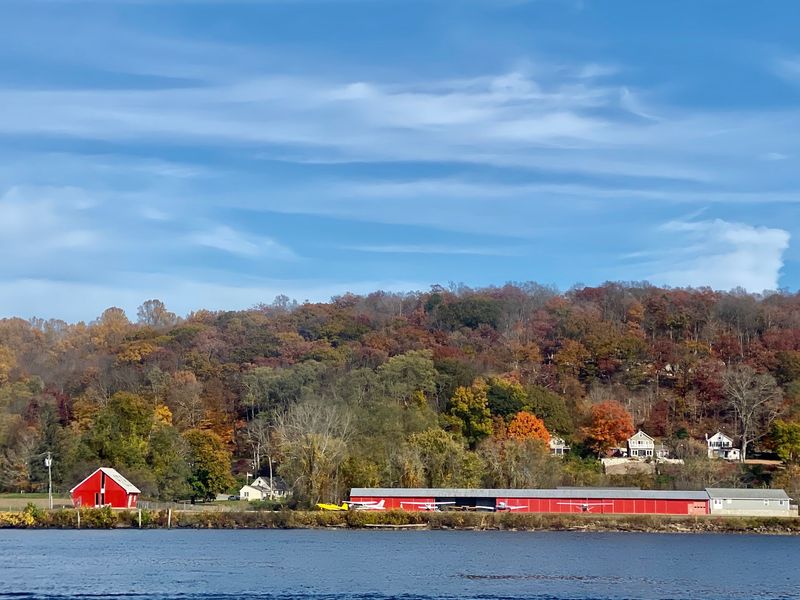
Halfway through the excursion the rhythm shifts. At Deep River Landing the train portion pauses and passengers are walked over to the waiting Becky Thatcher riverboat, trading iron rails for open water.
The handoff is smooth and staff-guided, so there is no wondering where to go or what happens next.
A quirk worth knowing, the landing is not at the end of the line. The train passes it, continues on, and then drops riverboat passengers off on the way back, which surprises first-timers who expect a straight there-and-back layout.
Deep River itself has a heavier industrial past than its quiet appearance suggests. Shipbuilding and quarrying were major local trades, and for a stretch of history the town was a significant importer of ivory, a detail that says a lot about how connected these small river ports once were to global trade.
When the boat comes back to the landing later, the steam train is waiting to collect everyone for the return run to Essex Station.
That reunion moment, walking back toward a locomotive still ticking and steaming, is one of the more memorable beats of the whole afternoon.
6. The Becky Thatcher Takes Over From The Train
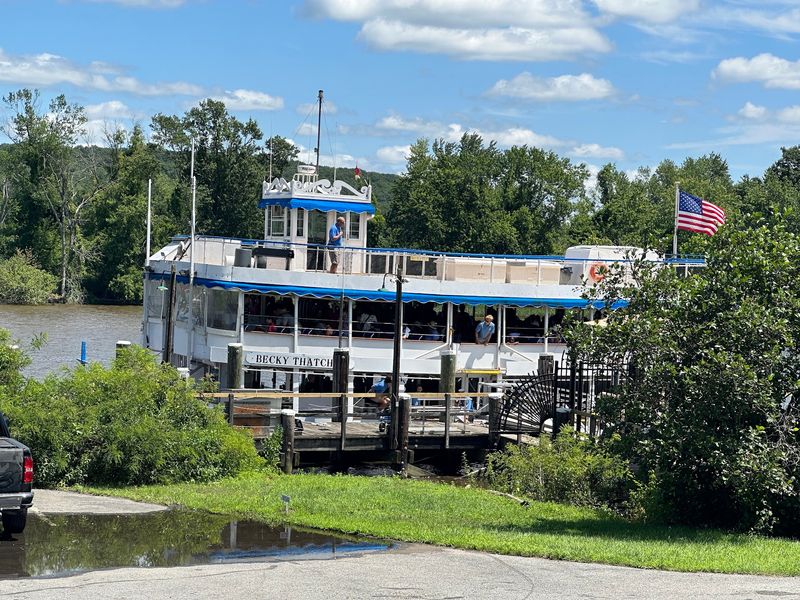
Picture an 1870s Mississippi riverboat and you have a fair idea of the Becky Thatcher. Three decks, smokestacks, and the kind of silhouette that looks borrowed from a much older century.
Sailing on the Connecticut River, the boat feels like a natural sequel to the train rather than a tacked-on extra.
The cruise runs roughly one hour to an hour and fifteen minutes, which is just about right. Long enough to settle in, short enough that nobody gets restless.
Multiple decks mean you can chase whichever view or breeze suits you, moving upstairs for open air or staying below when the weather turns damp.
What passes by is a quiet catalog of river scenery, deep water, coves, inlets, marshes, wildlife, and rocky shoreline. Narration continues on board, and many passengers come away saying they learned more river history in an hour than they expected.
Restrooms and food are on the first deck, so plan a trip downstairs if needed.
The boat also handles private charters for events, though most visitors experience it exactly as intended, as the watery second act of a two-part journey.
7. Gillette Castle Appears Along The River
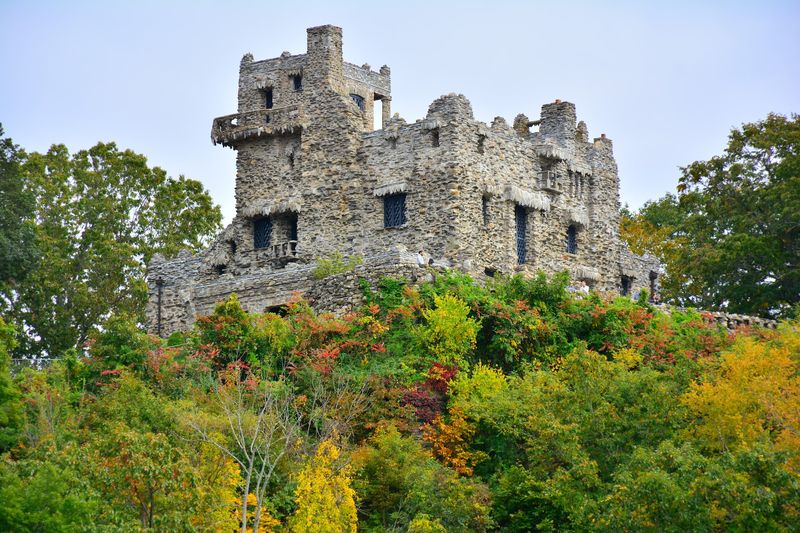
Around a bend in the river, a stone fortress shows up on the hillside and everyone reaches for a camera. That is Gillette Castle, completed in 1919 and perched on one of the southernmost of the Seven Sisters hills in East Haddam.
Its rough stone walls and turrets look more medieval European than New England, which is exactly the point.
The castle was designed by an actor who became famous for playing Sherlock Holmes on stage, and he poured that theatrical imagination into the building.
Seeing it from the water gives you an angle most visitors driving to the grounds never get, the whole structure framed by trees and rising above the river.
Gillette Castle is not the only landmark on this stretch. The Goodspeed Opera House, a striking Victorian theater on the riverbank, and the Haddam Swing Bridge both come into view during the cruise.
Together they tell you something about how important this river once was, important enough that people built castles, opera houses, and moving bridges along it.
Passengers often mention spotting seaplanes and boats sharing the water, adding a bit of modern life to the historic backdrop.
8. Two Different Rides In One Relaxed Adventure
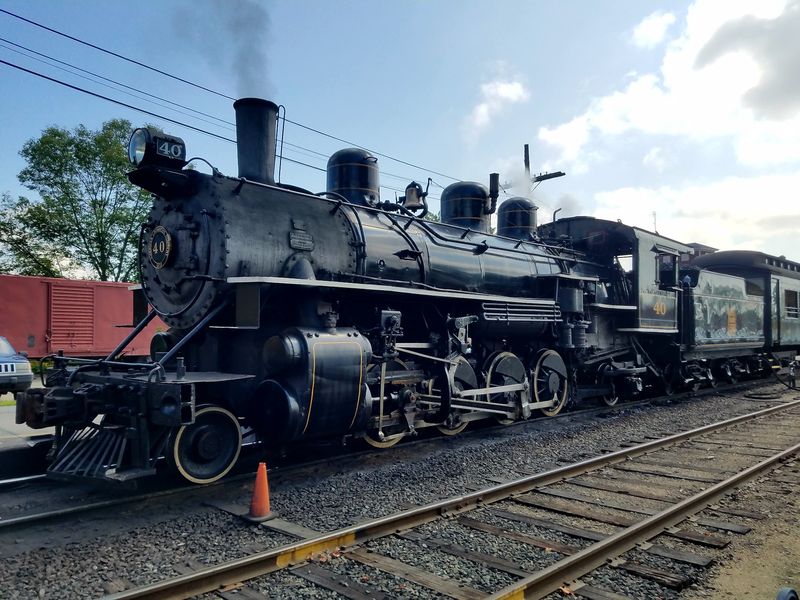
Here is the part that makes Essex genuinely unusual. The combined steam train and riverboat excursion is the only connection of its kind in the United States, pairing two very different modes of vintage travel into one ticket.
Budget about two and a half hours for the full combo, or roughly one hour if you choose the train-only option.
The pacing is the real luxury. Nothing feels rushed, transitions are handled for you, and the two halves balance each other, the mechanical energy of the locomotive against the slow drift of the river.
Visitors of every age turn up, from toddlers waving at the engine to older travelers who grew up around railroads and come for the nostalgia.
Seasonal programming expands the calendar well beyond summer, with themed holiday trains and special events that regularly bring families back year after year.
A small planning tip, hours vary by day and season, so confirm your departure time when booking and build in that thirty-minute arrival cushion.
Pair the trip with a walk through the historic center of Essex afterward and you have a full, unhurried day that never once required a map.