This Family-Owned Connecticut Store Is Packed With Fabric For Every Creative Project
Connecticut gets wonderfully dangerous for creative people inside a family-owned fabric store where one small project can suddenly become a much bigger plan.
The shelves invite slow browsing, especially when a print catches your eye and starts rewriting the idea you came in with. It is easy to lose track of time when every few steps bring another possibility.
The selection feels broad enough to keep quilters interested while still leaving room for anyone chasing a completely different project. That balance makes the shop feel useful without turning the visit into a hunt through endless clutter.
How much self-control can anyone realistically have when the perfect fabric keeps appearing one aisle later?
That is where this place becomes especially fun. You may arrive with measurements written down and a firm budget in mind.
Then inspiration starts getting involved.
A quick supply run can quietly turn into the beginning of a project you had absolutely no intention of starting that morning.
1. Family-Owned Fabric Shopping With Deep Local Roots
Fabric shopping can get dangerous when the prices make “just one more yard” sound perfectly reasonable. That bargain-hunt feeling has been part of this family business since the 1970s, long before ordering material online became normal.
The whole operation began with David Taylor, a former Ames Department Stores buyer who knew how to purchase large quantities of fabric inexpensively.
That skill became the foundation for decades of growth. The business spent years under the Affordable Fabrics name before becoming Americana Fabrics, a change inspired partly by the enormous Americana sign on a Waterford property the family purchased in 2022.
Instead of removing the landmark sign, the Taylors embraced it. The new identity also fit their goal of making fabric shopping welcoming to people creating clothing or tackling projects that are difficult to shop for elsewhere.
That philosophy still shapes the stores today. Experienced sewists can dig through a constantly changing inventory, while newcomers do not need expert vocabulary to ask for help.
What began with one buyer’s talent for spotting a deal has grown into a family fabric business approaching half a century in age. The name may have changed, but the thrill of discovering unexpectedly affordable material has remained remarkably familiar.
2. Right Along The Silas Deane Highway
Fabric runs have a habit of getting ambitious here. What begins as a quick stop for one project can easily turn into serious browsing, especially when bolts of upholstery material and colorful fleece start competing for attention.
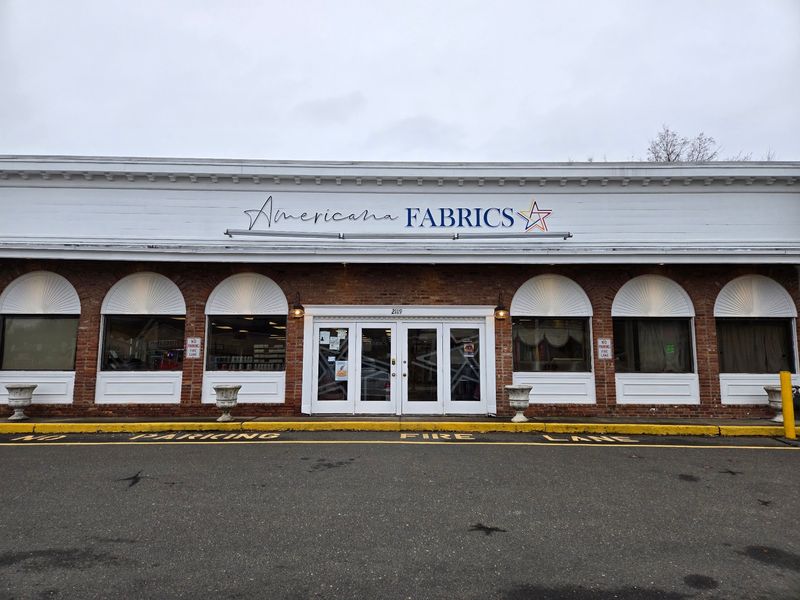
The Rocky Hill shop sits along the busy Silas Deane Highway, so getting in and out is simpler than a downtown fabric hunt. A parking lot also makes larger purchases much easier to manage.
Americana Fabrics operates at 2119 Silas Deane Hwy. in Rocky Hill. Current hours are Monday through Saturday from 10 a.m. to 4:30 p.m., with the store closed on Sundays.
Those shorter hours make a little planning worthwhile, particularly if you like to compare fabrics without watching the clock. Arriving earlier gives you more breathing room to dig through the changing selection and ask staff about materials for a project.
Rocky Hill is one of the company’s two current stores, with the other in Waterford. The family business has spent decades building its reputation around affordable fabric and plenty of variety.
Give yourself more time than expected, because “I’m only buying one piece” can become a very optimistic plan.
3. Rows Of Fabric Made For Slow Browsing
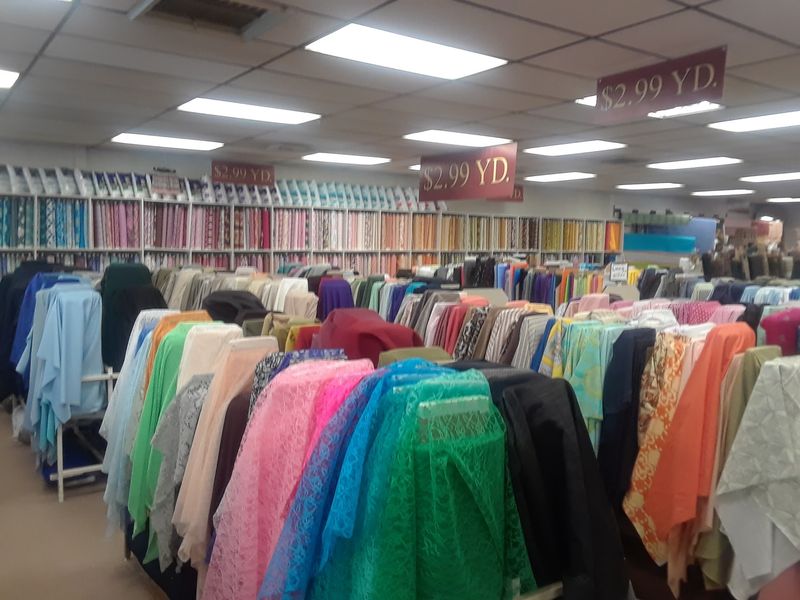
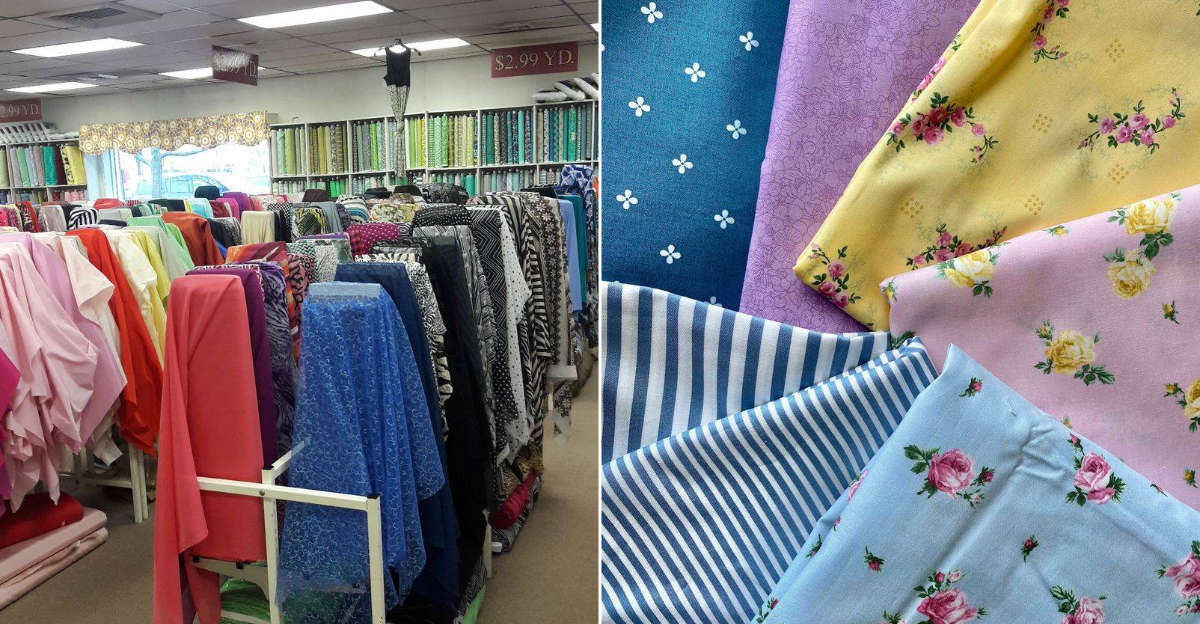
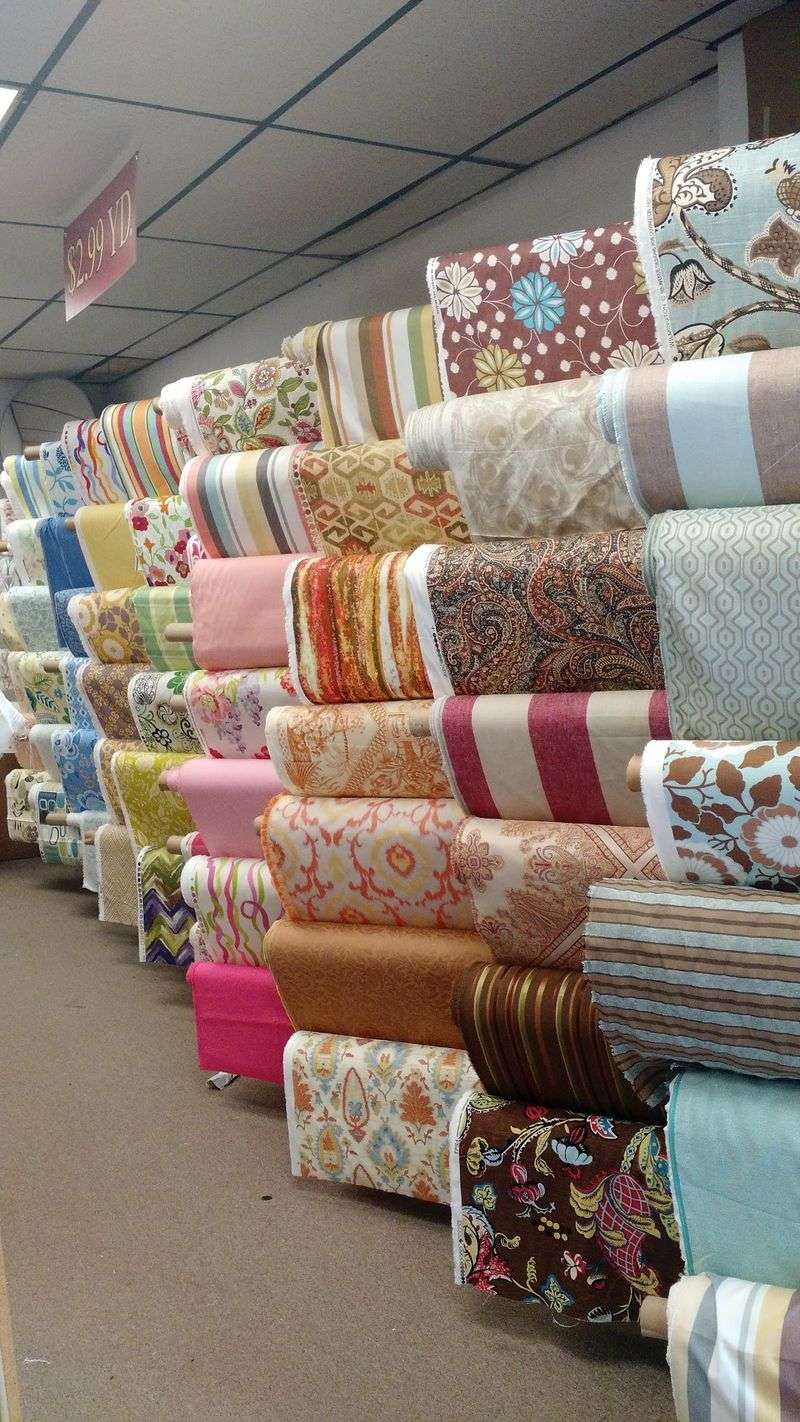
Walk in and the color hits first. Bolts stand shoulder to shoulder in tall rows, printed cottons beside solids, prints beside plaids, with aisles wide enough that you can stop, unroll a corner, and actually look.
Shoppers frequently describe the place as a fabric wonderland, and the layout rewards people who like to wander rather than rush.
Texture is half the fun. Running your hand along a stack teaches you more in ten seconds than a photograph ever could, which is exactly why in-person fabric shopping still has fans.
Many visitors mention how relaxing the experience feels, and there is a quiet, focused energy in the aisles that regular customers seem to appreciate.
One thing worth knowing is that the inventory shifts. Stock changes often, supported by the company’s warehouse operation in Waterford, so what you see on a Tuesday may be gone by the following month.
Experienced shoppers have a rule about this: if you love it, buy it now. Snapping a photo and coming back later is a gamble.
Bring a tote bag, allow yourself a full hour, and treat the visit as browsing time rather than a quick errand.
4. Affordable Prices Across A Huge Selection
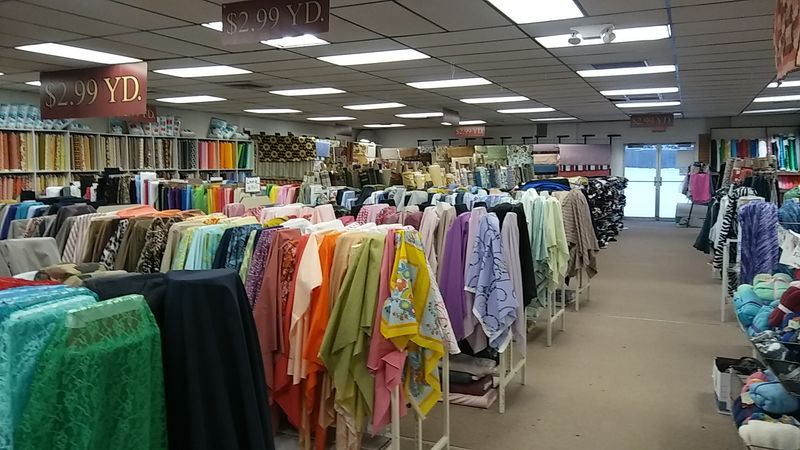
Price is the reason a lot of people drive here in the first place. Home decor fabrics in 100% cotton have been offered around $4.99 per yard, and plaid flannels and solid fleece around $6.99 per yard, numbers that make a full quilt or a set of curtains genuinely doable.
Compare that with what quilting cottons often cost elsewhere and the math speaks for itself.
The reason behind the pricing goes back to the founding: buying fabric inexpensively and in bulk, then passing the savings forward. Volume purchasing has been the backbone of the business since the 1970s.
Sewing patterns at the Rocky Hill store have been sold at 50% off daily, which is a nice bonus if you are building a project from scratch.
A fair expectation helps here. At these price points you are getting good, usable, everyday material rather than luxury designer goods, and shoppers who understand that walk away happy.
Plenty of customers have furnished entire projects for less than they expected, including quilters who piece together a full-size quilt for a modest total.
For anyone sewing on a budget, or teaching a kid to sew without stressing about mistakes, the value here is hard to beat.
5. Cotton, Fleece, Denim, And Plenty More
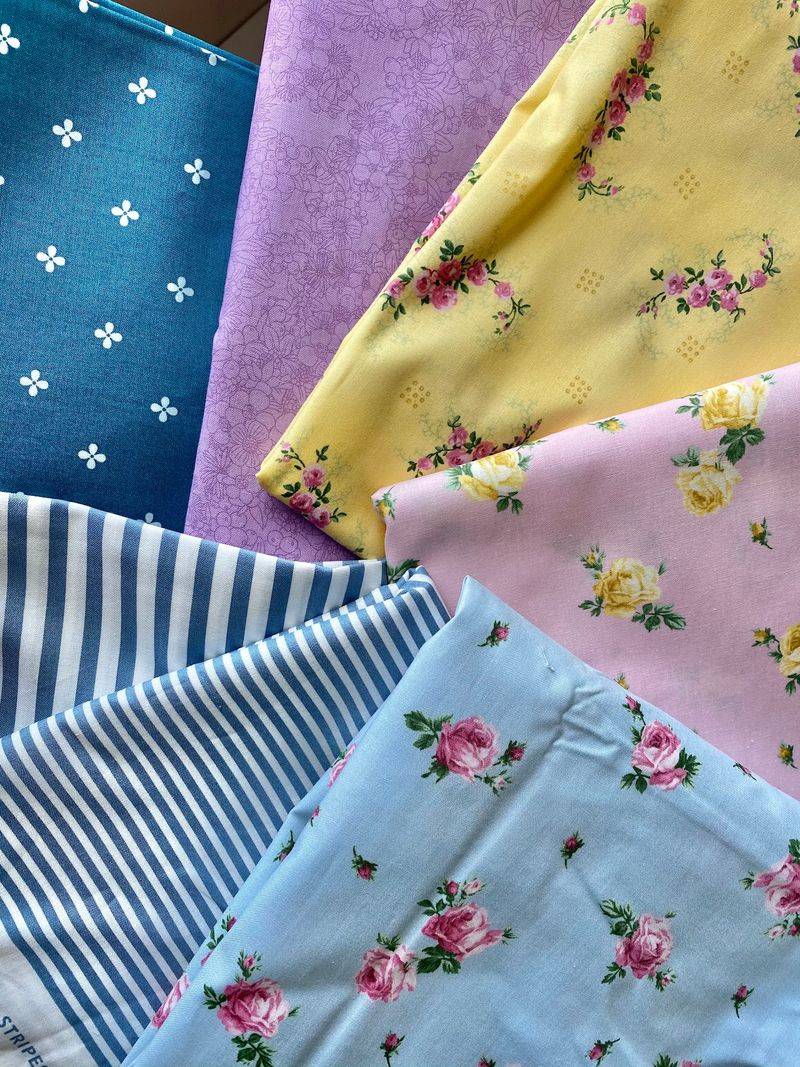
The range here is genuinely wide. Cotton shows up in poplin, voile, lawn, twill, and denim, while silk appears as charmeuse, dupioni, chiffon, organza, and crepe de chine.
Linen, wool, rayon, and synthetics such as polyester, nylon, spandex, and Lycra round out the basics that most sewing projects rely on.
Then come the fabrics that make people stop mid-aisle. Velvet, brocade, lace, sequined material, faux fur, corduroy, terrycloth, flannel, vinyl, and felt all turn up, giving costume makers and crafters something to work with.
Prints cover floral, geometric, animal, and abstract designs, so matching a theme is rarely a struggle.
Home decor gets serious attention too, with durable upholstery cloth, drapery material, pillow fabrics, and outdoor-friendly options including 100% cotton varieties suited to curtains and furniture.
Seasonal stock rotates through as well. Around autumn you might find cobweb prints, ghost patterns, and warm harvest colors ready for Halloween sewing and fall table settings.
Quilters have their own reason to visit, since the quilting fabric selection draws steady praise and has included recognized brands such as Hoffman.
Occasionally something unusual appears, and those finds are exactly what keep repeat shoppers checking back.
6. Supplies For Clothing, Costumes, And Home Projects
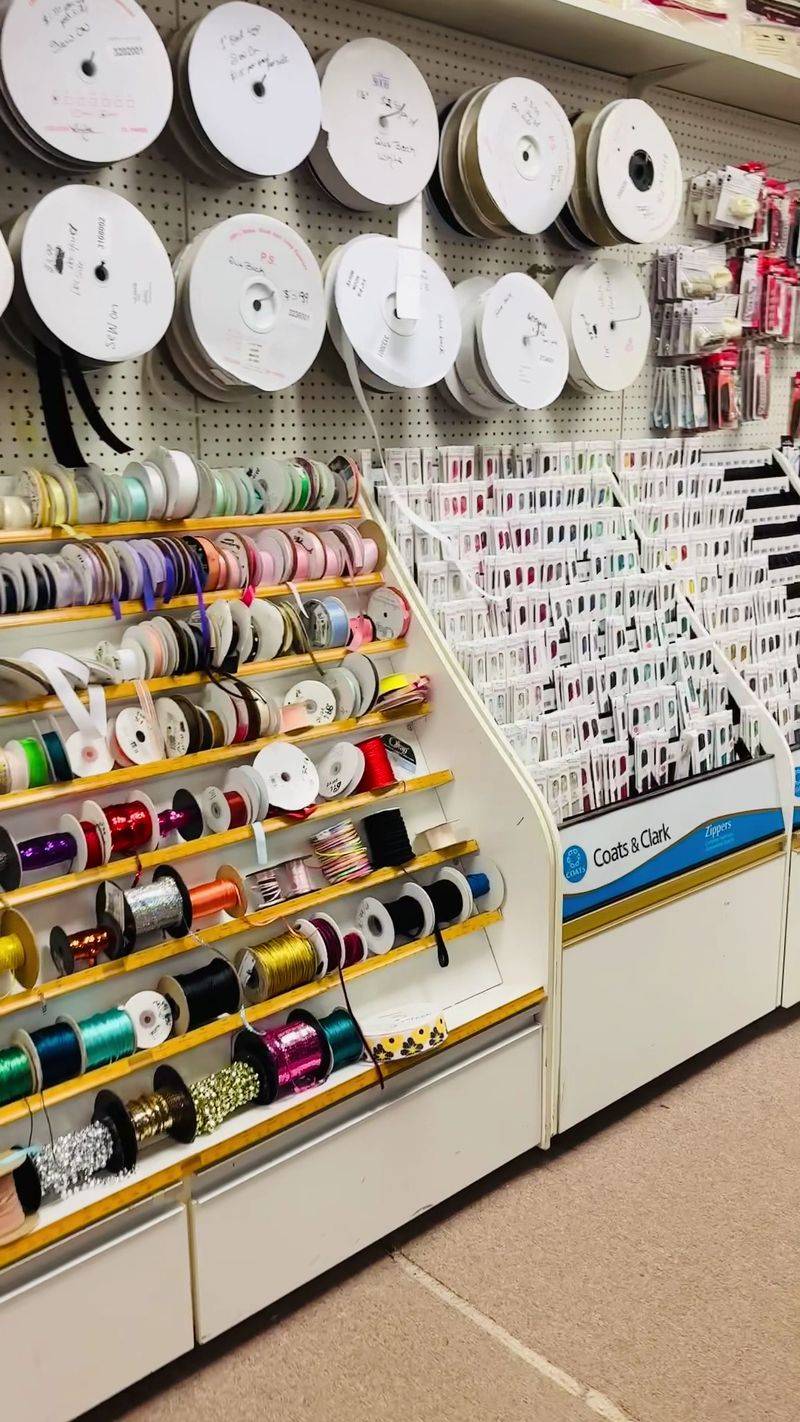
Fabric alone rarely finishes a project, and that is where the notions wall earns its keep. Color-matched threads, buttons, trim, zippers, hand needles, pins, bobbins, tape measures, seam rippers, tracing wheels, precision scissors, and rotary cutters are all part of the mix.
Grabbing everything in one stop saves the frustration of realizing at 9 p.m. that you are short one zipper.
Sewing patterns are stocked at the Rocky Hill store too, including familiar names such as McCall’s, Simplicity, and New Look.
The kinds of projects people bring in here vary enormously. Costume builders and couture sewists come for statement fabrics, quilters come for cottons, and summer sewing and tie-dye projects pull in a different crowd entirely.
Home decor makers arrive with measurements in hand, working on drapes, custom throw pillows, and reupholstering chairs that deserve a second life.
A practical tip: bring a swatch, a photo, or the actual garment you are matching. Color memory is unreliable, and holding two fabrics side by side settles the question instantly.
Staff members are frequently described as helpful and knowledgeable, and newer sewists often mention leaving with better ideas than the ones they arrived with.
7. Serious Crafters Come Ready To Stock Up
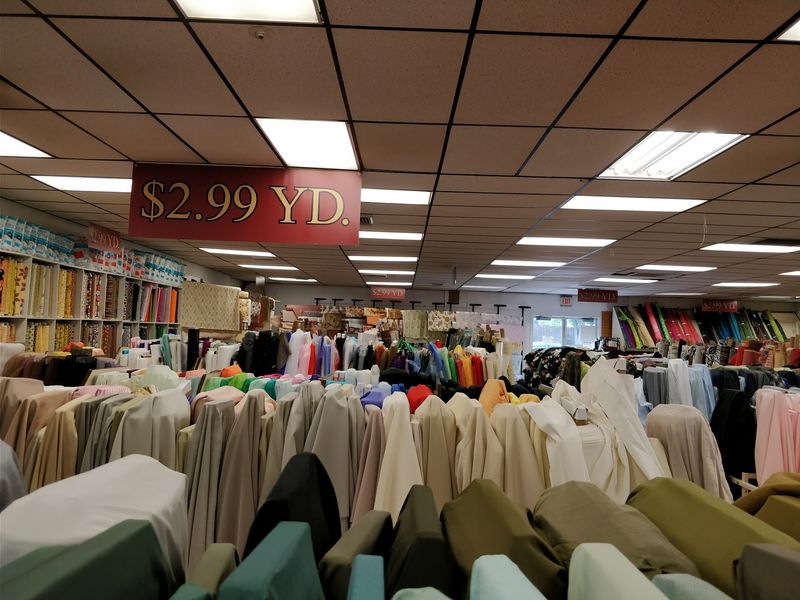
Not everyone here is making a pillowcase. The customer list runs to in-home clothing designers, wardrobe creators, upholstery manufacturers, umbrella makers, actors, and performers who need material by the armful rather than the yard.
Bulk buying is part of the store’s DNA, so large orders do not feel out of place at the cutting counter.
Theater groups and costume departments benefit especially, since building multiple outfits at chain-store prices can wreck a budget fast. At a few dollars per yard, an entire production’s wardrobe becomes realistic.
Quilters take a similar approach, gathering coordinating cottons in one trip instead of piecing an order together from several sources.
Word of mouth does a lot of work around here. Locals recommend the shop to friends starting new projects, and seamstresses send their clients over to pick fabric before a fitting.
Staff helpfulness comes up again and again in what shoppers say about their visits, particularly for people who are new to sewing and unsure what to ask for.
If you are planning a big haul, arriving early in the day gives you more room at the cutting table and more time to compare options without watching the clock.
8. Decades Of Fabric Know-How Behind The Store
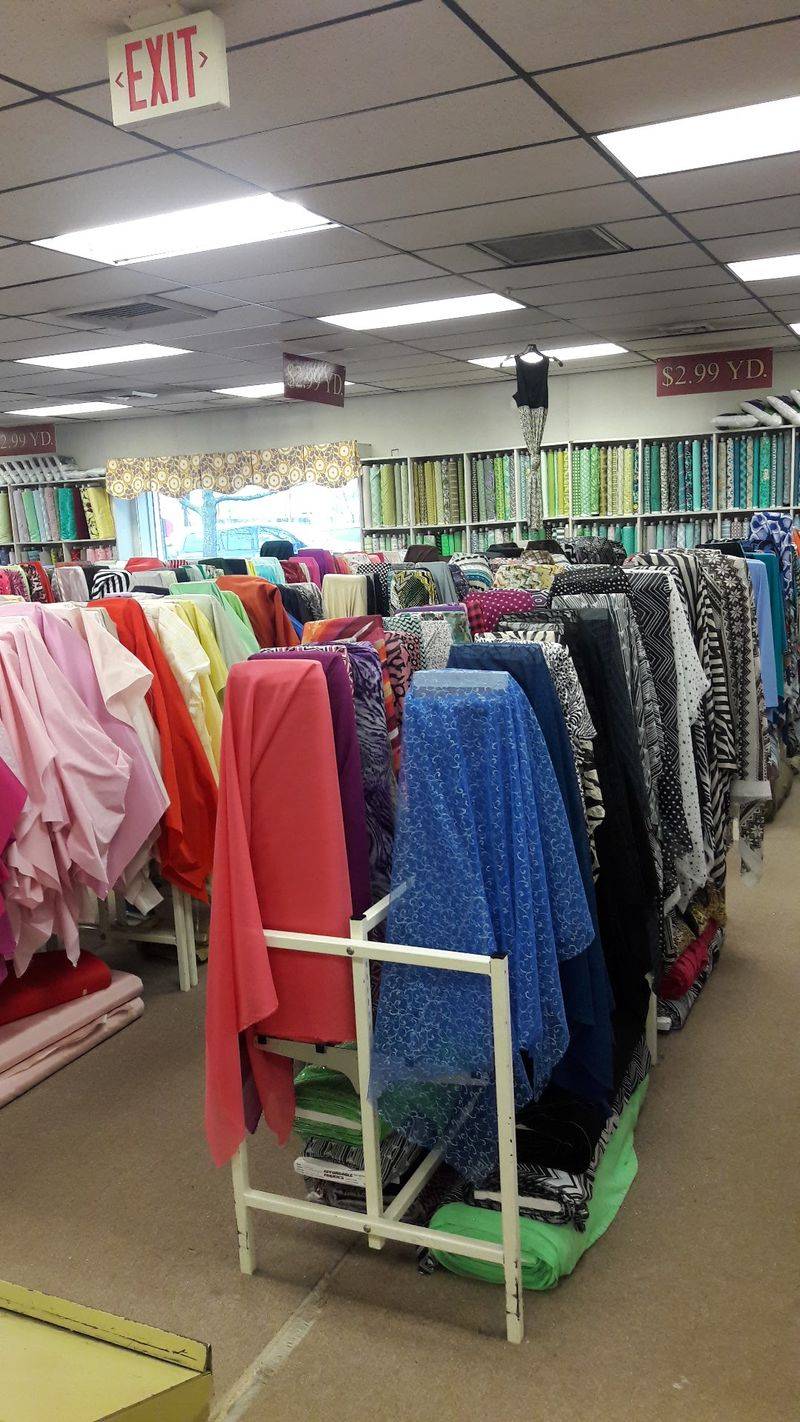
Fifty-plus years in one industry builds a certain kind of instinct. The business began with a buyer’s eye trained inside a large department store chain, which meant knowing which mills, which lots, and which price points were worth chasing.
That sourcing knowledge never really left the operation.
It shows in the inventory. New products arrive monthly, keeping the floor from going stale and giving regulars a reason to swing by more than once a season.
Shoppers often call the stock ever-changing, and that turnover is deliberate rather than accidental.
Experience also shows up in conversation. Ask about which weight of cotton suits a summer dress, or whether a particular upholstery cloth will hold up on a dining chair, and the answer usually comes quickly.
That kind of practical guidance is genuinely difficult to replicate on a screen.
Independent fabric shops have thinned out considerably in recent years, which has made places like this more important to Connecticut’s sewing community. Keeping the craft alive takes shops where people can touch material, ask questions, and leave inspired.
Come with a project in mind or come with none at all. Either way, you are likely to drive home with something you did not plan on buying.