This Minnesota Evening Walk Lets You Wander Through A Real-Life Firefly Show
I brought a flashlight, which turned out to be the least useful thing in my bag that night. Ten steps into the meadow and I clicked it off completely, embarrassed by how unnecessary it suddenly felt.
The grass ahead had already started blinking on its own, small gold flickers rising and falling like the field was breathing. I stood still longer than I meant to, watching one light answer another somewhere across the clearing.
Nobody had mentioned how loud silence could feel with that much movement happening in it. Minnesota saves scenes like this for people willing to walk without a destination in mind, past sunset, past the point most visitors turn around.
I lost track of time counting blinks instead of steps. Minnesota does not need a stage or a spotlight when a meadow can put on a better show than either.
Firefly Viewing Nights Are A Ticketed Summer Tradition
Most gardens close their gates when the sun drops. Here, a few select summer evenings work the opposite way.
Firefly Viewing Nights run on specific dates during June and July. These are after-hours events, which means the grounds stay open past normal closing time.
Tickets are required, and buying ahead is the smart move. The evenings are popular enough that they often sell out well before the date arrives.
During summer, the grounds are normally open from 8 AM to 8 PM, while most buildings close at 7 PM. You are seeing a 1,137-acre property in a light most visitors never experience.
Planning matters more than you might think. Check the calendar early in spring, because June sneaks up fast in Minnesota.
Bring patience along with your ticket. Fireflies do not perform on command, and the best flashing usually starts after full dusk settles in.
Dress for damp grass and cooling air. A light jacket beats shivering through the best part of the night.
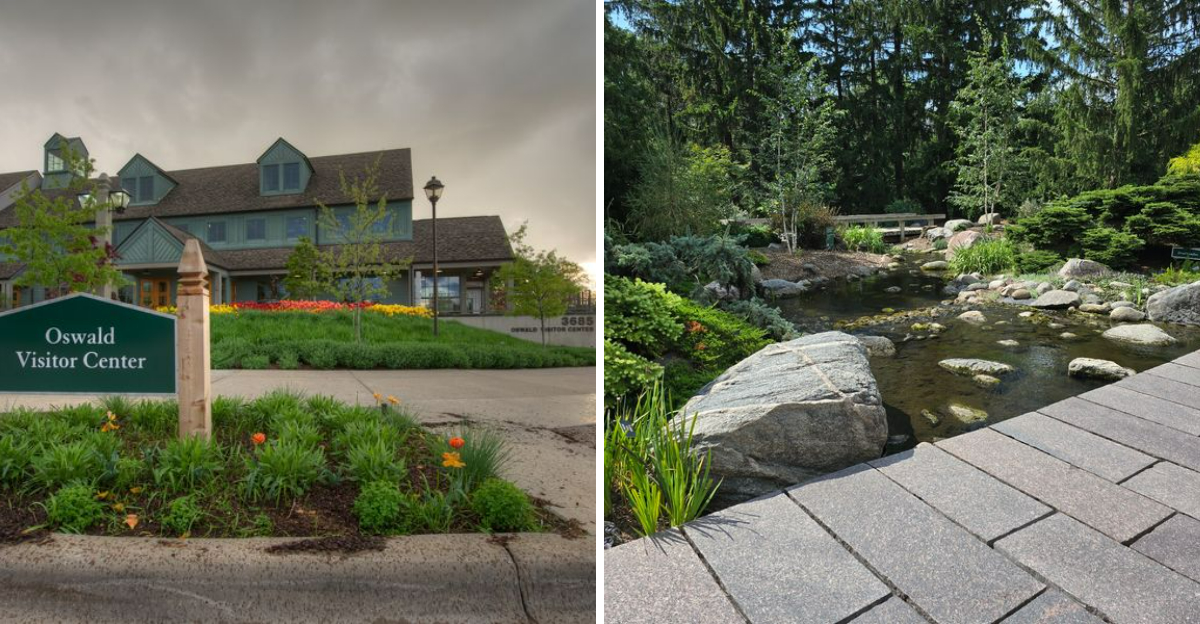
The address is 3675 Arboretum Dr, Chaska, MN 55318.
An Expert Talk Kicks Things Off Before Dark
Nobody hands you a flashlight and points at a field. The evening starts with actual learning.
Naturalists or local experts open the night with a presentation. They explain how fireflies live, what they eat, and why they glow at all.
The talk happens before the light fades, which is good timing. Your eyes get to adjust naturally while your brain fills up with facts.
I found the science part surprisingly gripping. Learning that flashes are basically conversations changes how you watch the field later.
Kids tend to lock in during this segment. Questions come fast, and the presenters clearly enjoy answering them.
Adults benefit too. Most of us grew up chasing lightning bugs without ever knowing what the blinking meant.
Arrive on time for this portion. Missing it means missing the context that makes the walk click.
Take a few mental notes on flash patterns. Spotting them yourself twenty minutes later feels like solving a puzzle.
The presentation sets the tone. Curiosity first, then wandering.
Guided Night Walks Follow Trails Chosen For Glow
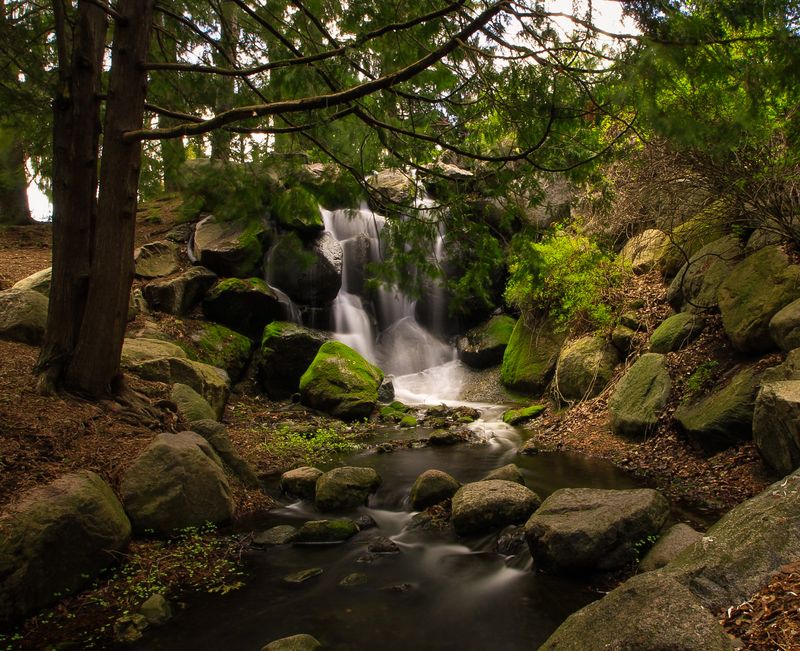
Wandering blindly through 1,137 acres would be a rough plan. Staff solve that problem for you.
After the talk, visitors can choose from several firefly-viewing routes, with staff noting which one offers the best viewing that evening.
Guides know where the insects gather thickest. That local knowledge saves you from stumbling around hoping for luck.
Walking in a group also keeps the noise low. Quiet groups tend to notice more blinking than chatty ones.
The pace stays relaxed. There is stopping, pointing, and plenty of standing still in the dark.
Footing can be uneven on prairie paths. Closed shoes make far more sense than sandals here.
Guides usually ask visitors to skip bright phone screens. White light washes out your night vision and dulls the whole effect.
Red-filtered flashlights are the friendlier option if you need one. They help you see the path without ruining anyone’s view.
The trails feel completely different after dark. Familiar gardens turn into shadowy shapes with tiny lights drifting through them.
Hundreds Of Lights Flicker Above The Tall Grass
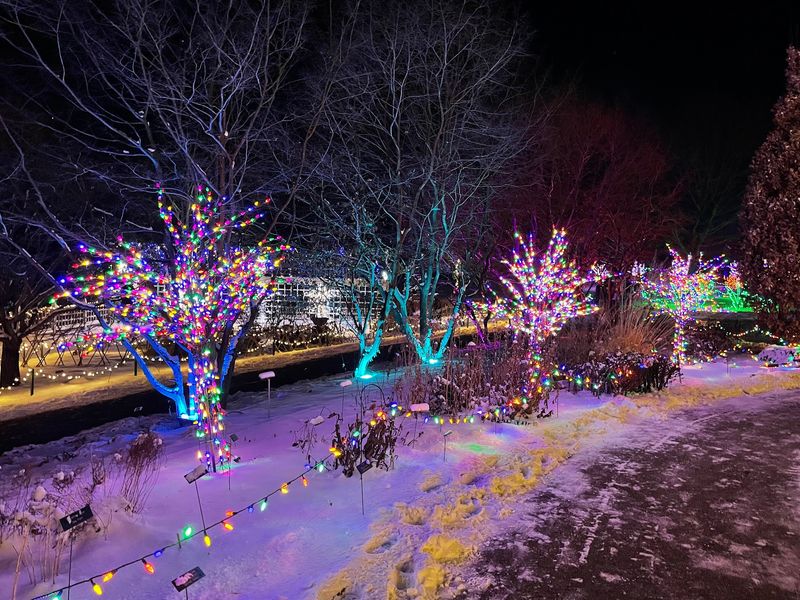
Here is the part that sticks with you. As dusk settles, hundreds of fireflies rise over the grass and marshland.
The flashing does not happen all at once. It builds slowly, a few sparks at first, then more than you can count.
Marsh edges tend to be the busiest zones. Damp ground and thick vegetation give the insects everything they need.
Standing in that field feels oddly peaceful. There is no soundtrack, no fireworks boom, just soft light appearing and vanishing.
Photos rarely capture it well. Phone cameras struggle with tiny moving lights in near darkness.
My honest advice is to skip the pictures entirely. Watching with your own eyes beats squinting at a screen.
Give yourself ten quiet minutes without moving. The longer you stand still, the more lights you notice.
Timing shifts with the season and weather. Warm, humid, still evenings usually produce the strongest displays.
It is a genuinely memorable stretch of any Minnesota summer.
Those Glowing Bugs Are Actually Beetles
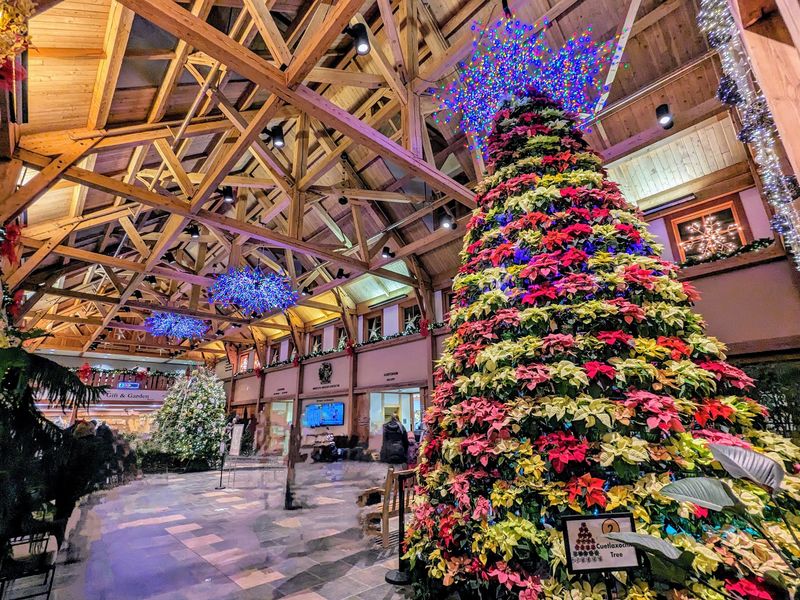
Fun fact that ruins nothing and improves everything: fireflies are not flies. They are beetles.
Lightning bugs, fireflies, glowworms, they all point to the same insect family. The naming is just regional habit.
Their glow comes from bioluminescence, a chemical reaction inside the body. No batteries, no heat, just efficient natural chemistry.
The main purpose of that light is attracting mates. Romance, essentially, written in blinks.
Knowing the science somehow makes the field more impressive. Every flash out there has a reason behind it.
Children usually love this detail the most. Telling a kid that beetles invented flashlights first gets a great reaction.
Adults get a small thrill too. Most of us assumed fireflies were some kind of fly for decades.
The presentation covers this early in the evening. You walk out already looking at the grass differently.
Little facts like this turn a pretty night into a memorable one. Understanding what you are watching adds real weight to the experience.
Flash Patterns Work Like A Secret Code
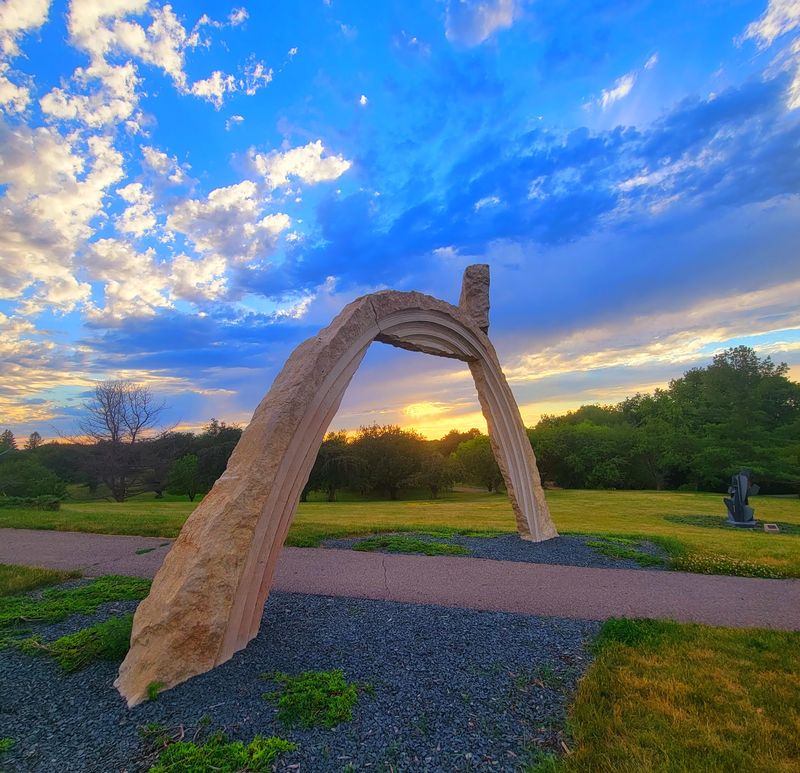
Once you learn the code, the meadow starts making sense. Every blink is a message.
Male fireflies flash specific patterns while flying. Females perch in the foliage below and answer.
Different species use different signals. Duration, interval, and even color change from one type to another.
Some flashes are quick blips. Others linger, drifting upward in a slow arc.
Watching for repeats is the fun challenge. Pick one insect and follow its rhythm for a minute.
Once you spot two patterns side by side, the field feels crowded with conversation. It stops looking random almost instantly.
Guides often point out the differences as you walk. Their trained eyes catch details most visitors would miss.
Kids turn this into a game quickly. Counting flashes keeps them engaged far longer than you would expect.
The whole thing runs on timing and patience. Nature built a signaling system long before anyone thought of Morse code.
By the end of the walk, you will be reading the meadow yourself.
Minnesota Hosts At Least Nineteen Firefly Species
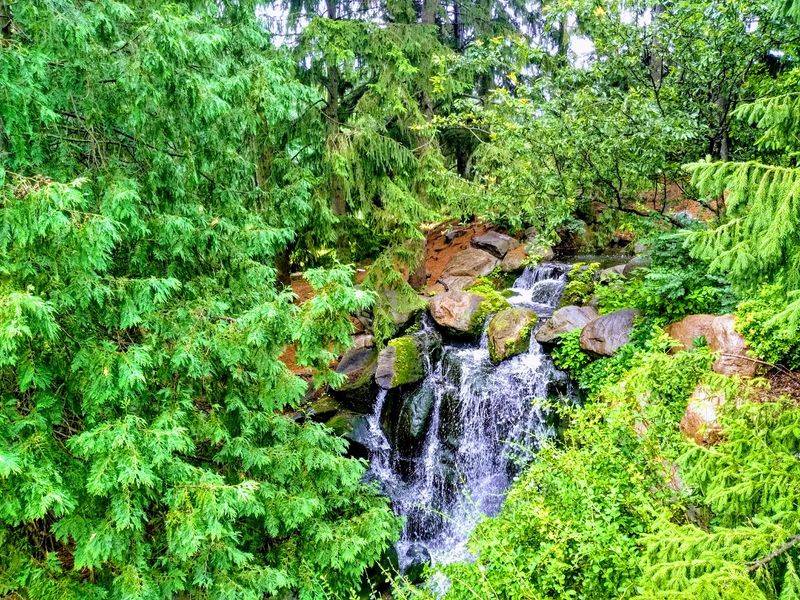
Nineteen. That is the number of firefly species known in Minnesota, at minimum.
Most people assume there is just one kind. The variety turns out to be much wider than that.
Their light shows up in shades of orange, green, or yellow. Color depends on the species doing the flashing.
Spotting different hues in one field is genuinely satisfying. Green ones tend to stand out against darker backgrounds.
Different species also prefer different habitats. Some favor wet edges, others stick to drier grassy areas.
That variety explains why the walk covers more than one type of terrain. Mixing habitats means mixing species.
Peak activity times vary too. A few species start glowing earlier in the evening than others.
Staying through the full walk gives you a better sample. Leaving early usually means missing the later performers.
Learning this changed how I look at summer nights at home. There is more diversity blinking in the backyard than anyone assumes.
Wetlands And Native Plants Keep The Population Strong
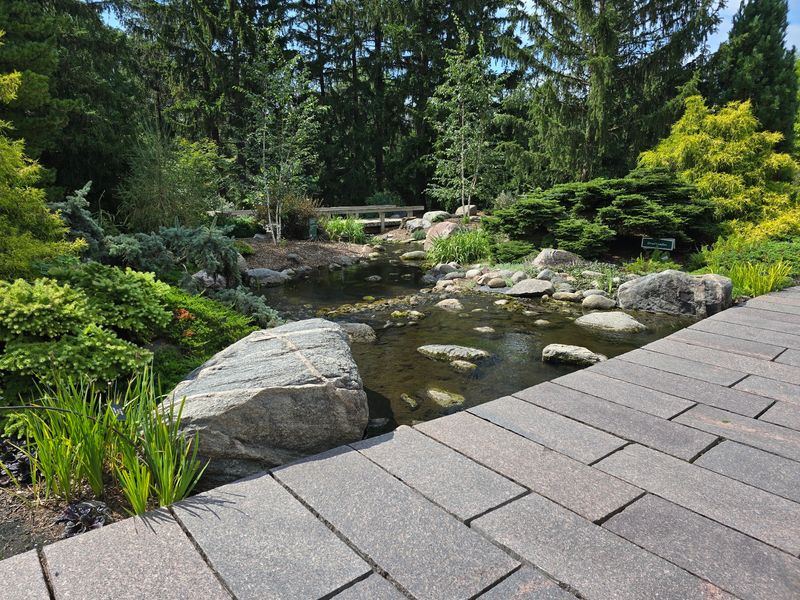
The show does not happen by accident. Habitat does the heavy lifting.
Wetlands, native plants, and tall grasses across the property create ideal firefly conditions. Larvae need moist soil and thick cover to survive.
Reduced light pollution matters just as much. Fireflies rely on seeing each other’s signals, and bright artificial light drowns that out.
The property covers 1,137 acres, which leaves plenty of room for dark, undisturbed corners. That space is exactly what these insects need.
Mowed lawns rarely support big populations. Leaving grass tall and native makes an enormous difference.
Home gardeners can borrow the idea. A patch of unmowed grass and fewer outdoor lights helps local fireflies.
Wet, low areas on your property are worth protecting rather than draining. Larvae spend most of their lives in that damp soil.
Seeing well-managed habitat in action makes the point better than any pamphlet. The results glow right in front of you.
Conservation looks pretty convincing when it blinks.
Planning Your Visit To 3675 Arboretum Drive
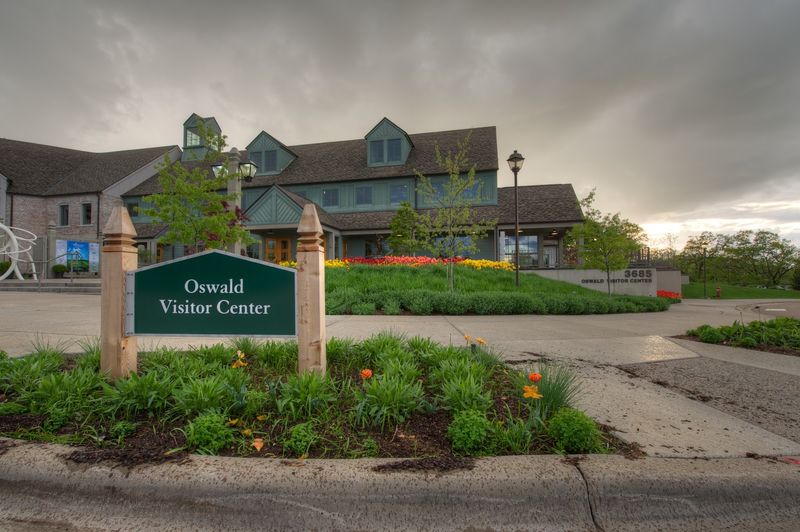
A little preparation turns a good night into a great one. Start with the calendar.
Standard admission gets you daytime access, but firefly evenings are separate ticketed programs. Buying online ahead of time is the reliable route.
Members visit often enough that an annual pass can pay for itself. The daytime gardens alone justify multiple trips.
Arrive with time to spare for parking. Summer evenings draw solid crowds.
Bug spray is worth packing, applied before you enter the meadow areas. Long sleeves help too.
Skip the perfume and heavy scents. Nothing ruins a quiet nature walk faster than a cloud of fragrance.
Consider making a full day of it. Trails, the conservatory, sculpture displays, and a well-stocked gift shop fill the hours before dusk.
Then wait for the light to fade. The best part starts after everyone else has gone home.