This Kentucky Lake Shore Is Getting Too Snake-Infested For Its Own Good
Most Kentucky lakes hold a snake or two. This one somehow collected the entire roster.
Copperheads, cottonmouths, and timber rattlesnakes all live around these shores. That is nearly every venomous species the state has, gathered in one place.
Before you cancel the boat trip, some perspective helps. Those three rarely come out into the open, and none of them wants your company.
What you will actually see is a northern watersnake. They are harmless, excellent swimmers, and permanently mistaken for something worse.
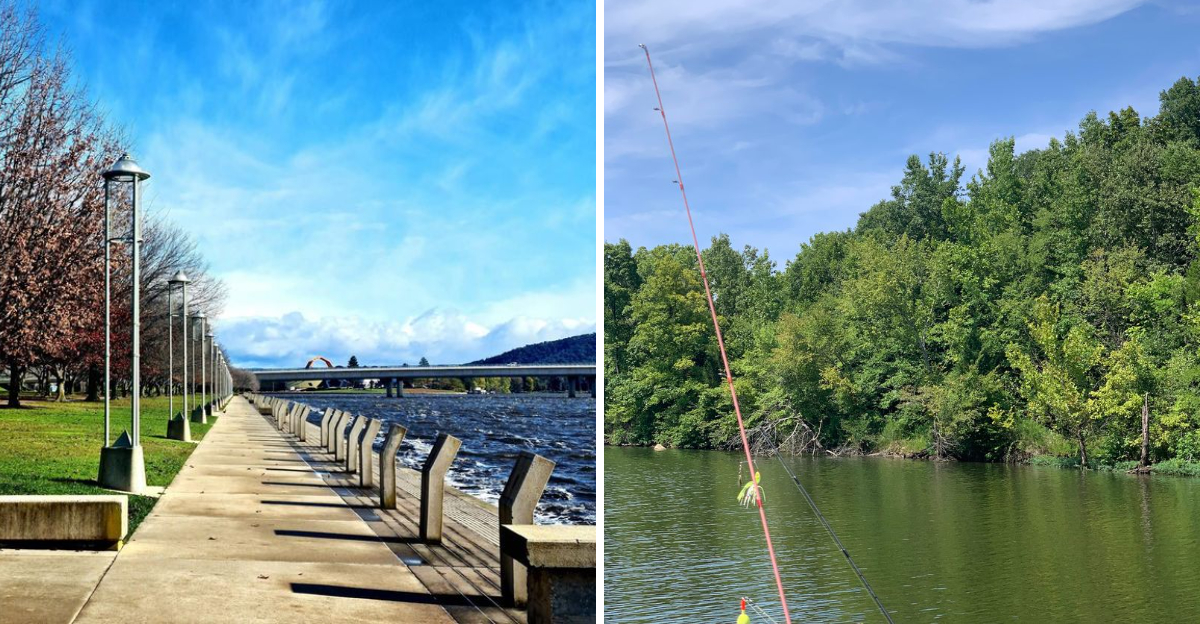
Nearly fifty eight thousand acres of water gives everything room to spread out. Fishing, swimming, and boating carry on all summer without incident.
Watch where you step along wooded trails rather than staring at the water. That is where the rattlesnakes actually are.
Learn to tell a watersnake from a moccasin and the whole lake relaxes.
Give them a little distance and they will happily give you more.
Miles Of Warm Shoreline That Reptiles Love
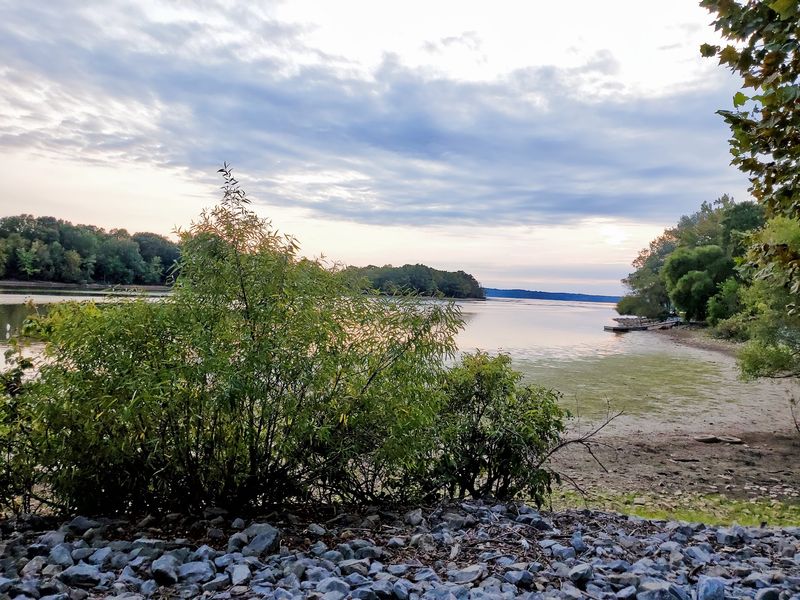
Lake Barkley stretches for miles across western Kentucky, and its edges are quietly busy with reptiles. Most visitors never notice, which is exactly how the snakes prefer it.
The lake covers roughly 58,000 acres along the Cumberland River. All that shoreline creates endless hiding spots for cold-blooded neighbors.
I first noticed the pattern while fishing near a flooded stump field. Three water snakes surfaced within ten minutes, calm and completely uninterested in me.
Sun-warmed logs, brush piles, and shallow coves make ideal snake apartments. Add plenty of frogs and small fish, and the buffet stays open all summer.
Anglers see more snakes than anyone else out here. That happens because both groups chase the same food in the same places.
None of this makes the shoreline unwelcoming for families. It simply means the ecosystem is working, loudly and visibly, right at your feet.
Locals joke that every stick in the water is a snake until proven otherwise. After one full summer here, that joke sounds like solid advice.
Binoculars let you spot far more from a comfortable distance. The lake rewards patient watchers much more than jumpy ones.
For a good home base, start at Lake Barkley State Resort Park, 3500 State Park Road, Cadiz, Kentucky.
Northern Water Snakes Take All The Blame
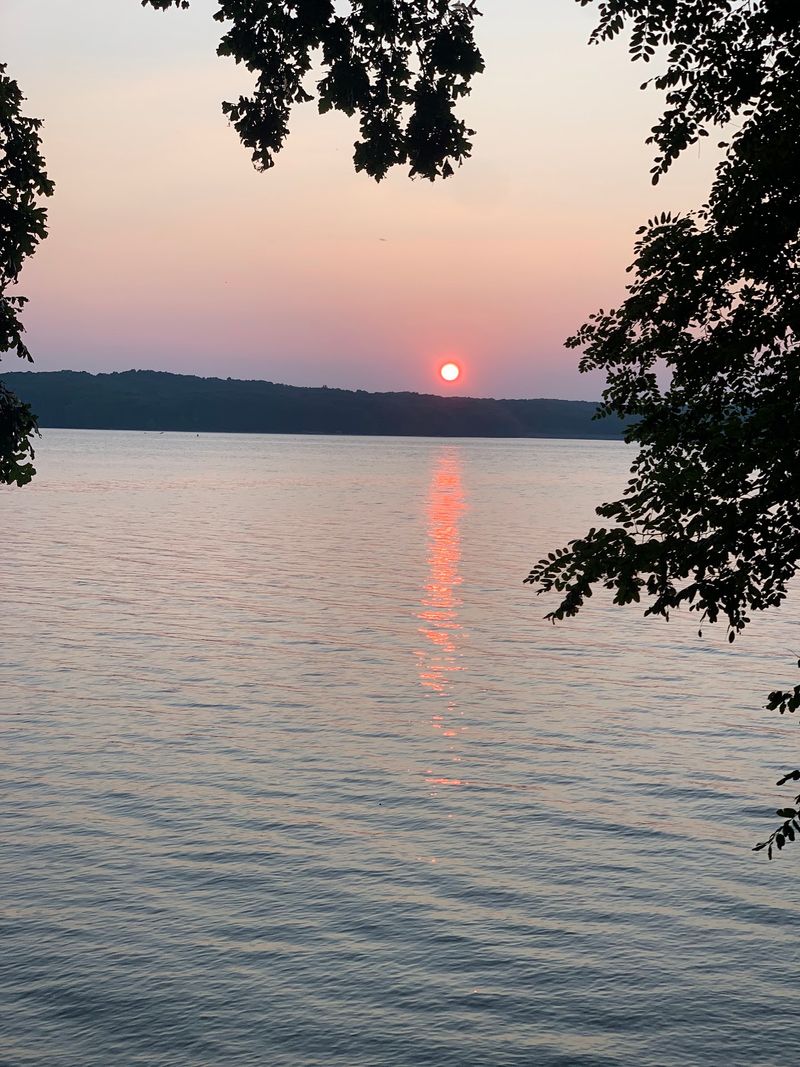
Blame travels fast on a boat dock, and northern water snakes absorb most of it. Almost every dramatic sighting here turns out to be this harmless swimmer.
They grow thick bodies marked with dark bands and blotches. Wet scales darken that pattern, which makes identification tricky from ten feet away.
A quick trick helps a lot. Water snakes swim with only the head above the surface while the body stays under.
They also flee first and argue later. Bump one on a warm rock and it usually splashes away instantly.
Frogs, minnows, and crayfish make up most of their menu. Dock owners often find them hunting beneath floating platforms at dusk.
Their reputation suffers because they flatten their heads when nervous. That defensive trick creates a triangular shape that mimics something scarier.
Give them room and they become genuinely fun to watch. I once counted eleven along a single riprap bank in one May afternoon.
Photographers appreciate them because basking snakes hold still. A zoom lens turns a jumpy moment into a decent wildlife shot.
Learning this single species removes most of the worry people carry to the water. Confidence grows from knowing your neighbors, even the scaly ones.
Rocky Riprap Is Prime Reptile Real Estate
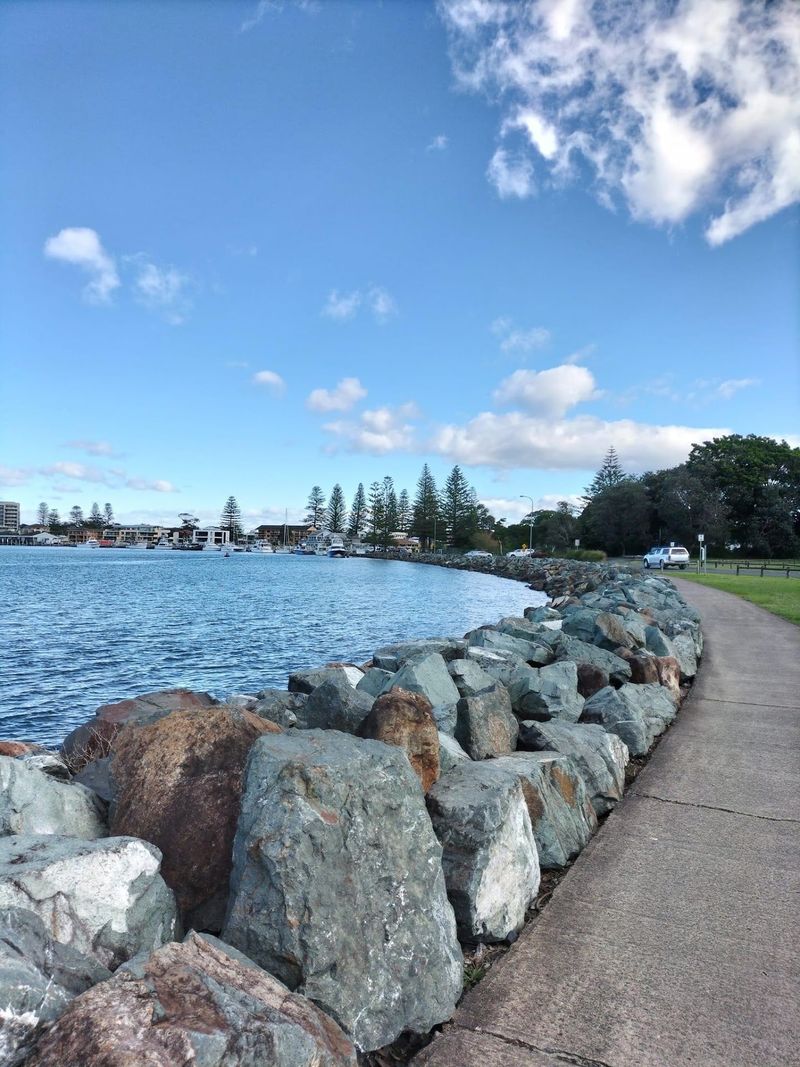
Every dam wears a rocky armor of riprap, and this one doubles as reptile housing. Gaps between the stones hold heat, shade, and easy meals.
Copperheads sometimes use rocky banks near wooded edges. They depend on camouflage instead of speed, so they stay still and let you pass.
Their copper-brown hourglass bands blend beautifully with fallen leaves. Walk slowly near leaf litter and you will notice them long before it matters.
Stones near the tailwater warm early and cool late. That steady temperature keeps them popular through spring and fall.
Anglers scrambling over boulders should watch hands as closely as feet. Reaching blindly into a crevice is the one habit worth dropping.
Kentucky snakes want distance, not confrontation. Nearly every tense encounter begins with someone trying to move or handle one.
A flashlight settles most nighttime concerns along rocky shorelines. Snakes hunt after dark in July, and light gives everyone fair warning.
Keep a six-foot buffer and the moment becomes a story instead of a scare. Backing up costs nothing and works every time.
Riprap also shelters skinks, frogs, and crayfish. Snakes go where dinner lives, and dinner clearly loves those rocks.
Cottonmouth Rumors Deserve A Closer Look
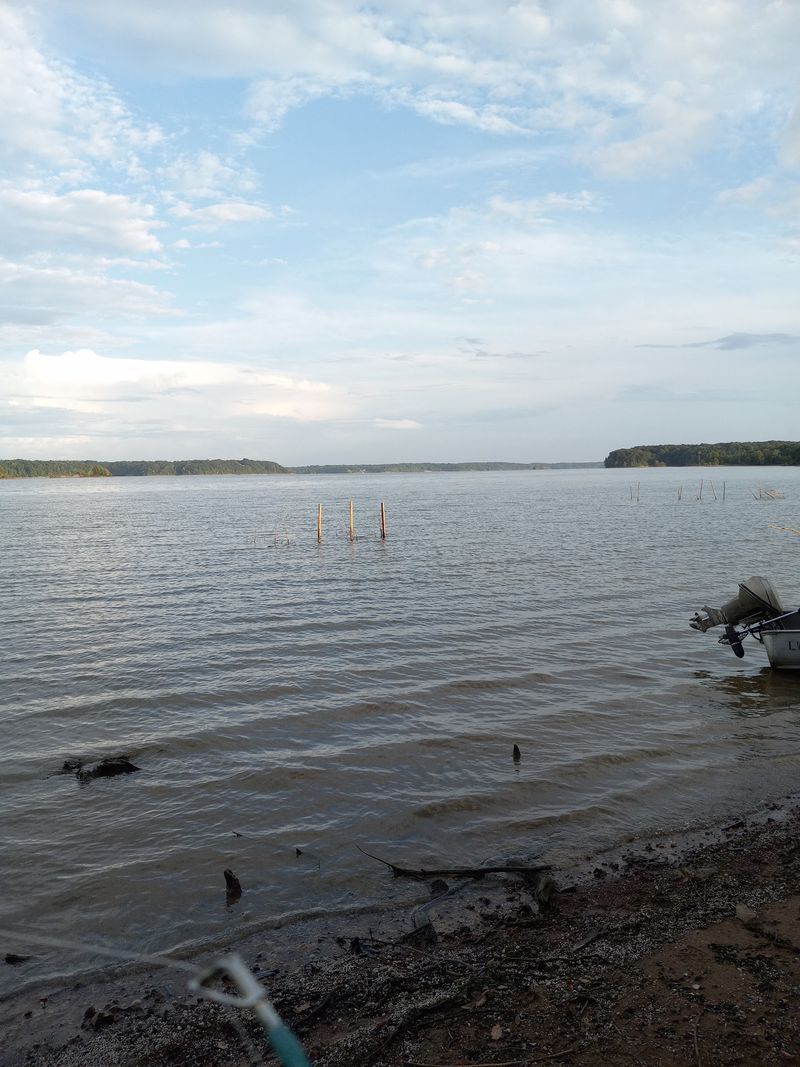
Ask ten anglers about cottonmouths and you will collect ten confident answers. The truth is far calmer than the campfire version.
Western cottonmouths do live in far western Kentucky, mostly in swampy lowland habitat. Around big reservoirs, most reported sightings turn out to be water snakes.
Cottonmouths swim high, with the body riding on top of the water. Water snakes ride low, which makes a handy side-by-side clue.
A cottonmouth also holds its ground and gapes to show a pale mouth lining. Water snakes strongly prefer a fast exit over any standoff.
Habitat tells you more than rumor does. Cypress sloughs and quiet backwaters suit the species better than open, wave-washed shoreline.
Biologists have mapped Kentucky snake ranges for decades. Checking a state range map beats trusting a dock conversation.
When identification feels uncertain, the answer stays simple. Treat any unknown snake as one you admire from a distance.
Photos help far more than memory. Snap a picture, zoom in later, and settle the debate properly.
Kentucky Fish and Wildlife staff can often confirm a species from a clear image. That beats arguing about a shape you glimpsed for two seconds.
Handled respectfully, curiosity turns rumor into real knowledge.
Spring Mornings Bring The Biggest Show
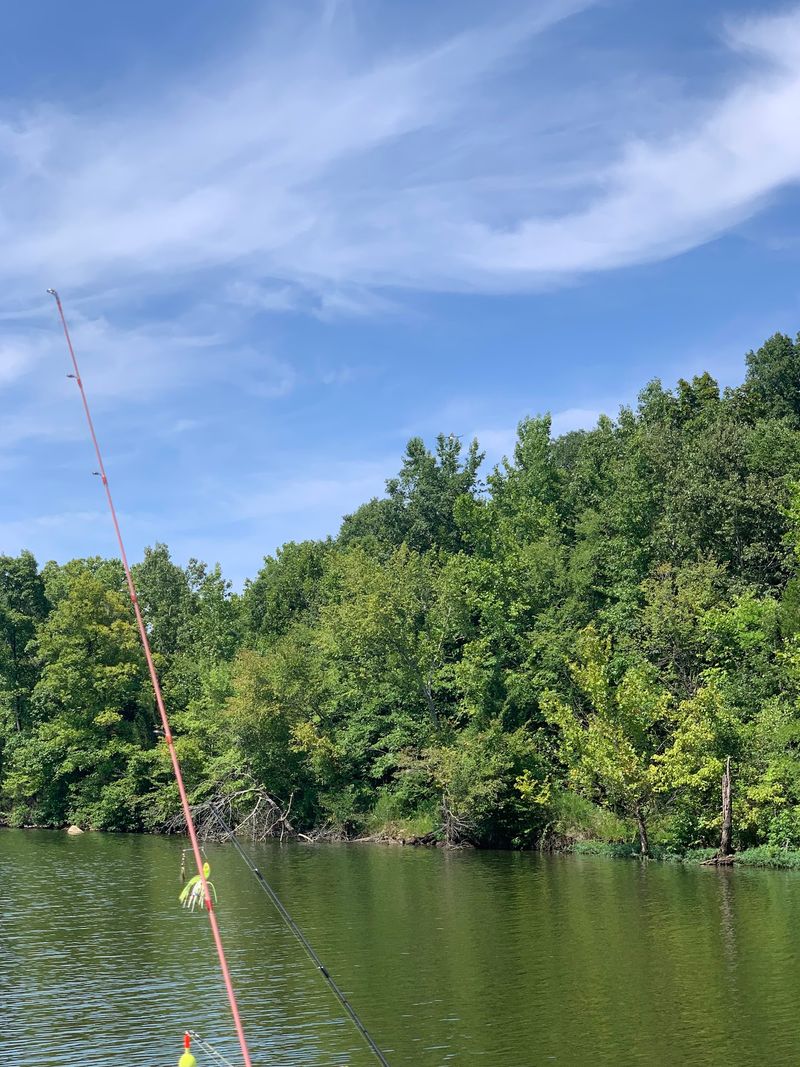
Timing changes everything along this water, and mid-spring delivers the busiest show. Snakes leave winter shelter hungry and hunting for warm rocks.
April and May mornings produce the most sightings. Cool nights force reptiles to bask before feeding, right out in the open.
Summer flips the schedule completely. July heat pushes activity into evening and early night, when stones release stored warmth.
Fall brings a second wave as they drift toward wintering spots. September and October afternoons often deliver excellent viewing.
Winter walks stay nearly snake-free. Below fifty degrees, most reptiles tuck underground and vanish from sight.
Rain plays a role too. A warm spring shower sends frogs everywhere, and snakes follow the chorus.
I plan shoreline photo walks for the hour after sunrise in May. The light is soft and the snakes are still slow.
Water level matters more than people expect. Rising lake levels push snakes upslope, closer to trails and picnic areas.
Knowing the calendar means fewer surprises. You can choose a snake-heavy morning or a quiet afternoon instead.
Either way, the lake stays open and gorgeous. Awareness simply makes the visit smoother for everybody.
Park staff usually know the current hotspots. A two-minute question at the gate saves plenty of guessing.
Paddling Backwaters Means Watching The Branches
Kayakers get the best seat and the strangest surprises. Overhanging limbs are where snakes nap, and paddlers pass directly underneath.
Water snakes climb willow branches to sun themselves above the shallows. Startle one and it drops straight down, which is how boat legends start.
The fix is easy. Give brushy banks three or four feet of clearance as you glide past.
Slow strokes help more than speed. Quiet approaches let snakes notice you and slip away on their own terms.
Backwater sloughs near the Cumberland channel hold the thickest cover. Flooded timber, lily pads, and stumps create perfect basking platforms.
Sit-on-top kayaks work well because the deck stays visible. Nothing hides under a tangle of dry bags and gear.
Fishing paddlers should keep the bait bucket sealed. Open containers attract curious noses of every kind.
Guide services around the lake run early paddles built for wildlife watching. Herons, turtles, and yes, snakes all appear within one calm hour.
Bring patience and a camera with a sturdy strap. Reaching for a dropped phone in a stump field rarely goes well.
Paddling stays the most rewarding way to see this shoreline honestly. The snakes are part of the scenery.
Boots, Sticks, And Simple Habits That Help
Gear handles most shoreline worries, and none of it costs much. Ankle-high boots and long pants sit at the top of the list.
Closed-toe shoes beat sandals on rocky banks and muddy launches. Traction matters as much as coverage on wet stones.
A walking stick earns its keep in tall grass. Tapping ahead gives snakes a polite heads-up before your foot arrives.
Keep the dog leashed near brush piles. Curious noses find hidden animals faster than any human eye.
Store tackle boxes and coolers closed at camp. Open gear invites frogs and mice, and snakes follow them.
Camp lighting matters after dark. A cheap headlamp turns a nervous walk to the bathhouse into a normal one.
Teach kids the two-step rule: stop, look, then back away. Short instructions stick better than long warnings.
Shake out towels and shoes left outside overnight. Cool mornings make warm fabric appealing to small creatures.
Trim the grass around lakeside rentals when you can. Short cover gives snakes far less reason to linger.
None of this requires fear, only routine. Good habits let you relax and enjoy the water.
My tackle bag now carries a headlamp year-round. It has proven useful more often than I expected.
Snakes Keep The Lake Healthier Than You Think
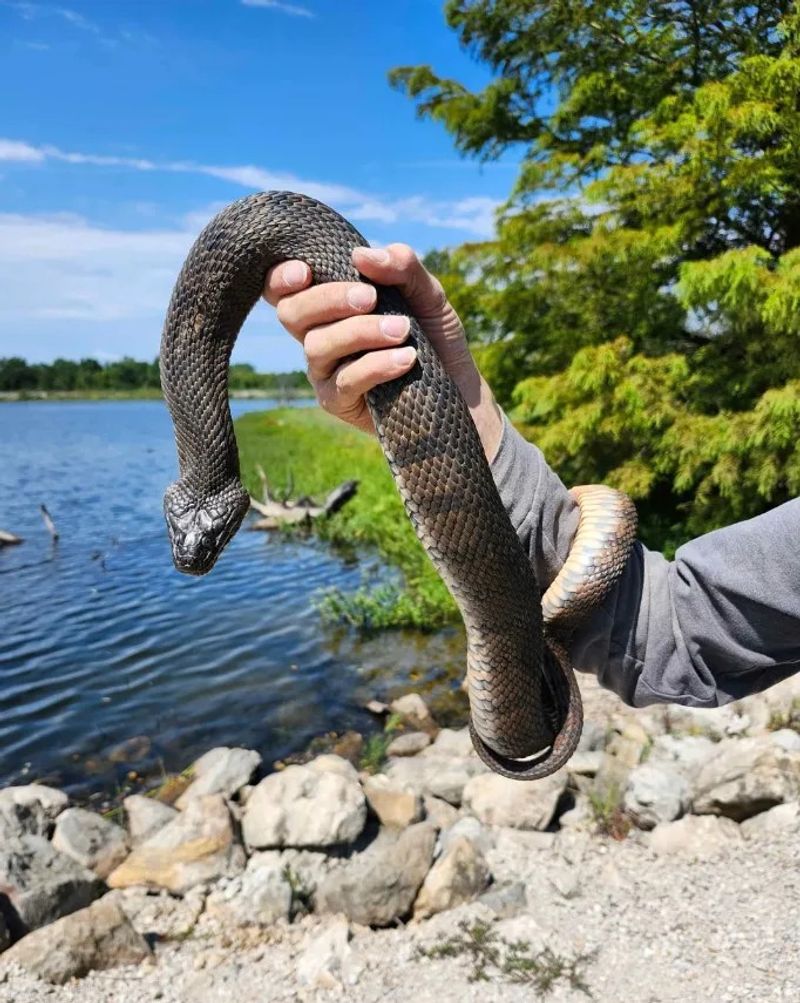
Here is the twist most visitors miss. Those snakes provide free pest control along the entire shoreline.
A healthy snake population keeps rodent numbers steady around campgrounds. That means fewer chewed cooler lids and fewer raided pantries.
They also clean up sick and injured fish. Nature hired them long before the reservoir existed.
Kentucky law protects native nongame wildlife, snakes included. Harassing them is unnecessary and against the rules.
Herons, hawks, and large fish depend on snakes for food. Remove them and the food web wobbles quickly.
Land Between the Lakes biologists monitor reptile populations across the region. Their surveys treat snake abundance as a sign of healthy wetlands.
Fun fact: one water snake can eat dozens of small fish each season. Most are species anglers never target anyway.
Reporting sightings to park staff helps far more than moving animals. Good data builds better management for the whole shore.
Visitors who learn a few species relax almost immediately. Knowledge replaces imagination, which is always the scarier option.
This lake feels wilder because of its reptiles, not despite them. That wildness is exactly what pulls people back each spring.
Bring curiosity and keep your distance. The snakes will handle their end of the deal.