15 North Carolina Museums Tell Powerful Stories Most History Books Left Behind
History gets a lot harder to ignore when you can stand inside the places where it happened.
Some stories were trimmed down to a paragraph in school, while others barely made it onto the page at all. These museums bring those missing pieces back into view in a way that feels immediate instead of academic.
A quiet room can suddenly carry enormous weight once you know who stood there before you. An ordinary object can stop you cold after you learn what it meant to the person who used it.
That is where North Carolina’s past becomes far more complicated than any neat timeline could ever suggest.
These places do not rely on dramatic effects to make their point. They let real spaces and preserved stories do the work.
You may walk in expecting a history lesson.
You may leave realizing there was much more to the story than anyone ever told you.
15. Museum Of The Southeast American Indian, Pembroke
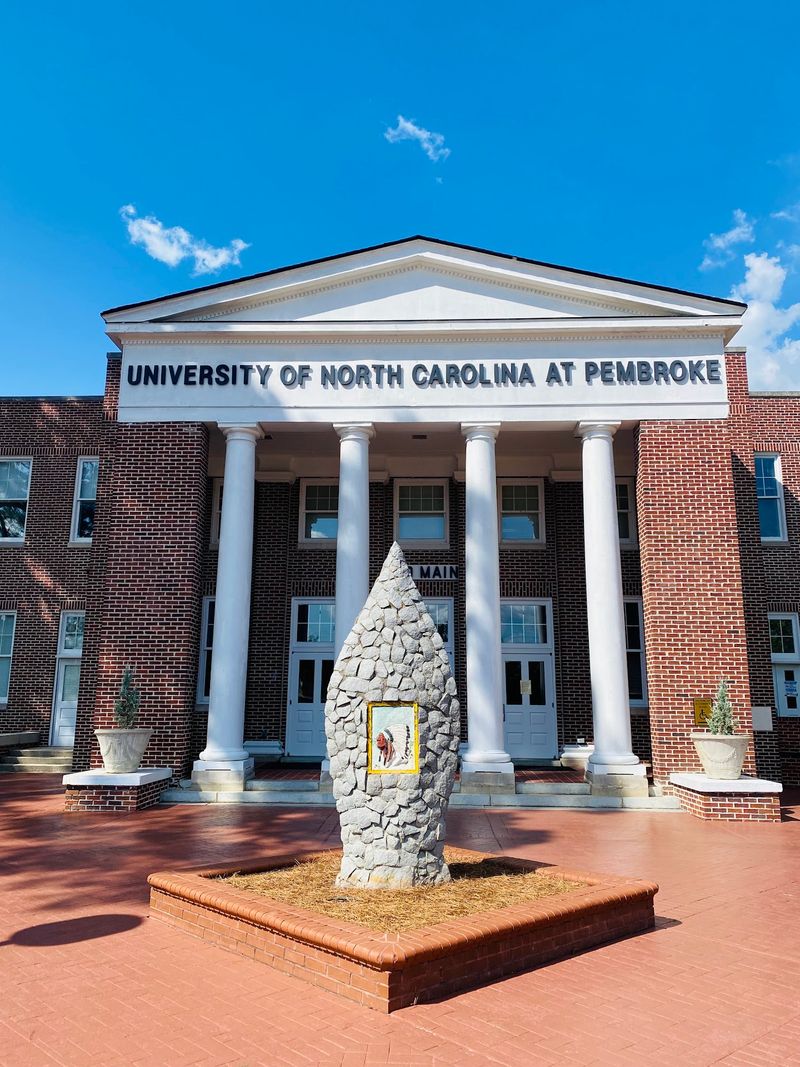
Old Main anchors the UNC Pembroke campus, a brick survivor of fire and change, and the museum inside carries that history with quiet confidence. The university itself was created by and for American Indians, which gives these galleries unusual authority.
Lumbee heritage sits at the center of the collection, joined by other Southeastern Native cultures shown through artifacts, fine art, and rotating exhibits.
Robeson County communities receive particular attention, and the space doubles as a working hub for research and preservation.
Programming brings the rooms to life. Hands-on activities, book readings, and powwows fill the calendar with drumming, regalia, and dance, and each event feels rooted rather than staged.
Admission is free and doors are open Monday through Friday, which makes this an easy weekday stop while traveling the southeastern part of the state.
Allow an hour inside, then walk the campus grounds, where the story of a school built by a determined community keeps unfolding in classrooms just steps from the exhibits. 1369 Old Main Rd, Pembroke, NC 28372 is the address.
14. Harvey B. Gantt Center For African-American Arts + Culture, Charlotte
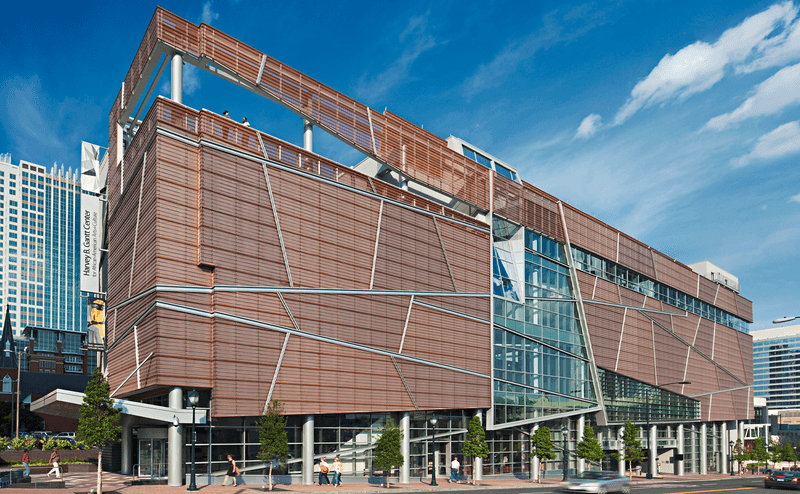
Patterns on the exterior echo Underground Railroad quilts and West African textiles, so the lesson begins before you reach the lobby. A soaring staircase design nicknamed Jacob’s Ladder nods to the historic Myers Street School and the belief that education lifts a whole community upward.
Galleries connect Black history with art, identity, and creativity instead of marching through dates. Works from across the African diaspora hang in rooms that feel bright and unhurried.
Plan around the schedule before you go. The center’s address is 551 South Tryon Street, Charlotte, NC 28202, with hours Tuesday: noon–6, Wednesday: noon–9, Thursday–Friday: noon–6, Saturday: 10–6, Sunday: noon–6, Monday: closed.
Guided tours, art talks with regional artists, storybook tours for younger guests, and creative workshops keep the calendar full.
Because the center sits in the middle of the city’s business district, a visit pairs neatly with a downtown walk and a coffee stop afterward.
13. Museum Of The Albemarle, Elizabeth City
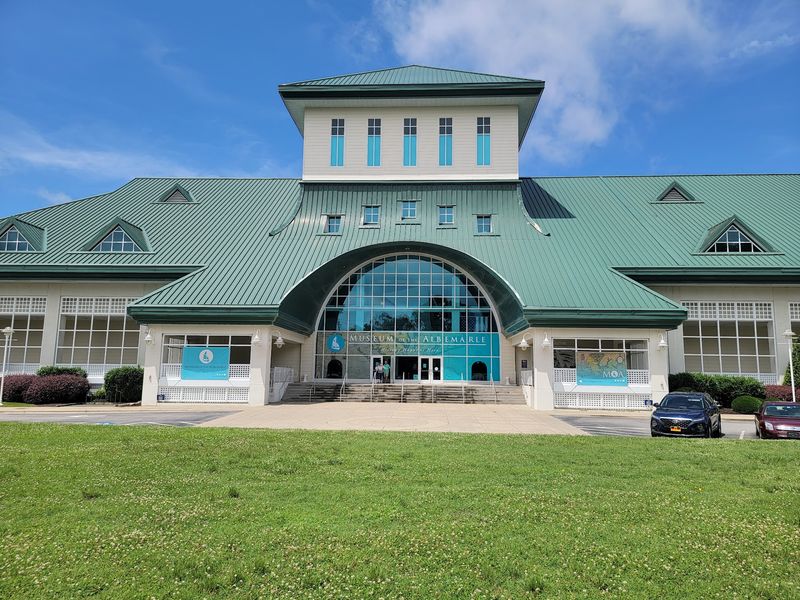
Downtown Elizabeth City keeps its museum close to the water, across from Waterfront Park on the Pasquotank River. Regional life fills the galleries: farming, fishing, boatbuilding, and the daily routines of northeastern communities shaped by land and sea.
The Our Story exhibit alone holds more than 700 artifacts, including a preserved 1755 Jackson House and a 1904 shad boat suspended overhead.
Difficult chapters are not skipped. Displays examine the experiences of enslaved Africans and the Black communities whose labor, faith, and families shaped the Albemarle region.
Recorded voices and family photographs keep those histories personal rather than abstract.
Admission costs nothing, though donations help. You will find the museum at 501 South Water Street, Elizabeth City, NC 27909, open Tuesday through Saturday from 10 a.m. to 5 p.m. and closed Sundays, Mondays, and certain holidays.
Afterward, the riverfront boardwalk offers gulls, boat masts, and a breeze carrying the faint scent of brackish water. It is a fitting place to think over what you just learned.
12. Historic Jarvisburg Colored School Museum, Jarvisburg
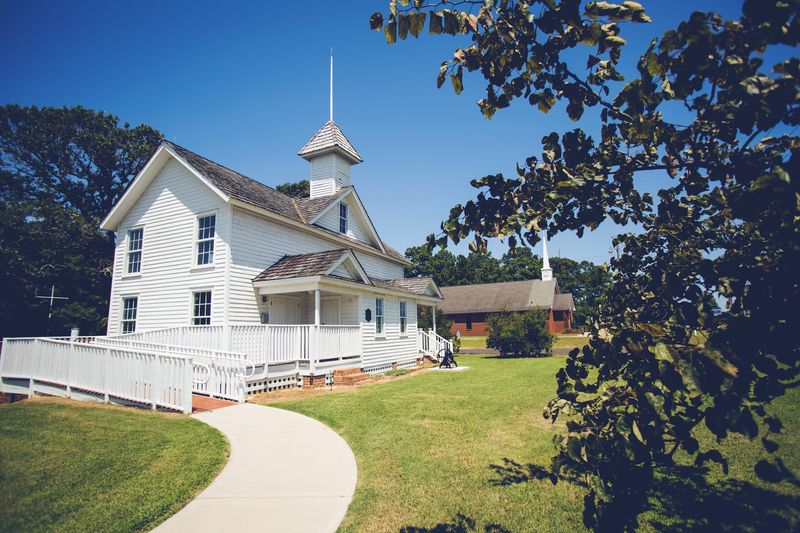
Wooden desks, a chalkboard, and one room serving several grades at once: that is where this story begins. The recreated upper elementary classroom sits inside a rare surviving pre-Rosenwald school built for African American students.
Currituck County families kept this school alive, and their voices carry the exhibits. Audio and written accounts from former students describe long walks to class, hand-me-down books, determined teachers, and the pride of learning in a rural coastal county.
Hours are limited, so timing matters. The museum sits at 7302 Caratoke Highway, Jarvisburg, NC 27947, welcoming guests Wednesday, Thursday, and Saturday from 10 a.m. to 3 p.m.
Admission is free, and donations are gratefully accepted.
Because the building is small, a visit rarely takes more than an hour, yet it stays with you. Travelers heading toward the beaches can fold this stop into the drive and arrive at the shore with a fuller sense of the region.
11. Museum Of The Cherokee People, Cherokee
Thirteen thousand years of history is a lot to carry, and here it is told by the people who lived it. The museum sits on the Qualla Boundary, sovereign land of the Eastern Band of Cherokee Indians, with mountain ridges pressing close on every side.
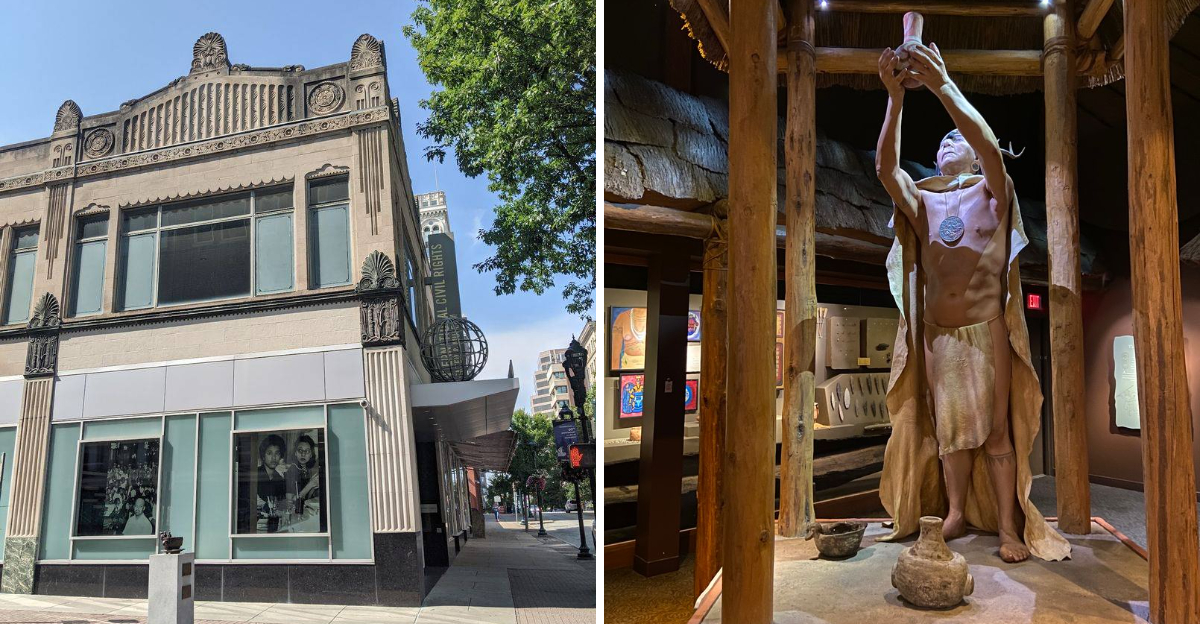
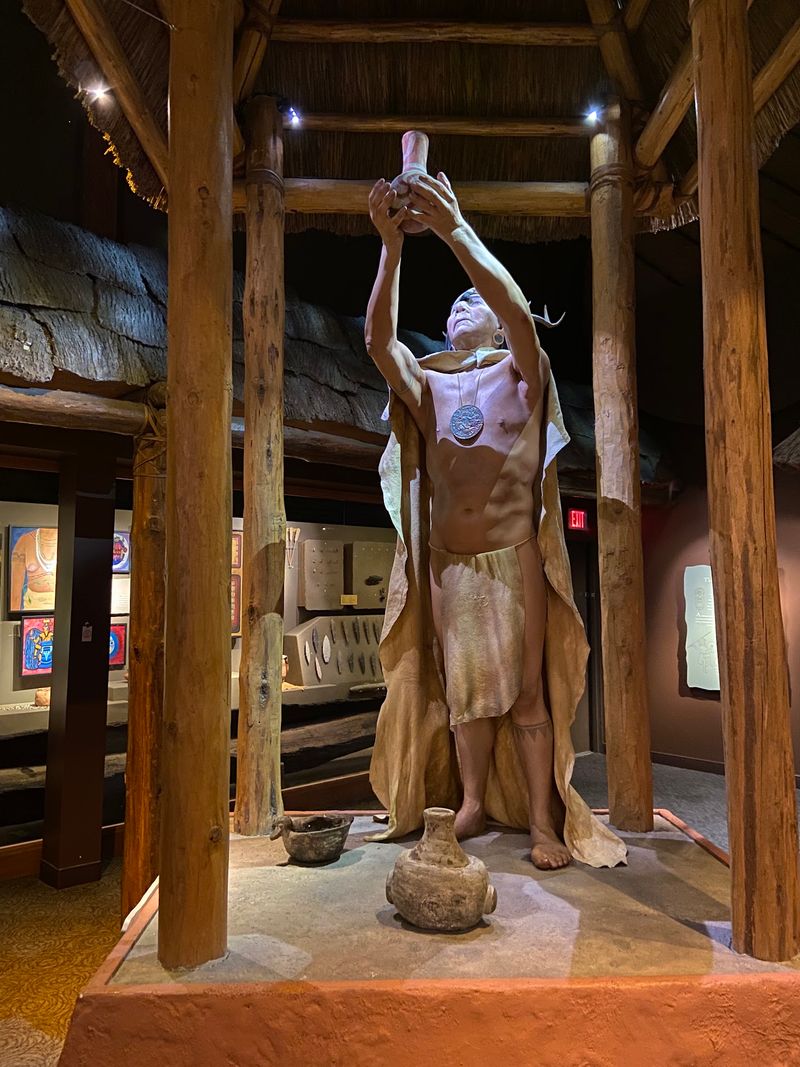
Galleries blend animation, sound, special effects, and life-sized figures cast from local tribal members, so the faces you meet belong to real neighbors.
Culture, survival, forced removal, and the community’s continued presence in western North Carolina all share the same rooms.
Craft traditions get honest attention. Finger-weaving, rivercane basketry, and white oak basket weaving appear alongside oral histories shared by Atsila Anotasgi cultural specialists.
Plan a slow afternoon. The museum welcomes visitors at 589 Tsali Blvd., Cherokee, NC 28719, daily from 9 a.m. to 5 p.m., with the last tickets sold at 4 p.m.
Step outside afterward, breathe the cool river air, and you may find the exhibits keep working on you for miles down the road.
10. International Civil Rights Center & Museum, Greensboro
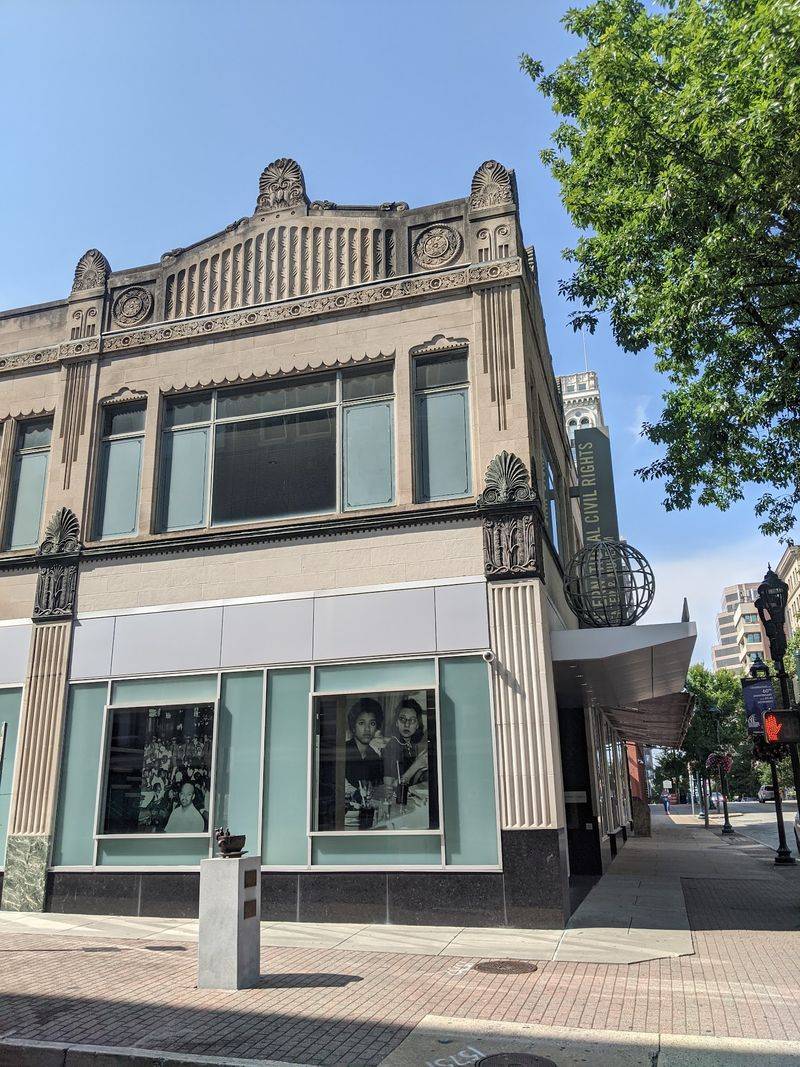
Four college students sat down at a whites-only lunch counter in February 1960, and the ripple they started still moves through this building. The old F.W.
Woolworth store now holds galleries where that same counter waits, stools and all.
Inside the exhibit space known as The Battlegrounds, audio and video recordings, original artifacts, and recreated protest scenes place you in the middle of a movement built on patience and nerve.
An introductory film explains how the Greensboro Four planned their quiet act of resistance long before they walked through the door.
Planning a visit takes little effort. The museum stands at 134 S Elm St, Greensboro, NC 27401, with doors open Monday through Saturday from 10 a.m. to 6 p.m.
Staff suggest arriving by 4 p.m., since the full story takes real time to absorb.
Walking past the counter feels different from reading about it. The tile floor, the chrome trim, the narrow aisle: small details turn a famous date into a room you can stand in.
Nearby panels connect the sit-ins to the wider push against segregation across the South.
9. Montford Point Marine Museum, Jacksonville
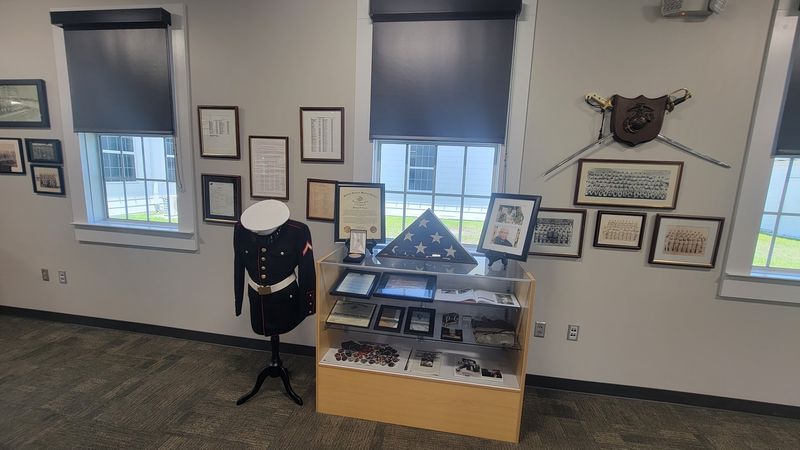
In 1942, the first Black recruits accepted into the U.S. Marine Corps reported to a segregated training camp beside the New River, and their determination reshaped the service.
The museum on those same grounds, now Camp Gilbert H. Johnson, keeps that record safe.
Photographs, documents, and personal papers trace the years from 1942 to 1949, when thousands of men trained under conditions their fellow recruits never faced. Letters home and faded snapshots make the courage feel personal rather than ceremonial.
Access takes a little planning since the site sits on an active military installation. Exhibits fill the East Wing of building M101 aboard Marine Corps Base Camp Gilbert H.
Johnson in Jacksonville. Public hours run Tuesday through Thursday: 10 a.m.–5 p.m., Second and fourth Saturday: 10 a.m.–3 p.m., plus the second and fourth Saturday of each month from 10 a.m. to 3 p.m., with appointments possible at other times.
Bring identification, allow extra minutes at the gate, and read slowly. These were the men who opened a door that had been closed.
8. Pauli Murray Center For History And Social Justice, Durham
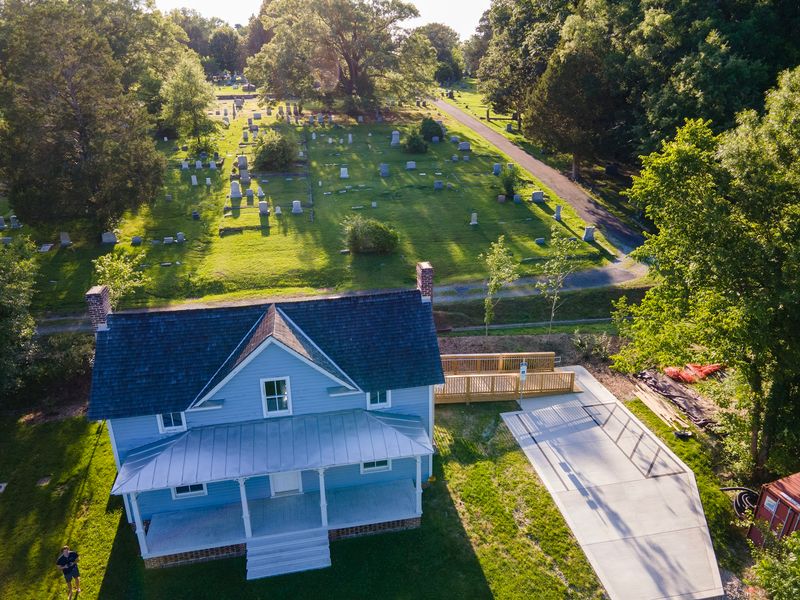
A modest frame house on Carroll Street holds one of the most remarkable life stories you may ever encounter. Pauli Murray grew up here in a home her grandparents built in 1898, and the center honors her work as a legal scholar, author, poet, labor organizer, and Episcopal priest.
Rooms carry names that hint at what happens inside. The Identity Room, Activism Room, and Love and Joy Room invite reflection on belonging and fairness, and one stop even encourages guests to write a haiku.
Programs link Murray’s thinking about civil rights and women’s history to questions people still wrestle with, through community dialogues, exhibits, and performing arts.
Tours require a bit of planning. The house stands at 906 Carroll Street, Durham, NC 27701, with public tours offered on Wednesdays and Saturdays, while the outdoor exhibits and grounds remain open during daylight without a reservation.
Standing in the yard, you can picture a child on those steps who would grow up to help change American law.
7. Hayti Heritage Center, Durham
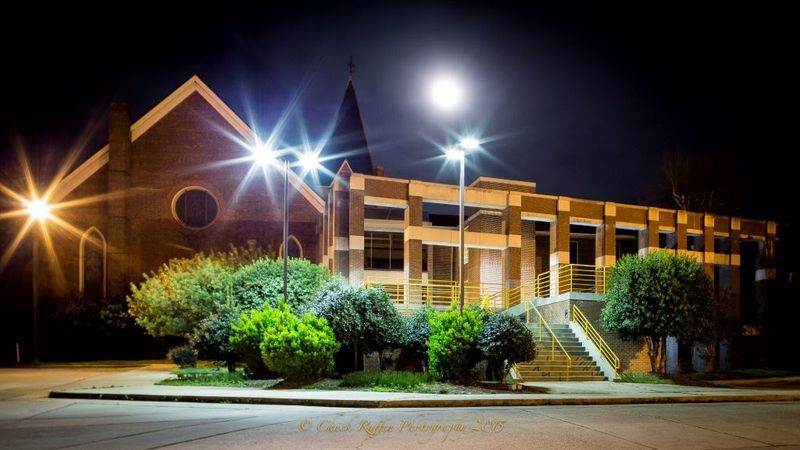
Gothic Revival arches and stained glass mark the former St. Joseph’s AME Church, raised in 1891 by a congregation with deep roots in the Hayti community. Music now fills the sanctuary where sermons once echoed.
The building holds St. Joseph’s Performance Hall, the Lyda Moore Merrick Art Gallery, and the Claronelle K. Trapp Brown Community Room.
Concerts, film screenings, art exhibitions, and the Hayti Heritage Film Festival keep Black cultural life visible in a neighborhood reshaped by highway construction decades ago.
Finding the center is simple. It stands at 804 Old Fayetteville Street in Durham.
The center is currently open by appointment and one hour before scheduled performances, so visitors should check the event calendar or contact Hayti before making a museum-only trip.
Check the events calendar before you go, since an evening show offers the fullest experience.
Sitting beneath those tall windows while a singer warms up, you feel how one building can hold a community’s memory and its future at the same time.
6. Museum Of The Cape Fear Historical Complex, Fayetteville
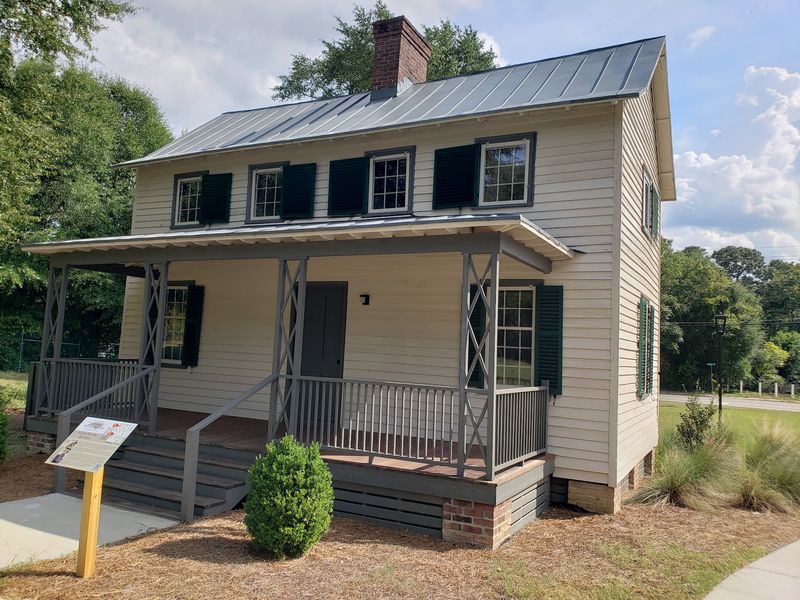
Four centuries of regional history spread across three parts of one campus in Fayetteville.
Next door, the 1897 Poe House shows late-Victorian home life in careful detail, from patterned wallpaper to the tools of a busy kitchen. Arsenal Park preserves the outline of an ordnance factory whose remnants mark a hard chapter.
Younger visitors gravitate toward the hands-on pieces.
A steamboat interactive and a recreated station agent’s office bring the depot years to life, while an annex adds vintage cars, a 1920s gas station scene, and an 1880s Silsby steam pump engine.
Rotating exhibits keep return trips fresh. The complex sits at 801 Arsenal Ave., Fayetteville, NC 28305, open Tuesday–Saturday, 10 a.m.–5 p.m. and closed Sunday and Monday.
Shady walkways connect the buildings, so comfortable shoes help.
5. Cameron Art Museum, Wilmington
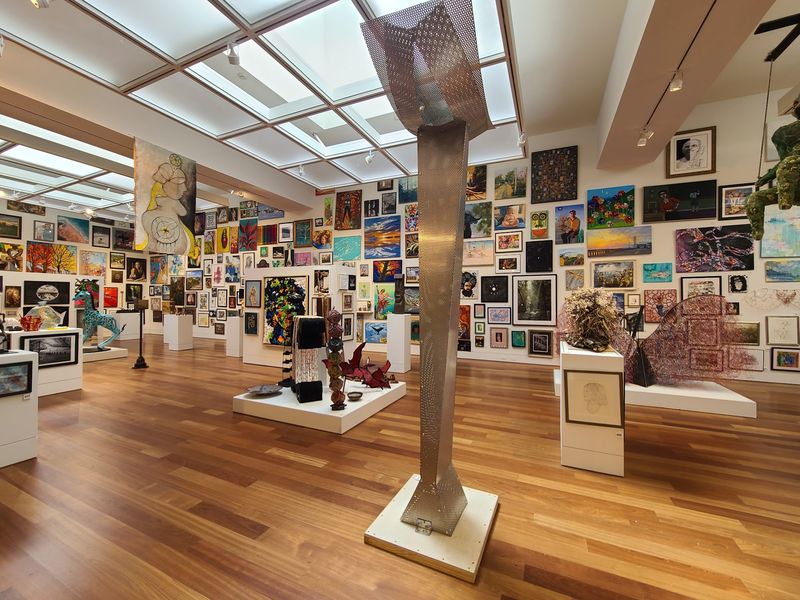
Art and memory share 9.3 acres on Wilmington’s south side. Beyond the galleries, a dedicated park and memorial space honor United States Colored Troops who fought on this ground, giving the property a quiet gravity that surprises first-time guests.
Inside, rotating exhibitions bring regional, national, and international work through the doors, so the walls rarely look the same twice.
Lunch is part of the appeal. The CAM Cafe serves locally sourced plates, a weekend brunch worth lingering over, and Thursday dinner often paired with live music that drifts into the lobby.
Classes through the Museum School welcome every age, from clay to drawing.
Set your directions for 3201 South 17th St, Wilmington, NC 28412, and plan around hours of Tuesday through Sunday, 10 a.m. to 5 p.m., with Thursdays stretching until 9 p.m.
Mondays and major holidays are closed.
Save time for the outdoor trails before you leave. Pine needles underfoot, sculpture among the trees, and slanting coastal light make a peaceful finish.
4. Charlotte Hawkins Brown Museum, Sedalia
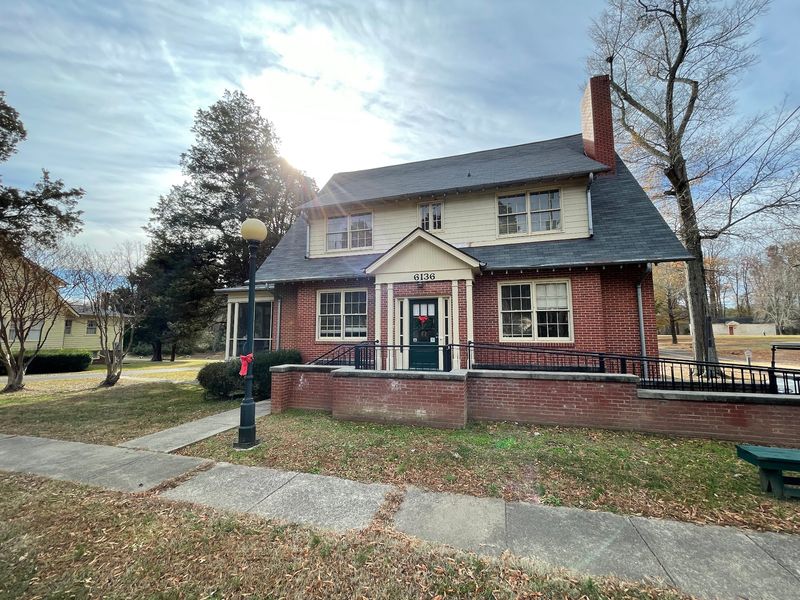
Dr. Charlotte Hawkins Brown founded Palmer Memorial Institute in 1902 and spent decades building a school that sent nearly 2,000 Black students into the wider world. The campus she shaped is now a state historic site where those graduates’ stories are told building by building.
Guided tours center on Canary Cottage, her restored residence, furnished with original and period pieces right down to the desk and dishes.
Outdoor panels explain each structure on the old campus, and the grounds include her gravesite and the restored Charles W. Bundrige athletic field.
Timing matters here. The site welcomes guests at 6136 Burlington Road, Gibsonville, NC 27249, Tuesday through Saturday from 9 a.m. to 5 p.m., with tours usually at 11 a.m. and 1 p.m. on weekdays and 11 a.m., 1 p.m., and 3 p.m. on Saturdays.
Oak shade, brick walkways, and a wide green lawn make the visit feel more like a campus stroll than a museum stop. Bring water and let the guide set the pace.
3. Mendenhall Homeplace, Jamestown
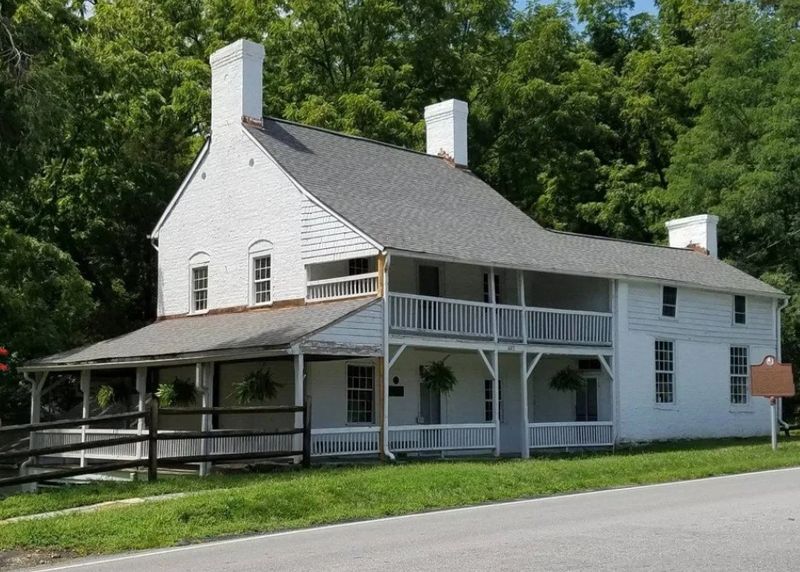
Quaker plainness has its own beauty, and Richard Mendenhall’s 1811 property shows it in every straight line and honest joint. He helped found the state’s Manumission Society, and the homeplace explains how Piedmont neighbors worked against slavery long before the Civil War.
Seven early nineteenth-century structures stand on the grounds, among them one of the state’s earliest medical schools and the oldest Pennsylvania-style bank barn in the South.
The most striking object is a wagon. The Stanley-Murrow false-bottom wagon, associated with helping freedom seekers along the Underground Railroad, reveals a hidden compartment that once meant the difference between capture and freedom.
Tours last roughly ninety minutes and include the gardens and outbuildings. Visits run by appointment from March through December at 603 West Main Street, Jamestown, NC 27282, with tours beginning between 11 a.m. and 3 p.m.
Tuesday through Friday and between 1 p.m. and 4 p.m. on Saturday. Call ahead, then let the guide’s stories slow you down.
2. North Carolina Transportation Museum, Spencer
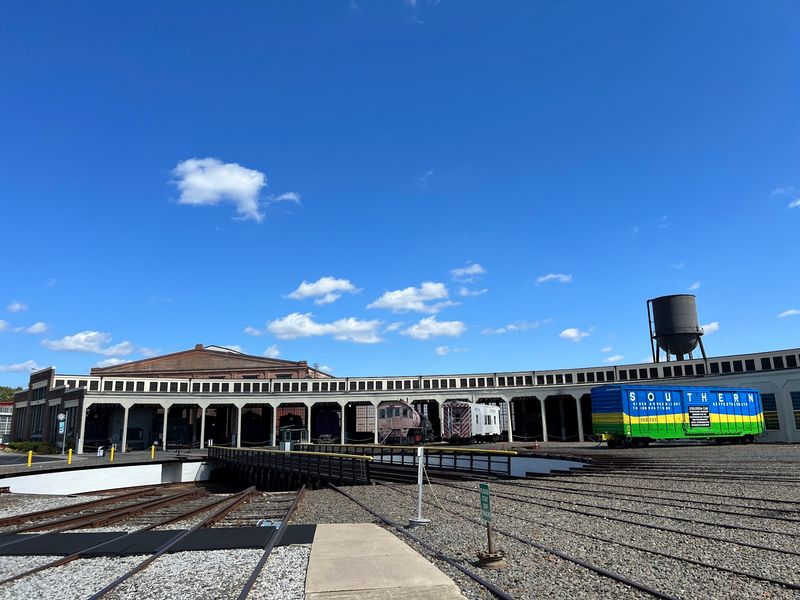
Steam, sweat, and steel built this place. From 1896 into the late 1970s, the Spencer Shops of the Southern Railway repaired locomotives and cars hauling cotton, furniture, and farm goods across the region.
Thousands of machinists, boilermakers, and laborers kept the complex running, and their working lives receive as much attention as the engines they rebuilt.
The Bob Julian Roundhouse, the largest remaining roundhouse in North America, holds row after row of locomotives arranged around a working turntable.
Elsewhere you can walk through cavernous shop buildings, study vintage automobiles, and see a replica of the Wright brothers’ Flyer.
Rides are the highlight for many families. Find the museum at 1 Samuel Spencer Drive, Spencer, NC 28159, open Tuesday through Saturday from 9 a.m. to 5 p.m. and Sunday from noon to 5 p.m., with train and turntable rides on set schedules.
Listen for a horn echoing off brick walls and rows of tall windows. That sound belongs to an entire industrial century.
1. Textile Heritage Museum, Glencoe
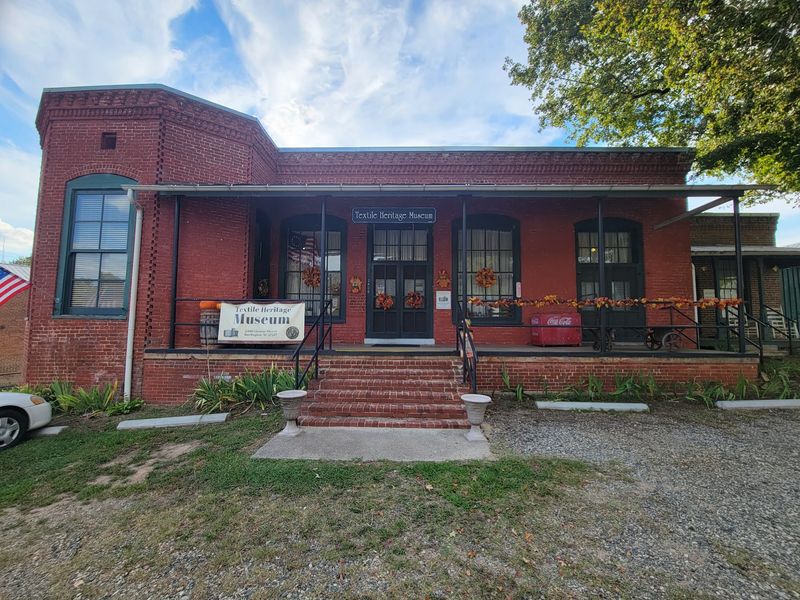
Glencoe Mill Village looks almost unchanged: rows of modest houses, a company store, and the hush of a place that once ran to the rhythm of machinery.
The museum fills the restored store and management offices, and the story it tells belongs to workers rather than owners.
Families here faced exhausting workdays, low pay, and unsafe conditions, and the exhibits say so plainly.
Quilts, clothing, photographs, fabric samples, and personal keepsakes sit beside looms and sewing machines that powered North Carolina’s once-enormous textile industry.
Volunteers make the visit memorable. On many days you can watch turn-of-the-century hosiery knitting machines clatter to life or see weaving demonstrated thread by thread.
Admission is free with donations welcome. The museum stands at 2406 Glencoe Street, Burlington, NC 27217, open Tuesday through Saturday from 9 a.m. to 5 p.m.
Afterward, walk the village lanes past preserved mill houses and imagine a whistle calling an entire neighborhood to work before sunrise.