This Children’s Museum In New York Turns Summer Break Into An Unforgettable Day
Kids get to touch things, build things, climb things, and burn off enough energy to make bedtime look promising.
New York has a children’s museum where play and learning have been sharing the same space since 1899.
Interactive exhibits give curious hands plenty to do, while art, science, culture, and live animals keep the experience changing from room to room. Summer adds even more opportunities to get moving.
The best part is how naturally everything connects. A child can be building one minute and experimenting with water or air the next.
If your summer-break plan needs one outing that actually feels full, this place makes a strong case.
The World’s First, Since 1899
Long before hands-on learning became a buzzword, this place was already doing it. Founded in 1899, the Brooklyn Children’s Museum is recognized as the first museum built specifically for kids.
It began under the Brooklyn Institute of Arts and Sciences, and word spread fast. By 1905, monthly visits topped 13,000 young explorers and their grown-ups.
The early mission focused on natural science for city children. A botanist and zoologist named as the first curator-in-chief guided it for 35 years.
Under that leadership, subjects widened to include art, world cultures, and living creatures. Collections were meant to be examined closely, not admired from a rope line.
That single decision reshaped museums across the globe. Hundreds of children’s museums borrowed the model that started here in New York.
Today more than 30,000 objects sit in the collection. Some appear in exhibits, others support classroom programs and school visits.
Grown-ups get context, kids get chaos, everybody leaves satisfied. You can visit it all at 145 Brooklyn Ave, Brooklyn.
Rainbow Ramp And Sunlit Halls
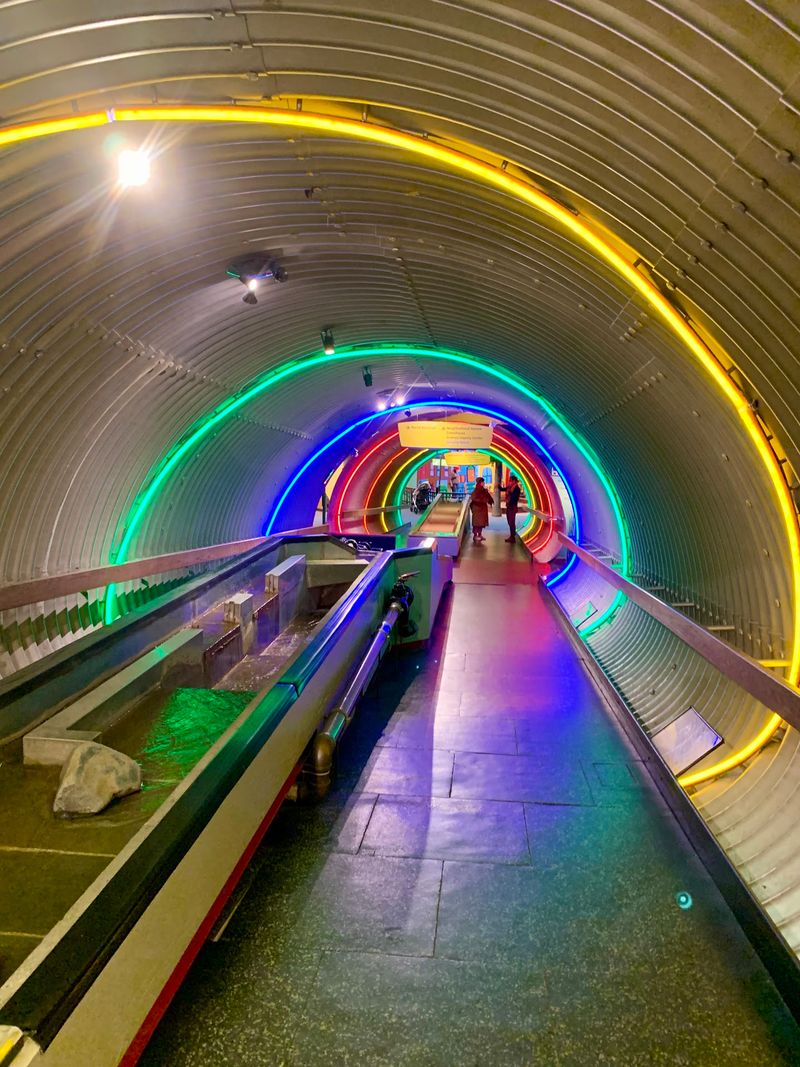
The entrance sets the mood before you buy a ticket. A colorful ramp curves downward, and children treat it like a personal racetrack.
Most of the galleries sit below ground level, tucked beneath Brower Park. You would never guess it, because sunshine pours in everywhere.
Enormous windows line the play spaces and flood them with daylight. That brightness is unusual for an indoor attraction of this size.
The exterior helps too, wrapped in glossy yellow tile that glows on clear days. Locals spot it from a block away.
Inside, the layout flows rather than forcing a strict route. Kids drift between themes at their own speed.
Seating is scattered throughout, which I appreciated more than I expected. You can rest and still keep eyes on your crew.
Sightlines are generous, so nobody vanishes behind a wall for long. Parents can relax slightly, which is rare.
Acoustics get loud during peak hours, especially near the water zones. Bring patience and maybe a hair tie.
The whole design encourages wandering instead of checklist touring. Curiosity leads, schedules follow.
Totally Tots Sensory Playground
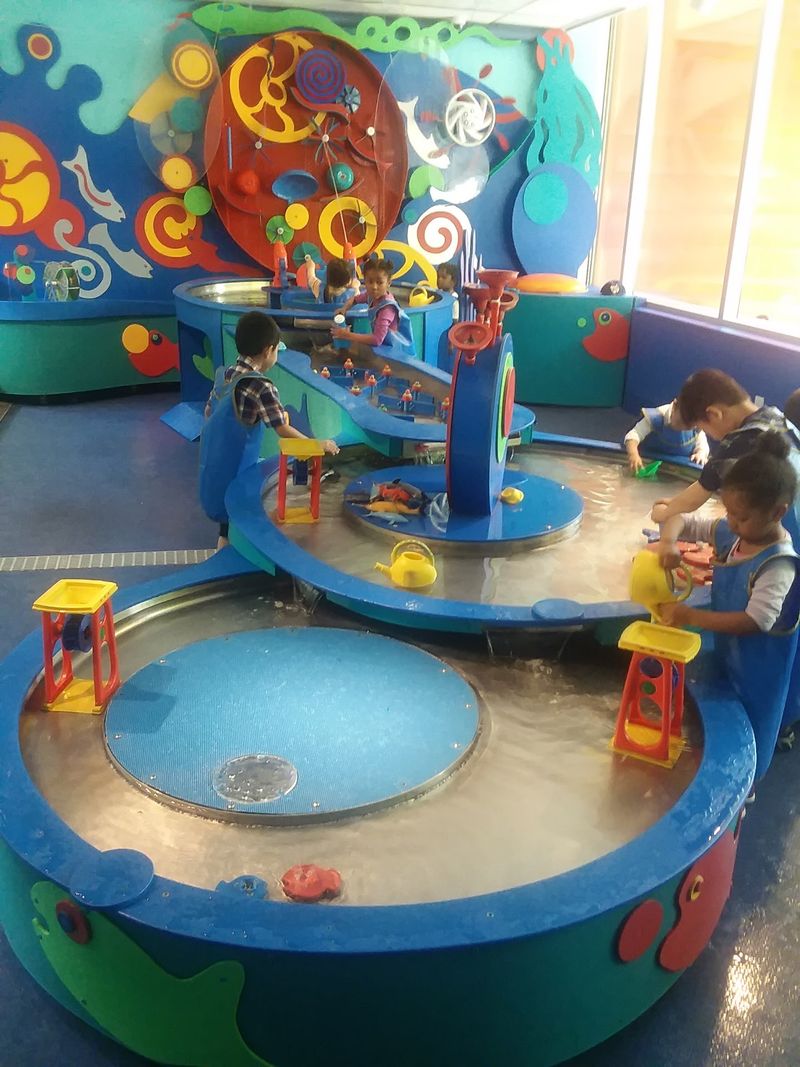
Parents of little ones, this is your headquarters. Totally Tots serves children from birth to about age six.
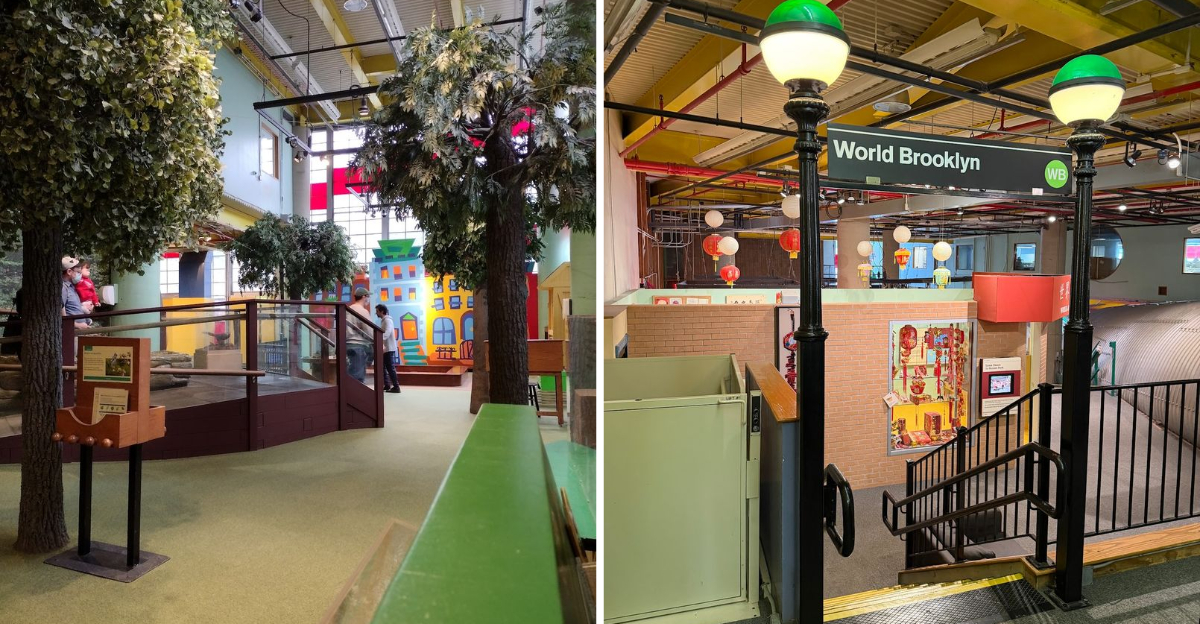
Nine separate sensory zones fill the space with things to squeeze, pour, and stack. Nothing here is fragile, which is the entire point.
The red sand area gets constant traffic, and shovels disappear quickly. Arrive early if your kid loves digging.
Water play is the other magnet, with tables and channels for splashing. Sleeves get soaked, so pack a spare shirt.
Oversized soft blocks let toddlers build towers taller than themselves. Knocking them down counts as physics research.
There is a pretend grocery store nearby that kids adore. Plastic produce gets scanned, bagged, and re-shelved endlessly.
Staff circulate to reset materials, though toys still scatter during busy afternoons. That is simply how toddler traffic works.
I watched one two-year-old spend twenty minutes filling a bucket with sand. She never once looked bored.
Benches sit along the edges for caregivers who need a breather. Sightlines remain clear from most spots. New York has plenty of playgrounds, but few this thoughtfully built.
AirMaze Tubes And Flying Scarves
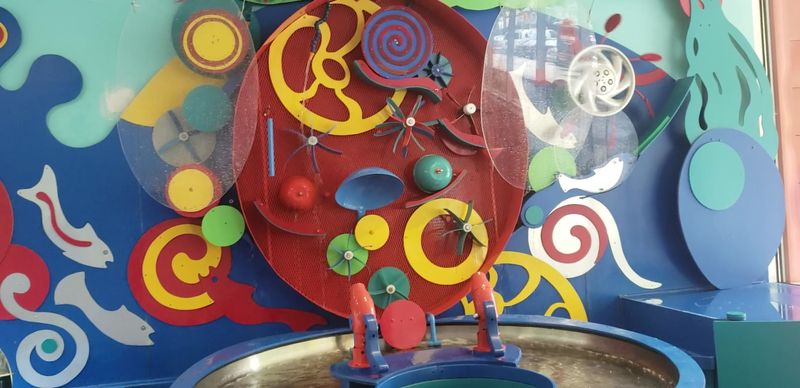
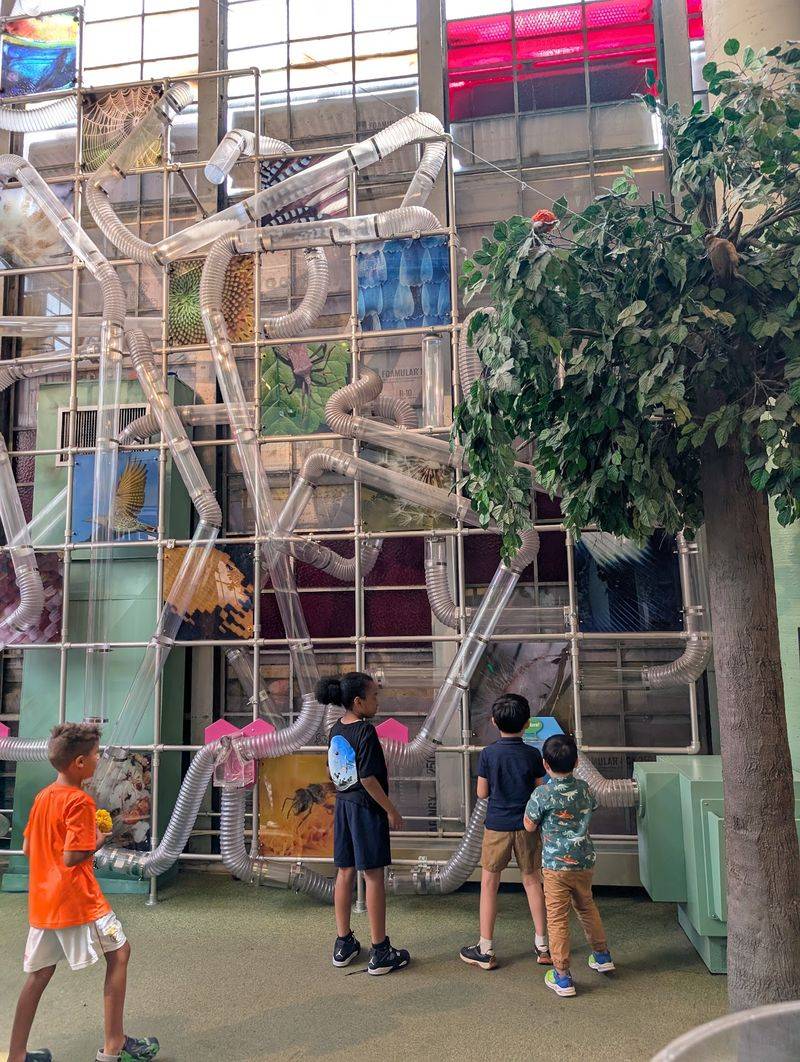
Twenty feet tall and packed with clear tubing, AirMaze steals attention instantly. More than 250 feet of transparent pipes snake overhead.
Children drop balls and scarves into openings and watch them zoom away. Tracking one item through the maze becomes a shared mission.
Valves and levers let kids redirect the airflow mid-journey. Turning a handle changes where an object lands.
Without realizing it, they are learning about pressure and spatial reasoning. Science sneaks in through pure fun. Older kids strategize while younger ones simply cheer. Both approaches work.
Cooperation happens naturally, since one child feeds while another operates controls. Teamwork forms without any adult prompting.
Acrylic panels nearby highlight Brooklyn’s native wildlife, tying into Neighborhood Nature themes. Local birds and insects get their moment.
The whooshing sound alone draws crowds from other galleries. You hear it before you see it.
Hand-eye coordination gets a workout, and so does prediction skill. Kids guess routes and check their guesses.
Among all the interactive setups across New York, this one earns repeat visits from families who thought they had seen everything.
Live Animals And Cultural Treasures
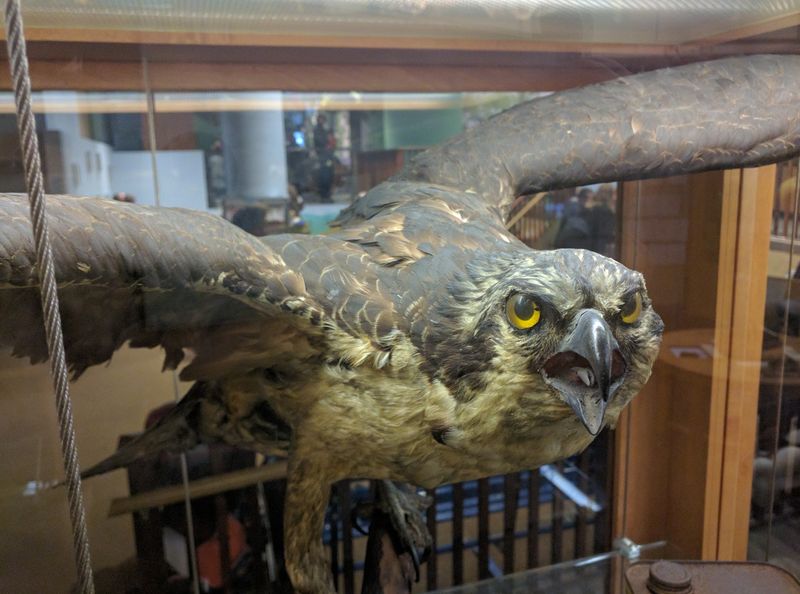
A large snake stopped my whole group cold. Kids pressed close, adults pretended to be brave.
Live animals appear throughout programming here, including reptiles, insects, and turtles. Educators bring them out for guided sessions.
The Amazing Animals program suits students from Pre-K through fifth grade. Children study adaptations, then act out survival skills through movement.
Natural science specimens sit alongside cultural artifacts in the collection. That mix is unusual and deeply intentional.
Beautiful Us invites kids to examine adornments from various world cultures. Afterward, they design their own pieces in an art workshop.
Exhibits highlight Caribbean, African, and Chinese traditions with real objects. Families often spot something from their own heritage.
A world map display connects Brooklyn to places like Trinidad and Tobago. Geography suddenly feels personal rather than abstract.
Programs align with New York State Learning Standards, which teachers appreciate. Learning goals hide inside genuinely enjoyable activities.
Educator-led sessions run on rotating schedules throughout the day. Check the board near the entrance when you arrive.
The turtle tank became my quiet favorite corner. Watching one paddle slowly resets your brain after a loud morning.
A Green Museum Underground
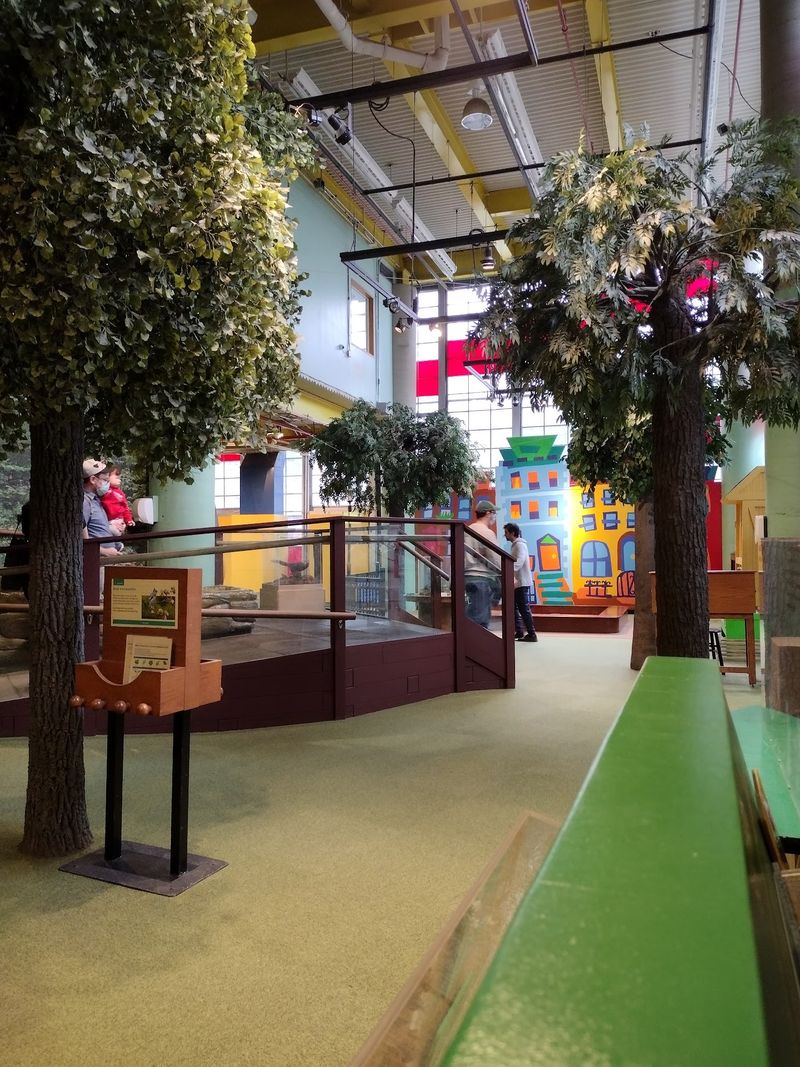
Architecture buffs, there is a story hiding under your feet. Galleries occupy multi-level underground space beneath Brower Park.
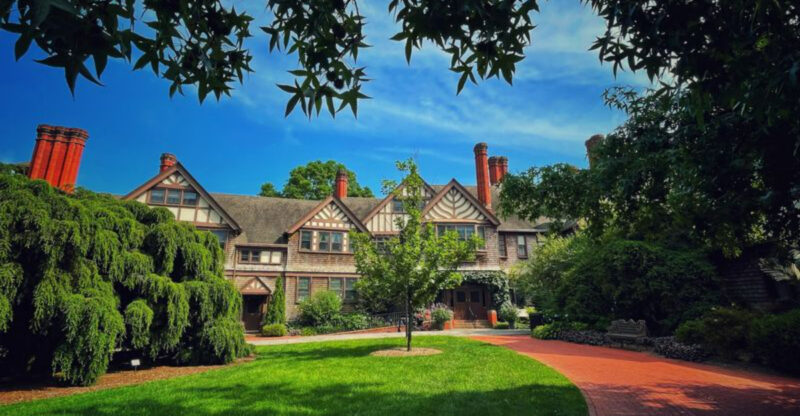
The museum has called Crown Heights home since 1899, when it moved into a converted mansion, later expanding next door as it grew. Those Victorian mansion houses gave way to the current underground building, completed in the mid-to-late 1970s.
A major expansion in 2008 doubled the exhibition footprint. That project also made it the first green museum in New York City.
Geothermal wells handle heating and cooling year-round. On sweltering August afternoons, the payoff is obvious and refreshing.
A glass wall facade and tubular entrance ramp define the newer look. The contrast with surrounding row houses is striking.
Sitting inside a residential neighborhood makes the design feel even more unexpected. You turn a corner and there it is.
Sustainability shows up in operations too, not just mechanical systems. Local vendors and small businesses supply many needs.
Space gets shared with other Brooklyn-based community organizations. The building works harder than a typical attraction.
Few museums anywhere in New York can claim a foundation this thoughtful. Green thinking here runs literally underground.
Rooftop Nest And Open Sky
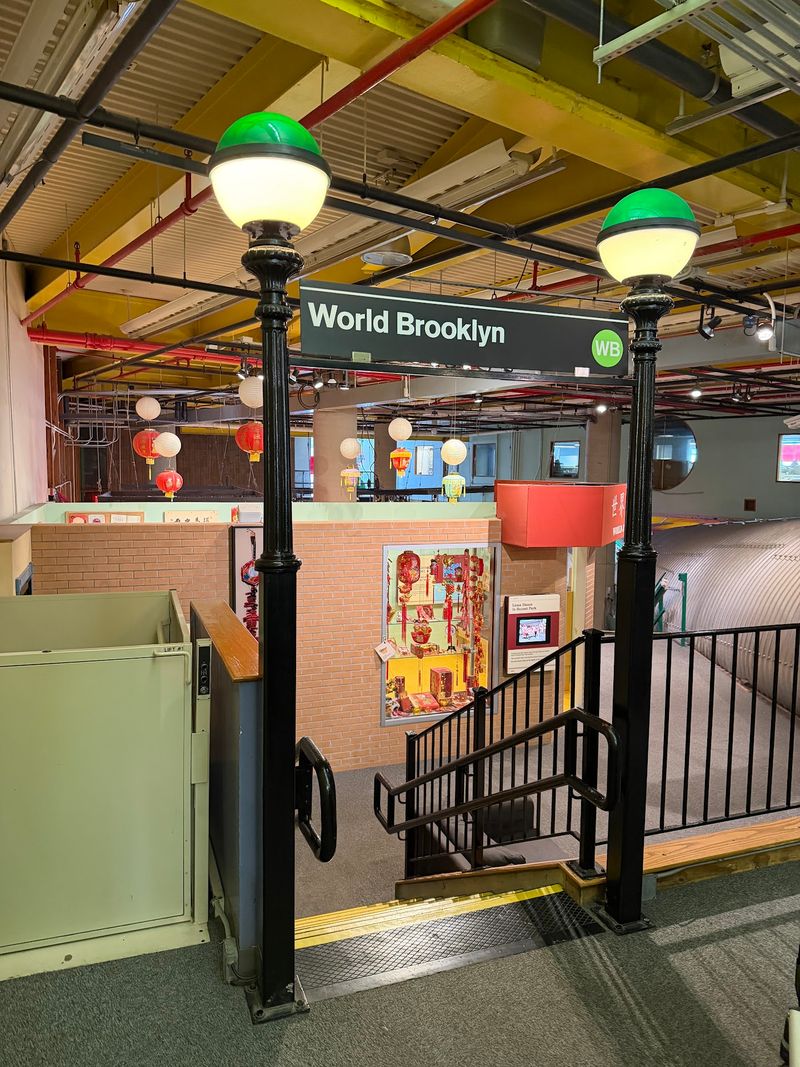
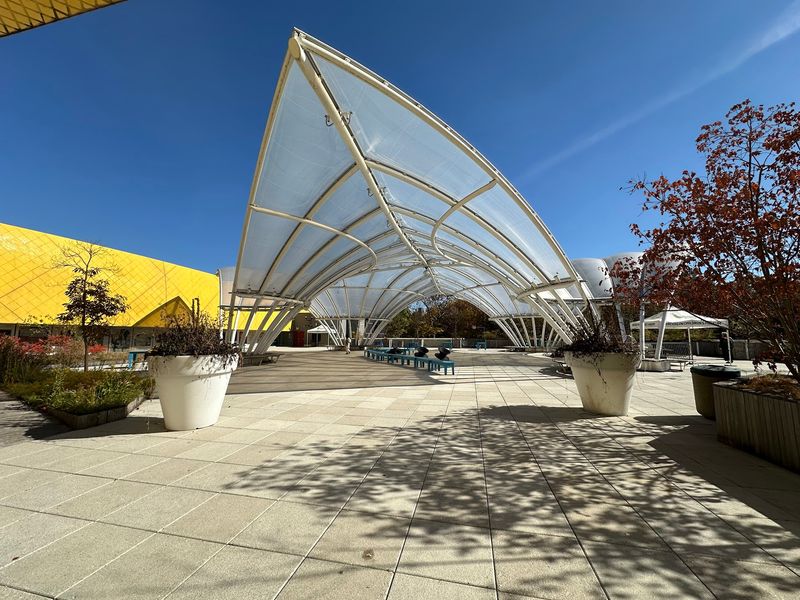
Head upstairs and the mood shifts completely. The rooftop terrace trades echoing halls for open sky.
Its centerpiece is The NEST, an interactive playscape built by a Brooklyn-based design studio. Woven cedar forms a climbable structure kids scramble over.
Design inspiration came from baya weaver bird nests. Examples of those nests live in the museum’s own collections.
Materials are reclaimed cedar from old New York City water towers. Recycled wood becomes a climbing frame with history.
A circular hammock area invites lounging, and caregivers claim it quickly. Nobody blames them. The interior space is permeable, letting light and breeze pass through. Kids duck in and out constantly.
Families spread out picnic snacks on nicer days. It doubles as a rest stop between indoor sessions.
Some summer afternoons bring live dancers or special outdoor programming. Check what is scheduled before you climb the stairs.
Weather closes the roof occasionally, so confirm access on arrival. Rain days keep everyone downstairs. Sunset light up here turns the cedar golden. I lingered longer than planned.
Summer Rising And Visit Tips
Timing matters more than most families realize. Doors open Wednesday through Sunday, usually 10 am to 5 pm, and Monday and Tuesday are closed.
Buying tickets online ahead of time speeds up entry considerably. Weekday mornings can draw a line. There are no timed sessions anymore, so you may stay until closing. Long visits are entirely possible.
Summer Rising, a partnership with New York City Public Schools, runs here for grades K through 5. The free program blends academics with trips, arts, and outdoor recreation.
Strollers roll through every exhibit, and limited stroller parking exists near the entrance. Wheels are welcome.
A Sensory Room supports children on the autism spectrum with visual, auditory, and tactile equipment. Quiet time helps many families reset.
Anyone under 16 needs a caregiver present at all times. Staff enforce that consistently. The cafe options are limited, so packing lunch is smart. Plenty of seating exists for a homemade picnic.
Comfortable shoes matter, because you will cover more ground than expected. Two to three hours is a realistic plan.