The Connecticut Museum Grounds Where Every Trail Leads To An Unexpected Sculpture
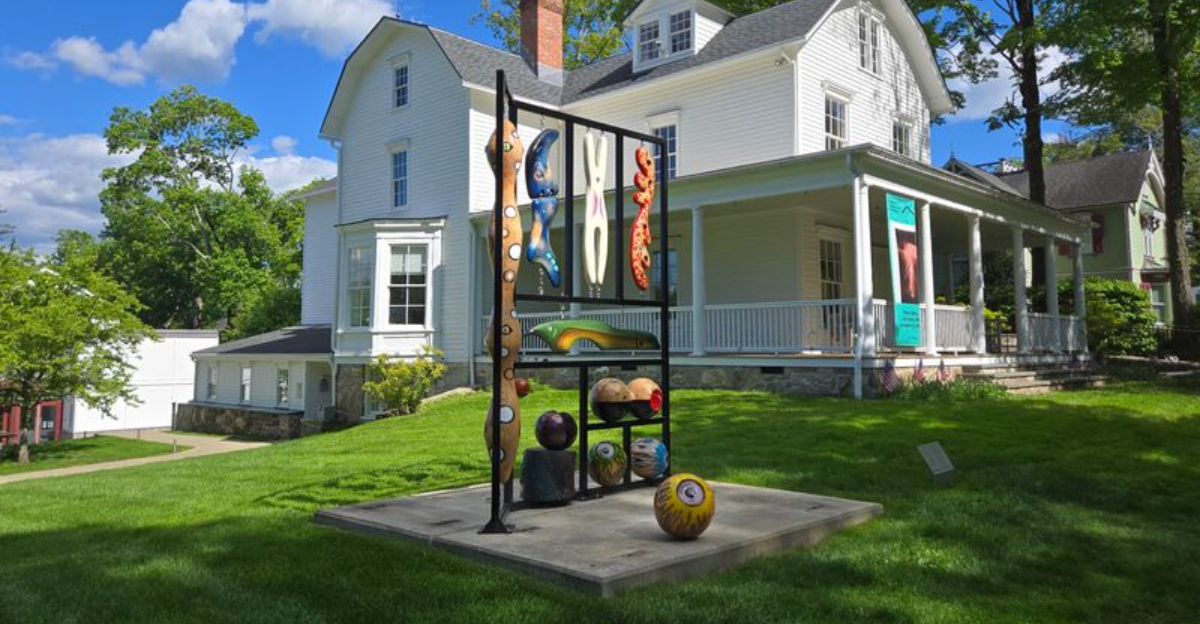
Outdoor art has a way of catching you off guard when you are expecting a regular museum visit.
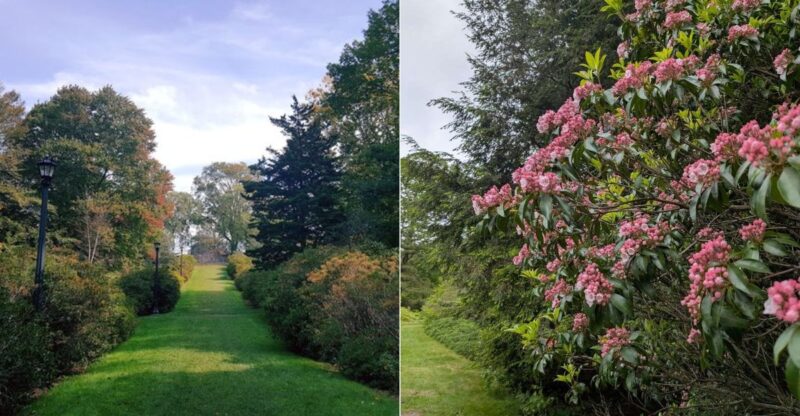
Here, the surprise starts before you even reach the galleries. Pathways wind through a sculpture garden where contemporary works share space with native plantings.
The grounds were redesigned and reopened in 2024, giving the outdoor experience a fresh sense of discovery.
For art lovers in Connecticut, the fun comes from never quite knowing what will appear along the next stretch of path.
Could a museum walk feel more like a scavenger hunt than a cultural outing?
That playful feeling suits the place. You can slow down around one piece, then keep moving until another shape pulls your attention somewhere else.
The garden is open from dawn to dusk most days, so the outdoor art has room to breathe beyond regular gallery hours.
You may come for the museum and realize the grounds are the part you keep thinking about later.
1. Modern Art Beyond The Walls
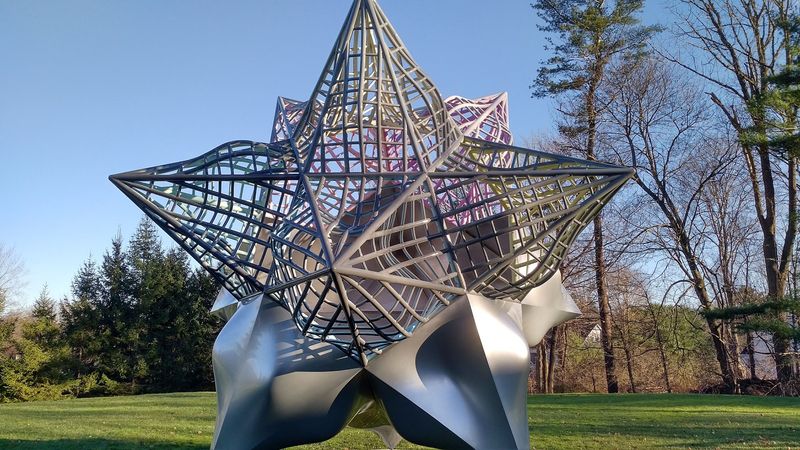
Art does not stay indoors here. Before you even reach the galleries, sculptures begin appearing across open lawns and planted spaces.
Some reveal themselves slowly as you get closer. Others seem to pop straight out of the landscape.
That outdoor experience became even better after a major redesign. The Sculpture Garden reopened in November 2024 following a year-long renovation by landscape architecture firm STIMSON.
The project expanded usable programming space by about 50 percent. It also added native plantings, new pathways, and an amphitheater.
Accessibility was a major focus, with improved routes making the grounds easier to explore.
The artwork changes over time, which keeps repeat visits interesting. Outdoor installations often connect with exhibitions inside the museum.
One idea can begin in a gallery and continue outside beneath the trees.
The grounds cover roughly three acres, giving visitors plenty of room to wander without feeling rushed.
Best of all, exploring the Sculpture Garden costs nothing. The outdoor space remains free and generally opens every day from dawn until dusk, although occasional events can temporarily close it.
That makes this an easy art stop even when a full museum visit is not on the schedule.
2. Right Along Historic Main Street
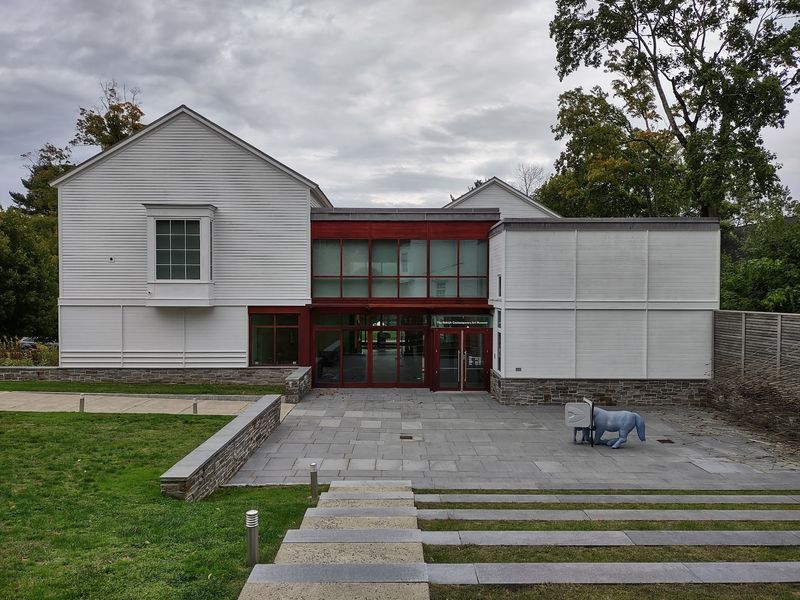
Pulling into Ridgefield, you might not expect a cutting-edge art museum to share a sidewalk with colonial architecture. Yet that is exactly the setup here, right in the middle of the town’s historic core.
The museum’s address, 258 Main Street, Ridgefield, CT 06877, places it on one of the most photographed stretches of road in the state, where wide lawns and old shade trees set the pace for everything around them.
What makes the pairing work is restraint. The design of the museum’s newer buildings was handled so it complements the colonial-era look of the surrounding district instead of shouting over it, with clean lines and pale surfaces that read as neighborly rather than jarring.
The museum helps anchor the town’s central corridor, with nearby Ballard Park adding more green space to the same walkable stretch. That makes it easy to combine an art visit with lunch, a bookstore browse, or a slow walk under the maples.
Parking is generally straightforward along Main Street and nearby lots, though weekends bring more foot traffic. Arrive early if you like quiet, or later in the afternoon when the light along the street turns golden and the sidewalks feel unhurried.
3. Old Hundred Adds Historic Character
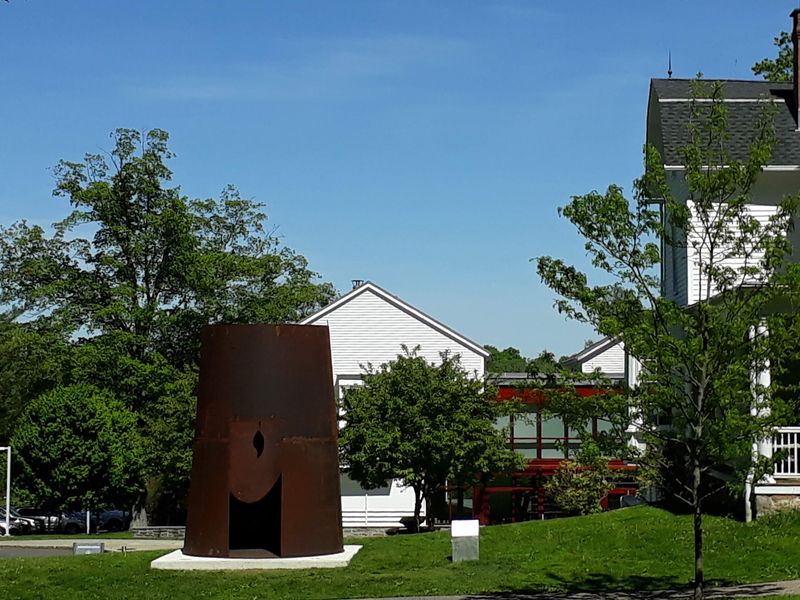
Built in 1783, the clapboard building known as Old Hundred has watched Ridgefield change for well over two centuries. It was put up by two lieutenants of the Revolutionary War, and it later did duty as a grocery, a hardware store, a private home, and even a church.
The Aldrich started out inside this very structure, which gives the museum a foundation story tied directly to the town’s past rather than to a blank modern box.
When the current museum building opened in 2004, it was joined to the historic house rather than replacing it. That connection is the detail visitors tend to notice first: eighteenth-century proportions on one side, contemporary architecture on the other, sharing a wall.
Old Hundred now houses administrative offices, so it is not a gallery space, but its exterior is still worth a slow look from the sidewalk. Restoration work brought back a front porch based on historical photographs, along with original windows and trim.
Standing between the two buildings is a small lesson in how a place can grow without erasing what came before. Kids often enjoy guessing which parts are old and which are new, and the answer is not always obvious.
4. Sculpture Has Lived Here Since 1965
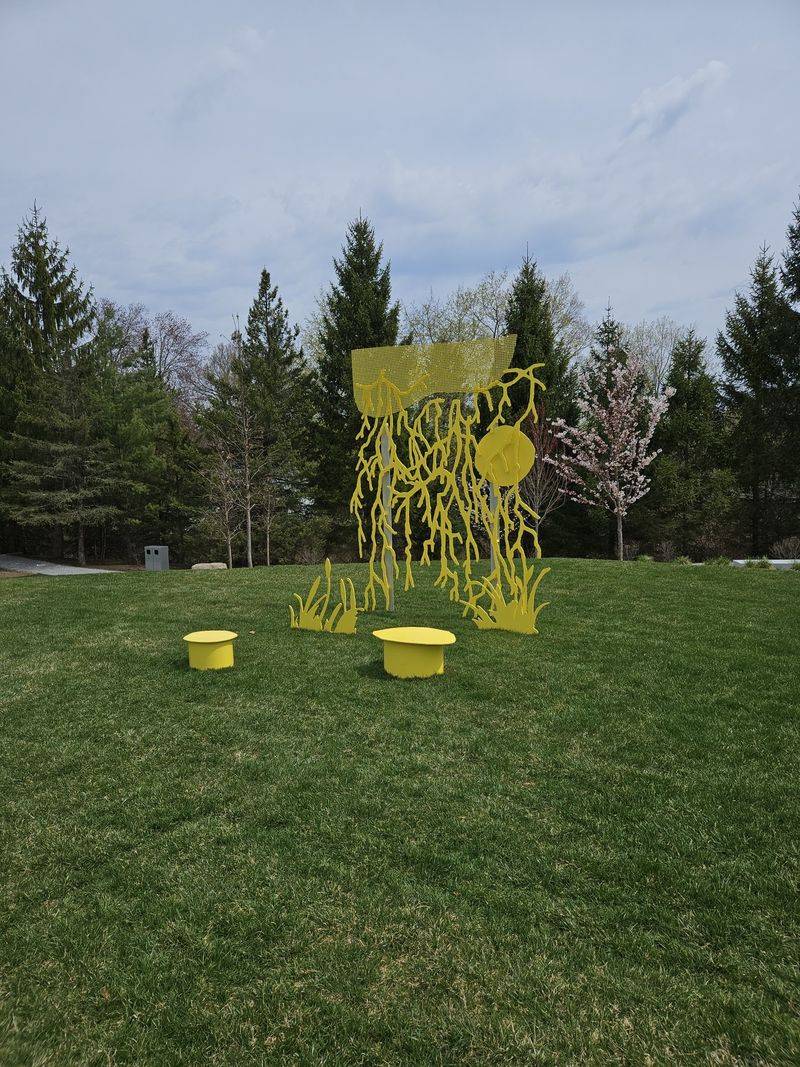
Outdoor sculpture is not a recent add-on here. It has been part of the program since the museum was founded in 1964, back when showing contemporary art outside in a small state town was an unusual idea.
That long track record explains why the grounds feel purposeful rather than decorative. Generations of visitors have wandered these lawns expecting to meet artwork out in the weather, and the museum has kept that promise going decade after decade.
The Aldrich is one of the few non-collecting contemporary art museums in the country, and the only museum in Connecticut devoted entirely to contemporary work. Because it holds no permanent collection, nothing outdoors is guaranteed to be there next season either.
Some people find that unsettling. Most find it thrilling, because it means the sculpture you photograph today is a snapshot of a specific moment rather than a fixture you can always return to.
The museum is accredited by the American Alliance of Museums, a signal that its standards match those of much larger institutions. Keep that in mind while you walk the grass: the works around you are handled with the same care as anything hanging in a climate-controlled gallery indoors.
5. Paths Wind Through Outdoor Art
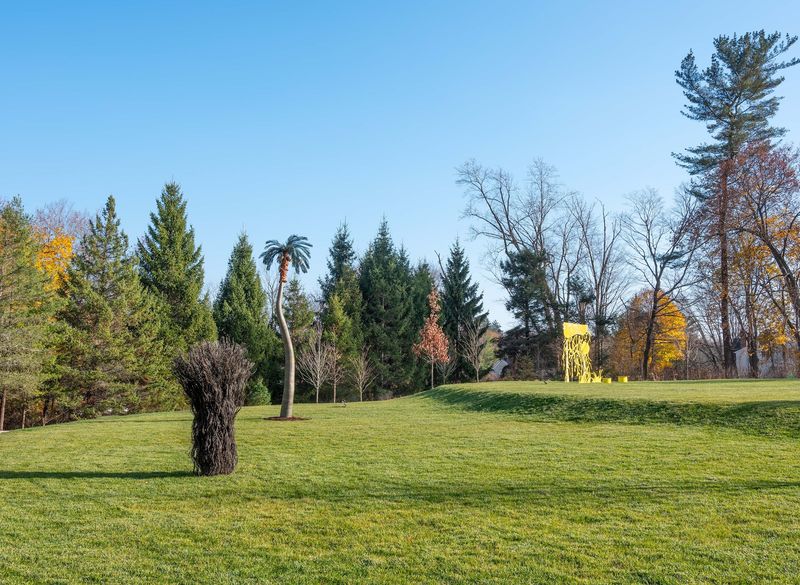
Follow any path here and it will eventually hand you something to look at. The renovated Sculpture Garden was laid out with meandering routes that lead from the buildings into the open landscape, then loop around the perimeter of the property.
Because the trails curve rather than run straight, sightlines open up gradually. A sculpture might appear framed between two trees, then look completely different once you have walked another thirty feet.
The design breaks the grounds into a series of courtyards and clearings that quietly guide where people walk. Terraced seating gives you a spot to sit and take in a view without needing to keep moving, which matters if you are visiting with young children or older family members.
Landscape planners described the layout using the idea of a garden within a garden, encouraging visitors to slow down and notice both the art and the plants holding it.
Practically speaking, wear shoes you do not mind getting damp, since morning grass holds dew. Give yourself at least thirty to forty minutes to walk the loop properly, longer if you like reading labels and circling back for a second look at pieces that puzzled you.
6. Native Plantings Frame The Sculptures
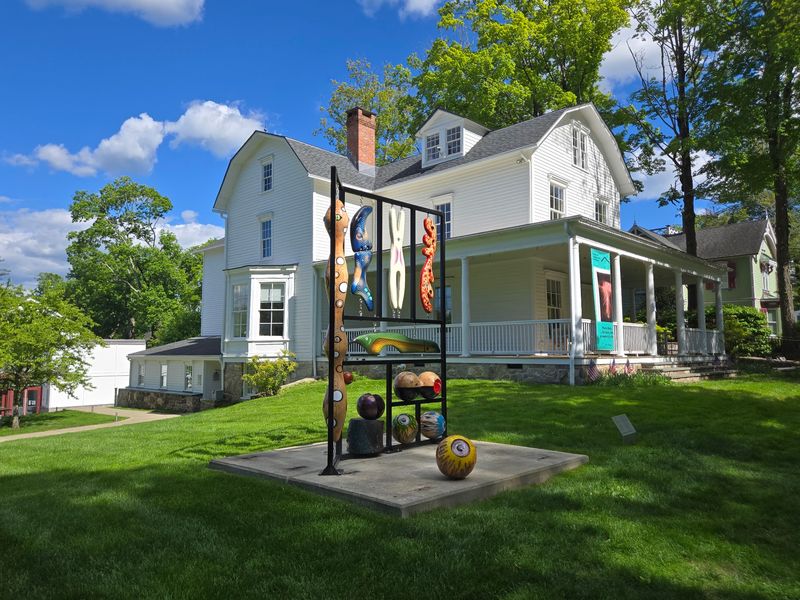
Green design turned out to be a headline feature of the museum’s grounds renovation. More than 100 new trees and native plants went into the landscape, chosen to suit this corner of New England rather than to look flashy.
Native trees and flowering shrubs are positioned to frame grass clearings, and those clearings act as the actual exhibition rooms for outdoor sculpture. The plants do the work that gallery walls do indoors, setting boundaries and directing your eye.
The project also tackled less glamorous but important tasks: removing invasive species, managing stormwater, and giving priority to native plantings that support local wildlife. A pollinator-friendly walkway runs through the grounds, so on warm days you may share the path with bees and butterflies.
Elements like orchard trees, stone walls, and gently rolling ground echo the traditional look of the countryside around Ridgefield, which keeps the garden from feeling like a transplant from somewhere else.
Visit in different seasons and the framing shifts entirely. Spring brings blossom against metal and stone, summer offers deep shade, autumn turns the backdrop into color, and bare winter branches expose shapes that leaves normally hide from view.
7. New Artists Keep Things Changing
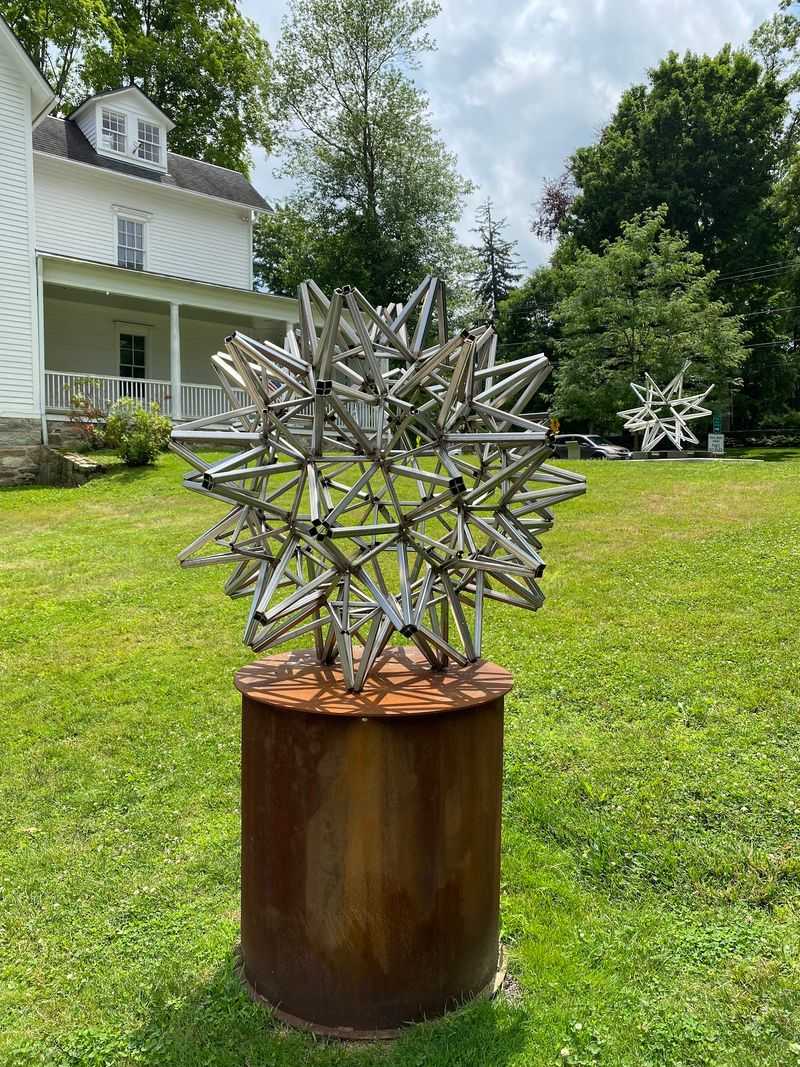
Here is the detail that surprises first-time visitors: the museum owns no permanent collection. Every square foot, indoors and out, goes to current contemporary art.
That choice makes the institution quick on its feet. Exhibitions rotate regularly, and the museum has described itself as an incubator for cutting-edge work, which is a fair way to explain what happens when a space is never locked into showing the same pieces year after year.
Programming leans toward emerging and mid-career artists, alongside serious exhibitions for established artists whose work has not received the attention it deserves. Thematic group shows round things out, and the museum frequently commissions artists to make entirely new pieces.
Outdoors, the lineup shifts with the seasons too, so a summer installation may be replaced by something completely different by the time the leaves turn.
Visitors often mention how manageable the scale feels, with enough to think about but not so much that you leave exhausted. Because shows change, it is smart to check what is on before you drive out, especially if a specific installation caught your eye.
Repeat visitors tend to treat the museum as a place to check in with, not just a one-time stop.
8. The Garden Stays Open Daily

Free admission to an outdoor art space is rarer than it should be. The Aldrich’s grounds and Sculpture Garden are open to everyone, every day, from dawn until dusk, with no charge and no ticket to arrange in advance.
That schedule opens up options most museums cannot offer. Early risers get the garden almost to themselves with long shadows across the grass, while evening walkers catch the sculptures in fading light.
Indoor galleries run on a more traditional timetable. The museum is generally open noon to 5 p.m., but Fridays currently run until 7 p.m. through September 4, 2026, and Saturdays open at 10 a.m.
Hours can shift, so a quick call ahead is worth it if the interior is your main goal.
The museum currently lists New Year’s Day, Thanksgiving, and Christmas Day as its holiday closures.
For planning, pair a morning garden walk with a Main Street breakfast, then head inside once the galleries open. Families with restless kids may find the outdoor loop the easier half of the visit, since talking out loud and moving quickly are both perfectly fine among the trees.