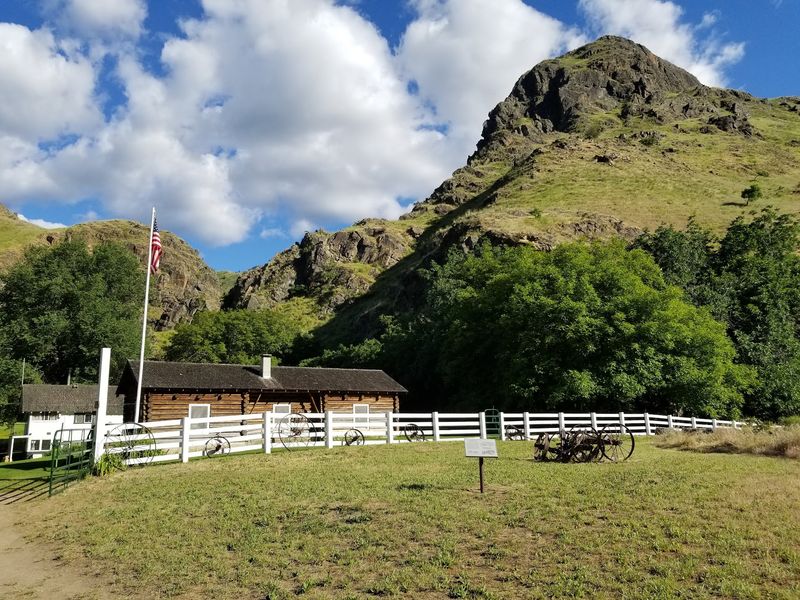
This Scenic Idaho Hike Leads Through Breathtaking Scenery Where You Can Spot Elk Roaming The Hills
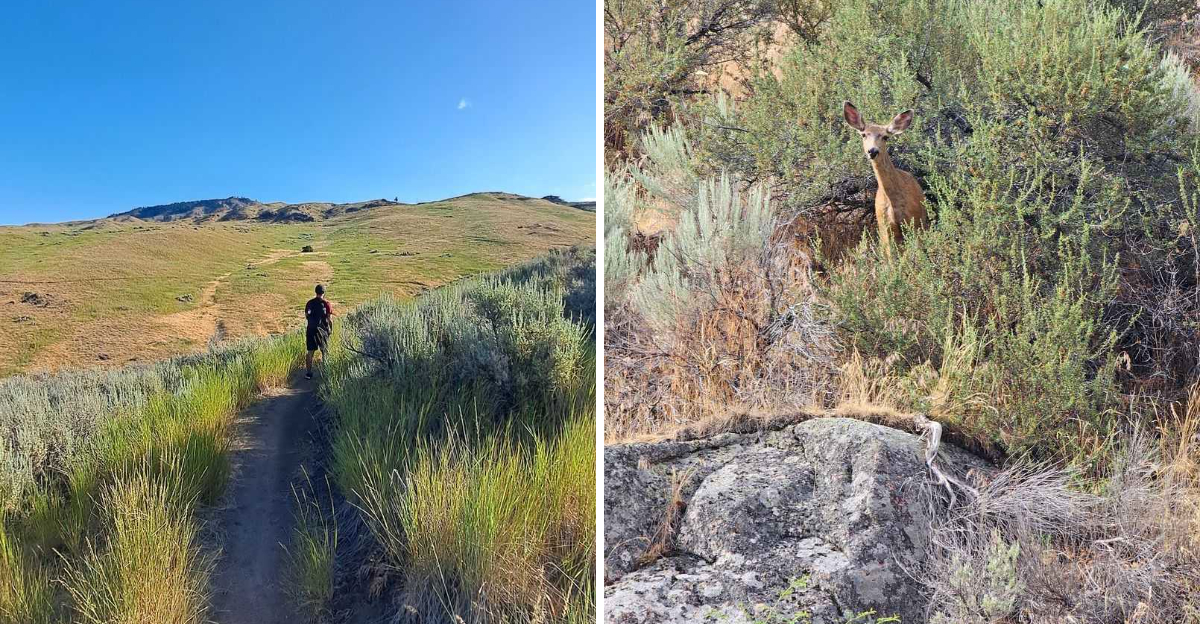
Elk apparently have excellent taste in real estate.
Only a few miles beyond Boise, 393 acres of open hills give them plenty of room to wander while hikers get a surprisingly easy shot at the same enormous views.
The funny part is how new the whole experience feels.
Public access only began in 2023, so this Idaho preserve still carries a bit of “how did nobody tell me about this?” energy. The trails roll rather than punish, climbing gently through grassland where a glance toward the ridgeline can suddenly become much more interesting.
That is your cue to slow down.
An elk may be standing far ahead, looking considerably more at home on the hillside than anyone wearing hiking shoes ever will.
The scenery gets the attention first.
Spotting antlers above the grass is the bonus that can make the entire walk.
Wide-Open Foothill Views Make The Trail Feel Much Farther From Boise
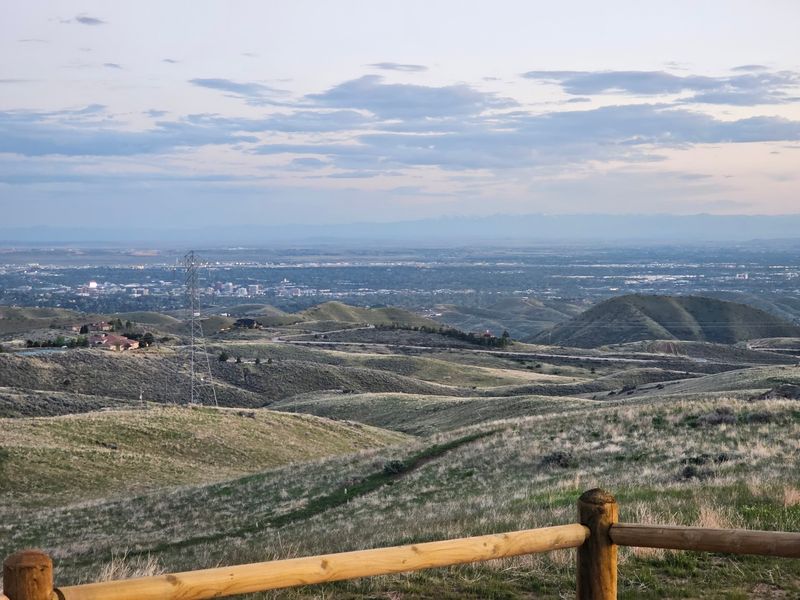
Grass ripples in every direction the moment you walk past the trailhead gate, and the valley below shrinks into a patchwork of rooftops, fields, and distant ridgelines.
Open slopes stack toward the horizon, with the Hidden Springs area visible off to the north and higher country rising behind you.
The drive itself sets the mood. Seven miles up N. Bogus Basin Road, the pavement curls above the city until houses give way to grassland.
You will find the trailhead at 11199 N Bogus Basin Rd, Boise, ID 83702, where a paved lot, restrooms, and horse trailer parking sit at the edge of 393 acres.
Because there is almost no tree cover, sightlines stay wide the entire way. Bring a hat, sunscreen, and more water than you think you need.
Snap a photo of the map sign near the parking area too, since it comes in handy at the trail junctions.
Temperatures up here often run cooler than the valley floor, which makes even a midday walk manageable, and the breeze carries the dry, sweet smell of sun-warmed grass.
Granite Outcrops Break Up The Open Meadows Along The Route
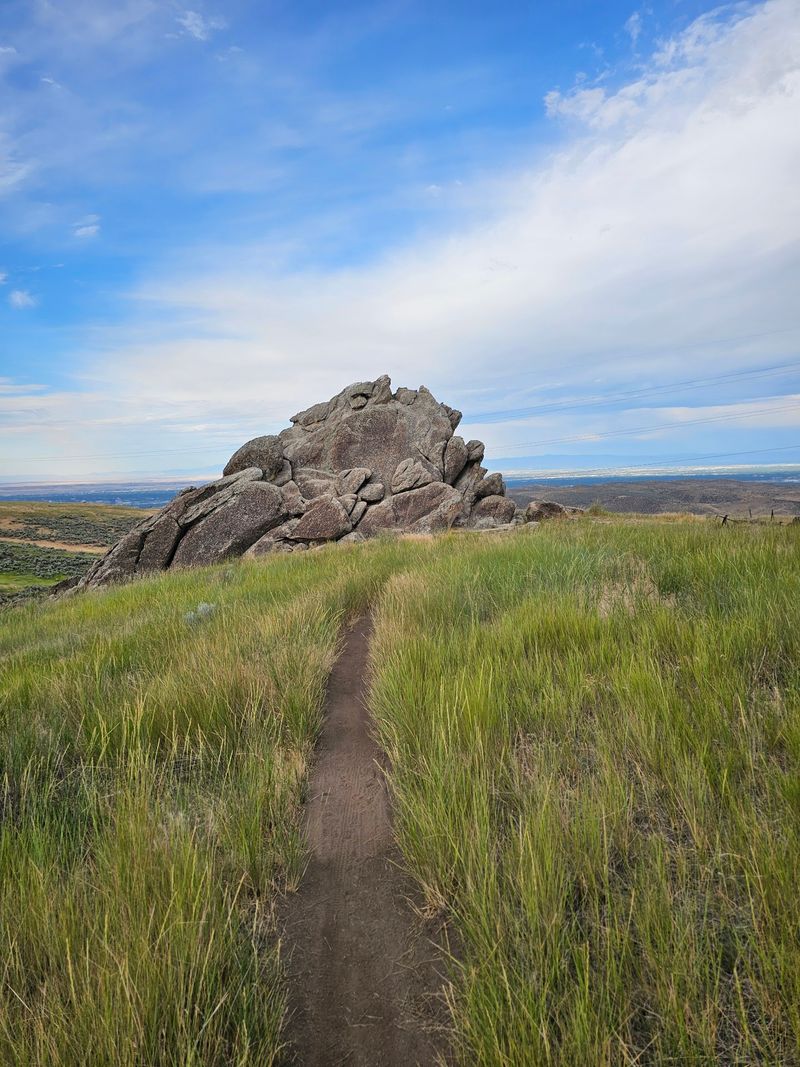
Scattered boulders interrupt the grass like furniture left behind by some ancient upheaval. Some sit alone, pale and weather-pitted; others cluster into low outcrops that hold shadow in the early hours.
Riders and runners use them as informal landmarks. One larger rock along the loop is the only real obstacle for mountain bikers, and walking around it is simple enough.
Hikers often pause beside these stones for a snack, since they offer the closest thing to a bench you will find out here.
Look closely and you will notice lichen in rusty orange and gray-green crusting the surfaces. Ground squirrels dart between the gaps, and birds perch on the highest edges to survey the meadow.
Photographers love the contrast: rough stone, soft grasses, and long light spilling across the slopes toward evening. Skip climbing on the outcrops during warm afternoons, when snakes seek out sun-heated rock.
Admire them from the trail instead, where the mix of open meadow and stubborn granite gives this route its texture and keeps five miles from ever feeling repetitive.
Elk Habitat Adds A Wild Side To The Rolling Hills
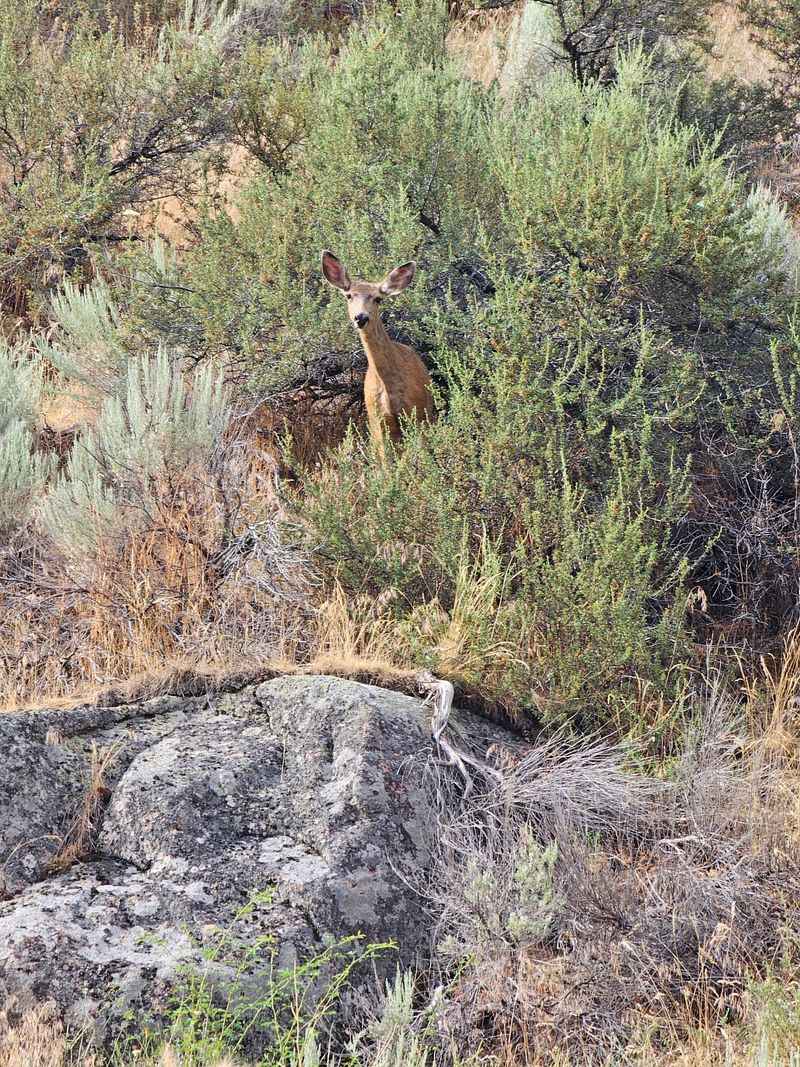
Elk moved through these slopes long before any trail was built here, and they still do. Dawn and dusk give you the best odds: look for tan bodies against green or gold grass, often bedded in the swales where hills fold together.
The reserve was protected in 2015 partly because this ground matters so much to wildlife. Cows and calves use the quiet draws in late spring, which is why dogs must stay leashed from May 1 through June 15.
From June 16 to November 30, dogs may run off leash under voice control.
Bring binoculars, keep your voice low, and stay on the tread. Elk spook easily, and a herd that feels crowded drifts away before you get a good look.
Watch the ridgelines instead of the path ahead, because movement up high gives them away first.
Mule deer, hawks, songbirds, and the occasional rattlesnake share these Idaho foothills, so scan the ground near warm rocks as well as the skyline. Patience pays off more than distance covered.
A slow mile beats a fast three when wildlife is the goal.
Spring And Early Summer Bring Wildflowers Across The Slopes
By early May the slopes wake up. Bright yellow arrowleaf balsamroot blooms in wide sunny patches, purple and white lupine fills the cooler pockets, and sagebrush buttercups dot the ground with small golden faces.
Keep looking and the list grows. Lewis’s flax adds pale blue, yarrow spreads flat white clusters, and camas, violets, pink wild geraniums, bluebells, and bitterroot arrive as the season shifts.
Timing matters. The reserve normally reopens May 1, although wet conditions can extend the closure.
In 2026, Hawkins Loop and Harrow remained closed until May 8 to allow muddy trails to dry. Morning light makes the petals glow, and the grass still holds cool dew against your shoes.
Spring in southwestern Idaho can swing from warm to breezy within an hour, so a light layer helps. Stay on the tread while you photograph, since trampled ground recovers slowly, and pick flowers only with your camera.
The show changes week to week, which is reason enough to come back twice.
The Loop Gives You Big Views Without A Huge Elevation Gain
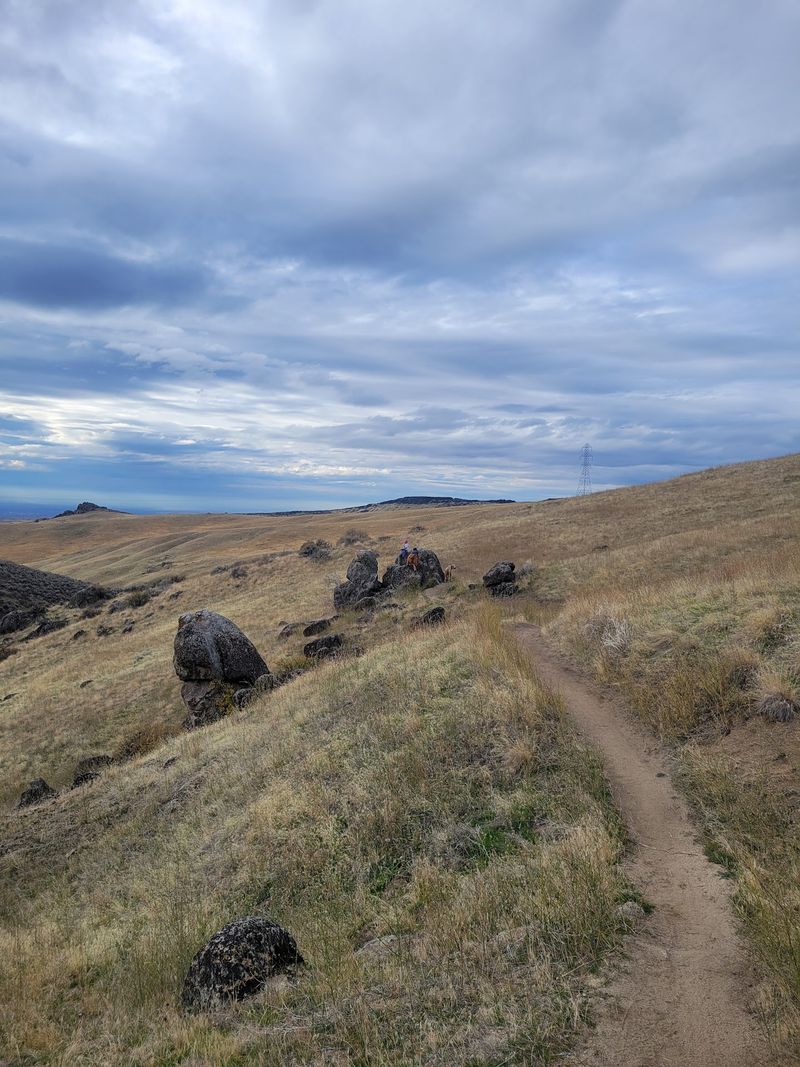
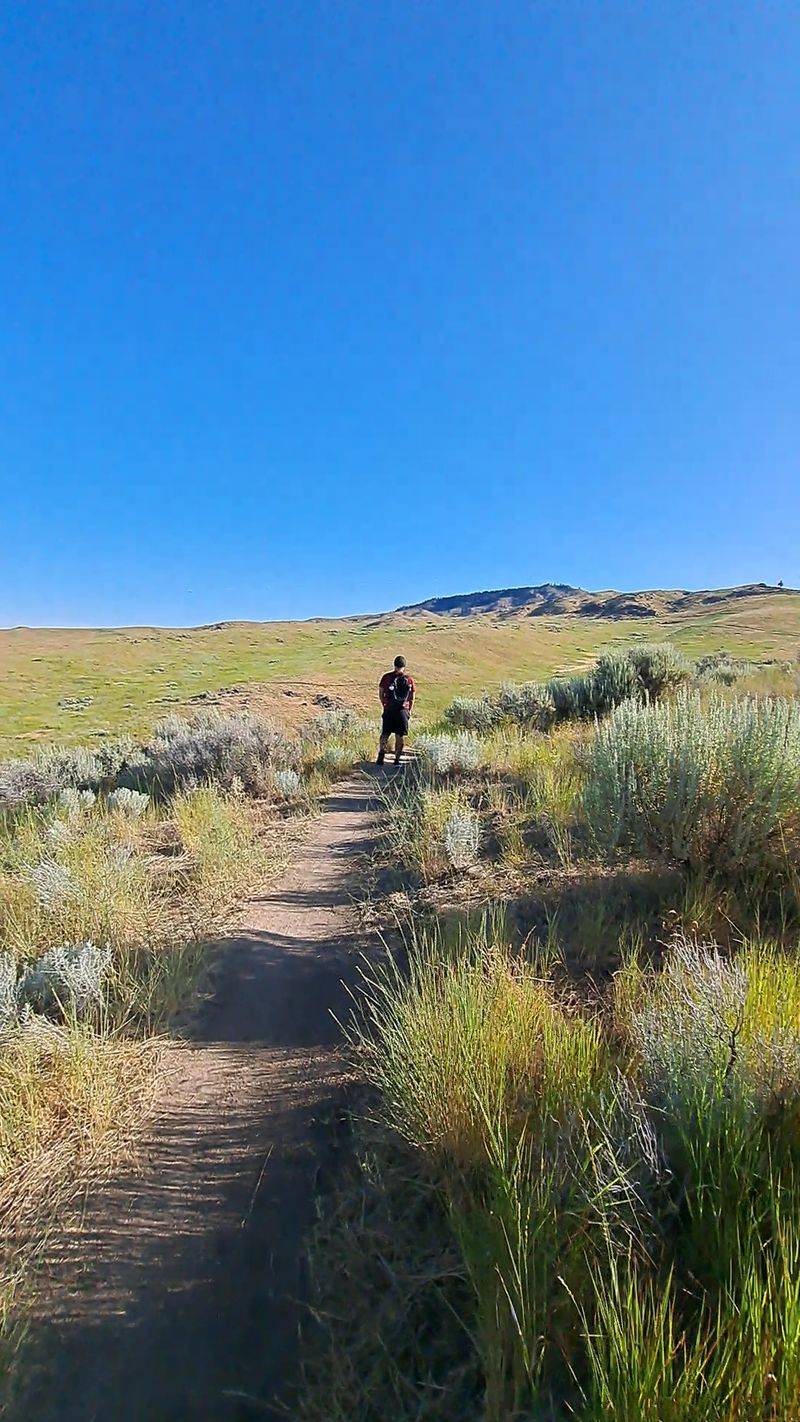
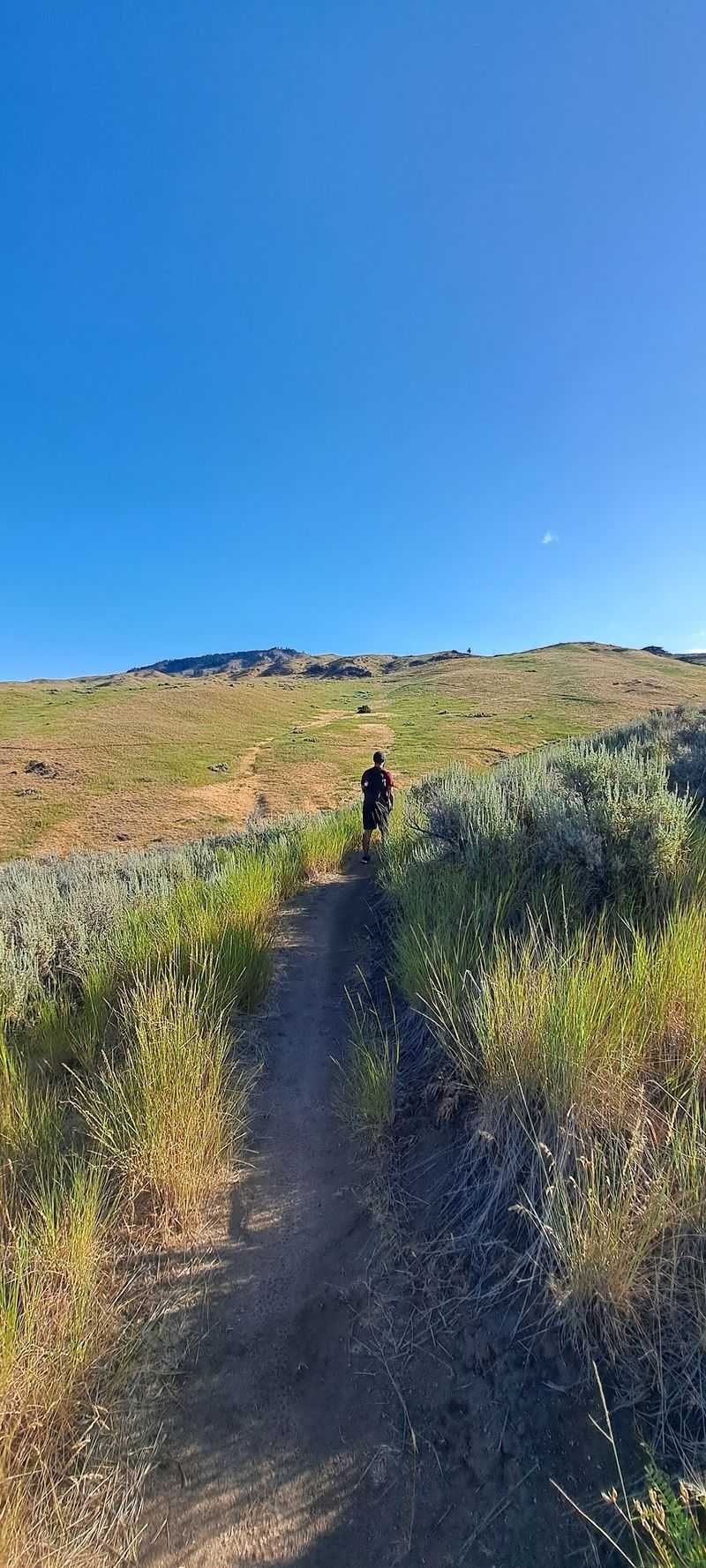
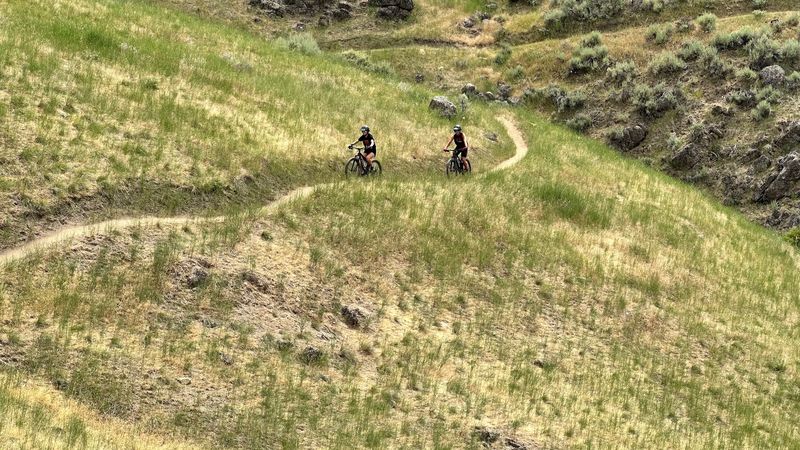
Five and seven tenths miles sounds ambitious until you actually walk it. The Hawkins Loop rolls rather than climbs, easing downhill through grassland before working gradually back up, with the steeper pitch saved for the final three quarters of a mile.
Travel is directional, and everyone goes counter-clockwise, which keeps bikes and boots from meeting head-on. Prefer something shorter?
The 0.6-mile Harrow Trail runs north to south and links with part of the loop to make a tidy 1.5-mile option.
Plan your visit around the gate, which opens at sunrise and closes at sunset. Parking sits at 11199 N Bogus Basin Rd, Boise, ID 83702, with room for roughly ten vehicles plus a separate upper area for horse trailers.
Vault toilets are available, though carrying your own tissue is smart.
Rated intermediate, the loop still welcomes newer hikers who keep a comfortable rhythm. Whatever your pace, the reward holds steady: panoramic foothills scenery earned through forgiving grades rather than lung-burning switchbacks.
Wildlife Corridors Make Quiet Mornings Especially Worthwhile
Sunrise is the reserve’s best-kept secret. Animals travel between feeding and bedding areas while the air stays cool, using the draws and fence gaps that stitch this property to the larger landscape around it.
These 393 acres act as a connector, not an island. Protecting the corridor means elk, deer, and smaller creatures can move across the hills without hitting roads or fences at every turn.
That connection is the whole reason the land was set aside.
Arrive early and you will hear more than you see: meadowlarks calling, insects buzzing in the grass, hooves clicking on gravel somewhere below the ridge.
Shadows stretch long across the slopes, the light turns honey colored, and the parking lot holds only a car or two.
A few habits make a real difference. Keep groups small and voices soft, give animals plenty of room, and yield to uphill users on the narrow single track.
Leash rules exist for good reason during calving season, and following them helps keep this quiet stretch of hills open for everyone.
A Seasonal Closure Helps Protect The Animals That Use These Hills
From December 1 through April 30, the gates stay shut. Winter is hard on elk, and pushing them around when food is scarce and calves are on the way costs animals energy they cannot spare.
History explains part of the arrangement. The city secured this property in 2015 through purchases involving the Hawkins family, the Berry family, and the Idaho Humane Society, then spent years planning trails before opening to the public on May 4, 2023.
Mark May 1 on your calendar. That reopening date brings green hillsides, running seasonal creeks, and the first big wave of blooms all at once.
Check the Ridge to Rivers information before driving up, since conditions and dates can shift.
Respecting the closure is plain courtesy toward wildlife that lives here year-round. Fences and posted signs at the trailhead make the boundaries clear.
Five months of quiet gives the herds space to raise young, and the other seven belong to hikers, cyclists, and riders. The healthy animals you glimpse in summer are proof the trade works.
By The End, The City Feels Surprisingly Distant Despite Being Nearby
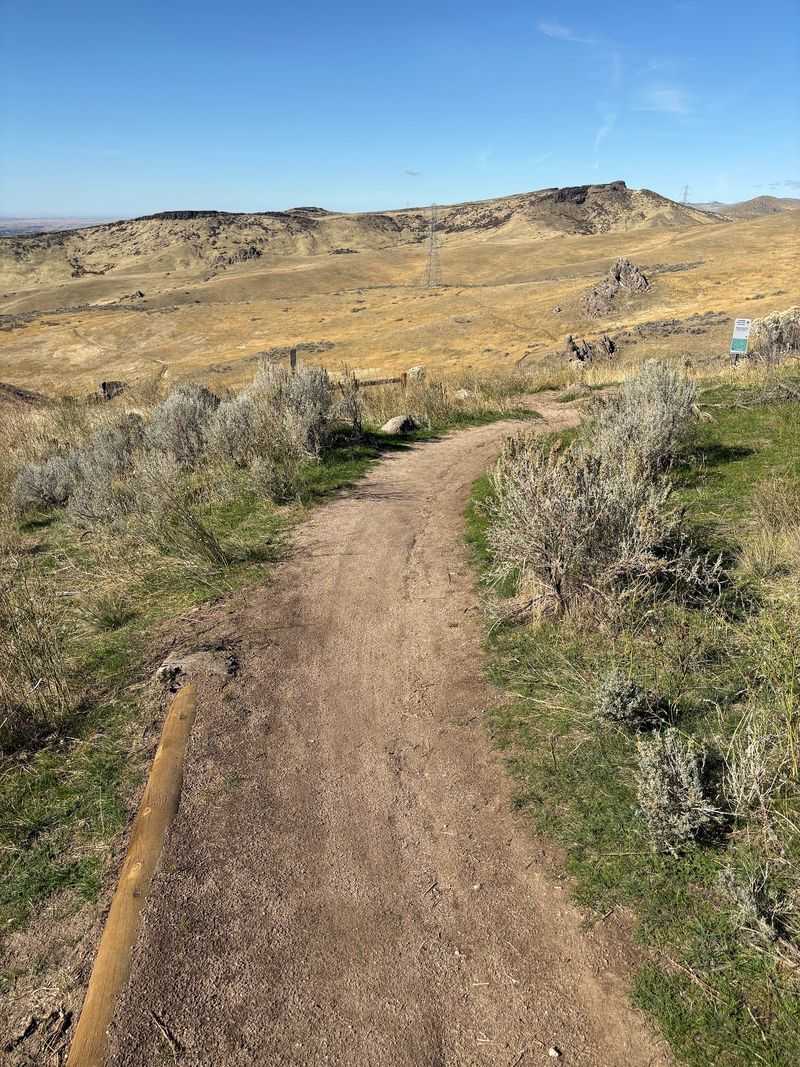
Something shifts on the last stretch of the loop. Your legs feel the gentle climb, the breeze cools your neck, and the buildings below look like a model city set out in the valley.
Barely twenty minutes of driving separates that skyline from these grasslands, yet the soundscape is entirely different.
Traffic noise fades, replaced by wind moving through dry grass and the occasional cry of a hawk overhead.
Pack a simple picnic for the finish: cold fruit, a sandwich wrapped in paper, a thermos of iced tea. Eaten on the tailgate with the whole sweep of hills in front of you, plain food tastes noticeably better.
Plenty of trails in Idaho ask for a long drive and thousands of feet of climbing to deliver views like these. Hawkins asks for a short trip up Bogus Basin Road, a few easy miles, and enough patience to search the ridges for elk.
That combination is rare, which explains why the lot fills quickly on bright spring mornings.