This Small Nebraska Town Has Such Strong Schools Families Are Moving Here Just For Them
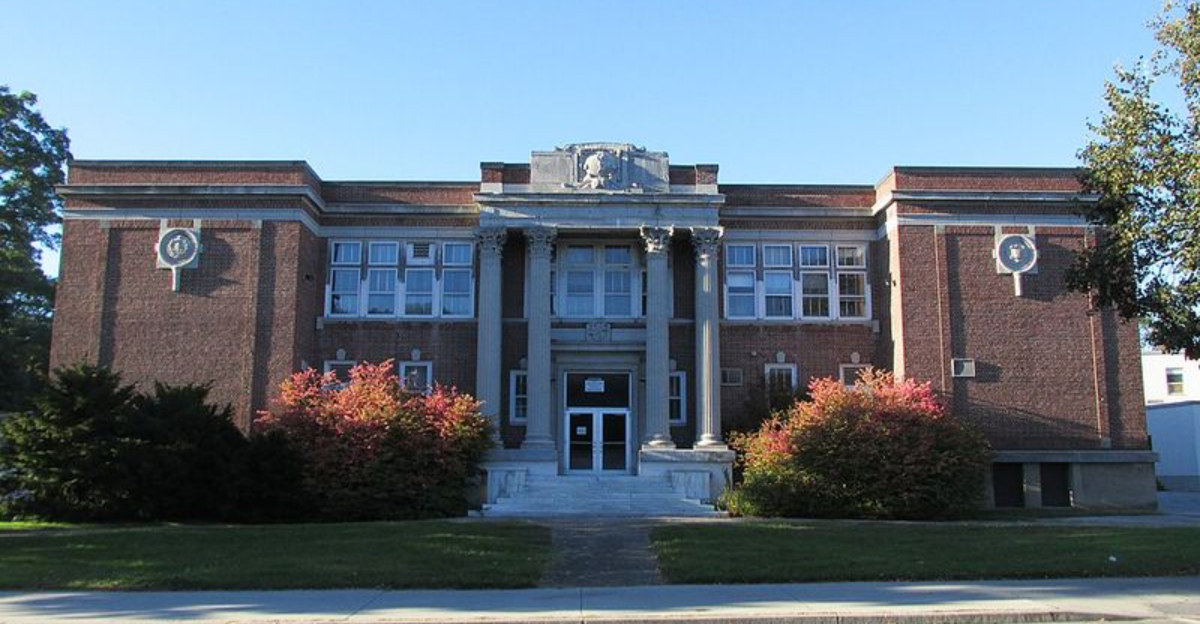
A good school district can change a family’s entire zip code.
That is the kind of pull at work here, where classrooms and long-term academic reputation have become part of the town’s identity.
For parents comparing places to settle, the school system can carry as much weight as the house, commute, or neighborhood itself.
This Nebraska community has grown partly because education is one of the strongest reasons families keep putting it on their shortlist.
The appeal goes beyond test scores.
Families also look at class sizes, facilities, activities, graduation outcomes, and the overall sense that students have room to succeed.
Add a small-town setting within reach of a larger metro, and the equation gets even more interesting.
Families Really Are Moving Here For The School District

Relocation decisions usually involve a long list of factors, but around here the school district sits at the very top.
Real estate insight from 2026 points to the consistent high ranking of Bennington Public Schools within Douglas County as a major driver of buyer demand in the area.
That pattern suggests something simple. Many households are not stumbling into Bennington by accident, they are choosing it on purpose after comparing districts.
The combination people describe is fairly specific: a small-town setting, newer homes, and schools with a strong academic record.
District communications for 2026 highlight the Excellent rating and other accomplishments while crediting dedicated staff and steady community backing.
What makes the story unusual is how directly school performance connects to residential growth.
Plenty of towns hope good schools attract families, but here the connection shows up in enrollment counts, new buildings, and bond elections.
For anyone considering a move, the practical takeaway is to confirm district boundaries before signing anything.
Boundaries in fast-growing areas shift as new buildings open, and a house two streets over can feed into a different elementary school.
Checking the current attendance zone map with the district office remains the safest step. Growth on this scale means maps get updated more often than in slower-moving communities, and assumptions can be costly.
The District Holds Nebraska’s Highest Accountability Rating
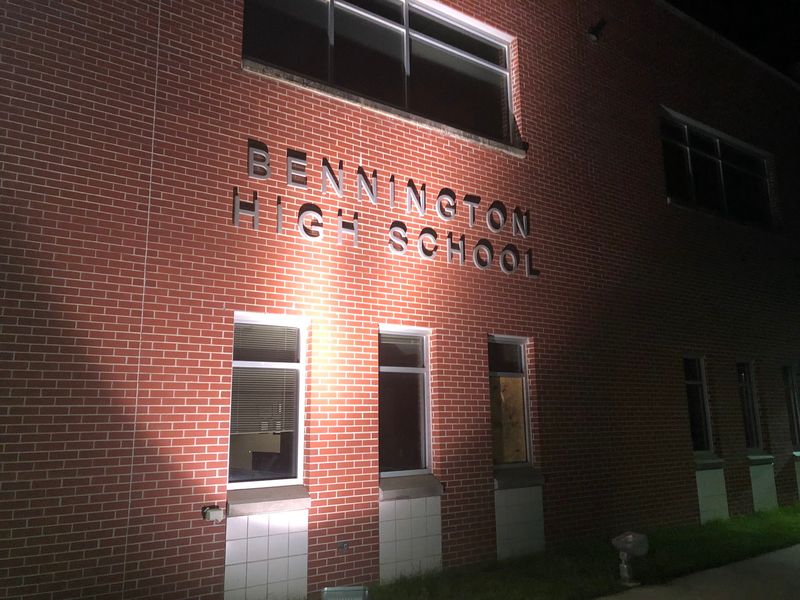
Nebraska sorts its schools into four categories each year, and Bennington sits in the top one.
The district has earned the Excellent designation through the state’s AQuESTT accountability system, which is the highest classification available.
The Nebraska Department of Education handles the evaluation. Schools land in one of four groups: Excellent, Great, Good, or Needs Support to Improve.
Those placements rest on student performance data, specifically the Nebraska Student-Centered Assessment System for grades three through eight and ACT results for eleventh graders.
Reaching the top tier reflects consistent achievement, with average scores frequently landing above state benchmarks.
Ratings like these matter to families because they offer an outside measurement rather than a marketing claim.
A district can describe itself however it likes, but the state classification comes from actual assessment results.
Worth remembering is that accountability designations get reviewed annually and can shift over time.
Anyone using the rating as part of a housing decision should check the most current year rather than relying on an older figure found online.
The Nebraska Department of Education publishes these classifications publicly, which makes verification straightforward.
Comparing a few nearby districts side by side often gives a clearer picture than looking at one number in isolation, and it costs nothing but a few minutes of reading.
The Graduation Rate Reaches 98 Percent

Ninety-eight percent. That single figure does more explaining than a page of description, and it is what the district reported as its graduation rate for the 2024 academic year.
Additional data supports the same picture, with Bennington High School consistently maintaining a four-year graduation rate of 98.3 percent.
Numbers that high suggest students are staying engaged and receiving the support needed to finish.
Graduation rates tell families something different than test scores do.
Assessment results measure performance on a given day, while a graduation rate reflects years of accumulated support, credit tracking, and follow-through with students who might otherwise fall behind.
For parents evaluating districts, the four-year rate is generally the most useful version to look at.
It counts students who finish within the standard timeframe rather than including extended completions, which makes comparisons between districts more honest.
Rates also shift slightly from year to year based on class size and individual circumstances.
A single small graduating class can move the percentage more than people expect, so looking at several years of data gives a steadier read.
What stands out here is consistency rather than a single strong year. Sustained numbers in the high nineties point to systems working over time, not a lucky cohort passing through the building.
More Than 4,400 Students Now Attend Bennington Schools
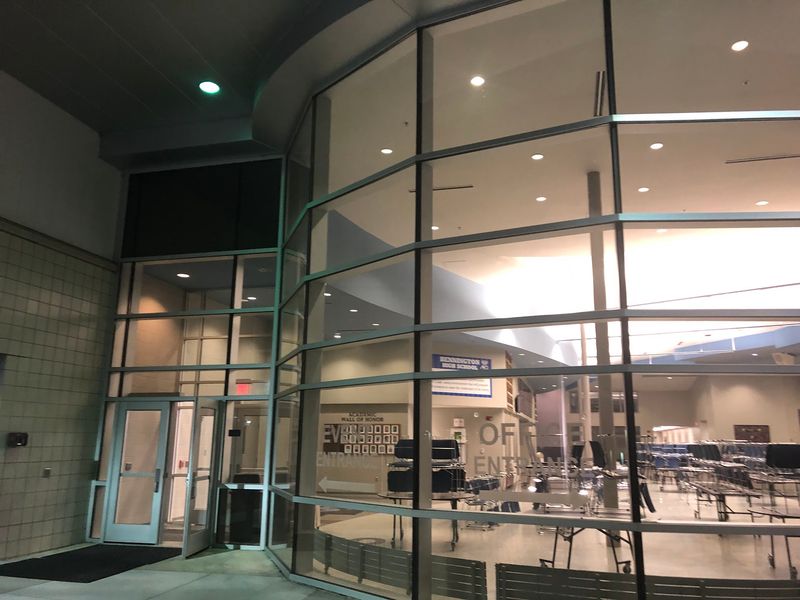
Enrollment growth here has been steep enough to reshape the entire community.
Bennington Public Schools currently serves 4,414 enrolled students, a figure that dwarfs what the district handled a generation ago.
Enrollment figures for the 2025-2026 school year confirm a total of over 4,400 students learning within district buildings.
The climb reflects both the area’s rapid residential development and a steady stream of families arriving specifically for the schools.
Numbers on that scale bring real planning challenges. Buildings need capacity, teachers need to be hired, bus routes need redrawing, and lunch schedules need rethinking almost every year.
Families moving into a growing district should expect some of that motion. Class rosters, teacher assignments, and even building assignments may look different from one year to the next as the district balances buildings.
The upside is that growing districts tend to invest in current facilities and programs.
Newer buildings, updated technology, and expanded course offerings often follow enrollment increases because funding formulas respond to student counts.
Anyone comparing Bennington to a stable, smaller district should weigh both sides honestly.
Growth brings resources and options, and it also brings change, larger buildings, and more unfamiliar faces in the hallway each August than a slower-growing community would see.
Five Elementary Schools Give Younger Students Several Campuses
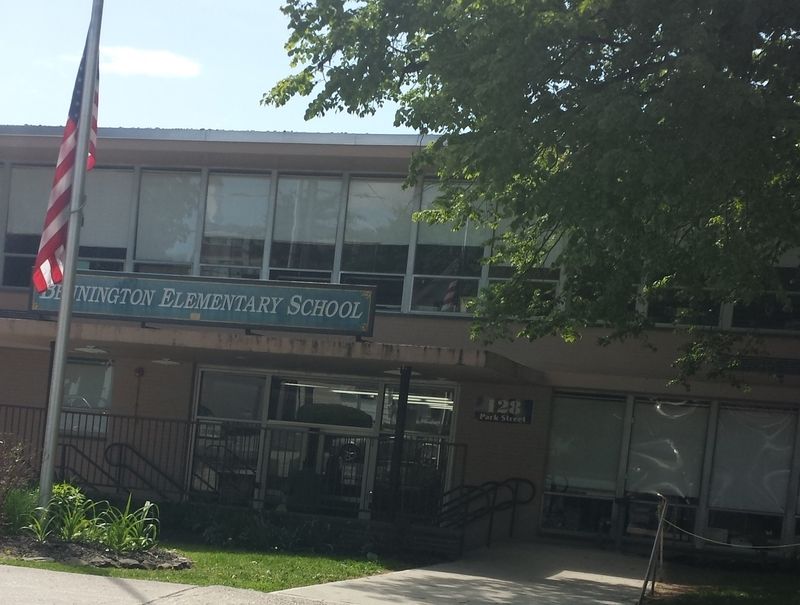
Five separate elementary buildings now serve the district’s youngest learners, which is remarkable for a community that once managed with far less.
The campuses are Anchor Pointe Elementary School, Bennington Elementary School, Heritage Elementary School, Pine Creek Elementary School, and Stratford Elementary School.
Spreading younger students across multiple sites keeps individual buildings from becoming overwhelming.
Smaller elementary populations often mean shorter lunch lines, more recess space per child, and staff who recognize families by name.
Above the elementary level, two middle schools continue the path: Bennington Middle School and Bennington South Middle School.
Both feed into Bennington High School, forming a connected system from kindergarten through senior year.
Practical planning matters with a setup like this.
Families with children of different ages may have students at two or three different buildings, which affects morning drop-off routines and evening activity schedules.
Checking which elementary building serves a specific address is worth doing early in a home search.
Two houses in the same subdivision can occasionally feed into different schools depending on how boundaries were drawn.
Multiple campuses also give the district flexibility as neighborhoods fill in.
Rather than continually expanding one crowded building, the district has added sites where new housing appeared, keeping commutes reasonable for most families across the attendance area.
A Second High School Is Already On The Way
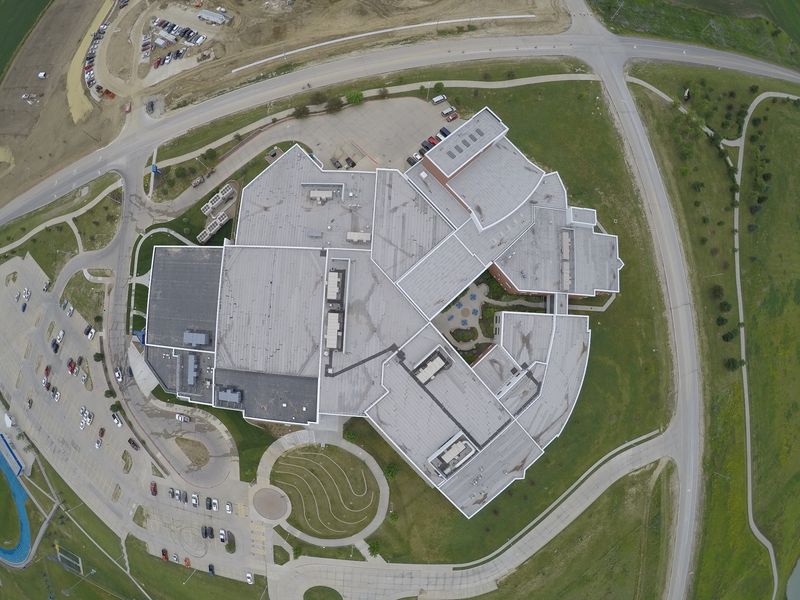
Building a second high school is not something small districts usually do, yet Bennington has reached that point. The project is projected to open for the 2028-29 school year.
Its location has been set at 180th Street and Military Road, positioned to serve the growth pushing outward from the existing attendance area.
Adding the building addresses rising enrollment that the current high school cannot absorb indefinitely.
Splitting into two high schools changes plenty for families.
Attendance boundaries will be drawn, athletic programs will be reorganized, and some students living near the dividing line will end up at a different building than older siblings attended.
Districts typically hold community meetings before finalizing those boundaries.
Families planning to buy in the area between now and 2028 may want to follow that process closely rather than assuming current assignments will hold.
The new campus is also being designed with modern instructional space in mind, which usually means flexible classrooms and updated labs.
New construction gives a district a chance to build for how students learn today rather than retrofitting older layouts.
For a town once identified with a single Class C high school, opening a second one marks a genuine turning point. Growth of this kind reshapes traditions, rivalries, and how the community sees itself.
Voters Backed The New School With A $112 Million Bond
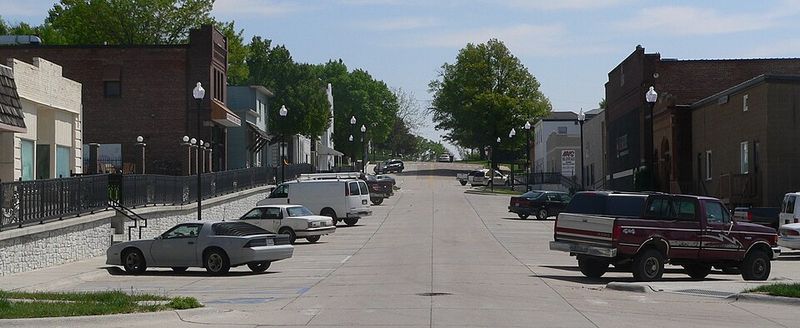
Seventy-one percent approval is a lopsided result by any standard, and that is what the school bond received. Voters approved a $112 million bond measure in a special mail-in election held on March 11, 2025.
The funds are directed toward construction of the second high school. Support at that level says something meaningful about how residents view spending on education.
Bond elections often split communities, especially when property taxes are involved. Passing one by more than a two-to-one margin points to broad agreement that the buildings are genuinely needed rather than nice to have.
Mail-in special elections also tend to draw a specific kind of turnout, generally from residents paying close attention to local issues. The margin held up regardless, which strengthens the signal.
Families considering a move should understand what bonds mean financially. School construction bonds are repaid through property taxes, so strong facilities and tax rates are connected pieces of the same picture.
Looking up the current levy for the district gives a clearer sense of monthly housing costs. Comparing that figure alongside test scores and graduation rates provides a fuller view than any single statistic could.
Community willingness to fund growth remains one of the clearest indicators of long-term district health anywhere.
Bennington Has Been Building Schools For More Than Two Decades
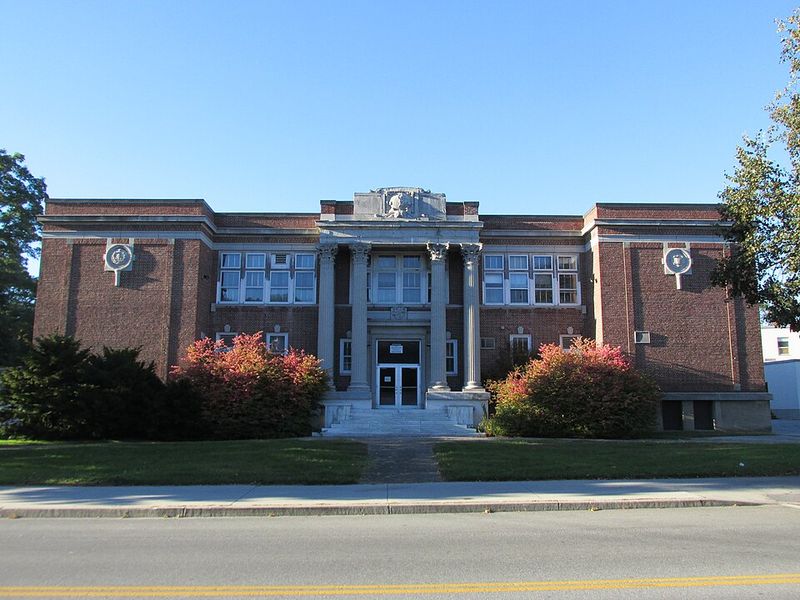
Construction here has been nearly continuous since the early 2000s.
Seven separate school bond issues have passed since 2003, showing a long pattern of community investment rather than a single burst of spending.
Past measures approved in 2003, 2007, 2010, 2015, 2018, and 2020 funded new elementary schools and middle schools. Additional dollars went toward classrooms, athletic facilities, and a dedicated auditorium.
Renovations to existing buildings have been part of the work too, keeping older spaces functional as newer ones came online. The most recent bond, approved in 2025, now supports the second high school.
A track record like that tells prospective families something useful.
Districts that pass bonds repeatedly usually have credibility with voters, which typically comes from finishing earlier projects on schedule and within budget.
The steady pace also means most buildings in the district are relatively young.
Newer construction generally translates to better heating and cooling, updated wiring for classroom technology, and fewer disruptive repair projects during the school year.
Anyone touring the area can see the layers of construction, from early 2000s buildings to the most recent additions.
Following the sequence gives a clear physical record of how quickly this corner of Douglas County has filled in.