This Free Kentucky Ferry Has Been Crossing The River For More Than 200 Years
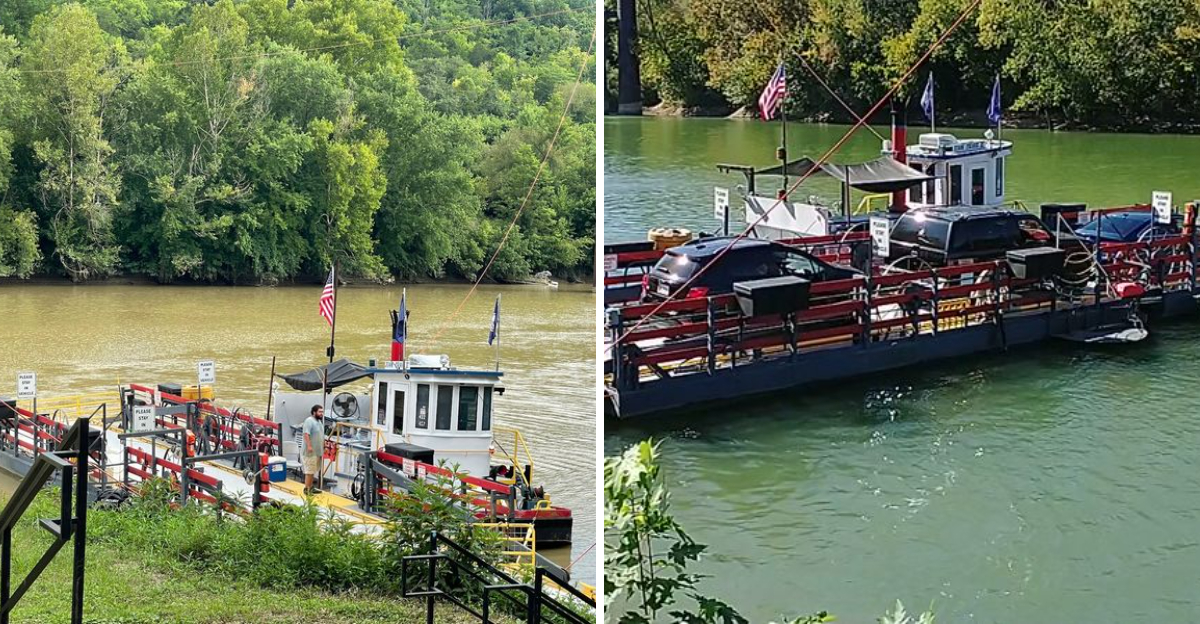
There is a road in Kentucky that just stops at the water. No bridge appears.
That is not a mistake, and you are not lost.
A boat comes to get you. It has been coming since seventeen eighty, back when the crossing served horses and wagons instead of minivans.
Kentucky was not even a state yet. The ferry was already working.
It holds three cars. That is the entire capacity, so you may wait a few minutes for your turn.
The crossing takes about three minutes, which is barely enough time to enjoy it properly. Nobody here seems to be in a hurry.
The ride costs nothing. Nobody takes your money and nobody sells you a ticket.
Your tax dollars quietly handled it years ago.
Bring the kids along if you have them. Children lose their minds over this, and adults pretend to be calmer than they actually feel about it.
A Free Ride Across The Kentucky River
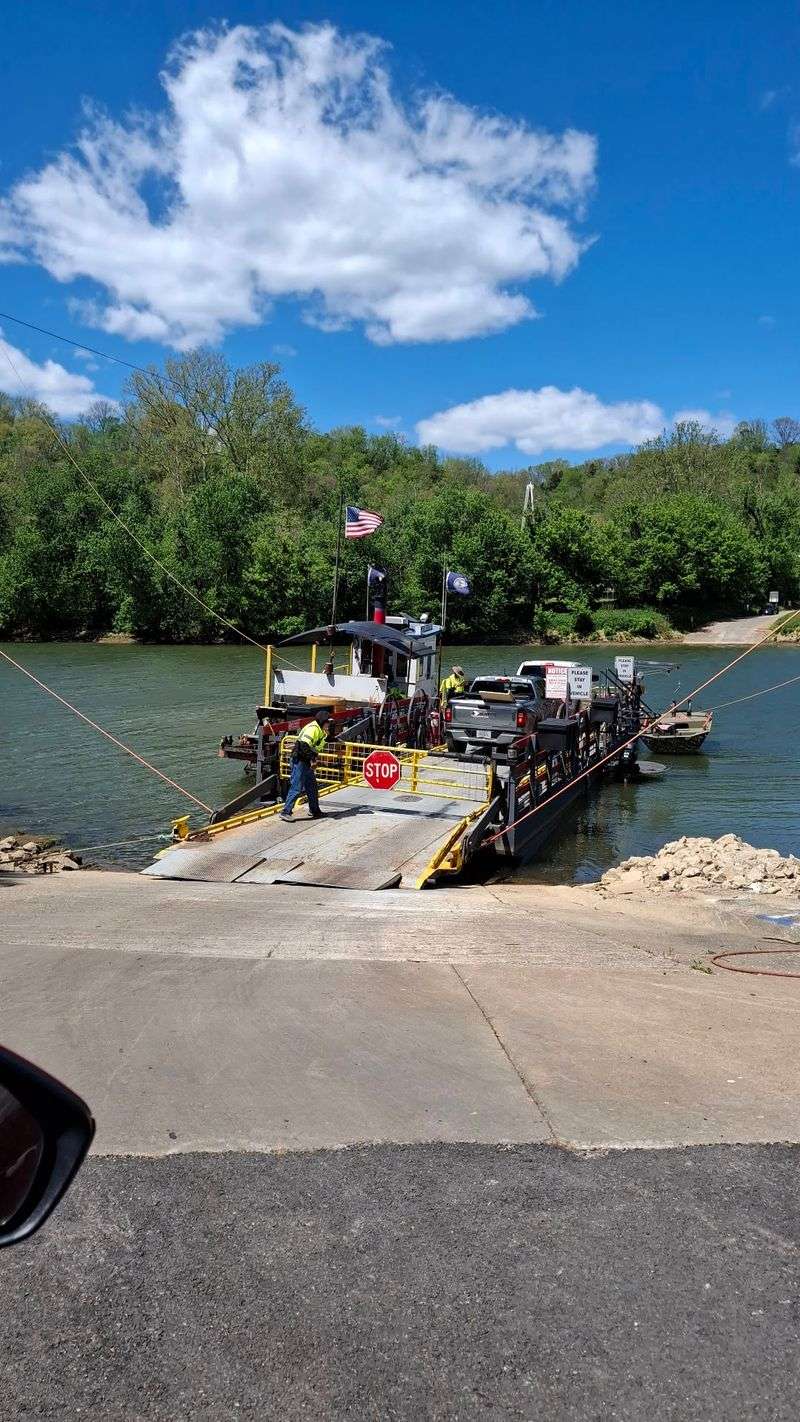
Valley View Ferry looks tiny from the top of the hill. Then you roll down the ramp and realize it is a working road.
Cars wait on the pavement while the boat chugs back from the far bank. Nobody rushes, and nobody pays a dime.
The crossing links Madison County with the Jessamine County side of the Kentucky River. Drivers use it for commuting, errands, and plain curiosity.
The deck holds only a few vehicles at once. That limit keeps the trip feeling personal instead of industrial.
Crew members wave you forward with clear hand signals. You set the parking brake and roll down your window.
Gravel and steel clank under the tires as you ease aboard. That sound alone tells you this is no ordinary highway.
Herons work the same stretch of water most mornings. Locals barely glance up, while visitors reach for their phones.
The whole ride costs nothing, which still feels slightly unbelievable. Three counties keep it running as a public service for everyone.
It ranks among the oldest continuously operating businesses in Kentucky. You will find the landing along KY-169, Richmond, Kentucky.
The 1780s Charter Still Doing Its Job
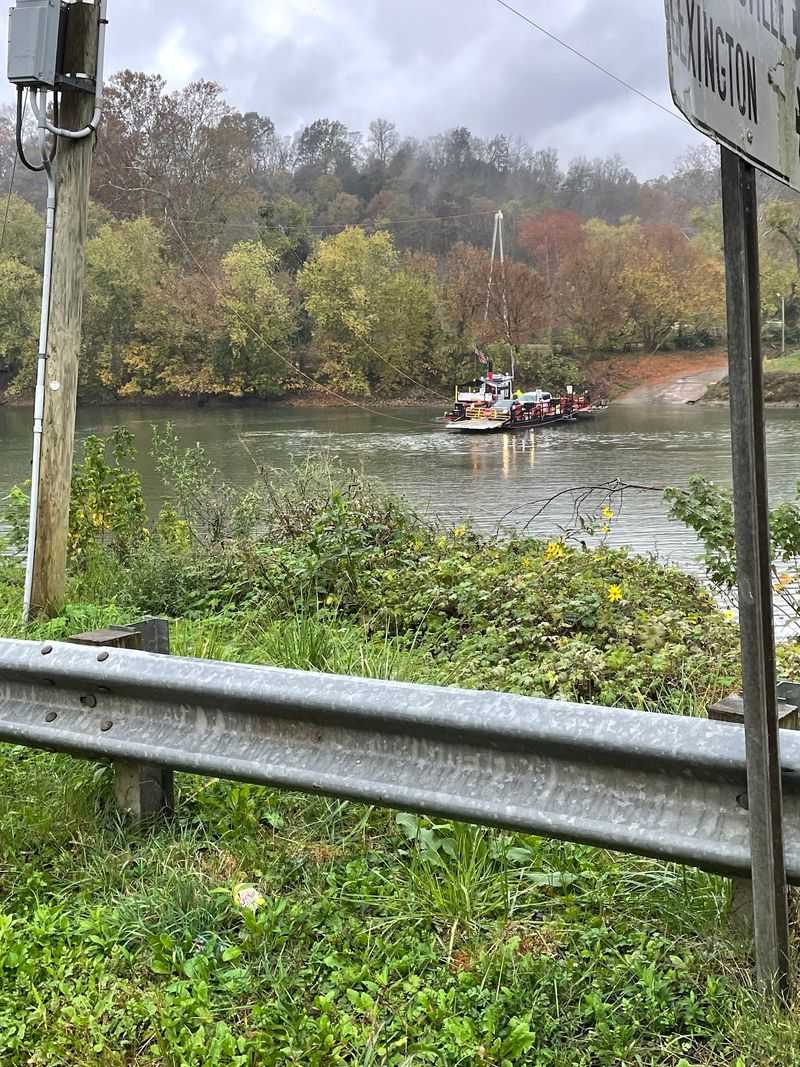
Long before Kentucky became a state, this crossing already had legal permission to run. Virginia granted the charter back in the 1780s.
The man behind it was John Craig, a settler with land beside the river. His name still rides on the boat today.
Roads were rough then and bridges were rare. A ferry was the quickest way to move people, goods, and livestock.
That original charter is often described as perpetual. In a country that replaces everything, the idea feels almost stubborn.
Ownership changed hands many times across two centuries. The service itself simply kept going, season after season.
A Kentucky historical marker near the landing sums up the story. Read it while you wait for the boat to return.
Consider everything that has come and gone since the 1780s. Steamboats, railroads, and interstates all arrived, yet the ferry still crosses.
Old travelers followed river crossings the way we follow exit numbers. Valley View was one of those dependable spots.
History here is not behind museum glass. You drive onto it, and it carries you to the other bank.
Standing on the ramp, that continuity sinks in fast. Same river, same purpose, different century.
The crossing lasts only a few minutes. The backstory stretches across generations of Kentucky families.
Meet The John Craig, The Boat On Duty
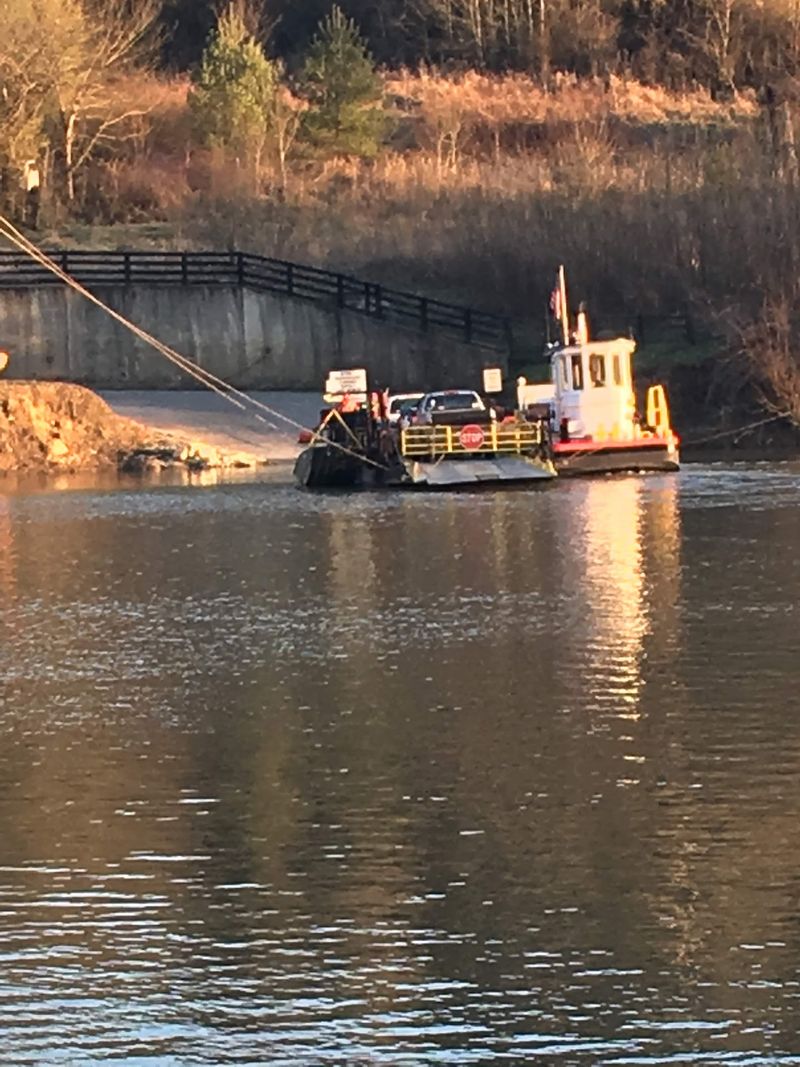
The vessel doing the heavy lifting carries a familiar name. It is called the John Craig, after the original charter holder.
What you actually see is a flat barge with a small pushboat attached. Simple, sturdy, and built for one short job.
Guardrails run along the deck edges to keep vehicles safe. Painted lines show drivers exactly where to stop.
Capacity tops out at roughly three vehicles per trip. Large trucks and long trailers are a poor fit here.
Earlier versions of the ferry relied on the river current and cables. Modern diesel power made the schedule far more reliable.
The engine hums rather than roars. Conversation on deck stays easy, even with windows down.
Crew members handle ramps, chains, and traffic with practiced calm. They have done this thousands of times.
Watching the pilot line up the ramp is quietly impressive. Currents shift, and the landing still lands smoothly.
Bicycles and walk-on passengers also share the deck. The ferry counts as a public road, not a ride.
Motorcyclists show up often on warm weekends. They cluster near the rail and swap route notes.
My favorite detail is the size. A boat this modest keeps an entire road connected.
Everything about the boat feels practical. Nothing is decorative, and that is part of the charm.
Three Counties Chipping In For Your Free Ride
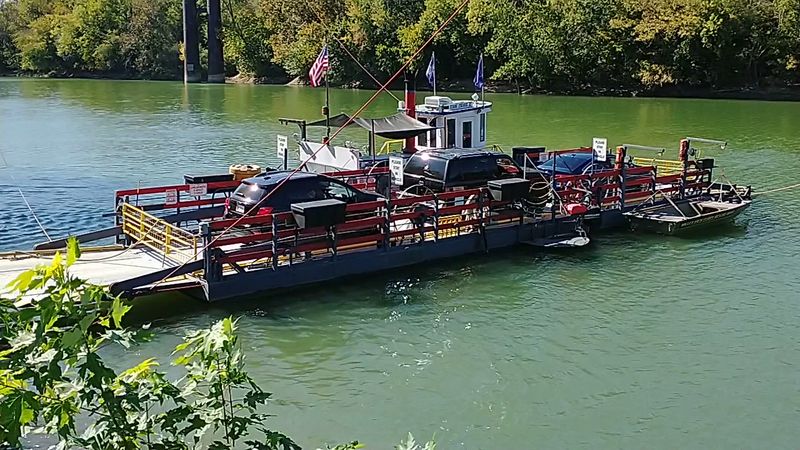
Somebody pays for that free crossing, just not you. Fayette, Madison, and Jessamine counties share the cost.
A ferry authority oversees operations and staffing. The arrangement turned a private business into a public service.
Riders once paid a small toll to board. That charge ended in 1991, and the ferry has been free since.
Free access changed who uses it. Commuters, farmers, and cyclists all ride without thinking twice.
Think of the boat as a floating segment of state route 169. The road just happens to get wet.
Public funding also keeps maintenance steady. Inspections, repairs, and crew wages are planned rather than improvised.
Local support runs deep because the alternative is a long detour. Bridges upstream and downstream sit miles apart.
For nearby residents, the ferry saves fuel and time every week. That practical value keeps community support strong.
Visitors benefit from the same generosity. You get a river crossing and a history lesson at no charge.
Tips are not expected, and the crew will not ask. A friendly wave is the standard currency.
Schools and clubs sometimes bring groups to see it work. The lesson lands better on deck than in a classroom.
Counties rarely agree on much. Keeping this boat running is the rare exception.
What The Short Crossing Feels Like
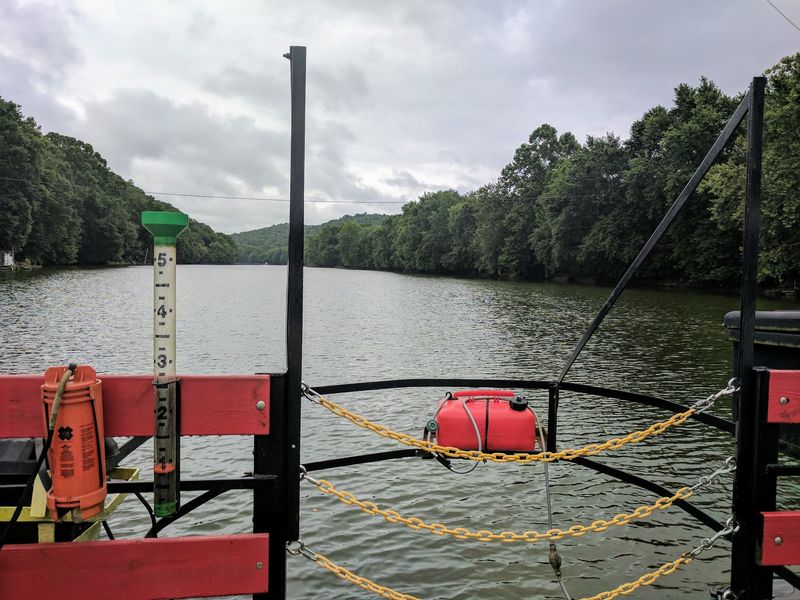
Boarding takes longer than the voyage itself. The trip across runs just a few minutes.
Water slaps the barge as the pushboat swings into position. The far bank looks close enough to toss a hat.
Green hills rise on both sides of the channel. Limestone shows through the trees in pale gray bands.
Some drivers stay behind the wheel and scroll their phones. Others step out immediately and lean on the rail.
I recommend stepping out. Three minutes of river air beats three minutes of air conditioning.
Sound is the surprise. Engine hum, birds, and an occasional barge horn far downstream.
Photographers get about ninety seconds of good angles. Shoot early morning or late afternoon for the best water.
Fog sometimes hangs over the surface at sunrise. The far shore fades, then reappears as you approach.
Then the ramp meets the concrete with a solid clunk. Chains drop, and the crew waves you off.
You are back on KY-169 before the song on the radio ends. The change of pace sticks with you longer.
Kids tend to love it more than adults expect. A car on a boat breaks all their rules.
Nobody is in a hurry on deck. That alone makes the detour worthwhile.
Checking Hours And River Levels Before You Go
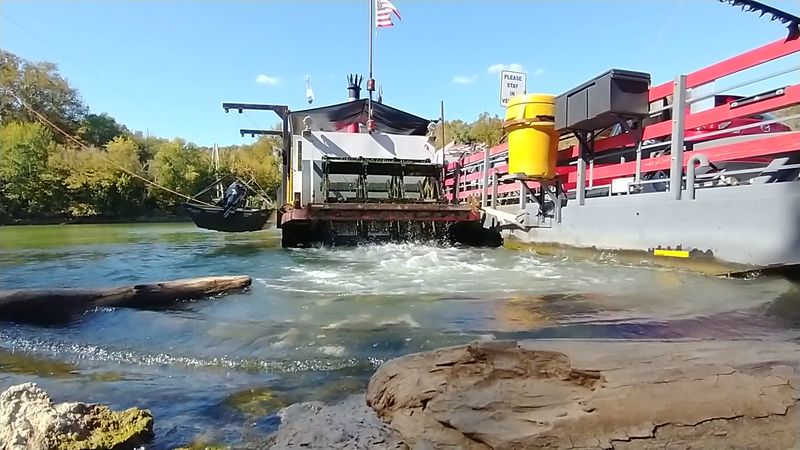
Weather runs this boat, not the clock alone. High water, ice, or heavy fog can pause service.
The ferry typically operates from morning until evening, seven days a week. Hours shift slightly between weekdays and weekends.
Always confirm the current schedule before driving down. The ferry authority posts updates online and by phone.
River levels matter more than most travelers expect. When the Kentucky River rises, the ramps become unusable.
Winter brings the most interruptions. Ice on the water forces the crew to tie up.
Maintenance days also happen a few times a year. Notices go up on the approach roads in advance.
Plan a backup route just in case. Bridges near Richmond and Nicholasville handle the detour.
Arriving during rush hour means a short wait. Locals heading home fill the deck quickly.
Midday visits usually mean rolling straight aboard. That is my preferred window for a relaxed trip.
Bring patience and a full tank. Services near the landing are limited on both sides.
Cell signal can be spotty down in the valley. Screenshot the schedule before you lose bars.
Holidays can change hours without much warning. A quick call saves a wasted drive.
The wait itself is pleasant enough. You can watch the boat work from the ramp.
The Winding Drive Down To The Landing
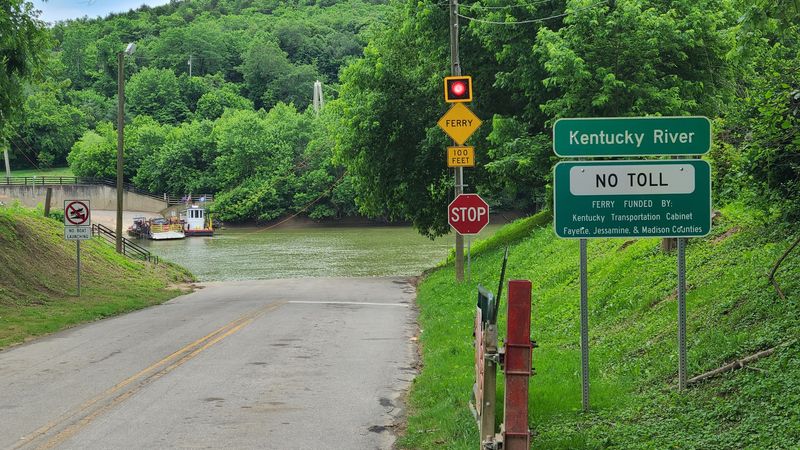
Getting there is half the fun, and the road knows it. KY-169 drops steeply toward the water in tight curves.
Farmland opens up on the Madison County approach. Fences, barns, and long views set the mood early.
Then the trees close in and the grade steepens. Take the curves slowly, especially in a loaded vehicle.
Cyclists love this stretch, so watch your mirrors. Riders often use the ferry as part of a loop.
The Kentucky River Palisades define the scenery here. Tall limestone cliffs line the gorge for miles.
Small houses and a boat ramp mark the Valley View community. Blink and you have driven through it.
Parking near the landing is limited and informal. Do not block the ramp while taking photos.
On the Jessamine County side, the climb reverses. The road rises fast toward Nicholasville.
Fall color makes the drive genuinely spectacular. Late October usually hits the peak.
Spring brings redbud and dogwood along the hillsides. Pink and white flash between bare branches.
Trailers and large RVs should think twice about this route. Tight turns and a small deck do not mix.
Motorcycle groups treat the descent as a reward. You will hear them before you see them.
Small Habits That Keep The Line Moving
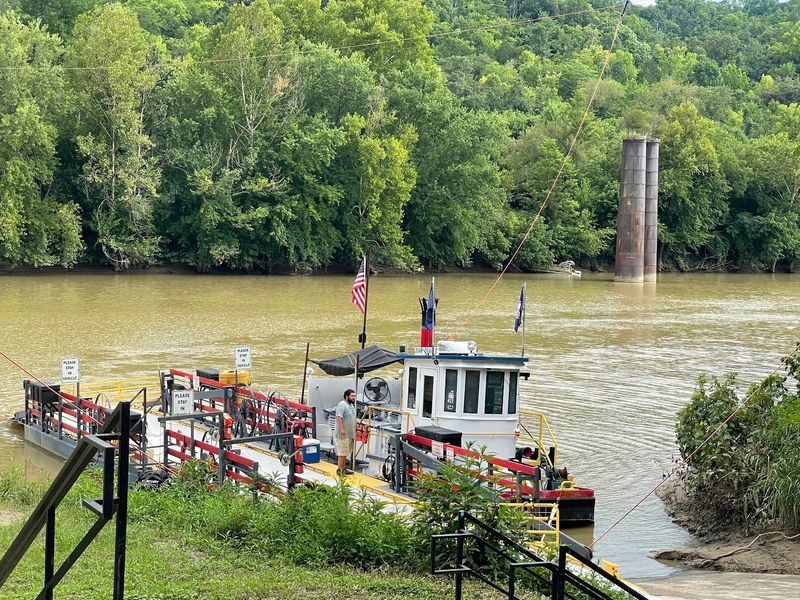
Ferry etiquette is simple, and locals notice when you follow it. Pull forward fully and stop where directed.
Turn off your engine once the crew signals. Set the parking brake and leave the vehicle in gear.
Keep children beside you if you step onto the deck. Rails are sturdy, but water is water.
Pets should stay leashed or in the car. Excited dogs and moving ramps are a rough combination.
Wait your turn in line without creeping forward. The crew loads by order, not by ambition.
Ask questions if the deckhands look free. Most enjoy sharing details about the boat and the river.
Have your camera ready before boarding, not during. Loading takes focus from everyone involved.
Trash belongs in your car, not the river. The crew keeps the deck spotless.
Exit promptly when the ramp drops. The next group is already waiting across the water.
Cross once, then cross back if you have time. The return view differs more than you would guess.
A wave to the crew costs nothing. Around here, that counts as proper manners.