9 Creepy Attractions In Georgia That Visitors Rarely Discover
I felt the temperature drop before I understood why. No wind, no clouds, just a sudden chill crawling up my arms.
I had wandered off a marked trail chasing an odd rumor a local mentioned over breakfast. What I found made my skin crawl in the best way.
Old stone steps leading nowhere. A gate rusted shut for decades.
Silence heavy enough to hear my own heartbeat. Georgia hides more than charming small towns and peach orchards.
Dig a little deeper and strange history starts creeping out of the ground. Locals swear by stories most visitors never hear, passed down in quiet voices at gas stations and diners.
I kept driving after that first stop, chasing every strange lead I could find. By the end of the trip, my idea of Georgia had changed completely, and I could not stop thinking about what I saw.
1. Doll’s Head Trail, Atlanta
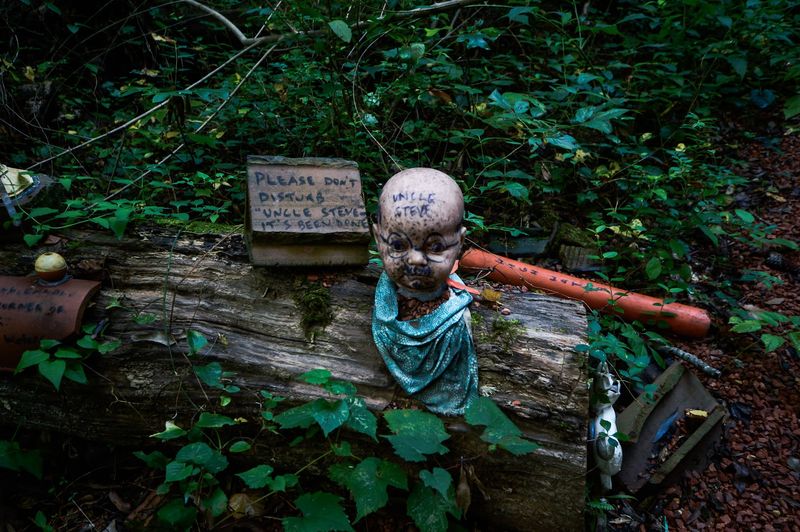
A hiking trail decorated with doll parts sounds like a prank. It is real, it is free, and it sits inside Constitution Lakes Park in southeast Atlanta.
The land was once a 19th-century brick factory. Old clay pits filled with water over time, creating the quiet lakes you walk beside today.
A local carpenter named Joel Slaton started the art collection more than a decade ago. He assembled discarded doll heads and other castoffs into small displays along the path.
Bicycle seats, fishing bobbers, scraps of clay, and vintage toys all appear in the arrangements. Old bricks and light fixtures fill in the gaps, giving everything a salvaged, patchwork look.
Visitors can add their own creations, with one firm rule. Every material must be found inside the park, so nothing new gets carried in.
Walking it feels less like a gallery and more like reading someone’s daydream. A doll face peeking from a log root does stay with you afterward.
Wear shoes you do not mind muddying, since low sections hold water after rain. Morning light works best for photos, and the boardwalk over the wetlands is worth slowing down for.
You will find it at 1305 S River Industrial Blvd SE, Atlanta, GA 30315. Industrial buildings surround the entrance, which makes the green space behind them feel even more unexpected.
2. EXPEDITION:BIGFOOT! The Sasquatch Museum, Blue Ridge
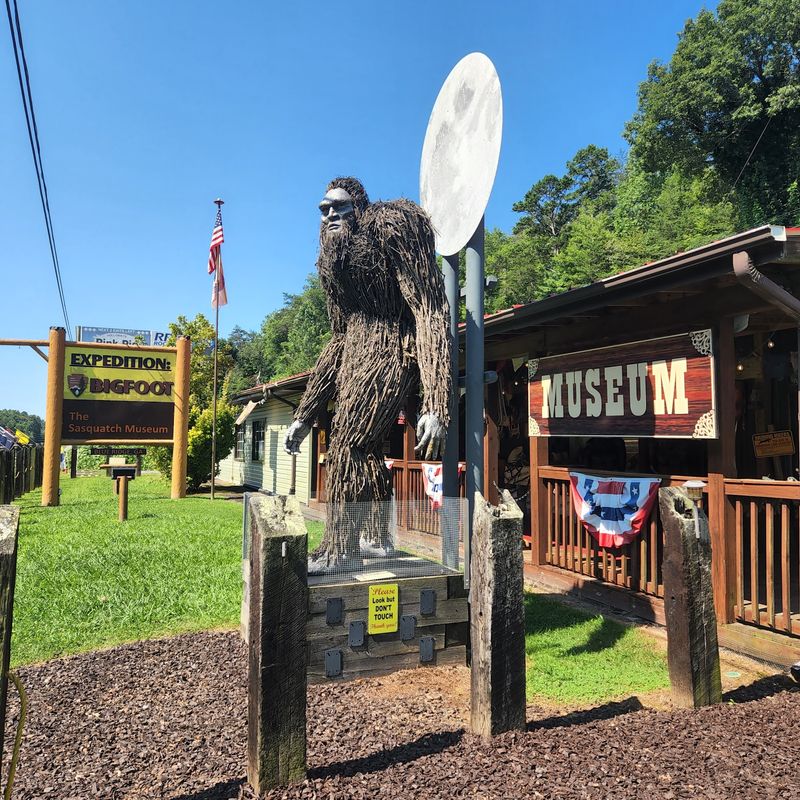
Somewhere between the mountain fudge shops and scenic overlooks sits the world’s largest museum devoted to Sasquatch. Yes, that Sasquatch.
The space runs about 4,000 square feet and is self-guided, so you set your own pace. Nobody rushes you past the footprint casts, which is good, because they deserve a long look.
Plaster casts line the displays alongside sketches, photographs, and sighting maps. There are hair samples too, presented with more care than skeptics expect.
A sound station lets you listen to recordings collected by researchers. Some are howls, some are knocks, and all of them sound stranger through headphones in a dim room.
Life-size exhibits put the scale into perspective. Standing next to one figure changes how you think about a shadow in the woods.
The Sasquatch Theater screens material on lore, culture, and eyewitness accounts.
What I appreciate most is the tone. The museum takes the subject seriously without demanding that you do.
The address is 1934 GA-515, Blue Ridge, GA 30513, right along the highway. Pair it with a drive through the surrounding mountains, since the scenery does half the storytelling.
Kids tend to love the footprint comparisons. Adults tend to get quiet in the theater, which says something.
3. Central State Hospital Museum, Milledgeville
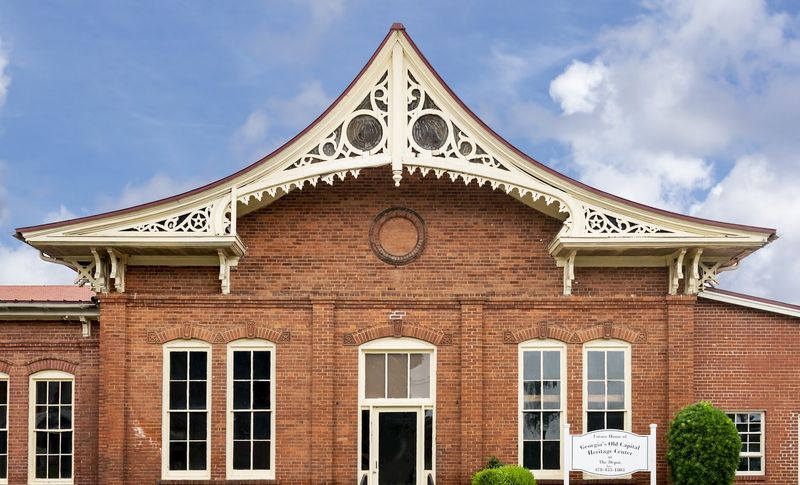
Few museums come with a setting this heavy. The campus around it once held the largest mental institution in the world.
Founded in 1842, the facility was originally called the Georgia State Lunatic, Idiot, and Epileptic Asylum. The name alone explains how much attitudes have changed.
By the late 1950s and early 1960s, the hospital served close to 12,000 patients and had become one of the nation’s largest mental health institutions.
The museum itself occupies the historic Depot and Storehouse on the grounds. Empty former hospital buildings stand nearby, and their silence does more than any exhibit label could.
An exhibit called Fast Fading gathers artifacts, photographs, medical equipment, personal belongings, and client artwork. Another, Seeking Asylum, shows photographs of interiors that visitors can no longer enter.
Trolley tours cover the wide campus, including Cedar Lane Cemetery. More than 25,000 patients rest there, and some markers show only iron numbers instead of names.
I found the photography exhibits the most affecting part. Peeling paint and empty hallways say plenty about how care has evolved.
Go with the mindset of learning rather than thrill seeking. The history of mental health treatment here is sobering and genuinely important.
The address is 736 Broad St, Milledgeville, GA 31061. Check tour schedules ahead, since campus access is limited.
4. Rhodes Hall, Atlanta
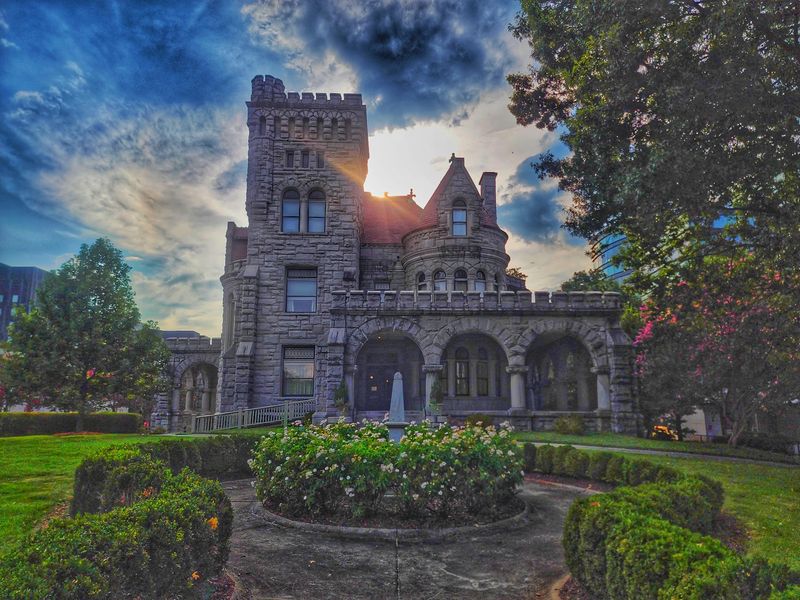
A castle on Peachtree Street sounds like a tall tale. Then you spot the turrets between the office towers and realize it is genuine.
Locals call it Atlanta’s Castle on Peachtree. The Victorian Romanesque Revival style was inspired by Rhineland castles, which explains the thick walls and heavy arches.
Furniture magnate Amos Giles Rhodes built it between 1902 and 1904. Stone Mountain granite gives the exterior its serious, medieval weight.
Inside, a carved mahogany staircase climbs beneath a series of stained and painted glass windows. The panels depict the rise and fall of the Confederacy and reflect the historical attitudes of the period in which the house was built.
The house was a technology showpiece for its era. More than 300 light bulbs and a security system made it a marvel in the early 1900s.
Standing in that stairwell, the mood shifts. Sunlight through those windows feels solemn rather than cheerful, and the quiet amplifies everything.
Today the building serves as a house museum and headquarters for The Georgia Trust for Historic Preservation. That dual role keeps it well cared for and open to curious visitors.
Look for it at 1516 Peachtree St NE, Atlanta, GA 30309. Bring a camera, but also spend a few minutes just looking up.
It is a short stop with a long memory. Midtown never feels quite the same afterward.
5. Sope Creek Paper Mill Ruins, Marietta
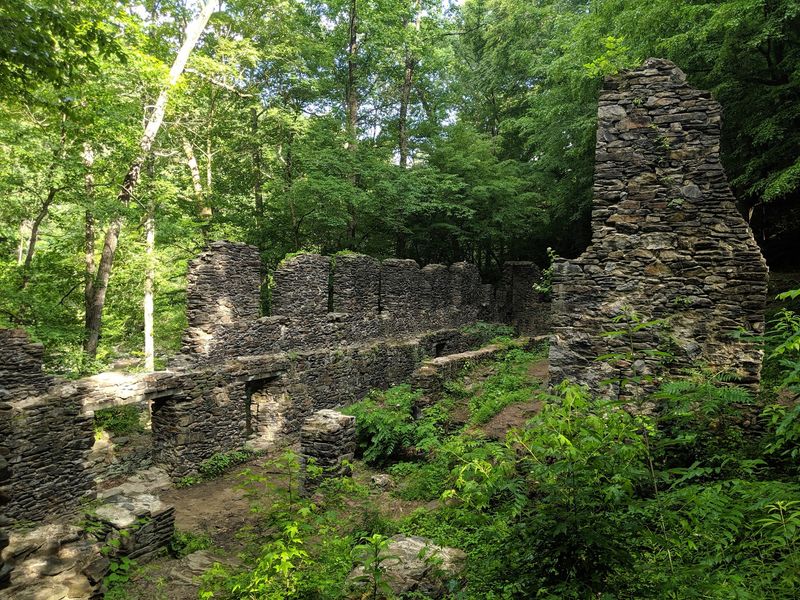
Roofless stone walls rising out of the forest do something odd to your sense of time. These ruins look more like a cathedral shell than a factory.
The mill was built in 1855 and became the largest paper producer in this part of the state. Its output supplied paper for currency and other printed goods across the region.
The mill later fell into disrepair, and the shattered walls still show the story.
Owners rebuilt afterward, but an accidental fire in 1870 caused more damage. What stands now is a layered record of construction and ruin.
The site belongs to the Chattahoochee River National Recreation Area. Trails wind through hardwoods, and the creek tumbles over rock beside the stonework.
Filmmakers have noticed the atmosphere too. Scenes from The Hunger Games: Mockingjay Part 1 were shot here.
Early morning is my favorite window. Mist gathers along the water, and empty window openings frame the trees like picture panes.
Wear real hiking shoes, because roots and creek rocks are slick. Stay off the walls, since the masonry is old and fragile.
Parking sits along Paper Mill Rd SE, Marietta, GA 30067, and the lot fills fast on weekends. Arrive before ten and you may have the ruins mostly to yourself.
6. Fort Mountain State Park, Chatsworth
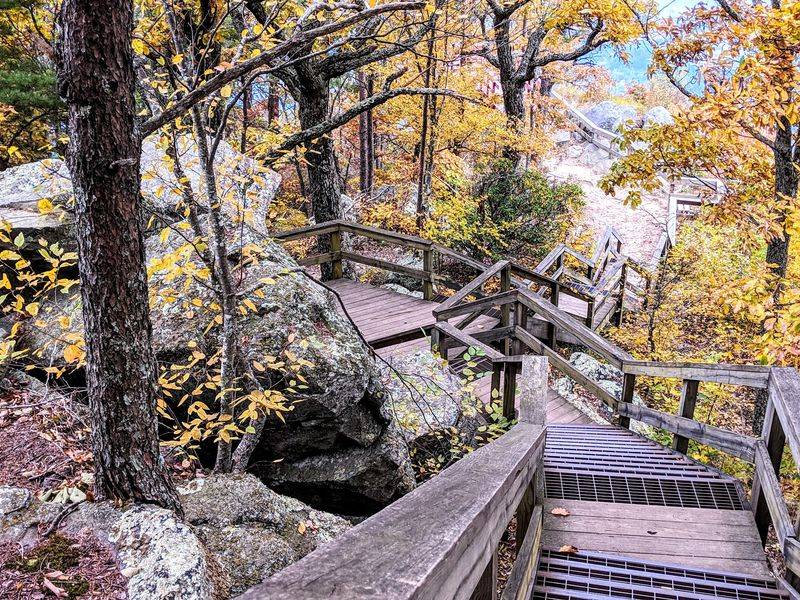
Nobody knows who stacked these stones. That single unanswered question makes the wall at Fort Mountain more unsettling than any ghost tour.
The structure zigzags for 855 feet along the ridge. Its dimensions vary along the ridge, with some sections rising several feet above the surrounding ground.
Several legends have attempted to explain the wall’s origins, but archaeologists generally associate it with Indigenous peoples of the region. Its builders and precise purpose remain uncertain.
Some researchers suspect ceremonial use rather than defense. Pits, cairns, and stone rings scattered along the wall support that idea.
Local legends add distant drums, flickering lights, and glimpses of men in bearskins. Standing there in fog, you understand how such stories started.
The hike to the wall is manageable for most visitors. Interpretive signs explain the competing theories without pretending anyone has solved it.
Beyond the mystery, the park earns its keep. Mixed forests, big ridge views, and a 17-acre mountain lake fill an easy afternoon.
Pack water and a light jacket, since ridge weather turns quickly. Overlook light is best in late afternoon when the valleys go gold.
You will find the entrance at 181 Fort Mountain State Park Rd, Chatsworth, GA 30705. Give yourself half a day, because the wall alone deserves unhurried attention.
Touching cold, moss-covered stone that predates written records is humbling. Few attractions offer that feeling for the price of a parking pass.
7. Mercer Williams House Museum, Savannah
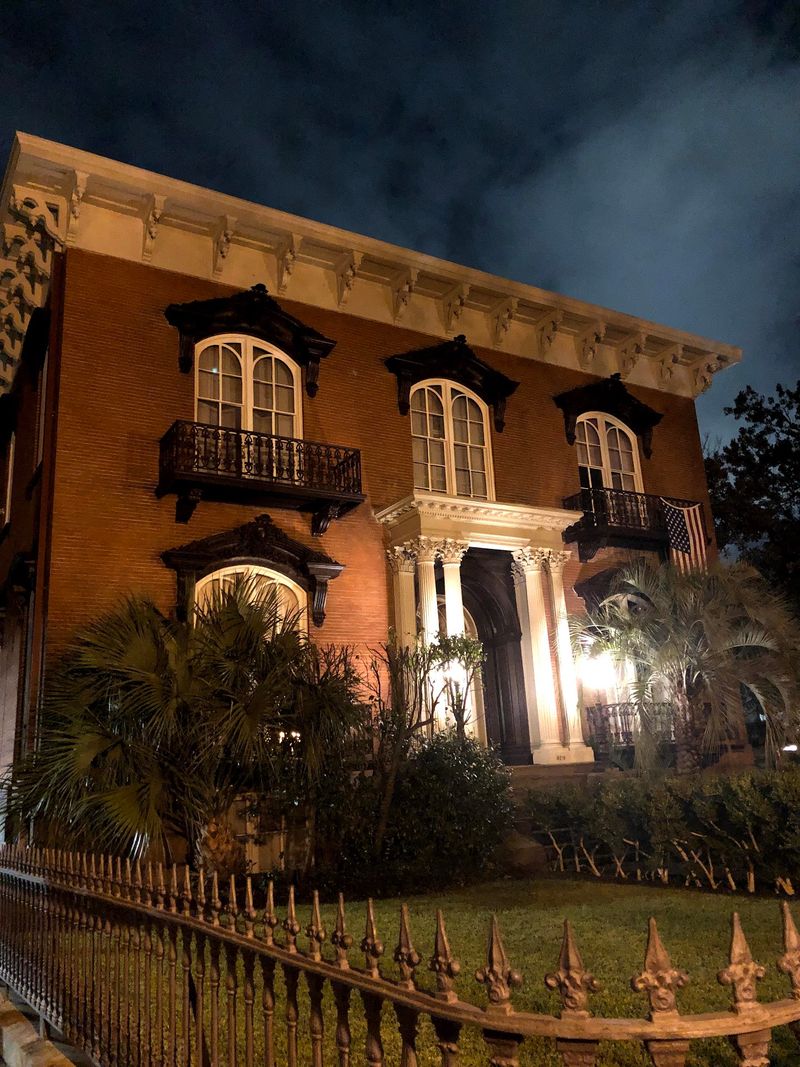
Books can turn a house into a landmark. This Italianate mansion on Monterey Square became internationally famous through Midnight in the Garden of Good and Evil.
Construction started in 1860 for General Hugh Weedon Mercer. Work paused for several years, and a later owner finished the house in 1868.
Preservationist Jim Williams bought the property in 1969. His careful restoration returned the interiors to their original grandeur.
The museum now shows his private collection. Fine art, antique furnishings, and Chinese export porcelain fill the formal rooms.
What surprised me was the atmosphere. Even with visitors present, the rooms hold a hushed, watchful stillness that photographs never capture.
Family members still live in part of the house. That detail explains the strict tour boundaries and the lived-in feeling downstairs.
Guides focus on architecture, art, and preservation rather than sensational tales. Honestly, the real history is more interesting anyway.
Guided tours are offered on a first-come, first-served basis and generally depart every 20 to 40 minutes. Arriving earlier can help during busy periods.
The address is 429 Bull St, Savannah, GA 31401. Live oaks and Spanish moss frame the facade, and the square out front is a fine place to sit afterward.
Photography inside is limited, so bring your attention instead. The carved details and window proportions reward slow looking.
8. Windsor Hotel, Americus
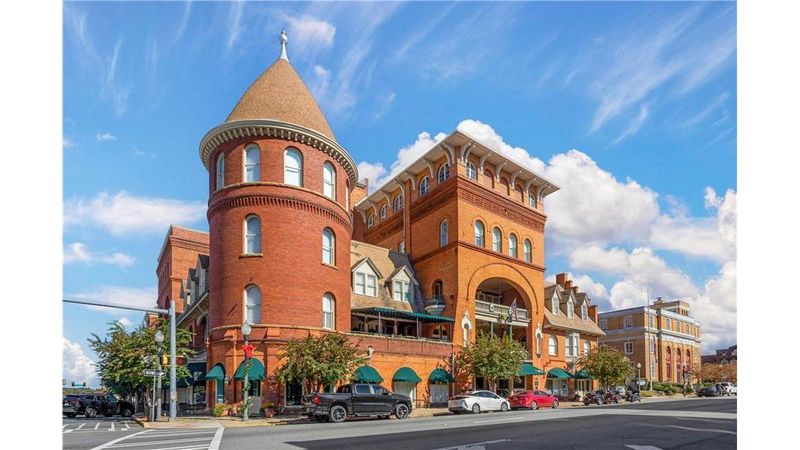
Five stories of Victorian brick filling almost an entire city block will stop you mid-step. In a small town, the effect is even stronger.
The hotel opened in 1892 from designs by architect Gottfried L. Norrman.
Its signature tower and ornate balconies still define the streetscape.
Step inside for the real showstopper. A dramatic three-story open atrium lobby rises above you, wrapped in wooden railings and warm light.
Original details survive throughout the building. Floors creak in the right places, and the woodwork carries genuine age.
Wealthy winter travelers from northern states were the original target guests. Elevators and electric railway access counted as serious luxury back then.
The doors closed in the 1970s. A major restoration revived the property, and it reopened in 1991 to considerable local pride.
There are now 53 period-style rooms and suites, each individually designed. Modern comforts blend with the original architecture rather than fighting it.
The guest register includes Franklin D. Roosevelt and heavyweight champion John L.
Sullivan. Standing in that lobby, the history feels close enough to touch.
Long hallways and tall shadows give the place a pleasantly eerie hush after dark. That mood is exactly why it belongs on this list.
The address is 125 W Lamar St, Americus, GA 31709. Even non-guests can admire the atrium and the tower from the sidewalk.
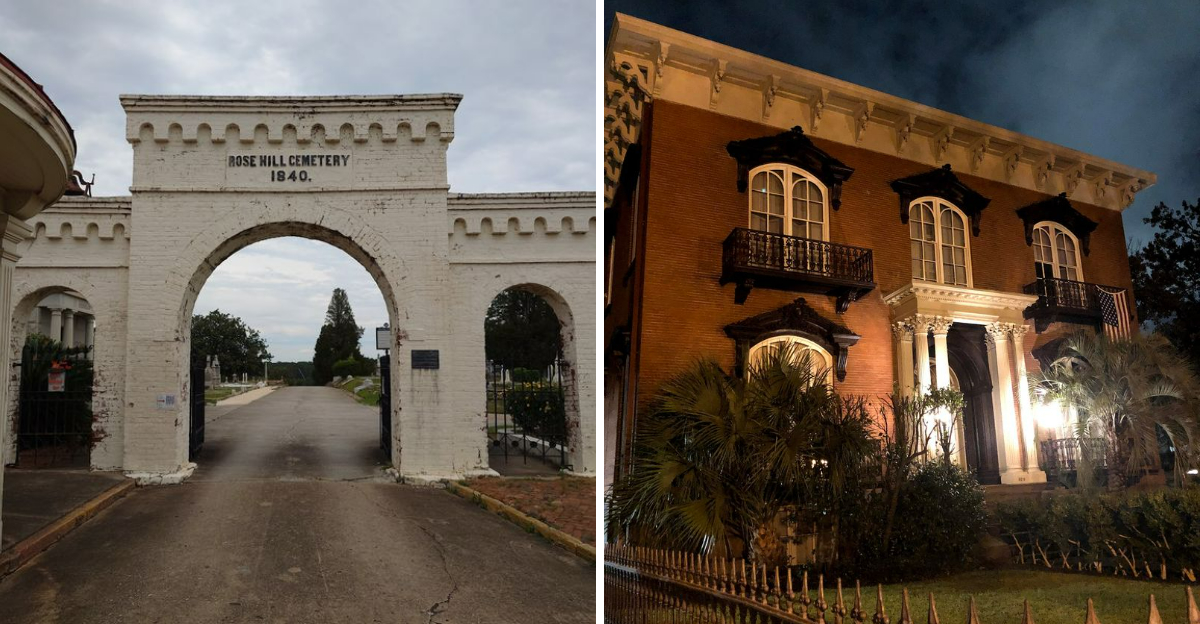
9. Rose Hill Cemetery, Macon
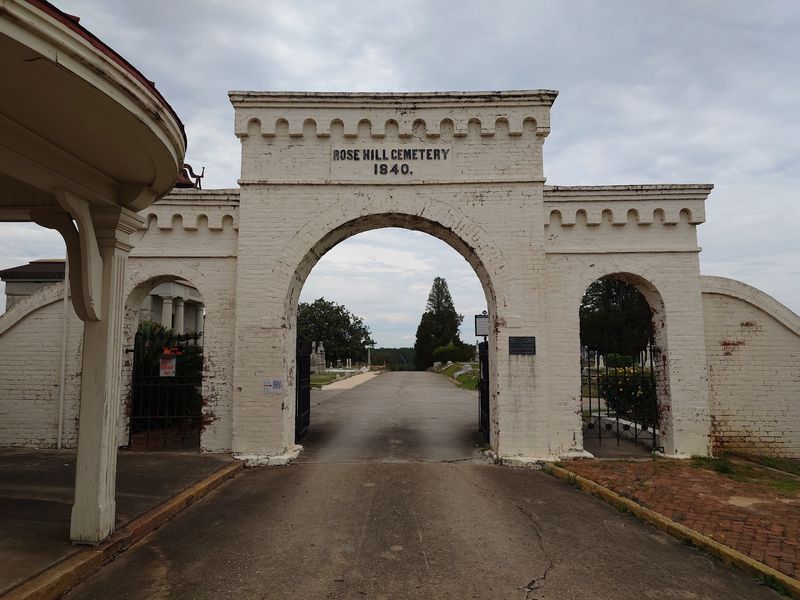
Picnics in a cemetery once counted as a normal Sunday. Rose Hill was designed for exactly that kind of visit.
Established in 1840, it is a garden cemetery in the fullest sense. Rolling hills and terraced paths overlook the Ocmulgee River.
Designer Simri Rose wanted a peaceful resting place that doubled as a public park. Families walked the lanes and spread blankets among the monuments.
Ornate mausoleums and intricately carved headstones give the grounds their character. Stone urns, angels, and weathered lettering appear around nearly every bend.
The cemetery is listed on the National Register of Historic Places. Many notable Macon residents rest here, including members of the Allman Brothers Band.
A dedicated section holds the graves of Confederate soldiers. The rows of markers make the scale of that era plain.
Late afternoon is when the place turns beautiful and a bit melancholy. Long shadows stretch across the slopes, and the river glints below.
Music fans should expect other quiet visitors. Respect goes a long way, since this remains an active burial ground.
Comfortable shoes matter, because the terrain rolls more than photos suggest. Bring water in summer and stay on the drives and paths.
The address is 1071 Riverside Dr, Macon, GA 31201. Give yourself an hour, then admit you needed two.