10 Family-Friendly Connecticut Trails That Even Little Kids Can Handle
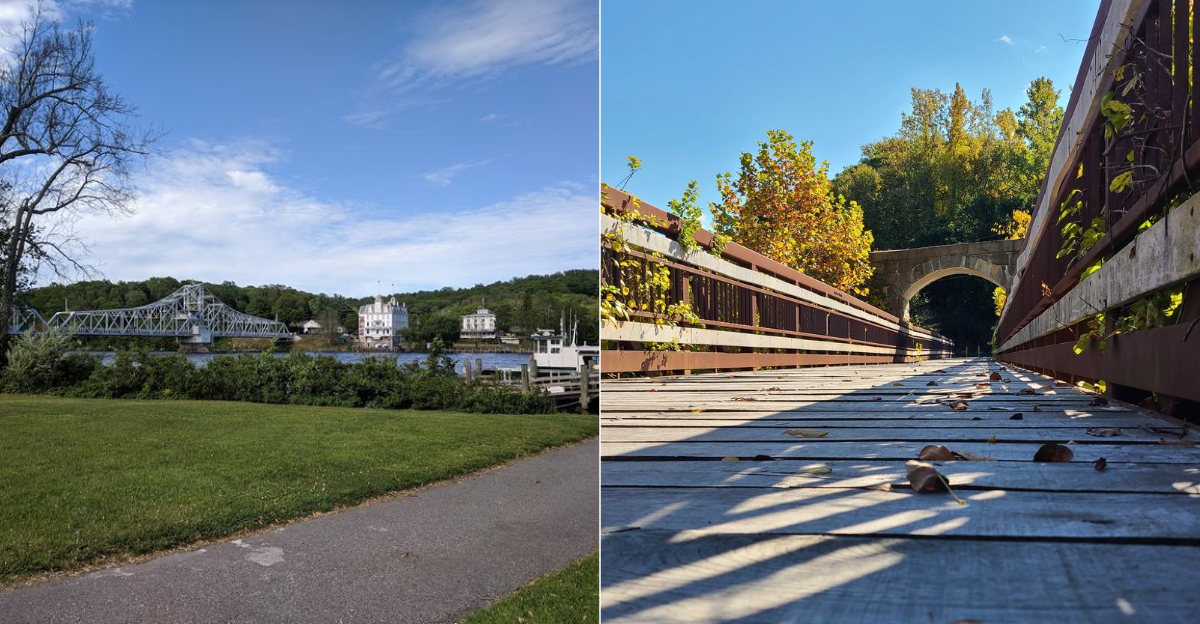
Connecticut has family trails where little legs can keep up without turning the outing into a rescue mission.
That changes everything for parents. A walk through the woods becomes fun instead of a countdown to hearing “Are we there yet?”
These routes keep the terrain manageable, which gives kids more time to notice what is around them. A bridge can become a major event.
A funny-looking rock may somehow deserve several minutes of serious inspection. That slower pace works perfectly.
You do not need a huge summit to make the day feel adventurous. A short path with an interesting destination can give kids plenty to talk about afterward.
Parents get a calmer outing too, especially when the trail does not demand tricky footing.
The goal is not to finish exhausted.
It is to end the walk with everyone still smiling, still curious, and maybe even willing to do another trail next weekend.
1. Rogers Park Pond Trail, Danbury
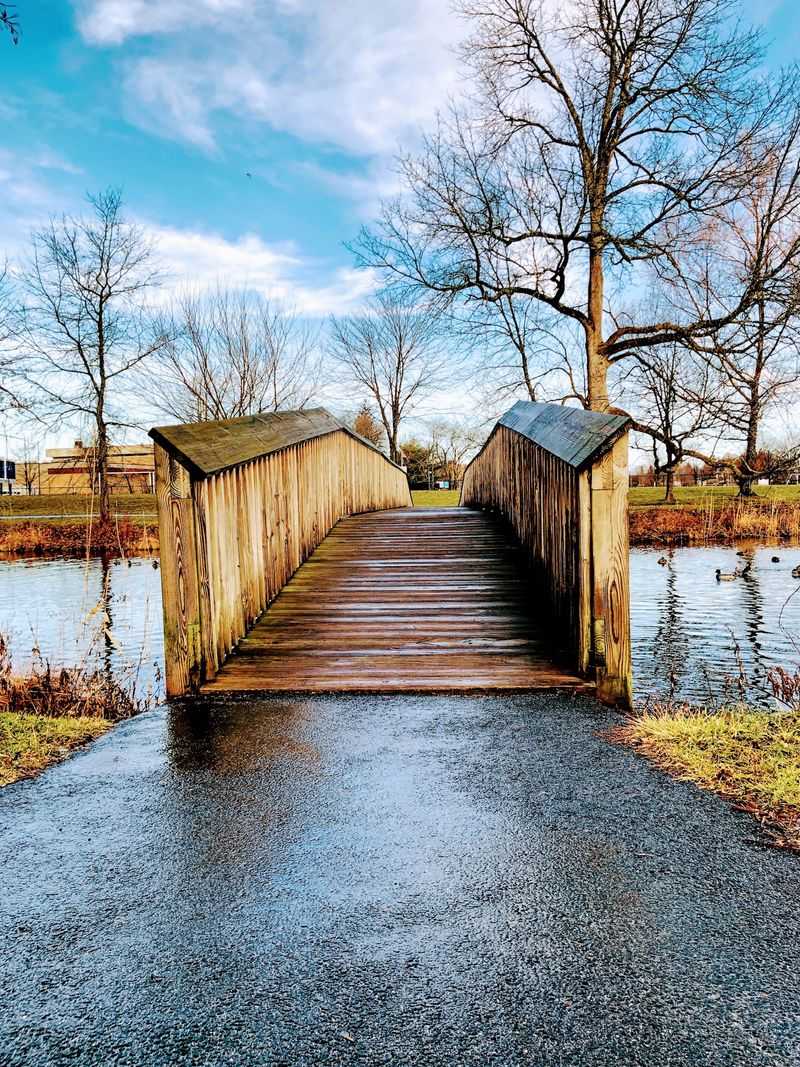
Sometimes the best family walks are the ones that do not ask much from little legs. Around the pond at Rogers Park, the trail keeps the outing manageable while still giving kids plenty to notice along the way.
Trees soften the city setting, and the water adds a calm backdrop that can make a short walk feel like a real outing.
The park covers 56 acres in Danbury, with the pond and its nature trail forming just one part of a larger recreation area. A footbridge adds interest along the route, while the nearby playground gives younger visitors an easy reason to keep going.
During the warmer season, the adjacent spray park opens from 11 a.m. to 7 p.m., making it easy to extend the visit after the walk.
Families can also use picnic areas, while the broader property includes athletic fields and courts for several sports. The Danbury War Memorial building is part of the complex and hosts community activities.
Rogers Park is at 21 Memorial Drive, with the playground close by on Lions Way. With walking space and plenty of room to linger, this city park can turn a simple stroll into an easy afternoon.
2. Birdcraft Sanctuary Loop Trail, Fairfield
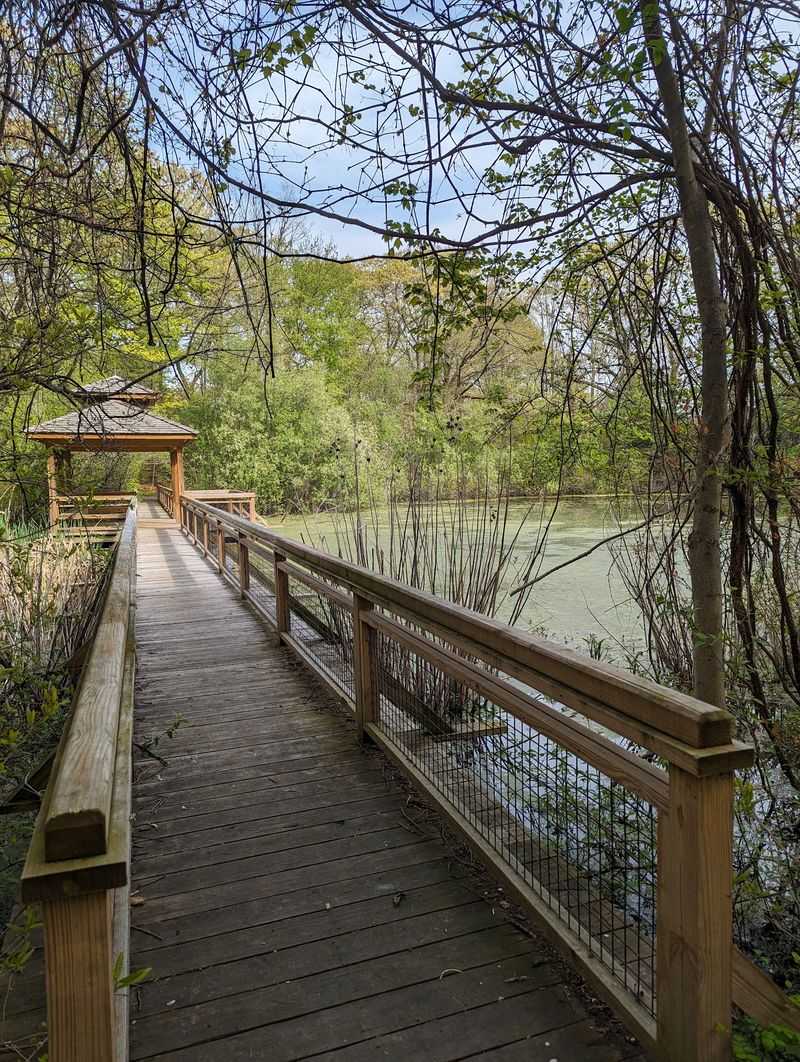
Here is a bit of history worth telling kids on the walk: Birdcraft opened in 1914 and is considered one of the earliest private songbird sanctuaries in the country. It is small, only a few acres, and that is exactly why it suits short attention spans.
The loop inside the fenced grounds runs mostly flat and takes just minutes to complete, though most families end up lingering far longer than the distance suggests. A pond, benches, and thick plantings pull in migrating birds, so there is nearly always movement in the branches.
Because the sanctuary is enclosed and compact, parents can let children move ahead a little without losing sight of them. Bring binoculars if you own a pair, and encourage kids to stand still for thirty seconds to see what shows up.
Run by the Connecticut Audubon Society, the property sits at 314 Unquowa Road in Fairfield, a short drive from the town center. Hours and staffing can vary by season, so a quick check before heading over saves disappointment.
Spring and fall migration periods deliver the liveliest visits, but the shaded paths feel pleasant in summer too.
3. Ansonia Nature Center Self-Guided Trail, Ansonia
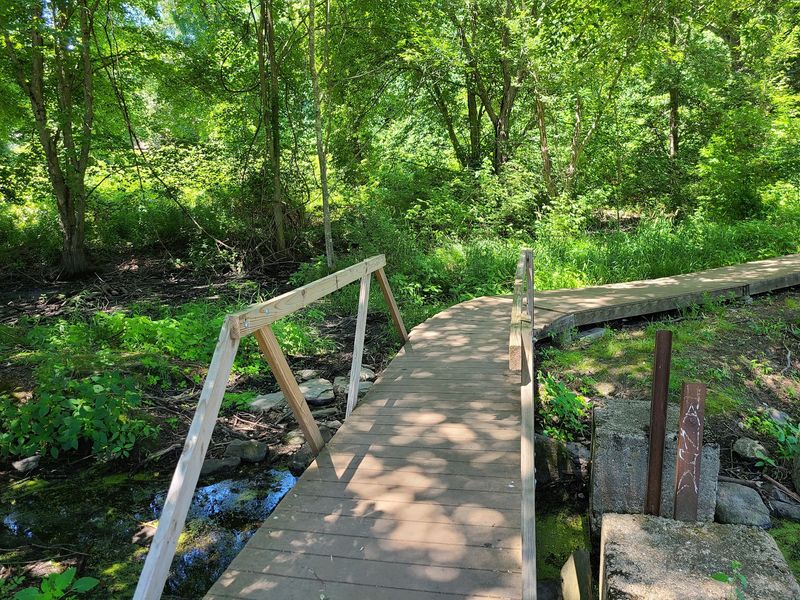
Kids who enjoy having a mission can turn this outing into more than a simple walk. The self-guided trail uses informational signs to point out features along easy terrain, with a narrow boardwalk carrying visitors through wetter sections.
That keeps the route interesting without asking hikers to tackle anything too demanding. Elsewhere, wooded stretches open toward grassy areas and Redwing Pond, so the scenery keeps changing as families move around the 156-acre property.
The nature center welcomes visitors at 10 Deerfield Lane in Ansonia.
Inside, exhibits and animal ambassadors can give curious kids another reason to linger after the trail. Restrooms in the building are handy when the outing involves younger children.
Near the pond, frogs and other wetland activity can add extra discovery during warmer months, while the boardwalk makes damp areas easier to cross.
A playscape and picnic spaces can stretch the visit beyond hiking. The park is open from sunrise to sunset, while visitor center hours follow a separate schedule that can change with staffing or holidays.
Admission is free, so families can keep the day simple.
4. Trail Of The Senses/Braille Trail At White Memorial Conservation Center, Litchfield
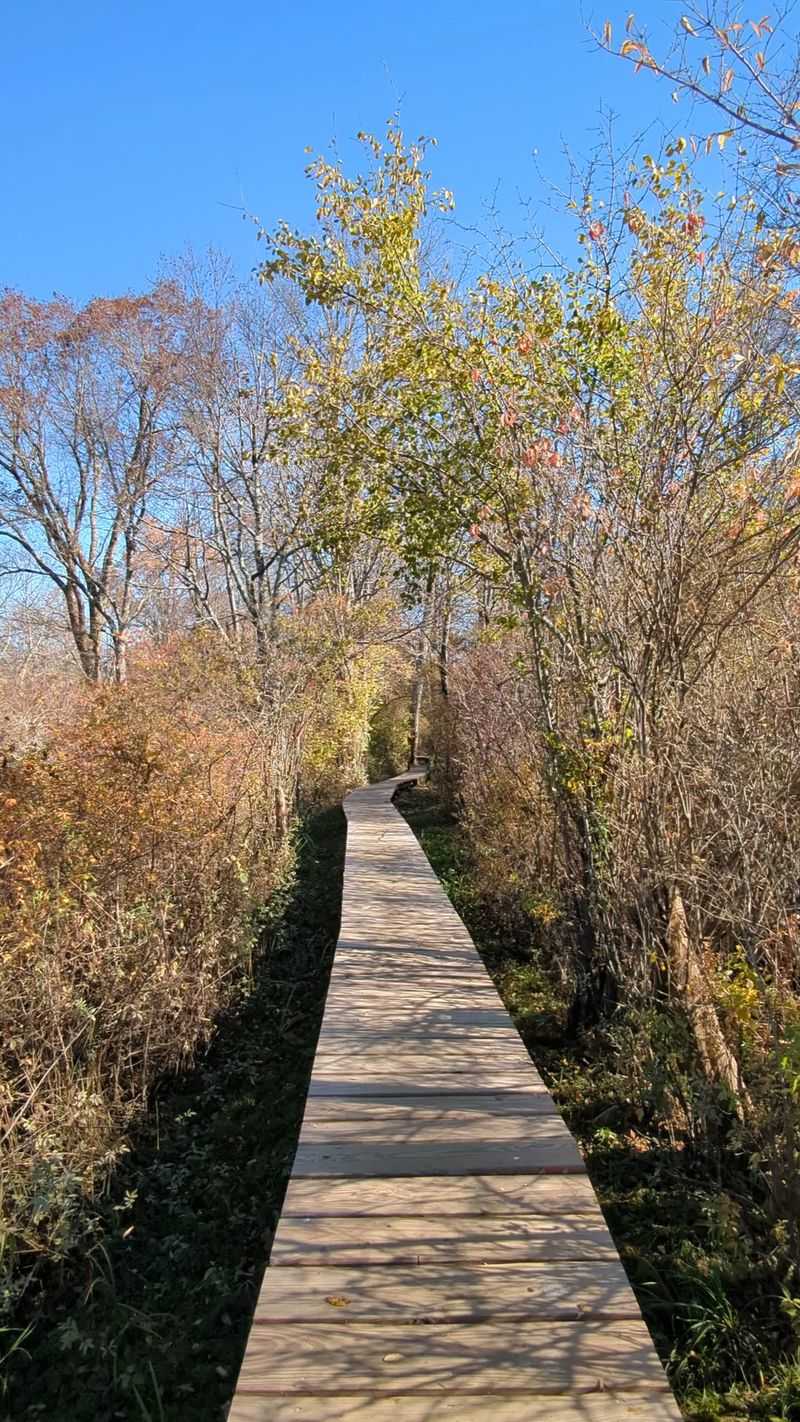
The 0.3-mile Trail of the Senses/Braille Trail uses interpretive plaques, including Braille signs, to encourage visitors to explore nature through their senses. Roots and waterbars are present, so some visitors may need assistance.
The route is level and easy, threading through woods on a property that covers roughly 4,000 acres in the Litchfield Hills. You can finish it quickly, then decide whether anyone has energy for more.
White Memorial Conservation Center, at 80 Whitehall Road in Litchfield, anchors the whole preserve. Its museum holds natural history exhibits and hands-on displays that work well for elementary-age kids, and an admission fee applies to the museum while the trails themselves are free.
Bathrooms, parking, and trail maps are available at the center, which makes starting your visit there the sensible move.
Nearby Bantam Lake and miles of additional flat carriage-style paths give older siblings somewhere to roam. Fall color in this part of the state is especially generous.
5. Bog Trail At Auerfarm, Bloomfield
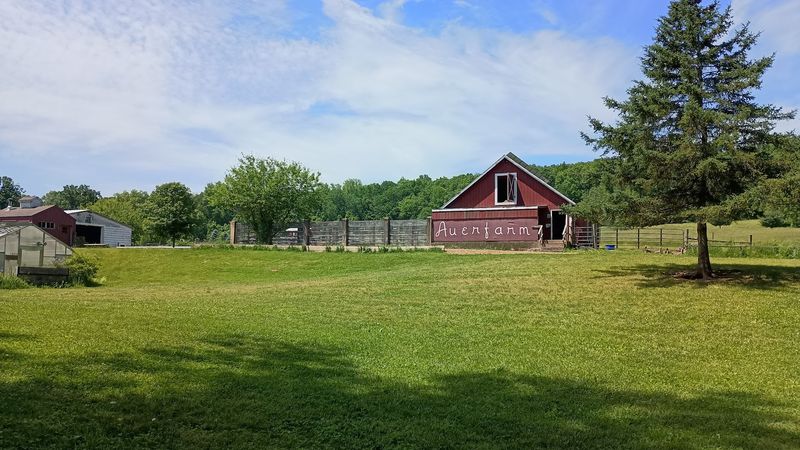
A farm and a bog in one stop is an unusual combination, and Auerfarm pulls it off. The Bog Trail carries walkers over soggy ground on a boardwalk, which kids find far more exciting than ordinary dirt.
Auerfarm is a 120-acre educational farm in Bloomfield, and the trail network winds past orchards, fields, and animal areas before reaching the wetter sections. Farm animals near the start give younger children an easy win right away.
Because the walking is flat and the loops are short, families with toddlers can pick and choose how far to go. Older kids tend to want to spot every frog and turtle along the boards.
The property, at 158 Auer Farm Road, opens its trails to the public, though programs, farm stand availability, and animal viewing depend on the season and staffing. Checking hours ahead of a weekend trip is wise.
Spring brings apple blossoms and mud, summer brings dragonflies, and autumn brings the orchard at its best. Bug spray earns its place in the bag from June onward.
6. Eagle Landing State Park Loop, Haddam
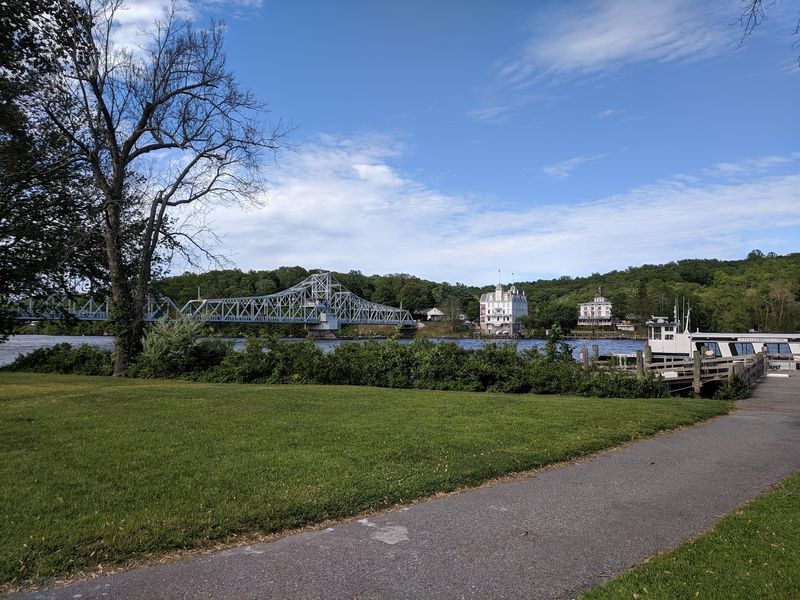
Views usually cost you a climb. Not at Eagle Landing, where a level path along the river hands over big water scenery for almost no effort at all.
The park is compact, and the walking loop near the shoreline is short enough that a four-year-old can complete it without a single carry. Benches face the river, and the swing bridge between Haddam and East Haddam is visible from parts of the property.
Winter has its own draw here. Bald eagles gather along this stretch of the river in the colder months, and the open sightlines make spotting them realistic even without much birding experience.
Signage explains the site’s shipbuilding and river history, adding context for kids who ask what used to be here. Parking is right off Little Meadow Road, with the entrance at 14 Little Meadow Road in Haddam.
Amenities are minimal, so treat this as a quick, scenic stop rather than an all-day outing. Pairing it with lunch in nearby Haddam or a ride on the local river ferry when it is running makes a full morning.
7. Cedar Island Trail At Hammonasset Beach State Park, Madison
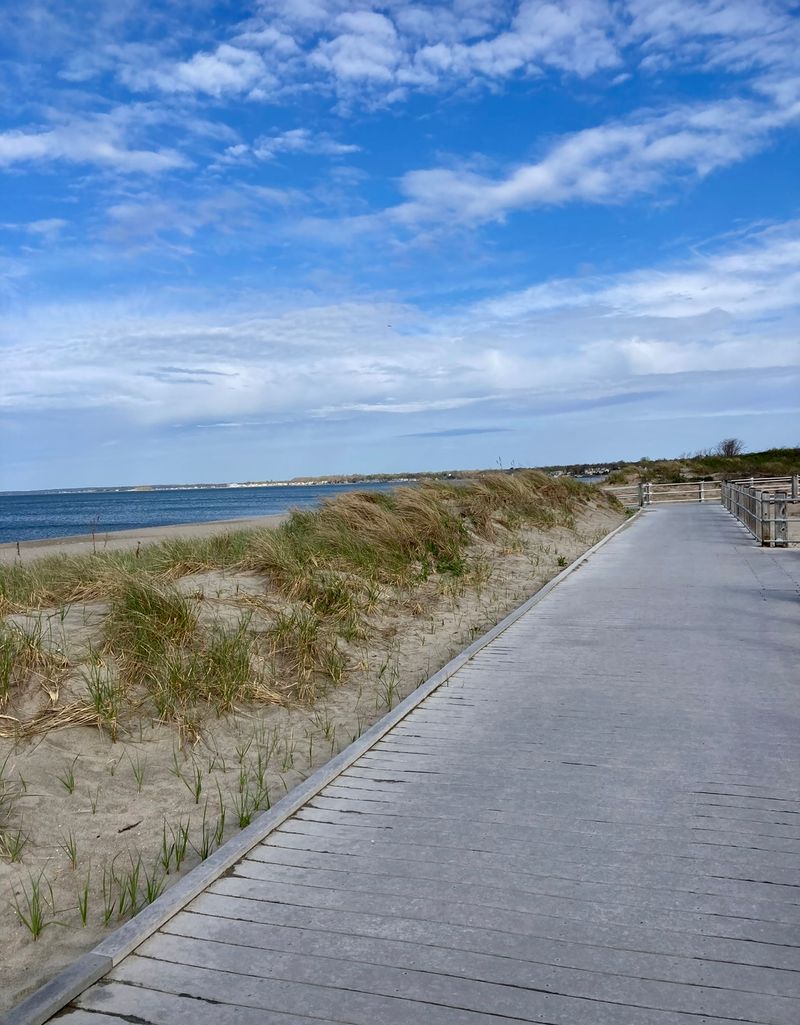
Coastal walks do not need to be long to feel memorable. This easy route brings families close to marsh grasses and open water without demanding a strenuous hike.
Cedar Island Trail stretches about 0.6 miles through Hammonasset Beach State Park and is officially rated easy. The park is the state’s largest shoreline park, with more than two miles of sandy beach and views across Long Island Sound.
Kids can watch for crabs near the marsh and scan the sky for ospreys as the trail moves toward a viewing platform.
Families can fold the walk into a beach day. Seasonal restrooms and picnic areas are available around the park, while Meigs Point Nature Center adds another indoor stop nearby.
Shade can be limited around the marsh, so water and sun protection are useful on warmer days.
The main entrance is at 1288 Boston Post Road in Madison. Parking is free for vehicles registered in the state, while nonresident vehicles pay seasonal fees.
Arriving earlier can make summer weekends simpler. Spring and early fall are especially comfortable for a quieter shoreline walk.
8. Meadow Loop At Denison Pequotsepos Nature Center, Mystic
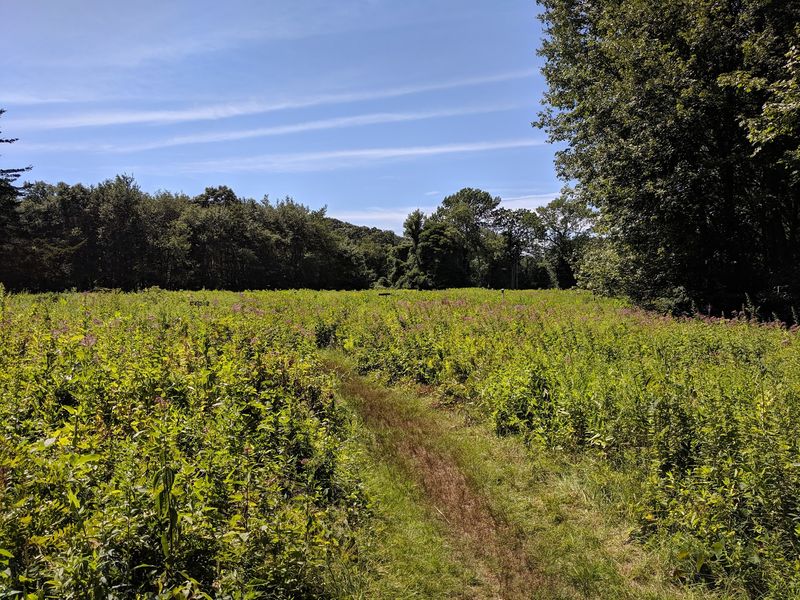
Grasshoppers in the tall grass tend to steal the show on the Meadow Loop, a short, mostly open path near the main building at Denison Pequotsepos Nature Center. Butterflies, bird boxes, and wildflowers give the walk constant small distractions.
The nature center protects a preserve of roughly 300 acres in Mystic, with a trail system that ranges from very easy to moderately rooty. The meadow route sits firmly at the easy end, which makes it the right first choice with preschoolers.
Indoors, live raptors and reptiles, natural history exhibits, and an admission-based visitor center round out the trip. Trails and building access have their own hours and fee structure, so families usually plan around both.
Head to 109 Pequotsepos Road for parking and the trailhead. From there, downtown Mystic and the seaport are only a few minutes away if the day calls for more.
Ticks live in meadow grass, so long pants and a check afterward are sensible. Summer mornings are cooler and the insect watching is at its liveliest right after the dew dries.
9. Putnam River Trail, Putnam
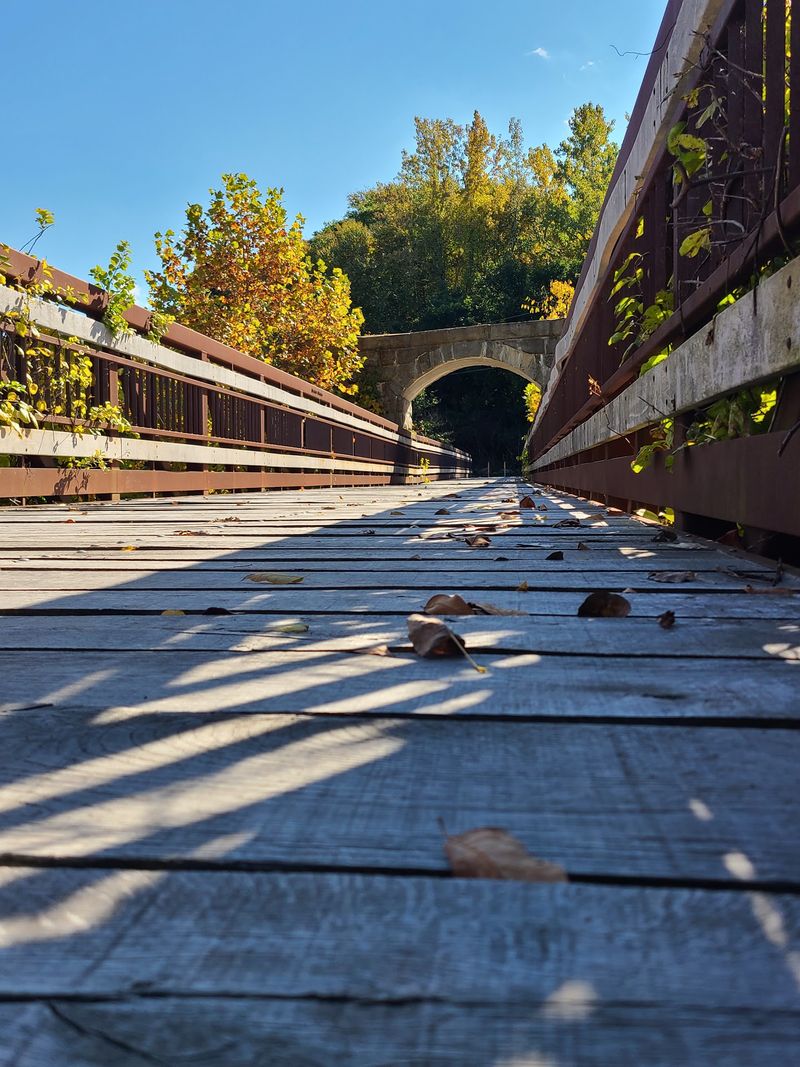
Pavement, a river, and a downtown full of snacks at the end. The Putnam River Trail follows the Quinebaug River on a smooth, level surface that suits strollers, balance bikes, and scooters just as well as walking shoes.
Access from Kennedy Drive in Putnam puts you close to the water, and the trail continues north for a few miles for anyone with energy to spare. Families rarely need the whole distance; a short out-and-back to the rapids and back is plenty.
Old mill buildings and bridges along the route tell the story of a town built around water power. Kids usually care more about the rushing water itself, which is loud and dramatic after heavy rain.
The trail connects into Putnam’s walkable downtown, where cafes and shops sit within easy reach of the path. That makes it one of the simplest trips on this list to turn into an afternoon outing.
Shade varies along the way, and the paved surface means the trail stays usable in shoulder seasons when dirt paths get sloppy.
10. Braille Trail At Scantic River State Park, Broad Brook
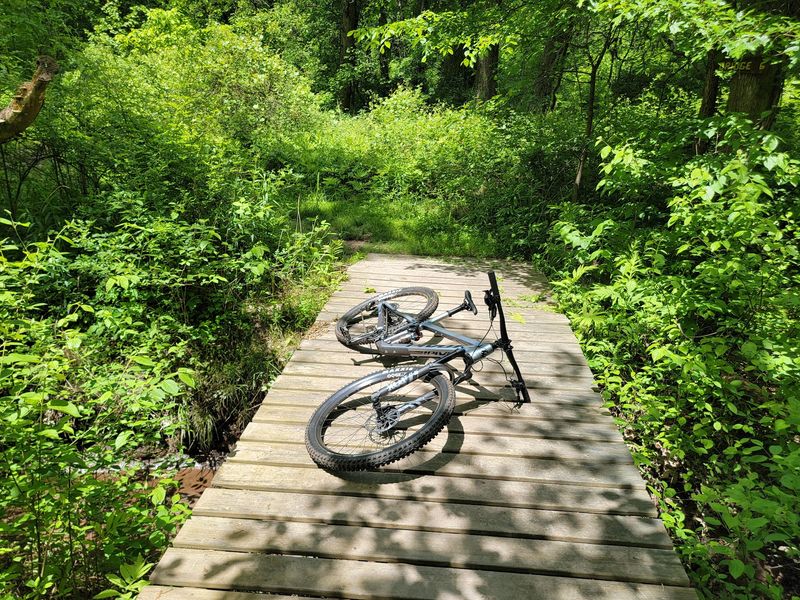
Quiet woods make this little trail feel instantly different. The Braille Trail in the Broad Brook section of Scantic River State Park runs about 880 feet, but its 11 signs in Braille and English give children something specific to notice as they move along.
The route begins by crossing the old Melrose Bridge, then continues beside the river through a peaceful stretch of forest.
Because the walk is short, families can slow down without worrying about covering much ground. Kids can listen for birds and notice the water nearby.
The signs give the outing another interactive element, while benches around the broader trail system create easy pause points.
The surrounding park includes longer paths if everyone still has energy, though wet conditions can affect footing after storms. Facilities are limited, so bringing water and handling restroom stops beforehand makes the visit easier.
Parking for this section is at the end of 100 Melrose Road in Broad Brook. The Braille Trail begins close to that parking area and stays pleasantly manageable.
Spring and fall bring color to this simple riverside walk.