The Connecticut City Changing So Fast Longtime Locals Say It Feels Different Now
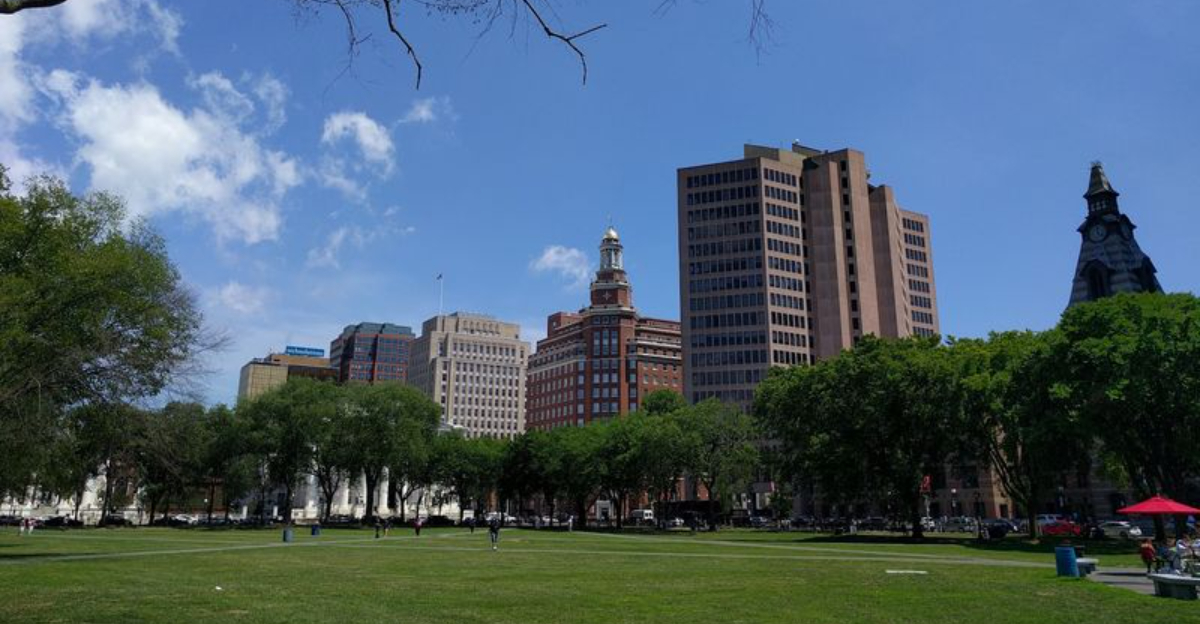
Lately, Connecticut feels different in this fast-changing city, especially to people who remember how it looked years ago.
New buildings rise where familiar corners once stood. Neighborhoods keep evolving, and places that felt permanent can suddenly belong to an older version of the city. The reaction is complicated.
Growth brings fresh energy, while memory has its own stubborn pull. Longtime locals may recognize the street names but feel less certain about everything around them.
The city is not standing still, and nobody has to look very hard to notice.
A familiar block can carry a completely different rhythm after enough new development arrives. That can be exciting, but it can also make people miss details they never expected to care about.
Change does not erase the past overnight. It simply makes the contrast harder to ignore.
How much can a city transform before longtime residents stop recognizing the place they remember?
1. Familiar New Haven With A Fast-Changing Look
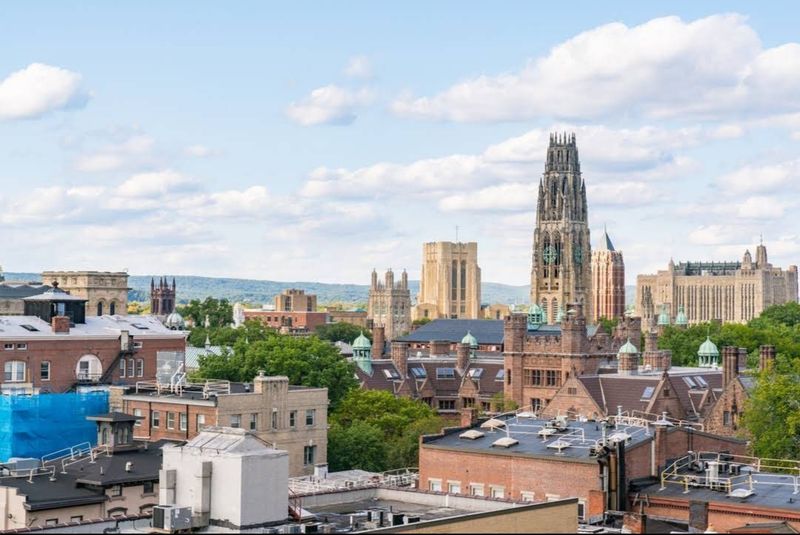
Change is becoming part of the scenery here. Familiar corners still feel recognizable, but the details keep shifting.
Around the Green and Yale’s campus, historic buildings continue to anchor downtown while newer projects reshape nearby blocks. Construction activity and updated road markings make some stretches look noticeably different from one visit to the next.
One of the clearest examples is Chapel Street. In April 2026, the section between College and York streets returned to two-way vehicle traffic after operating one way for years.
The change was designed to improve safety while making downtown circulation more direct.
Small adjustments like that can completely alter a routine drive. Routes that once required extra turns may now feel simpler, especially when heading toward shops or other destinations near the center of New Haven.
Visitors may still run into construction or unfamiliar lane patterns as improvements continue. Giving yourself a little extra time can make parking and exploring much easier, especially if you have not been downtown recently.
What makes the transformation interesting is how much remains familiar underneath it all. The historic character has not disappeared.
Instead, the city keeps updating around it, creating the feeling that every return visit reveals one more change you did not notice before.
2. New Housing Reshaping The Downtown Skyline
Ten thousand new housing units in ten years. That is the goal New Haven has set for itself, with a commitment that at least 30 percent of them be affordable.
The pressure behind that number is real. Demand for city living has stayed strong and the residential vacancy rate has been notably low, which is why officials approved the Downtown for All Overlay District to simplify rules and allow denser building in the core.
Projects are already taking shape. The State and Crown Street development, at George and State Street, is set to add 279 units with 70 of them affordable, plus more than 15,000 square feet of retail and community space.
Along the State Street corridor between the train station and the former Coliseum site, plans call for two buildings holding 460 mixed-income apartments, a quarter of them reserved as affordable.
The Hill-to-Downtown Project pushes the same idea south.
Its first phase brought a four-story building on Gold Street with 110 apartments, 30 percent of them affordable, followed by two additional apartment buildings on Lafayette Street and Congress Avenue that were completed in 2020.
Add it all up and the downtown silhouette is genuinely changing, block by block, rather than all at once.
3. Downtown Life Just Inland From The Harbor
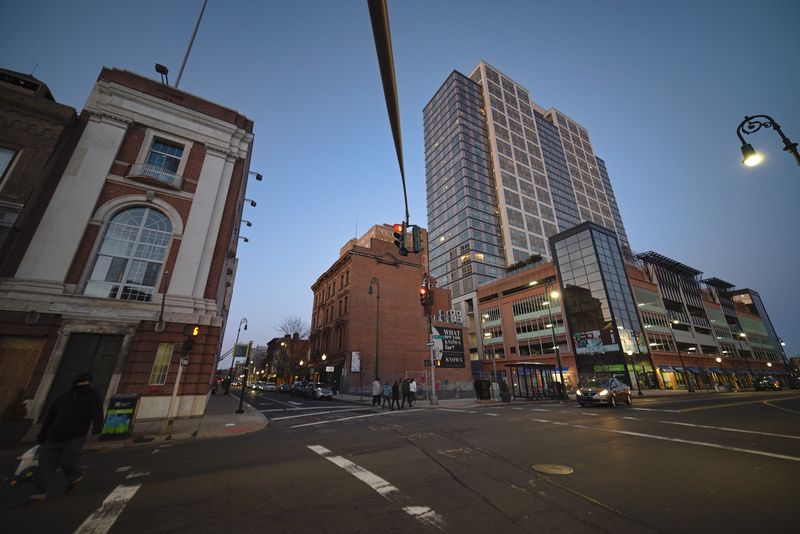
More apartments mean more people, and more people mean busier sidewalks. That is the quiet math behind how downtown New Haven feels different from a few years ago.
Sitting a short distance inland from the harbor, the city center benefits from a compact layout where most errands happen on foot. New buildings are being designed with that in mind, adding ground-floor retail and community rooms rather than blank walls.
Look at what is planned at State and Crown Street or the blocks near Union Station. Shops, services, and gathering spaces at street level tend to keep a neighborhood active well past the end of the workday.
The Downtown Crossing project supports the same shift. Its purpose is not only rebuilding roads but reconnecting areas long separated, which makes walking between districts feel natural instead of awkward.
For visitors, this is good news. Park once, then explore museums, restaurants, and the Green without hunting for another parking space.
Residents who have watched the transformation often mention how much livelier evenings feel now. There are more windows lit, more foot traffic, and more reasons to linger downtown after dinner instead of heading straight home.
4. Science Park Entering A New Residential Era
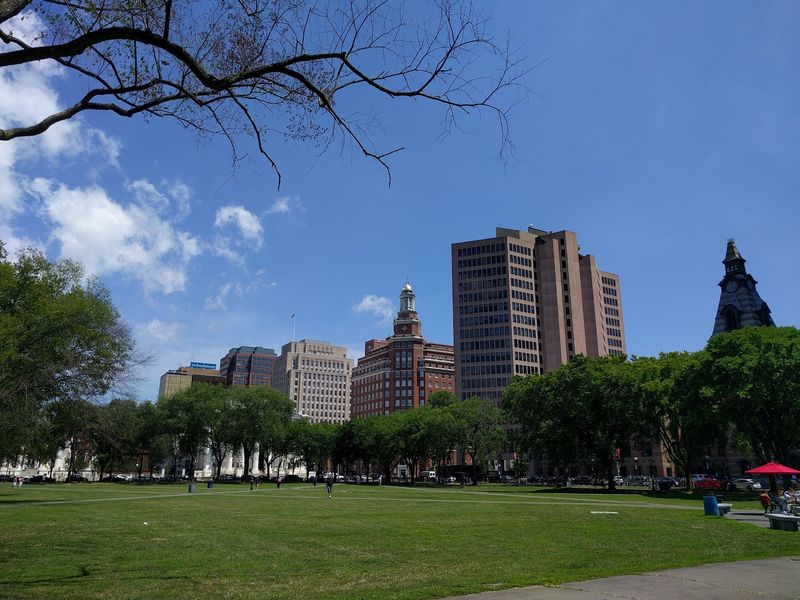
Old factory walls are getting a second act. What once felt purely industrial now looks increasingly like a neighborhood built around research, housing, and new businesses.
The transformation has accelerated in 2026. The Winston opened in March with 283 mixed-income apartments, including 57 affordable units, plus 12,800 square feet of retail space and new public areas designed to connect nearby neighborhoods.
That addition pushed residential life much deeper into a district long associated with laboratories and offices.
Science Park already included Winchester Lofts, a redevelopment with 158 apartments, along with roughly 300,000 square feet of lab and office space spread across several buildings.
Startups, biotech companies, Yale offices, and community organizations now share a campus shaped by the heavy brick architecture of its manufacturing past.
That contrast makes the area interesting even before another project arrives. Old masonry remains visible while renovated entrances and newer construction point toward a very different future.
The district is centered at 5 Science Park in New Haven, also known as 395 Winchester Avenue. More development is being discussed as the city expands its life-science and innovation economy.
For now, the neighborhood feels like a place where an old industrial footprint is being steadily rewritten.
5. Union Station Facing Its Biggest Reinvention In Years
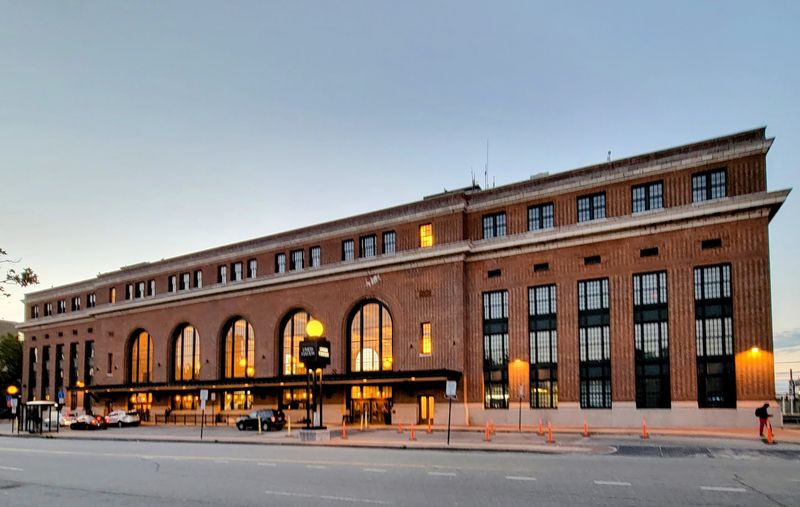
Connecticut’s busiest rail station is about to look and work very differently. Union Station sits at the center of more than 700 million dollars in combined public and private investment, its largest reinvention in decades.
The biggest piece is a 402 million dollar plan to overhaul the platforms and trainshed.
That work includes rebuilding and extending platforms, building a full-length canopy across the tracks, and rehabilitating the passenger tunnel linking the historic head house to the trains, with construction expected to begin in spring 2029.
Alongside it runs a 316.1 million dollar transit-oriented development.
Two 16-story mixed-use towers are planned on underused state land, holding 470 apartments with 118 affordable, over 28,000 square feet of commercial space, 26,000 square feet of residential amenities, and 294 structured parking spaces.
Construction is split into phases, the first expected to run from late 2026 into early 2028 and the second from August 2029 to November 2031.
Then there is Union Square, an 8-acre vacant site across from the station once occupied by the Church Street South housing complex. Its current master plan calls for up to 2,500 mixed-income apartments and townhomes, along with commercial space and other neighborhood amenities.
6. Downtown Crossing Reconnecting Long-Divided Streets
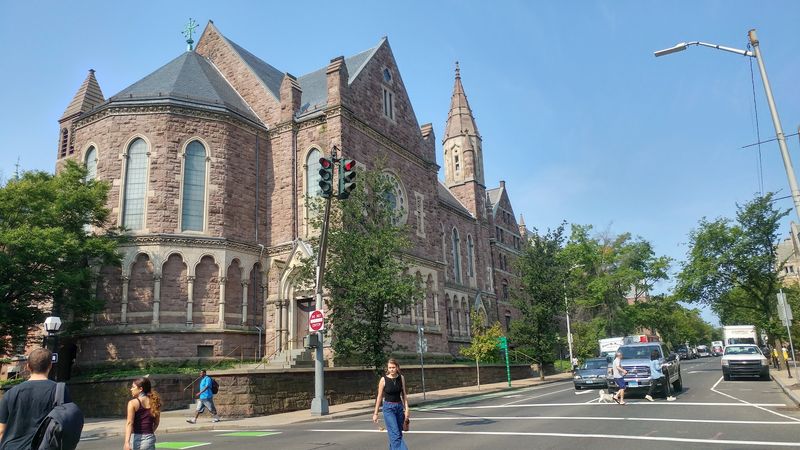
Sometimes a road project changes far more than traffic. Here, it is helping stitch together parts of the city that spent decades separated.
The former Route 34 expressway, commonly called the Oak Street Connector, once created a wide divide between downtown and nearby neighborhoods.
Now the Downtown Crossing project is replacing that old highway footprint with slower urban boulevards designed around easier movement on foot and by bicycle.
The transformation also returns roughly 10 acres of former right-of-way for future development.
Rebuilding the street grid is a major part of the idea. Orange Street has already been reconnected with South Orange Street, creating a more direct route between central New Haven and areas farther south.
Wider sidewalks, bicycle infrastructure, new crossings, and public space make the corridor feel increasingly like part of the city rather than a leftover expressway zone.
The first three phases are complete, including the rebuilt College Street Bridge and the restored Orange Street connection. Phase IV remains in planning and is intended to add a bridge linking Temple Street with Congress Avenue.
That final connection would continue a much larger goal: making neighborhoods that once felt divided work together again.
7. Long Wharf Getting A Major Waterfront Makeover
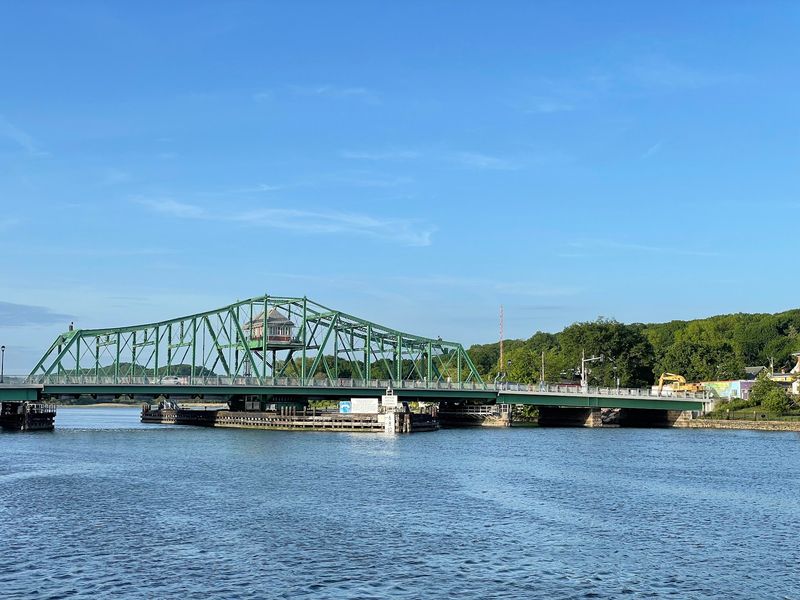
Long Wharf has one of the best harbor views in the city, and for decades highway infrastructure made it surprisingly hard to enjoy. The construction of I-95 pushed the waterfront to the far side of fast-moving traffic.
The Long Wharf Responsible Growth Plan aims to change that, turning the district into a mixed-use neighborhood built around coastal resiliency and better public access to the water.
Plans call for expanding and upgrading Long Wharf Park into a real waterfront destination. Ideas include a community marina beside the Canal Dock Boathouse, a covered food truck plaza, improved biking and walking paths, and new shoreline landscaping.
New mixed-use zoning for the neighborhood was adopted in 2024 to support that vision. Roadway reconfiguration work has already begun, with more expected in 2026 and 2027, including closing sections of Long Wharf Drive to through traffic.
Protection matters just as much as recreation here. A 160 million dollar project led by the U.S.
Army Corps of Engineers is advancing plans for flood barriers, deployable flood gates, and a high-capacity pump station.
Those defenses guard I-95, Union Station, and the rail yard from storm surge and rising seas, which is exactly the kind of planning a harbor city needs.
8. Old Neighborhood Character Beside A New Growth Spurt
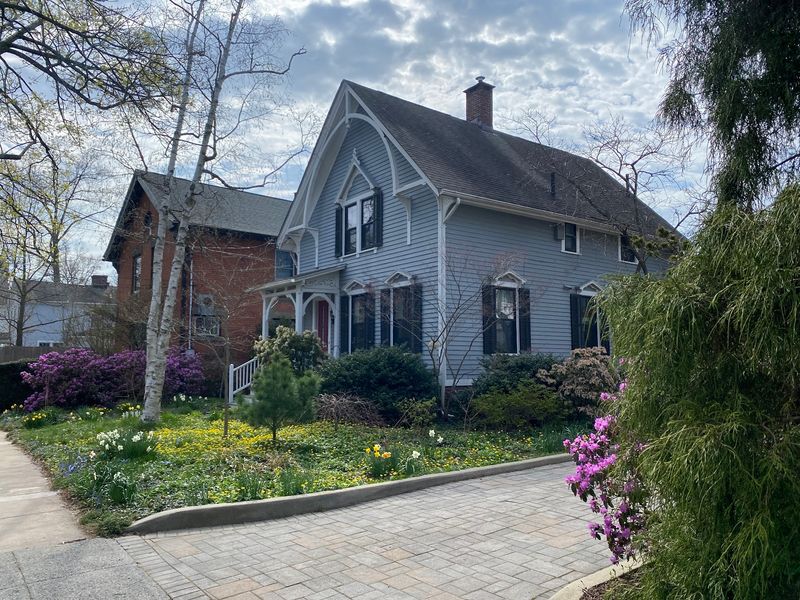
Growth this quick always raises a fair question: who gets to stay? Across New Haven, conversations about gentrification have grown louder as rents rise, demographics shift, and new higher-end buildings appear near historically working-class blocks.
Some longtime residents describe a sense of losing familiar community connections, a challenge shared by many cities in the middle of a building boom.
City policy is trying to answer that. The Downtown for All Overlay Zone targets housing shortages and affordability, while the Hill-to-Downtown plan lays out a walkable, mixed-use vision meant to fit alongside what already exists.
The history here is instructive. The Oak Street Connector of the 1960s reshaped neighborhoods including the Hill, Wooster Square, and Dixwell, and the effects lasted generations.
Today’s growth reaches many corners too. Science Park sits within the Dixwell and Newhallville neighborhoods, so development is not limited to the downtown core.
A commercial corridor rezoning effort covering Grand, Whalley, and Dixwell avenues aims to make those streets more vibrant and livable while strengthening walkable links between neighborhoods and downtown.
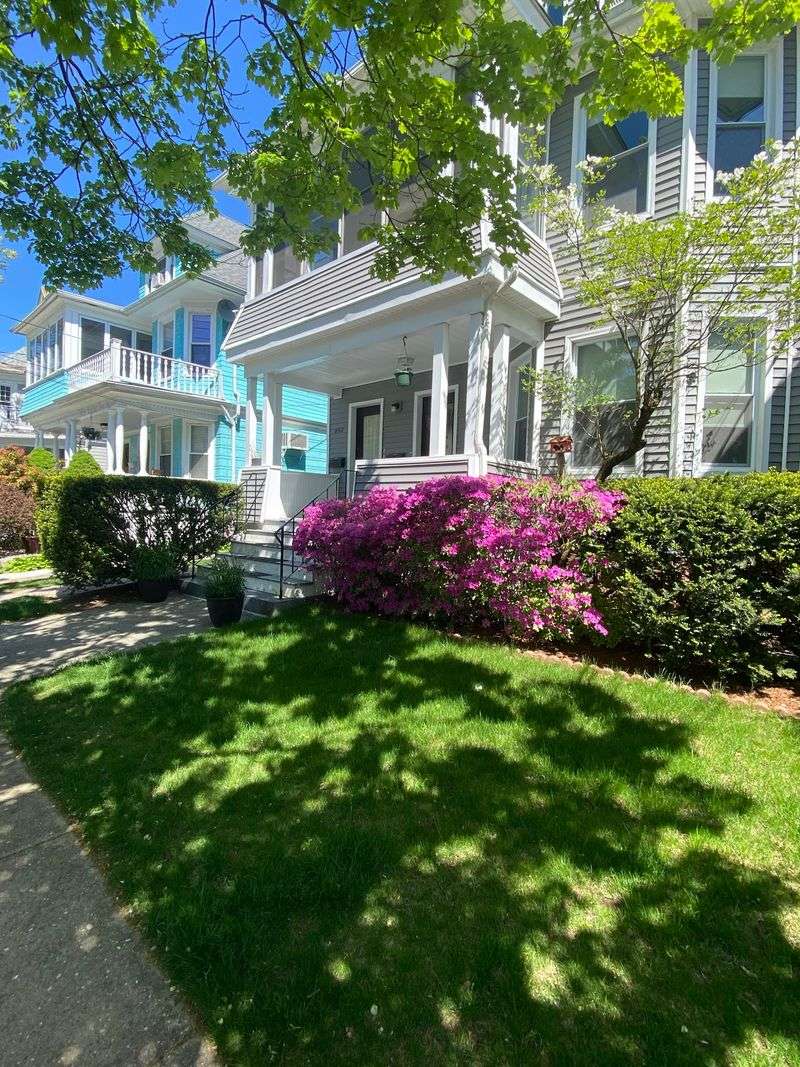
For anyone exploring the city, wander a few blocks past the new construction. The porches, corner shops, and tree-lined streets are still the heart of what makes New Haven feel like home.