The Perfect Ohio State Park To Visit This Late Summer
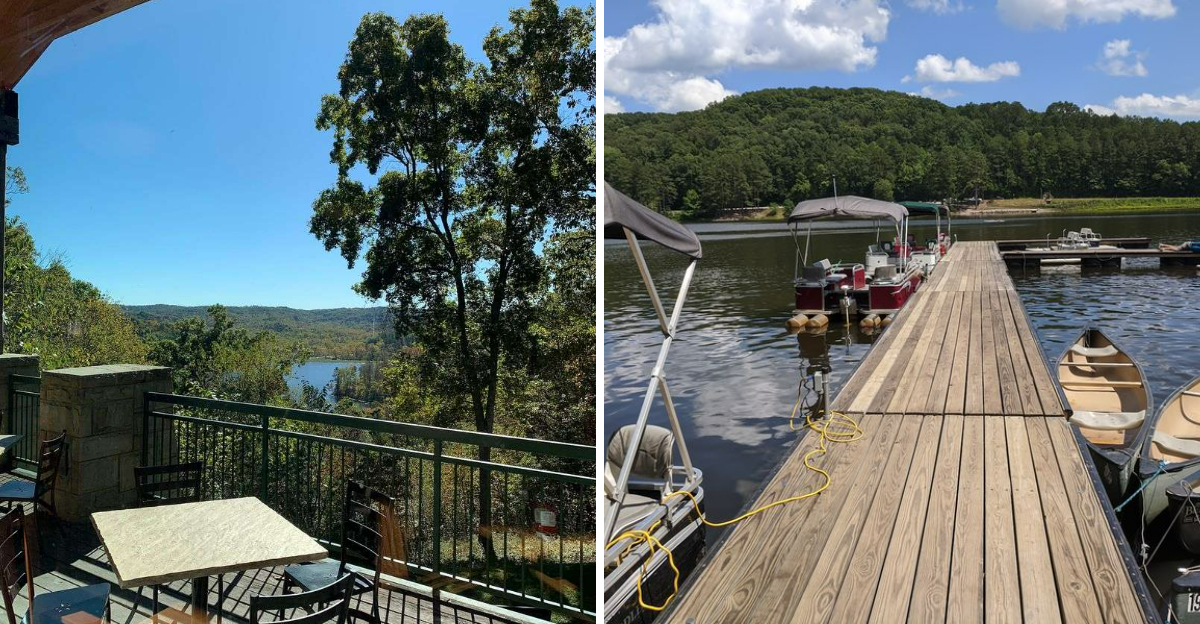
I almost skipped this trip because the weather app promised nothing but heat and humidity. Then a friend mentioned a lake so clear you could count fish from the dock, and curiosity won.
The drive wound through thick trees until the road opened up to water so still it looked painted. I sat there for an hour doing absolutely nothing, and it might have been the best hour of my whole summer.
Late August gets a bad reputation for being the worst time to go outside, but this spot flips that idea completely. Fewer bugs, cooler mornings, and a lake that finally feels like yours instead of everyone else’s.
Ohio saves its best surprises for the people willing to drive a little farther. I am already counting down days until I can go back before summer ends in Ohio.
A Forest Wrapped Around A Quiet Lake
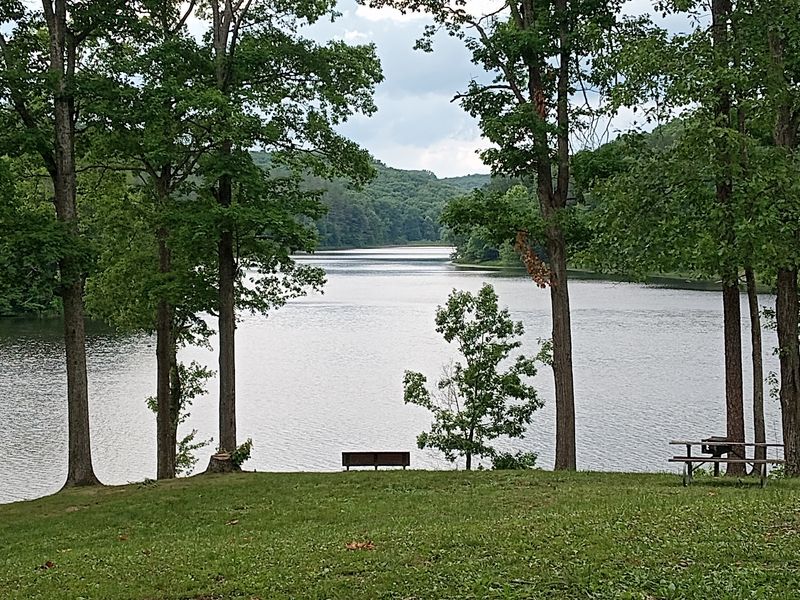
Nearly 3,000 acres of rugged woodland surround one small, glassy lake. That ratio of trees to water is the whole magic here.
The park sits entirely inside Zaleski State Forest, which explains the wild feel. Steep gorges and narrow ridges rise on almost every side.
Second-growth forest covers the hills, mostly oak and hickory. In late summer, the canopy is dense enough to cool the trails by several degrees.
Lake Hope itself covers about 120 acres. It looks bigger from the water because the shoreline curls into so many quiet inlets.
This corner of Ohio stays sparsely populated, which keeps things genuinely peaceful. On a weekday morning, you may share the lake with a heron and nobody else.
Wildflowers and shrubs fill the forest floor between the trunks. Hikers occasionally spot the rare yellow lady’s slipper orchid in shaded hollows.
The road in is winding and scenic, part of the experience. Cell service is thin, so download your directions before you turn off the highway.
The park’s day-use areas are generally open daily from 6 a.m. to 11 p.m. Sunrise on the water is worth setting an alarm for.
You will find all of it at Lake Hope State Park, 27331 OH-278, McArthur, OH 45651.
Paddling Season At Its Calmest
No gas motors are allowed on this water. That single rule changes everything about how the lake feels.
Only hand-powered and electric motor boats may launch here. The result is a surface so quiet you can hear paddle drips echo.
Canoes and rowboats are available to rent seasonally, but visitors should call ahead to confirm current availability and rates.
A boat ramp near the dam makes launching your own craft simple. Arrive early on weekends if you want first pick of the rentals.
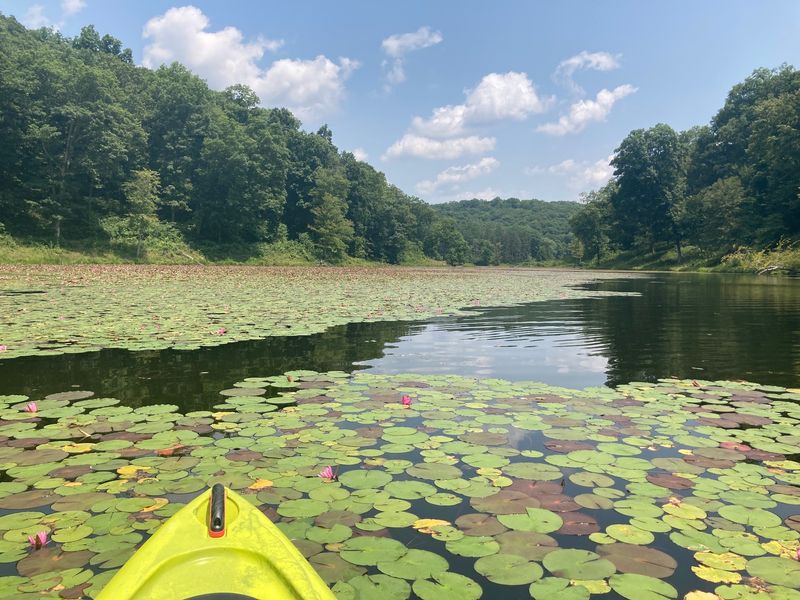
Paddling the inlets is my favorite part. Water lilies crowd the shallow ends, and beaver dens sit hidden along the quieter banks.
Late summer mornings often bring mist off the surface. It burns away by nine, leaving mirror-flat water and reflections of the whole ridge.
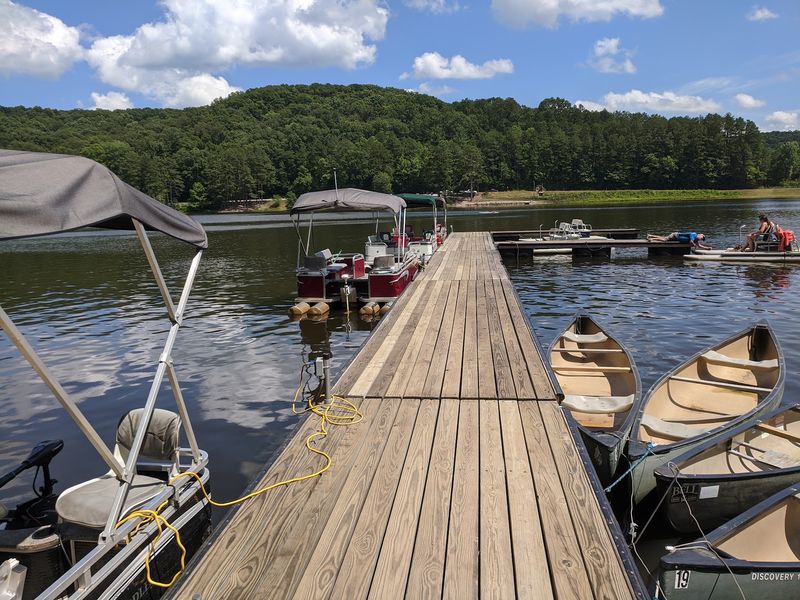
A pontoon works well for groups who want to relax rather than paddle. They are easy to steer and clean, even for first-timers.
Heads up for anyone with mobility concerns. There are steep steps leading down to the boat rental area and the beach.
Bring a hat, water, and a dry bag for your phone. Two hours on the lake goes faster than you expect.
Cabins That Beat A Hotel Every Time
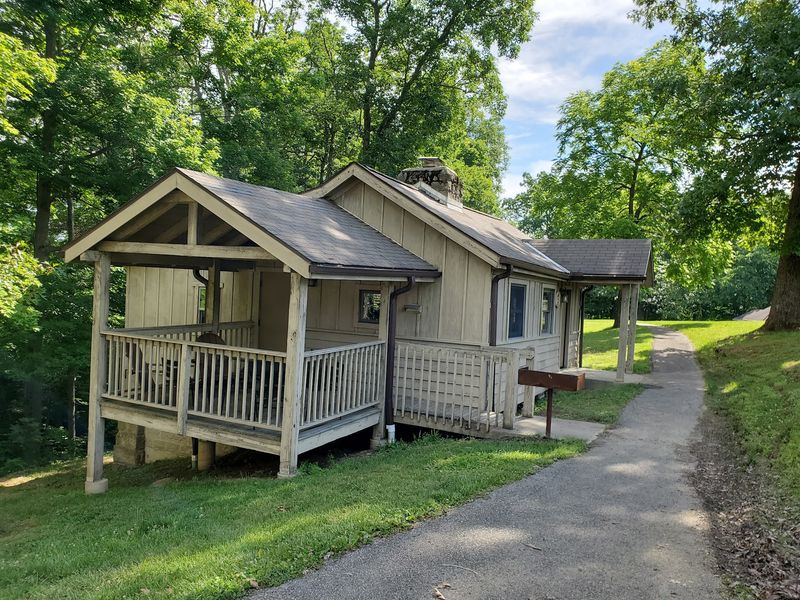
Sixty-four cabins and the larger Laurel Lodge offer overnight accommodations in the woods. They stay open year-round, which locals figured out long ago.
Wildlife Cabins sleep five and cover the basics well. Iron Furnace Legacy Cabins add stone fireplaces that make cool evenings feel special.
Forest Legacy Cabins hold four to eight guests. Some have three bedrooms, so a whole family fits without anyone sleeping on a couch.
Every cabin includes a full kitchen with stove, refrigerator, and microwave. Pans, utensils, a toaster, and a coffee maker come with it.
Heating and air conditioning are standard, which matters in August. Each cabin also has an outdoor grill and its own fire ring.
ADA-modified cabins are available for guests who need accessible lodging. Booking those early is smart during peak weekends.
Groups of up to 24 can reserve Laurel Lodge instead. It works nicely for reunions and small retreats.
Two things to pack: firewood and paper towels. Neither comes with the cabin, and the nearest store is not close.
Wi-Fi does not reach the cabins, only the lodge. Grab a paper map at check-in and enjoy the disconnection.
Rates run well below comparable rentals nearby. That value is a big reason people rebook year after year.
Trails For Every Set Of Legs
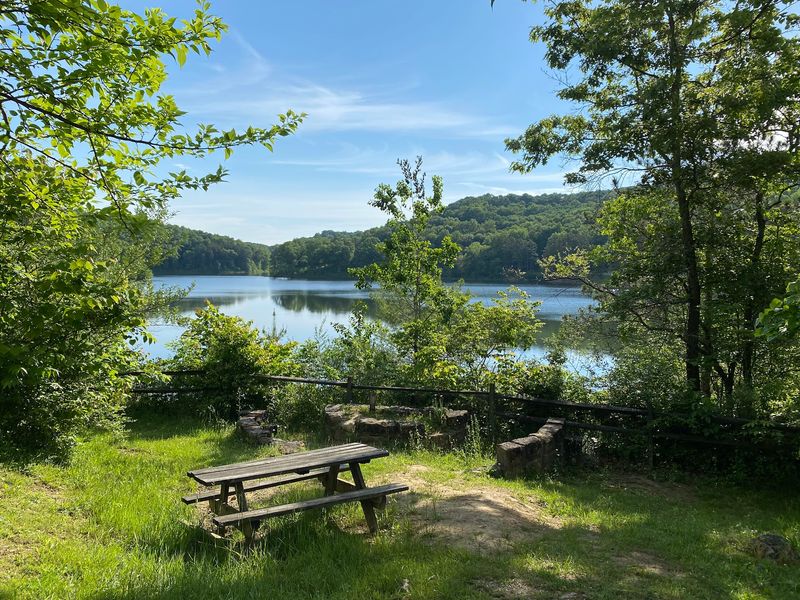
Seventeen miles of hiking trails thread through the park and surrounding forest. Most rate moderate to difficult, thanks to those ridges.
The Peninsula Trail hugs the shoreline with steady lake views. It is the one I recommend to first-time visitors who want scenery without a grind.
Hope Furnace Trail mixes history with woodland walking. You get old industrial remnants and shaded switchbacks in one loop.
Serious backpackers head for the Zaleski Backpack Trail. Its 21 miles include primitive campsites spaced along the route.
A small waterfall called Yosemite Falls hides within the park. Flow depends on recent rain, so check after a summer storm.
Mountain bikers can explore approximately 17 miles of single-track trails. Riders rank this system among the best in Ohio.
Late summer means humidity, so start early. Carry more water than you think you need on the ridge climbs.
Trail surfaces can stay damp under heavy canopy. Shoes with real tread beat sneakers on the steeper descents.
Signage is good, but phones lose signal fast. A printed trail map is genuinely useful here.
You can hike a different route each day of a long weekend. That variety keeps repeat visits interesting.
Meals With A Lake View
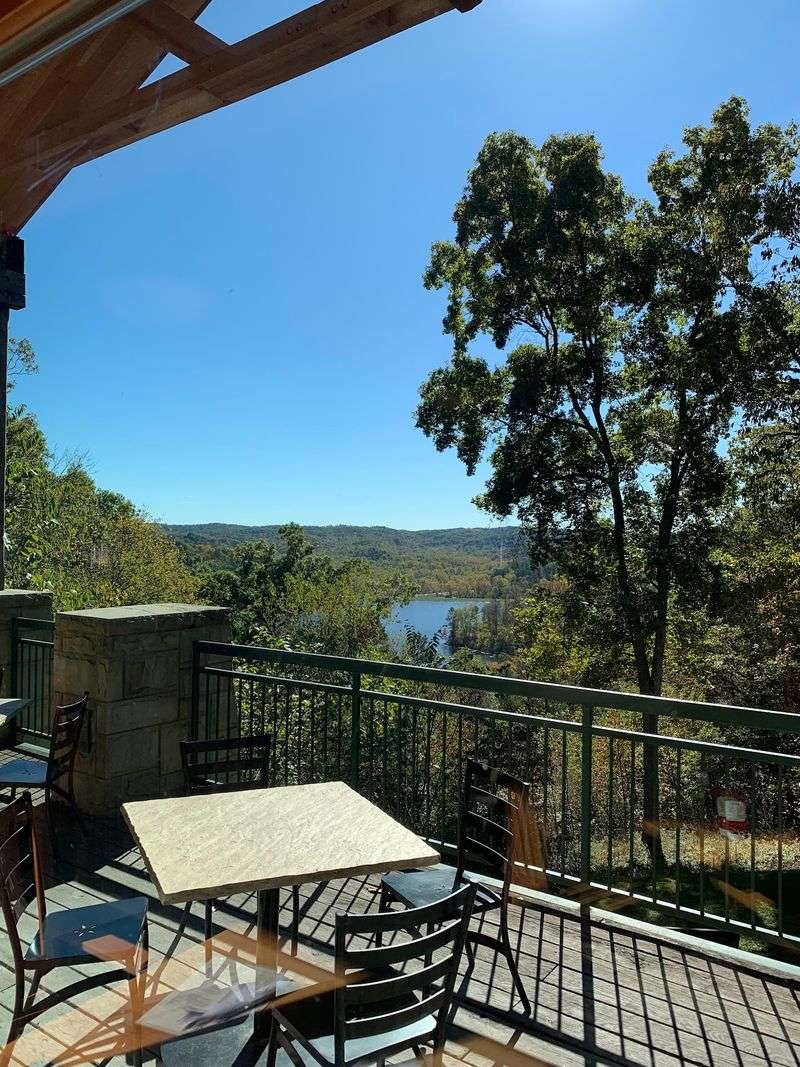
Hiking builds an appetite that granola bars cannot fix. The dining lodge solves that problem with a view attached.
Large windows look straight out over the water. Tables near the glass fill first, so arrive a little early.
The menu leans home-style and satisfying. Portions match the kind of hunger a ridge trail creates.
The dining lodge currently serves lunch and dinner throughout the week, along with Sunday brunch, but visitors should confirm current hours before arriving. Check ahead so you are not planning dinner around a closed kitchen.
A general store shares the building. It covers small forgotten items, though it is no substitute for a real grocery run.
The lodge is also the one reliable Wi-Fi spot in the park. People sip coffee and catch up on messages before heading back out.
Servers here are friendly without hovering. The pace feels relaxed, which suits the setting.
Bring most of your food if you are cooking in a cabin. Grocery stores and restaurants sit a considerable drive away.
My routine is simple. Paddle in the morning, hike after lunch, then eat dinner watching light fade over the lake.
That view does most of the work. Good food just makes it better.
Wildlife Worth Slowing Down For
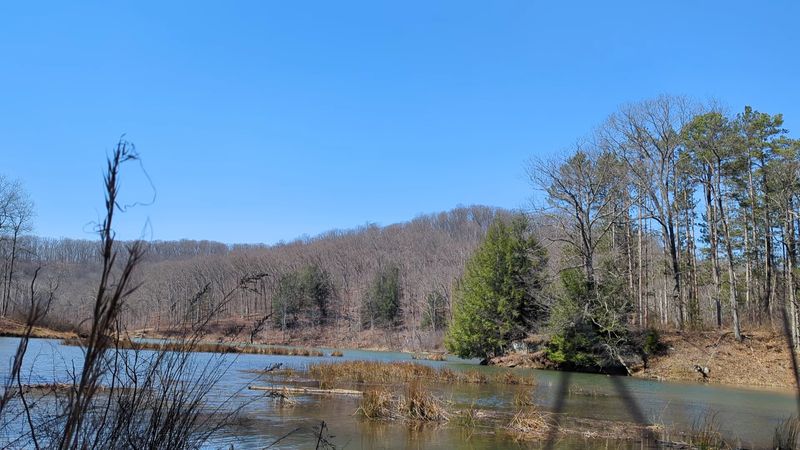
More than 120 bird species have been recorded in this park. Birders show up with scopes and leave grinning.
Bald eagles and great blue herons both patrol the lake. A heron lifting off the shallows is a common morning sight.
Deer and wild turkeys wander the woods regularly. Early evening near the campground is prime viewing time.
Beavers work the quiet inlets, and their dens are easy to spot from a kayak. Paddle slowly and keep your voice down.
Coyotes and even black bears turn up occasionally. Sightings are rare, but proper food storage is still smart.
Hummingbirds swarm the cabin areas in warm months. Late summer is their busiest stretch here.
The nature center runs a hand-feeding program for hummingbirds. Holding still while one hovers inches away is unforgettable.
That visitor center is small but thoughtfully built. Hands-on displays make it a hit with younger kids.
Educational programs run through the season. Checking the schedule at check-in is worth the minute it takes.
Binoculars belong in your bag. Even from a cabin porch, you will use them more than your phone.
Beach Days And Bluegill Afternoons
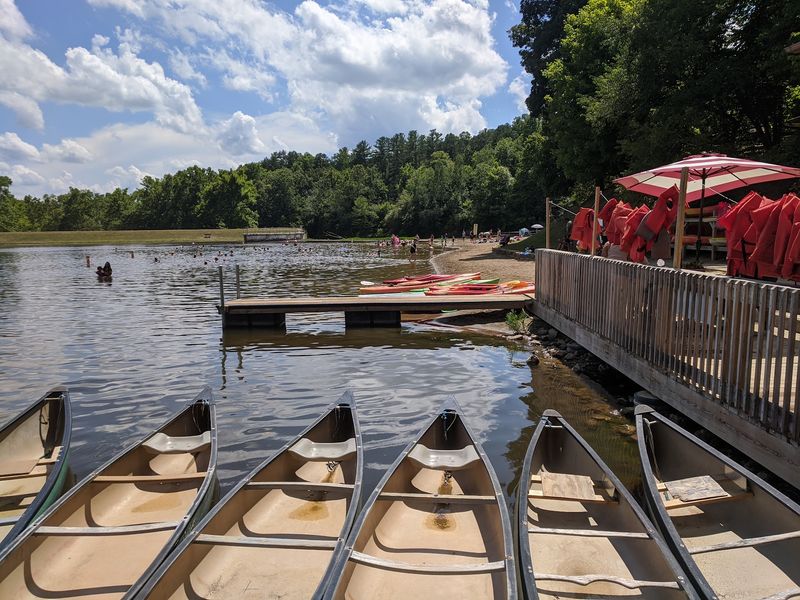
Six hundred feet of sandy beach sits near the dam. It is modest in size and exactly right for a hot afternoon.
The beach house offers restrooms, a sundeck, and concessions. Families settle in for hours without needing to leave.
Water stays comfortable well into late summer. September swims are entirely reasonable here.
An archery range sits close to the beach area. Bring your own equipment if you want to try it.
Anglers do well with bluegill, crappie, catfish, and largemouth bass. Shady inlets tend to produce the best results.
Anyone 16 or older needs a valid Ohio fishing license. Buy it before you arrive, since service is unreliable.
Bank fishing works fine, but a rented kayak opens up better spots. Quiet corners hold fish that shoreline casters miss.
Steep steps lead down to the beach, so plan accordingly. Carry less gear than you think you need.
A playground nearby keeps younger kids busy. Parents get to sit down for a few minutes.
Combining a morning swim with an evening fishing session makes a full, easy day. No driving required between the two.
Ridge Camping Tips For A Smarter Stay
The family campground stretches along a long ridge. Sites are paved, with both electric and non-electric options.
Spacing is tight, so privacy is limited during busy weekends. Visit midweek if quiet matters to you.
Long trailers face a real challenge here. Sites sit at angles of 90 degrees or less, and bigger rigs must use the upper shower area to turn around.
Level ground is not guaranteed. Pack levelers and you will save yourself frustration.
Restrooms vary across the campground. There are flush toilets at each end, plus a bathhouse near the entrance.
A songbird chorus wakes you at dawn. That alone makes ridge camping worth it.
Stock up on food, water, and firewood before arriving. The nearest stores are a serious drive from the gate.
Check current road conditions and possible detours before traveling to the park. Check conditions before you leave home.
Hocking Hills sits roughly half an hour away, and Moonville Tunnel is close too. Both make easy day trips from your site.