This Tiny North Carolina Mountain Town Has Fewer Than 400 Residents And A Name You Won’t Forget
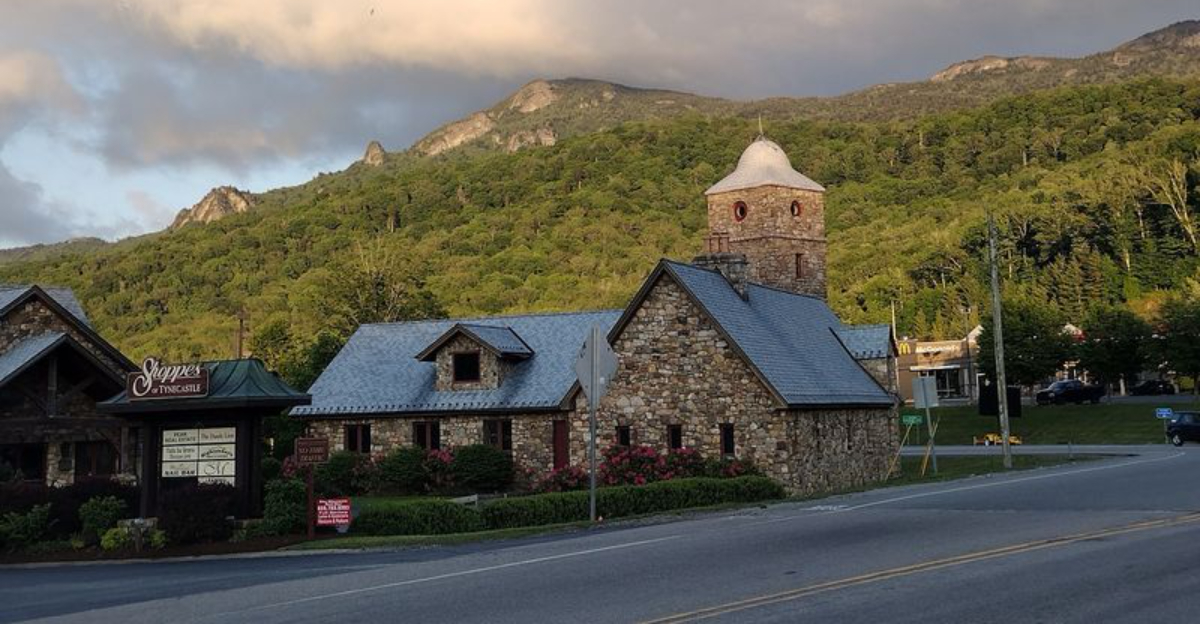
Three hundred thirteen people.
That is not a crowd. That is barely enough people to make a supermarket opening feel hectic.
Yet high in the North Carolina mountains, a town this tiny has somehow ended up with a name far bigger than its population. Hear it once and good luck forgetting it.
The setting is equally ridiculous in scale.
At roughly 4,137 feet above sea level, the community sits high enough that ordinary errands come with mountain views and summer heat has to work considerably harder to cause trouble.
You could probably fit every resident into one school gym and still have room for the visiting cousins.
So how did such a pint-sized place end up with a name that sounds like it belongs on a warning sign?
That story is only part of the fun.
For somewhere so small, this mountain town gives travelers eight very good reasons to remember exactly where they found it.
See How A Tiny Mountain Community Ended Up With Such An Unforgettable Name
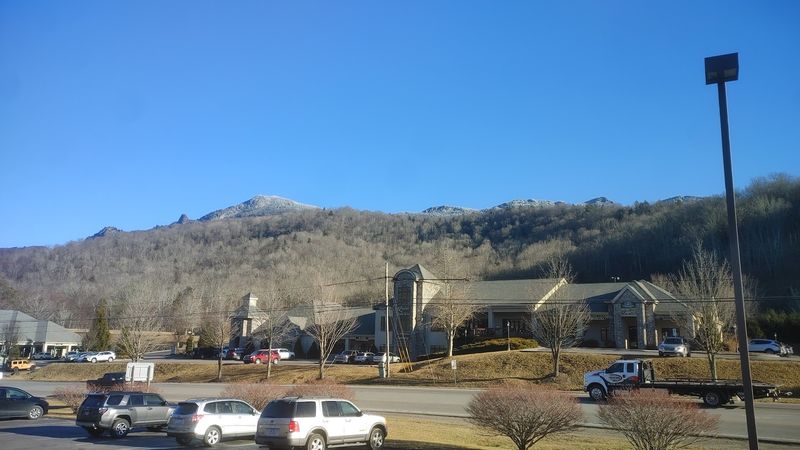
Long before there was an incorporated town, a group of seven men from the Winston-Salem area saw recreational potential in this high mountain ridge.
During the mid-1960s, Herbert Reynolds, Frank Reynolds, Galloway Reynolds, Dan Reynolds, George Kempton, Ray Smith, and Gardner Gidley began developing what would become Seven Devils.
Several details reportedly helped inspire the unusual name. There were seven founders, and seven distinctive peaks could be seen along the ridge when looking toward the area from the Blue Ridge Parkway.
Local descriptions also played on the fierce winter wind, which was said to blow “like the devil” at this elevation. The resort began taking shape soon afterward, with early amenities including cottages and outdoor recreation, and the Seven Devils Golf & Ski Resort.
The community officially incorporated in 1979. Those resort beginnings still explain much of the town’s layout today, but the memorable name has outlasted every change in recreation.
Plenty of mountain communities have interesting histories. Very few can make a highway sign sound like the beginning of a story before a visitor even turns off the main road.
You Can Take In Big High Country Views Without A Busy Downtown
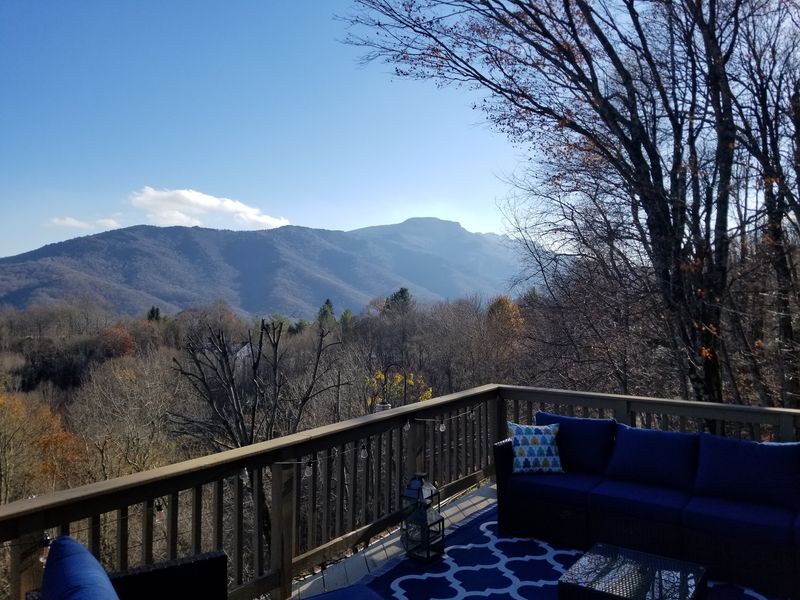
Commercial storefronts are not what dominate the landscape once the road starts climbing into town. Seven Devils developed primarily as a mountain resort and residential community, so wooded slopes, vacation homes, and long-range scenery shape much of the experience.
Grandfather Mountain appears from a number of properties and elevated points around the area, while surrounding ridges create the layered views associated with North Carolina’s High Country.
Instead of organizing a visit around a conventional downtown district, travelers tend to spend their time outdoors or use Seven Devils as a quieter home base between neighboring communities.
Boone and Banner Elk supply much of the wider area’s shopping and dining, while Seven Devils keeps its attention on recreation and mountain surroundings. The town’s small footprint helps everything feel close without making it feel crowded with attractions.
A short drive can take you from residential roads to Otter Falls or Hawksnest without passing blocks of shops along the way. That arrangement works particularly well for travelers who prefer to return somewhere calmer after a day exploring busier destinations.
The scenery is not confined to one designated overlook, either. Here, the mountains remain part of the backdrop throughout much of town.
Follow Curving Roads Through A Town Built Into The Mountainside
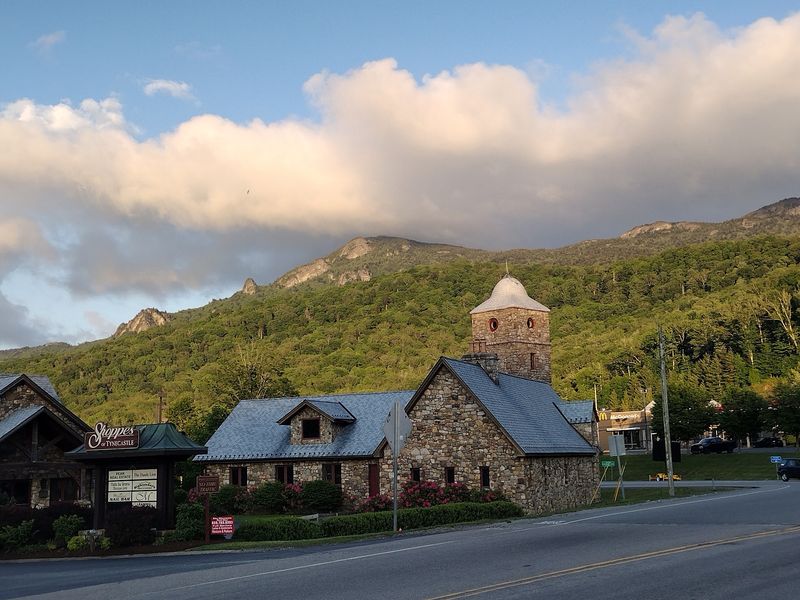
Elevation announces itself through the road network before any map needs to explain the terrain. Streets wind across steep slopes and climb toward homes positioned at very different heights, creating a town that feels shaped by the mountain instead of laid across a level grid.
Seven Devils reaches elevations approaching 5,200 feet in its higher sections, so even short drives can involve noticeable changes in grade.
Mountain views appear between wooded stretches, and many properties sit above surrounding valleys rather than beside a traditional town center.
The roads deserve extra attention in colder weather. Snow and ice can affect conditions quickly at these elevations, and local winter rules may require traction equipment or four-wheel drive when hazardous conditions develop.
Even during warmer months, slower speeds make sense on narrow curves and residential streets. That pace suits the setting anyway.
Seven Devils was created as a recreational mountain community rather than a place designed for rushing from block to block. Driving through it reveals how closely the houses, roads, parks, and slopes fit together.
Instead of one dramatic climb followed by a flat plateau, the landscape keeps rising and falling as the road follows the contours of the High Country terrain.
Spend More Time Outside Than You Ever Could In A Bigger Resort Town
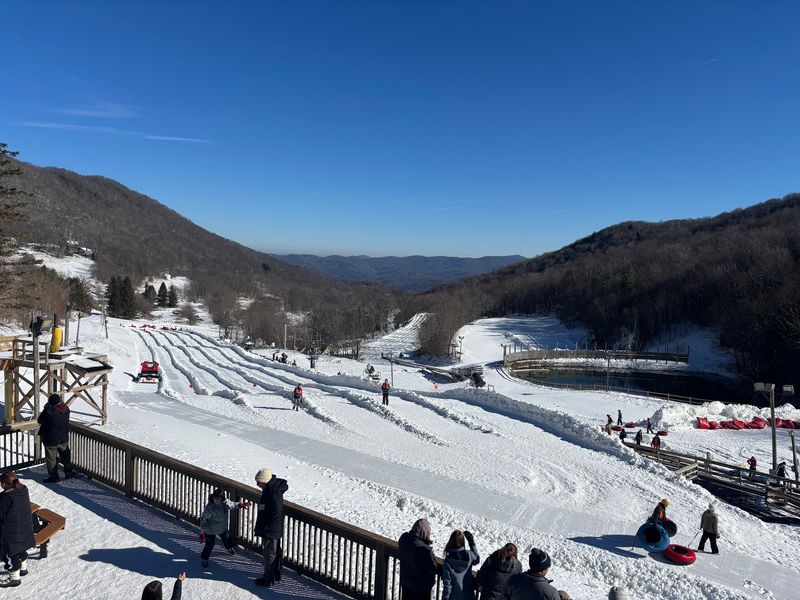
One address supplies two very different reasons to visit depending on the season. Hawksnest Adventures operates at 2058 Skyland Drive, where winter centers on a snow tubing park and warmer weather opens the mountain to zipline tours.
Hawksnest currently advertises more than 20 tubing lanes spread across four areas, with runs ranging from about 400 to 1,000 feet. Its zipline side includes two tours and 20 cables in total, with the combined experience stretching across roughly four miles.
Some lines run more than 1,500 feet, and the longest cables extend beyond 2,000 feet. Away from the commercial attraction, town recreation becomes much gentler.
The Park at Seven Devils provides public outdoor space, while Black Bear Family Park includes tennis and pickleball courts alongside a playground and picnic shelter.
Those options give the town an outdoor identity without requiring every outing to involve a major hike or a high-speed activity.
A family can spend one day clipping into a zipline harness and another afternoon keeping things simple at a neighborhood park, which is a surprisingly broad range for a community this small.
Look For Quiet Trails And Scenic Stops Around Nearly Every Bend
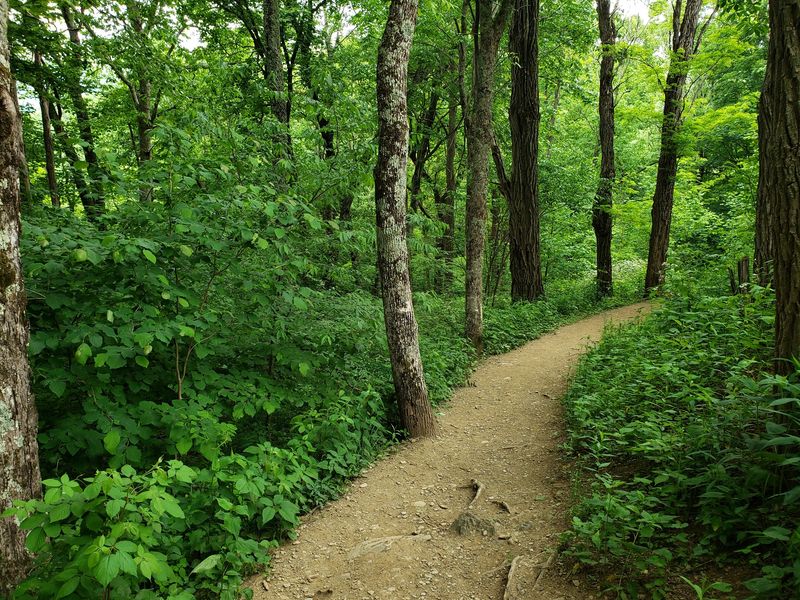
A waterfall hides below the forest at 825 Skyland Drive, where the Otter Falls trail system gives Seven Devils its best-known public hike.
The town opened the current trail network in 2015 after acquiring land around the falls, creating a series of color-coded routes that descend through hardwood forest toward the water.
The walk to Otter Falls is relatively short, but the elevation change makes the return climb more demanding than the mileage suggests. The trail drops roughly 230 feet, with stairs and viewing areas helping visitors approach the falls without scrambling across the steepest terrain.
Most of the system remains open, although the Upper Red Trail has been closed because of damage associated with Hurricane Helene, so current town notices are worth checking before a visit.
Benches appear along portions of the route, allowing hikers to slow down on the climb back toward the parking area.
Seasonal changes give the same short trail very different looks throughout the year, from leafy summer forest to autumn color and occasional winter snow.
For a town covering only a couple of square miles, having a waterfall trail this close to residential streets is an impressive piece of public recreation.
Enjoy The Cooler Air That Comes With Higher Elevation
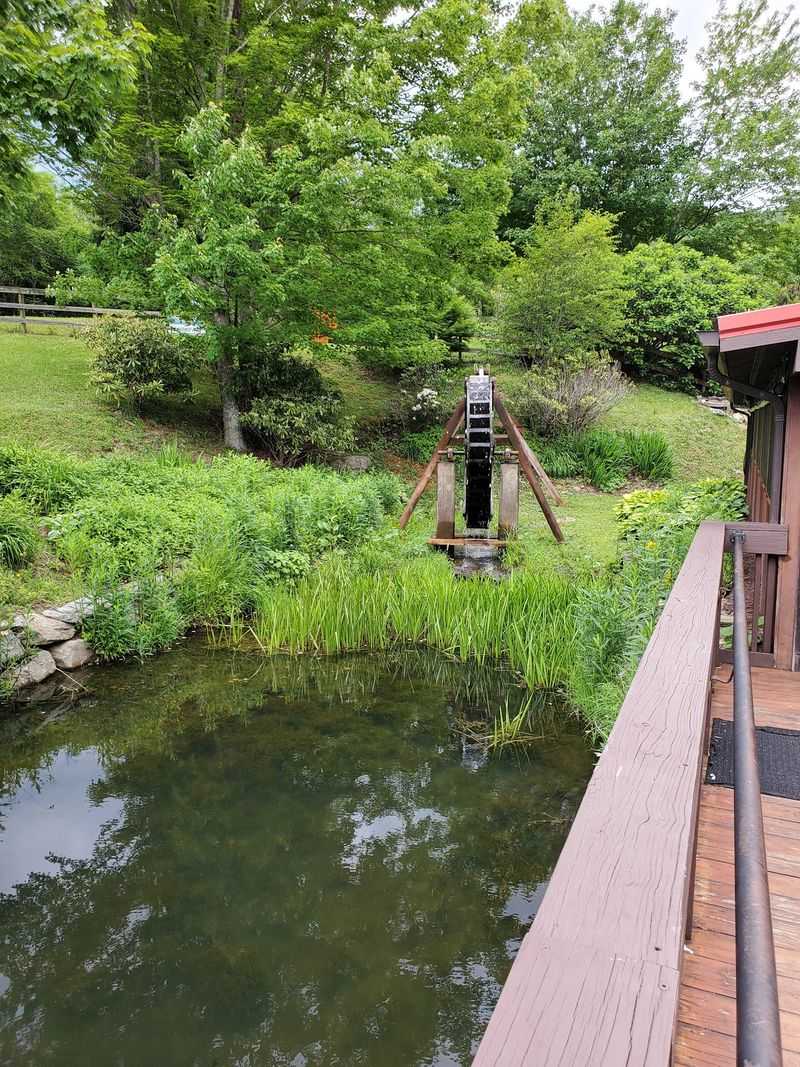
Summer feels noticeably different after the road climbs several thousand feet above North Carolina’s lower elevations.
Seven Devils occupies high mountain terrain, with portions of the community reaching close to 5,200 feet, and that altitude often brings cooler conditions than travelers encounter farther east.
It is one reason the High Country has attracted summer visitors for generations. The difference becomes especially welcome during stretches when afternoons in the Piedmont are much hotter and more humid.
Even here, however, mountain weather refuses to follow a simple script. Temperatures can change quickly with cloud cover and elevation, while evenings often cool substantially after sunset.
Layers make more sense than relying on one outfit for an entire day, particularly during spring or fall.
Higher terrain also means weather can turn wintry relatively early, which affects roads and outdoor plans before lower parts of North Carolina see the same conditions.
Summer remains the easiest season for travelers who simply want comfortable walking weather, while autumn adds changing foliage across the surrounding slopes.
Rather than promising perfect temperatures on every visit, Seven Devils offers something more dependable: elevation high enough to give this small town a distinctly mountain climate from the moment visitors arrive.
Use The Town As A Peaceful Base For Exploring The High Country
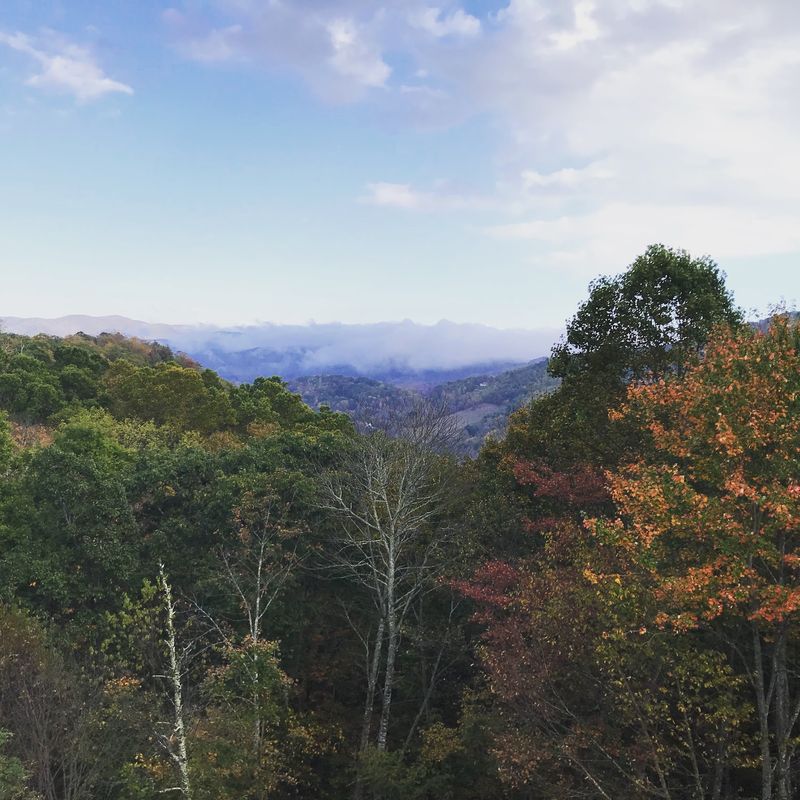
The surrounding map becomes one of Seven Devils’ biggest advantages once a trip extends beyond town limits. Banner Elk sits nearby, Boone is within an easy drive, and several of the North Carolina High Country’s best-known attractions spread across the surrounding mountains.
Grandfather Mountain is close enough for a separate outing, with its Mile High Swinging Bridge and extensive trail system adding a very different experience from the short walk at Otter Falls. The Blue Ridge Parkway can also be reached without turning the day into a major road trip.
High Country tourism guides regularly position Seven Devils as a central base for exploring hiking, winter recreation, and other regional attractions.
Lodging leans heavily toward vacation homes, cabins, and condominiums rather than large hotels, fitting the residential character of the community.
That setup works well for visitors planning several days of exploring because returning to town does not mean returning to the busiest streets in Boone.
Supplies and restaurant choices become more plentiful once you head toward neighboring communities, so planning errands alongside a day trip can reduce unnecessary driving.
Seven Devils may occupy a small spot on the map, but its location places a surprisingly large part of the High Country within reach.
Leave Wondering Why More Travelers Do Not Know This Place Exists
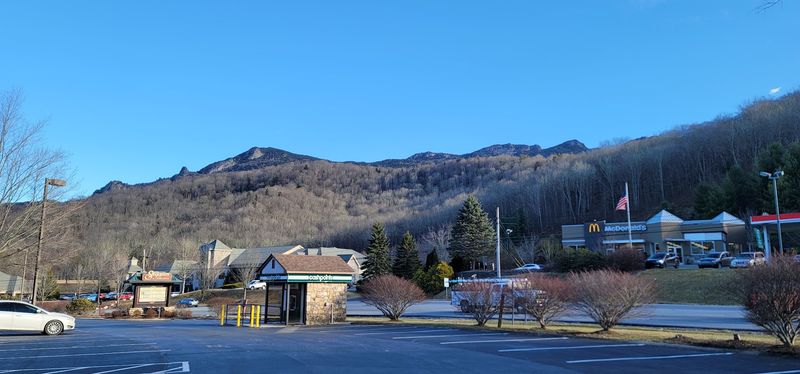
Size does not prevent Seven Devils from packing several distinct experiences into a very compact area. The permanent population remains tiny, yet visitors can hike to a waterfall, spend time in public parks, or head to Hawksnest for seasonal mountain recreation without leaving town.
Otter Falls has become one of its defining natural attractions, while Hawksnest remains the community’s most prominent commercial destination.
The 2026 High Country visitor guide highlights Seven Devils’ trail system and recreation facilities. The town continues to present itself as a destination rather than simply a residential community between larger mountain towns.
Its history gives the visit another layer. What began as a 1960s resort project eventually became an incorporated North Carolina town, and the name chosen to attract attention succeeded remarkably well.
The population counted in 2020 could have fit into one large gathering, yet the community occupies a setting that feels anything but small once the surrounding Blue Ridge scenery comes into view. Plenty of travelers will still spend more time in Boone or Banner Elk.
Seven Devils only needs a few hours to prove that being the smaller name on the map does not make it forgettable.