George Clooney’s Very First Screen Role Was Filmed In This Tiny Kentucky Town
Before the Oscars and the tuxedos, George Clooney was a seventeen year old kid in a small Kentucky river town. Then a film crew rolled into his hometown.
A network was shooting a huge miniseries about American settlers. They needed somewhere that still looked like the past.
This town qualified without any effort at all.
Clooney signed on as an extra with the rest of the town. There is no great performance to admire here.
He is one face in a crowd scene. That is precisely what makes the story satisfying.
The town has barely changed since the cameras left. Fewer than twelve hundred people live there now.
The old buildings are still standing along the river. You can wander the same streets he did that summer.
Nobody there treats it as a big deal. That restraint is somehow the most Kentucky part of it.
Go see it yourself.
Augusta, Kentucky Sets The Stage
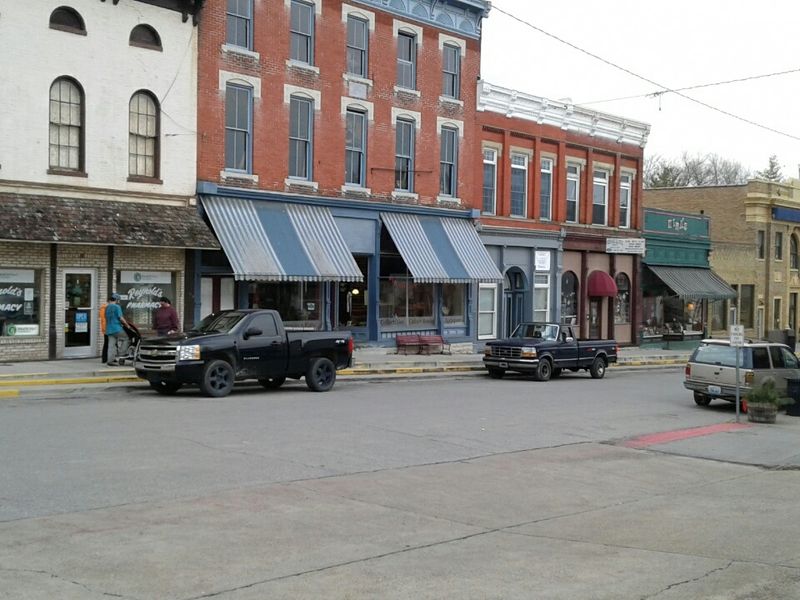
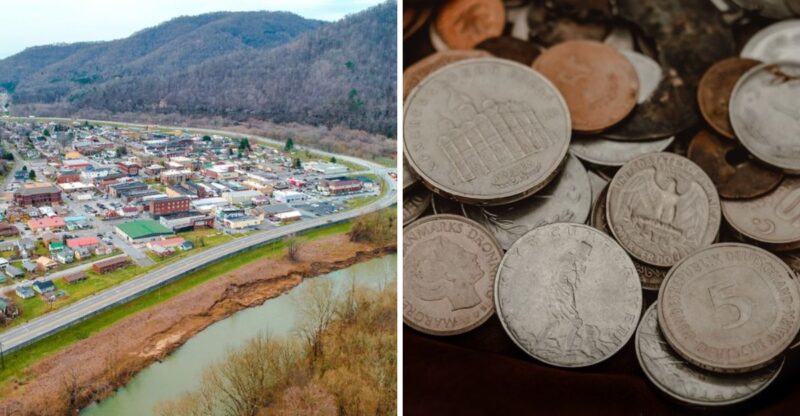
Augusta, Kentucky holds fewer than 1,200 residents and one seriously famous former neighbor named George Clooney. He spent part of his childhood on these quiet streets, long before any red carpet.
The town sits along the Ohio River in Bracken County, roughly forty miles upriver from Cincinnati. Brick sidewalks, painted shutters, and porch swings fill the blocks closest to the water.
I planned a quick photo stop and ended up staying most of the afternoon. The pace here slows you down without ever asking permission.
Film crews noticed these same qualities decades ago, and one of those visits changed Clooney’s life. The old buildings can pass for the 1800s with almost no help from set designers.
Clooney’s first time on screen came as an extra in a television miniseries filmed right here. He was a teenager then, better known locally for baseball than for acting.
Residents still trade stories about the production trucks that parked downtown that year. Several families had relatives standing quietly in the background of finished scenes.
Nothing about Augusta feels arranged for tourists, which is exactly why cameras keep loving it. The town simply keeps being itself, and visitors get to watch.
Sunset over the river is the closing shot that nobody has to schedule. Bring a light jacket and let the barges drift past.
The Miniseries That Started It All
NBC rolled out an ambitious miniseries called Centennial across the 1978 and 1979 television season. It came from James Michener’s sprawling novel about settlers, rivers, and the American West.
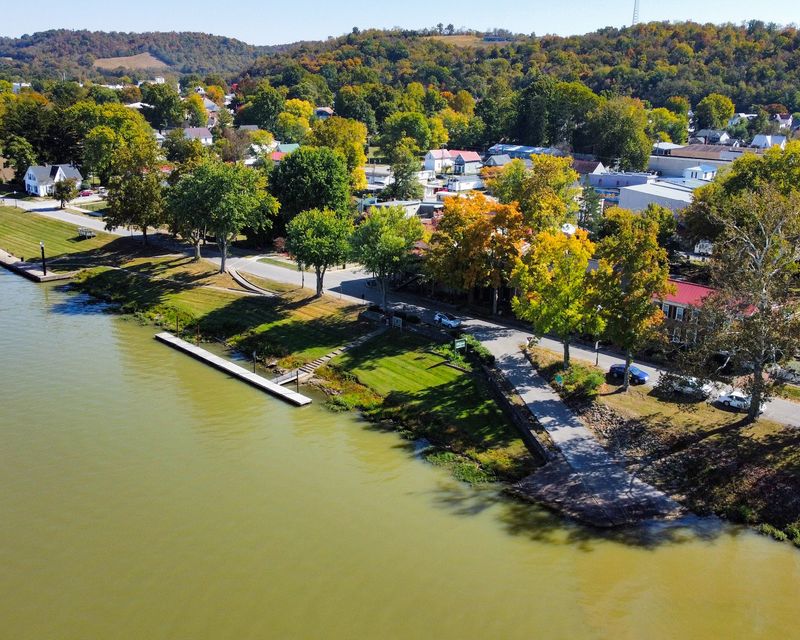
Producers needed a convincing nineteenth-century St. Louis riverfront, and Augusta’s preserved streets and Ohio River setting helped it fill the role.
Brick storefronts and an unchanged shoreline saved the production enormous amounts of construction money.
Clooney was a local teenager when the equipment trucks arrived on the main street. Accounts say he worked as an uncredited extra, standing in the background of crowd shots.
No dialogue, no close-up, and absolutely no screen credit came with the job. That small moment still counts as his very first appearance on camera.
Consider the distance between those two points in his career for a second. A background extra in Kentucky grew into one of the most recognized actors alive.
Centennial ran twelve episodes and starred Richard Chamberlain, Robert Conrad, and a huge ensemble cast. It remains one of the longest television productions of that entire decade.
Costume racks, lights, and generators downtown made a tiny town feel briefly enormous. For Augusta, that shoot became the story people happily repeated for years.
History almost never announces itself while it is actually happening. A quiet kid in a crowd scene proves that point perfectly.
A Riverfront That Films Itself
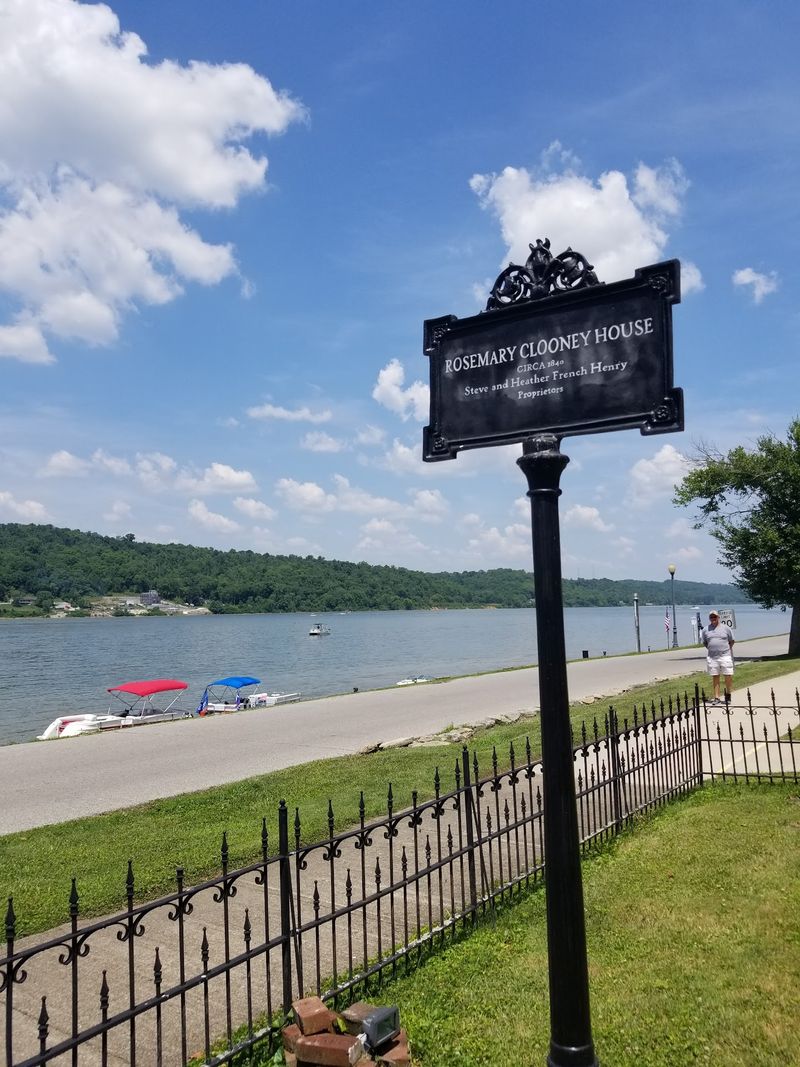
The Ohio River does most of the talking in Augusta, and it never rushes a single word. Barges push upstream slowly while their engines hum across the water.
A riverwalk runs beside the historic blocks, with benches aimed straight at the far shore. Green Ohio hills sit across the channel and change color by the hour.
Morning fog settles over the surface and softens every rooftop and railing. Photographers show up early for exactly that effect.
Front Street holds tight rows of restored brick homes with tall windows and iron railings. Flower boxes and swept steps show that people genuinely care here.
You quickly understand why a television crew fell for this view. Aim a camera toward the water and the modern world mostly disappears.
Traffic stays light, and sidewalks stay quiet enough to hear screen doors close. Conversation happens on porches rather than through phone screens.
Watch for the old-fashioned lamp posts and the dates carved near doorways. Small clues like these turn a short stroll into a history lesson.
Crossing The River On A 1798 Ferry
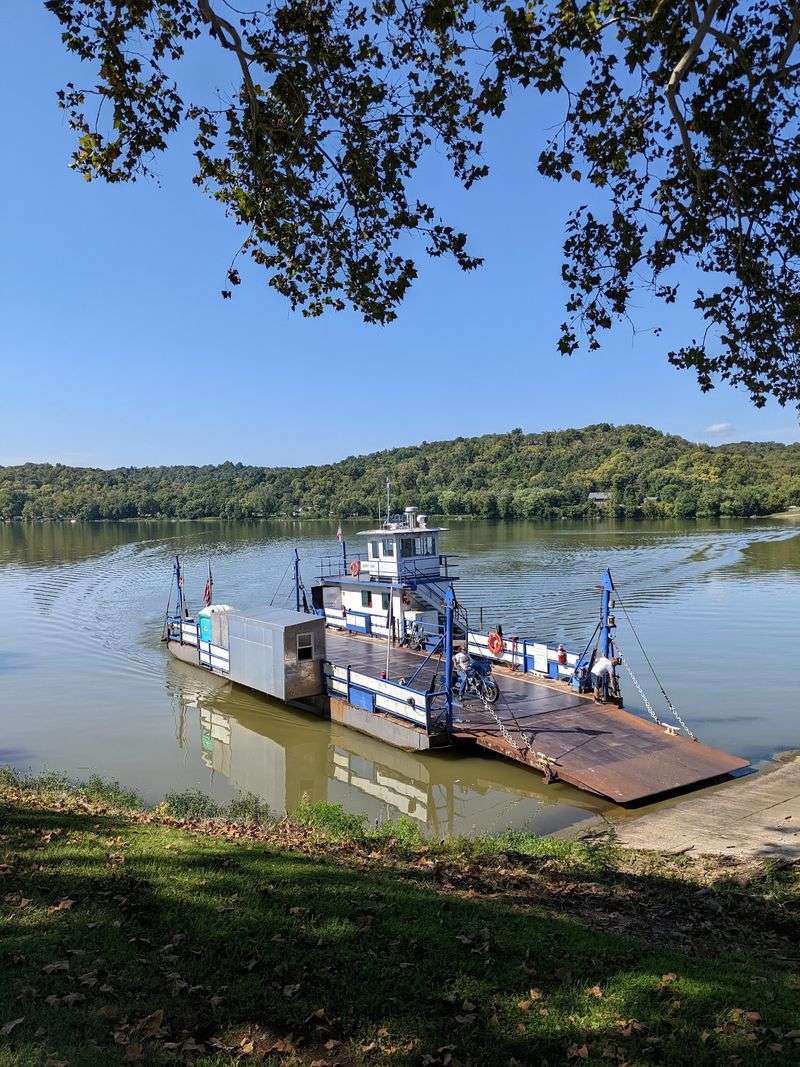
A working ferry still carries cars across the Ohio River at the foot of Augusta’s main street. Service at this crossing traces back to 1798, which is genuinely remarkable.
The boat takes only a handful of vehicles per trip, so loading feels wonderfully old-fashioned. The ride over to the Ohio side lasts just a few minutes.
Passengers can step out and stand near the rail during the crossing. Kids spend most of that time pointing at passing barges and swirling water.
Fares stay modest and are collected right on board, usually with cash. Hours shift with weather and river conditions, so it pays to check first.
Locals treat the ferry like an ordinary stretch of road they use daily. Visitors treat it like a short ride at a county fair.
It ranks among the oldest ferry crossings still running anywhere in the region. That history alone justifies the small ticket price.
The landing sits at the bottom of the hill, easy to find on foot. Park nearby, watch one crossing, then decide whether you want a turn.
Anyone filming a period story would keep this landing in the frame. It looks almost exactly as useful now as it did long ago.
The Rosemary Clooney House Near The Landing
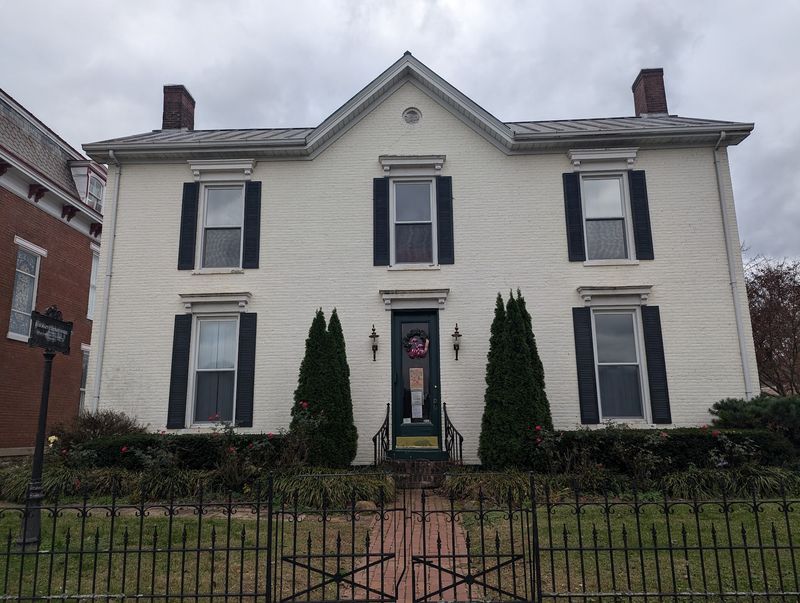
Singer Rosemary Clooney was George’s aunt, and her name still carries real weight in this town. A white house near the ferry landing is known by it.
Rosemary was born in nearby Maysville and spent part of her childhood around Augusta. Her voice later reached millions through hit records and popular films.
The house has served as a museum celebrating her long performing career. It became especially known for memorabilia connected to the movie White Christmas.
Fans arrive hoping to see costumes and dresses linked to that 1954 classic. Others come for the photographs, records, and family details on display.
Public access has changed over the years, so opening hours can vary widely. Call ahead or ask at a local shop before building your day around it.
Even from the sidewalk, the setting tells you plenty about the family. River view in front, quiet neighborhood street behind.
The Clooney story in Augusta stretches across more than one generation of talent. Rosemary sang, and her nephew eventually acted, both starting from the same small place.
Standing there, the miniseries connection makes complete sense. Cameras keep finding this street because everything about it already looks composed.
Where A Teenage George Grew Up
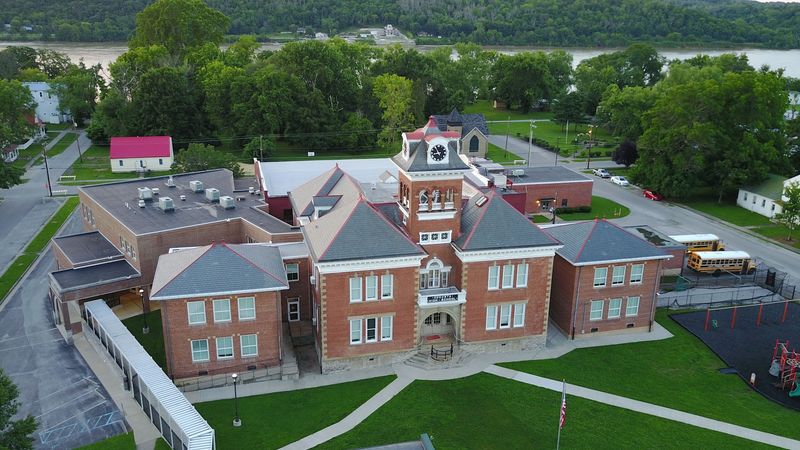
Before the tailored suits, there was a kid in a dusty baseball uniform. George Clooney attended school right here in this Ohio River town.
His father, Nick Clooney, built a long career as a broadcaster and news anchor. The family moved between spots in northern Kentucky and southern Ohio.
George went to St. Michael’s school and later attended Augusta High School. Classmates knew him first as an athlete, not as a future performer.
In 1977 he tried out for the Cincinnati Reds, hoping baseball would be the path. That plan closed, and acting eventually filled the open space.
He has spoken warmly in interviews about growing up in a place this small. Familiar faces and short walks shaped his sense of humor early.
Local pride here shows up in small, understated ways around town. A photograph on a wall, a mention in conversation, no giant billboard anywhere.
That restraint honestly feels refreshing after so many manufactured attractions. Augusta clearly likes being itself more than being a movie stop.
Standing near the old school buildings, the timeline clicks together neatly. Baseball field, background extra role, then a career nobody predicted.
Old Brick Streets And Real River History
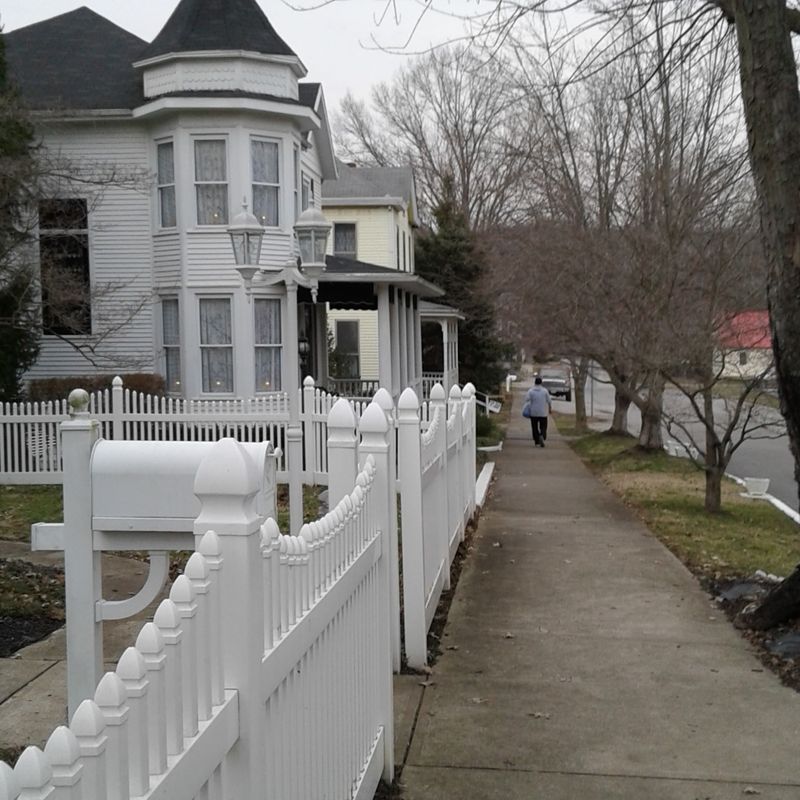
Augusta was laid out in the late 1700s, which makes it older than many state capitals. Homes here reflect the Federal and Greek Revival styles of that era.
Brick, stone, and painted shutters repeat block after block along the historic district. Careful preservation kept the riverfront intact while other towns rebuilt.
The community also holds important Underground Railroad history along this stretch of water. Freedom seekers crossed the river here toward Ohio and safety.
Markers and local guides explain those crossing routes in clear, honest terms. It is serious history, presented without dramatics.
A small museum and an art gallery cover local stories and regional artists. Volunteers often staff them, mainly on weekend afternoons.
Plaques on several houses list construction dates and original owners’ names. Reading a few in a row turns a stroll into a timeline.
Comfortable shoes help, since the sidewalks are uneven in older sections. Look above eye level too, because the best details sit near the rooflines.
Everything you see explains why a production designer would smile here. Authentic streets like these cannot be built from scratch on a budget.
Lunch, Small Shops, And Trip Planning
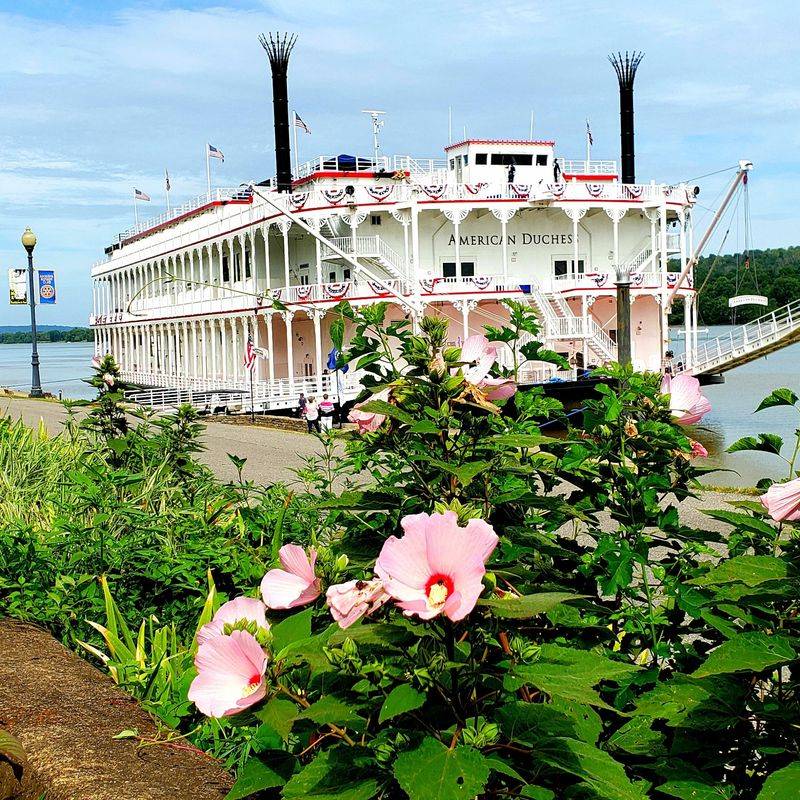
Hunger shows up fast after an hour of walking brick sidewalks and river views. Downtown Augusta keeps a few small spots serving sandwiches, sweets, and coffee.
General store style shops sell snacks, cold drinks, and ice cream by the scoop. Portions are simple, prices stay friendly, and nobody rushes your order.
Weekends bring the most open doors and the liveliest sidewalks in town. Weekdays can be extremely quiet, especially during the colder months.
Cincinnati sits roughly forty miles away, an easy drive along river roads. Maysville is closer, only a short trip east if you want more history.
Parking is free and simple near the main street and the ferry landing. No meters, no garages, and no confusing signs to decode.
Plan at least two or three hours to see the town properly. Add extra time if you ride the ferry in both directions.
Bring a camera and some small bills for shops and the boat. Then let the river decide how quickly your afternoon moves.
Leaving town, I kept thinking about that teenage extra in the crowd. Great stories really can start on a street this quiet.