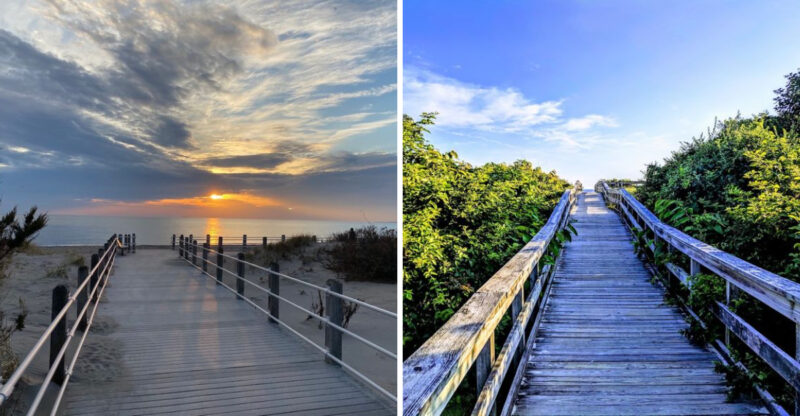
Where To Go In Connecticut When You Want Fresh Air And A Break From The Crowds
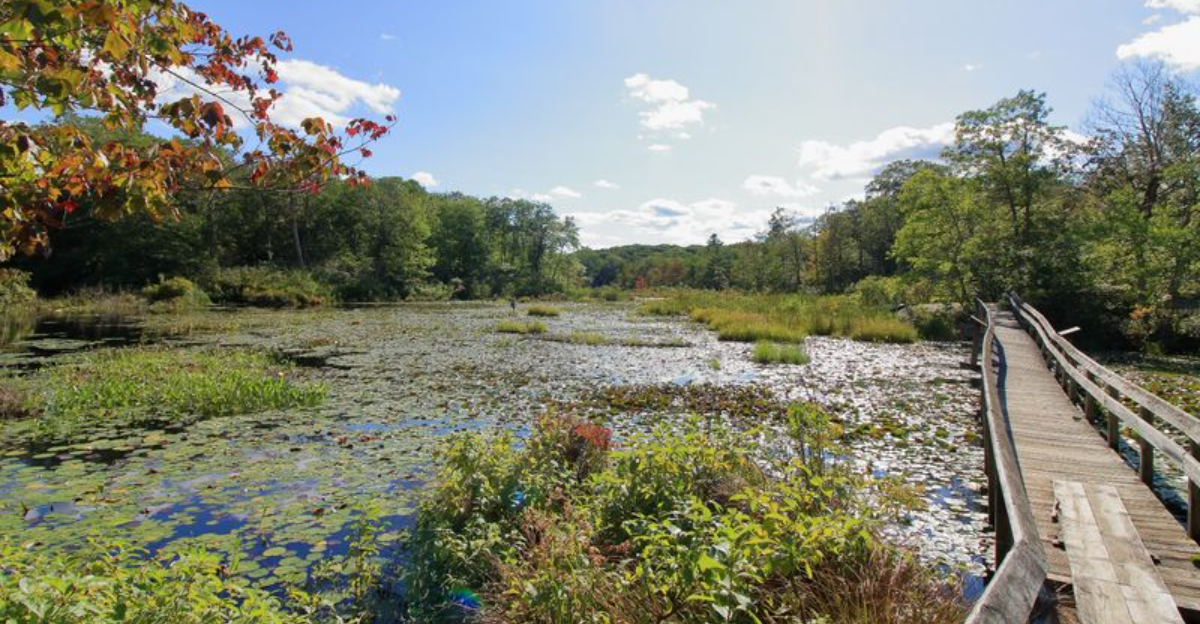
Crowds can make even a beautiful day feel like work.
Sometimes the better plan is finding a quieter patch of woods or a trail where the soundtrack is mostly leaves moving overhead. That kind of escape can reset the whole afternoon without requiring a big trip.
When fresh air is the priority, Connecticut has plenty of places where the scenery feels spacious and the pace stays pleasantly low-key.
You might end up beside a lake or somewhere deep in the trees, but the goal stays the same. A little distance from busy parking lots can make a huge difference.
These spots are made for days when you want room to wander and absolutely no interest in competing for elbow space. No packed itinerary required.
Just enough nature to make the phone seem boring for a while and the rest of the week feel slightly farther away.
1. Trout Brook Valley Preserve, Easton
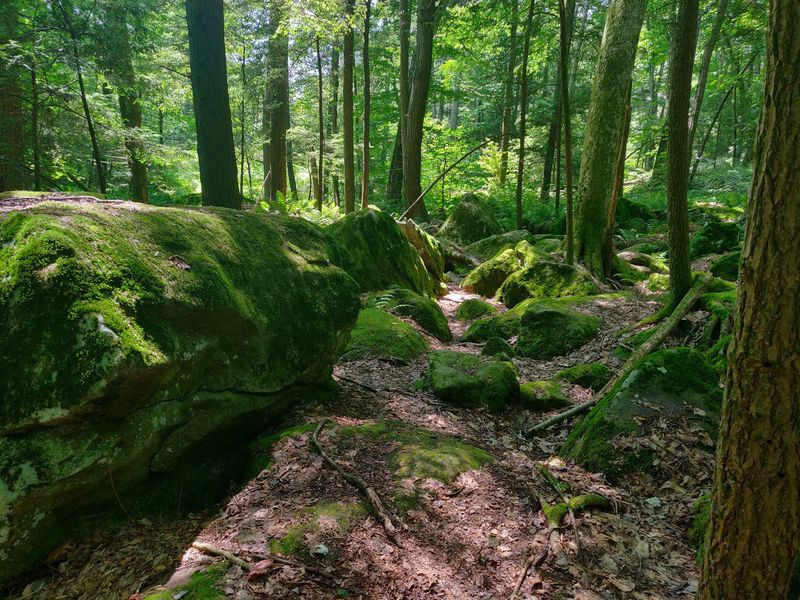
This place almost became a golf course. Seriously.
Instead, Trout Brook Valley now gives hikers a sprawling escape of woods, orchards, overlooks, and winding trails across Easton and Weston.
A major community campaign saved 730 acres from development in 1999, and that land now forms the heart of a larger 1,009-acre conservation area managed by Aspetuck Land Trust.
Nearly 14 miles of trails run through the main preserve, with routes that shift from easy farm roads to sharper climbs. Flirt Hill opens onto broad views across old orchard land, while an overlook reached from the orange trail reveals the Saugatuck Reservoir through the surrounding hills.
The adventure can stretch much farther. Connections with neighboring Jump Hill and Crow Hill Preserves bring the combined trail network to roughly 20 miles, giving hikers and mountain bikers plenty of room to keep exploring.
Access is spread among several trailheads, including Bradley Road in Easton, along with entrances from Black Rock Road, Freeborn Road, and Wells Hill Road. The preserves are open year-round from sunrise to sunset.
Rules for dogs and mountain bikes vary by section and season, so checking signs at the chosen trailhead before setting out is the simplest way to avoid surprises.
2. Deer Pond Farm, Sherman
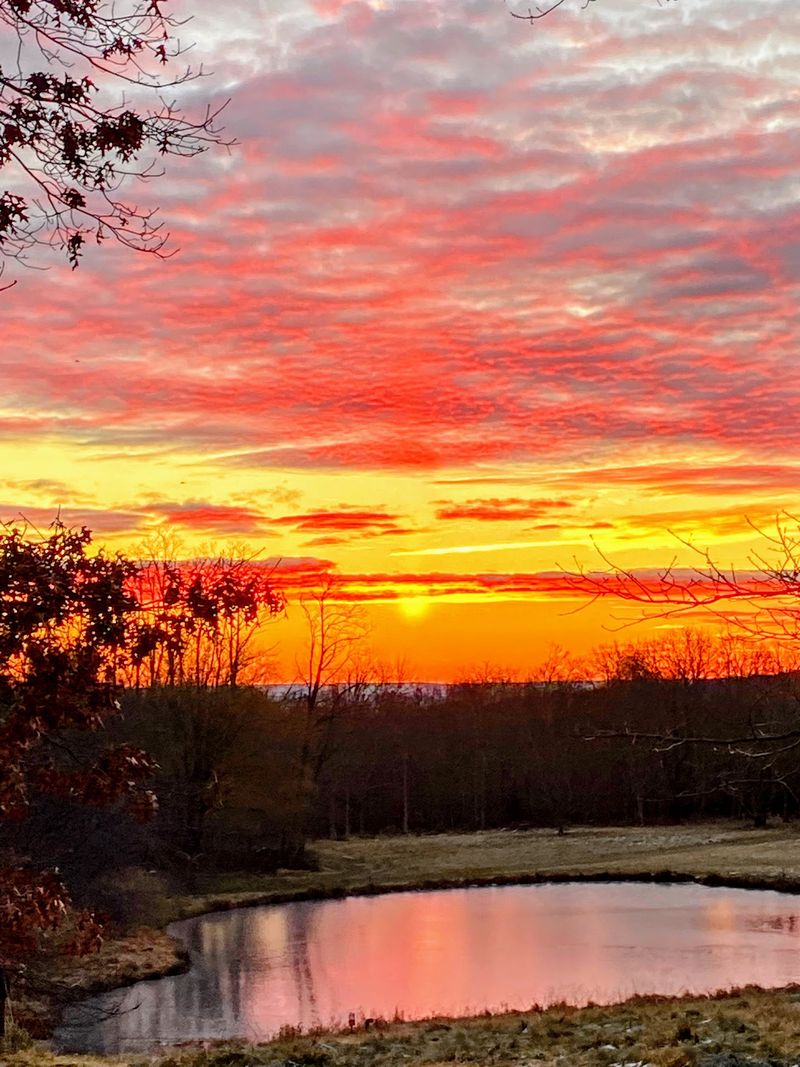
Birders keep a running list here, and it has passed 158 species. Purple Martins, orioles, grosbeaks, buntings, and catbirds all turn up with the seasons, which makes even a slow walk feel productive.
The Connecticut Audubon Society manages this 850-acre preserve, and the land climbs between roughly 900 and 1,200 feet before spilling over the border into Pawling, New York.
Fifteen miles of trails link upland hardwood forest, forested wetlands, meadows, shrubby young growth, two ponds, seasonal vernal pools, and long runs of old stone wall.
A renovated 1960s house serves as the education and visitor center, with room for classes, meetings, and art exhibits. Outside, a Teaching Terrace looks over the trails and a pond, and a pollinator garden grows near the parking area.
Everything starts from the visitor lot at 57 Wakeman Hill Road, Sherman, CT 06784, and the gates are open daily from dawn to dusk year-round.
Trail access is free, though guided programs may charge. Only quiet recreation is allowed, so leave dogs, bikes, and fishing gear at home.
3. Mine Hill Preserve, Roxbury
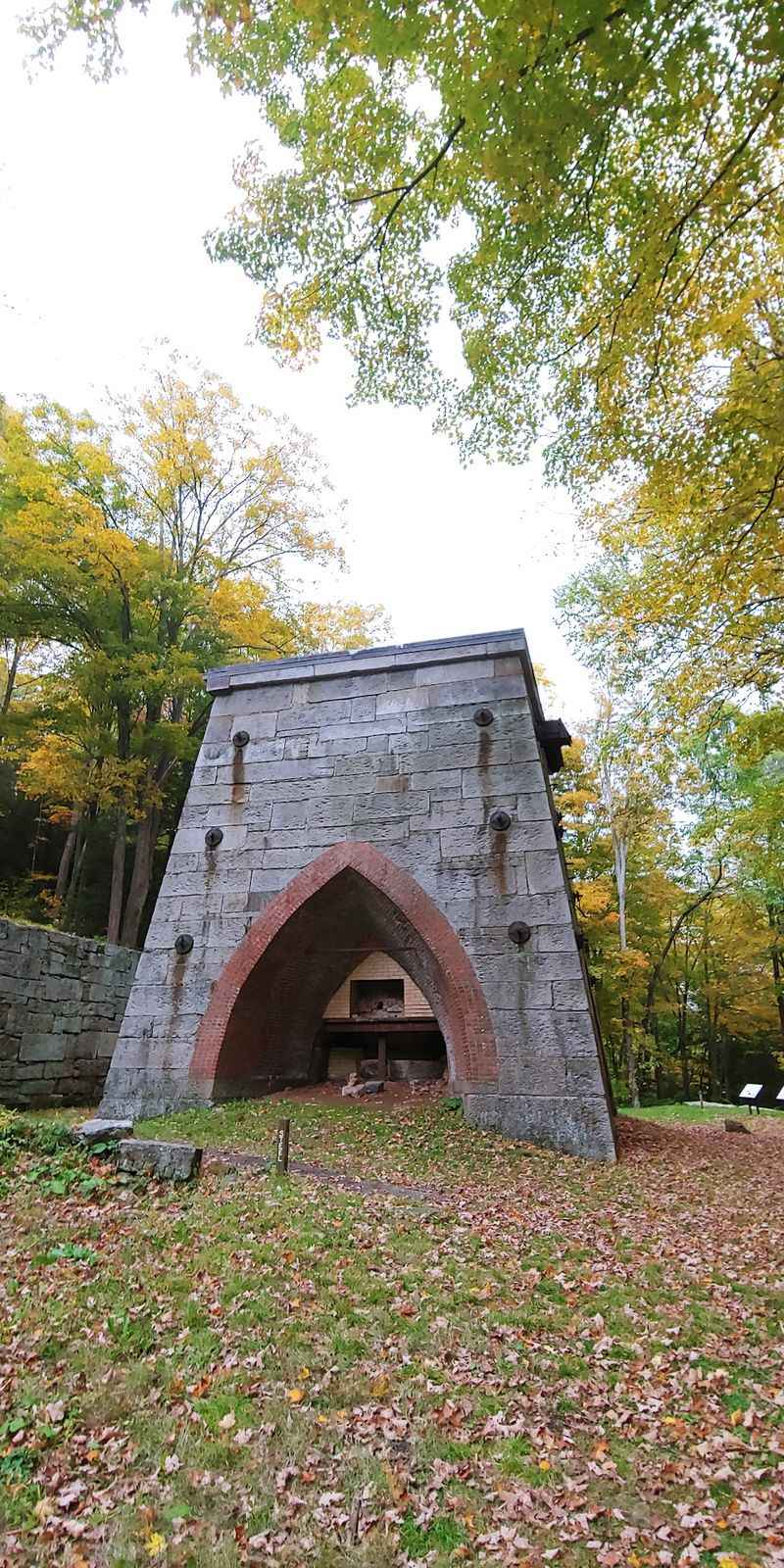
This hike has a secret underground. The clues start appearing quickly.
Mine Hill Preserve mixes woodland trails with the remains of a 19th-century iron-making complex, turning a walk into a trip through Roxbury’s industrial past. The Roxbury Land Trust acquired the 360-acre preserve in 1978 and later stabilized the surviving stone and brick structures.
Mine Hill entered the National Register of Historic Places the following year.
The blue-blazed main loop stretches about 3.5 miles and climbs the Donkey Trail, passing old mine tunnels and grated air shafts that now provide entrances to bat hibernation areas. Granite cliffs rise beside the route before it drops past an abandoned quarry and returns toward the furnace ruins.
Interpretive signs explain the iron-making process and how the blast furnace operated. They also bring the vanished boom town of Chalybes back into the story.
A shorter reservoir trail offers an easier alternative, crossing an earthen dam before circling back.
The preserve entrance and parking area are at 32 Mine Hill Road in Roxbury. The main loop is moderately difficult, with steep sections and rocky footing, while the reservoir trail is easy.
Visitors can explore the historic site independently and should follow current trail notices posted by the land trust.
4. Hidden Valley Preserve, Washington Depot
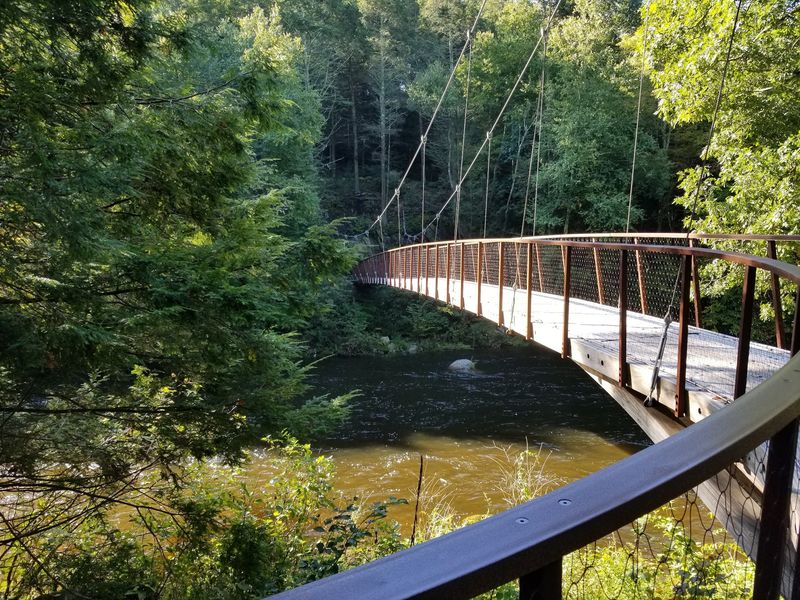
A 134-foot suspension bridge over the Shepaug River, named for Thoreau, is the photo everyone comes back with. Crossing it, with the water moving below and the deck flexing slightly, sets the tone for the rest of the walk.
Steep Rock Association manages this 940-acre preserve northeast of Washington Depot, where mixed forest and meadow are crossed by nearly 20 miles of trails ranging from gentle riverside strolls to moderate climbs up wooded hillsides.
The Lookout provides a semi-circular terrace facing west over the valley, a natural spot to unpack lunch. Higher up, the Pinnacle tops out at 820 feet with views across the property.
History surfaces at the old Quartz Mine, a surface operation that ran from the 1800s until 1915. Chunks of quartz still catch the light around the site.
Blazes are clear, but cell service can drop, so photograph the trailhead map before you start.
The preserve address reads 120 Bee Brook Rd, Washington Depot, CT 06794, while the main parking area sits at 198 Bee Brook Road.
5. Sessions Woods Wildlife Management Area, Burlington
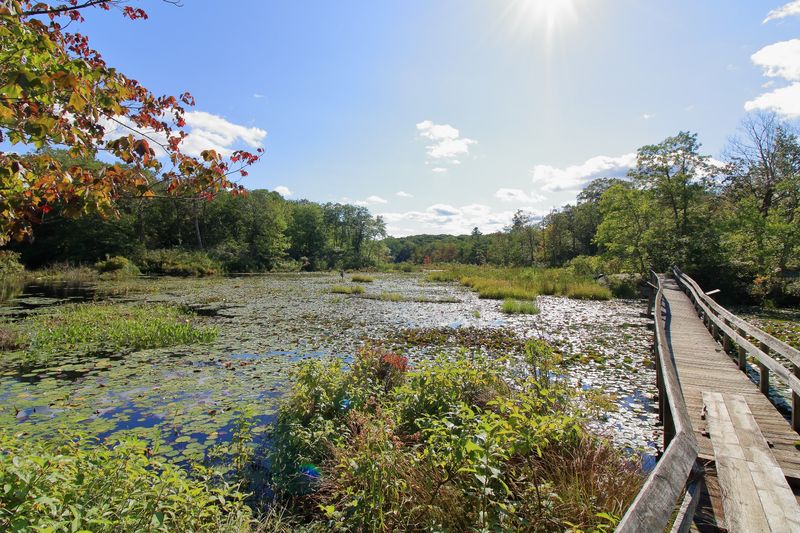
Learning happens on the trail here as much as indoors. Connecticut’s Department of Energy and Environmental Protection runs this 771-acre area as a teaching landscape, complete with habitat management demonstration sites and a backyard wildlife habitat area you can copy at home.
The Conservation Education Center at 341 Milford Street, Burlington, CT 06013 holds an exhibit area and a large meeting room, and it welcomes visitors Monday through Friday from 8:30 AM to 4:00 PM. Programs, demonstrations, and workshops run out of the building.
Trails and parking open at sunrise and close at sunset. The Beaver Pond Trail, about two miles round trip, passes a beaver marsh and a waterfall and reaches an observation tower with a long view.
Hikers wanting more distance can take a five-mile loop that swings past the Great Wall, a rock escarpment nearly 70 feet high. The Blue-Blazed Tunxis Trail connects here too.
Black bears are seen regularly, so follow the state’s BearWise guidance and keep food packed away. Leashed dogs are welcome on the trail system.
6. Windsor Locks Canal State Park Trail, Suffield
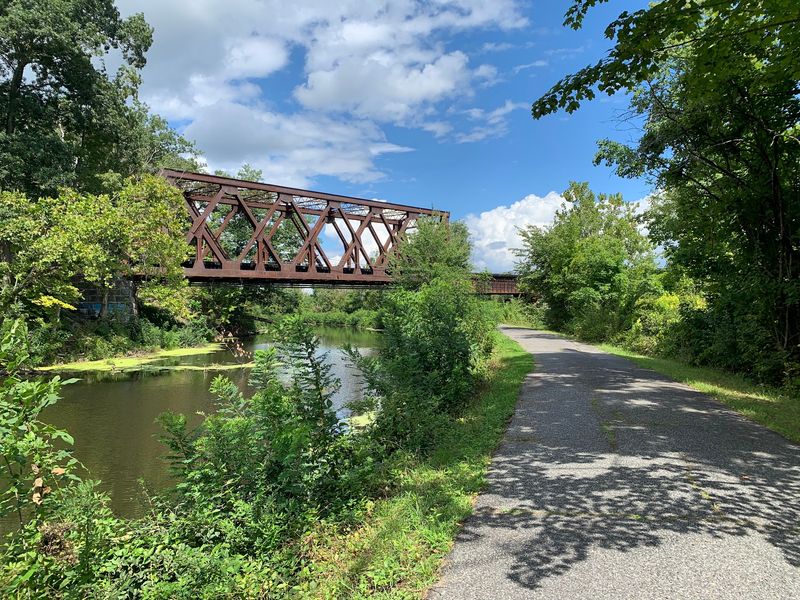
Walk this one and you are following in the footsteps of the mules that once towed canal boats. Irish immigrant laborers dug the Enfield Falls Canal between 1827 and 1829 so vessels could bypass a rocky, shallow stretch of the Connecticut River, and the old towpath is now a paved trail.
Water flanks you the whole way. The river runs along one side and the canal along the other, with 19th-century stonework still visible at intervals.
Length runs somewhere between 4.5 and 5.6 miles depending on where you turn around, and the surface stays flat, which makes it friendly for casual cyclists, walkers, and families pushing strollers. Anglers use it heavily too.
Because the strip of land is narrow and thickly vegetated, wildlife sightings come often. Near the southern end the path ducks beneath Amtrak’s active New Haven to Springfield line, a small thrill for train fans.
Season matters: the trail is open from April 1 through November 15, generally from half an hour before sunrise to half an hour after sunset, while temporary closures may sometimes affect sections of the trail. Park at the northern end on Canal Rd, Suffield, CT 06078.
7. Pachaug State Forest, Voluntown
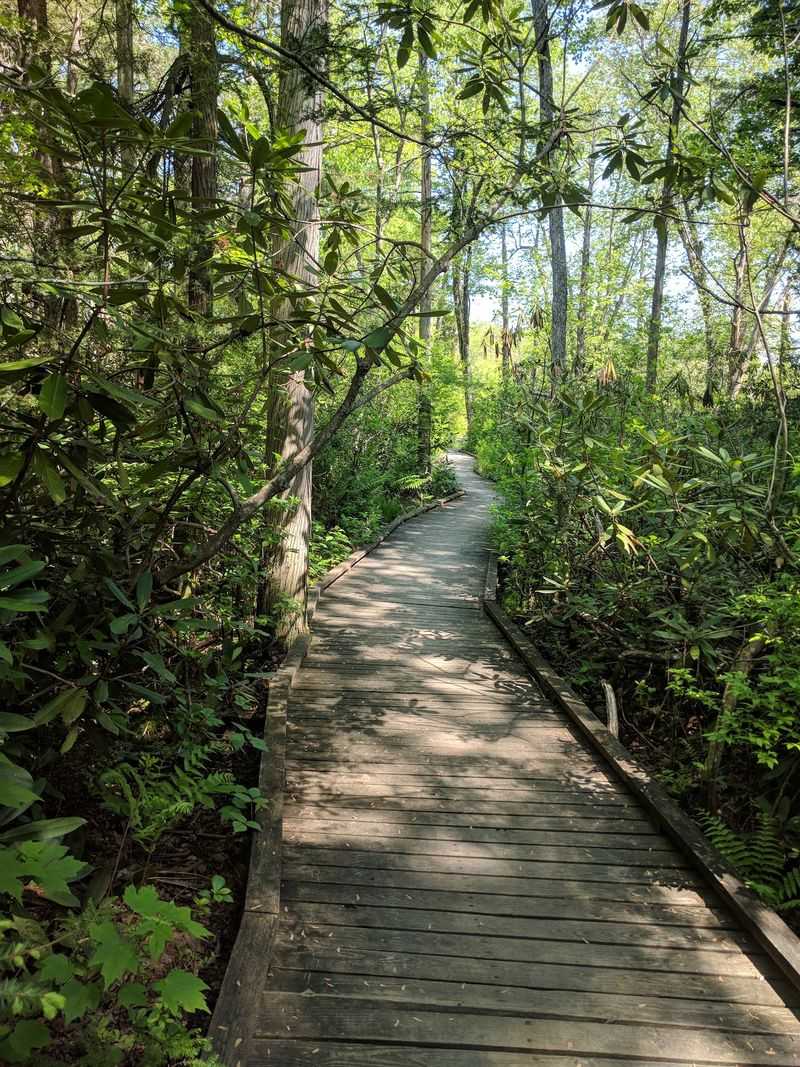
At 26,477 acres across six towns, this is the largest state forest in the state, and its size alone guarantees breathing room. The name comes from an Indigenous word meaning bend in the river, fitting for a place where the Pachaug River rises at Beach Pond and winds through the woods.
Four blue-blazed routes anchor the trail system: the Pachaug Trail at roughly 24 to 30 miles, the Nehantic just under 15, the Quinebaug around seven, and the Narragansett.
Side and crossover paths let you build loops or string together a backpacking trip past ravines, waterfalls, mill ruins, and glacial fields.
Pachaug-Great Meadow Swamp holds National Natural Landmark status as one of the state’s largest Atlantic white cedar swamps.
Two rustic campgrounds, Mount Misery and Green Falls, offer vault toilets and shared potable water, with up to two leashed pets allowed per site. Green Falls Pond adds swimming and fishing.
The Rhododendron Sanctuary peaks in bloom around July 4th along a short wheelchair-accessible walk. Forest headquarters is at 219 Ekonk Hill Road, Voluntown, CT 06384.
8. Barn Island Wildlife Management Area, Stonington
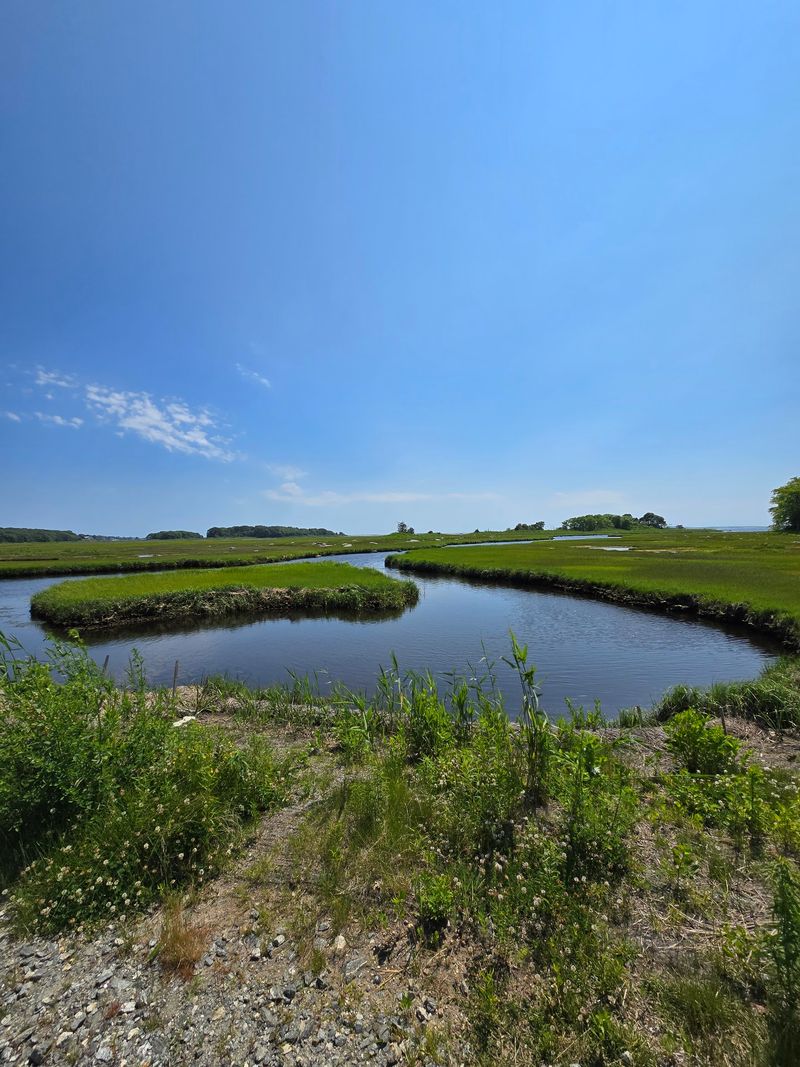
Think the shoreline is all sand and open water? This place has a few surprises waiting beyond the marsh.
The main access point sits at the end of Palmer Neck Road in Stonington, where Barn Island Wildlife Management Area opens into more than 1,000 acres of protected coastal habitat.
It is the state’s largest coastal property managed for wildlife conservation, with scenery that shifts dramatically as the trails move inland.
Wide paths pass salt marshes before reaching wooded ground, while old stone walls hint at the farmland that once occupied parts of the property. Views open across Little Narragansett Bay and Wequetequock Cove, and the roomy trail system makes it easy to spread out even on busy days.
Birdwatching is a major draw here, especially around the marshes, which form part of an Important Bird Area. A viewing and education area helps explain how the wetlands function, while tidal channels add plenty to watch along the way.
Paddlers can launch into the surrounding waters, and fishing is another popular option. Trails remain enjoyable through colder months for walking, snowshoeing, or cross-country skiing.
Waterproof boots are useful after wet weather, and insect repellent can make warm-season exploring much more comfortable.
9. Machimoodus State Park, Moodus
Odd rumbling noises gave this area its name centuries ago. Local Indigenous people called the place Machimoodus, often translated as place of bad noises, in reference to the faint booms now understood as small, shallow earthquakes known as the Moodus Noises.
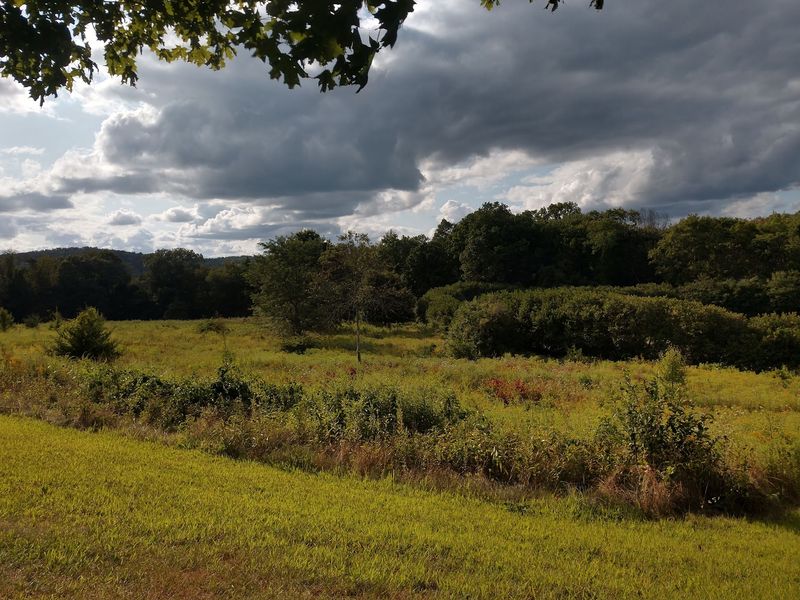
The park protects hundreds of acres of open hilltop meadow and forest above the Salmon River in the East Haddam area, and the combination of high grassy fields and river valley views is unusual for eastern parts of the state. Old woods roads and mowed field edges form the walking routes.
Because much of the terrain is open pasture rather than dense forest, sightlines run long and the sky feels bigger than it does on most state trails. Hawks and grassland birds hunt over the fields, and the meadows change character noticeably between spring green and late-summer gold.
Connecting land at the adjacent Machimoodus and Sunrise Resort area extends the walking options for anyone wanting a longer outing.
Parking is off 128 Leesville Rd, Moodus, CT 06469, and the park is open daily from 8:00 AM to sunset.
10. George C. Waldo State Park, Southbury
This park seems to have forgotten it is supposed to impress anyone. That is exactly why it works.
George C. Waldo State Park protects about 150 acres of undeveloped land in Southbury, with mixed deciduous and coniferous forest covering much of the property.
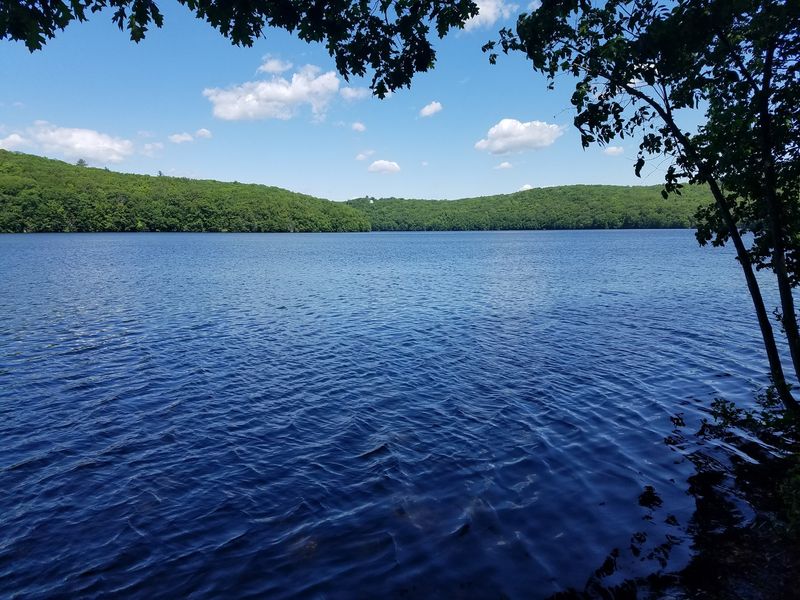
Stone walls appear between the trees, while wetlands near the trailhead give way to terrain that gradually drops toward Lake Lillinonah.
The trail network is especially popular with mountain bikers, although hikers and trail runners share the wooded routes. Some stretches stay smooth and approachable, while rocks and roots add enough variety to keep the ride interesting.
The state trail map shows several interconnected routes and scenic viewpoints overlooking the lake.
Fishing brings visitors down to the water, and horseback riding is permitted as well. Quiet shoreline spots work nicely for a picnic, while the surrounding woods reward a slower pace.
Parking is limited, which helps preserve the park’s low-key atmosphere even on pleasant weekends. The entrance is at 457 Purchase Brook Road in Southbury.
There is currently no parking fee, and the state lists hiking, fishing, horseback riding, and mountain biking among the permitted activities.