Fall Feels Extra Colorful At This Nebraska Orchard With Apples, Pumpkins And U-Pick Flowers
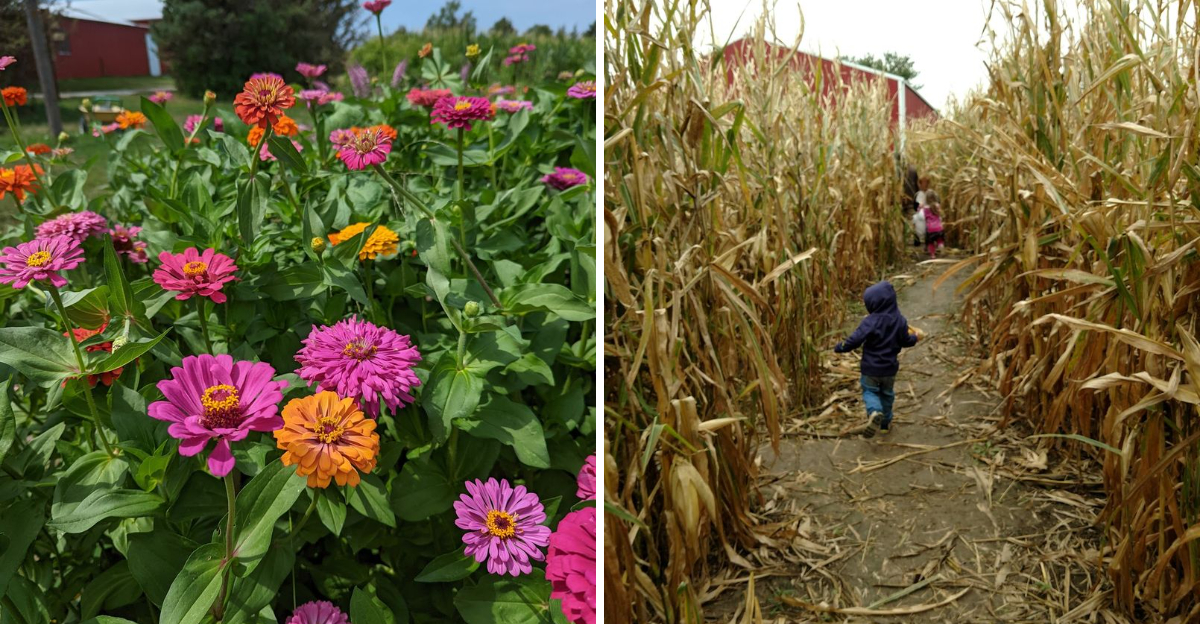
September has a talent for making everything look better outdoors.
Apple trees start carrying the season in one direction, pumpkins pull it toward October, and rows of flowers add a completely different burst of color before the fields quiet down for the year.
This Nebraska orchard turns that overlap into one of those rare fall outings where nobody has to agree on a single activity.
Fill a bag with apples, wander toward the pumpkins, then hand the scissors to whoever takes flower picking most seriously.
The day can shift from harvest mood to bouquet-building without ever feeling rushed. That variety is what makes the place especially inviting.
You are not locked into one attraction or one kind of visitor. Families can spread out and anyone who came mostly for the scenery will still find plenty to look at.
Pick Apples Straight From The Trees
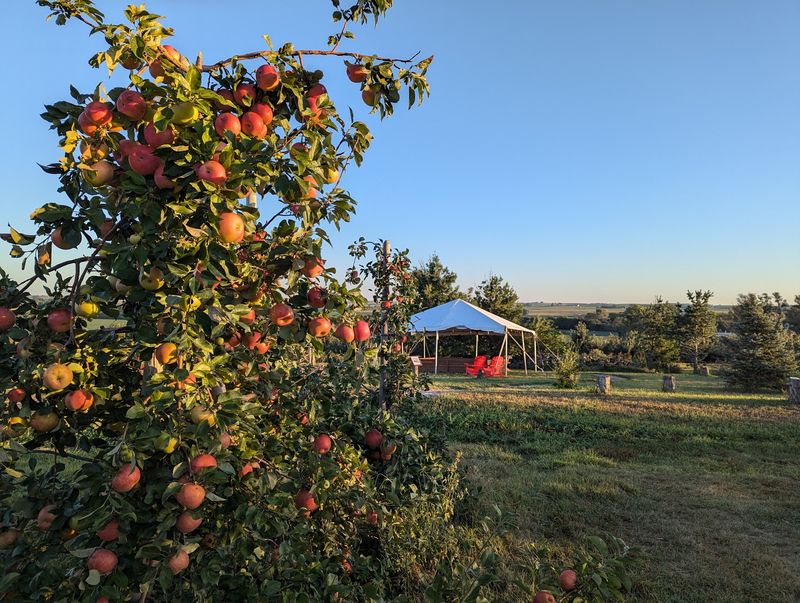
Reaching up, twisting gently and feeling an apple release into your hand is the moment most visitors remember from a fall trip here.
U-pick apples are the signature offering during harvest season, and the orchard grows a solid mix of varieties.
Honeycrisp, Gala, Jonagold, Rosalee, Cameo and Jonathan all appear at different points in the season, which means a September visit and a late October visit will not taste the same.
Apples are sold by the pound, so the cost depends entirely on how much ends up in the bag. Picking bags are provided, which spares anyone the trouble of hauling in their own containers.
A practical tip: pick what will actually get eaten within a couple of weeks, since fresh orchard apples do not sit around as long as store fruit.
The trees are planted close enough together that walking between rows stays easy, and many apples hang within reach of shorter arms.
Which varieties are ripe changes week to week, so checking the orchard’s updates before driving out helps avoid disappointment.
Sampling is part of the fun, and tasting a few kinds side by side makes the difference between sweet and tart much clearer.
Comfortable shoes matter more than anything fancy, since the ground is grass and dirt rather than pavement.
Head Into The Pumpkin Patch
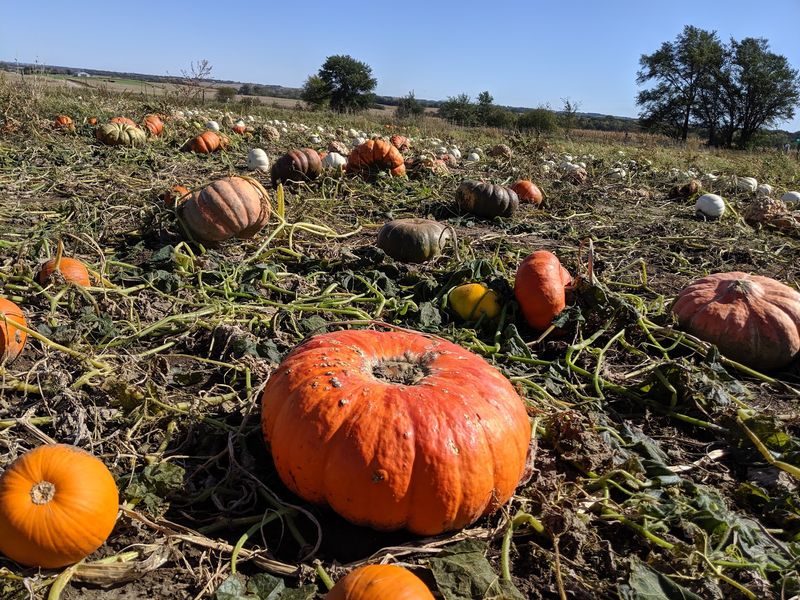
Choosing a pumpkin off the vine beats grabbing one from a grocery store bin, and the patch here gives visitors that option all season.
Guests can walk out and select their own, or grab something from the pre-picked supply near the main area if muddy ground or tired legs make the walk less appealing.
Pumpkins are sold by the pound, the same straightforward system used for apples. Selection ranges from small pie pumpkins to larger carving types, along with gourds and decorative varieties.
Boots are genuinely worth packing if rain has passed through recently, because patch soil holds water and shoes can sink.
Anyone hauling a heavy pumpkin back should plan for the weight, especially with a toddler in the other arm.
The patch sits away from the main play areas, so a trip out there doubles as a short walk across the property.
Late September and October bring the widest selection, though picking earlier in the season means less competition for the best-shaped ones.
Kids tend to fixate on the biggest pumpkin they can find, so a quick conversation about carrying it back can save some negotiating later.
Photos come out well here, with rolling ground and rows of orange against the grass making an easy backdrop.
Fill A Vase With U-Pick Flowers
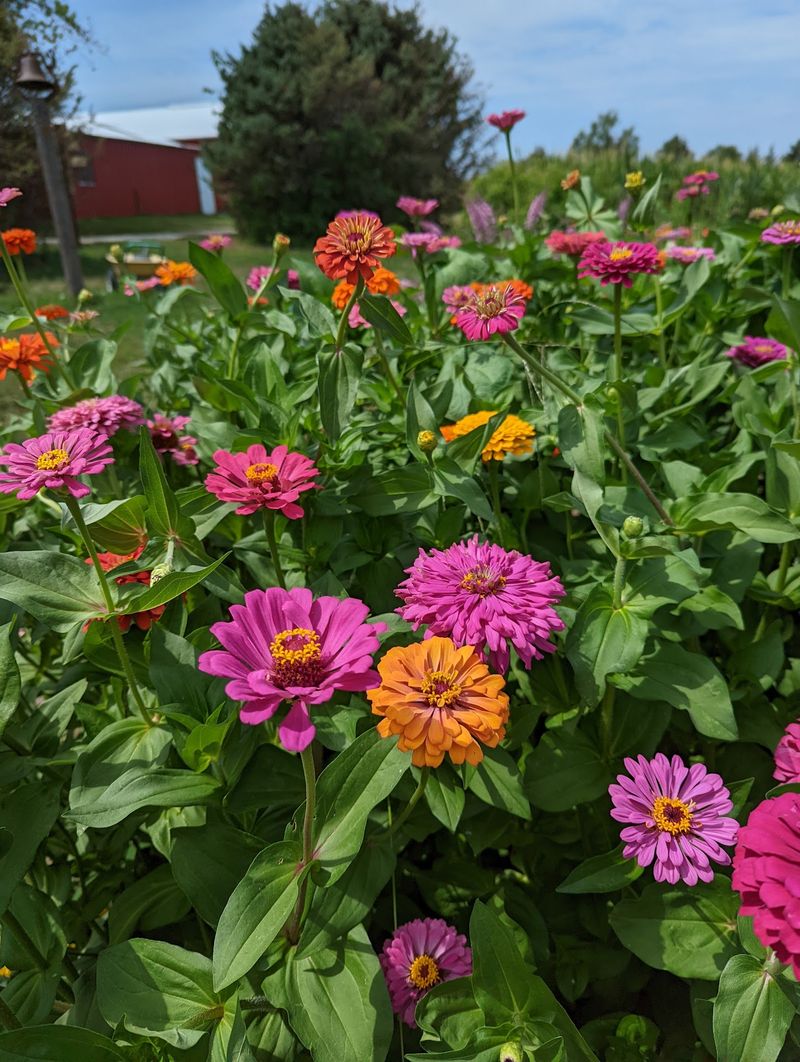
Not many orchards hand visitors a pair of clippers and turn them loose in a flower field, but that is exactly what happens here.
The flower field is one of the more unusual attractions on the property, and it draws people who came for apples and stayed for the blooms.
A U-pick flower vase costs $10 plus tax, and the price covers the vase, water and clippers.
Zinnias and cosmos are often among the varieties available, though what is blooming depends on the week and the weather.
Arranging a bouquet takes longer than most people expect, mainly because narrowing down colors is harder than it sounds.
Kids can participate too, and cutting stems gives smaller hands something focused to do between running around the play areas.
The vase travels home full of water, so a flat spot in the car and a towel underneath are smart preparations.
Cutting stems on an angle and keeping the vase out of direct sun helps the arrangement last longer once it gets home.
Morning visits often catch the flowers looking their freshest before afternoon heat sets in. Bees work these blooms constantly, which is worth knowing ahead of time for anyone nervous around them.
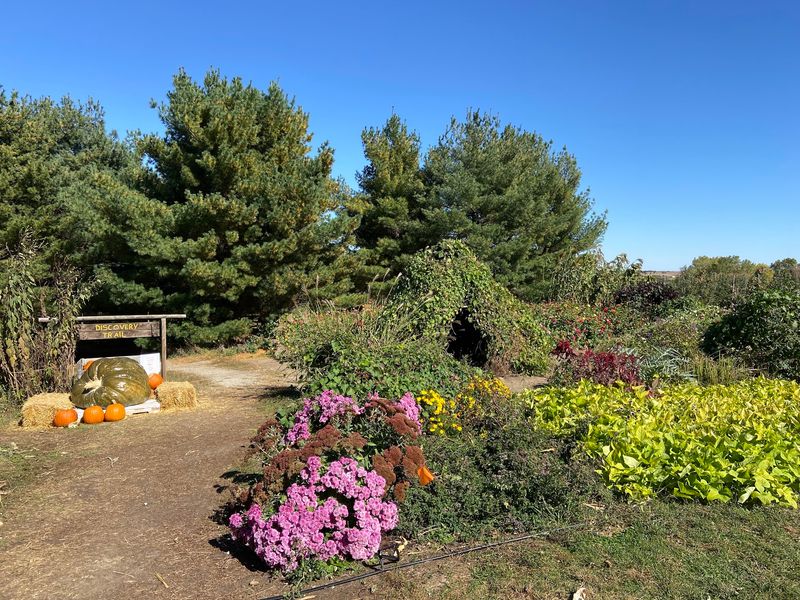
Walk The Half-Mile Discovery Trail
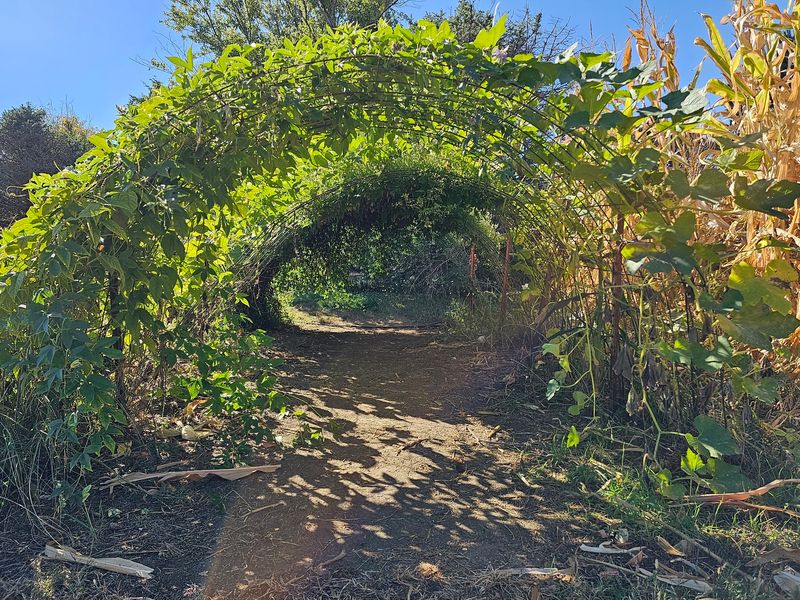
Roughly half a mile of trail loops through the orchard, and it turns a fruit-picking trip into something closer to a nature walk.
Interpretive signs stand along the route, sharing facts about the trees and the plants growing around them.
Reading a few of them changes how the rest of the visit looks, since details about how fruit trees grow are easy to miss otherwise.
Distance-wise, the walk is manageable for most ages and does not require any special gear beyond shoes that handle grass and dirt.
Younger children can usually finish it without complaint, especially with a snack promised at the end.
Strollers may struggle in spots depending on ground conditions, so a carrier can be the easier choice with an infant.
Pacing matters here more than speed, and the trail rewards slowing down to look at what the signs point out.
Fall color along the path shifts through the season, with late October usually showing the warmest tones.
Sound carries differently out here than near the play areas, and the quieter stretches make good spots for a breather.
Building the trail into the middle of a visit works well, giving everyone a calm stretch between picking fruit and playing.
Get Lost In A Kid-Sized Corn Maze
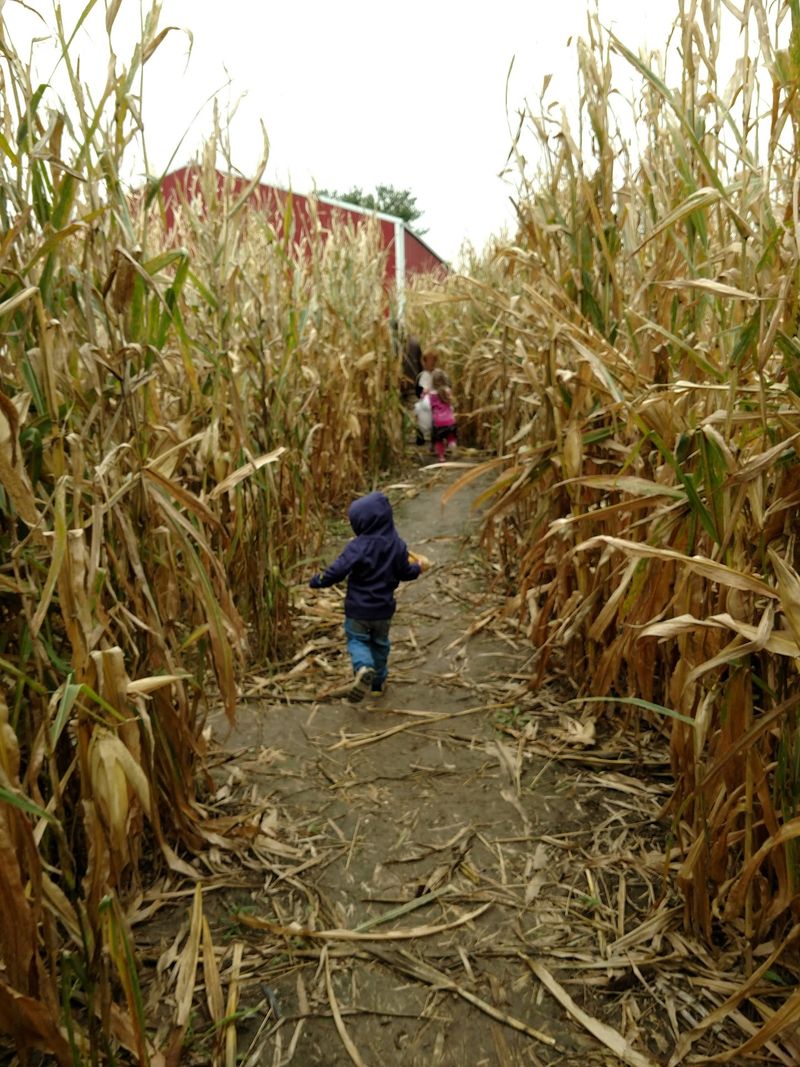
Giant mazes that take two hours to solve are fun for teenagers and exhausting for everyone else. The corn maze here goes the opposite direction, built at a scale that suits younger visitors.
Finishing it takes a reasonable amount of time, which means kids get the thrill of being briefly turned around without anyone ending up in tears.
Parents can usually stay within earshot, and that alone lowers the stress level considerably.
Corn walls block wind, so the maze can feel warmer than the open orchard on a breezy day.
The ground inside is dirt, and it holds moisture after rain, making closed shoes the sensible choice.
Running through more than once is common, since the route becomes a game of speed after the first trip.
Older siblings sometimes appoint themselves guides, which keeps the group moving.
The maze sits among several other outdoor activities, so it works as one stop rather than the main event.
Going through in the middle of the day means better light between the rows and easier navigation for the smallest walkers.
Nothing about it is spooky or startling, which fits the orchard’s overall family-first approach to fall.
Test Your Strength On The High-Strikers
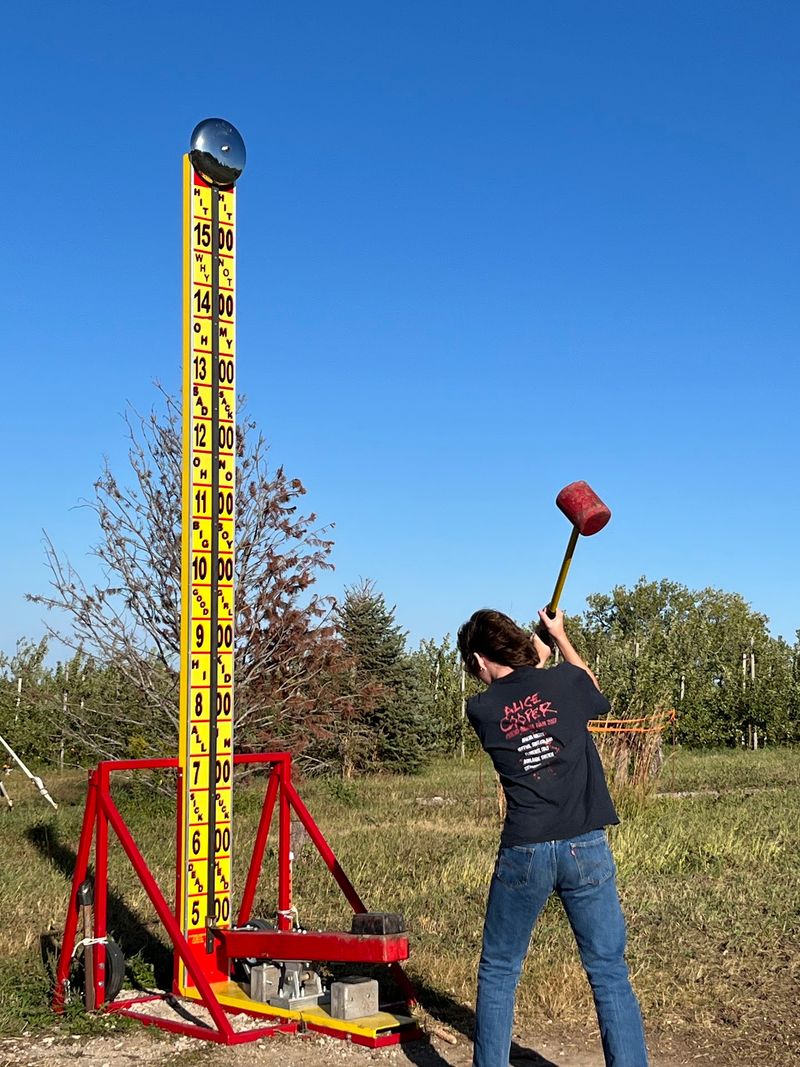
Carnival-style strength games rarely show up at orchards, which makes the high-strikers here a small surprise.
Swinging a mallet and watching the marker climb gives visitors a quick burst of competitive fun between the quieter activities.
The games are listed among the orchard’s outdoor offerings and sit alongside the other play areas.
Technique matters more than raw muscle, something kids figure out after a few tries.
Older children and adults both get pulled into it, usually after someone claims they can do better.
Form is simple enough that first-timers can join without instruction. Standing back while someone swings is basic courtesy and worth mentioning to younger kids in the group.
Weather does not affect the game much, though wet hands make gripping harder. Play here fits into a few minutes rather than a long stop, making it easy to slot between apple picking and food.
The atmosphere stays lighthearted, with no prizes or pressure attached. Families often use it as a friendly contest to settle who carries the pumpkin back.
Small details like this fill out the visit and explain why an hour and a half passes faster than expected on the property.
Turn The Visit Into A Picnic
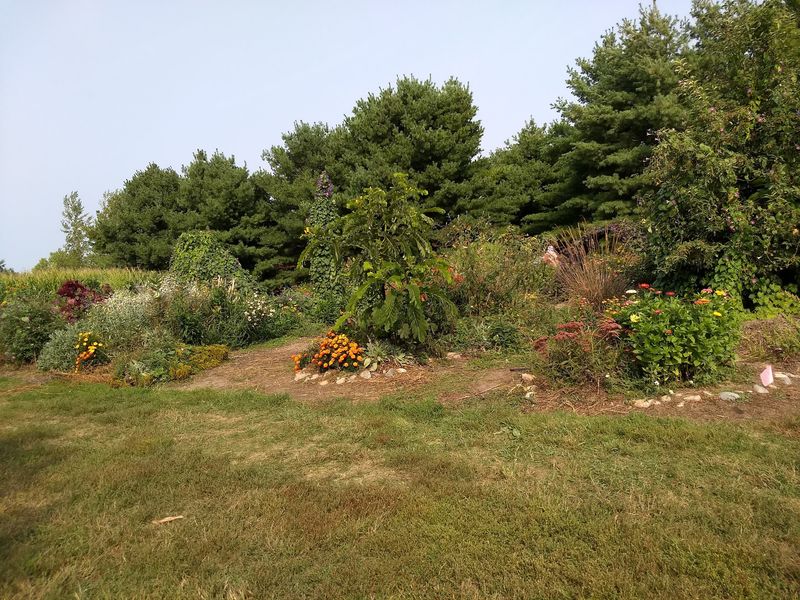
Packing a cooler turns a two-hour stop into a relaxed afternoon, and the orchard welcomes exactly that.
Visitors are allowed to bring their own food and drinks, with picnic tables available around the grounds for anyone who wants to sit and eat.
Martin’s Hillside Orchard is located at 2024 Ashland Rd, Ceresco, NE 68017, roughly between Lincoln and Omaha. Admission runs $6 per person, and children under two enter free.
The orchard recommends allowing about an hour and a half to two hours for a typical visit. That window gives enough time to pick fruit, let kids play and still sit down for a meal without rushing.
Tables fill up faster on weekend afternoons, so arriving earlier improves the odds of finding a spot. Shade varies by location, and a blanket works as a backup if every table is taken.
Packing out trash keeps things pleasant for the next group. The 2026 season is planned to run from September 5th through the end of October, Tuesday through Sunday, 10 am to 6 pm.
Plan The Drive And Time The Season Right
Getting the timing right shapes the whole experience more than anything else on this list.
Located between Lincoln and Omaha, the orchard is an easy drive from either city and does not require a long highway haul.
Early September brings warmer weather, earlier apple varieties and flowers still going strong in the field.
Mid to late October shifts things toward pumpkins, later apples and cooler air that makes walking more comfortable.
Weekdays are noticeably quieter, though wagon rides and weekend food service are not part of a Tuesday visit. Weekends deliver the fullest experience with more activity across the grounds.
Ground conditions depend heavily on recent rain, and muddy fields can affect both the pumpkin patch and wagon rides. Dressing in layers handles the swing between chilly mornings and warm afternoons.
Cash or card readiness helps, and bringing a bag for purchases keeps hands free.
The property is compact compared to large commercial orchards, which is a genuine advantage for families with toddlers.
Nothing on site leans spooky or loud, making it suitable for young children and anyone who prefers a calmer fall outing.
Checking the orchard’s website before leaving confirms what is ripe and what is running that day.