Fresh Air Comes Easy At These 10 Quiet Nebraska Places
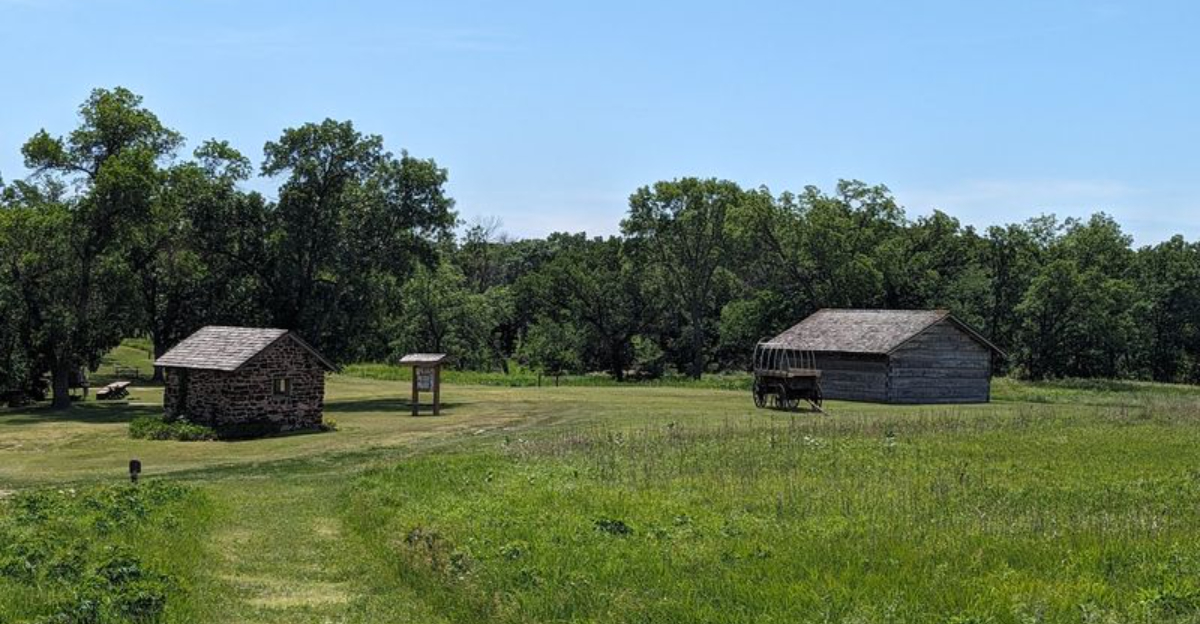
The loudest thing here may be wind moving through grass. That’s the point.
Nebraska has quiet corners where the day feels stripped back to the essentials: open sky, long views, water moving nearby, and enough space that your phone becomes much less interesting.
These 10 places are for the weekends when entertainment is not the goal.
Sit beside a lake without planning the next stop. Follow a trail until the scenery gives you a reason to pause. Let an overlook hold your attention longer than expected.
Fresh air feels different when nothing around you is competing for it.
There is no need to cram the day full. Bring water, comfortable shoes, and whatever helps you stay outside a little longer.
Sometimes the best escape is simply finding somewhere quiet enough to hear yourself think.
1. Toadstool Geologic Park, Near Harrison
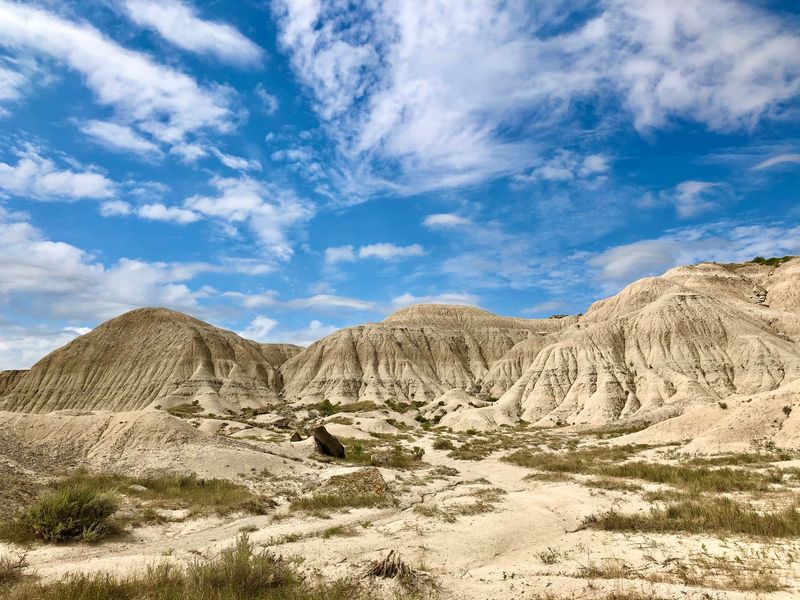
Picture a chunk of the moon dropped into the corner of Nebraska, and you have Toadstool.
Wind and water spent millions of years carving soft clay and sandstone into knobby shapes that really do look like mushrooms on stone stems.
The park sits inside the Oglala National Grassland, and the drive in on gravel roads filters out most casual travelers.
A one-mile interpretive loop does the heavy lifting for first-timers, with a printed brochure pointing out the strangest formations along the way.
Want more distance? The three-mile Bison Trail links the loop to the Hudson-Meng Education and Research Center, and a five-mile loop ties into the Great Plains Trail network.
Fossil hunters get excited here for good reason. The rock layers hold tracks and bones from tortoises, rhinos, saber-toothed cats, and small three-toed horses that once wandered this landscape.
A reconstructed sod house near the trailhead shows how early homesteaders scraped out a living on the same ground.
Primitive camping is available with picnic tables, fire rings, grills, and vault toilets, but there is no drinking water, so haul in every drop you plan to use. A small day-use fee may apply.
Go early or late in the day when shadows stretch across the formations and the temperature drops. Sturdy shoes matter, since the clay turns slick and sticky after rain.
Most visitors leave saying the same thing: the silence out there is almost startling.
2. Crescent Lake National Wildlife Refuge, Near Oshkosh
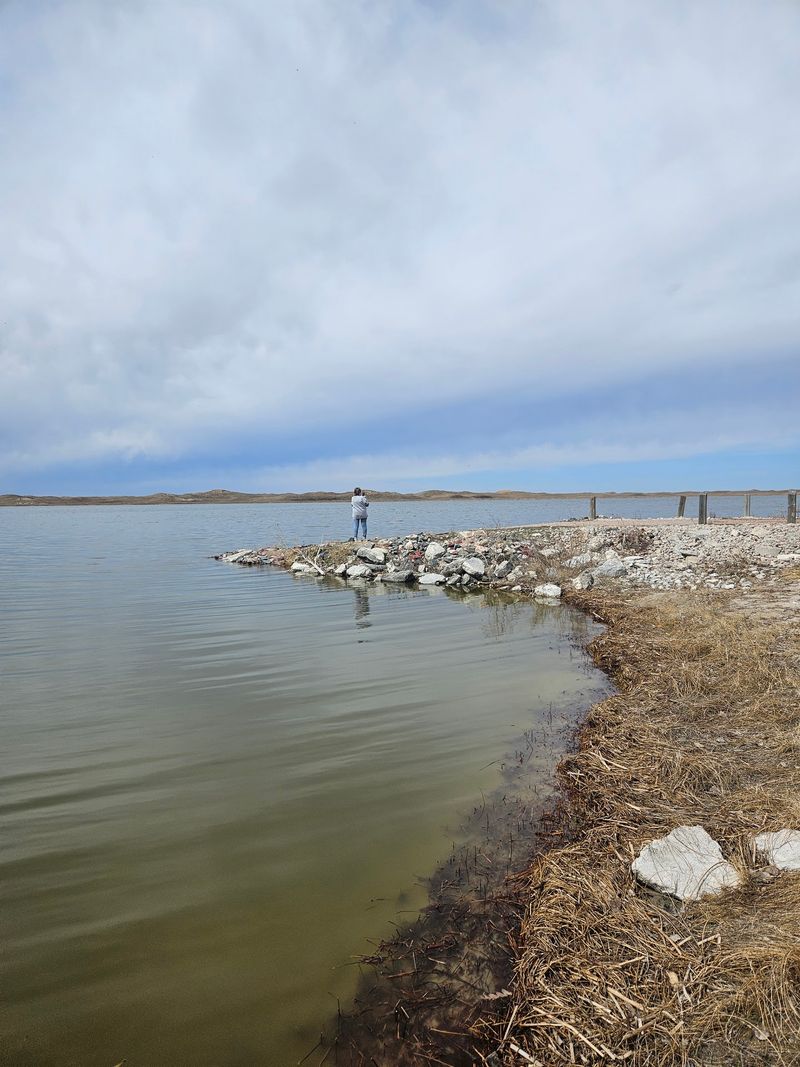
Getting to Crescent Lake is part of the experience, and honestly part of the fun.
After you leave the main highway near Oshkosh, expect roughly an hour of washboard gravel, sand, and skinny one-lane pavement before the refuge sign appears.
The reward is more than 45,000 acres of prairie, dunes, wetlands, and shallow lakes with almost nobody around. Refuge staff and travelers alike call it one of the most remote refuges in the lower 48 states.
Birders love the place. Over 270 bird species have been recorded here, and pronghorn, coyotes, and prairie grouse round out the wildlife list.
A self-guided auto tour route lets you cover ground without leaving the car, which is handy on hot afternoons or when the wind picks up.
Hikers can wander freely across open prairie, though a map and compass beat guesswork when every dune looks similar.
The refuge was established in 1931 to protect a working sample of native prairie and the animals that depend on it, and that mission still shows.
Camping is not allowed inside the refuge itself, but primitive sites wait nearby at the Crescent Lake Wildlife Management Area run by Nebraska Game and Parks.
Fill your gas tank in Oshkosh, bring extra water, and check your spare tire before heading out. Cell service is spotty, which sounds inconvenient until you realize that is exactly why the quiet holds.
3. Valentine National Wildlife Refuge, South Of Valentine
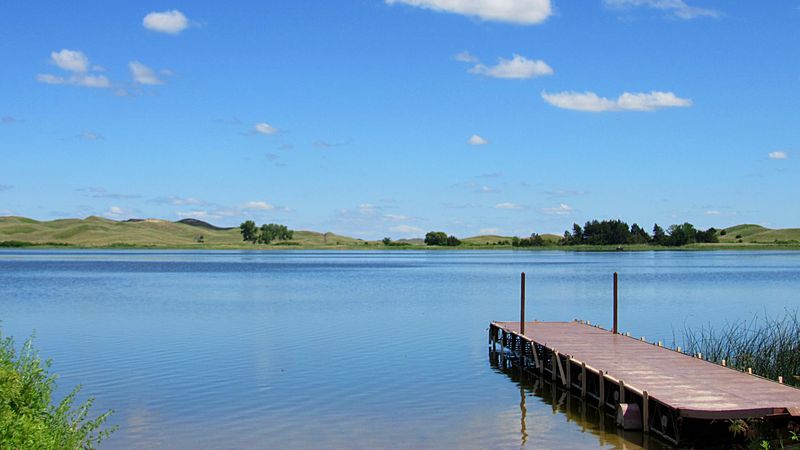
Wind and birdsong are pretty much the whole soundtrack at Valentine National Wildlife Refuge.
Spread across 71,500 acres of grassy dunes, shallow lakes, and marshes, it sits right in the heart of the Sandhills, about 20 miles south of town.
Underneath those hills lies the Ogallala Aquifer, quietly feeding dozens of spring-fed lakes and wetlands. That hidden water is the reason a sandy landscape supports so much life.
Established in 1935 as a breeding ground for migratory birds, the refuge earned National Natural Landmark status in the 1970s thanks to its rare, intact prairie.
Anglers can fish nine of the lakes for bass, northern pike, perch, and bluegill in remarkably clear water, though only electric motors are permitted. That rule keeps things calm on the surface and easy on the ears.
Hikers have two walking trails plus a self-guided interpretive trail, and open country stretches beyond them for anyone comfortable navigating.
Bird lovers count 270 species here, along with 59 mammals and 22 reptiles and amphibians.
During spring, photo blinds let you watch prairie chickens and sharp-tailed grouse dance on their booming grounds, an experience worth setting an early alarm for.
Migration brings thousands of ducks and geese dropping in at once.
Admission costs nothing. Bring binoculars, sunscreen, and patience, because the longer you sit still out here, the more the refuge shows you.
4. Merritt Reservoir State Recreation Area, Near Valentine
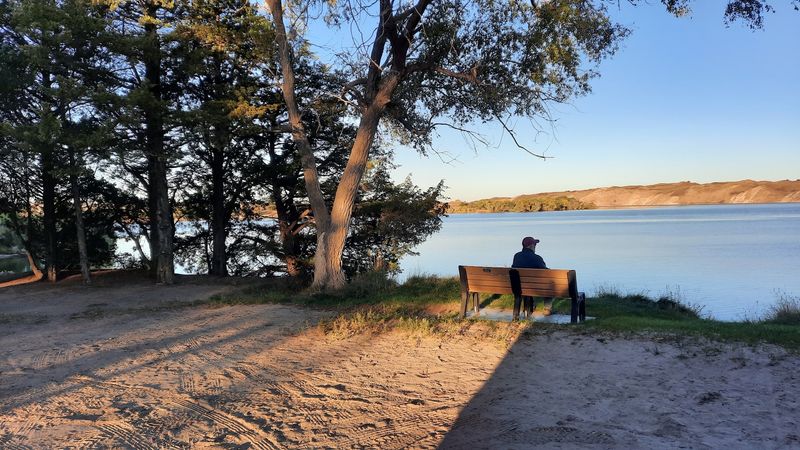
Daylight at Merritt is nice. Nighttime is unforgettable.
In 2022 this Sandhills reservoir became Nebraska’s first International Dark Sky Park and the 200th certified Dark Sky Place in the world.
The nearest town is small, the surrounding ranch country is empty, and light pollution barely exists, so the Milky Way shows up like spilled sugar across the sky.
Stargazers have known the secret for a while. The Nebraska Star Party has gathered here for more than 30 years, drawing telescope owners from across the country.
The park covers 729 acres along a reservoir known for clear water and sandy beaches.
Anglers chase walleye, crappie, and muskellunge, and all motorized and electric boats are allowed, so water skiing and pontoon cruising fit right in.
Campers can choose primitive spots or RV sites, and hiking, birdwatching, and hunting fill out the list of things to do.
A few practical notes make the trip smoother. Buy a Nebraska park pass before you arrive, bring a red flashlight so your eyes stay adjusted after dark, and pack layers because Sandhills nights turn chilly even in July.
New moon weekends offer the darkest viewing, and summer through early fall gives the best combination of warm evenings and clear air.
Set up a chair, tilt your head back, and let your eyes adjust for twenty minutes. The show only gets better.
5. Box Butte Reservoir State Recreation Area, Near Hemingford
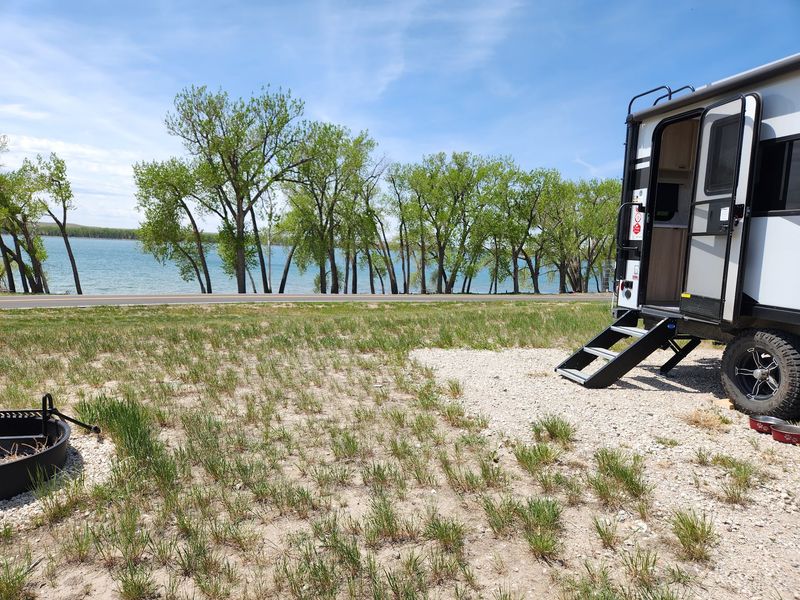
When the state’s own park agency points to a spot and says go there if you want solitude, that is worth paying attention to.
Nebraska Game and Parks specifically recommends Box Butte Reservoir for visitors chasing peace and quiet.
Tucked into the northwest Panhandle near Hemingford, the reservoir holds clear water rimmed by grassy hills. Boaters, campers, and anglers spread out easily because there is simply room for everyone.
Fishing draws steady interest, and shoreline spots are plentiful enough that you can usually claim a stretch of bank to yourself.
Paddlers like it too. A kayak or canoe glides nicely across calm mornings before the afternoon wind arrives, which it usually does in the Panhandle.
Birdwatching may be the sleeper attraction. The area is regarded as one of the best places in western Nebraska to spot birds, so keep binoculars within reach of your camp chair.
Picnicking works well here for families who want a low-effort day trip. Load a cooler, find a shady table, and let the afternoon stretch out.
Because the surrounding country is ranchland and small towns, stock up on food and fuel in Hemingford or Alliance before driving in.
Spring and fall bring cooler temperatures and even fewer visitors, though summer stays comfortable compared with crowded lakes elsewhere.
Bring a windbreaker regardless of season. Out on the open water, that Panhandle breeze never fully takes a day off.
6. Wildcat Hills State Recreation Area, Near Gering
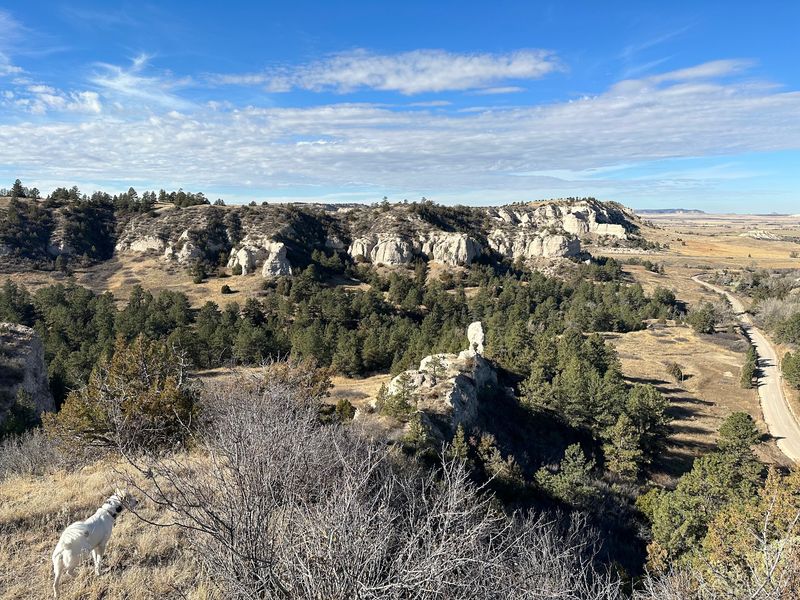
Most people picture Nebraska as flat. Wildcat Hills politely disagrees.
Just south of Gering, more than 1,000 acres of rugged sandstone bluffs, pine-covered ridges, and shadowy canyons rise above the North Platte River Valley.
Parts of it look borrowed from South Dakota’s Badlands or the Rocky Mountain foothills.
Trails here range from short strolls to moderate climbs, so casual walkers and serious hikers both find something that fits. Overlooks along the rim give sweeping views of farmland and river bottom far below.
Wildlife watching is reliable. Mule deer slip between the pines at dawn and dusk, and the ridges attract birds you will not spot on open prairie.
Inside the nature center, interactive exhibits explain local geology, plants, and animals in a way kids actually enjoy. Big windows overlooking feeders make it an easy stop when weather turns rough.
Twelve primitive campsites are available, and drinking water can be found near the nature center. Facilities stay simple, which is part of the appeal.
One honest heads-up: a shooting range nearby can create noise on weekends, so weekday visits tend to be quieter if silence is the goal.
Fall gets the strongest recommendation. Mild temperatures, warm slanting light, and active wildlife line up beautifully in October.
Wear real hiking shoes, since rocky footing and loose sandstone can surprise anyone in sandals. Then find a rim overlook and just sit for a while.
7. Bessey Recreation Complex, Near Halsey
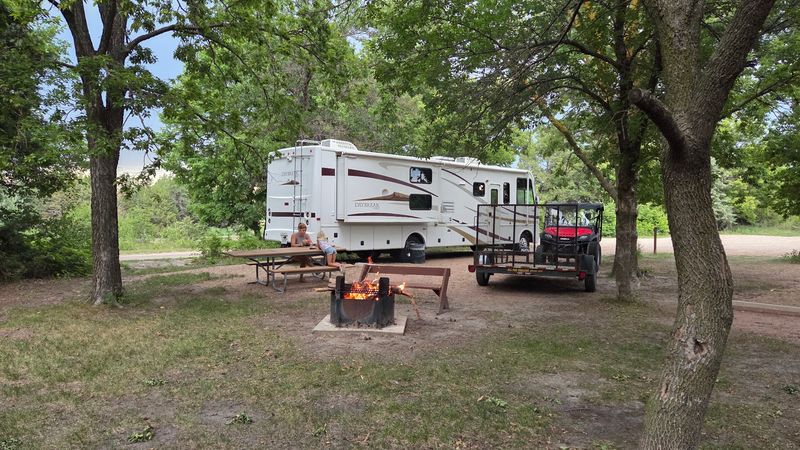
Here is a fact that surprises almost everyone: the pine forest surrounding this campground was planted by hand.
The Forest Service calls the Nebraska National Forest at Halsey the world’s largest hand-planted forest, a green island rising out of rolling Sandhills grass.
Bessey Recreation Complex sits beside the Middle Loup River in the middle of all that. Camping includes electric and water hookups, showers, and space for tents, RVs, and groups.
A seven-acre pond stocked with largemouth bass, bluegill, trout, and catfish keeps young anglers busy. The river itself works well for tubing and canoeing on warm afternoons.
Hikers can follow a three-mile route toward the Scott Fire Lookout Tower, where the view stretches across forest and dune country in every direction.
Prairie chickens, sharp-tailed grouse, mule deer, whitetail deer, pronghorn, and turkeys all live in the area, and spring bird blinds let you watch grouse perform their courtship dances up close.
The 2022 Bovee Wildfire damaged the historic Scott Lookout Tower and the Nebraska State 4-H Camp, and restoration plans are being considered, so check current conditions before you make firm plans.
June through September brings peak visits with moderate weekend crowds. Spring and fall shoulder seasons feel noticeably quieter and cooler.
Pack bug spray for river evenings and a warm layer for morning coffee. The scent of pine at sunrise makes early wake-ups worth it.
8. Enders Reservoir State Recreation Area, Near Imperial
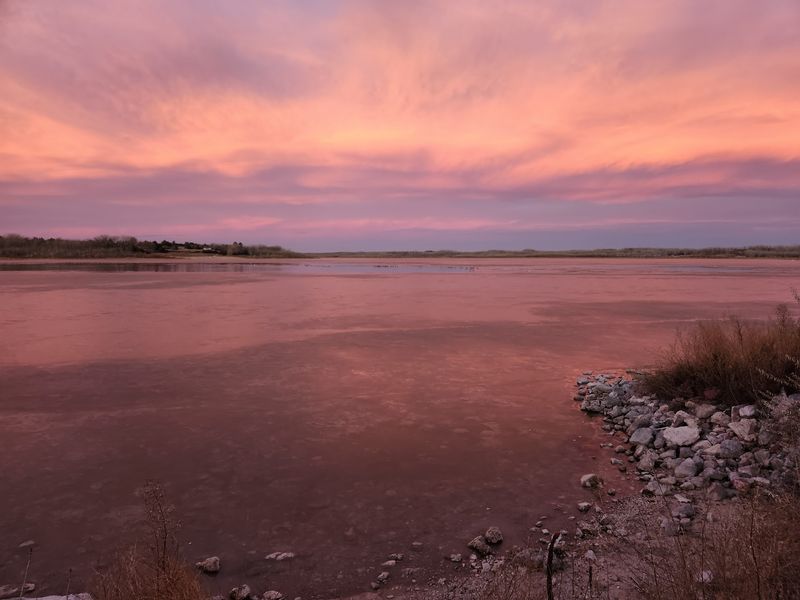
Nebraska Game and Parks describes Enders Reservoir with three words that sum it up neatly: peaceful, uncrowded setting.
That phrase fits a 5,700-acre area in southwest Nebraska where roughly 4,000 acres are dry land and much of it stays undeveloped on purpose.
About 2,146 acres on the western end of the lake serve as a wildlife refuge during fall and winter. Fewer facilities in that zone means more room for animals and more elbow room for you.
Camping options include pad sites with electricity and non-pad sites for tents. Showers, modern restrooms, water, grills, picnic tables, and a fish cleaning station cover the basics comfortably.
Fishing runs strong for white bass, crappie, catfish, northern pike, wipers, and walleye. All types of boating are permitted, and swimming and kayaking round out summer days.
Two honest warnings help set expectations. Some parts of the reservoir see jet ski and powerboat traffic, and the electric campsites closest to the highway pick up road noise.
Choose a primitive site instead if quiet ranks above hookups. Those spots sit farther from pavement and hold onto their calm even on holiday weekends.
Morning is the sweetest window here, before boats launch and while mist still sits over the water.
Bring binoculars for waterfowl in the refuge section during cooler months. The bird numbers can climb fast once migration starts moving through.
9. Medicine Creek State Recreation Area, Near Cambridge
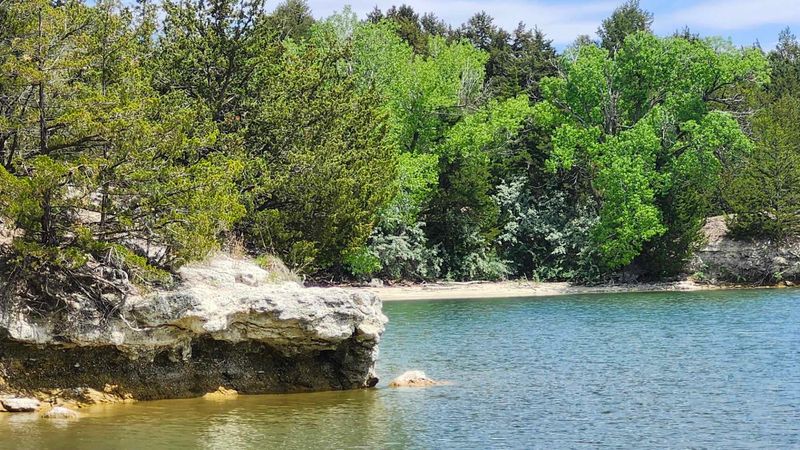
Locals call it Harry Strunk Lake, and Nebraska Game and Parks has gone so far as to tout it as the state’s most scenic lake. Big claim, but the long, narrow reservoir lined with mature trees backs it up.
The recreation area covers roughly 8,500 acres of public land and water. The lake itself spreads across 1,850 surface acres with 29 miles of shoreline to explore.
All that shoreline means you can almost always find a stretch that feels like your own private cove. Seclusion is the whole point here, and the park sits well off main roads.
Camping ranges from electric and basic sites to primitive spots and lakefront cabins for anyone who prefers a real bed.
Fishing, swimming, picnicking, and boating fill most visitors’ days. There are no marked hiking trails, but the shoreline plus more than 5,500 acres of wildlife area give walkers plenty of ground to cover.
Paved two-lane roads lead in from Cambridge, so the drive is easy despite the tucked-away feeling.
Sunrise over the narrow channel is worth waking up for, with mirror-flat water and mist curling between the trees.
Bring your own firewood and groceries, because the nearest stores sit a short drive away in town.
10. Rock Creek Station State Historical Park, Near Fairbury
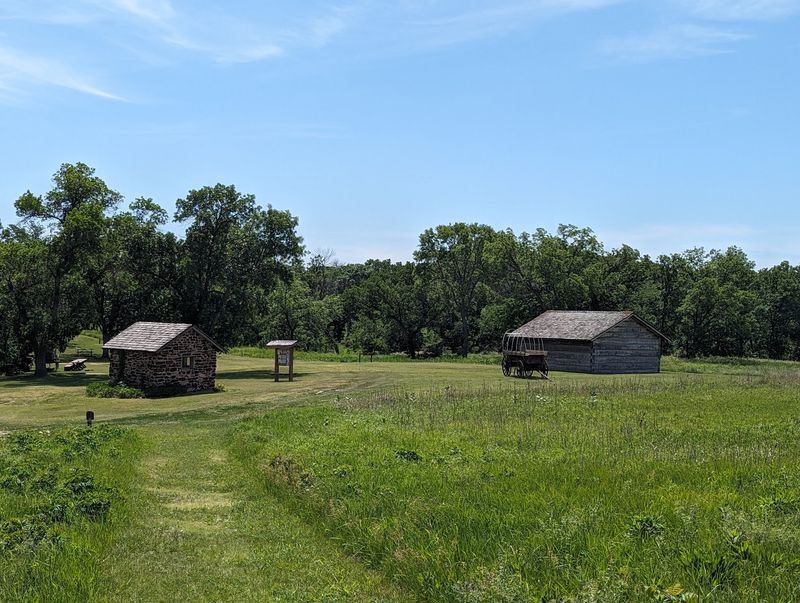
Wagon wheels left marks here that never went away.
At Rock Creek Station, deep ruts carved by pioneers on the Oregon Trail still crease the prairie, a physical reminder of thousands of travelers who passed through in the 1850s.
The park protects an important stagecoach and Pony Express stop, but the history is only half the reason to come. Roughly 350 acres of prairie hills, wooded creek bottoms, and rugged ravines surround the historic buildings.
About six miles of trails wind through that landscape, open to hikers and horseback riders alike. Even on days when the visitor center has guests, the far trails stay quiet.
Inside the visitor center, interpretive exhibits explain frontier life, freight wagons, and the short, dramatic run of the Pony Express. Reconstructed cabins help younger visitors picture the scene.
Camping includes electrical camper pads, modern shower and latrine facilities, tent sites, and equestrian areas.
One camper summed up the grounds as a quiet camp area with paved back-in sites, which is high praise for anyone who values sleep.
The Nebraska Game and Parks Commission manages the park, so a state park entry permit applies.
Spring wildflowers and autumn color both make the trails prettier, though summer mornings are pleasant before the heat builds.
Stand in one of those wagon ruts for a minute. History feels a lot closer when you can put your boots in it.