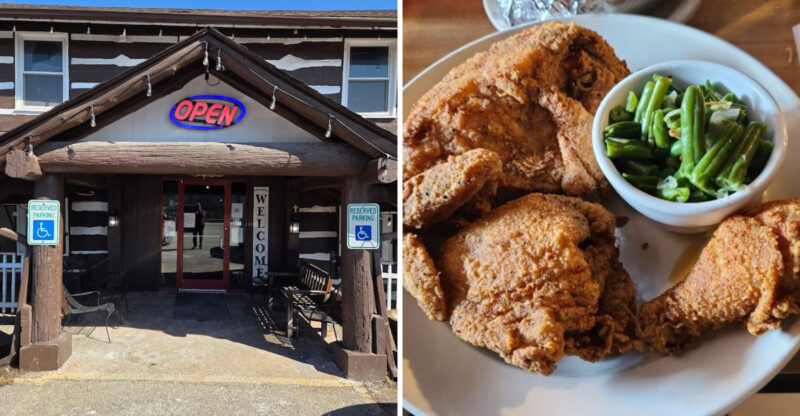
You Can See Three States From The Top Of This Kentucky Mountain
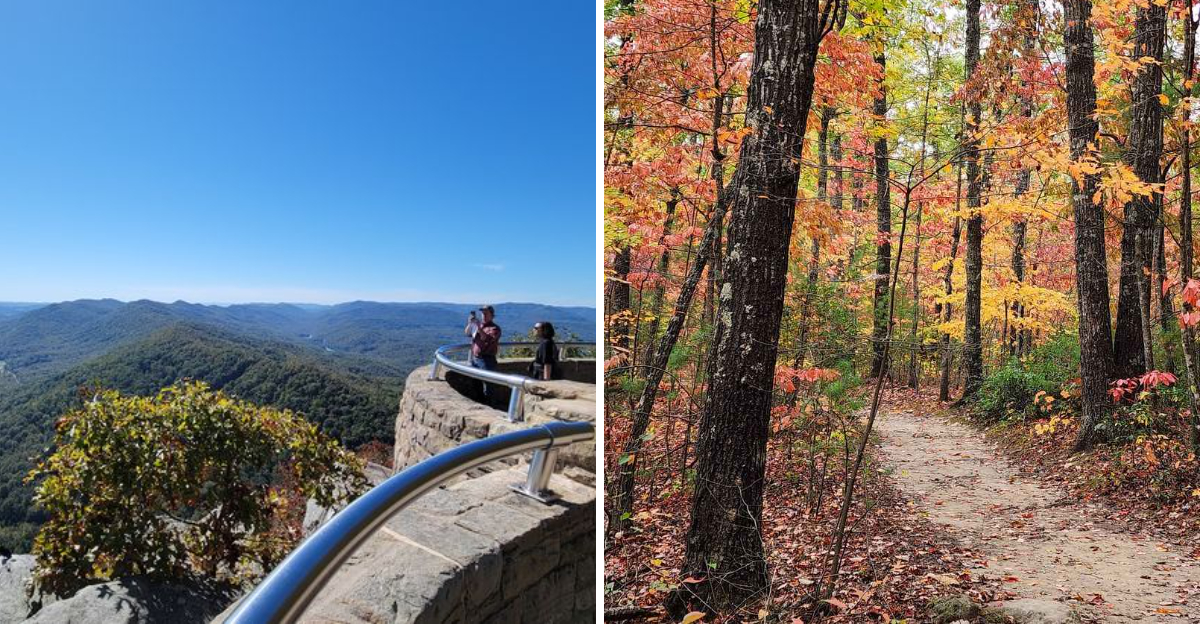
Three states, one parking lot, zero hiking boots required. Kentucky is being unusually generous here.
The road up is all switchbacks, the kind that turn a chatty passenger into a very quiet one. Somebody in your car will grip the door handle.
That somebody is part of the fun.
Then the trees step aside and the whole thing opens up. You are looking at three states without having earned a single blister.
There is a town sitting almost directly below your feet, which is a strange and excellent feeling. You will point at it.
Everyone points at it.
On a clear day the ridges keep going until they run out of ideas. Bring a jacket, because the top has opinions about wind.
The walk from the car takes about as long as choosing a snack. That is the whole workout.
Go for sunset if you can manage it.
Three States, One View
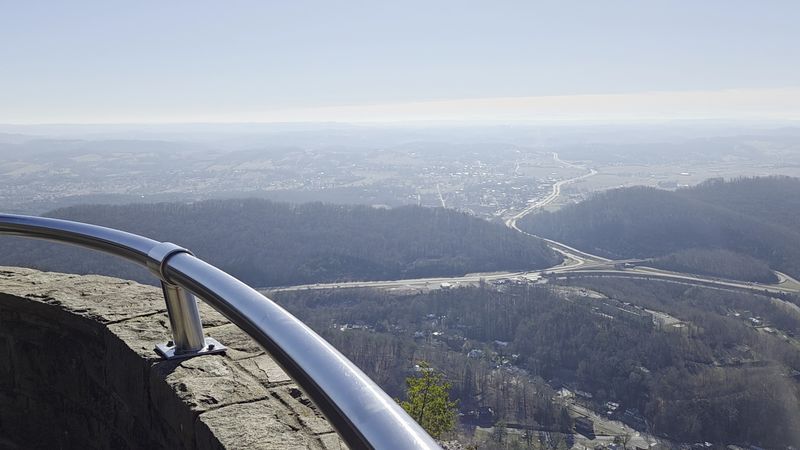
Cumberland Gap National Historical Park sits right at the edge of Middlesboro, and it delivers on its promise. From Pinnacle Overlook you can see Kentucky, Virginia, and Tennessee at the same time.
The drive up is about four miles of curves and shade. You park, walk a short paved path, and the world opens up in front of you.
Morning light is my favorite. Mist settles in the valley, and the ridges look like waves stacked one behind the other.
The park covers more than 20,000 acres across three states. That means trails, wildflowers, and quiet corners long after the overlook crowd goes home.
Rangers here know their stuff. Ask one question and you will leave with three good stories about the Gap and the people who crossed it.
Bring water and a light jacket. The temperature at the top runs cooler than in town, even in summer.
Photos never quite match the real thing. The scale of the view is the part that surprises first-timers most.
Entry to the park costs nothing, which still feels like a small miracle. Address: 91 Bartlett Park Road, Middlesboro, Kentucky.
A Town Built Inside A Meteor Crater
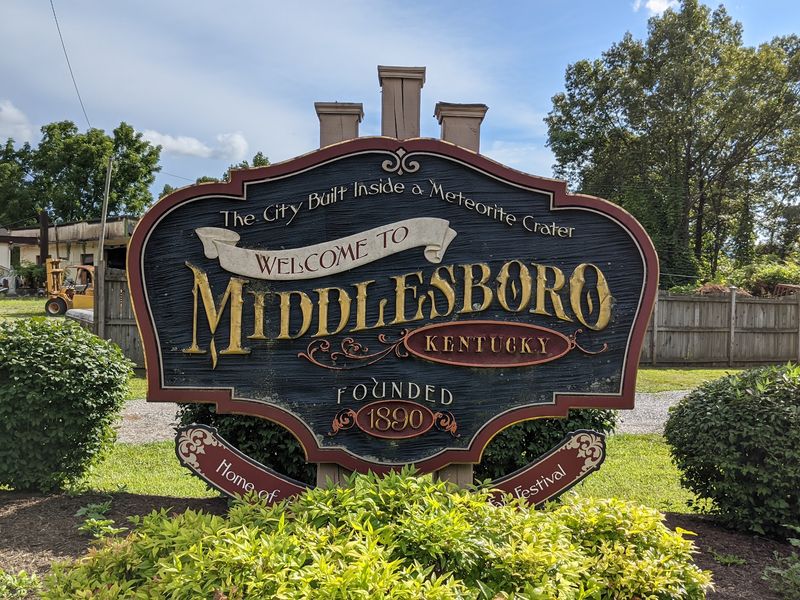
Here is the fact that made me sit up straight. Middlesboro is built inside a meteorite impact crater, and it is the only city in the United States known for that.
Geologists call the bowl the Middlesboro Basin. It measures roughly three miles across, ringed by mountains on nearly every side.
Standing downtown, you do not immediately notice. Then you look up and realize ridges surround you in a near-perfect circle.
The impact happened around 300 million years ago. Scientists confirmed it through shatter cones, rock fractured in a telltale pattern by extreme pressure.
From the Pinnacle, the crater shape becomes obvious. That is the moment the geology clicks for most visitors.
Locals mention it casually, the way other towns mention a county fair. I found that modesty charming.
Kids especially love the idea. Telling a seventh grader they are standing in a space rock’s footprint earns instant attention.
The flat crater floor also explains the street layout. Middlesboro has a tidy grid that feels unusual for the mountains of southeastern Kentucky.
So the view from above is two attractions in one. Three states outward, one ancient crater directly below.
Where Daniel Boone’s Trail Still Runs
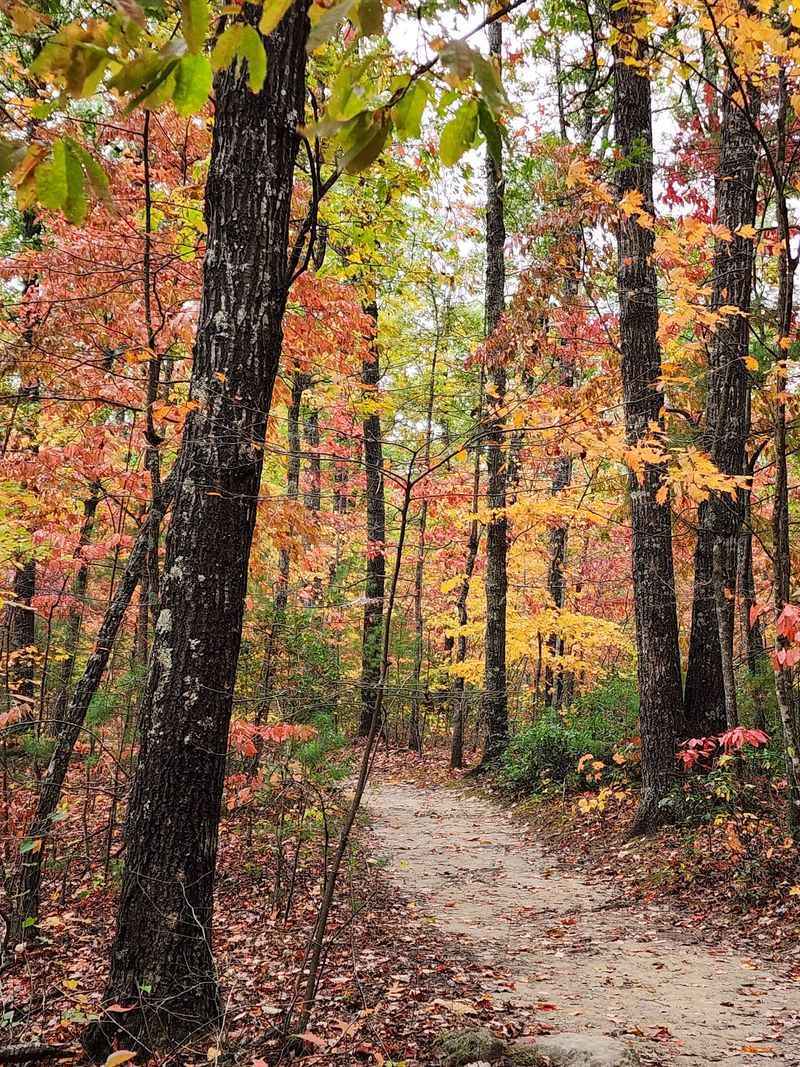
Long before highways, the Gap was the doorway west. Daniel Boone helped blaze the Wilderness Road through it in 1775.
Roughly 300,000 settlers passed through the Cumberland Gap by 1810. That number sinks in when you stand on the actual trail.
The park restored a section of the old road. You can hike it and see the route as travelers once found it.
The path is narrow and rocky in places. Wagons squeezed through here with everything a family owned.
Native peoples used the Gap for centuries before that, following it as a hunting and travel route. The trail was never really new.
Interpretive signs keep the walk interesting without turning it into homework. I read every one and still finished quickly.
The Thomas Walker parking area gives easy access to the historic road. Wear real shoes, not sandals.
Afterward, the Pinnacle view lands differently. You have walked the low route, then seen it from above.
History here feels physical rather than abstract. That combination is exactly why the park is worth a full day.
Gap Cave And The Cool Air Underground
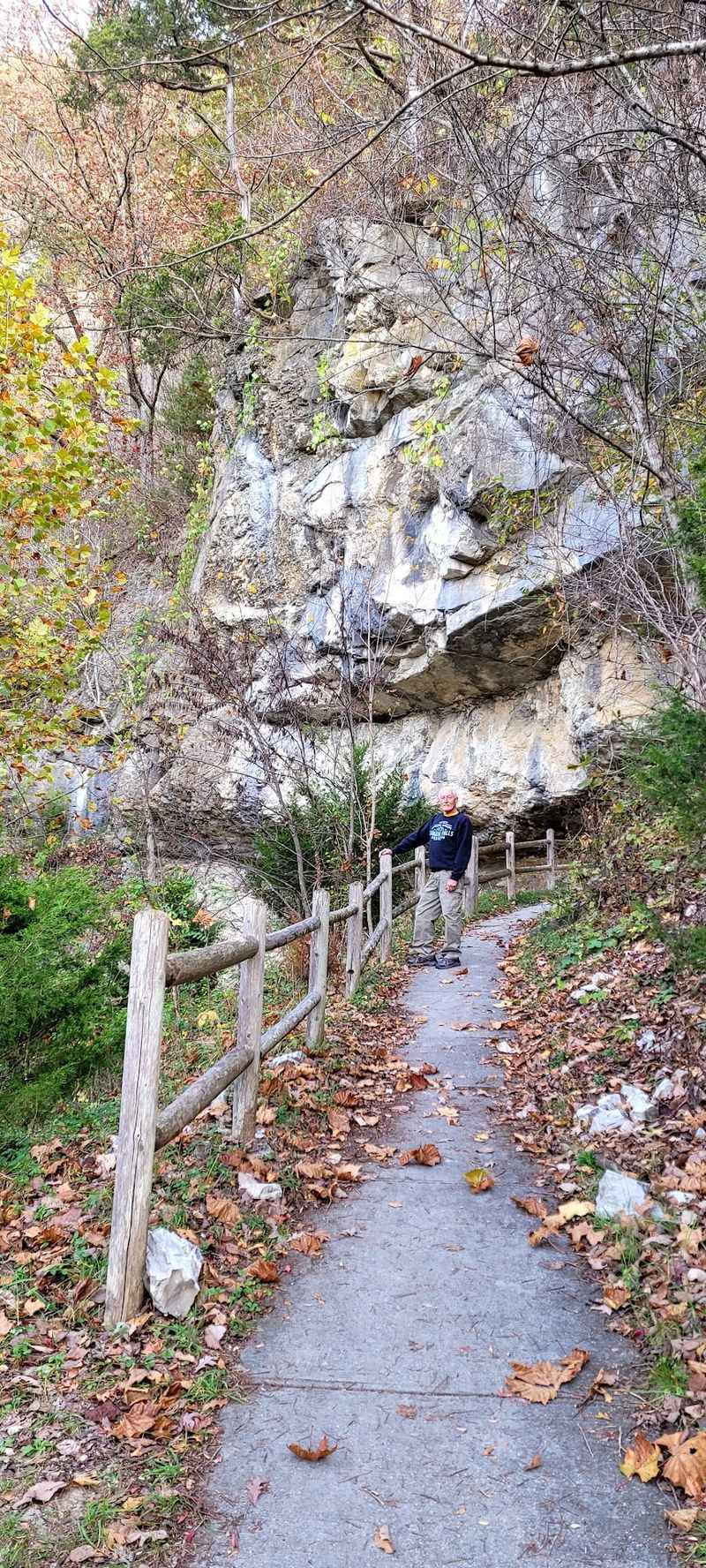
The mountain has an inside, too. Gap Cave runs beneath the ridge, and rangers lead guided tours through it.
Inside, the temperature holds steady in the fifties year-round. On a humid August afternoon, that feels like a reward.
Formations include stalactites, stalagmites, and wide sheets of flowstone. Some columns are taller than a person.
The tour involves stairs and uneven footing. Sturdy shoes matter more than a camera here.
Reservations are required and spots fill quickly in summer. I would book before you leave home.
Bats live in the cave, so rangers ask about clothing worn in other caves. It protects the colony from disease.
Early visitors carved names on the walls in the 1800s. Guides point them out and explain why nobody adds new ones.
Sandy Cave and other karst features sit nearby. Limestone shaped this whole region, which is very Kentucky of it.
Going underground balances the mountaintop perfectly. One trip gives you the widest view and the deepest one.
Hiking Trails For Every Energy Level
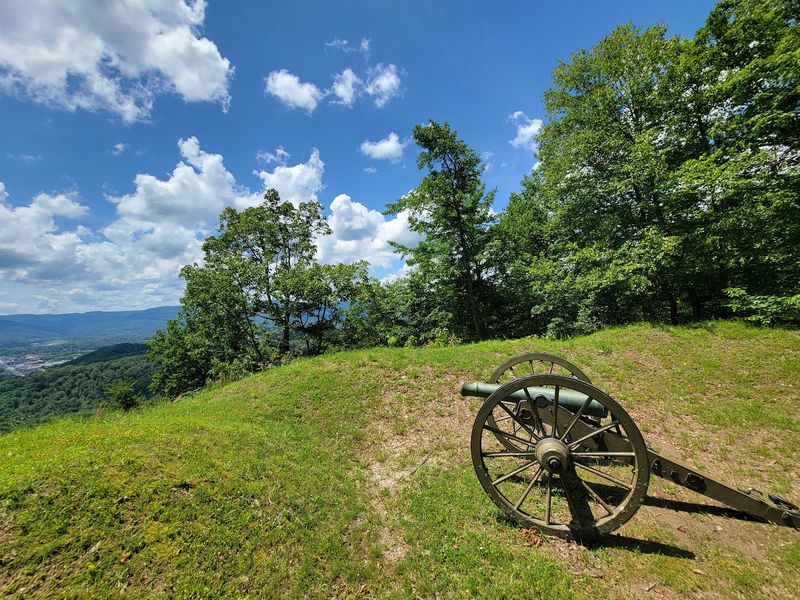
Not everyone wants a marathon, and this park gets that. More than 80 miles of trails spread across the ridges and hollows.
The Pinnacle Overlook walk is short and paved. Grandparents and strollers handle it without trouble.
The Ridge Trail is the serious option, running about 19 miles along the mountain spine. Backcountry campsites break it into stages.
Backcountry camping requires a free permit from the visitor center. Rangers will also tell you about current trail conditions.
Spring brings rhododendron and mountain laurel. Fall turns the whole ridge orange and gold, which draws the biggest crowds.
Tri-State Peak Trail leads to a marker where three states meet. Standing on that spot is a small thrill.
Water is scarce on the ridges. Carry more than you think you need, especially in July.
Black bears live here, so store food properly. Sightings are uncommon but not impossible.
Cell service disappears fast on the trails. Grab a paper map at the visitor center and enjoy the quiet.
Hensley Settlement, Frozen In Time
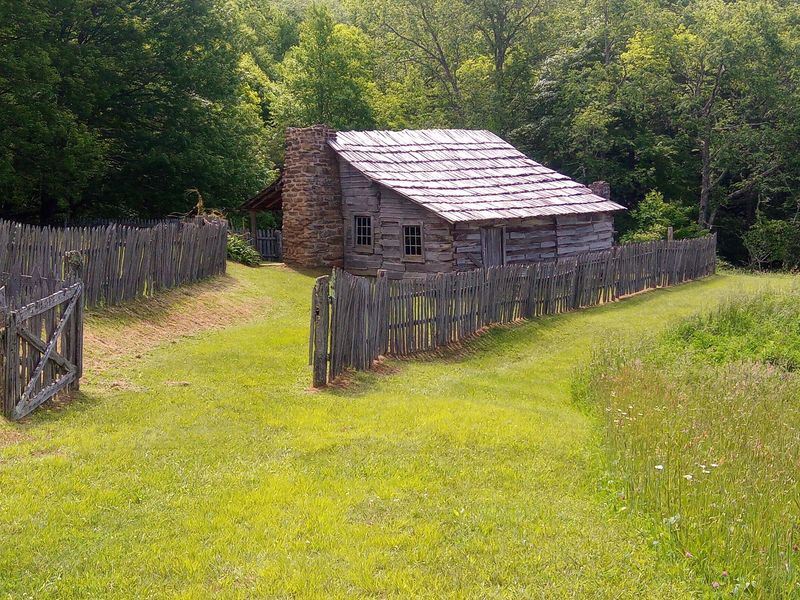
High on Brush Mountain sits a whole community that time forgot. Hensley Settlement was founded around 1903 and lasted until 1951.
Families farmed on the mountaintop with no electricity and no paved road. Twelve homesteads once stood there.
The park restored cabins, barns, a schoolhouse, and split-rail fences. Everything looks like the residents stepped out for the afternoon.
Getting there takes effort. You either hike several miles uphill or ride a park shuttle with a ranger.
The shuttle tour requires a reservation and runs seasonally. I would call ahead rather than hope for luck.
Views from the settlement stretch across the ridges. The residents had the best scenery in the county and no way to brag about it online.
A ranger explains daily life, from spring houses to mountain schooling. The details stick with you.
Sheep sometimes graze the meadows in season. It adds to the lived-in feeling.
Of everything near Middlesboro, this is the stop visitors talk about longest. Plan half a day for it.
Downtown Middlesboro And Its British Beginnings

Middlesboro was not built slowly over generations. English investors founded it in 1889, hoping to create an industrial boomtown.
They named it after Middlesbrough, England, a steel city. The ambition explains the wide streets and the brick buildings downtown.
Cumberland Avenue still holds storefronts from that era. Local shops, coffee, and murals fill the blocks now.
The city golf course opened in 1889 and claims to be among the oldest continuously played courses in the country. Its Scottish roots came with those early settlers.
Population sits around 10,000, making it the largest city in southeastern Kentucky. It feels bigger than the number suggests.
The Bell County Historical Society museum covers coal, railroads, and the crater. Small museums like this often surprise people.
Downtown is only a mile from the Gap itself. Everything is close, which makes planning simple.
Parking is easy and free. After mountain roads, that is genuinely pleasant.
Grab a bite here before or after the overlook. The town is the practical base for the whole trip.
Planning The Perfect Visit To The Top
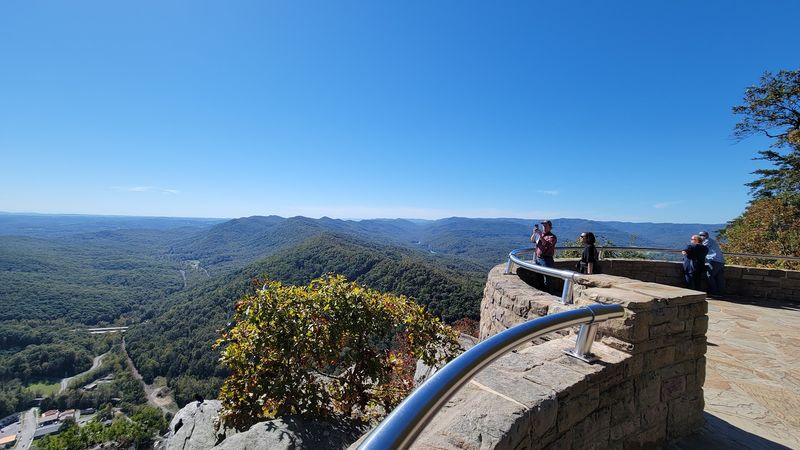
A little planning turns a good stop into a great one. The visitor center opens daily and is the smartest first move.
Sunset at Pinnacle Overlook draws a crowd for good reason. Arrive 30 minutes early for a spot at the railing.
The overlook road closes at night, so check posted hours. Rangers enforce them politely but firmly.
Fall color peaks in mid to late October. Weekends get busy, so weekdays reward the flexible.
Winter brings bare trees and the sharpest long-distance views. Roads can close after ice, so call first.
Fog is common in the mornings. If the valley is socked in, wait an hour and try again.
Combine the mountain with a cave tour or Hensley Settlement. Both need reservations, so build the day around those times.
Restrooms and water are at the visitor center, not the overlook. Fill up before you drive.
Two days lets you see the park properly and still explore town. One day works, but you will want to come back.