This Connecticut Lake Shore Is Getting Too Snake-Infested For Its Own Good
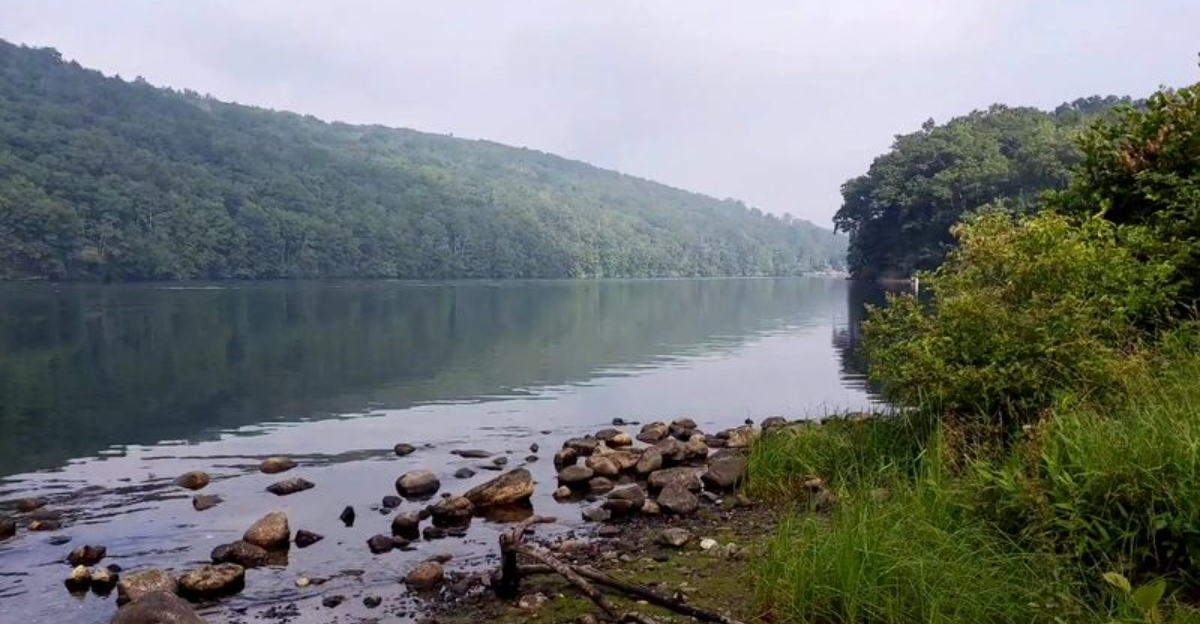
How comfortable would you feel stretching out by the water if you knew snakes were active along the shoreline?
Connecticut has a state park where that thought is not completely far-fetched, especially during the warmer months when snakes are more active.
The setting itself looks peaceful. Trees crowd the edges of the lake, and rocky ground gives wildlife plenty of places to disappear from view.
Most encounters are brief, and the snakes would much rather avoid people than cause trouble. Still, knowing they may be nearby can make every rustle in the grass feel a little more interesting.
That tension gives the place an unusual reputation.
You can still enjoy the water and the trails, but a little extra awareness goes a long way. Suddenly, stepping over one suspicious-looking branch becomes a careful decision.
The lake remains beautiful. The shoreline just comes with more scales than some visitors probably expected.
1. Snakes Are Part Of The Shoreline Experience
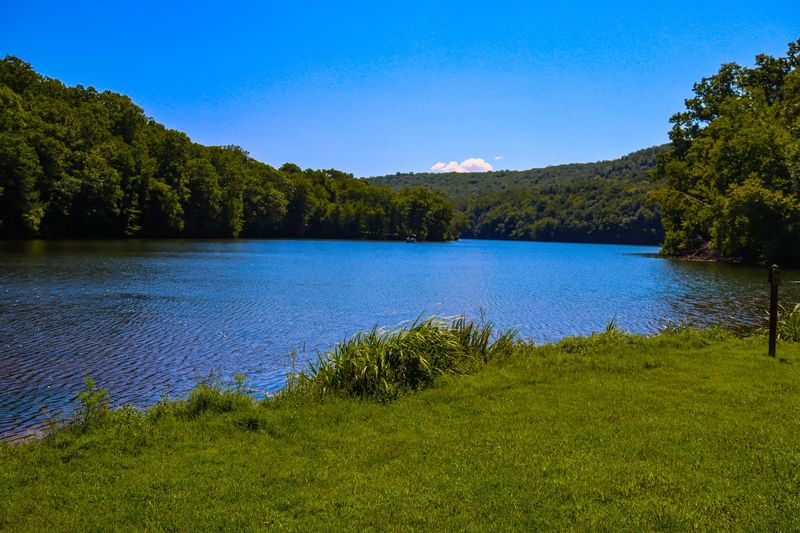
The shoreline has some unexpected sunbathers. A few of them have scales.
On warm afternoons, northern watersnakes may appear on rocks near the lake or glide through the water with only their heads above the surface. They are common around freshwater wetlands and waterways in the state, and they are not venomous.
Common gartersnakes can also turn up near damp ground, logs, and leafy edges. Common ribbonsnakes favor wetland habitat too, although they are less common and are considered a species of special concern.
The state is also home to two venomous snakes: the timber rattlesnake and northern copperhead. Encounters are uncommon, especially with timber rattlesnakes, which are endangered and limited to isolated populations.
Copperheads tend to favor rocky hillsides, open woods, and wetland edges rather than spending much time in the water.
The best approach is simple. Watch your footing, avoid reaching into rocky spaces you cannot see clearly, and give any snake plenty of room to move away.
That wildlife adds another layer to warm-weather hiking and camping here. Turtles and fish may add to the sense of discovery nearby.
A quiet shoreline can suddenly feel much more alive once you start noticing what shares it with you.
2. Georges Hill Road Leads Straight To Lake Zoar
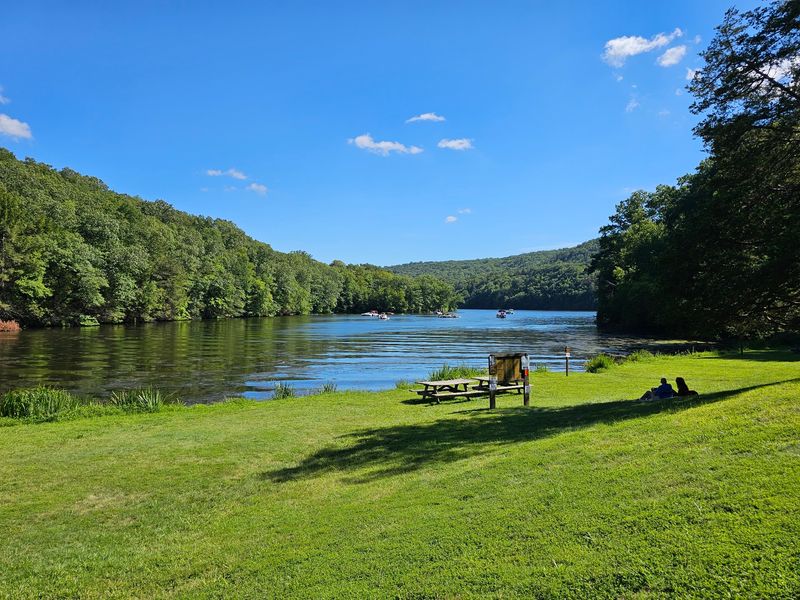
The road gets quieter fast. Then the woods start taking over.
The approach to Kettletown State Park feels like part of the outing, with suburban traffic giving way to a rural stretch as the route bends toward Lake Zoar. Stone walls and hardwood forest begin to replace the busier roadside scenery, making the final miles feel calmer.
Most drivers arrive from the Interstate 84 area and continue toward Georges Hill Road, which leads directly to the park entrance. The road drops toward the water as it nears the recreation area, offering an early glimpse of the wooded terrain that defines the park.
Parking areas serve the main day-use sections, making it easy to transition from the drive to the shoreline and trails. Vehicles registered in the state park free under the Passport to the Parks program.
Out-of-state vehicles currently pay $10 on weekdays and $15 on weekends or holidays from April 1 through October 31.
The park entrance is at 1400 Georges Hill Road, Southbury, CT 06488. From there, the setting quickly shifts from pavement to forest and lake views.
That gradual change makes arriving feel less like pulling into a parking lot and more like entering an outdoor escape.
3. Warm Weather Brings More Activity Near The Water
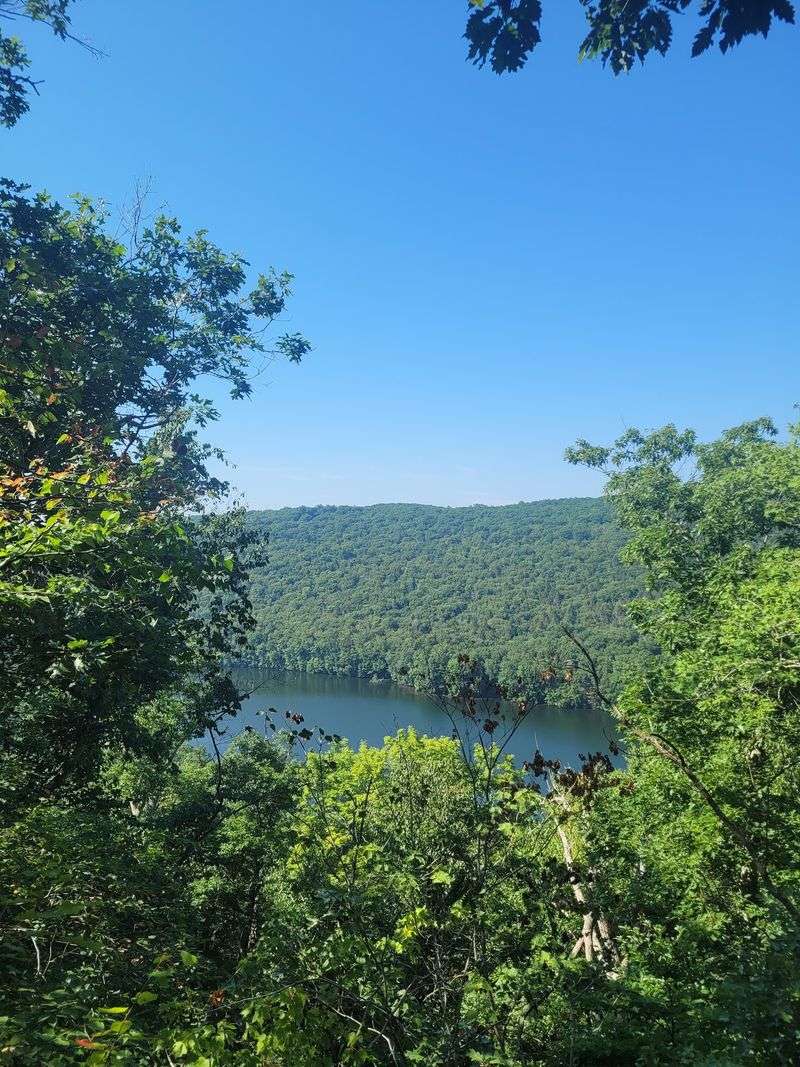
Around April, the whole shoreline seems to wake up at once. Snake activity here generally runs from spring into early October, which happens to be exactly when the park is busiest with people.
Eastern garter snakes handle cool temperatures better than most, so they appear early and stay active late in the season, doing best roughly between the upper 60s and upper 90s Fahrenheit.
Northern water snakes also emerge from winter dormancy fairly early and love long, warm afternoons on open rock.
Midsummer changes the schedule. When the heat spikes, many snakes shift toward dawn and dusk and spend the hottest hours out of sight beneath rocks, roots, or thick vegetation.
For visitors, that pattern is genuinely useful. A mid-morning hike in May is prime snake-spotting time, while a July walk at noon will probably feel quieter, at least reptile-wise.
Closed shoes, long socks, and eyes on the trail solve almost every concern. Regulars also warn about generous patches of poison ivy and lively mosquito seasons, so bug spray and a glance at what you are brushing past both pay off.
Sharing the space works fine when you move at an unhurried pace.
4. Rocky Banks Give Snakes Plenty Of Basking Spots
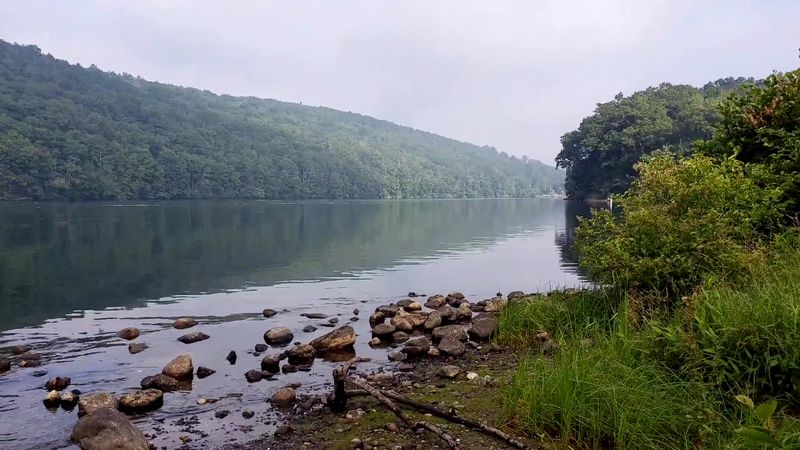
Geology explains a lot about why reptiles like it here. The shoreline is not a soft sandy slope but a stack of bluffs, exposed ledges, and loose talus, the broken rock that piles up at the base of cliffs.
Those stone surfaces soak up sunshine and hold heat well into the afternoon. For cold-blooded animals that need outside warmth to move, hunt, and digest, a flat sunlit rock is essentially a free heating pad.
The rock itself is old metamorphic stone, including gneiss, schist, and amphibolite, and hikers regularly pass glacial erratics, huge boulders dropped here by retreating ice sheets thousands of years ago.
Crevices between those rocks matter just as much as the sunny tops. Gaps and hollows offer cool shade in July and sheltered spaces as autumn arrives, which is why the same stretch of bank can be busy with wildlife across several seasons.
If you want to photograph a basking water snake, look for low boulders that sit half in the water and half in the sun during late morning.
Just keep a respectful distance, stay on solid footing, and remember that wet rock near the lake can be slick.
5. Lake Zoar Shapes Much Of The Park
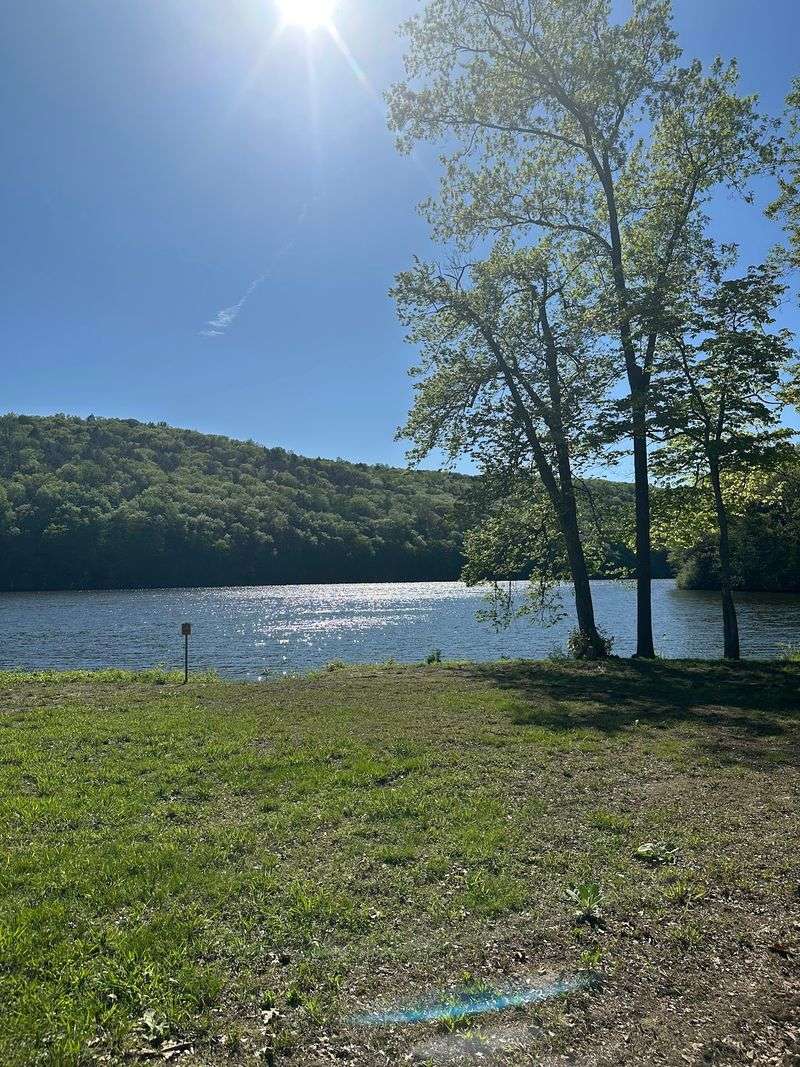
Everything at this park bends toward the water. Lake Zoar is the fifth largest lake in the state, and it is not a natural one.
It formed in 1919 when the Stevenson Dam was built across the Housatonic River to generate hydroelectric power.
The park holds roughly two miles of that eastern shoreline, which gives it a surprisingly generous amount of water frontage for its size.
Anglers know it well. Bass, trout, catfish, and perch all draw fishing enthusiasts, and smallmouth bass in the lake plus trout in the brooks make it a versatile spot to cast a line.
Paddlers come too, and boat access has long been part of the appeal for people towing kayaks, canoes, or small craft.
One important note for planning: swimming is not currently available at the park, so treat this as a fishing, paddling, and shoreline-viewing destination rather than a beach day.
Even without swimming, the lake carries the mood of the place. Visitors often describe sitting near the water for hours, watching boats slide by and light shift across the surface, which is about as restful as an afternoon gets.
6. Miller Trail Opens Up Scenic Lake Views
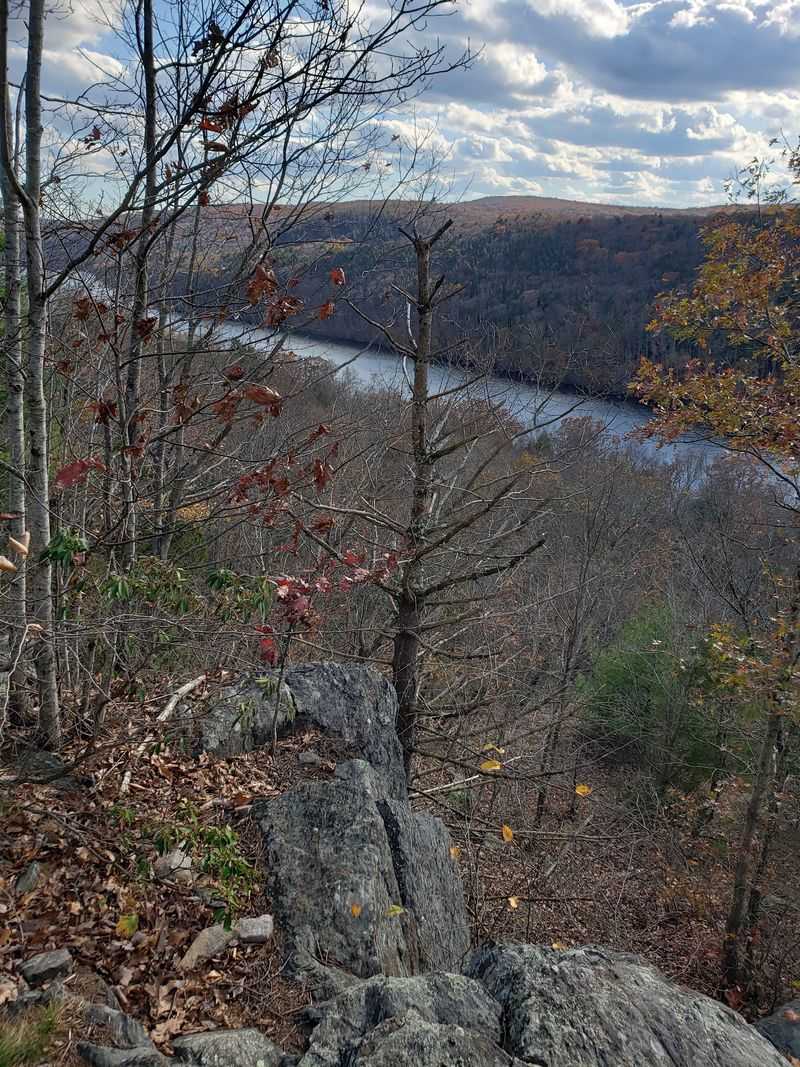
Hikers looking for a real walk rather than a stroll tend to gravitate toward the William Miller Trail. Marked with blue blazes, it runs somewhere in the range of 1.7 to 2.2 miles depending on how you connect it.
The grade is moderate, with the ups and downs you expect in western Connecticut, but families with reasonably sturdy walkers handle it comfortably.
Seasonal views of Lake Zoar are the payoff, and they are best once leaves thin out in late fall and the water opens up between bare trunks.
The route also reads like a history lesson written in stone. Glacial erratics sit where the ice left them, and old stone walls cut through woods that were once cleared farmland.
Other paths in the park deserve mention too. A brook trail follows moving water past small falls, while ridge routes deliver higher, wider views over the river valley.
Trails are well blazed, maps appear at key junctions, and bikes are not permitted, which keeps the walking peaceful.
Storm damage from recent years has affected some sections, so check current conditions before you go and stick to the areas the park has open.
7. More Than 600 Acres Surround The Shore
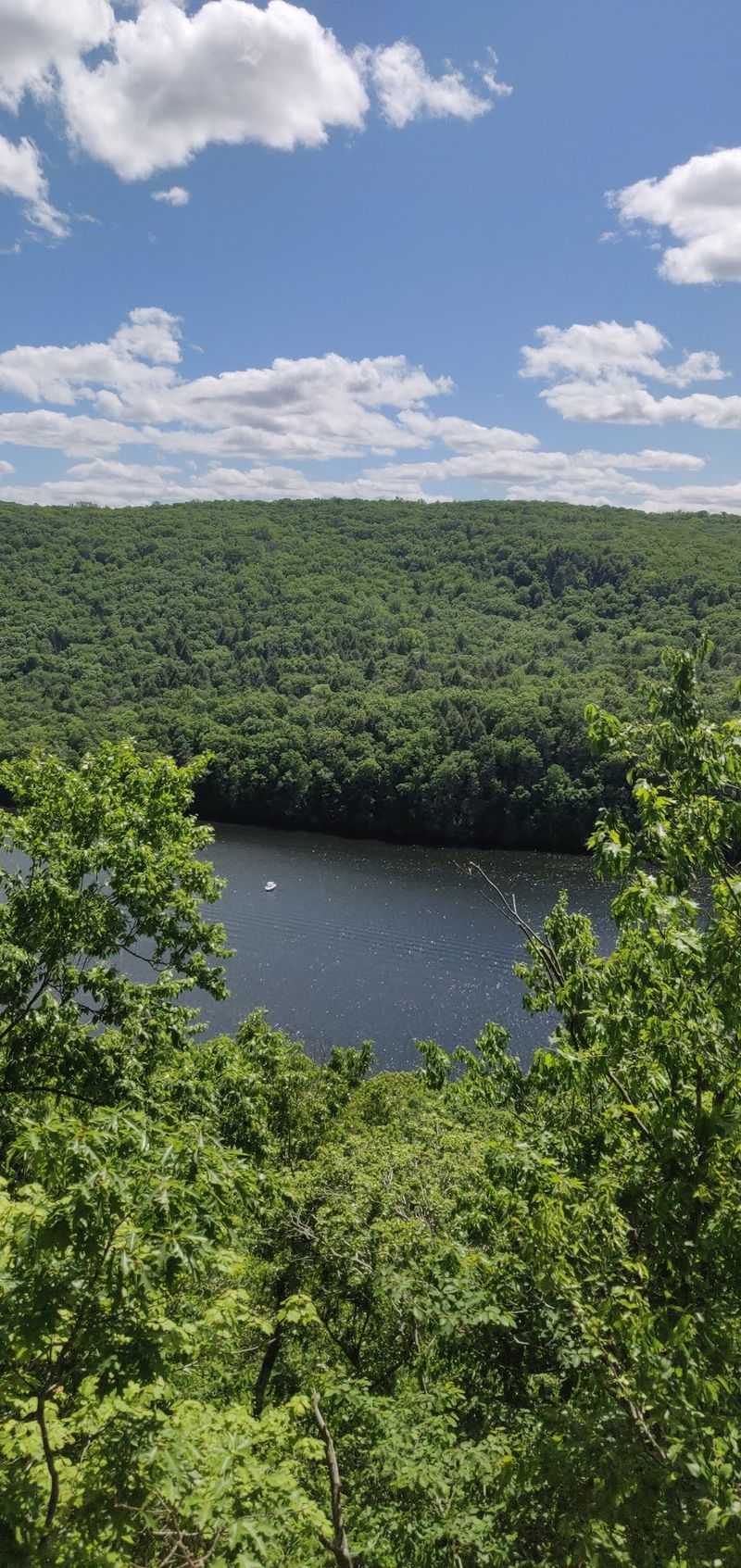
605 acres is a lot of ground for a park that many people drive past without noticing. The land spreads across both Southbury and Oxford, which explains why the woods feel so much bigger than the parking areas suggest.
More than six miles of trails thread through that acreage, moving between dense forest, brook corridors, and rocky high ground.
Wildlife watching rewards patience. Deer step through the undergrowth, foxes appear and vanish, and wild turkeys wander in loose groups across open patches.
Overhead, red-tailed hawks circle and bald eagles are a genuine possibility along the river corridor, which thrills birdwatchers who come specifically for the raptors.
Because the property is large and the terrain rises quickly away from the water, you get that satisfying feeling of being far from anywhere within about fifteen minutes of leaving your car. Highway traffic fades and brook sounds take over.
Dogs on leash are welcome on the trails, and plenty of visitors bring them along, especially to the streamside routes where a wading spot is easy to find.
Bring water, wear real shoes, and give yourself two or three hours to make the acreage worth the trip.
8. Picnic Areas Keep Visitors Close To The Water
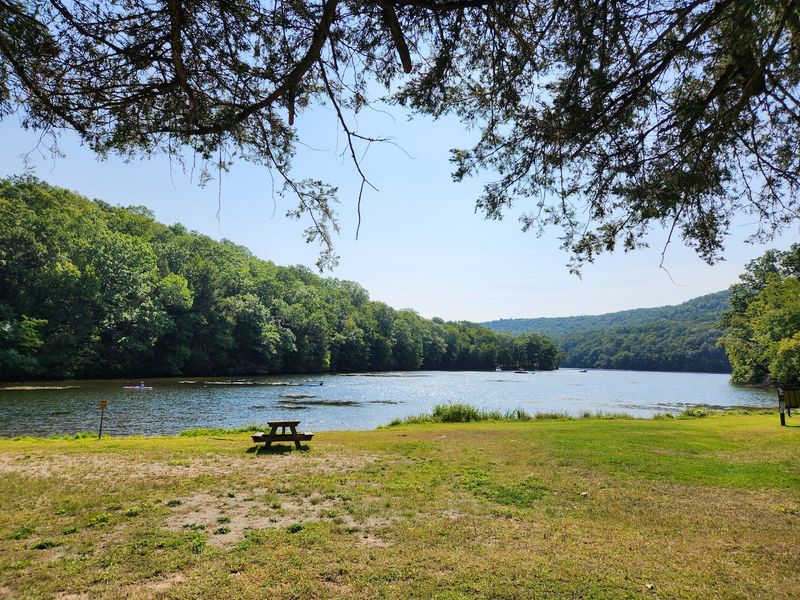
Lunch outdoors is one of the simplest pleasures here, and the park makes it easy. Picnic tables and grills are scattered generously through the day-use areas, many of them under mature trees that provide real shade by midday.
Being close to the lake is the whole point. You can eat while watching light move on the water, listen to boats pass, and then walk down for a closer look without packing everything back into the car.
Restrooms are available in these areas, and visitors frequently mention water spigots and clean facilities among the practical comforts that make a longer stay comfortable.
Parking near the tables is usually straightforward, which helps when you are hauling a cooler, a folding chair, and a bag of charcoal.
Camping has long been part of the park’s identity, but the main campground and surrounding areas will remain closed throughout the 2026 and 2027 seasons because of flood damage sustained in August 2024.
Bring your own bags for trash, keep food sealed between courses, and glance around the table legs before you sit down. Sharing a picnic spot with the occasional garter snake is simply part of eating beside a wild shoreline.