Kentucky Has Distilleries That Look Like Something Out Of A Postcard
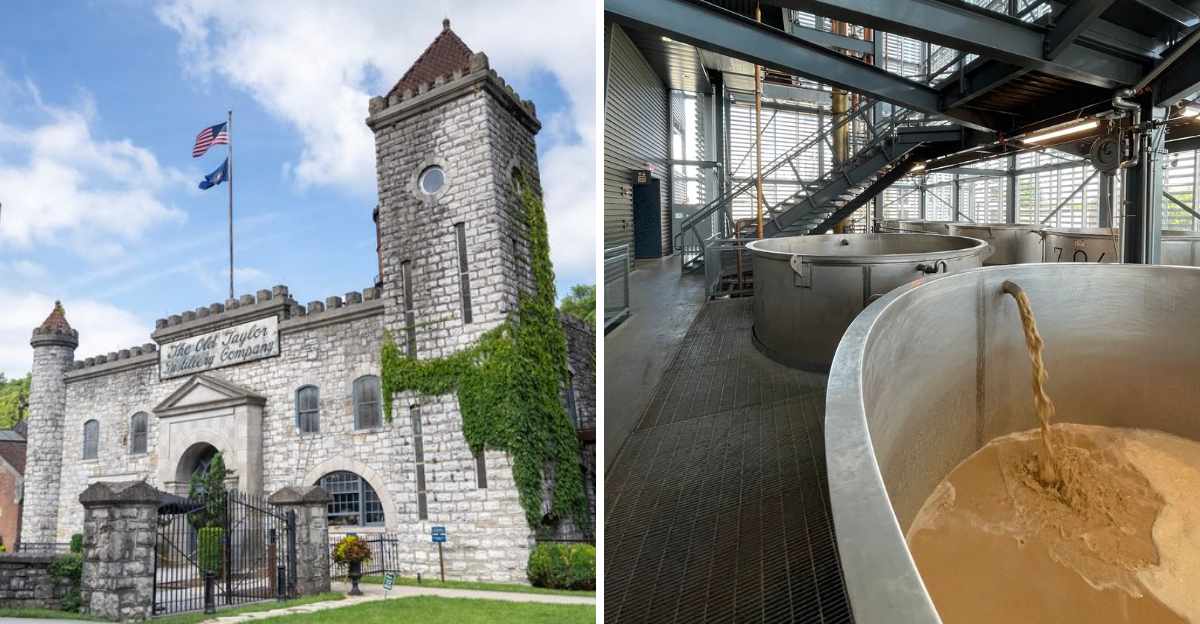
You expected industrial. Big metal buildings, a gravel lot, maybe a sign that has seen better decades.
Kentucky did not get that memo. One of these places has a sunken garden and architecture that belongs in Tuscany.
Another looks like a country estate with a creek running past it.
There are limestone warehouses that have been standing since before your great grandparents were born. The stone has gone dark and soft looking with age.
A few are the opposite entirely. Glass, steel and a rooftop that looks out over the Louisville skyline.
You do not have to take a tour to appreciate any of this. The grounds are the point, and several are lovely enough to visit for the walk alone.
Bring a camera and comfortable shoes. Some of these properties are much bigger than they look from the road.
1. Woodford Reserve Distillery
Horse farms, white fences, and stacked stone walls line the drive here. By the time you park, you have already seen the best scenery of your day.
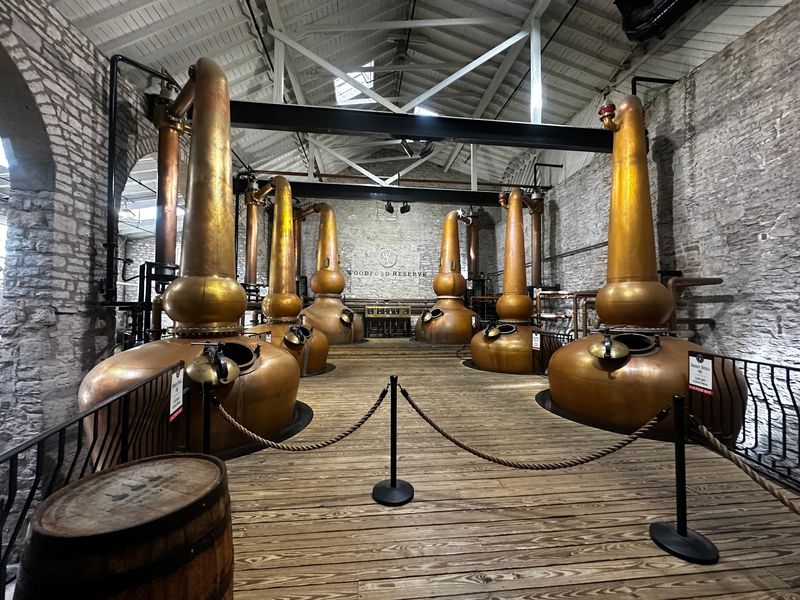
The limestone buildings sit low against the hillside, with black window frames and copper details. It looks less like a factory and more like a small stone village.
A creek runs right through the property, and the sound follows you between buildings. I stood on the bridge longer than I planned.
The site is a National Historic Landmark, which is rare for a working distillery. Some of the stonework has been standing since the 1830s.
Inside, three copper pot stills gleam under the lights. Guides explain the process clearly, without drowning you in numbers.
Head to 7785 McCracken Pike in Versailles, and take the scenic route if you have time. The road itself deserves a photo stop or two.
The visitor center has a full kitchen serving lunch, including bourbon ball desserts. The bread pudding gets mentioned by almost everyone who visits.
Weekday mornings feel calmer and the tour groups stay smaller. Saturdays fill up fast, especially in October.
Wear a light jacket even in warm months. The aging warehouses hold onto cool air like a cellar.
2. Maker’s Mark Distillery
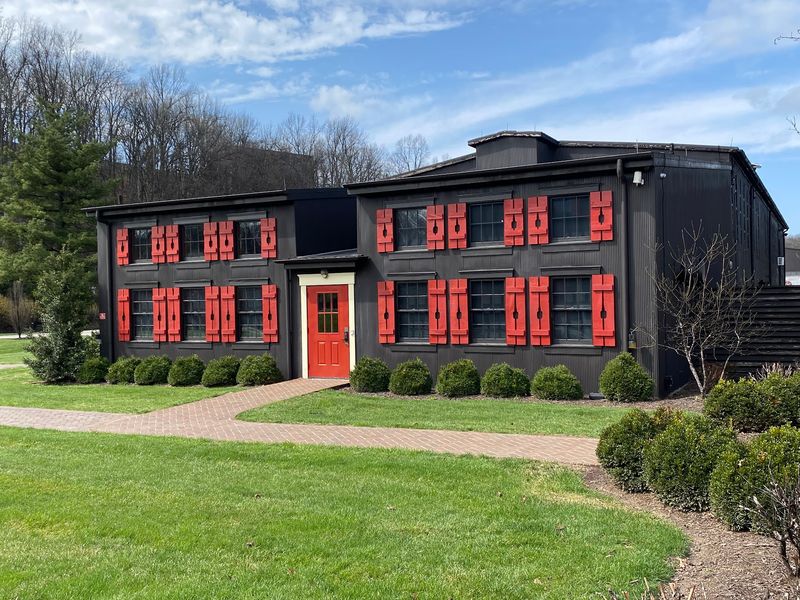
Black buildings with red shutters should not look this cheerful. Somehow they do, especially against green Kentucky hills.
The color scheme is not an accident. It matches the famous red wax seal, and the whole campus follows the same palette.
My favorite stop was the glass art installation by Dale Chihuly. Colored glass hangs inside a converted warehouse ceiling, and the light shifts as you walk.
The grounds include a small creek, a stone bridge, and walking paths between buildings. It feels more like a farm than a plant.
Address is 3350 Burks Spring Rd in Loretto, deep in Marion County farmland. The last few miles are narrow, so take them slow.
Visitors can dip their own bottle in red wax at the gift shop. Kids find it fascinating, and adults quietly compete for the neatest drip.
The property earned National Historic Landmark status in 1980, the first working distillery to do so. Guides mention it with obvious pride.
Fall turns the surrounding trees gold and rust. Photos taken in late October look almost staged.
Plan for a drive with no quick food stops nearby. Pack water and snacks before you leave the highway.
3. Buffalo Trace Distillery
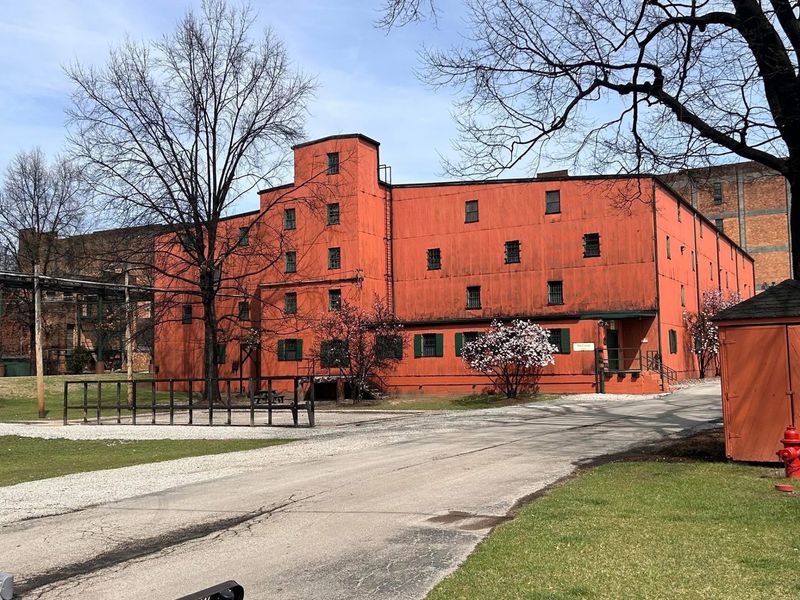
Some places feel like small towns. Buffalo Trace has streets, street signs, and a clock tower.
The brick complex sits along the Kentucky River, with a tall smokestack rising over everything. From the hill above, it looks like a scene from an old postcard.
It claims to be the oldest continuously operating distillery site in America. Parts of the campus have been in use since the late 1700s.
Tours here are free, which still surprises first-time visitors. Reservations are strongly recommended, because slots disappear quickly.
The old Stony Point Mansion sits up the hill, white-columned and photogenic. Guides share stories about the families who lived there.
Find the entrance at 113 Great Buffalo Trace in Frankfort. Parking is simple, and the visitor center is easy to spot.
Warehouse C, built in 1881, survived a tornado in 2006. Its brick walls were rebuilt, and the story comes up on nearly every tour.
Walking between buildings gives you the best photos, especially in late afternoon. The brick warms up beautifully as the sun drops.
Give yourself two hours minimum. The gift shop alone can eat thirty minutes without you noticing.
4. Four Roses Distillery
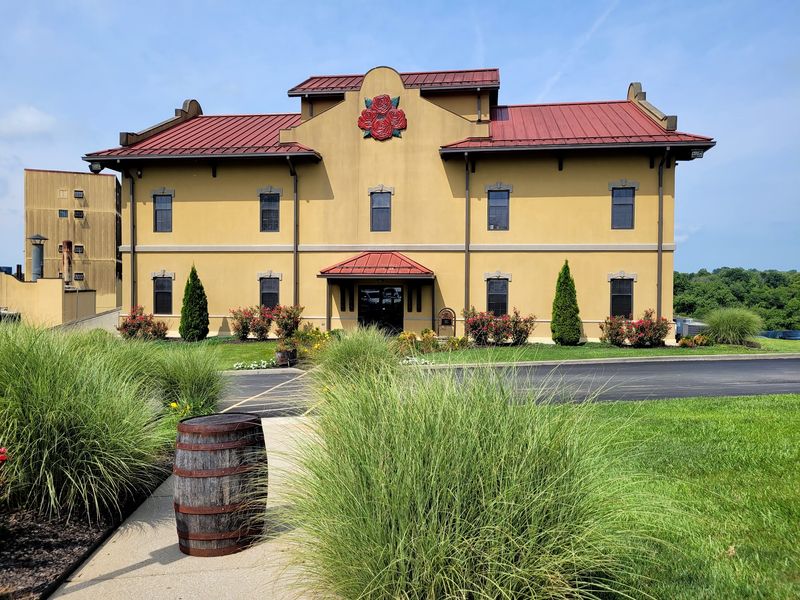
Spanish Mission architecture in Kentucky feels like a typo. Then you see the yellow walls and red tile roof, and it makes perfect sense.
Built in 1910, the building looks like it belongs in California. Arched windows and a bell-shaped roofline finish the effect.
The property sits near the Salt River in Lawrenceburg. Tall shade trees frame the lawn, which makes photos easy from almost any angle.
I noticed how compact the site feels compared to bigger campuses. You can see most of it from one spot, which is oddly satisfying.
The distillery is listed on the National Register of Historic Places. Guides point out original details that survived a century of use.
Set your map to 1224 Bonds Mill Rd, Lawrenceburg, and watch for the yellow building on your right. It stands out immediately.
Tours cover the mash and fermentation areas, then finish in a tasting room. Guides here answer questions patiently, even repeated ones.
The warehouse and bottling operation sits in nearby Cox’s Creek. Ask about the single-story rickhouses, because the explanation is genuinely interesting.
Morning visits catch softer light on the yellow walls. Bring a hat, since shade near the entrance is limited.
5. Willett Distillery
Family-run places have a different energy. At Willett, you feel it in the first five minutes.
The distillery sits on a hill outside Bardstown, with farmland rolling out in every direction. A pond below the buildings doubles the view on calm mornings.
Founded in 1936, the operation stayed in the same family across generations. Guides often mention relatives by name, casually.
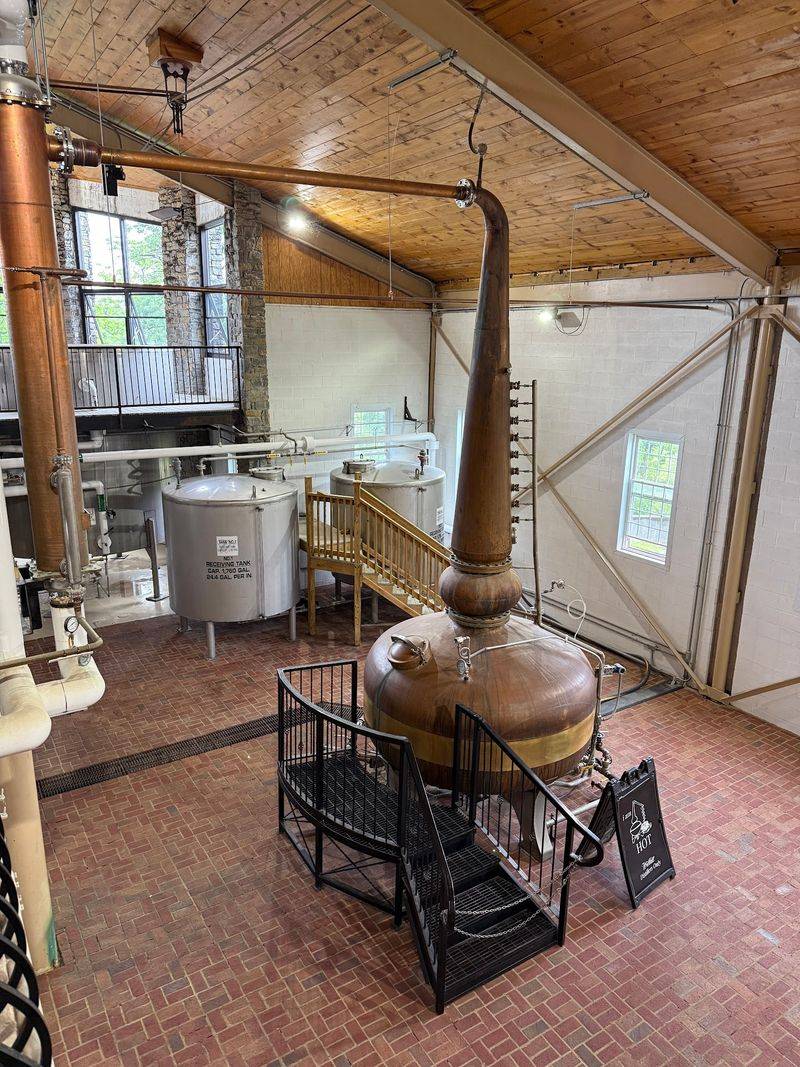
The still house has big windows, so you can watch the copper pot still working. It is smaller than you expect, and that is the charm.
You will find it at 1869 Loretto Rd in Bardstown, just a few minutes from downtown. The gravel drive climbs, so take it easy.
Tour groups here stay small, which means real conversation instead of a script. My guide answered follow-up questions without checking a card.
Sunset light on the hilltop is the reason photographers book late slots. The white buildings glow, and the pond reflects the sky.
The rickhouses stand close enough to walk between. That closeness makes the whole property feel personal rather than industrial.
Bardstown has plenty of restaurants nearby for afterward. Reserve dinner ahead during bourbon festival season in September.
6. Bardstown Bourbon Company
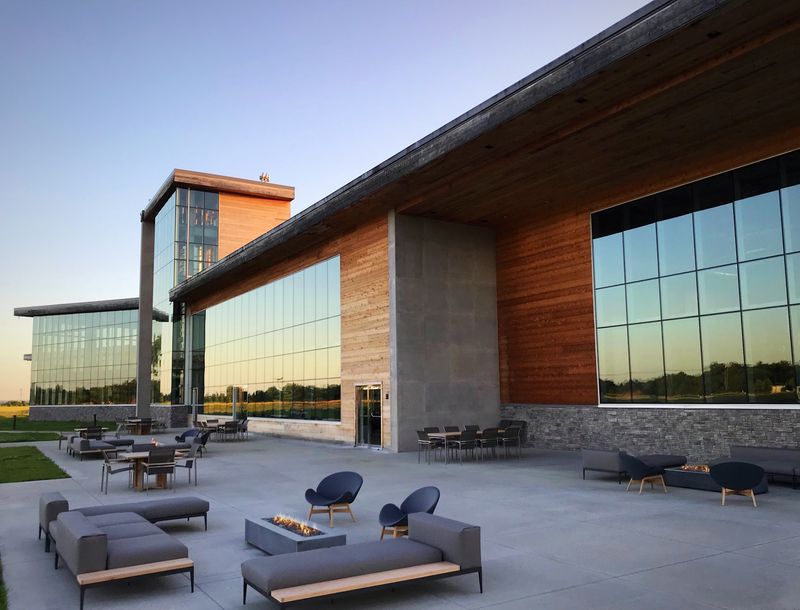
Not every pretty distillery is old. This one is glass, steel, and wide open sky.
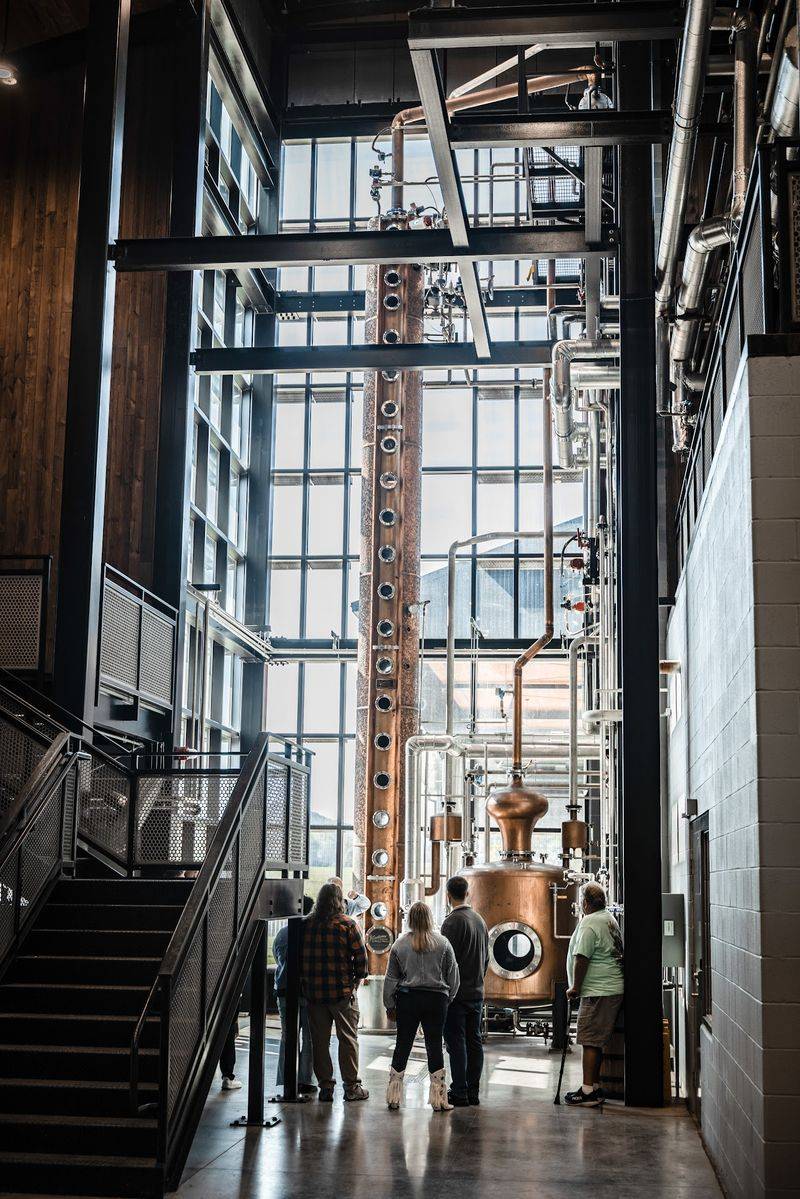
The building looks modern in a way that still fits the landscape. Big windows face farmland, and the stills are visible from the lobby.
What caught me was the contrast. Sleek architecture against rolling green fields makes an unexpectedly good photo.
The campus opened in 2016, so everything feels new and well planned. Wide walkways and clear signage make it easy for first-timers.
Head to 1500 Parkway Dr in Bardstown, right off the main road. Parking is generous, which is a small relief on busy weekends.
There is a full restaurant on site, and the kitchen takes it seriously. I had a plate of smoked pork that I still think about.
The tasting spaces feel bright rather than dim and cave-like. Natural light changes the whole experience.
Guides explain distilling in plain language, with no jargon overload. My group included two people who had never toured anything like it.
Sunset seating on the patio fills quickly. Arriving before six gives you a decent shot at a table with the view.
7. Log Still Distillery
A lake, a stage, and a train depot walk into a distillery. That is basically Log Still.
The Dant family rebuilt this property on land tied to their own history in Nelson County. The result is part distillery, part small resort.
An outdoor amphitheater hosts live music with the lake behind it. Sitting on that grass at dusk is worth the drive alone.
Guest cottages sit on the property, so you can stay overnight. That makes it easier to enjoy the grounds slowly.
Directions point to 225 Dee Head Rd in New Haven, south of Bardstown. The final stretch feels remote, then the campus opens up.
A restored train depot sits near the water, painted and photo-ready. Kids gravitate toward it immediately.
The rickhouse and still house are newer builds, but designed to match the old farm look. White siding and metal roofs keep things consistent.
Check the events calendar before you go. Concert nights change the mood completely, in a good way.
8. Old Forester Distilling Co.
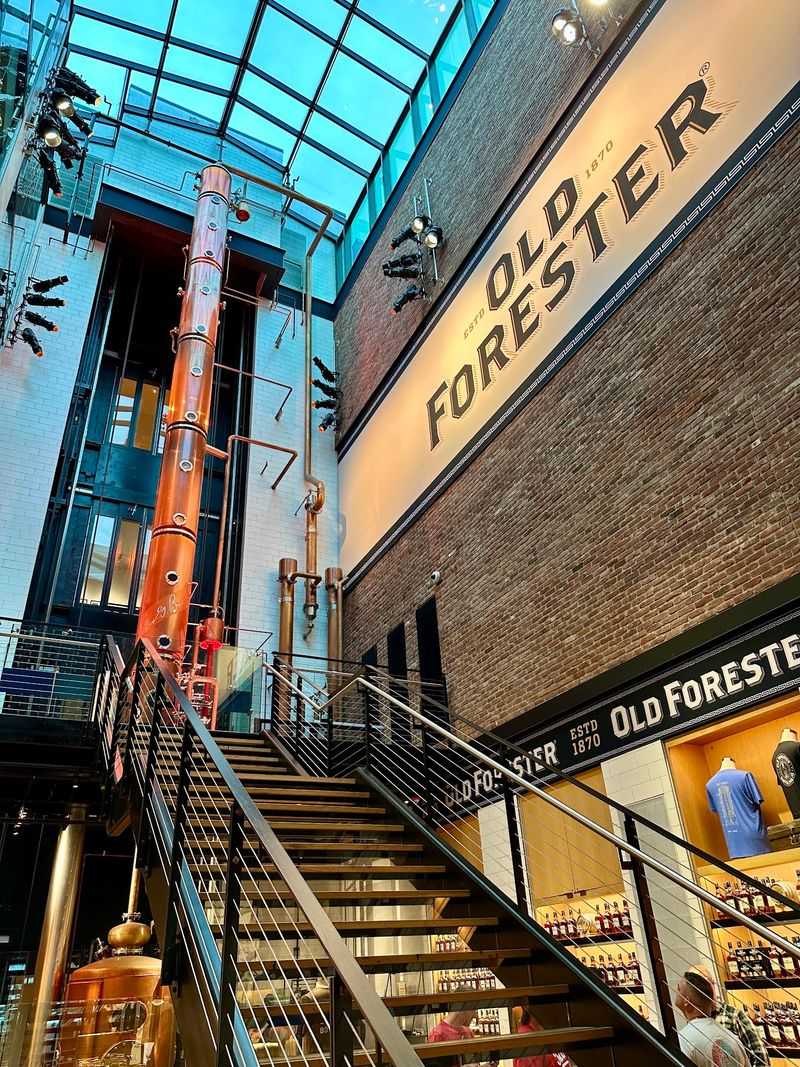
Downtown Louisville has a row of old storefronts on Main Street. One of them holds a working distillery, stacked vertically.
The 19th century brick facade was carefully restored, with tall arched windows and cast iron details. From the sidewalk, it looks like a historic bank.
Inside, the operation climbs several floors. You watch grain, fermentation, and a copper still while moving upward through the building.
There is even a working cooperage where barrels are built and charred. Watching the flames flash inside a barrel is the highlight for most visitors.
The address is 119 W Main St, right in the middle of Whiskey Row. Walking here beats hunting for parking.
Louisville’s Main Street holds one of the largest collections of cast iron facades in the country. That detail makes the block worth a slow stroll.
Tours run frequently, but weekend afternoons book solid. Reserving online a few days ahead is the safer move.
Because everything is indoors, weather never ruins the visit. Rainy days actually make this a smart pick.
Museums and restaurants sit within a couple of blocks. Easy to build a full day without moving your car.
9. Rabbit Hole Distillery
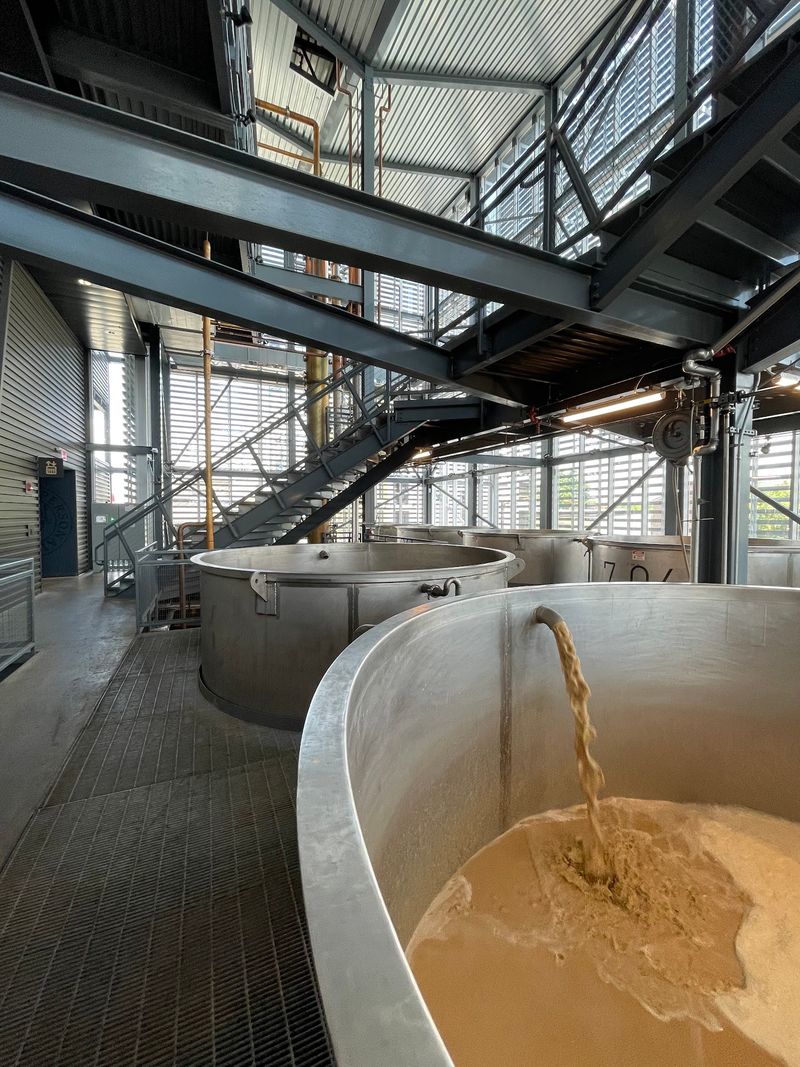
Glass, brick, and stairs that look like sculpture. Rabbit Hole leans modern and does not apologize for it.
The building rises several stories in Louisville’s NuLu neighborhood. Floor-to-ceiling windows let you see the equipment from the street.
Architect Doug Pierson designed it so visitors move through the process by stairway. You are inside the machine, not watching from a hallway.
Copper tanks and steel catwalks sit against pale walls. It photographs like a design magazine spread.
Look for 711 E Jefferson St, a short walk from Market Street shops and cafes. The neighborhood is walkable and full of murals.
The rooftop bar gives you a clean view of the city skyline. Late afternoon is when the light behaves best.
Guides here talk about grain choices and flavor in accessible terms. I left understanding mash bills better than I expected.
The gift shop stocks design-forward glassware and gifts. Good spot to grab something for a friend back home.
Street parking exists but fills up quickly. A nearby garage saves time on busy evenings.
10. Castle & Key Distillery
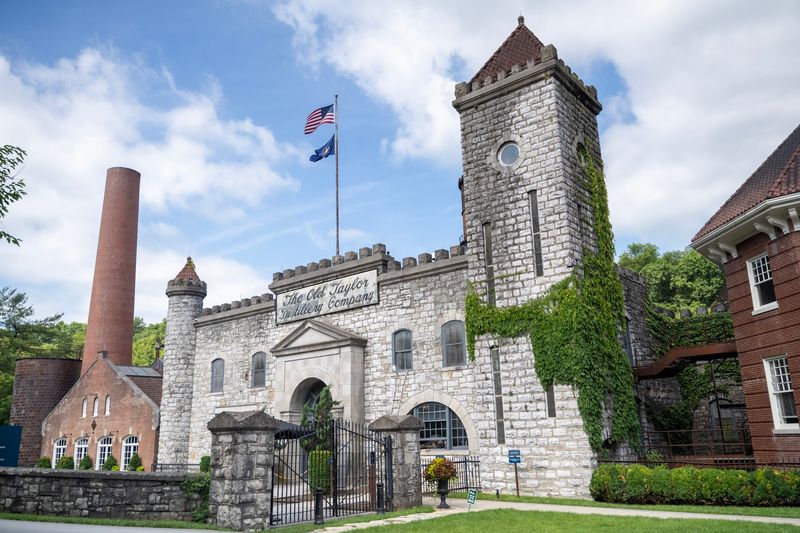
A castle in central Kentucky sounds like a tall tale. Then you round the bend and there it really is, turrets and all.
The stone building dates back to 1887, when Colonel E.H. Taylor built it to impress visitors.
It worked then, and it still works now.
What surprised me most was the sunken garden. Long walkways, trimmed hedges, and a springhouse make the grounds feel like a public park.
The botanical trail winds past native plants and old stone walls. Bring shoes you can actually walk in, because the property is bigger than it looks from the parking lot.
Inside, the warehouse space stretches so far that the ceiling seems to sag with age. Photographers love the light that slips through the high windows.
You will find it at 4445 McCracken Pike in Frankfort, just off a quiet country road. Cell service gets spotty, so screenshot your directions ahead of time.
Tours run on a schedule and often sell out on weekends. Booking a week early saved me from standing around in the gravel lot.
The restored buildings sat empty for decades before the current owners stepped in. Seeing before-and-after photos on the tour made the whole place feel earned.
Spring and early fall bring the best garden color. Summer is pretty too, just warmer than the photos suggest.