10 Iconic Nebraska Filming Locations You Can Visit In Real Life
A movie location feels oddly different when there is no screen between you and it.
The road is real. The building is real. And that familiar backdrop suddenly has ordinary traffic and people going about their day around it.
Nebraska has appeared on screen in ways that turned everyday places into recognizable pieces of movie history.
These 10 filming locations let you step into settings connected to memorable scenes and see what they look like without camera angles doing the work.
Some places still feel instantly familiar. Others may surprise you once you see how different the real setting looks from the finished film.
Either way, visiting them adds a new layer to the road trip.
The credits rolled years ago. The locations are still here.
1. Papillion-La Vista High School, Papillion
Fans still quote Tracy Flick’s campaign speeches, and the hallways behind those famous scenes are completely real.
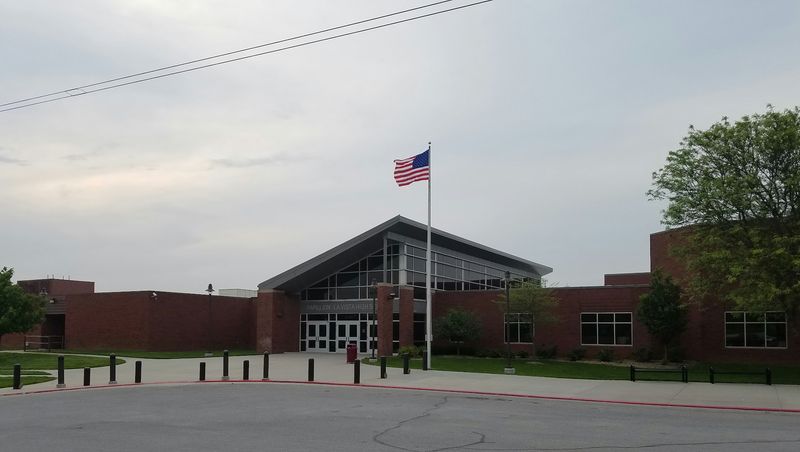
Election turned Papillion-La Vista High School into the fictional Carver High, and the building still stands at 303 E Cary St, Papillion, NE 68046, United States.
Filming took place during the fall of 1997, while the school was very much in session. Real students walked past the crew, and background noise from actual class changes ended up woven into the finished film.
Exteriors make up much of what viewers recognize, from the front entrance to the parking lot and gymnasium area.
Interior classrooms and corridors appear too, which is why the movie feels like an authentic Midwestern school instead of a soundstage.
Since this is an active public school, courtesy counts more than clever camera angles.
Stay on sidewalks and public areas, plan your stop for an evening, weekend, or summer break, and never wander inside without checking in at the office first.
Public events give you an easy way in. Football games, track meets, and community concerts all let you stand on campus legally while soaking up the same setting where Reese Witherspoon and Matthew Broderick worked.
A fun local detail: a surprising number of Papillion residents served as background extras, so families around town can still pause the movie and point at themselves.
Ask around at a nearby diner and you may hear firsthand stories about the shoot from someone who lived it.
2. Memorial Park, Omaha
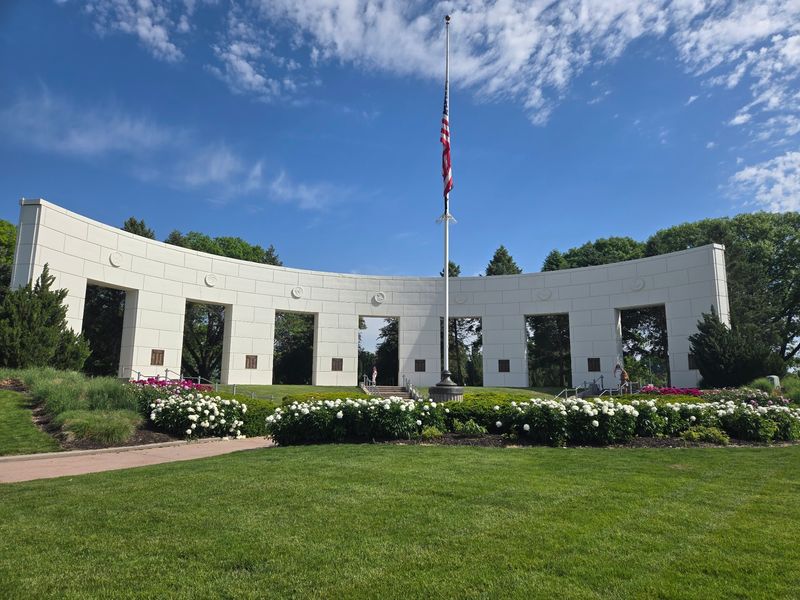
Green lawns, a long stone memorial, and open space big enough for a soccer game: Memorial Park is one of Omaha’s best-loved public spaces, and it also doubled as a movie location.
Election used the park for scenes involving the fictional Immaculate Heart Catholic School soccer team.
The park sits along Dodge Street near the University of Nebraska at Omaha, and it honors service members from World War II and later conflicts.
Locals treat it as a picnic spot, jogging route, and summer concert venue all in one.
What makes it a satisfying stop for film fans is how little has changed. The tree-lined slopes, the wide playing fields, and the memorial itself all still match the look captured in 1997.
Bring a blanket and make an afternoon of it rather than snapping one photo and driving off. There are walking paths, rose gardens nearby, and plenty of shade when Nebraska summers turn sticky.
Parking is free along the surrounding streets, and admission costs nothing, which makes this one of the cheapest stops on any Nebraska movie tour.
Early evening light is especially flattering if you want a photo that mimics the film’s autumn mood.
Time your visit for the Fourth of July and you will find one of the largest celebrations in the state happening right where the cameras once rolled. Fireworks over a movie location is a hard combination to beat.
3. Johnny’s Cafe, Omaha
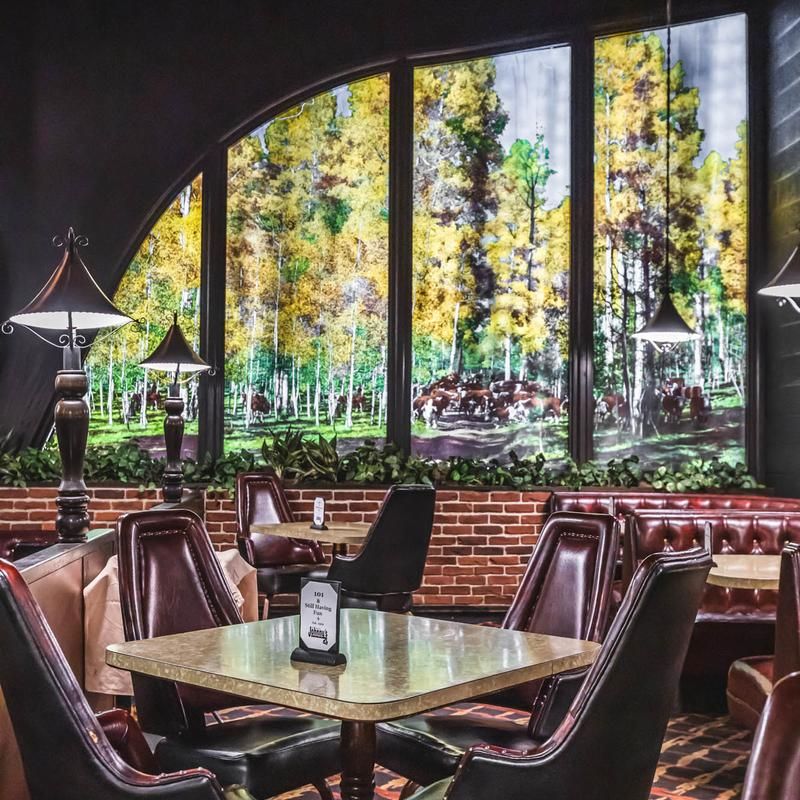
Warren Schmidt’s awkward retirement dinner in About Schmidt happens inside a restaurant you can still book a table at tonight.
Johnny’s Cafe, at 4702 S 27th St in Omaha, played host to that scene with Jack Nicholson looking politely miserable in a banquet room.
Opened in 1922 near the old Omaha stockyards, Johnny’s calls itself Omaha’s Original Steak House and has stayed in the same family for generations.
The dark wood, red booths, and old-school supper club feel are exactly why Alexander Payne chose it.
Ordering a steak here is the whole point. Instead of standing outside taking pictures, you get to sit in the same room, eat the same kind of food, and feel like part of the movie for an hour.
Reservations are smart on weekends, and the bar area is worth arriving early for if you enjoy places that have not been remodeled into something trendy.
Staff members are used to film fans and often happy to point out where the cameras sat.
Prices land in the range you would expect for a classic steakhouse, so consider this the splurge stop on your itinerary. Lunch visits can be gentler on the wallet than dinner.
One more reason to stop: the neighborhood history alone is fascinating, since this stretch of South Omaha once buzzed with cattle pens, packinghouses, and workers who filled these booths after long shifts.
4. WoodmenLife Tower, Omaha
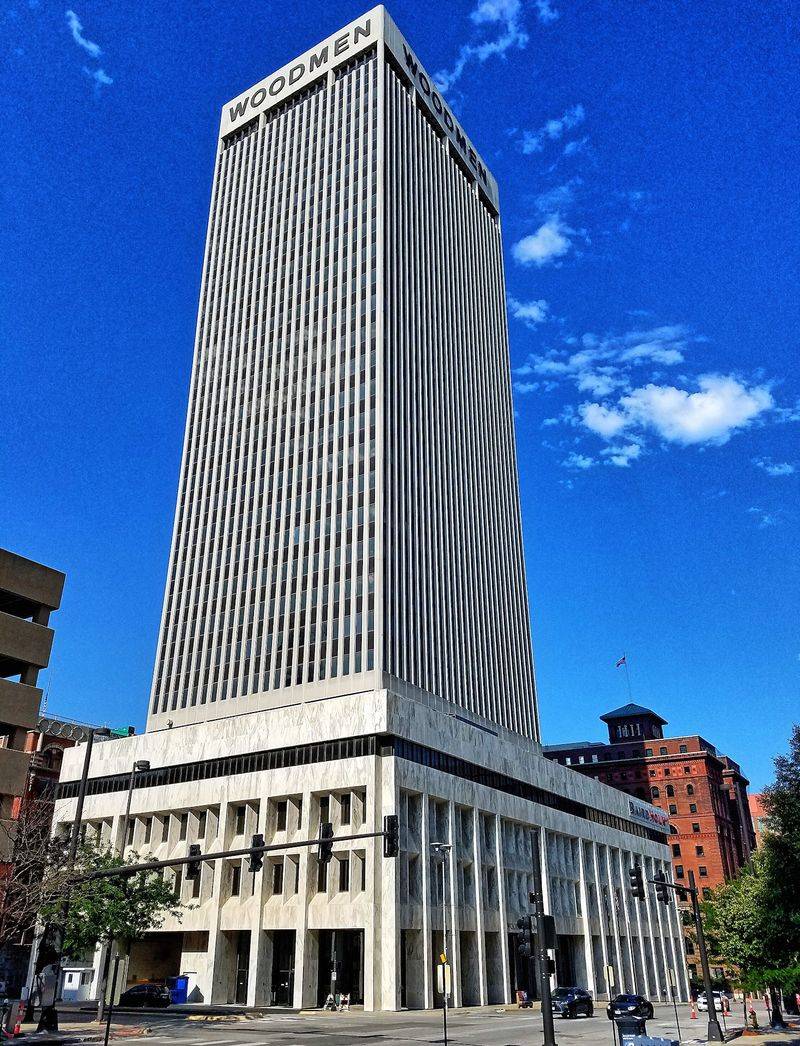
Every office worker recognizes the feeling of the last day at a desk, and About Schmidt filmed that moment in a genuine Omaha skyscraper.
The tower at 1700 Farnam Street, once called Woodmen Tower and now known as WoodmenLife Tower, stood in as Warren Schmidt’s insurance company workplace.
Finished in 1969, the 30-story building held the title of Nebraska’s tallest structure for more than three decades.
Its blocky, no-nonsense design reads as pure corporate seriousness on screen, which suited the story perfectly.
Production crews moved in during May 2001 and used the lobby along with the 19th-floor records and actuary departments. An entire office was even built on the 20th floor just for filming.
Since this is a working office building, your visit means admiring it from the sidewalk rather than riding elevators. The good news is that downtown Omaha makes the walk enjoyable.
Stand across Farnam Street for the best photo, then combine the stop with the Old Market district, the Durham Museum, or the Gene Leahy Mall a few blocks away. All of it fits into a single easy afternoon.
Look for the boxes of files and the endless rows of desks in the movie, then glance up at the real windows and imagine how many actual claim forms have passed behind them.
5. University of Nebraska, Lincoln Campus
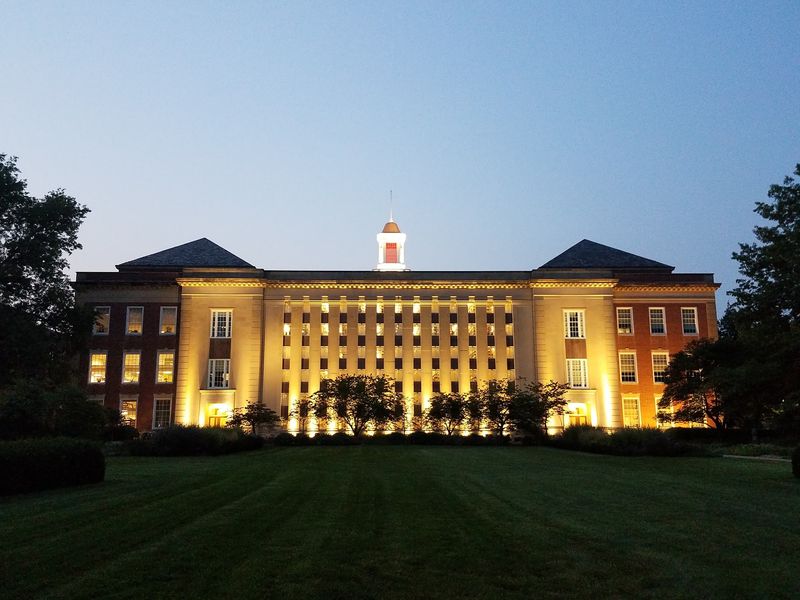
Two very different Hollywood productions found what they needed on the same Lincoln campus.
The University of Nebraska-Lincoln stood in for Warren Schmidt’s supposed Kansas alma mater in About Schmidt, and it also hosted college scenes for the Oscar-winning 1983 drama Terms of Endearment.
That double credit makes UNL one of the most film-friendly stops in the state. Shirley MacLaine and Debra Winger worked in and around the campus area, and nearly twenty years later Jack Nicholson wandered its walkways.
Campus visits are simple because the grounds at 1400 R St, Lincoln, NE 68588 are open to the public year round. Free self-guided walking is easy, and the university also runs official tours for prospective students and families.
Head to the historic core near the Sheldon Museum of Art and Memorial Stadium for the classic red brick and ivy look that reads as any American college.
Autumn brings both great foliage and the wild energy of Cornhusker football Saturdays.
Parking downtown can be tight during class hours, so weekends or metered garages will save you frustration.
Coffee shops along the edge of campus give you a place to compare screenshots with the real thing.
Here is a bonus for movie lovers: Alexander Payne grew up in Omaha and returned to Nebraska again and again for his films, so exploring UNL feels less like tourism and more like following a hometown director’s footsteps.
6. Leon’s Gourmet Grocer, Lincoln
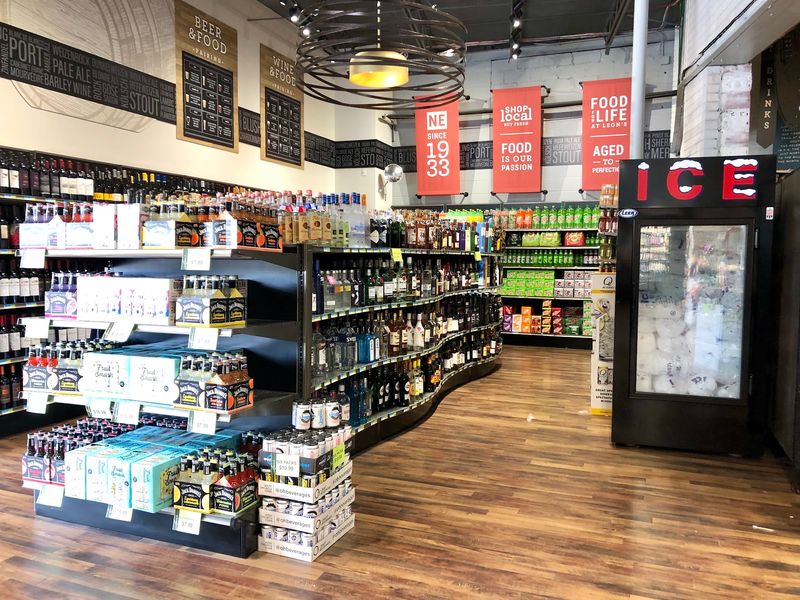
A grocery run turned into film history at 2200 Winthrop Road in Lincoln.
Leon’s Gourmet Grocer appears in Terms of Endearment during scenes involving Emma and Sam, tucking an Oscar-winning romance into an ordinary neighborhood market.
Independent grocery stores like this one are getting rare, which makes the visit feel a little like time travel.
The aisles, the butcher counter, and the friendly small-store atmosphere are why the location worked so well on camera.
Shopping is the natural way to experience it. Grab a snack, browse the wine selection the store is known for, or pick up sandwich supplies for the drive to your next stop.
Because it is a working business, keep filming and photography respectful and brief inside. Employees are used to occasional movie fans, but customers are there to buy dinner.
The surrounding Country Club neighborhood is worth a slow drive too, with older homes and mature trees that look much as they did in the early 1980s. Sunday mornings tend to be quiet and pleasant.
Terms of Endearment won five Academy Awards including Best Picture, so this modest Lincoln storefront can honestly claim a spot in one of the most decorated films of its decade.
Not many grocery stores get to say that. Rewatch the scene before you go, then see how much of the layout you can recognize while pushing a cart.
7. The Archway Museum, Kearney
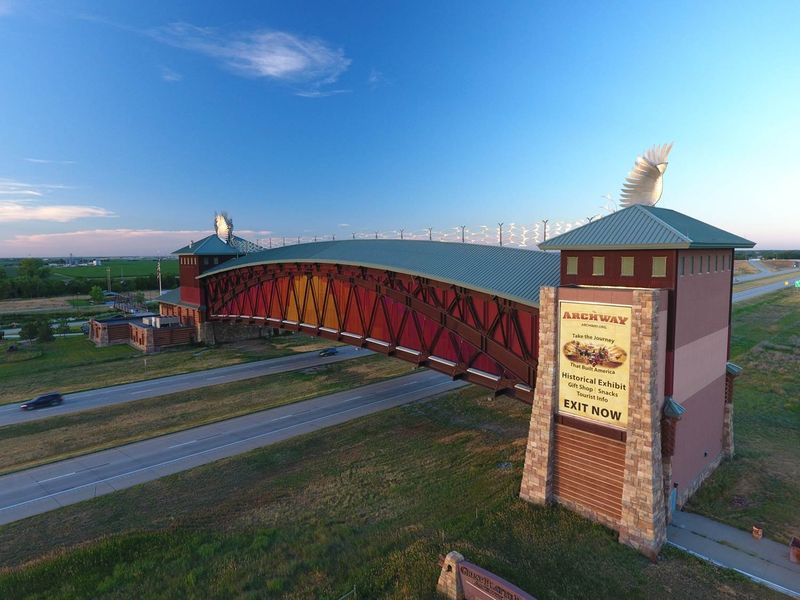
Few buildings in America straddle a freeway, and Nebraska has one of them.
The Archway appears during Warren Schmidt’s road trip in About Schmidt, and drivers on Interstate 80 still spot it looming overhead near Kearney at Exit 275.
Inside, exhibits walk visitors through westward expansion along the Platte River valley, from wagon trains and the Pony Express to the arrival of the interstate.
Audio guides and life-size scenes make the history easy for kids to follow.
The museum address is 3060 E 1st Street in Kearney, and it stays open to visitors throughout the year. Plan on an hour or two if you want to actually read the displays rather than rush.
Photographing the exterior from the parking area gives you that instantly recognizable movie shot. Driving under it is free, but stepping inside is what makes the stop memorable.
Kearney itself makes a solid overnight base if you are crossing the state, with restaurants and hotels clustered near the highway. Fill the gas tank here before heading west.
Worth knowing for completists: Harold Warp Pioneer Village in Minden, about 25 minutes south at 138 E US Highway 6, was also used during About Schmidt production, though its footage landed in deleted scenes rather than the theatrical cut.
The village and its 50,000-plus artifacts are open daily, making it a rewarding detour anyway.
8. Buffalo Bill Ranch State Historical Park, North Platte
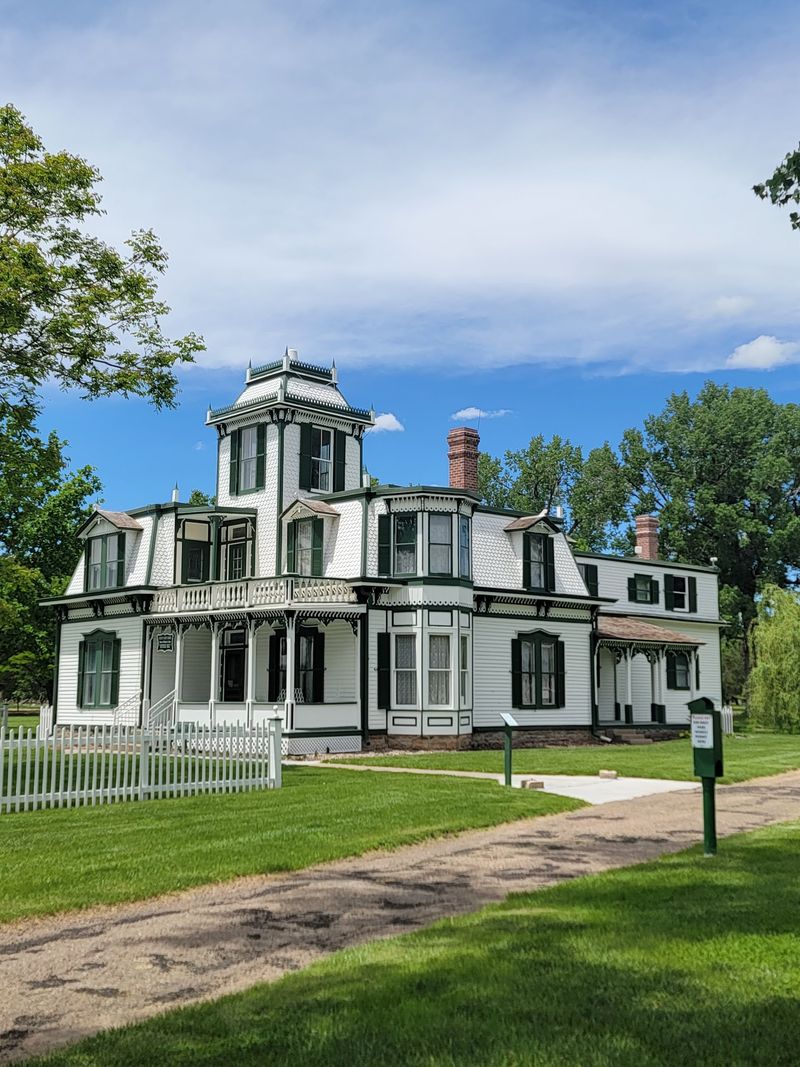
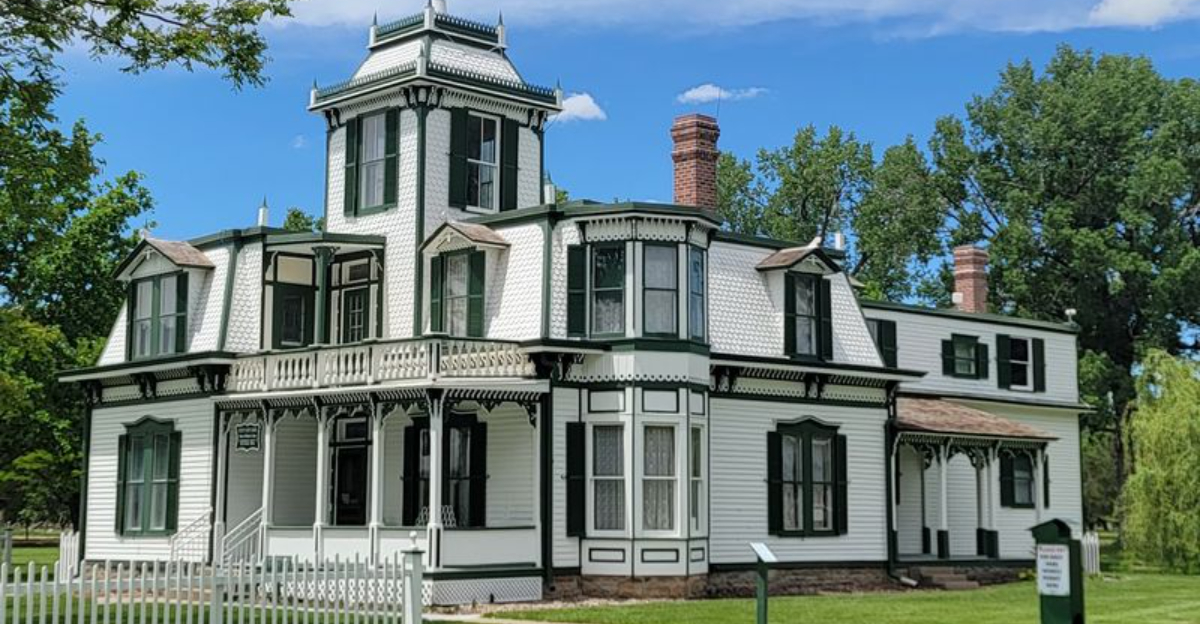
Warren Schmidt’s motorhome journey includes a stop at Buffalo Bill’s Scout’s Rest Ranch, and that place is no movie invention.
Buffalo Bill Ranch State Historical Park sits at 2921 Scouts Rest Ranch Rd in North Platte and welcomes visitors to this day.
William F. Cody, the showman known worldwide as Buffalo Bill, once owned roughly 4,000 acres here.
The park preserves a much smaller slice of that spread, including his restored 1886 mansion and an enormous barn packed with memorabilia.
Touring the house is the highlight, with period rooms and stories about Cody’s Wild West show tours across Europe and America. The barn displays posters, photographs, and gear from the era.
A Nebraska state park entry permit is required for vehicles, and hours vary by season, so a quick check before driving out saves disappointment.
Spring and early fall bring the most comfortable weather for walking the grounds.
Trails, picnic areas, and horse riding options round out the visit, so this stop suits families who need to burn off energy after hours in the car. Shade is plentiful near the old cottonwoods.
Setting the film aside for a moment, this ranch also explains how the myth of the American West got packaged and sold to the world.
Standing on Cody’s front porch, that history feels a lot closer than any movie screen makes it seem.
9. The Village Loma
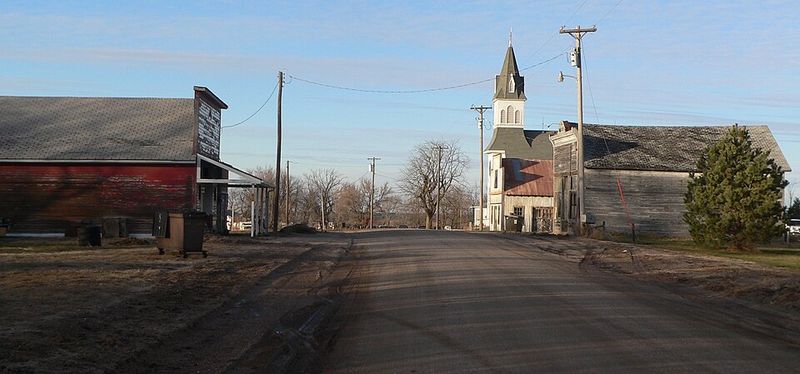
Picture a community so small you could miss it while adjusting the radio, then picture Patrick Swayze, Wesley Snipes, and John Leguizamo arriving in sequins.
That actually happened in Loma, Nebraska, when To Wong Foo, Thanks For Everything! Julie Newmar filmed there in the mid-1990s.
Production dressed the tiny place up as the fictional town of Snydersville. A faded welcome mural painted for the movie has hung on for decades and remains the main souvenir of the whole strange episode.
Loma sits northwest of Omaha in Butler County, reachable by a short drive through farm country. Nearby Hooper, along with Lincoln and Omaha, also served as filming spots for the 1995 comedy.
Set your expectations correctly before you go.
There are no gift shops or ticket booths, just a handful of buildings, quiet roads, and the mural if you know where to look.
Treat the visit as a scavenger hunt and it becomes genuinely fun. Bring a camera, drive slowly, and remember that people live here, so stay on public roads and off private property.
The contrast is what makes the story stick. A flashy Hollywood road comedy about three drag queens crossing America chose a speck of Nebraska farmland for its heart, and locals have been telling the story ever since.
10. Boys Town National Headquarters, Boys Town
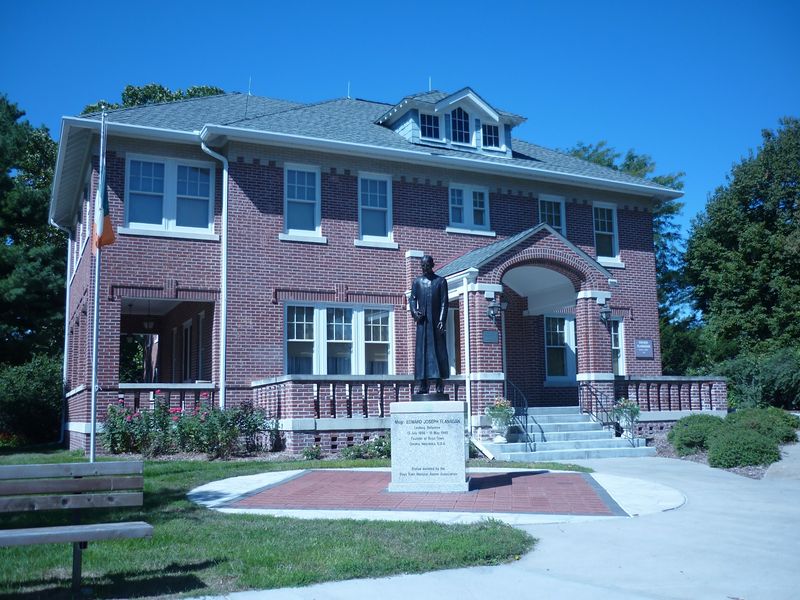
Back in 1938, MGM sent Spencer Tracy and Mickey Rooney to Nebraska so parts of Boys Town could be filmed at the actual Boys Town. That home for at-risk children, founded by Father Edward Flanagan, still operates west of Omaha at 14100 Crawford Street.
The film became a huge success and won Tracy an Academy Award for playing Flanagan. Remarkably, that very Oscar is on display in the Boys Town Hall of History, where visitors can stand a few feet from it.
Touring the historic village is the main attraction, with the Hall of History and the Father Flanagan House both open to guests. Displays cover the movie, the real founding story, and decades of youth care work.
Admission arrangements and hours change seasonally, so a quick phone call or website check before arriving is worth the minute it takes. Allow at least an hour or two for the museums and grounds.
The campus also holds a chapel, gardens, and the famous statue of one boy carrying another. Walking paths make it pleasant even for visitors who care nothing about old movies.
What lands hardest is realizing that a black-and-white classic about kindness toward struggling kids was shot in a place still doing that work today. Very few filming locations can claim that kind of living connection.