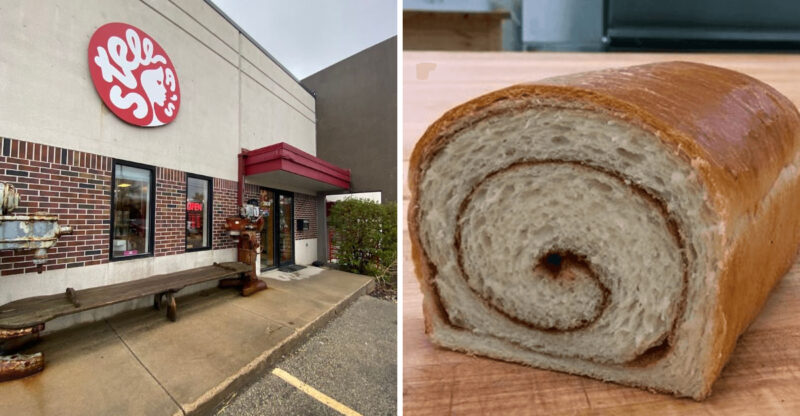
This Wisconsin Polish Market Serves Pierogies, Kielbasa, Fresh Bread, And Sweet Pastries
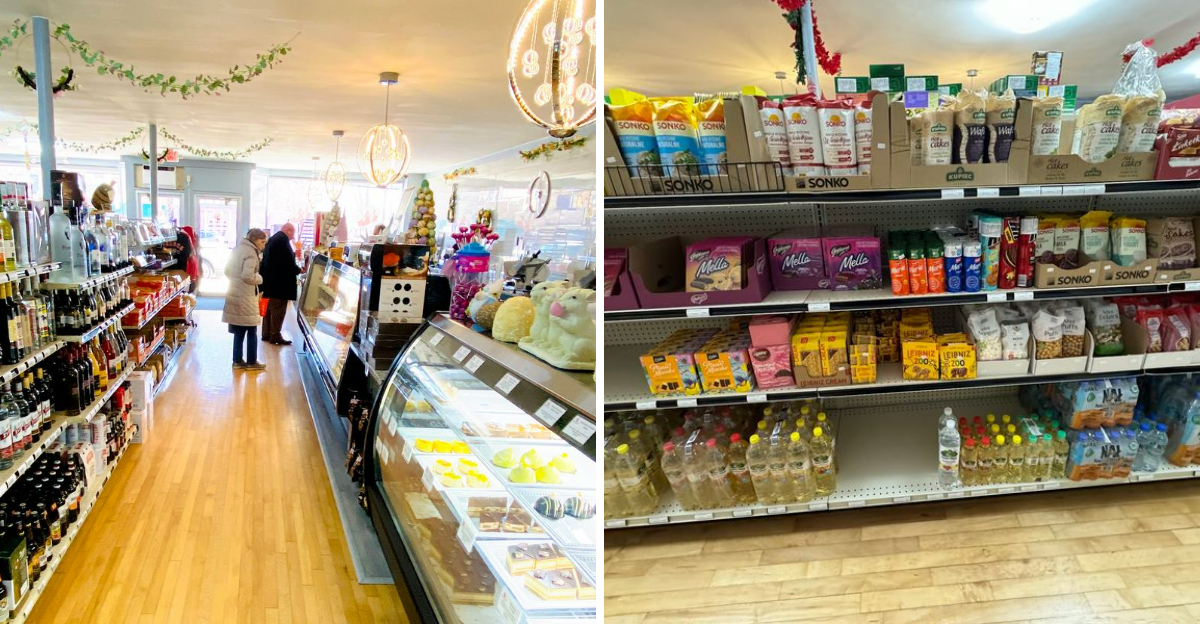
A gray afternoon rarely turns memorable, but this one did the moment I smelled smoked sausage before I even reached the door. I expected a small grocery run, maybe bread and a few snacks for the week.
Instead I found a bright little shop packed floor to ceiling with pierogi, warm rolls, and pastries that looked almost too pretty to eat. An older woman behind the counter greeted regulars by name and handed me a sample before I even asked.
Everything smelled like someone’s grandmother had been cooking since sunrise. I left with a full bag, an empty wallet, and a plan already forming to come back the following week.
This small market brings a taste of Poland straight into a quiet corner of Wisconsin. Wisconsin has plenty of grocery stores, but few carry this much flavor and history on their shelves.
If you love good bread and better sausage, keep reading.
A Small Storefront With A Big Personality
The smell hits first, long before the shelves do. Smoked kielbasa greets you at the door like a friendly handshake.
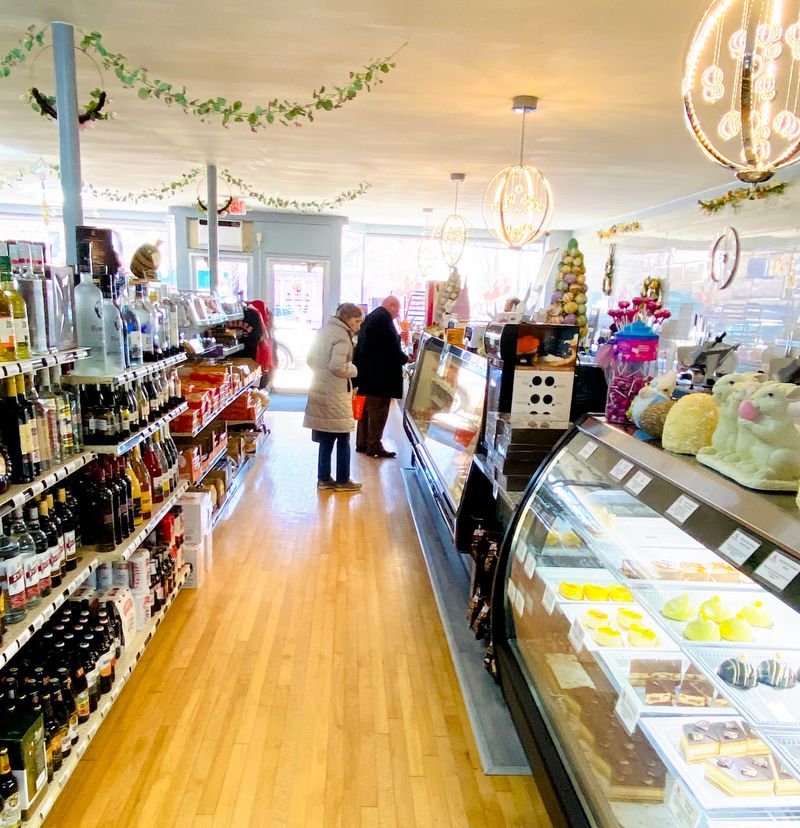
Inside is about 2,800 square feet of tightly organized Polish groceries. Every aisle feels planned rather than crowded, which makes browsing genuinely fun.
Opened in March 2022, the shop is a family business. One of the owners is a Polish immigrant and a trained chef who specializes in Polish cooking.
Bright lighting and clean floors set the tone right away. The layout gives you room to stop, read labels, and think about dinner.
Most packaging is printed in Polish, which sounds intimidating at first. A translation app on your phone solves that in about ten seconds.
Shoppers who grew up in Milwaukee’s Polish neighborhoods often describe the feeling as familiar. It reads less like a modern grocery and more like a corner store from decades past.
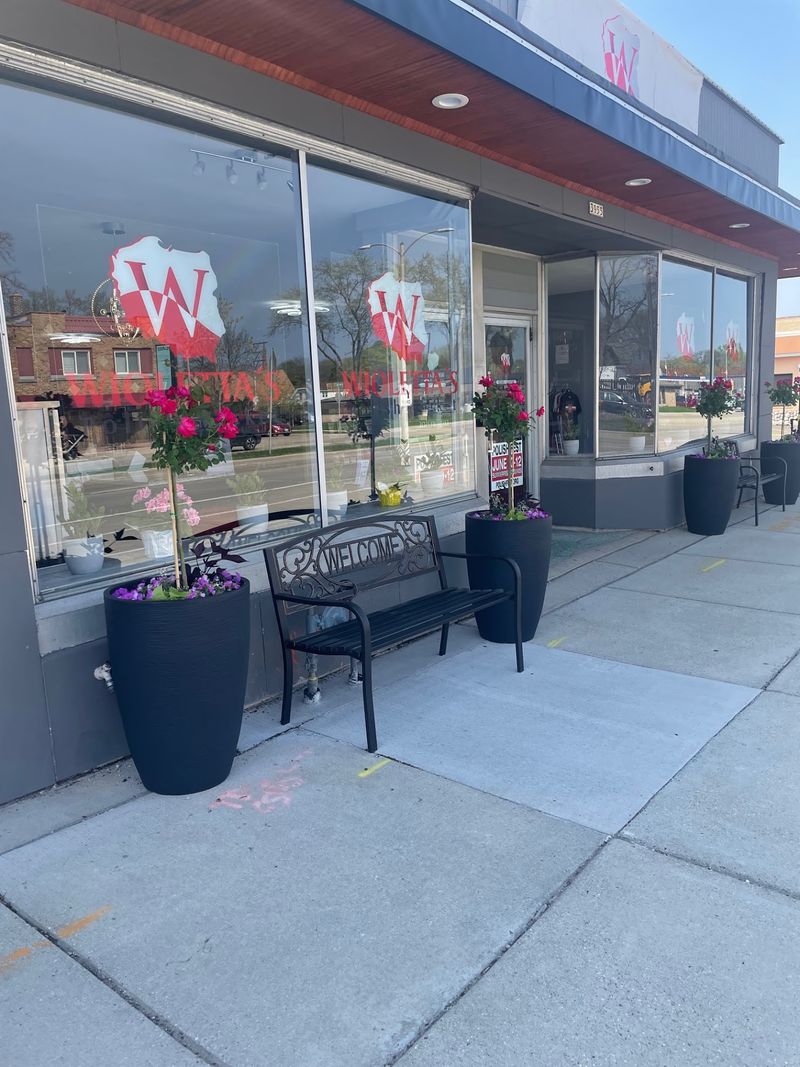
Outdoor seating was announced in April 2024, adding a little breathing room. The owners have also talked about remodeling to gain more space.
Regular hours run 10 AM to 6 PM most weekdays. Weekends shift earlier, with Sunday closing at 3 PM.
Give yourself extra time on a first visit. You will want to circle each aisle twice.
The address is 3955 S Howell Ave, Milwaukee, WI 53207, just south of the airport area. Parking is straightforward.
Pierogi In More Varieties Than You Expected
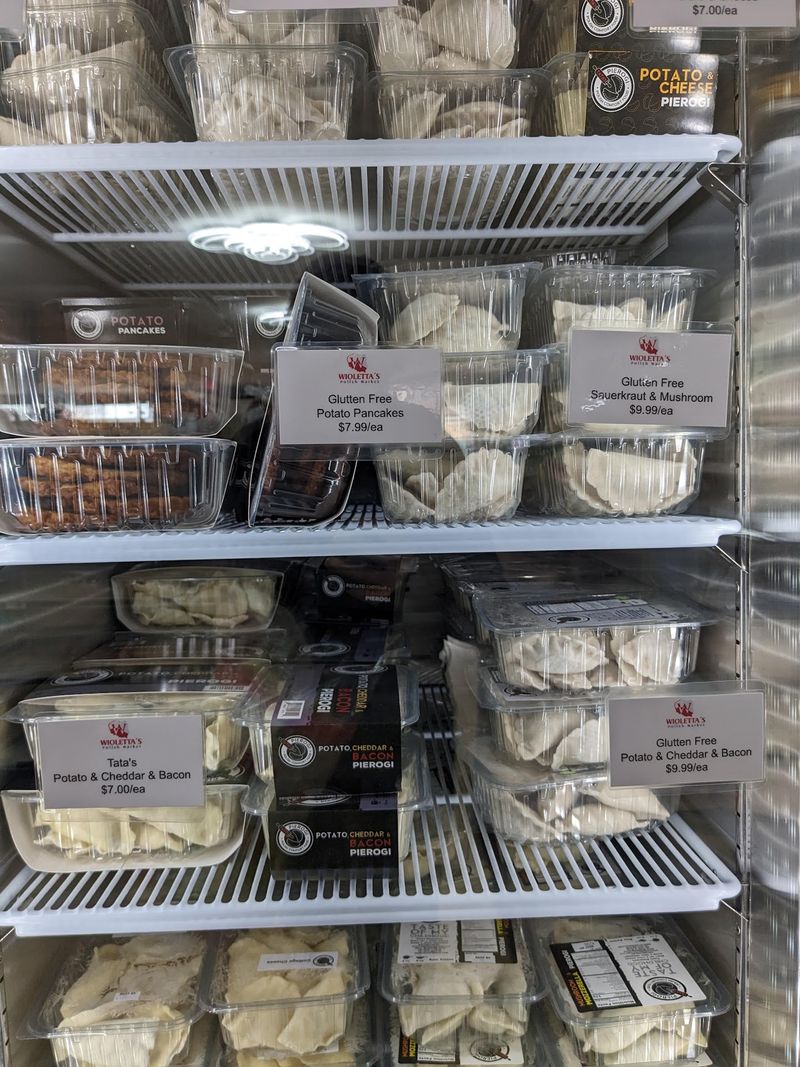
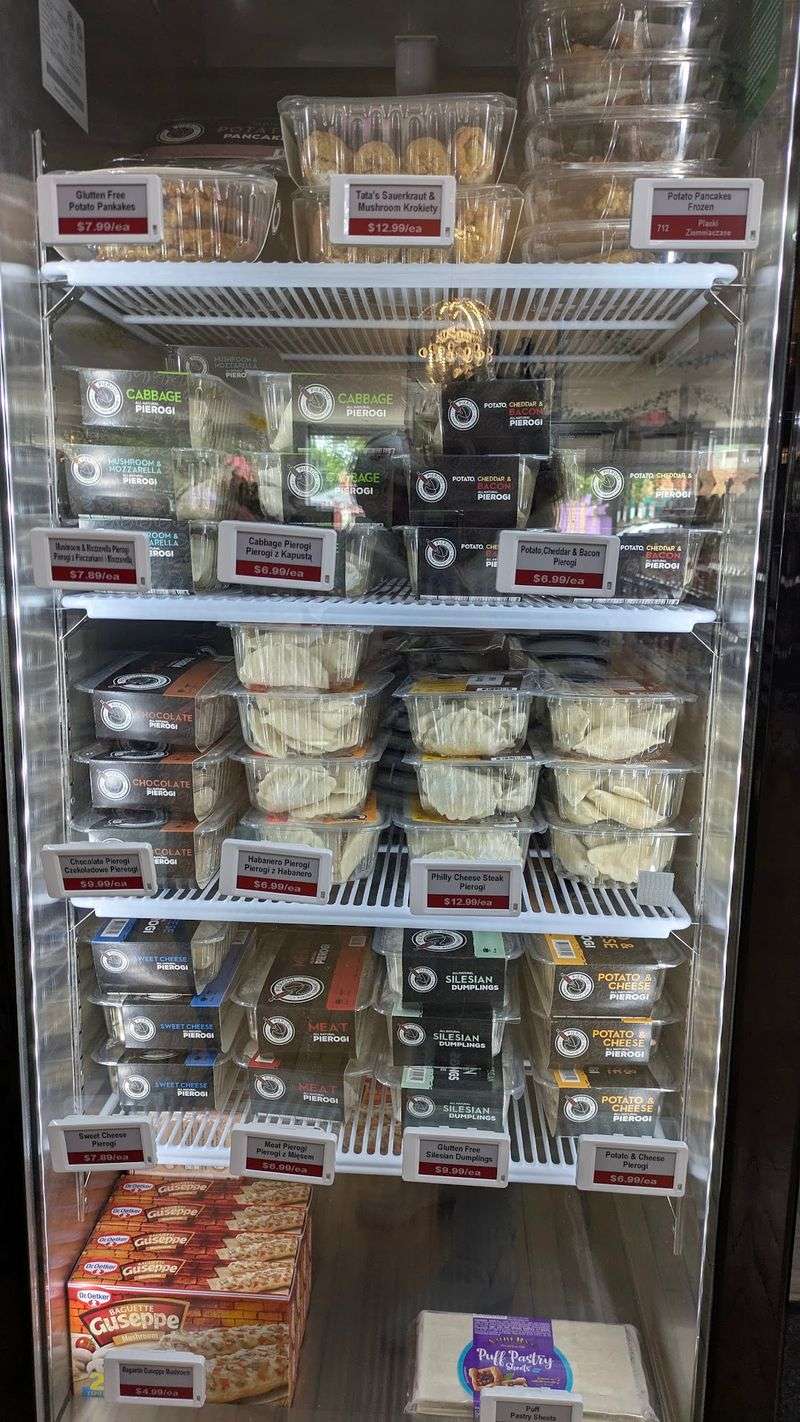
Potato and cheese is the classic, but that is only the opening act. The selection here stretches far past what a typical supermarket stocks.
Shoppers regularly point to the variety as a highlight. Meat fillings, mushroom versions, and sweeter options all share space in the case.
Gluten free varieties are available too, which is rare in this category. That single detail turns a maybe into a definite for a lot of families.
Pierogi are comfort food at their core. Boiled, then pan fried in butter until the edges brown, they turn a plain Tuesday into something worth sitting down for.
My method is simple and hard to mess up. Boil until they float, then finish them in a hot skillet with onions.
A spoonful of sour cream on top is traditional. Applesauce works nicely with the sweeter fillings.
Buy more than you think you need. They freeze well and disappear faster than expected.
Pierogi pair naturally with the soups sold nearby. Dill pickle soup and red borscht are both offered ready made.
The dumplings sit among other prepared items, so a full meal comes together in one trip. Stuffed cabbage, known as golabki, is right there as well.
Pierogi remain the easiest introduction to Polish food. Start here, then wander deeper.
Kielbasa Worth Planning A Holiday Around
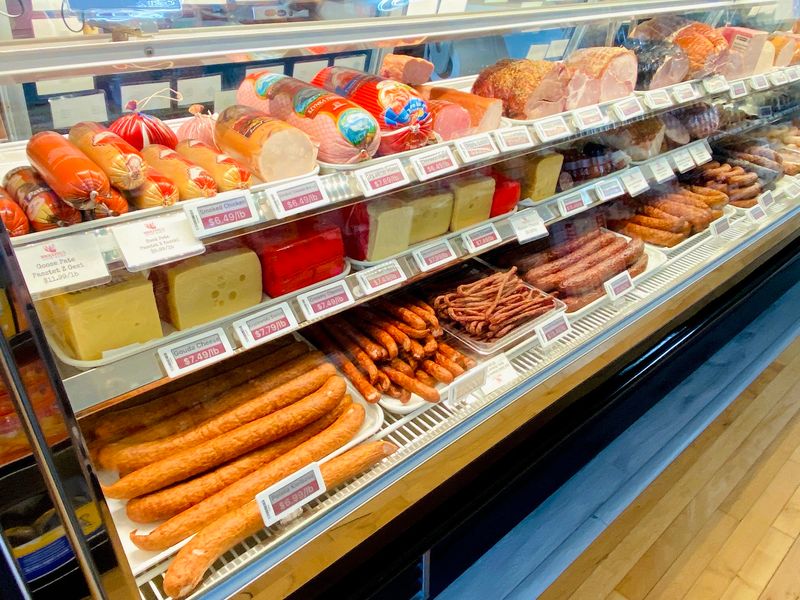
Grocery store sausage and real kielbasa are not the same food. One is smoothed out for a general crowd, the other has actual character.
Multiple types fill the deli case here. Polish kielbasa and griller sausages get named as favorites again and again.
Wedding kielbasa has its own devoted following. Homemade sausages round out the lineup.
The flavor is not spicy, which surprises some first timers. It is smoky, savory, and distinctive enough that you notice it the moment you step inside.
Fresh Polish sausage becomes a holiday tradition for many local families. Orders spike before Christmas Eve and Easter, so plan ahead.
Cooking is straightforward. Simmer gently, then finish on a hot pan or grill for color.
Serve it with sauerkraut and rye bread and you have a complete plate. The sauerkraut sold here is seasoned differently than German versions, with a milder edge.
Bigos, the classic hunter’s stew, uses similar ingredients. It is also available prepared.
The counter staff can walk you through the differences. Asking questions is the fastest way to find your favorite.
Buy a variety pack of sorts on your first trip. Take notes on what you liked.
Once you find your sausage, going back to the standard grocery version feels like a downgrade.
Fresh Bread Days Are Wednesday And Friday
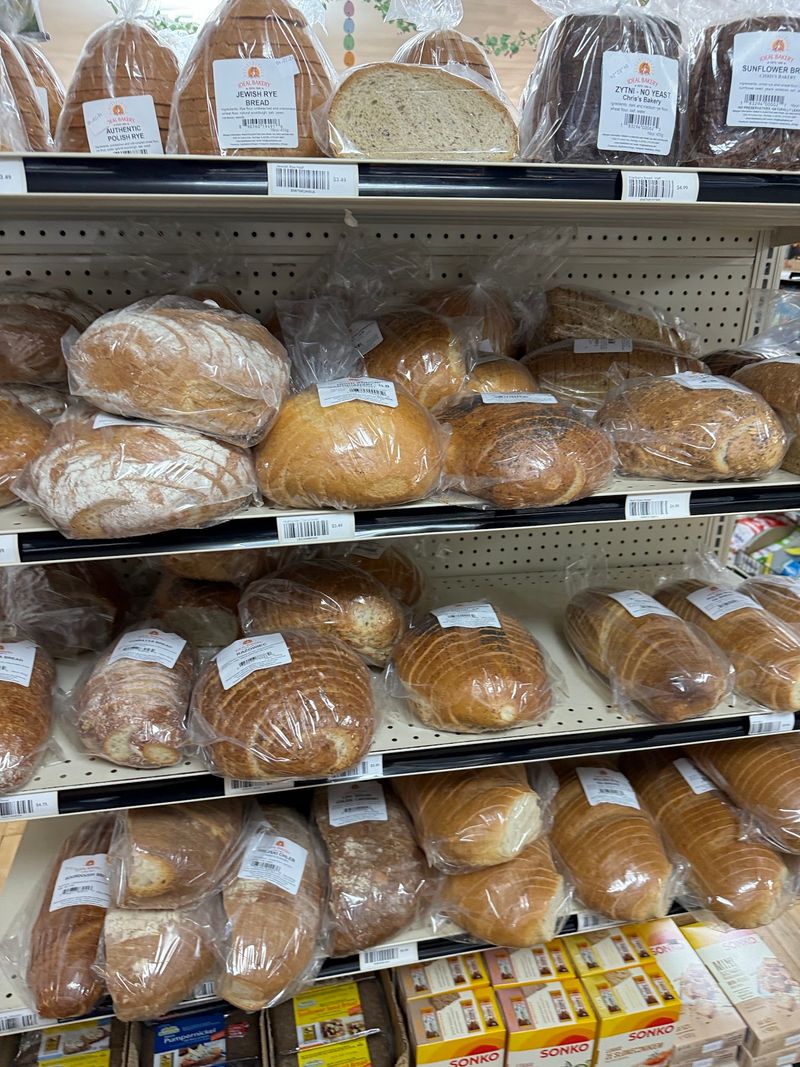
Mark your calendar for Wednesdays and Fridays. That is when fresh bread arrives, and regulars time their trips accordingly.
Rustic rolls always seem to be warm. They have a crackly crust and a soft interior that makes butter unnecessary, though butter helps.
Cranberry walnut bread is the standout. Tart fruit, toasted nuts, and a chewy crumb make it good on its own and even better toasted.
The artisan bread selection covers everyday needs too. Loaves here are built for slicing thick and piling high.
Bread and deli meat make an obvious pairing. Black forest smoked bacon, ham, and cheese are all a few steps away.
One trick worth knowing: rustic Polish rolls handle sandwiches better than soft grocery buns. They hold up to mustard, pickles, and sliced sausage without falling apart.
Loaves without preservatives go stale faster. Slice and freeze what you will not eat in two days.
Day old bread is not wasted bread. It becomes excellent toast, croutons, or a base for soup.
Arriving early on bread days is smart. Popular loaves sell out.
Bread quietly ties the whole store together. Soup, sausage, cheese, and spreads all improve with a good slice underneath.
It is the simplest thing in the shop and one of the most memorable.
Paczki Available All Year, Not Just Fat Tuesday
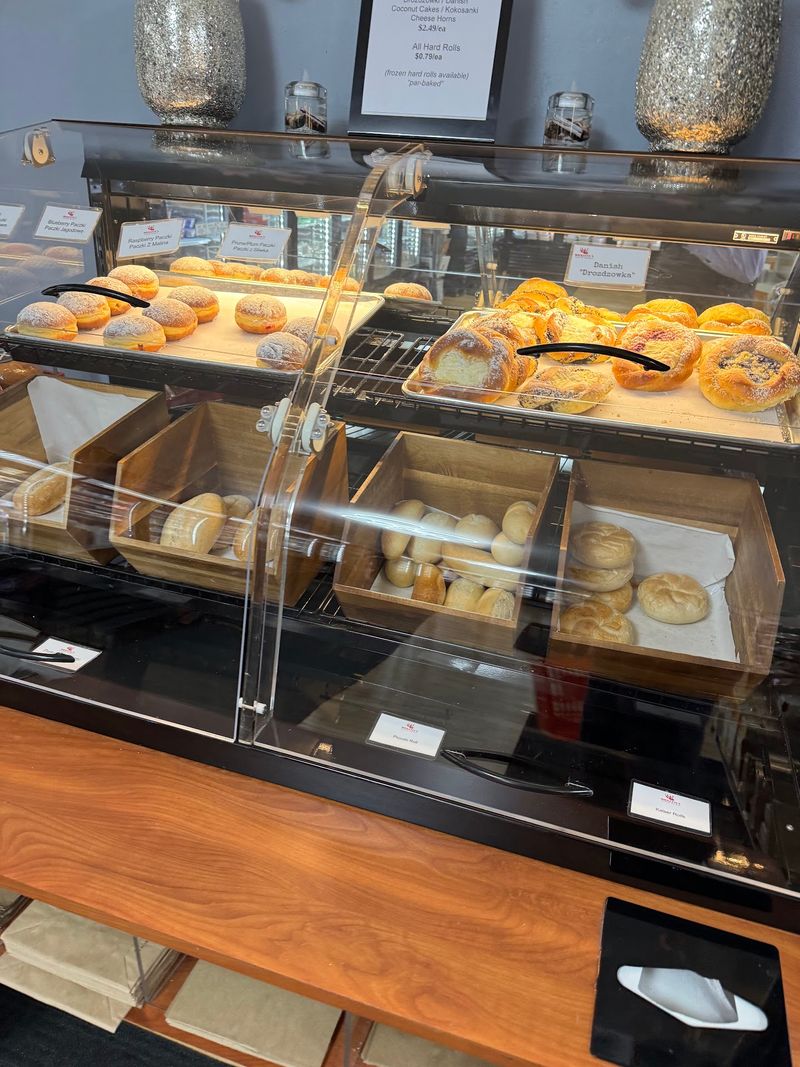
Most of Wisconsin thinks about paczki exactly one day a year. Here they show up on the shelf in every season.
Fat Tuesday still brings the rush. Flavors sell out, and the ones left over disappear within days.
A paczek is richer and denser than a standard doughnut. The dough carries more egg and butter, and the filling is generous.
Fruit fillings are common, with raspberry and plum among the traditional picks. Cream versions show up too.
Raspberry cream cheese pastries have earned their own fans. They sit somewhere between a doughnut and a dessert.
Tortes are also sold to go, which solves the last minute birthday problem. Jelly candies fill out the sweets section, the old fashioned kind some shoppers have not seen in decades.
The pastries look as good as they taste. Neat glaze, clean piping, and tidy powdered sugar make them easy to hand off as gifts.
Eat them the same day for the best texture. Overnight softens the crust.
A box travels well to an office or a family gathering. It makes you look far more thoughtful than the effort required.
Buy one extra for the car ride home. Nobody has ever regretted that decision.
A Deli Case Full Of Meats And Cheeses
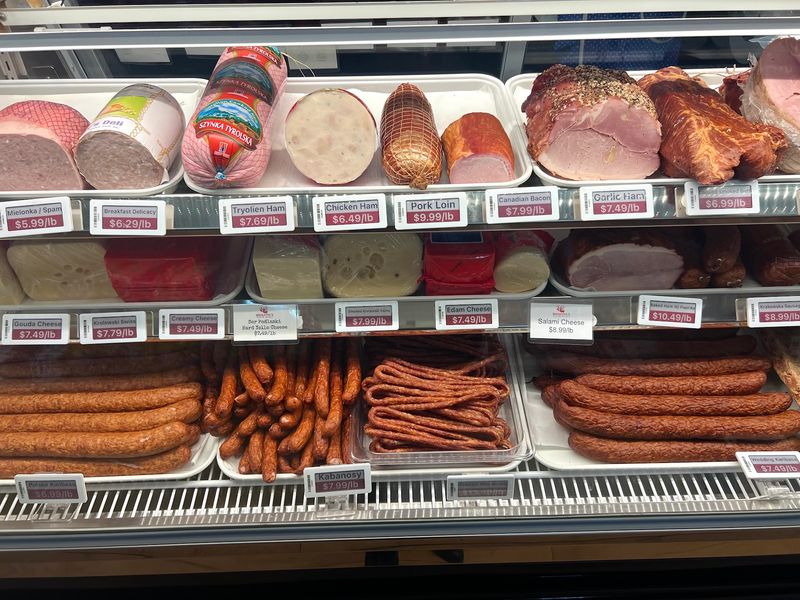
Sandwich lovers should budget extra time at the counter. The variety behind the glass takes a minute to absorb.
Ham, bacon, cheese, and assorted cold cuts fill the display. Garlic ham and black forest ham both have strong reputations.
Black forest smoked bacon is the real conversation piece. It is cured in the European style and can be eaten as is, which surprises American shoppers.
Polish liver pate is another find. Spread it on rye with a pickle and you have a serious snack.
Cheeses lean toward mild and creamy rather than sharp. They melt beautifully.
My favorite easy combination came from a tip I picked up: warm croissant, sliced ham, melted cheese. Five minutes of work, restaurant level results.
Weights are handled carefully at the counter. Ask for a specific amount and you get close to exactly that.
Holiday meat orders are worth considering. Placing one ahead of time saves you from the pre holiday crowd.
Prices reflect the quality rather than bulk grocery pricing. A little goes further than you expect because the flavor is concentrated.
Pickled mushrooms and good mustard sit nearby, and they belong on the same plate. Building a Polish style board here takes one trip and zero cooking.
Ready Made Soups And Stuffed Cabbage For Busy Nights
Dinner is already solved before you reach the register. Pints of homemade soup sit chilled and waiting.
Dill pickle soup is the one visitors ask about most. It is tangy, creamy, and far better than the name suggests.
Red borscht is the other regular. Clear, beet colored, and deeply savory, it makes a perfect starter on a cold Wisconsin night.
Stuffed cabbage, or golabki, is the heavy hitter. Cabbage leaves wrapped around seasoned meat and rice, finished in tomato sauce.
Bigos also appears in the prepared section. The stew combines sauerkraut, cabbage, and meat into something that tastes like it simmered all day.
Everything reheats simply on the stove. Low heat, a lid, and about ten minutes is usually enough.
Pairing a soup with fresh bread turns it into a full meal. Add a couple of pierogi and you can feed a family without cooking.
Portion sizes are honest. A pint stretches further than expected.
Freezing works for most of these items. Stuffed cabbage especially holds up well.
The prepared foods reflect the owner’s background as a chef trained in Polish cuisine. That shows up in the seasoning, which is balanced rather than heavy handed.
Grab a container on your way out. Future you will be grateful.
Shelves Full Of Snacks And Sweet Finds
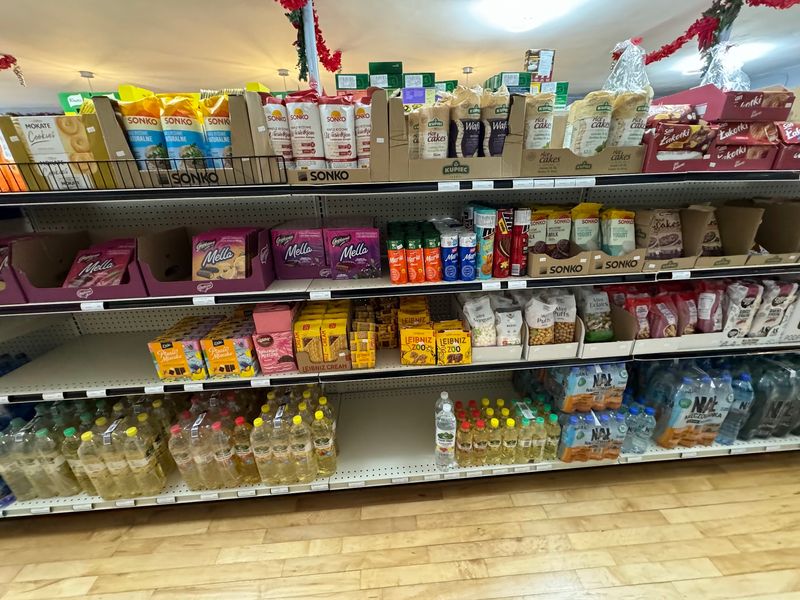
The candy aisle is where nostalgia does its quiet work. Jelly candies here are the same kind some shoppers remember from a grandmother’s dish.
Imported Polish snacks fill several shelves. Wafers, chocolates, and crisps come in packaging you will not see anywhere else in the city.
Mustard deserves special attention. Polish varieties run sweeter or sharper than American versions, and they change a sausage completely.
Pickles and pickled mushrooms are staples worth trying. The brine is less sweet than typical American pickles.
Sauerkraut here is seasoned in the Polish style. It is milder and less sour than the German version most people know.
Noodles, jams, and shelf stable goods round out the pantry section. Prices are reasonable for imported items.
Because labels are in Polish, browsing takes a little detective work. Snap a photo and let your phone translate.
Half the joy is the guessing. I have bought things purely because the wrapper looked interesting and rarely been disappointed.
Imported drinks and specialty pantry items add even more variety to the shelves.
Give yourself permission to buy one mystery item per visit. That habit has introduced me to three new favorites so far.
Curiosity pays off in this aisle.
How To Plan Your First Visit
Bring a cooler if you are driving any distance. Meat, soup, and bread all travel better cold.
Hours can vary, so check the market’s latest listing before planning your visit.
Wednesday and Friday are the bread days. Weekend mornings tend to be livelier.
Plan for at least thirty minutes. The store is small, but every shelf rewards a slow pass.
Start at the deli counter, since that is where the best decisions happen. Then work outward toward the bakery and pantry.
Ask questions freely. The people behind the counter know their products and can point you toward the right sausage or pierogi.
Come hungry but not starving. Hungry helps you shop well, starving helps you overspend.
Small markets like this one survive because people show up. Every visit keeps a piece of Milwaukee’s Polish food tradition alive and stocked.
Bring a friend who has never tried paczki. Watching that first bite is half the fun.