This Woman-Owned Kentucky Store Is Packed With Fabric For Every Project
Your fabric stash has become a situation. There are bolts in the closet, remnants in a bin, and a bag you have not opened since spring.
You are not going to stop, and we both know it.
The problem is that your options shrank when the big chain closed, and no screen can tell you how something drapes. You need to put your hands on it first.
There is a Kentucky shop that solves this quietly. It looks modest from the parking lot and then keeps going once you are inside.
Drapery weight, upholstery, hardware, and catalogs that reach far past what fits on the shelves. One customer claims it carries more textile goods than any other local shop in the state.
The staff will help you narrow it down without hurrying you. Bring a plan, because you will abandon it immediately.
A Storefront That Hides A Serious Fabric Stash
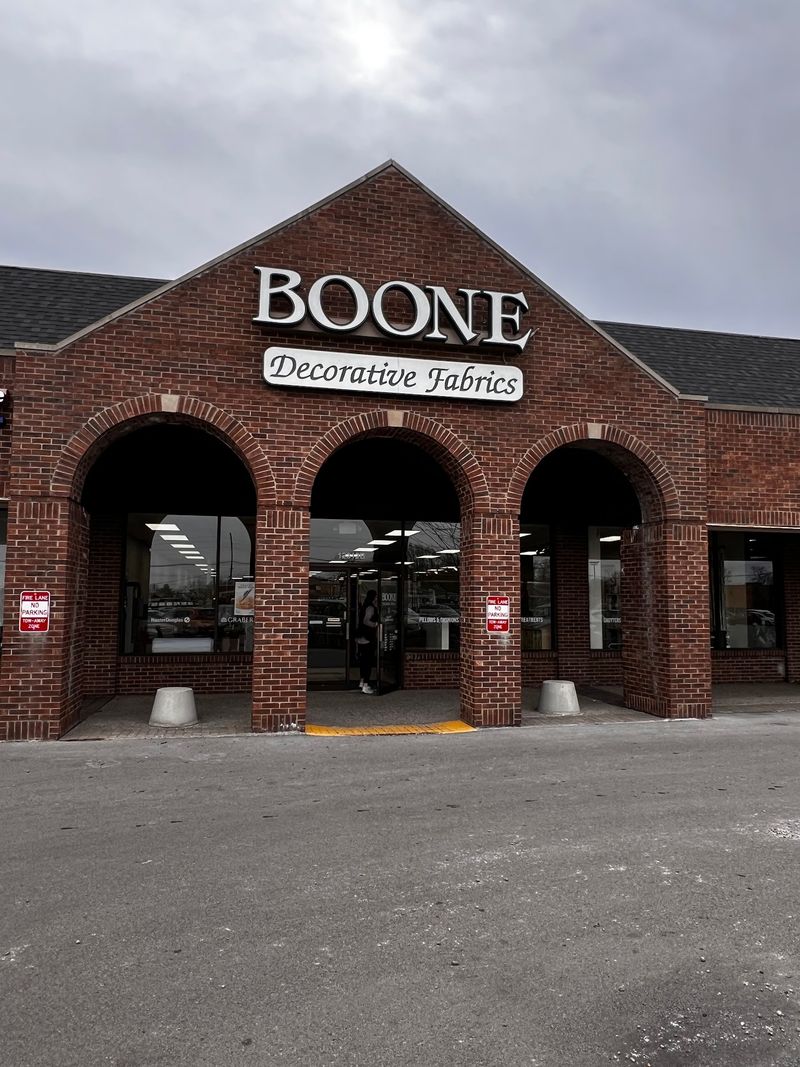
Boone Fabrics and Custom Window Treatments does not shout for attention from the road.
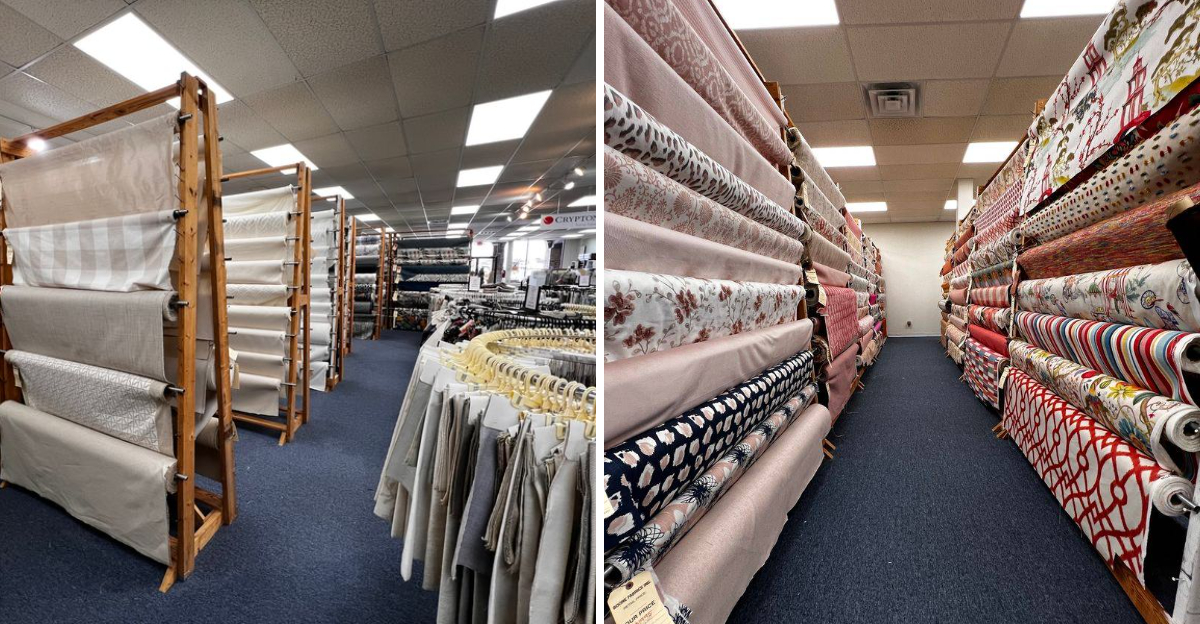
The parking lot gives no hint of what waits inside. Then the door opens and fabric fills your field of vision.
Bolts lean in tidy rows. Colors run from quiet cream to loud tropical print.
Family-owned shops like this one live on knowledge, not square footage. Here the knowledge shows up in the first minute of conversation.
Middletown sits east of downtown Louisville, so the drive stays easy from most suburbs. Shelbyville Road runs straight to the door.
Nothing about the place feels rushed. People browse, ask questions, and unroll fabric to see how it drapes.
If your idea of fun involves a rotary cutter, plan extra time. One trip rarely covers everything on the list.
The sign is simple and the windows show finished treatments. That preview tells you what the workroom can actually do.
Consider this a friendly warning before you visit. Fabric shopping here has a habit of expanding your plans.
You will find it at 12312 Shelbyville Rd, Middletown, Kentucky, along a busy retail stretch.
Rows Of Bolts For Nearly Any Project
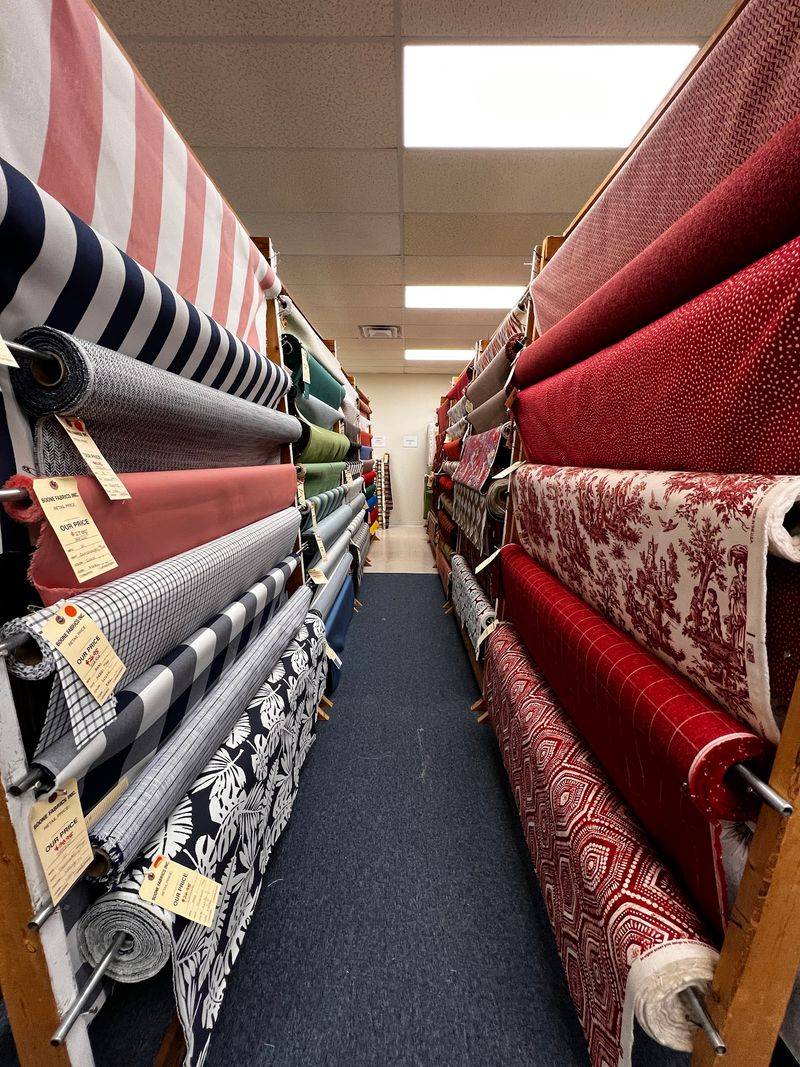
Quilting cotton is only the opening act at this shop. The range stretches into drapery, upholstery, and lighter dress weights.
Bolts stand upright in rows, which makes browsing simple. You can pull one out, unroll a foot, and judge the hand.
Weight matters more than most beginners expect. A fabric that looks perfect lying flat may hang badly once sewn.
Solids sit near prints, so coordinating goes faster. You can hold two bolts side by side under the same light.
Store lighting changes color, and so does daylight. Ask about a swatch and check it at home before committing.
Pattern scale trips people up too. A big floral shrinks beautifully on drapes and overwhelms a small chair.
Prices vary by fiber and construction, as they should. Cotton, linen blends, and heavy woven goods do not cost the same.
Bring your measurements written down, not stored in your head. Yardage math goes smoother with real numbers.
Repeats add yardage on patterned goods, sometimes a lot. Factor that in before you fall for a bold print.
Browsing here rewards patience. The best match often sits two rows past the first one you liked.
Window Treatments Built To Fit Your Windows
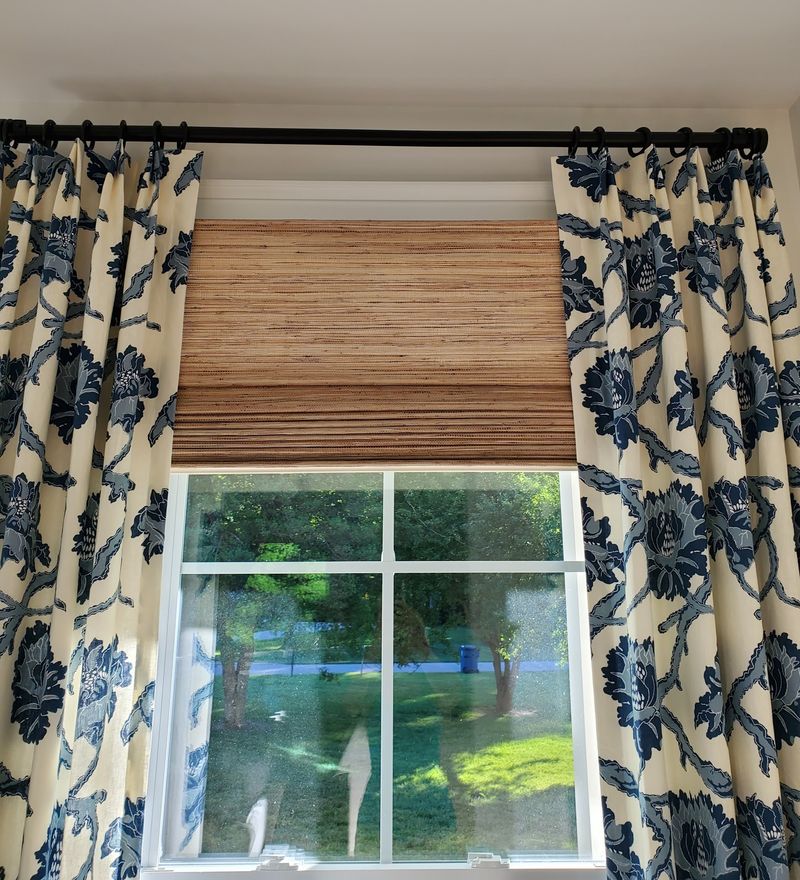
Off-the-shelf curtains assume every window is the same size. Older Kentucky houses laugh at that assumption.
Custom work solves the gap between standard panels and real openings. That is the second half of the shop’s name.
Measuring is the step people rush and later regret. Width, length, and mounting height all change the finished look.
A rod hung higher than the frame makes a room feel taller. Small trick, big payoff.
Lining changes how a panel hangs and how much light it blocks. Ask what lining suits your room’s exposure.
South-facing rooms here get bright and warm in summer. Heavier lining helps keep the afternoon manageable.
Roman shades, panels, valances, and cornices each solve different problems. The right choice depends on space, hardware, and how the window operates.
Bring pictures of the room on your phone. Wall color, flooring, and furniture all influence fabric choice.
Timelines matter for custom sewing, so ask early. Holiday season and spring projects fill schedules quickly.
Fabric selection and construction happen with the same people. That continuity keeps details from slipping between steps.
Good treatments quietly finish a room. Bad ones announce themselves every single day.
Upholstery Goods That Survive Real Life
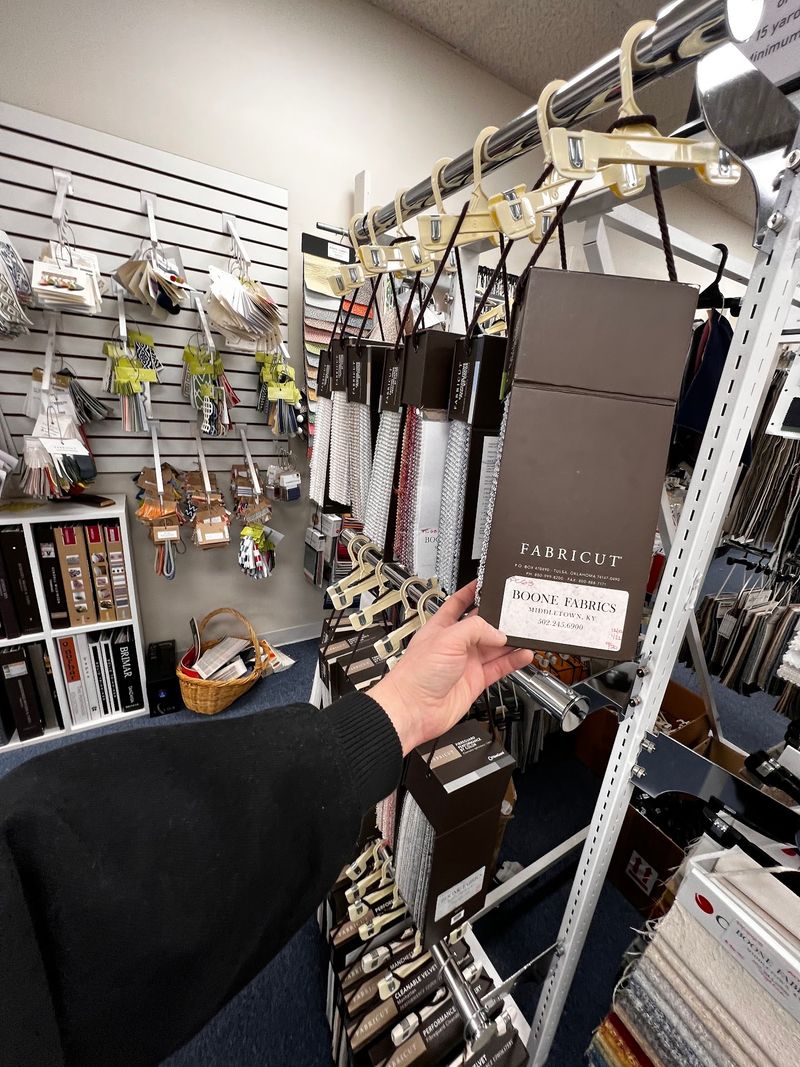
Sofas take punishment from pets, kids, and long Sunday afternoons. Upholstery fabric has to answer for all of it.
Durability gets measured in rub counts, and higher numbers mean tougher cloth. Ask about that number before you fall in love.
Woven patterns generally outlast printed surfaces on high-use furniture. Threads carry the design instead of ink sitting on top.
Texture hides wear better than flat weaves. Tweeds and chenilles forgive a lot of daily traffic.
A friend recovered two dining chairs in pale silk. They looked stunning for roughly one dinner party.
Performance fabrics changed the math for busy households. Many clean up with mild soap and water.
Seat cushions need firmer goods than backs and pillows. Mixing weights across one piece usually looks off.
Yardage for furniture climbs faster than people guess. A standard armchair can eat six yards or more.
Bring a photo of the frame and any existing fabric. Shape and arm style drive the estimate.
Pattern placement matters on a sofa back. Centering a motif takes planning and a little extra cloth.
Color should suit the room’s traffic, not just the mood board. Mid-tones hide crumbs and paw prints better.
Recovering good bones beats replacing a whole piece. Your wallet and your favorite chair both benefit.
Advice From People Who Sew
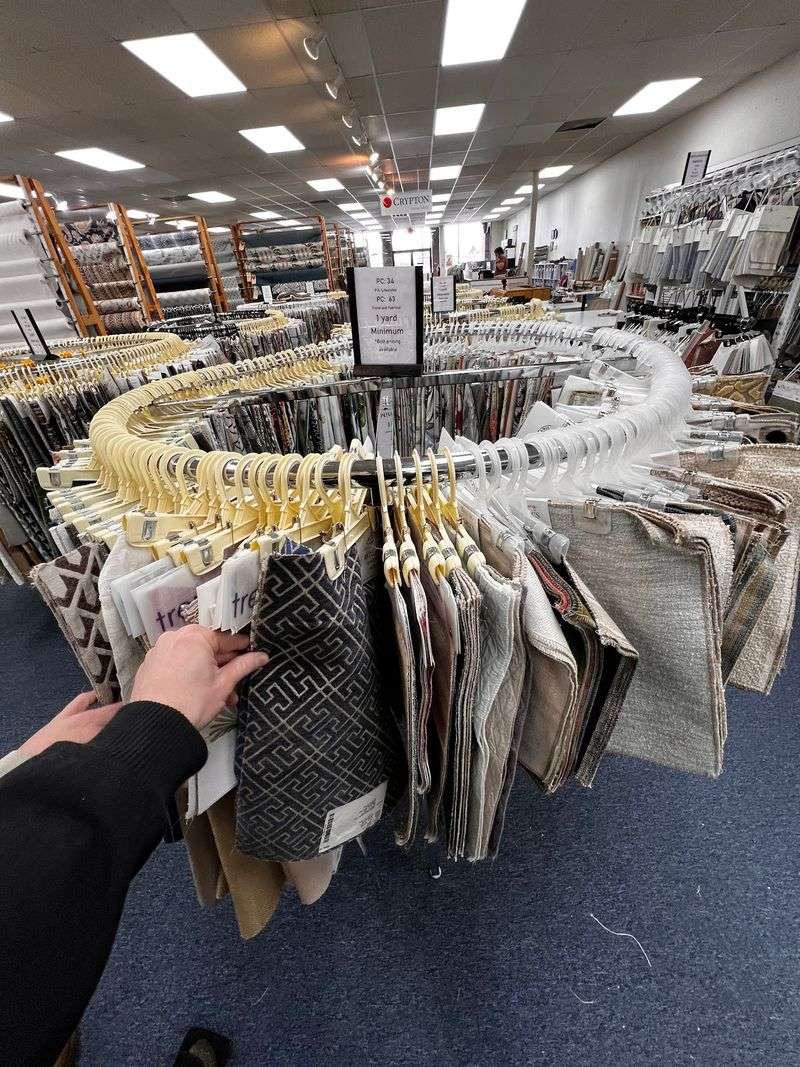
Ask a real question here and you get a real answer. That is rarer than it should be.
Staff at a family-run fabric shop handle projects daily. They know which cloth frays and which one behaves.
Beginners get treated kindly, which matters more than any discount. Nobody smirks at a first pillow attempt.
Bring your pattern envelope when you shop. The back panel lists suggested fabrics and yardage for every size.
Those suggestions exist for a reason. Substituting stiff fabric into a flowy design rarely ends well.
Questions about thread weight and needle size are welcome. Small choices decide whether seams pucker or lie flat.
Ask about prewashing too, especially for anything that will be laundered. Cotton shrinks, and it shrinks unevenly.
Photos help conversations move faster. Show the room, the chair, or the half-finished quilt top.
Honest guidance sometimes means being told to buy less. That kind of advice earns repeat customers.
Local shops also understand local conditions. Humidity in Kentucky summers affects how certain fabrics behave.
Take notes on your phone while you talk. Details fade by the time you get home.
Trims, Tassels, And The Finishing Touches
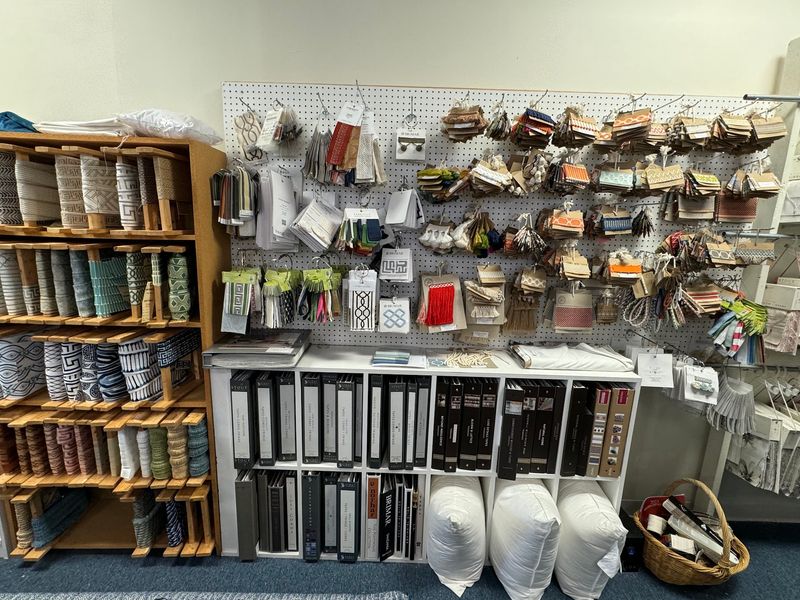
Trim is the jewelry of a sewing project. A plain panel turns custom with two inches of tape.
Cording, fringe, banding, and tassels change the personality of a room. Small additions carry surprising weight.
Contrast banding along a drapery edge reads expensive. It costs far less than switching to a different fabric.
Match trim to fabric weight, not only to color. Heavy fringe on light cotton drags the hem down.
Bring your main fabric swatch when shopping for trim. Memory lies about shades of cream.
Pillow projects benefit most, since the yardage stays small. A yard or two transforms the whole piece.
Welting gives cushions crisp edges and longer life. Seams stay protected right where the wear happens.
Buttons, hardware, and rings often decide how a treatment hangs. Cheap rings snag and squeak on the rod.
Measure the perimeter before buying trim, then add extra. Corners and joins consume more than expected.
Sampling helps, so pin your options to the fabric at home. Daylight settles arguments quickly.
Restraint still counts. One strong detail beats three competing ones on the same pillow.
Finishing touches are where projects start looking professional. That last inch does the talking.
How To Plan A Project Before You Shop
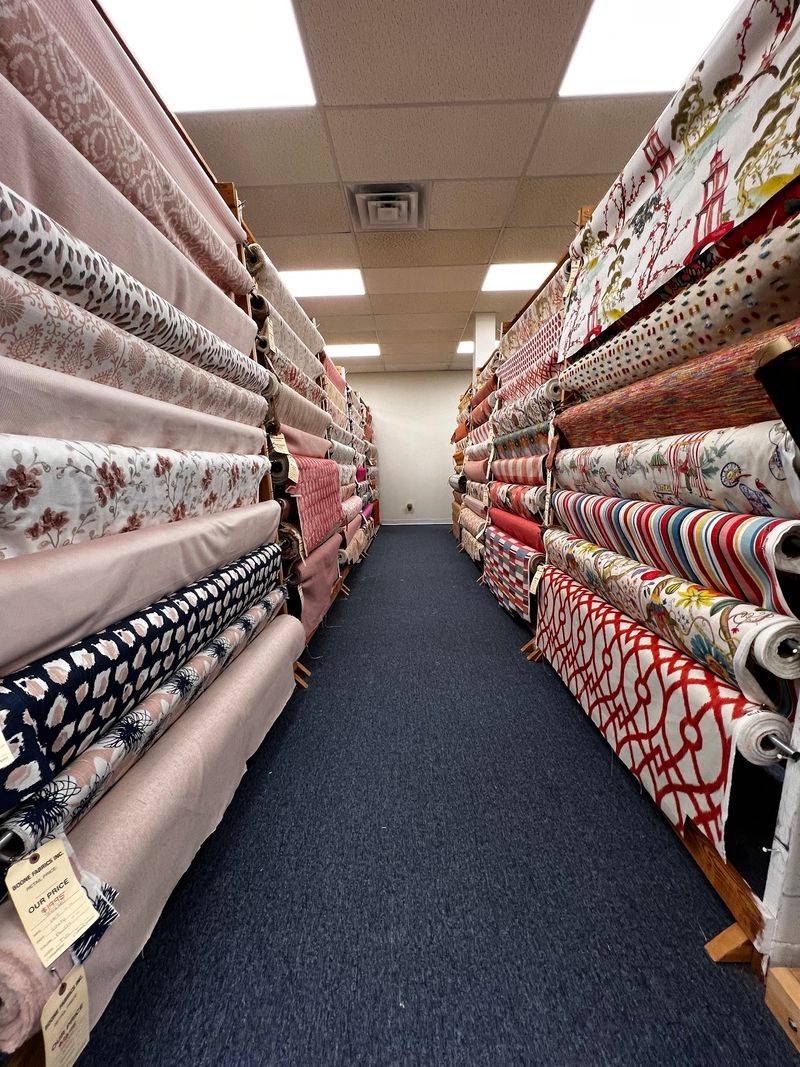
Fabric shopping without a plan is how closets fill with orphan yardage. Ask me how I know.
Start with measurements for every window, cushion, or garment on your list. Write them down clearly.
Add ten percent to yardage estimates for mistakes and shrinkage. That buffer has rescued plenty of projects.
Set a rough budget per project, not per trip. Costs are far easier to judge that way.
Photograph your room in morning and evening light. Colors shift more than most people believe.
Bring paint chips or a cabinet sample if you are matching. Guessing from memory is a gamble.
Decide your priority first: durability, drape, or pattern. You rarely get all three at one price.
Keep a swatch folder in your bag for ongoing projects. Old scraps prevent duplicate purchases.
If custom work is the goal, ask about lead times up front. Schedules shape decisions.
Carry a tape measure into the store with you. Guessing at bolt widths creates yardage errors.
Bolt width matters, since fifty-four inch goods cover more than forty-four inch cotton. That difference changes your total.
Shop early in the day when the store is quieter. Conversations go deeper without a line behind you.
Leave with a written cutting plan. Future you will send thanks.
Making A Day Of It On Shelbyville Road
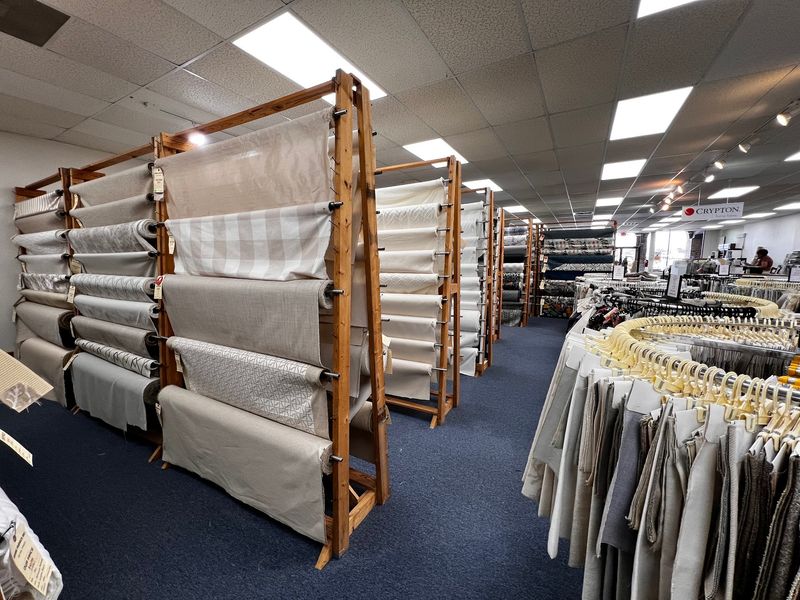
Middletown makes an easy stop between errands and dinner plans. Shelbyville Road keeps everything within a short drive.
The corridor holds shopping centers, coffee spots, and small businesses in the same stretch. One trip can cover several stops.
Parking near the storefront is straightforward, which sounds boring until you try downtown parking.
Drive time from the Gene Snyder Freeway stays short. That puts the shop within reach of most of eastern Jefferson County.
Weekday mornings tend to feel calmer than Saturday afternoons. Choose accordingly if you want unhurried help.
Call ahead for hours before making a long drive. Small businesses set their own schedules.
Supporting a family-owned store keeps money circulating close to home. It also keeps real expertise in the neighborhood.
Sewing communities around Louisville rely on shops like this for supplies and guidance. Chain stores rarely offer both.
I usually pair a fabric run with lunch nearby. It turns an errand into a decent afternoon.
Bring a friend who sews, or one who tolerates opinions about linen. Second eyes help with color decisions.
Load fabric flat in the car rather than crumpled in a bag. Creases set fast in heavy goods.
Then comes the fun part at home. Cutting, pinning, and finally watching the plan become real.